 Miya Bholat
Mar 31, 2026
How to Centralize Fleet Maintenance Across Multiple Locations Using Software
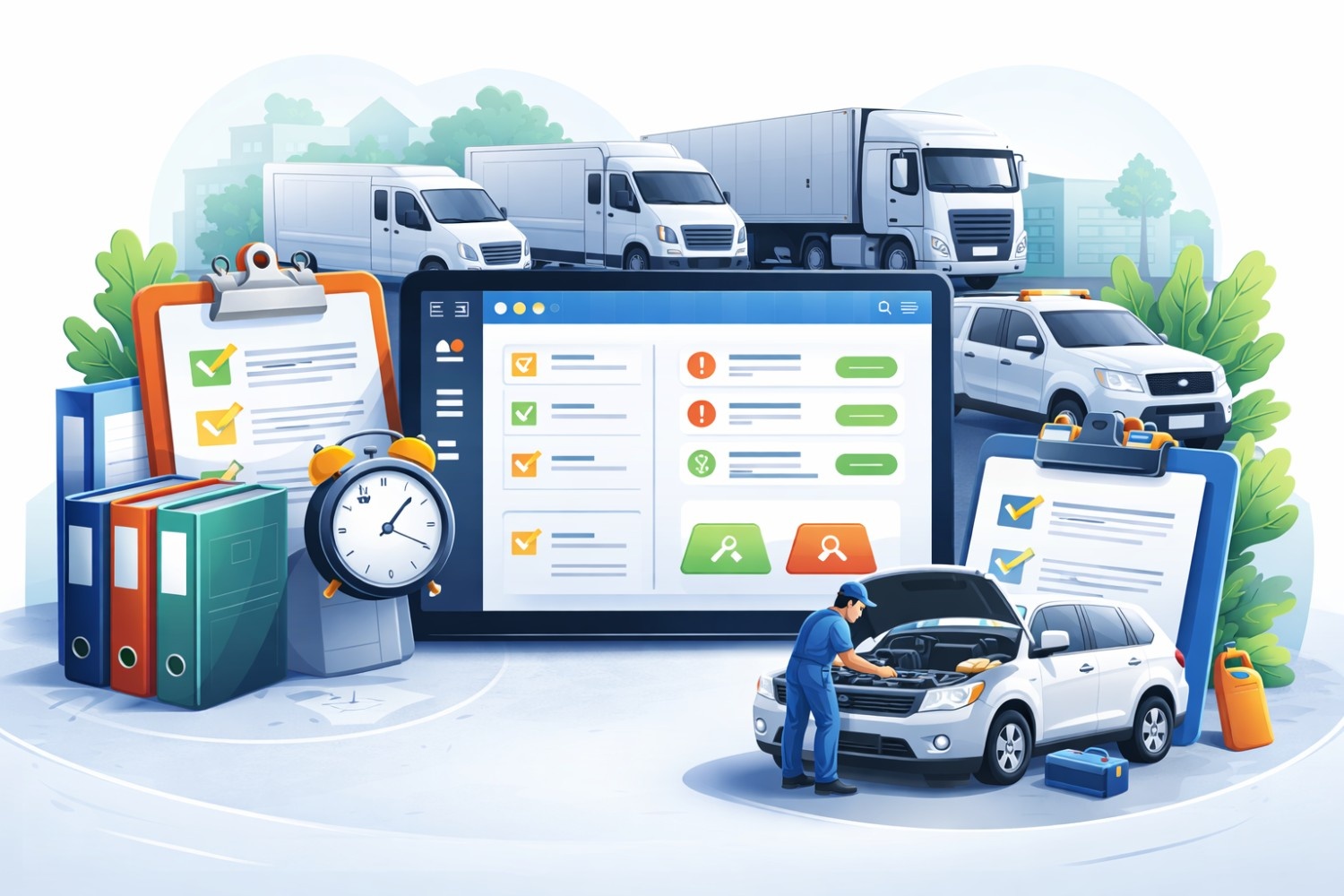
Key Takeaways
- Centralization is about visibility, not control — You're connecting operations across locations, not replacing local workflows.
- Decentralized systems create hidden inefficiencies — Missed work orders, inconsistent schedules, and fragmented data quietly increase costs.
- The right software solves multi-location challenges directly — Features like centralized work orders and cross-location reporting eliminate silos.
- A structured transition minimizes disruption — Audit current systems, standardize schedules, and roll out gradually to ensure adoption.
- Operational improvements become measurable quickly — Reduced downtime, faster reporting, and better compliance show up soon after centralization.
- Centralization sets the foundation for scalable growth — As your fleet expands, your systems won't need to be rebuilt — just extended.
Why Managing Fleet Maintenance Across Multiple Locations Gets Complicated Fast
If you're managing vehicles across multiple locations, you already know how quickly things spiral.
One site logs maintenance in spreadsheets. Another uses paper. A third relies on a mechanic's memory. Meanwhile, you're fielding calls from three different supervisors asking whether a vehicle was serviced — and no one has the same answer.
Here's what typically breaks down:
- Work orders get missed or duplicated because there's no shared system
- Preventive maintenance schedules drift across locations
- Data lives in silos — spreadsheets, binders, or local tools
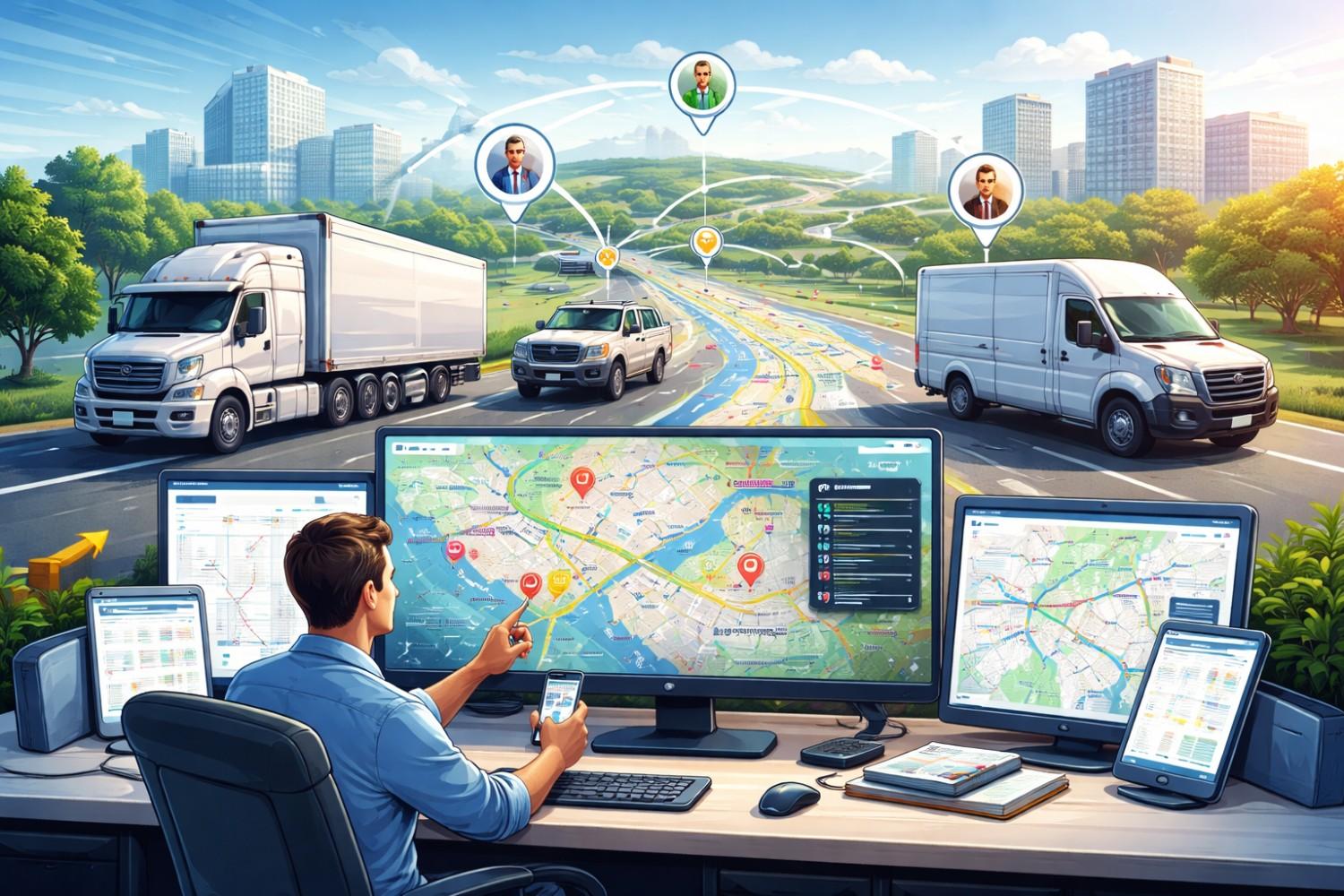
- You lack real-time visibility into fleet health across sites
The result? You spend more time chasing information than actually managing the fleet.
And as the number of locations grows, the complexity doesn't increase linearly — it multiplies.
What "Centralized Fleet Maintenance" Actually Means
Centralizing fleet maintenance doesn't mean removing control from local teams.
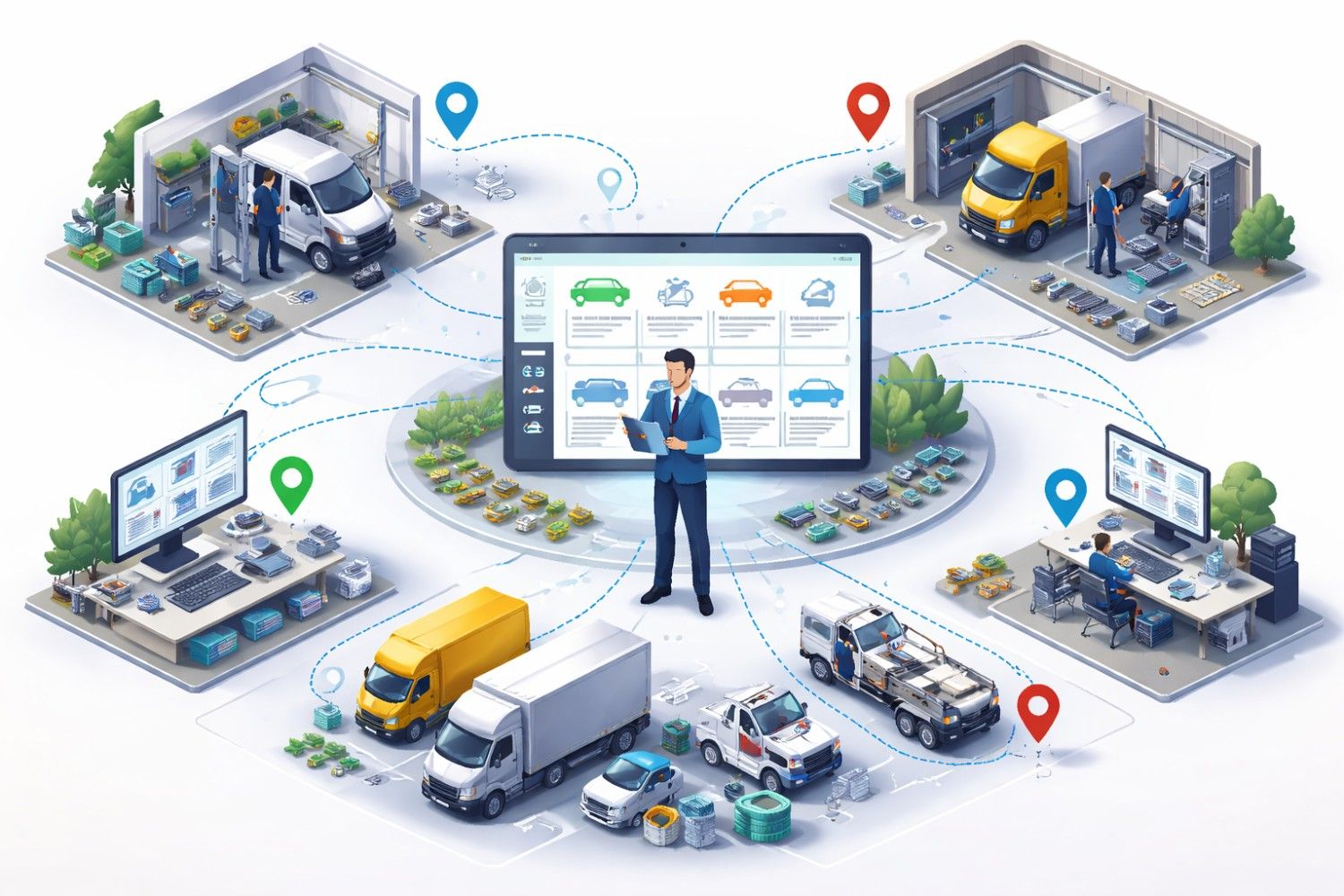
It means creating a single system where all maintenance data, schedules, and workflows live — while still allowing each location to execute work independently.
Think of it like this:
- Centralized visibility: You can see every vehicle, work order, and maintenance status across all locations in one dashboard
- Decentralized execution: Local teams still perform inspections, repairs, and servicing on-site
This distinction matters because many fleets hesitate to centralize, thinking it will slow down operations. In reality, the opposite happens — centralization removes friction.
With the right fleet maintenance software, you're not replacing local workflows — you're connecting them.
The Real Costs of Decentralized Maintenance Operations
Missed or Duplicated Work Orders
When each location operates independently, work orders become unreliable.
One team logs a repair. Other logs it again. Or worse — no one logs it at all.
Without a centralized system:
- Maintenance tasks fall through the cracks
- Duplicate work increases labour costs
- Asset history becomes incomplete or inaccurate
This creates long-term problems, especially when you rely on accurate records for diagnostics or resale value.
Inconsistent Maintenance Intervals Across Sites
Preventive maintenance only works when it's consistent.
But across multiple locations, schedules tend to drift:
- One site services vehicle every 5,000 miles
- Another stretches it to 7,500 miles
- A third follows no clear schedule at all
Over time, this inconsistency leads to uneven vehicle performance and higher failure rates.
Using standardized schedules like those in fleet preventive maintenance schedules ensures every vehicle follows the same baseline — regardless of location.
No Unified Reporting for Compliance or Audits
When records are scattered, reporting becomes a nightmare.
If you're preparing for an audit or compliance check, you may need to:
- Pull records from multiple spreadsheets
- Request documents from each location
- Manually compile maintenance history
This is slow, error-prone, and risky.
A centralized system ensures all records are stored in one place, making compliance easier and faster — especially when following frameworks like a fleet maintenance audit checklist.
Key Features to Look for in Fleet Maintenance Software for Multi-Location Operations
Not all software is built for multi-location fleets. You need features that specifically address distributed operations.
Here are the capabilities that actually matter:
- Multi-location asset management — Track vehicles, equipment, and assets by location while maintaining a unified view
- Role-based access control — Give each site access to only what they need while keeping centralized oversight
- Centralized work order management — Create, assign, and track work orders across all locations in one system
- Shared parts and vendor database — Standardize vendors and inventory across locations to reduce redundancy
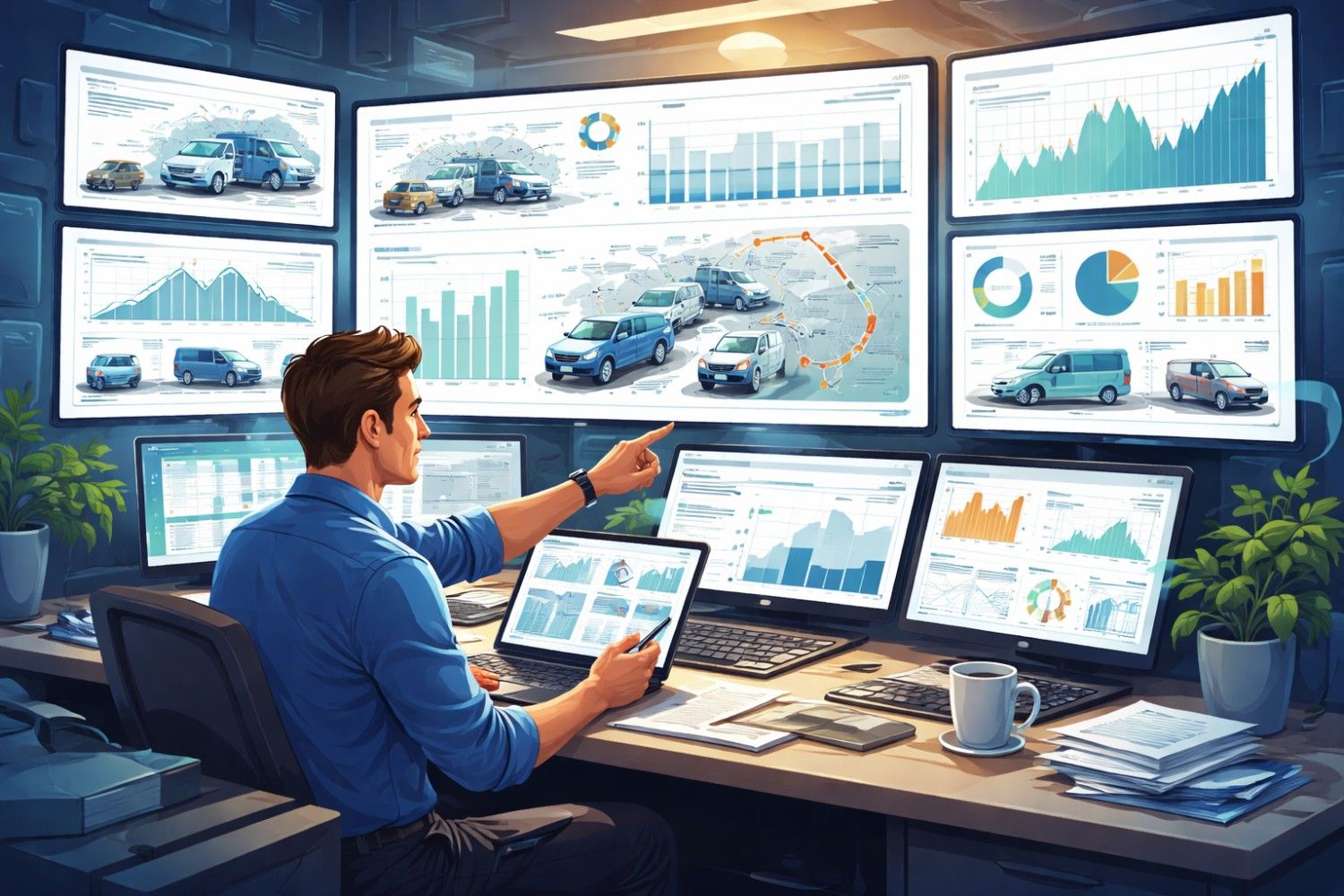
- Cross-location reporting and analytics — Compare performance, costs, and maintenance trends across sites
These features eliminate silos and create consistency without slowing down operations.
Platforms like AUTOsist are designed with this structure in mind — allowing fleet managers to oversee multiple locations without losing control at the local level.
How to Transition from Fragmented Systems to a Centralized Platform
Moving to a centralized system doesn't have to disrupt operations — if you approach it methodically.
Auditing What Each Location Currently Uses
Start by understanding your current setup.
Before making any changes, document:
- Tools used at each location (spreadsheets, paper logs, software)
- Maintenance workflows and processes
- Existing preventive maintenance schedules
- Data gaps or inconsistencies
This audit helps you identify what to standardize — and what to eliminate.
Standardizing Maintenance Schedules Across Sites
Once you understand the current state, the next step is alignment.
Create a unified preventive maintenance framework that applies across all locations:
- Define baseline service intervals (miles, hours, or time-based)
- Align schedules with OEM recommendations
- Allow minor adjustments for location-specific conditions
This ensures consistency without ignoring real-world differences.
A structured approach like this mirrors best practices outlined in a preventative maintenance guide, helping you build a scalable system.
Rolling Out Software to Multiple Teams Without Disruption
The biggest risk during centralization is resistance from local teams.
To avoid this, focus on gradual adoption:
- Start with one pilot location before scaling
- Provide hands-on training for supervisors and technicians
- Keep workflows simple and familiar
- Communicate the "why" behind the change
Most importantly, show quick wins — like reduced admin work or faster reporting — to build buy-in.
Real-World Example: What Centralized Maintenance Looks Like in Practice
Let's say a company operates 120 vehicles across four locations.
Before centralization:
- Each location tracks maintenance separately
- 15–20% of preventive maintenance tasks are missed
- Reporting takes 2–3 days to compile
- Breakdown response times average 48 hours
After implementing a centralized system:
- All vehicles and maintenance records are visible in one platform
- Preventive maintenance compliance improves to 95%+
- Reports are generated instantly
- Breakdown response time drops to under 24 hours
What changed?
Not the team. Not the fleet size.
Just the system connecting everything.
The Operational Benefits That Show Up After Centralization
Once your system is centralized, the improvements become measurable.
Here's what typically changes:
- Reduced downtime — Preventive maintenance is consistent, reducing unexpected breakdowns
- Faster response to issues — Work orders are tracked in real time across locations
- Lower administrative overhead — No more manual data collection or duplicate entry
- Better vendor negotiations — Consolidated data gives you leverage across locations
- Improved compliance readiness — All records are accessible, accurate, and audit-ready
These benefits compound over time.
For example, even a 10% reduction in downtime across a multi-location fleet can translate into significant cost savings — especially when vehicles are revenue-generating assets.
Frequently Asked Questions
-
What does it mean to centralize fleet maintenance across multiple locations?
It means managing all maintenance data, schedules, and work orders in one system while allowing each location to carry out the work locally. -
How does centralized fleet maintenance reduce downtime?
It ensures consistent preventive maintenance, tracks work orders in real time, and helps teams respond faster to issues before they escalate. -
Can multiple locations still operate independently with centralized software?
Yes. Local teams continue handling daily tasks, but all data is synced into one system for visibility and control. -
What are the biggest challenges without centralized fleet maintenance?
Missed work orders, inconsistent maintenance schedules, duplicate data entry, and difficulty generating reports across locations. -
How long does it take to implement centralized fleet maintenance software?
Most fleets can start with a pilot location and roll out gradually over a few weeks, depending on fleet size and complexity.