 Miya Bholat
May 14, 2026
Construction Equipment Maintenance Checklist
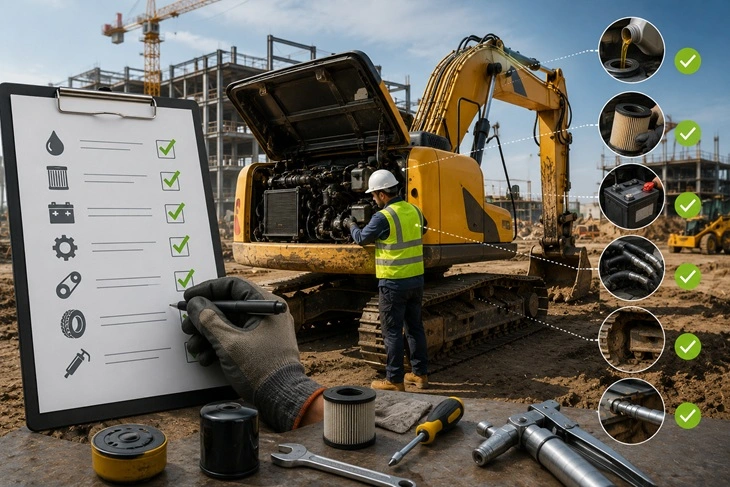
A construction equipment maintenance checklist is a structured inspection process that helps operators confirm whether equipment is safe, serviced, and ready before work begins. For construction teams managing mixed assets, fleet management software can help connect daily inspections, maintenance reminders, service history, and repair tasks in one place instead of relying on scattered paper logs.
This matters even more for contractors managing machines across active job sites. A strong construction fleet management process helps crews catch issues before they delay projects, damage equipment, or create safety risks for operators and nearby workers.
Key Takeaways
- Daily checks reduce costly downtime: Operators should inspect leaks, tracks, tires, fluids, lights, alarms, controls, and attachments before equipment enters the job site.
- Checklists protect safety and compliance: A documented checklist helps prove that equipment was inspected, maintained, and removed from service when issues were found.
- Different equipment needs different checks: Excavators, cranes, forklifts, skid steers, generators, and compactors all have unique wear points and safety risks.
- Preventive maintenance is cheaper than emergency repair: Planned service helps avoid rushed repairs, rental replacements, project delays, and idle crews.
- Digital records improve accountability: Mobile checklists, photos, maintenance history, and work orders make it easier to manage equipment across job sites.
- A checklist only works when crews use it: Keep it simple, equipment specific, and tied to clear ownership so operators complete it consistently.
Why Construction Equipment Maintenance Checklists Matter
Equipment downtime can stop excavation, lifting, grading, hauling, and material movement in the middle of a workday. Industry estimates often place construction equipment downtime in the hundreds or thousands of dollars per hour depending on the asset, crew size, and project impact. That makes a simple checklist one of the most practical cost control tools a construction fleet manager can use.
Construction equipment works in dust, mud, heat, vibration, uneven ground, and heavy load conditions. A checklist gives operators a repeatable way to inspect the same critical items every day, so small warning signs do not get missed during busy project schedules.
A checklist also creates documentation. When a machine fails, causes a safety incident, or gets reviewed during an audit, maintenance records show whether the company inspected the asset, flagged defects, and followed up with repairs. OSHA crane standards, for example, require a competent person to begin a visual inspection before each shift the equipment is used.
The Cost of Skipping Preventive Maintenance
Skipping preventive maintenance can turn a minor leak, worn belt, weak battery, or loose pin into a major job site disruption. The direct repair bill is only one part of the cost. A down excavator may idle a crew, delay subcontractors, push back concrete work, or force the company to rent replacement equipment at short notice.
Reactive repairs also tend to cost more because teams pay for emergency diagnostics, rush parts, field service, and unplanned transportation. If maintenance records are incomplete, managers may not know whether the same asset has repeated failures. A consistent checklist supports better fleet management decision making because it gives managers real inspection and repair data instead of guesses.
Compliance and Safety Regulations for Construction Equipment
Construction equipment maintenance is not only a cost issue. It is also a safety and compliance issue. OSHA standards cover many areas of construction equipment operation, including cranes, material handling equipment, power line safety, inspections, and operator related requirements. OSHA also states that industrial trucks must meet applicable requirements for inspection, testing, maintenance, and operation.
A documented checklist helps prove that operators inspected equipment before use, reported unsafe conditions, and followed company maintenance procedures. It also supports manufacturer requirements because most OEM service schedules specify inspection intervals, fluid checks, lubrication points, and component replacement timelines.
Types of Construction Equipment That Need Maintenance Checklists
Not every machine should use the same checklist. A generator, forklift, crane, and excavator all support construction work, but each has different failure points. A practical checklist should reflect how the equipment is used, what can fail, and what safety risks matter most.
Heavy Earth Moving Equipment Excavators, Bulldozers, Graders
Earth moving equipment takes constant abuse from dirt, rock, vibration, and heavy loads. Operators should check tracks, tires, cutting edges, hydraulic cylinders, hoses, pins, bushings, engine filters, and undercarriage wear. A small hydraulic leak on an excavator can quickly become a breakdown if the machine keeps working under pressure.
For larger fleets, equipment maintenance management software can help organize service tasks by asset type so excavators, dozers, graders, and loaders do not follow the same generic checklist.
Lifting Equipment Cranes, Forklifts, Aerial Work Platforms
Lifting equipment needs extra attention because failures can create immediate safety hazards. Operators should inspect load charts, cables, chains, forks, tires, outriggers, brakes, alarms, hydraulic systems, boom components, and attachment points.
These assets should never operate with questionable controls, worn lifting components, unstable setup conditions, or missing safety devices. A missed check here can create liability, injury risk, and major project disruption.
Light Construction Equipment Compactors, Skid Steers, Generators
Light equipment often gets overlooked because it feels easier to replace or move around. That is a mistake. A generator failure can stop power on a remote site, and a skid steer failure can slow loading, grading, or cleanup work.
Daily checks should include fluid levels, belts, hoses, battery condition, fuel systems, filters, tires, attachments, couplers, and visible damage. These smaller assets also need records because they often move between sites and operators.
Daily Construction Equipment Maintenance Checklist
Daily inspections matter because operators are closest to the machine and can catch changes before they become failures. The goal is not to perform a full repair each morning. The goal is to decide whether the equipment is safe to operate and whether anything needs attention before work begins.
Use this daily checklist before equipment enters active service:
- Check for visible leaks under and around the machine.
- Inspect tires, tracks, wheels, rollers, and undercarriage components.
- Look for cracked glass, damaged mirrors, loose guards, and missing panels.
- Confirm engine oil, hydraulic fluid, coolant, fuel, and other key fluid levels.
- Test lights, backup alarms, horns, cameras, and safety devices.
- Review gauges, warning lights, controls, brakes, and steering response.
- Inspect attachments, buckets, forks, blades, couplers, pins, and locking points.
- Confirm seat belts, access steps, handrails, and operator controls are in safe condition.
- Report defects before operation and remove unsafe equipment from service.
- Record the inspection result so managers can verify completion later.
Digital inspections can make this easier because operators can complete checks from the field. A digital vehicle inspection app is useful when teams need mobile forms, photos, and time stamped inspection records instead of handwritten sheets.
Weekly and Monthly Construction Equipment Maintenance Tasks
Daily checks catch obvious safety and readiness issues. Weekly and monthly maintenance goes deeper. Operators may handle basic weekly checks, while mechanics or certified technicians usually handle more technical inspections, measurements, fluid service, brake checks, and calibration work.
Weekly Maintenance Tasks
Weekly checks should focus on wear, lubrication, and early signs of part failure. This is the right time to look beyond the quick walkaround and inspect components that may not show immediate problems during a daily pre start check.
A weekly equipment maintenance routine should include these tasks:
- Inspect air filters and clean or replace them when conditions require it.
- Grease pins, bushings, joints, and lubrication points.
- Check battery terminals for corrosion, looseness, and secure mounting.
- Inspect belts and hoses for cracks, soft spots, leaks, and wear.
- Review tire pressure, track tension, and undercarriage condition.
- Confirm small issues from daily checklists were assigned and resolved.
For recurring service, fleet preventive maintenance schedules help managers set maintenance intervals by usage, asset type, or service need.
Monthly and Seasonal Maintenance Tasks
Monthly maintenance should include deeper inspections that protect long term performance. This may include fluid changes, hydraulic system inspection, brake checks, undercarriage wear measurement, attachment inspection, and calibration for electronic systems.
Seasonal maintenance also matters. Winter conditions can affect batteries, fuel systems, tires, fluids, and starting performance. Summer heat can increase cooling system stress, hydraulic temperature issues, and tire wear. Teams that already track information fleet managers should monitor daily, weekly, and monthly can build more reliable inspection routines around actual equipment usage.
How to Build a Construction Equipment Maintenance Checklist That Gets Used
Many companies have checklists that look good on paper but fail in the field. Operators skip them when they are too long, too generic, hard to access, or disconnected from repair follow up. A useful checklist should be fast enough for the field and specific enough to catch real risk.
An effective construction equipment checklist should have these traits:
- Match the asset type instead of using one form for every machine.
- Use plain language that operators can understand quickly.
- Assign clear ownership for completion, review, and repair follow up.
- Include photo documentation for leaks, damage, worn parts, and unsafe conditions.
- Connect failed inspection items to repair requests or work orders.
- Store records in one place so managers can review trends across job sites.
When a checklist creates a repair need, the next step should be clear. A connected fleet maintenance work order software workflow helps teams turn inspection findings into assigned repair tasks instead of leaving them buried in notes.
Common Construction Equipment Maintenance Mistakes and How to Avoid Them
Construction fleet managers often know maintenance matters, but job site pressure makes shortcuts tempting. The problem is that small shortcuts compound over time and eventually show up as downtime, safety issues, or expensive repairs.
Watch for these common mistakes:
- Relying only on operators to verbally report problems without a documented system.
- Using paper logs that get lost, damaged, or filled out after the fact.
- Skipping manufacturer service intervals to keep a machine working one more day.
- Tracking maintenance by calendar date when the asset really needs hour based service.
- Failing to review repeat issues across the same asset, operator, or job site.
- Keeping records in separate spreadsheets, binders, emails, and text messages.
These gaps are similar to broader common fleet management mistakes that happen when teams rely on informal processes instead of repeatable systems. They also explain why spreadsheets versus fleet management software becomes a real decision once equipment volume, locations, and maintenance tasks increase.
Using Fleet Maintenance Software to Manage Equipment Checklists
Software helps construction teams move from reactive maintenance to organized maintenance. Instead of waiting for a breakdown, managers can assign digital checklists, monitor completion, review flagged issues, and track service history by equipment record.
This is where AUTOsist can support checklist management without making the process complicated. Mobile inspections help operators complete forms at the job site, while reminders and equipment records help managers see what is due, what failed inspection, and what needs repair.
The biggest value comes from connecting checklist results to maintenance history. When every inspection, work order, repair, and service note stays with the asset, managers can spot repeat problems and decide whether equipment needs repair, replacement, or closer monitoring. A complete vehicle service history record also supports resale, warranty review, and incident documentation.
For teams managing multiple systems, integrated fleet management software can reduce the back and forth between inspection forms, repair logs, maintenance schedules, and reporting.
Key Takeaways for Construction Fleet Managers
A construction equipment maintenance checklist works best when it is specific, documented, easy to complete, and connected to repair action. Daily inspections protect safety and readiness, while weekly and monthly tasks protect long term equipment value.
Fleet managers should treat maintenance records as operational proof, not paperwork. The right process helps reduce downtime, control repair costs, extend equipment life, and create safer job sites. If your team still relies on paper logs or disconnected spreadsheets, AUTOsist can help bring inspections, maintenance schedules, work orders, and equipment records into a more organized system.
Frequently Asked Questions
-
How often should construction equipment be inspected?
Construction equipment should be inspected before each shift, with deeper weekly, monthly, and seasonal maintenance based on equipment type, usage hours, and manufacturer recommendations. High risk equipment such as cranes, forklifts, and aerial lifts may require more frequent documented checks. -
What should be included in a construction equipment maintenance checklist?
A construction equipment maintenance checklist should include leaks, visible damage, tires or tracks, fluid levels, lights, alarms, controls, gauges, brakes, safety devices, attachments, filters, lubrication points, and service interval checks. The checklist should be customized by equipment type instead of using one generic form for every asset. -
What is the difference between daily inspection and preventive maintenance?
A daily inspection confirms whether equipment is safe and ready to use before work begins. Preventive maintenance is scheduled service, such as lubrication, filter replacement, fluid changes, hydraulic inspections, and component checks, designed to prevent future breakdowns. -
What happens if construction equipment maintenance is not documented?
Without documentation, it becomes harder to prove that equipment was inspected, serviced, and repaired properly. Missing records can create problems during OSHA reviews, incident investigations, warranty claims, insurance claims, and internal accountability checks. -
Can I use an app for construction equipment maintenance checklists?
Yes. A digital checklist app can help operators complete inspections from the job site, attach photos, flag defects, and store records automatically. This makes it easier for managers to track checklist completion, repair needs, and equipment history across multiple job sites.