 Miya Bholat
Nov 24, 2025
Fleet Vehicle Maintenance: The Complete Guide to Maximizing Uptime and Minimizing Costs
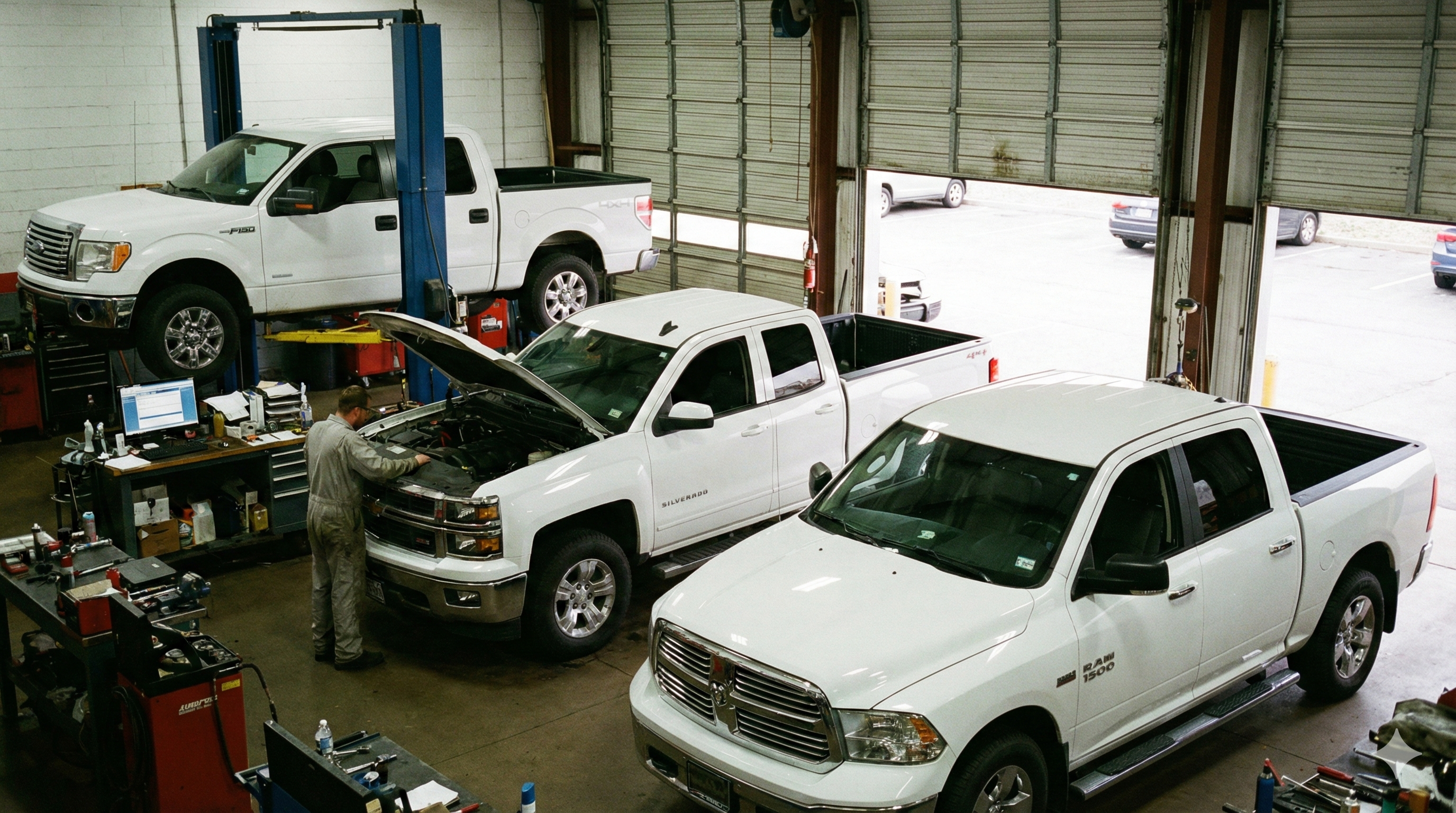
Running a fleet of vehicles—whether you're managing delivery trucks, service vans, or construction equipment—can feel like you're constantly putting out fires. One day it's a transmission issue, the next it's brake problems, and before you know it, half your fleet is sitting in the shop instead of generating revenue.
But here's the thing: proactive fleet maintenance isn't just about keeping your vehicles running. It's about transforming your entire operation from reactive chaos into a well-oiled machine that delivers consistent results, day after day.
Why Fleet Maintenance Should Be Your Top Priority
Let's start with some eye-opening numbers. The average cost of unplanned vehicle downtime can range from $500 to $2,000 per day, per vehicle. For a fleet of 50 trucks, that's potentially $100,000 in lost revenue daily when things go wrong. Now imagine preventing 80% of those breakdowns through smart maintenance practices.
The benefits of proper fleet maintenance extend far beyond avoiding breakdowns:
Financial Impact: Regular maintenance typically costs 3-4 times less than emergency repairs. A $200 oil change beats a $3,000 engine replacement every time.
Operational Reliability: Vehicles that receive consistent care deliver predictable performance, helping you meet customer commitments and maintain service quality.
Safety Enhancement: Well-maintained vehicles protect your drivers and other road users, reducing liability risks and insurance premiums.
Asset Value Protection: Proper maintenance preserves resale value and extends vehicle lifespan, maximizing your return on investment.
Fuel Efficiency: Regular tune-ups and maintenance can improve fuel economy by 10-15%, adding up to significant savings across your fleet.
Essential Fleet Maintenance Best Practices
1. Create a Comprehensive Maintenance Schedule
Think of maintenance scheduling like a prescription from your doctor—it needs to be followed precisely for maximum effectiveness. Develop schedules based on multiple factors:
-
Mileage intervals for oil changes, filter replacements, and major services
-
Time-based schedules for vehicles with low mileage but aging components
-
Usage patterns that account for severe operating conditions like frequent stops, heavy loads, or extreme weather
-
Manufacturer recommendations as your baseline, adjusted for real-world conditions
2. Implement Daily Vehicle Inspections
Your drivers are your first line of defense against costly breakdowns. A simple 5-minute pre-trip inspection can catch issues before they become expensive problems:
-
Fluid levels and leaks
-
Tire condition and pressure
-
Lights and electrical systems
-
Brakes and steering responsiveness
-
Warning lights or unusual sounds
Make inspections easy with digital checklists that drivers can complete on their phones, automatically flagging issues for immediate attention.
3. Track Key Performance Indicators
What gets measured gets managed. Monitor these critical metrics:
-
Vehicle uptime percentage: Aim for 95%+ availability
-
Cost per mile: Track maintenance, fuel, and repair expenses
-
Mean time between failures: Identify problematic vehicles or components
-
Preventive vs. reactive maintenance ratio: Target 80% preventive, 20% reactive
4. Build Strong Vendor Relationships
Don't treat maintenance providers as mere vendors—make them partners in your success. Establish relationships with:
-
Certified service centers that understand your vehicle types and business needs
-
Parts suppliers who can provide quality components at competitive prices
-
Mobile service providers for on-site maintenance and emergency repairs
-
Tire management companies for rotation, replacement, and roadside assistance
5. Train Your Team
The best maintenance software in the world can't compensate for untrained staff. Invest in:
-
Driver training on proper vehicle operation and basic troubleshooting
-
Maintenance staff certification for specialized repairs
-
Safety training to prevent accidents during maintenance activities
-
Technology training to maximize your fleet management software investment
Leveraging Fleet Maintenance Software for Maximum Impact
Modern fleet maintenance software transforms maintenance from a reactive scramble into a strategic advantage. Here's how technology can revolutionize your operations:
Automated Scheduling and Alerts
No more sticky notes or forgotten service intervals. Quality fleet maintenance software automatically:
-
Schedules maintenance based on mileage, engine hours, or calendar dates
-
Sends alerts before services are due, preventing missed intervals
-
Adjusts schedules based on actual vehicle usage patterns
-
Coordinates with your calendar to minimize operational disruption
Real-Time Vehicle Health Monitoring
Through integration with telematics systems, modern software provides:
-
Engine diagnostics that identify issues before they cause breakdowns
-
Fuel efficiency tracking to spot problems early
-
Driver behavior monitoring that impacts maintenance needs
-
GPS integration for location-based service scheduling
Comprehensive Record Keeping
Digital maintenance records provide invaluable insights:
-
Complete service history for warranty claims and resale value
-
Parts usage tracking for inventory optimization
-
Cost analysis by vehicle, driver, or route
-
Compliance documentation for DOT inspections and regulations
Predictive Analytics
Advanced software uses machine learning to:
-
Predict when components are likely to fail
-
Recommend optimal replacement intervals
-
Identify patterns that lead to breakdowns
-
Optimize inventory levels for parts and supplies
Maximizing Vehicle Health Through Smart Monitoring
Understanding your vehicles' health goes beyond just checking fluid levels. Modern fleet management takes a holistic approach:
Engine Performance Monitoring
Track key indicators like:
-
Fuel consumption patterns
-
Engine temperature trends
-
Oil pressure variations
-
Emission levels and DPF regeneration cycles
Tire Management Programs
Tires are often the most neglected—and most expensive—fleet maintenance item. Implement:
-
Regular pressure checks and rotation schedules
-
Tread depth monitoring across all positions
-
Alignment checks to prevent premature wear
-
Strategic tire purchasing for volume discounts
Brake System Maintenance
Given the safety implications and high replacement costs, brake maintenance deserves special attention:
-
Regular inspection of pads, rotors, and brake fluid
-
Monitoring of brake adjustment and performance
-
Driver training on proper braking techniques
-
Integration with telematics for hard braking event tracking
Strategies for Maximizing Uptime
Vehicle availability is your fleet's lifeblood. Here are proven strategies to keep your vehicles on the road:
Implement Condition-Based Maintenance
Move beyond calendar-based schedules to maintenance based on actual component condition:
-
Oil analysis to extend drain intervals safely
-
Vibration analysis for early bearing and driveline problem detection
-
Thermal imaging for electrical system monitoring
-
Brake pad sensors for precise replacement timing
Maintain Strategic Spare Vehicle Capacity
Plan for 5-10% spare capacity to handle:
-
Scheduled maintenance without service disruption
-
Unexpected breakdowns or accidents
-
Seasonal demand fluctuations
-
Special projects or emergency situations
What Fleet Financial Metrics Should You Monitor?
Financial metrics are crucial for effective fleet management, providing measurable insights into operational efficiency and profitability. Key indicators like cost per mile for maintenance and the Total Cost of Ownership (TCO) help managers control expenditures and make informed decisions on vehicle lifecycle.
Monitoring these metrics helps quantify the financial value derived from maintenance activities and fleet maintenance software investments, ensuring resources are optimally utilized to maximize fleet availability and reliability.
Consider tracking these helpful metrics:
- Maintenance cost per mile
- Total cost of ownership
- Emergency repair percentage
- Return on maintenance investment
- Scheduled maintenance completion rate
The Road Ahead: Your Fleet's Future Success
Effective fleet vehicle maintenance is about building a foundation for sustainable business operations. When your vehicles are reliable, your customers are happy. When your maintenance costs are predictable, your profits are protected. And when your drivers trust their equipment, your operation runs smoothly.
The investment in proper fleet maintenance software and best practices pays dividends far beyond the initial cost. You'll see improvements in uptime, reductions in emergency repairs, better fuel economy, and enhanced safety—all contributing to a stronger bottom line and more competitive business.
Remember, every day you delay implementing a comprehensive maintenance program is another day of potential lost revenue and increased risk. Your fleet is one of your largest investments, and it’s time to track it properly.
Ready to take your fleet maintenance to the next level? The tools and knowledge are available—now it's time to put them to work for you.