 Miya Bholat
Apr 01, 2026
How Fleet Managers Use Fleet Management Software Daily
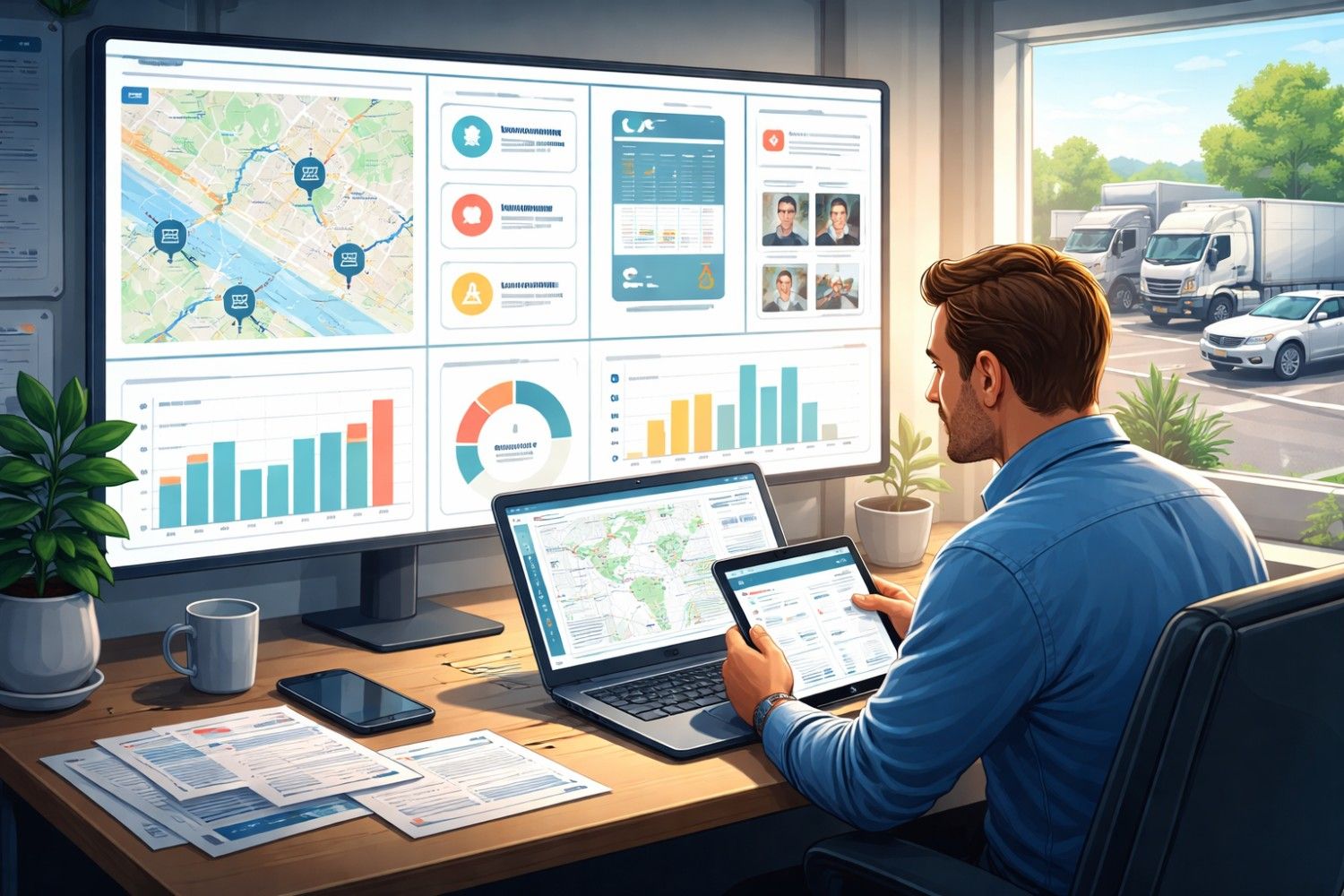
Fleet management doesn't happen once a week or during scheduled reviews—it happens every single day. From the moment a fleet manager logs in each morning, decisions are being made that affect vehicle uptime, driver safety, and operational costs.
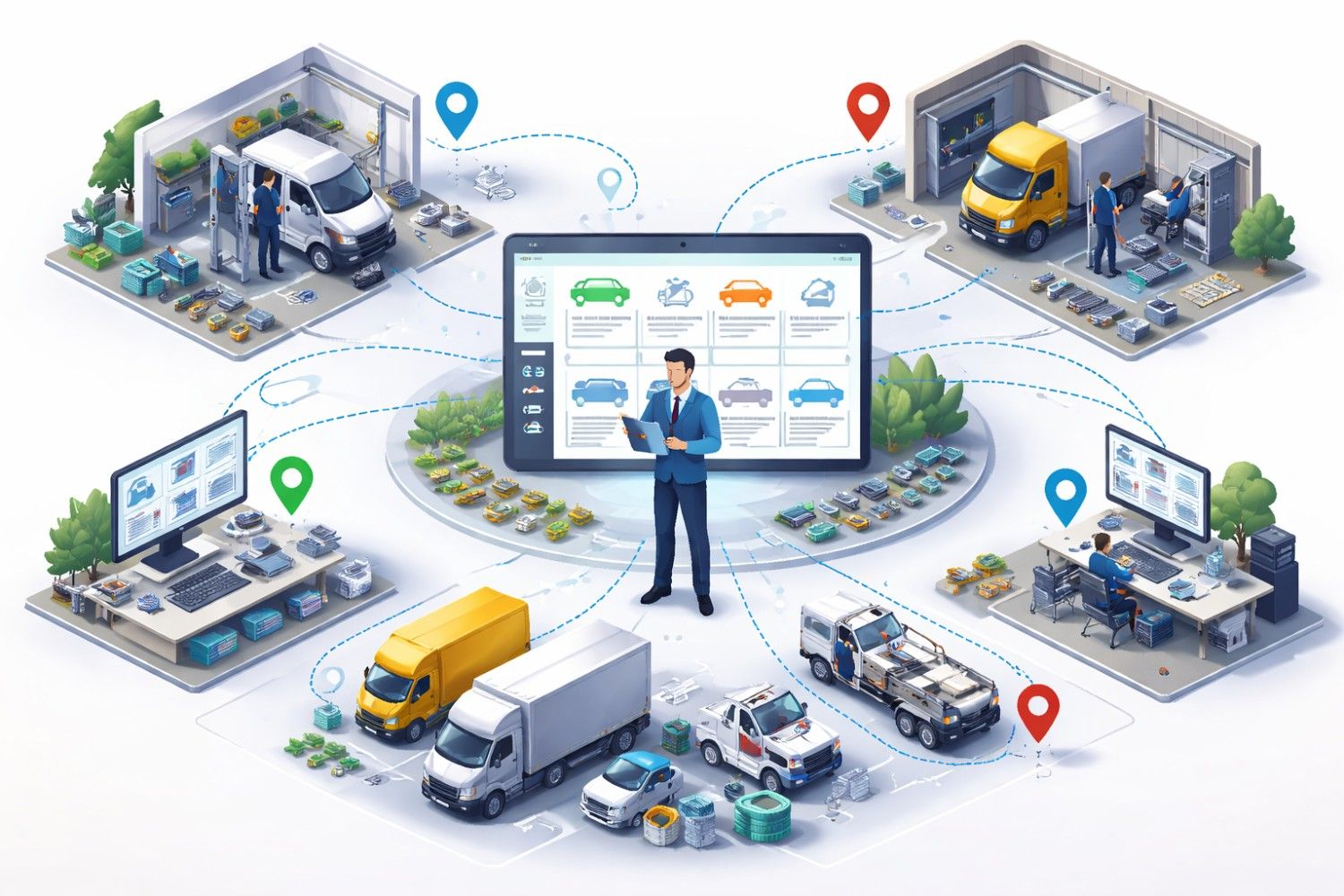
Modern fleet management software replaces scattered spreadsheets, phone calls, and guesswork with a centralized system. Instead of chasing information, fleet managers now have everything they need in one place—and that changes how their day actually works.
KEY TAKEAWAYS
- Fleet managers start their day with a dashboard, not phone calls
A centralized dashboard shows vehicle status, alerts, and priorities instantly—eliminating manual check-ins across locations. - Preventive maintenance is managed proactively, not reactively
Software automates service schedules, reducing breakdowns and extending vehicle lifespan. - Daily operations revolve around work orders and task tracking
Maintenance alerts are converted into trackable work orders, ensuring nothing falls through the cracks. - Driver and vehicle oversight happens in real time
Trip logs, inspections, and GPS tracking remove the need for constant back-and-forth communication. - Fuel tracking helps catch inefficiencies early
Daily monitoring of fuel usage helps identify waste, theft, or poor driving behavior. - Reporting replaces guesswork with data-driven decisions
Dashboards and reports give managers immediate insights into costs, utilization, and performance.
What a Fleet Manager's Typical Day Actually Looks Like
Fleet managers don't start their day by calling drivers or checking paper logs anymore. Instead, they open their software and immediately see what needs attention.
Morning Dashboard Check and Priority Setting
The first thing most fleet managers do is check their dashboard. This single view replaces multiple tools and conversations.
Here's what typically shows up:
- Overdue maintenance alerts
- Vehicles marked out of service
- Pending inspections
- Fuel anomalies or unusual usage
- Upcoming scheduled services
Instead of digging through spreadsheets or calling multiple supervisors, managers instantly know where to focus.
With tools like a fleet reports dashboard, this information is visual, prioritized, and actionable.
Responding to Alerts vs. Planning Ahead
A big part of the day is balancing reactive and proactive work.
Fleet managers typically:
- Respond immediately to critical alerts (breakdowns, failed inspections)
- Review upcoming maintenance tasks
- Assign work orders for scheduled services
- Plan resource allocation for the day
The key shift is this: software allows them to plan ahead instead of constantly reacting.
How Fleet Managers Use Preventive Maintenance Scheduling Daily
Preventive maintenance is one of the most important daily workflows—and one of the biggest cost savers.
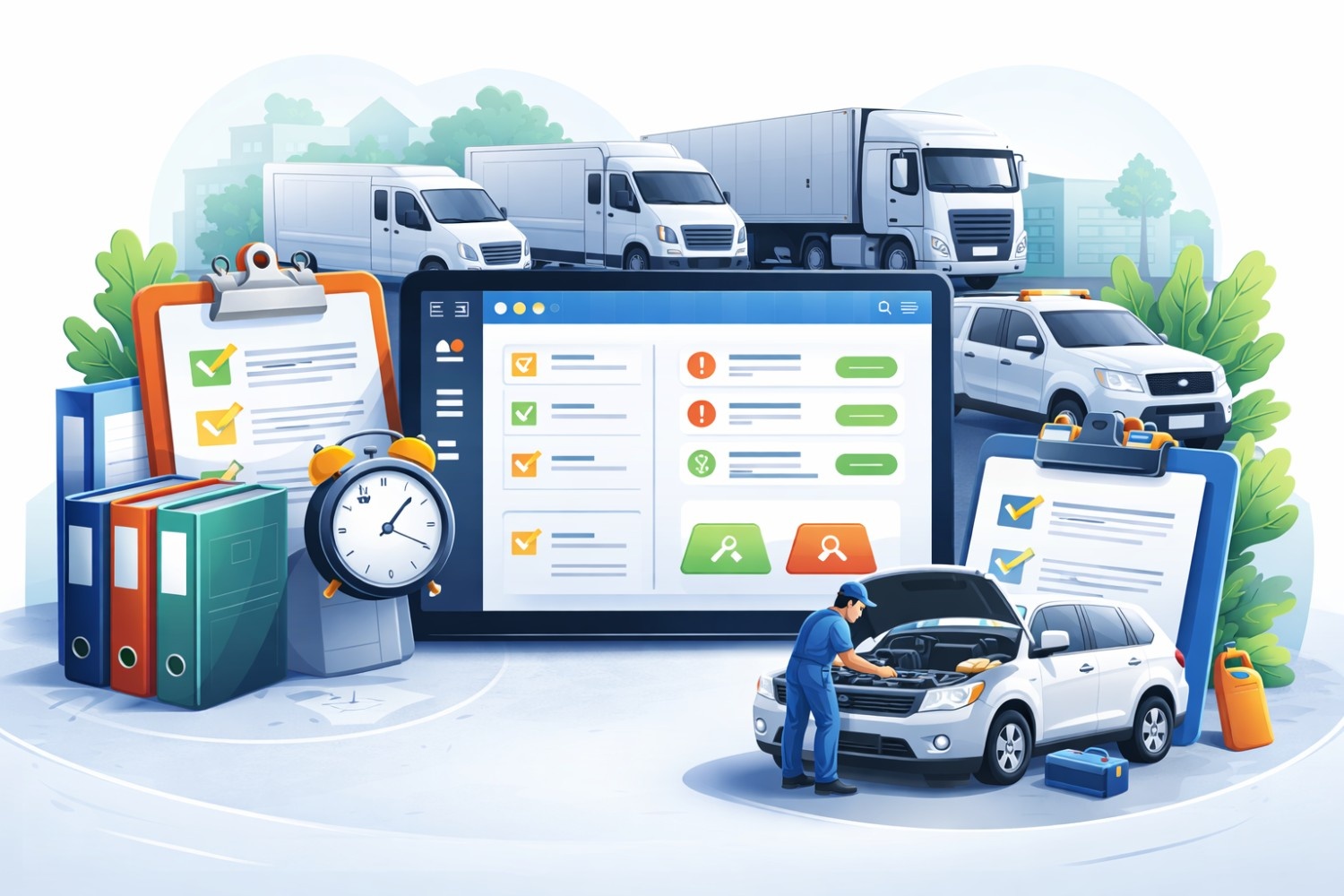
Instead of relying on memory or manual tracking, managers use systems like preventive maintenance schedules to automate everything.
Setting Up Maintenance Triggers That Actually Work
Fleet managers typically configure maintenance schedules based on:
- Mileage intervals (e.g., every 5,000 miles)
- Time intervals (e.g., every 3 months)
- Engine hours (for heavy equipment)
Many start with OEM factory maintenance schedules and then adjust based on real-world usage.
Once set, the system automatically generates alerts—removing the risk of missed services.
Work Orders: From Alert to Resolution
When a maintenance alert is triggered, it becomes a task.
Here's how that workflow looks daily:
- Alert is generated
- Work order is created
- Task is assigned to a technician or shop
- Progress is tracked
- Work order is closed and logged
This entire process is managed through tools like fleet maintenance work order software, giving full visibility into every repair.
Driver and Vehicle Oversight Without the Phone Tag
One of the biggest time drains in fleet management used to be tracking down drivers for updates.
Now, software centralizes all of that information.
Trip and Mileage Logs That Update Automatically
Instead of manual entry, systems like trip and mileage tracking automatically record:
- Distance traveled
- Routes taken
- Vehicle usage patterns
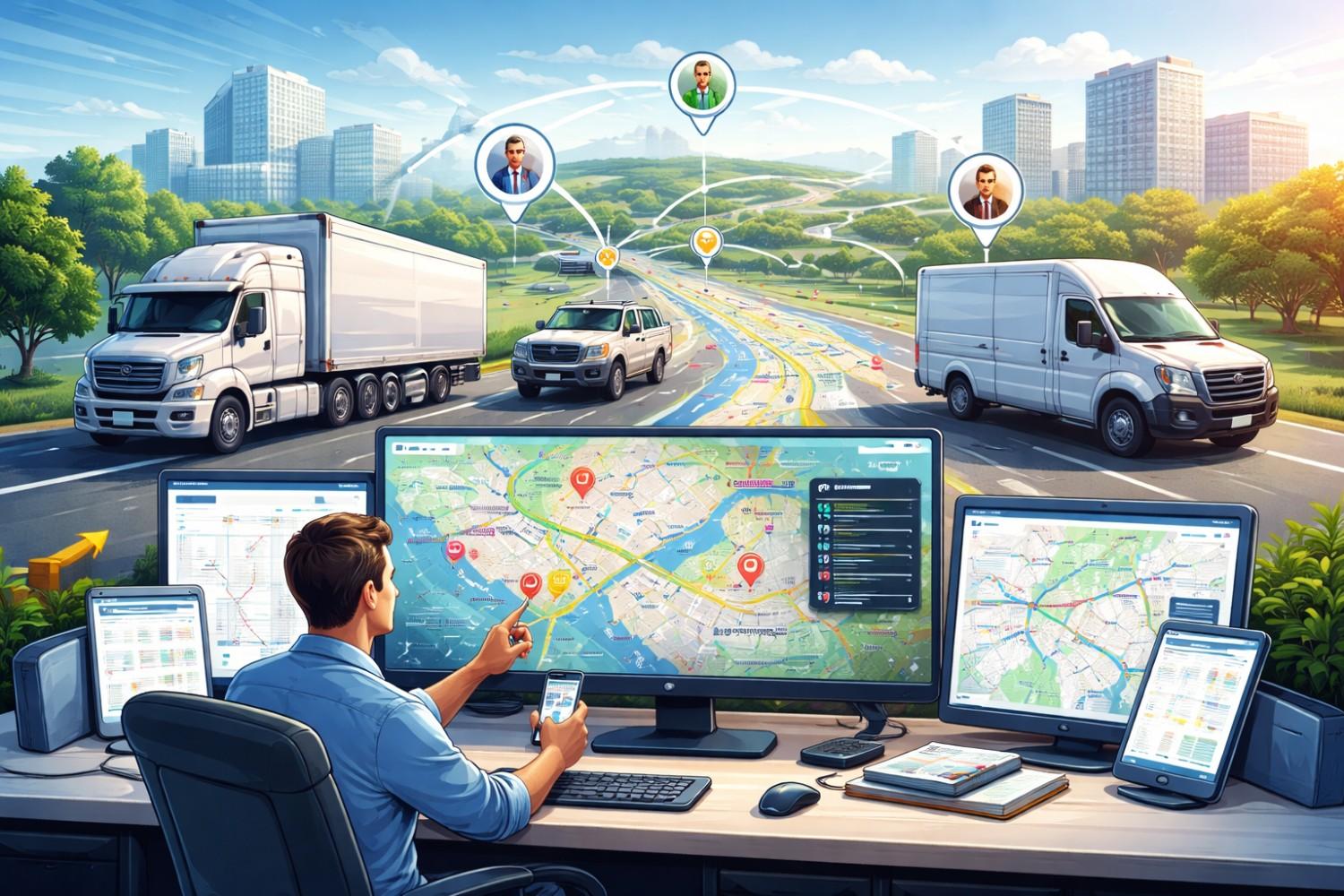
This gives fleet managers a real-time view of operations without needing to call drivers.
Digital Vehicle Inspections Done by Drivers in the Field
Drivers can now complete inspections directly from their phones using tools like a digital vehicle inspection app.
This allows them to:
- Submit pre- and post-trip inspections
- Upload photos of issues
- Flag problems immediately
Issues are identified earlier, reducing costly breakdowns and improving safety.
Fuel Management: Catching Waste Before It Adds Up
Fuel is often the second-largest expense for fleets, and small inefficiencies quickly turn into major costs.
Fleet managers monitor fuel usage daily using systems like fleet fuel management software.
Here's a simple example:
- 10 vehicles
- Each wastes just $5/day in unnecessary fuel
- That's $50/day → $18,250/year
Daily monitoring helps identify:
- Unusual fill-ups
- Fuel theft
- Poor driving habits (idling, aggressive driving)
Instead of discovering issues at the end of the month, managers can act immediately.
Parts Inventory and Repair Costs — Keeping the Shop Efficient
For fleets with in-house maintenance, parts tracking is a daily necessity.
Without software, teams often run into issues like missing parts or over-ordering.
With tools like parts inventory management software, managers can:
- Track stock levels in real time
- Set reorder alerts
- Monitor parts usage across vehicles
Connecting Parts Usage to Vehicle Service History
Every part used is logged against the vehicle.
This feeds into systems like vehicle service history, allowing managers to:
- Track lifetime maintenance costs
- Identify high-cost vehicles
- Make better replacement decisions
This level of visibility simply isn't possible with manual systems.
Using Reports and Dashboards to Make Faster Decisions
Fleet managers rely heavily on data—not just for daily operations, but for strategic decisions.
According to this resource, adopting software significantly improves visibility and decision-making speed across fleet operations.
Which Reports Fleet Managers Actually Pull Most Often
In daily or weekly workflows, managers typically review:
- Cost per vehicle reports
- Upcoming maintenance summaries
- Fuel efficiency by driver
- Inspection pass/fail rates
- Vehicle utilization reports
These insights help answer critical questions quickly:
- Which vehicles are costing too much?
- Which drivers are inefficient?
- Where are maintenance delays happening?
Instead of guessing, decisions are backed by data.
Where Fleet Management Software Saves the Most Time Each Week
The biggest benefit isn't just better data—it's time saved.
Here's what a typical week looks like without software:
- Hours spent updating spreadsheets
- Constant phone calls with drivers
- Missed maintenance schedules
- Manual paperwork for inspections
Now compare that to a fleet management software-driven workflow:
- Automated alerts replace manual tracking
- Drivers submit inspections digitally
- Work orders are tracked in one system
- Reports are generated instantly
Fleet managers typically save 8–12 hours per week—time that can be reinvested into improving operations.
If you're looking to go deeper into optimization strategies, this guide on how to improve fleet management provides additional practical steps.
Frequently Asked Questions
-
Can small fleets use fleet management software?
Yes, even small fleets benefit significantly. Software helps reduce manual work, prevent missed maintenance, and improve visibility—regardless of fleet size. -
How long does it take to learn fleet management software?
Most modern platforms are designed to be intuitive. Fleet managers can typically get comfortable within a few days, with full adoption happening over a few weeks. -
Does fleet management software work on mobile devices?
Yes, most systems include mobile apps. Drivers and technicians can complete inspections, update tasks, and submit reports directly from their phones. -
What's the difference between fleet management and fleet maintenance software?
Fleet management software covers the full operation—drivers, fuel, tracking, and reporting—while maintenance software focuses specifically on vehicle upkeep and service schedules. -
What is the biggest benefit of using fleet management software daily?
The biggest benefit is visibility. Managers can make faster, smarter decisions because all data—vehicles, drivers, maintenance, and costs—is centralized in one system.