 Miya Bholat
Feb 26, 2026
How Fleet Software Improves Driver Accountability (And Why It Matters More Than Ever)
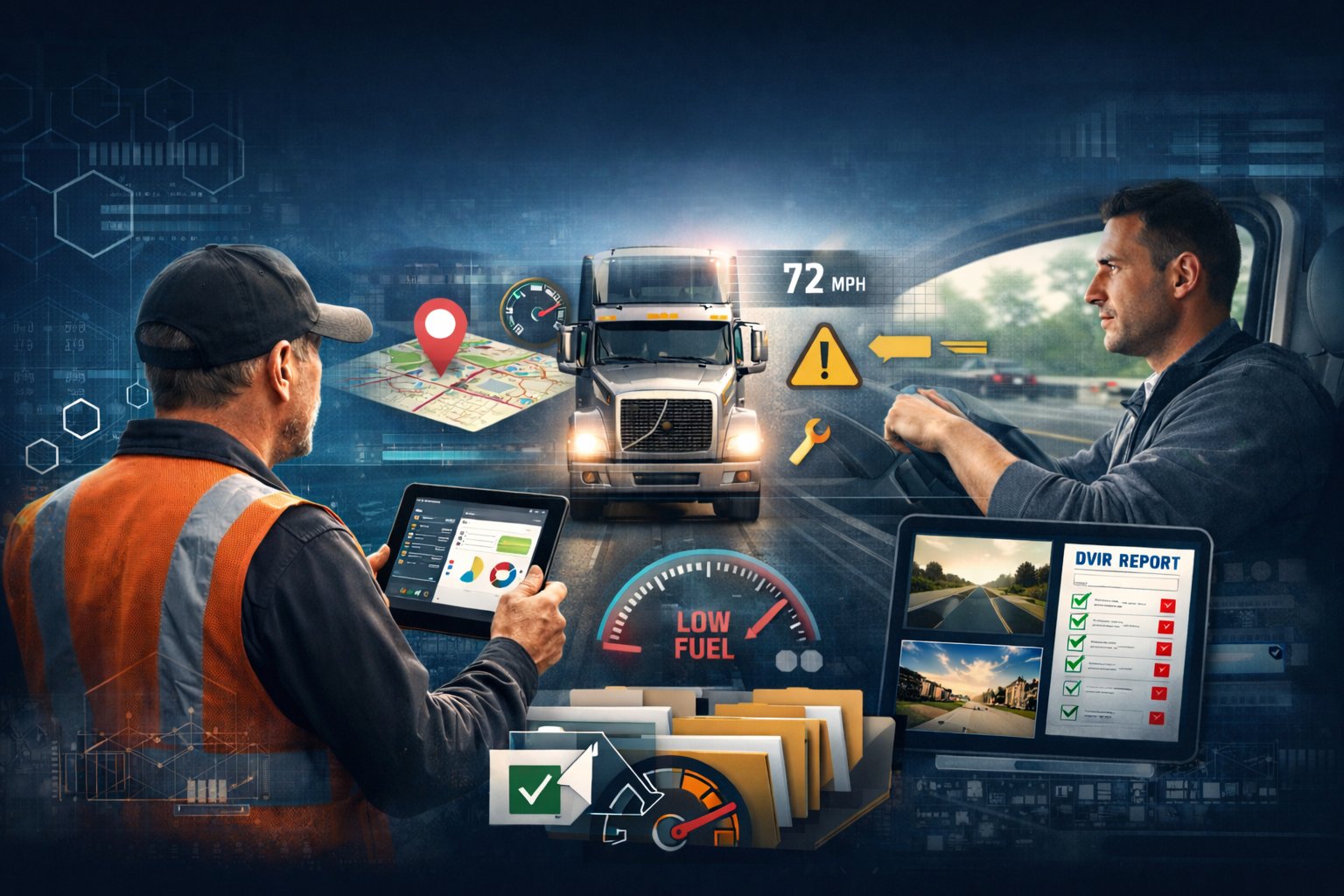
Managing drivers without clear visibility into their behavior, inspections, and vehicle history creates risk. Not just operational risk — financial and legal risk.
Accidents increase. Fuel costs creep up. Inspections get skipped. Documentation disappears when you need it most.
Fleet software changes that equation. It creates structure around driver behavior, centralizes records, and gives fleet managers the visibility they need to protect both their drivers and their business.
Let’s break down how.
Key Takeaways
- Driver accountability reduces risk and cost. Clear documentation and behavior monitoring lower accident rates, fuel waste, and liability exposure.
- Digital inspections close compliance gaps. Timestamped DVIRs create defensible records and ensure procedures are consistently followed.
- Visibility changes behavior. When performance data is transparent and measurable, drivers naturally improve habits.
- Audit trails protect your business. Centralized records strengthen your position during DOT audits, insurance reviews, and legal disputes.
- The right fleet software makes accountability manageable. Integrated tools simplify oversight without turning fleet management into micromanagement.
The Real Cost of Poor Driver Accountability
When drivers operate without consistent oversight or documentation, the consequences compound quickly.
According to the Federal Motor Carrier Safety Administration (FMCSA), large truck crashes cost the U.S. economy billions annually in property damage, legal expenses, and lost productivity. A single preventable accident can cost a fleet:
- $15,000–$30,000 for minor injury incidents
- $200,000+ for serious injury crashes
- Over $3 million in fatal incidents
And accidents are only part of the problem.
Poor driver accountability also leads to:
- Excessive fuel consumption from idling and aggressive driving
- Premature wear and tear on brakes, tires, and drivetrains
- Missed inspections and compliance violations
- Higher driver turnover due to unclear expectations
Without reliable data tied to specific drivers, fleet managers often rely on guesswork. That uncertainty drives up costs and liability.
What Driver Accountability Actually Means in Fleet Management
Driver accountability is not just GPS tracking.
It’s the ability to clearly document who operated a vehicle, what condition it was in, how it was driven, and whether required procedures were completed.
True accountability includes:
- Behavior monitoring (speeding, harsh braking, idling)
- Inspection completion and documentation
- Maintenance reporting accuracy
- Compliance adherence
- Transparent communication between drivers and managers
Modern fleet management platforms centralize this information instead of leaving it scattered across spreadsheets, paper DVIRs, and disconnected systems.
Accountability works best when it’s consistent, transparent, and backed by accurate data — not micromanagement.
How Fleet Software Creates Visibility Across Your Entire Operation
Fleet software consolidates operational data into one system. Instead of chasing paper logs or digging through email chains, managers can see:
- Mileage logs
- Inspection history
- Maintenance records
- Assigned drivers
- Real-time vehicle activity
When all this data connects to individual driver profiles, accountability becomes measurable.
Driver-Specific Records and Audit Trails
A strong system assigns vehicles to specific drivers and tracks activity tied to those assignments. That includes:
- Trip history and mileage
- Inspection submissions
- Reported defects
- Maintenance requests
- Service completion notes
With tools like fleet user and driver management, managers can maintain clear role assignments and access controls. That creates defensible audit trails showing who operated what vehicle and when.
In the event of an accident or audit, you’re not scrambling for records — they’re already organized.
Real-Time Alerts and Notifications
Waiting weeks to discover a missed inspection defeats the purpose of having a process.
Automated systems flag issues immediately, such as:
- Overdue inspections
- Missed pre-trip checks
- Maintenance triggers based on mileage
- Expired documents
Instead of reactive damage control, managers can address issues before they escalate.
Pre-Trip and Post-Trip Inspections: Closing the Accountability Gap
Driver Vehicle Inspection Reports (DVIRs) often become routine paperwork — until something goes wrong.
Paper inspections create common problems:
- Incomplete submissions
- Lost forms
- No timestamp verification
- No proof of review
Digital inspection workflows fix this.
Using tools like a digital vehicle inspection app, fleets can:
- Require mandatory fields before submission
- Timestamp and geotag inspection entries
- Attach photos of defects
- Automatically notify supervisors of safety issues
That process doesn’t just ensure inspections happen. It proves they happened.
And when audits occur — whether internal reviews or DOT inspections — having defensible inspection records protects your organization.
For deeper insight into inspection standards, the fleet compliance guide outlines regulatory expectations and documentation best practices.
How Data Changes Driver Behavior Over Time
Behavior shifts when expectations are clear and measurable.
When drivers know that inspections, mileage, and performance data are tracked consistently, habits improve. Not because someone is watching constantly — but because standards are transparent.
Data-driven fleets often see:
- Reduced speeding incidents
- Lower idle times
- Fewer repeat inspection violations
- Fewer preventable breakdowns
According to industry research, telematics-based monitoring can reduce accident rates by 20–30% in many fleets.
The key is visibility paired with constructive feedback.
Fleet dashboards help managers track trends without singling out drivers unfairly. With fleet reports and dashboard, managers can:
- Compare driver performance metrics
- Track inspection completion rates
- Monitor maintenance compliance by operator
- Identify recurring issues tied to specific vehicles or behaviors
That shifts conversations from opinion to evidence.
Giving Drivers Access to Their Own Records
Accountability improves when drivers can see their own data.
When drivers have access to:
- Their inspection history
- Maintenance notes they submitted
- Trip logs
- Assigned vehicles
They gain ownership of performance.
Transparency reduces disputes and builds trust. Instead of “You missed that inspection,” the conversation becomes, “Here’s the record — let’s improve the process.”
Connecting Driver Accountability to Fleet Compliance and Liability Protection
Documentation protects your company.
In DOT audits, insurance investigations, or legal disputes, documented proof matters more than verbal explanations.
Clear driver accountability helps you demonstrate:
- Inspection compliance
- Maintenance adherence
- Training completion
- Policy enforcement
When records show consistent oversight, your fleet appears organized and proactive — not negligent.
Without documentation, even well-run fleets can struggle to prove compliance.
Digital systems centralize:
- Vehicle service history
- Driver assignments
- Inspection timestamps
- Maintenance intervals
This structured documentation dramatically reduces exposure in liability cases.
What to Look for in Fleet Software for Driver Accountability
Not all fleet platforms prioritize accountability equally.
If driver oversight and compliance matter to your operation, evaluate software against these criteria:
- Driver assignment tracking — Can you assign vehicles to specific operators?
- Digital inspections — Are inspections mobile-friendly and timestamped?
- Audit trails — Does the system log activity changes?
- Reporting tools — Can you compare driver performance trends?
- Mobile accessibility — Can drivers complete tasks easily in the field?
Ease of use matters. If drivers struggle to complete inspections or log mileage, compliance drops.
Solutions like AUTOsist integrate maintenance, inspections, driver management, and reporting into one system — helping fleets create accountability without adding administrative burden.
For fleets still operating on spreadsheets, consider how manual systems limit visibility. As explained in is Excel good enough for fleet maintenance?, disconnected tracking often creates blind spots that only become visible after costly incidents.
Driver accountability isn’t about control. It’s about clarity.
When your fleet has structured documentation, transparent reporting, and consistent processes, safety improves — and so does trust between drivers and management.
Fleet software doesn’t replace leadership. It supports it with data that keeps everyone aligned and protected.