 Miya Bholat
Nov 06, 2025
How a Truck Tracking System Transforms Fleet Efficiency in Real Time
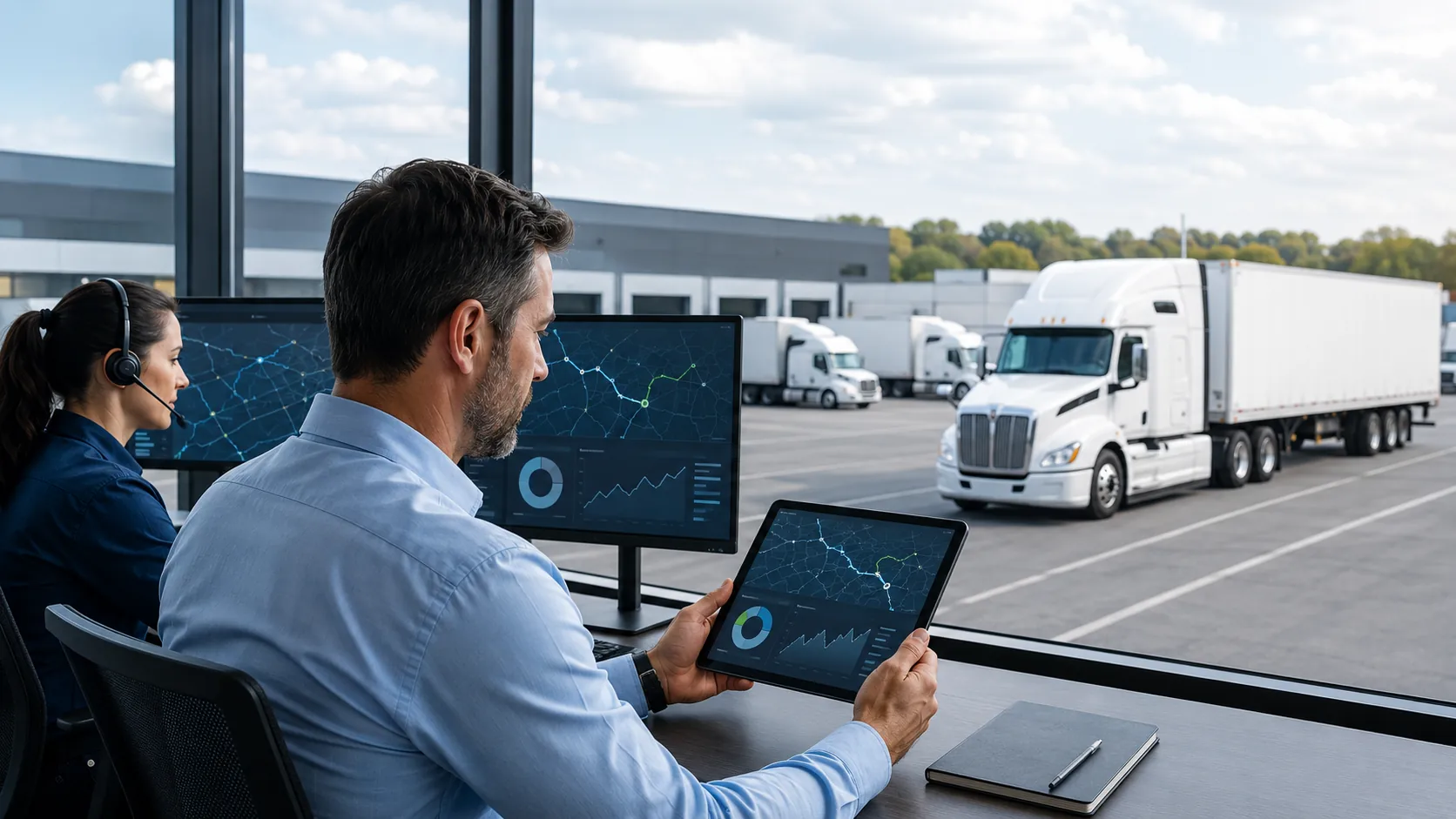
A truck tracking and monitoring system helps fleet managers see where trucks are, how they are being used, how drivers are performing, and when vehicles may need attention. Instead of relying on phone calls, manual updates, or delayed reports, fleets can use a modern fleet tracking and telematics software to connect truck location, mileage, route activity, driver behavior, and vehicle health in one place. This gives managers the information they need to improve dispatching, reduce downtime, control costs, and make faster decisions across daily operations.
Key Takeaways
- Truck tracking systems provide real time visibility into fleet activity
Fleet managers can see truck locations, route progress, driver activity, and vehicle status without waiting for manual updates. - Truck monitoring systems help managers track more than location
Modern systems can monitor mileage, idle time, driver behavior, engine data, route history, and vehicle utilization. - Real time truck tracking improves dispatch and route decisions
Live vehicle visibility helps teams assign jobs faster, update routes, and provide more accurate arrival estimates. - Truck performance monitoring supports cost control
Tracking fuel use, idle time, mileage, and maintenance signals helps managers identify waste and reduce unnecessary expenses. - The best results come when tracking connects with maintenance and reporting
Truck tracking becomes more valuable when data supports preventive maintenance, work orders, service history, and fleet dashboards.
What Is a Truck Tracking and Monitoring System?
A truck tracking and monitoring system is a combination of GPS devices, telematics technology, and fleet software that helps managers monitor trucks in real time. The system collects data from vehicles and turns that information into useful insights for dispatching, maintenance, safety, fuel control, and reporting.
A basic truck tracking system may only show where a truck is located. A more complete truck monitoring system helps managers understand how each truck is being used and whether that usage is creating risk, waste, or maintenance concerns.
For example, two trucks may both complete the same type of route. One may use more fuel, spend more time idling, or show more harsh braking events. Without monitoring data, those differences may go unnoticed. With tracking and telematics, managers can see the pattern and take action.
Truck tracking is especially valuable for trucking and logistics fleets, where route performance, delivery timing, vehicle utilization, and fuel control directly affect margins.
How a Truck Tracking System Works in Real Time
A truck tracking system works by collecting vehicle data from a GPS or telematics device and sending that information to fleet management software. Managers can then review truck locations, routes, usage trends, alerts, and performance reports from a dashboard.
The process usually looks like this:
This workflow helps fleet teams move from reactive management to active decision making. Instead of waiting for a driver to call with an update, managers can see the situation as it changes.
Fleets evaluating this type of setup often compare different truck tracking system options and broader GPS tracking for fleet management solutions before choosing a platform.
What Truck Monitoring Systems Track
Truck monitoring systems collect several types of data. Each data type supports a different operational decision.
The value of this data increases when it connects with other fleet workflows. For example, mileage information can support vehicle mileage tracking, while engine data can help maintenance teams act before a small issue becomes a breakdown.
How Truck Tracking Improves Fleet Efficiency
Truck tracking improves efficiency by helping managers make better decisions throughout the day. The biggest benefit is not simply seeing a truck on a map. The real value comes from using that visibility to reduce delays, control costs, and improve utilization.
A fleet manager can use real time tracking to identify the nearest available truck, reroute around delays, verify route completion, and reduce unnecessary driver communication. Dispatchers can assign work based on actual truck location instead of guessing who is closest.
Truck tracking also helps improve customer communication. If a delivery or service appointment is delayed, teams can provide a more accurate update instead of waiting for the driver to respond.
Fleet efficiency often improves in these areas:
- Faster dispatch decisions
- Better route planning
- Reduced unnecessary mileage
- Lower idle time
- Improved vehicle utilization
- More accurate arrival estimates
These benefits closely connect with broader real time fleet tracking systems that help managers respond to changing conditions as they happen.
Truck Performance Monitoring: What Managers Should Watch
Truck performance monitoring focuses on the operating patterns that affect costs, safety, and uptime. It helps managers understand whether trucks are being used efficiently and whether driver habits are creating preventable expenses.
The most useful performance metrics include:
- Fuel usage
- Idle time
- Mileage trends
- Engine hours
- Route adherence
- Harsh braking events
- Rapid acceleration
- Recurring fault signals
For example, if one truck has higher fuel usage than similar vehicles on similar routes, the issue may be driver behavior, route inefficiency, maintenance problems, or excessive idling. Tracking data helps managers investigate the cause instead of guessing.
When performance data is reviewed through fleet reports and dashboard tools, managers can identify patterns across the fleet and make stronger decisions about routing, maintenance, driver coaching, and vehicle replacement.
GPS Truck Tracking Devices vs Truck Tracking Software
Truck tracking usually involves both hardware and software. The device collects data from the vehicle, while the software organizes that data for managers.
A GPS tracking device captures location and movement information. A telematics device may also collect engine data, diagnostics, mileage, idle time, and driver behavior details. The fleet software then turns that data into dashboards, alerts, reports, and maintenance triggers.
Fleets comparing hardware options may review GPS tracking devices for fleets when deciding how much data they need from each truck. If the goal is broader visibility, fleet GPS tracking software can help connect location tracking with operational reporting.
How Truck Tracking Supports Maintenance Planning
Truck tracking becomes especially valuable when it supports maintenance planning. Mileage, engine hours, usage patterns, and diagnostic alerts help managers schedule service based on actual vehicle activity rather than estimates.
A truck that travels long distances every day may need service sooner than a truck used only for local routes. Without accurate tracking data, both vehicles may follow the same schedule even though their wear patterns are different.
Connected tracking data can support fleet preventive maintenance schedules by helping managers trigger service at the right time. When repairs are needed, fleet maintenance work order software helps teams assign, track, and complete the work.
Historical records also matter. A vehicle service history system gives managers context when reviewing recurring issues, repair frequency, and long term vehicle performance.
Where Truck Tracking Helps Most
Truck tracking can support many types of fleets, but its value depends on how each operation uses vehicles.
Companies managing service fleet operations often rely on tracking to assign jobs more efficiently and reduce time between appointments. Real time truck visibility helps dispatchers make better decisions throughout the day.
Businesses overseeing construction fleet operations often use truck tracking to monitor equipment movement, vehicle usage, and maintenance needs across job sites. This helps reduce downtime and improve asset accountability.
Delivery focused fleets can also use tracking to improve customer communication, reduce missed arrival windows, and review route performance after each day.
Truck Tracking System Checklist
Before choosing a truck tracking system, fleet managers should confirm whether the platform supports daily operational needs as well as long term reporting.
Use this checklist when evaluating a system:
| Checklist Item | What to Confirm |
|---|---|
| Real time truck location tracking | The system shows where each truck is during active routes. |
| Route history and trip records | Managers can review where trucks traveled after each route. |
| Driver behavior monitoring | The platform tracks speeding, harsh braking, rapid acceleration, and unsafe driving patterns. |
| Mileage and engine hour tracking | Usage data supports maintenance planning and service intervals. |
| Idle time reporting | Managers can identify fuel waste and unnecessary engine runtime. |
| Maintenance workflow support | Tracking data can connect with maintenance schedules, inspections, or work orders. |
| Reporting dashboard | Managers can review fleet performance, utilization, and cost trends in one place. |
| Mobile access | Dispatchers, managers, and field teams can access key tracking information when needed. |
| Alerts and notifications | The system can notify managers about location, maintenance, driver behavior, or vehicle issues. |
| Scalability | The platform can support more trucks as the fleet grows. |
A truck tracking system should help managers act on information, not just collect it. The right platform gives fleet teams a clearer view of daily operations and a stronger foundation for cost control, maintenance planning, and driver accountability.
Frequently Asked Questions
- What is a truck monitoring system?
A truck monitoring system is a technology setup that tracks truck location, vehicle usage, driver activity, route history, idle time, and vehicle health data. It helps fleet managers understand how trucks are being used and where operational improvements are needed. - How does a truck tracking system work?
A truck tracking system uses GPS or telematics devices to collect vehicle data and send it to fleet software. Managers can then view truck locations, route activity, mileage, driver behavior, and alerts from a dashboard. - What can a truck tracking system monitor?
A truck tracking system can monitor location, mileage, idle time, engine hours, route history, driver behavior, fuel related activity, and vehicle health signals. The exact data depends on the tracking device and software platform. - What is real time truck tracking?
Real time truck tracking allows fleet managers to see truck locations and activity as they happen. This helps dispatchers make faster routing decisions, provide better arrival estimates, and respond quickly to delays or vehicle issues. - Do truck tracking systems help with maintenance?
Yes. Truck tracking systems can support maintenance planning by using mileage, engine hours, and diagnostic data to identify when service may be needed. This helps fleets reduce unexpected breakdowns and improve vehicle uptime.