 Miya Bholat
Feb 10, 2026
Landscaping Fleet Seasonal Maintenance: A Practical Guide for Year-Round Reliability
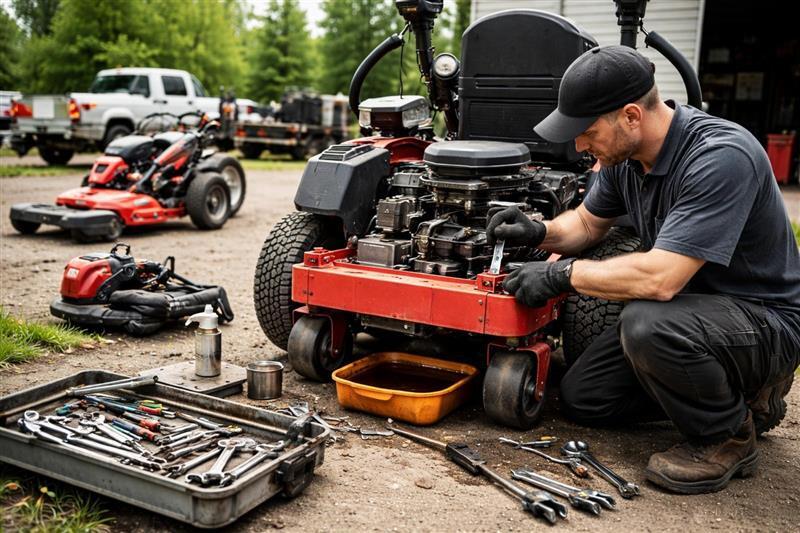
Key Takeaways for Year-Round Fleet Reliability
- Seasonal prep protects revenue. Spring and summer failures cost significantly more than scheduled inspections because they interrupt peak earning periods.
- Small engines demand frequent attention. Air filters, spark plugs, and fuel systems require tighter maintenance cycles than heavy-duty engines.
- Daily checks prevent major repairs. Five-minute inspections catch leaks, loose blades, and pressure issues before they escalate.
- Winter is a strategic opportunity. Use off-season months for overhauls, upgrades, and system improvements instead of idle storage.
- Documentation drives consistency. Tracking maintenance history ensures no equipment slips through the cracks and supports smarter budgeting decisions.
- Structured schedules outperform reactive fixes. Calendar-based maintenance aligned with seasonal workload reduces downtime and extends asset life.
Why Seasonal Maintenance Matters for Landscaping Fleets
Landscaping fleets operate in one of the most punishing environments of any light-duty or small-engine operation. Equipment shifts from winter storage to nonstop spring mowing, then endures extreme summer heat, followed by wet fall conditions and months of inactivity again. That constant seasonal swing stresses engines, belts, blades, tires, and electrical systems in ways many managers underestimate.
Seasonal neglect often shows up at the worst possible time—peak revenue months. A commercial mower running 40–50 hours per week in spring can fail within days if its battery sulfated over winter or its blades were never balanced. Industry maintenance studies frequently show that unplanned downtime costs 3–5× more than scheduled maintenance due to lost labor, emergency parts shipping, and missed jobs. Seasonal maintenance is not just a mechanical task; it is revenue protection.
Landscaping fleets also deal with smaller engines, which are less tolerant of dirty fuel, clogged filters, or stale oil than large diesel systems. Skipping seasonal prep shortens asset life and pushes replacement cycles forward by years instead of months.
Spring Maintenance: Preparing Your Fleet for Peak Season
Spring is the most critical maintenance window for landscaping companies. This is when dormant equipment suddenly returns to heavy use. Small oversights here create major failures in May and June.
Post-Winter Equipment Inspections
After months in storage, every asset requires a full inspection before it enters rotation. Batteries discharge, seals dry out, and rodents sometimes damage wiring or hoses. A structured inspection prevents early-season breakdowns.
Before putting equipment back into service, crews should verify the following:
- Battery charge levels and terminal corrosion
- Fluid levels and signs of leakage
- Belt cracking, glazing, or looseness
- Tire pressure and sidewall damage
- Fuel quality and presence of condensation
Corrosion on mower decks and frame components is also common after winter storage, especially in humid climates. Treating rust early prevents structural deterioration that often goes unnoticed until mid-season.
Mower Deck and Blade Preparation
Blade condition directly affects productivity and fuel consumption. Dull blades force engines to work harder, increasing fuel use by as much as 10–15% on high-hour mowers. Balanced blades reduce vibration, which protects spindle bearings and deck housings.
A strong spring deck routine includes:
- Sharpening blades to manufacturer angles
- Balancing blades to reduce vibration
- Cleaning deck buildup from last season
- Checking spindle bearings and mounts
- Inspecting deck height adjustments
Crews who skip deck prep often experience uneven cuts, customer complaints, and premature engine wear.
Small Engine Tune-Ups
Two-stroke and four-stroke small engines demand attention before heavy seasonal use. Even minor fuel contamination or clogged air filters can cause starting issues that slow down entire teams.
Typical spring tune-ups involve air filter replacements, spark plug inspection, carburetor cleaning, and fresh fuel system flushing. Managers who document these tasks using a centralized maintenance log—such as digital tracking platforms highlighted in —gain visibility into recurring issues and prevent duplicate repairs.
Summer Maintenance: Keeping Equipment Running During High-Demand Months
Summer places the highest load on landscaping fleets. Equipment may run 8–12 hours daily in hot, dusty conditions. Without intensified maintenance routines, overheating and filter clogging become constant threats.
Heat-Related Challenges
Engines overheat more frequently in July and August due to clogged radiators, low coolant, and restricted airflow. Heat expansion also stresses hoses and seals. Cooling systems must be checked weekly rather than monthly during peak heat.
Daily Pre-Operation Checks
Daily inspections may seem repetitive, but they prevent the majority of field failures. Quick morning checks save hours of roadside repairs later.
Before crews depart each day, they should confirm:
- Fuel and oil levels
- Visible leaks or loose bolts
- Blade security and condition
- Tire pressure consistency
- Safety guards and shields
These checks take less than five minutes per unit but dramatically reduce mid-day disruptions.
Managing Dust and Debris
Dust and grass clippings are silent performance killers. Air filters clog faster in summer than any other season, sometimes requiring replacement every 25–30 operating hours instead of 50.
Key debris management practices include:
- Cleaning air filters multiple times per week
- Blowing out radiators and cooling fins daily
- Inspecting intake vents for blockage
- Using protective covers during transport
Ignoring dust buildup reduces engine efficiency and accelerates internal wear.
Fall Maintenance: Preparing for Seasonal Transition
Fall maintenance bridges heavy summer usage and winter storage. This is the time to correct wear before equipment sits idle.
End-of-Season Deep Cleaning
Deep cleaning removes corrosive grass residue and moisture that cause rust during storage. Power washing decks, frames, and undercarriages followed by proper drying prevents long-term deterioration.
Fluid Changes and Winterization Prep
Oil, coolant, and fuel stabilizers must be addressed before storage. Old fluids break down and create sludge or corrosion. Managers often pair this step with insights from resources like Preventive Maintenance Inspections for Fleet Vehicles to standardize procedures across teams.
Winter Maintenance: Storage and Off-Season Equipment Care
Winter is not just downtime—it is an opportunity for preventive work and upgrades.
Proper Storage Procedures
Improper storage is one of the leading causes of spring startup failures. Moisture, rodents, and fuel degradation are common threats.
Effective winter storage includes:
- Removing or trickle-charging batteries
- Draining or stabilizing fuel
- Elevating tires to prevent flat spots
- Covering equipment to block dust and moisture
- Sealing storage areas against pests
Snow Removal Equipment Preparation
Many landscaping companies shift to snow services in winter. Plows, spreaders, and salt equipment require their own inspection cycles. Hydraulic systems, lighting, and mounting hardware must be tested before the first storm.
Off-Season Repairs and Upgrades
Winter is the best time for major overhauls—engine rebuilds, deck replacements, or fleet software implementation. Reviewing tools such as Fleet Vehicle Maintenance: The Complete Guide helps managers align repairs with long-term asset strategies.
Creating a Seasonal Maintenance Schedule
A seasonal maintenance schedule transforms scattered tasks into a predictable system. Landscaping fleets benefit from calendar-based planning that aligns with mowing cycles, weather forecasts, and labor availability.
Strong schedules typically include quarterly inspections, monthly fluid checks, and weekly filter routines. Digital maintenance systems referenced in allow managers to automate reminders, track service history, and forecast parts inventory. This prevents last-minute ordering and reduces emergency purchases.
Planning ahead also improves budgeting. Knowing when blades, belts, or batteries will likely fail allows bulk purchasing at lower prices.
Common Seasonal Maintenance Mistakes to Avoid
Many fleet issues repeat year after year because of avoidable errors. Recognizing these mistakes helps managers tighten processes and protect equipment value.
Frequent seasonal maintenance mistakes include:
- Delaying spring inspections until the first job
- Skipping winter fuel stabilization
- Ignoring manufacturer service intervals
- Failing to document repairs and parts usage
- Overlooking daily crew checklists
These oversights compound over time, shortening asset lifespan and inflating repair budgets.
A landscaping fleet that respects seasonal maintenance does more than avoid breakdowns—it builds predictable operations, protects equipment investments, and sustains profitability throughout the entire year.