 Miya Bholat
Apr 09, 2026
How to Run Fleet Operations Across Multiple Locations Efficiently?
Key Takeaways
- Multi-location fleet operations fail without centralized visibility.
Disconnected systems create delays, inefficiencies, and poor decision-making. - Standardization is the foundation of scalability.
Consistent workflows reduce errors and improve compliance across locations. - Real-time data drives better operational decisions.
Live tracking helps teams act faster and prevent costly disruptions. - Communication gaps increase downtime and costs.
Misalignment across teams leads to missed maintenance and duplicated work. - Automation enables growth without extra admin work.
Systems reduce manual effort while improving control across locations.
Why Multi-Location Fleet Operations Become Complex Fast
Managing fleets across multiple locations introduces complexity that most teams underestimate. What works locally often breaks down when scaled across regions, teams, and assets.
Modern fleets rely on centralized systems like fleet management software to maintain visibility and control across distributed operations.
Lack of Centralized Visibility Across Locations
Each location often operates with its own tools, spreadsheets, or processes. This creates fragmented data and delayed insights.
Without a single source of truth:
- Managers can't track fleet-wide performance
- Maintenance issues go unnoticed across locations
- Decision-making becomes reactive instead of proactive
Inconsistent Processes Between Locations
Different teams develop their own workflows over time. While this may work locally, it creates inconsistencies at scale.
For example:
- Maintenance schedules vary between locations
- Inspection standards differ
- Reporting formats are not aligned
These inconsistencies lead to inefficiencies and compliance risks.
Communication Gaps Between Teams and Managers
When communication relies on emails, calls, or disconnected systems, important updates get lost.
Common issues include:
- Delayed maintenance approvals
- Missed service updates
- Lack of accountability across locations
Core Systems Needed to Manage Multi-Location Fleets
To scale operations effectively, fleets need systems that unify processes and data across all locations.
Centralized Fleet Management Software
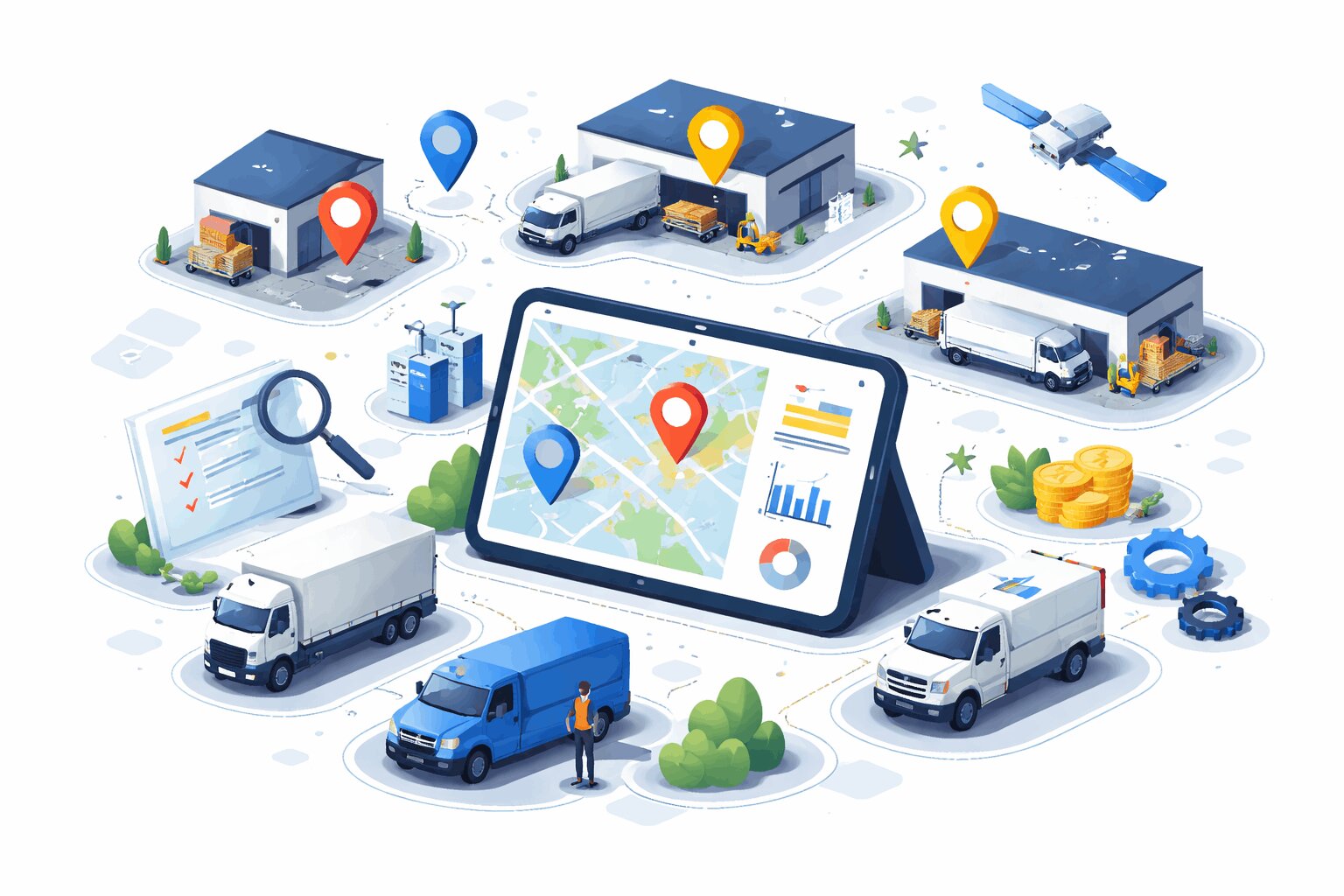
A centralized platform ensures every location operates within the same system. It connects data, workflows, and teams.
This is where solutions like how integrated fleet management software connects your entire operation become critical for maintaining consistency.
Standardized Maintenance and Inspection Workflows
Consistency across locations reduces operational chaos.
Standard workflows ensure:
- Every vehicle follows the same maintenance schedule
- Inspections are completed uniformly
- Compliance requirements are met across all regions
Real-Time Tracking and Reporting Across Locations
Real-time data allows managers to monitor fleet performance across all locations instantly.
Key benefits include:
- Faster response to breakdown risks
- Better allocation of vehicles
- Improved planning and forecasting
How Fleet Management Software Shapes Multi-Location Operations
Running fleet operations across multiple locations becomes significantly easier or harder depending on the systems you rely on. The difference often comes down to whether your tools can handle scale, complexity, and real-time coordination.
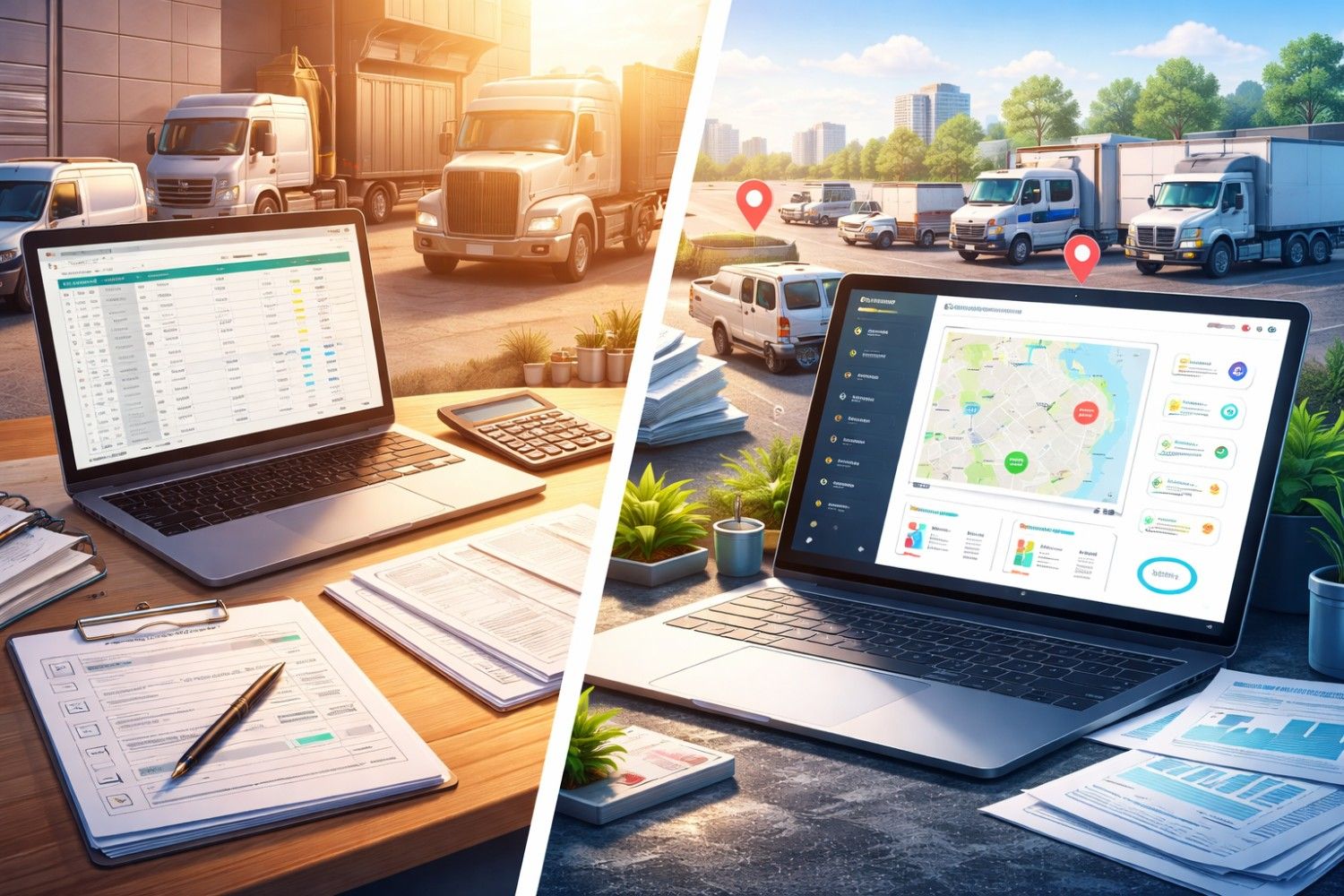
Many fleets begin with spreadsheets because they're simple to set up. But once operations expand across locations, spreadsheets quickly start creating more problems than they solve. Teams end up working with different versions of data, updates get delayed, and reporting becomes inconsistent. Over time, this lack of structure makes it difficult to track maintenance, monitor performance, or stay aligned across locations. This is where the shift from manual tracking to systems becomes necessary, especially when comparing approaches like spreadsheets vs fleet management software.
As fleets grow, compliance also becomes harder to manage. Each vehicle carries its own set of documents, inspection schedules, and renewal timelines and these multiply across locations. Missing a single inspection or license renewal can disrupt operations and create unnecessary risk. Without a centralized way to track these requirements, teams are forced to rely on manual reminders or scattered records. A more structured approach to fleet management software license inspection tracking ensures that nothing slips through the cracks and that every location stays audit-ready.
Beyond compliance, decision-making becomes one of the biggest challenges in multi-location operations. When data is spread across different systems or locations, managers are left piecing together incomplete information. This often leads to delayed or reactive decisions. With centralized systems, data from maintenance, utilization, and costs comes together in one place, making it easier to identify patterns and act quickly. Having this level of visibility supports stronger fleet management software decision making and helps teams move from reactive fixes to proactive planning.
Choosing the right system is just as important as having one. Not every solution is designed to scale across multiple locations, and selecting the wrong platform can create friction instead of efficiency. Factors like fleet size, operational complexity, and required features all play a role in determining what will actually work long-term. A system that fits your structure today and can grow with you makes it easier to maintain consistency, improve adoption, and avoid unnecessary rework later. This is why evaluating options based on your operations, as discussed in choose fleet management software fleet size, becomes a critical step in building a scalable fleet strategy.
Standardizing Operations Without Slowing Down Local Teams
Standardization doesn't mean removing flexibility. The goal is to create a system that works across locations while allowing local adjustments.
Creating Location-Agnostic Maintenance SOPs
Standard operating procedures should be designed to work across all locations.
Focus on:
- Preventive maintenance schedules
- Inspection workflows
- Reporting formats
These SOPs ensure consistency while reducing training complexity.
Allowing Controlled Flexibility for Local Conditions
Each location faces different challenges weather, terrain, and usage patterns.
Instead of rigid rules, allow:
- Adjustments in maintenance intervals
- Location-specific inspection checklists
- Regional compliance customization
Training Teams to Follow Unified Processes
Even the best systems fail without proper adoption.
Effective training includes:
- Clear onboarding processes
- Role-based responsibilities
- Ongoing performance tracking
How to Maintain Full Visibility Across All Locations
Visibility is the backbone of efficient multi-location fleet operations.
Building a Real-Time Fleet Dashboard
A centralized dashboard gives you a complete overview of operations.
Track metrics like:
- Vehicle downtime
- Maintenance costs
- Asset utilization
Tools like fleet reports and dashboard help consolidate this data into actionable insights.
Tracking Vehicle Health and Service History Centrally
Historical data is essential for making informed decisions.
With centralized records:
- You can identify recurring issues
- Plan maintenance proactively
- Extend vehicle lifespan
Using Alerts and Notifications to Stay Ahead
Automated alerts eliminate guesswork.
Examples include:
- Upcoming service reminders
- Inspection due notifications
- Critical issue alerts
These ensure nothing falls through the cracks.
Reducing Costs Across Distributed Fleet Operations
Cost control becomes more challenging as operations expand—but also more impactful.
Eliminating Duplicate Work and Unnecessary Repairs
Without visibility, multiple locations may perform redundant work.
Centralized systems help:
- Avoid repeated inspections
- Reduce unnecessary repairs
- Improve coordination across teams
Optimizing Preventive Maintenance Scheduling
Preventive maintenance is more effective when standardized across locations.
Following fleet preventive maintenance schedules ensures:
- Reduced breakdowns
- Lower long-term costs
- Better vehicle reliability
Improving Asset Utilization Across Locations
Not all locations use assets equally.
With better visibility:
- Underutilized vehicles can be reassigned
- Fleet size can be optimized
- Capital costs can be reduced
Communication Strategies That Keep Multi-Location Teams Aligned
Strong communication systems are critical for coordination across locations.
Centralized Communication Channels
Replace scattered communication methods with a unified system.
Benefits include:
- Faster updates
- Reduced miscommunication
- Better collaboration across teams
Role-Based Access and Responsibility Clarity
Define responsibilities clearly at each location.
This ensures:
- Accountability for maintenance tasks
- Clear ownership of vehicles
- Faster decision-making
Automating Updates and Status Reporting
Manual reporting slows down operations.
Automation helps:
- Generate real-time reports
- Share updates instantly
- Reduce administrative workload
Scaling Fleet Operations Without Adding More Admin Work
Growth should not come with operational chaos.
Automating Routine Tasks and Workflows
Automation removes repetitive manual work.
Examples include:
- Inspection scheduling
- Maintenance reminders
- Report generation
Managing Growth Without Losing Operational Control
As fleets expand, maintaining control becomes harder.
Centralized systems ensure:
- Consistent processes across new locations
- Visibility into all operations
- Scalable workflows
Using Data to Drive Expansion Decisions
Data helps identify where to grow and where to optimize.
Insights can reveal:
- High-cost locations
- Underperforming assets
- Opportunities for consolidation
Final Thoughts: Building a Scalable Multi-Location Fleet Strategy
Running fleet operations across multiple locations efficiently comes down to three things: centralization, standardization, and visibility.
When systems are unified and processes are consistent, operations become easier to manage—even as they scale.
Instead of reacting to problems, fleet managers can proactively optimize performance, reduce costs, and maintain control across every location.
Frequently Asked Questions
-
How do you manage fleet operations across multiple locations efficiently?
Centralizing your operations with fleet management software is the most effective approach. It gives you real-time visibility, standardized workflows, and consistent reporting across all locations, reducing delays and inefficiencies. -
What are the biggest challenges in multi-location fleet management?
The most common challenges include lack of centralized visibility, inconsistent maintenance processes, and communication gaps between teams. These issues often lead to higher costs, missed maintenance, and operational delays. -
How does centralized fleet data improve decision-making?
When all vehicle data, maintenance history, and performance metrics are stored in one system, managers can quickly identify issues, compare location performance, and make proactive decisions instead of reacting to problems. -
How can fleets reduce costs across multiple locations?
Fleets can reduce costs by standardizing preventive maintenance schedules, eliminating duplicate work, and improving asset utilization. Centralized tracking helps identify inefficiencies and optimize operations across locations. -
What tools help manage multi-location fleet operations?
Tools like fleet management software, real-time dashboards, preventive maintenance scheduling systems, and digital inspection apps help manage operations efficiently across multiple locations.