 Miya Bholat
Mar 23, 2026
Signs Your Fleet Maintenance Program Is Failing (And What to Do About It)
Key Takeaways: How to Tell If Your Fleet Maintenance Program Needs a Reset
- High breakdown rates
If unplanned failures are common, your preventive maintenance isn't being executed consistently. - Reactive maintenance patterns
If work only happens after something breaks, your system is built around failure, not prevention. - Driver-reported issues increasing
If drivers are catching problems first, inspections and PMs are missing critical issues. - Rising costs without clear causes
If you can't explain where money is going, your tracking and visibility are inadequate. - More roadside inspection failures
If violations are increasing, maintenance standards are slipping. - No accessible service history
If you can't pull a complete vehicle record instantly, your documentation system is broken.
When "We Handle It As It Comes Up" Becomes a Business Problem
Most fleets don't think their maintenance program is failing.
They think they're just busy.
A driver reports an issue. The shop squeezes it in. A vehicle breaks down. Everyone scrambles to fix it. The operation keeps moving until it doesn't.
This is the reactive maintenance trap. It feels manageable day-to-day, but over time it compounds into higher downtime, unpredictable costs, and shortened vehicle lifespans.
Here's what that looks like in practice:
- Vehicles are always "almost due" for service but rarely on time
- Technicians spend more time fixing failures than preventing them
- Drivers lose hours waiting for repairs or replacement vehicles
- Managers can't predict maintenance costs month to month
A reactive program doesn't fail all at once. It fails slowly until the cost becomes impossible to ignore.
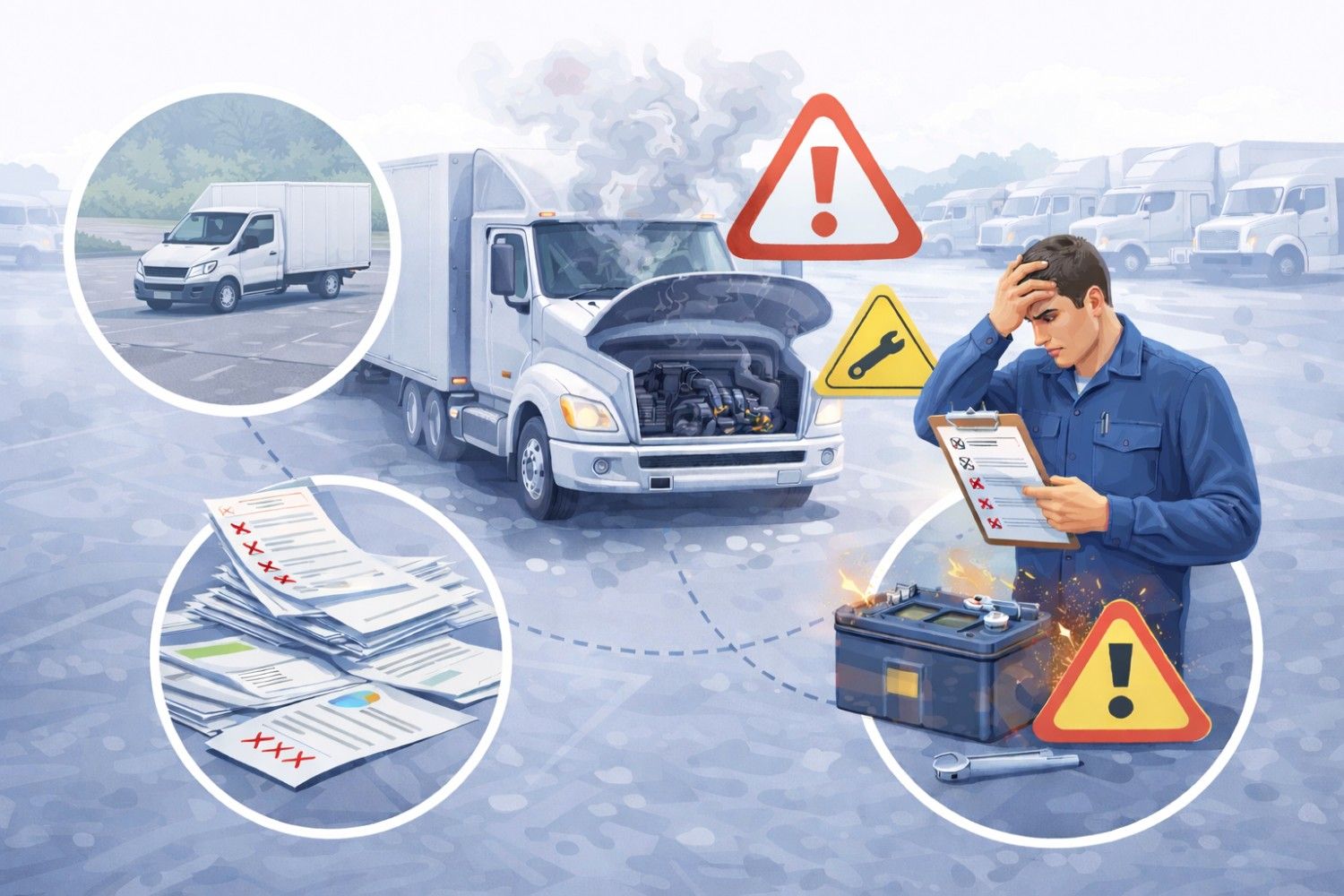
Your Breakdown Rate Is Higher Than It Should Be
Unplanned breakdowns are the most obvious sign something is wrong.
A well-run fleet typically keeps breakdown rates under 2–5% of total service events. If your fleet is consistently above that range, preventive maintenance isn't being executed reliably.
You can calculate your breakdown rate using a simple formula:
Breakdown Rate = (Number of Unplanned Breakdowns ÷ Total Maintenance Events) × 100
If that number is creeping up, it's not bad luck — it's a system issue.
Here are the most common signals of an elevated breakdown rate:
- Frequent roadside assistance calls
- Repeat failures on the same vehicles
- Breakdowns occurring shortly after "recent service"
- Increased towing and emergency repair costs
These aren't isolated incidents. They're indicators that your maintenance schedule isn't working.
The Difference Between Unplanned Breakdowns and Normal Wear
Not every failure means your program is broken.
There's a clear distinction between unavoidable incidents and preventable ones:
- A tire blowout from road debris = unavoidable
- Engine failure from skipped oil intervals = preventable
- Electrical failure from aging components = expected wear
- Brake system failure due to missed inspections = preventable
The key question is simple: Could this have been caught earlier?
If the answer is yes, your maintenance system didn't do its job.
Maintenance Is Reactive, Not Scheduled
If work orders are only created after something breaks, your program is reactive by definition.
A proactive fleet runs on structured intervals mileage, engine hours, or time-based schedules. These intervals align with OEM recommendations and real-world operating conditions.
The difference shows up in how work gets triggered:
- Reactive: Driver reports → repair happens
- Proactive: Schedule triggers → service happens before failure
Many fleets have schedules on paper. The problem is execution.
This is where tools like fleet preventive maintenance schedules become critical — they ensure services are triggered automatically and tracked consistently instead of relying on memory or spreadsheets.
How to Tell If Your PMs Are Actually Getting Done
Having a schedule isn't enough. Execution is what matters.
Here are clear signs your preventive maintenance (PM) program isn't being followed:
- Service intervals are frequently missed or delayed
- No consistent documentation of completed PMs
- Vehicles skip service because they're "too busy"
- Maintenance is clustered after failures instead of spread evenly
If PM compliance drops below 85–90%, breakdowns and costs will follow it's just a matter of time.
Your Drivers Are Flagging Problems That Should Have Been Caught Already
Drivers are your first line of defence but they shouldn't be your only line.
When drivers consistently report issues that should have been caught during inspections, it points to gaps in your process.
This is where inspection workflows matter.
A structured inspection process, like a digital vehicle inspection app, ensures issues are identified, documented, and addressed before they escalate.
If your system is failing, you'll notice patterns like:
- Drivers reporting safety-critical issues post-trip
- Maintenance teams surprised by common defects
- Inspection reports not tied to work orders
- Repeated issues showing up across multiple drivers
A strong program connects inspections directly to maintenance actions. A weak one treats them as separate processes.
Maintenance Costs Are Climbing but You Can't Explain Why
Cost is often the first-place failure shows up.
But without proper tracking, it's also the hardest problem to diagnose.
You might see:
- Rising monthly repair bills
- Increased parts consumption
- More frequent repairs on aging vehicles
- Higher cost per mile without a clear reason
The real issue isn't just the cost, it's the lack of visibility.
Without structured tracking, you can't answer basic questions like:
- Which vehicles are driving the most cost?
- Which components are failing repeatedly?
- Are costs increasing due to age, usage, or poor maintenance?
This is where having a centralized system like vehicle service history becomes essential it gives you a complete, searchable record of every repair, inspection, and service event tied to each asset.
The Hidden Costs Most Fleet Managers Don't Track
Repair invoices only tell part of the story.
The real cost of poor maintenance includes several indirect factors that are often overlooked:
- Rental vehicles used during downtime
- Driver overtime or missed deliveries
- Lost revenue from out-of-service vehicles
- Accelerated depreciation from poor upkeep
- Administrative time spent managing emergencies
These costs compound quickly and they're almost impossible to quantify without proper data tracking.
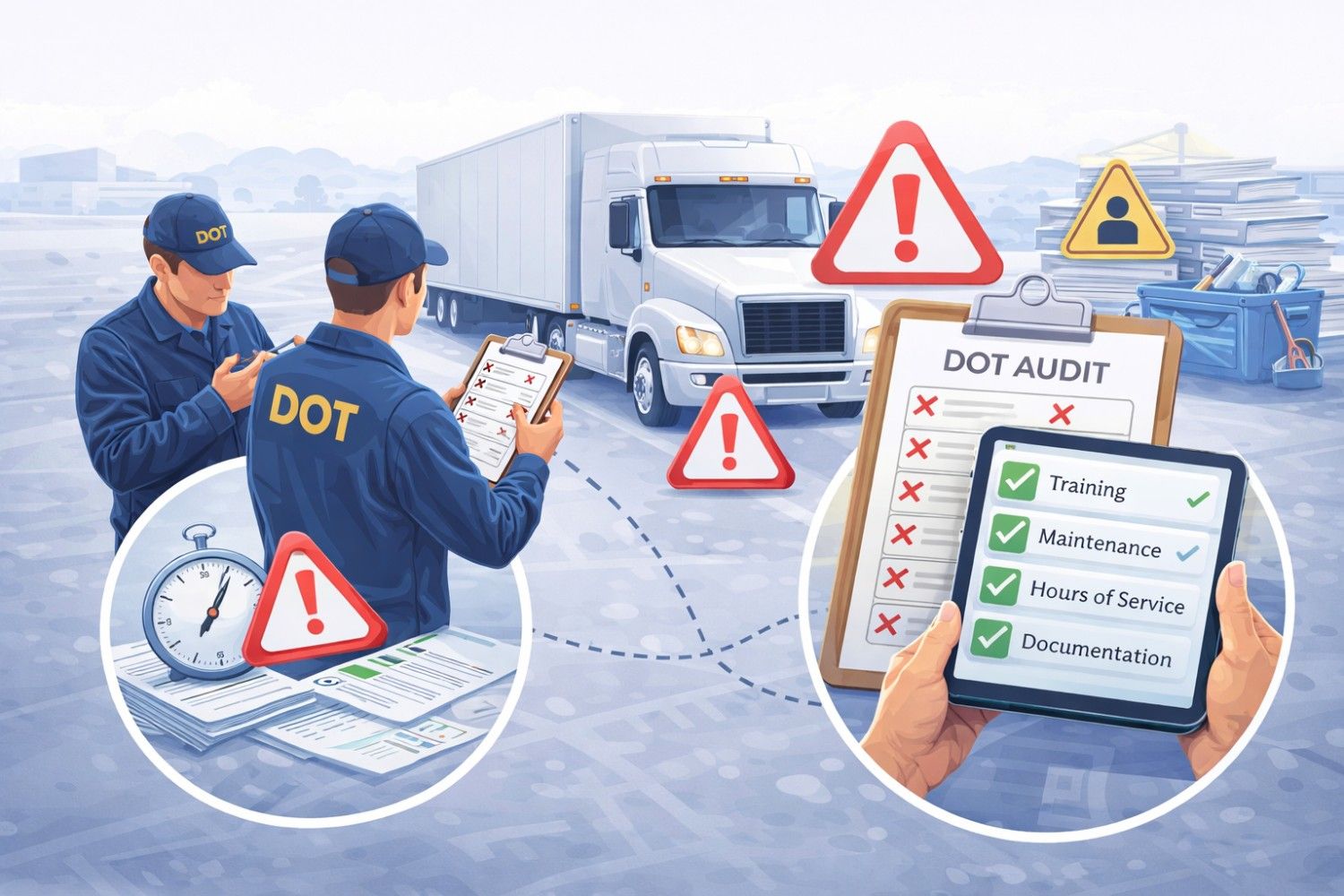
You're Failing Roadside Inspections More Than You Used To
Roadside inspections don't create problems they expose them.
If your violation rate is increasing, it's a direct reflection of maintenance gaps.
Common inspection failures include:
- Brake system violations
- Tire tread or pressure issues
- Lighting and electrical defects
- Fluid leaks or mechanical faults
These are not edge cases. They're routine issues that should be caught during inspections and preventive maintenance.
Higher violation rates also impact:
- CSA scores
- Insurance premiums
- Compliance risk and audit exposure
Inspectors find what your maintenance program missed and your fleet pays the price twice.
No One Can Tell You the Maintenance History of a Specific Vehicle
Ask a simple question:
"Can we pull the full maintenance history of this vehicle right now?"
If the answer is anything other than immediate, your documentation system is failing.
A complete maintenance history should include:
- All completed services and dates
- Parts replaced and associated costs
- Inspection records and reported issues
- Work orders tied to each repair
When this information isn't centralized, you run into serious problems:
- Delays in diagnosing repeat issues
- Difficulty proving compliance during audits
- Missed warranty claims due to lack of records
- Lower resale value due to incomplete history
A structured fleet maintenance work order software system ensures every repair is documented, tracked, and connected to the asset creating a reliable record over time.
A functioning fleet maintenance program isn't just about fixing vehicles it's about controlling outcomes.
It reduces breakdowns, stabilizes costs, improves compliance, and extends asset life. Most importantly, it gives you visibility into what's actually happening across your fleet.
If you recognize multiple signs in this list, it's not a small issue. It's a signal your program needs a reset before the cost forces the decision for you.