 Miya Bholat
May 26, 2021
Top Features You Need in Pro Fleet Maintenance Software
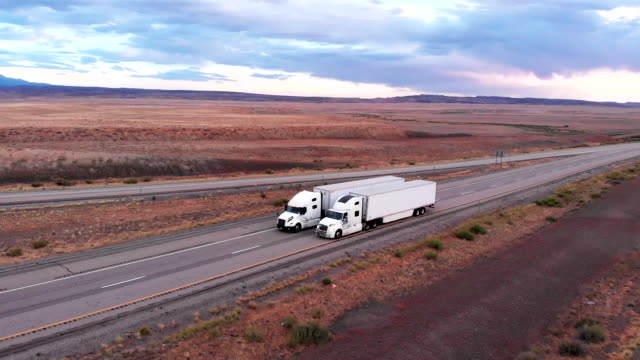
The benefits of high-quality fleet maintenance software involve everything from safety to savings. In order to realize these advantages, you cannot choose just any management app. One missed detail or insufficient data tracking can lead to an increased chance of serious problems. Keep your fleet of cars, vans, or trucks on the road, operating with the highest level of efficiency, and manage costs effectively going forward. The following features of fleet management software are essential tools any company needs to do this.
Key Takeaways
-
Fleet maintenance software is essential for efficiency and cost control:
A well-structured system helps keep vehicles on the road, reduces breakdowns, and improves overall operational performance. -
Preventive maintenance tracking is the foundation of reliable fleets:
Features like automated reminders, inspection logs, and service history help avoid costly reactive maintenance. -
Centralized systems outperform spreadsheets and manual tracking:
A one-stop shop for everything fleet-related improves visibility, reduces errors, and scales with growing operations. -
Cost management features directly impact profitability:
Tracking fuel usage, parts inventory, and repair expenses helps eliminate waste and control overall fleet costs. -
Real-time job and schedule management improves customer satisfaction:
Work orders, notifications, and scheduling tools ensure teams stay organized and never miss service commitments. -
Driver and vehicle tracking improves accountability and security:
Trip logs and vehicle assignments help monitor usage, reduce misuse, and make better staffing decisions. -
Professional fleet management requires connected, data-driven operations:
Modern fleet maintenance software combines maintenance, reporting, and operational control to reduce fleet downtime and support long-term growth.
What Should Your Fleet Maintenance App Do?
The best answer to this question is, "Everything!" The more comprehensive features vehicle maintenance software has, the easier it is for you to manage your fleet of cars or trucks. Plumbers, electricians, landscapers, delivery companies, limousine services, and more need a one-stop solution for fleet maintenance and management. In the end, it does not matter what type of company you operate. If you have multiple vehicles to manage, you need to track a huge amount of information both on an ongoing and day-to-day basis.
All the features that provide these services must perform reliably and in the simplest way possible without compromising function. From administrative assistance in the office to busy technicians in the field, everyone needs to stay connected with the information they need.
Track and Remind – Preventative Maintenance Tracker
No car, truck, or van in the fleet brings value to your operations if it breaks down and ends up sitting in the garage or parking lot rather than performing its necessary duties. One of the foundational features of vehicle maintenance software includes a full service history and inspection reports.
These should include not only when service was performed but also any noticeable issues, repairs done, scheduled future maintenance, and estimations about when new issues may arise. Tracking this type of data with complete analysis is the best way to keep your vehicles on the road.
Why This Matters:
- Keep every vehicle in your fleet on the road.
- Efficiently schedule service before breakdown.
- Manage maintenance and repair costs easily.
Why Preventive Maintenance Systems Break Without the Right Software
As fleets grow, relying on spreadsheets or disconnected tools quickly turns maintenance into a reactive process instead of a structured system. Many teams start with basic tracking, but without automation and centralized visibility, it becomes difficult to maintain a reliable preventive maintenance program.
Modern fleet maintenance software acts as a one-stop shop for everything fleet-related, bringing together service history, alerts, inspections, and reporting into one system. This is especially critical when trying to reduce reactive maintenance, where vehicles are only repaired after failure instead of being serviced proactively.
A strong system should support essential features for fleet preventive maintenance tracking, including automated reminders, OEM-based service intervals, and real-time updates across teams. Without these, even well-planned maintenance schedules can fall apart due to missed entries or delayed communication.
If your current setup still depends on manual logs, it's worth understanding why fleets move beyond spreadsheets. Many operations reach a point where Excel simply cannot keep up with growing complexity, as explained in excel good enough for fleet maintenance.
Similarly, fleets that struggle with unplanned breakdowns often deal with hidden inefficiencies tied to reactive maintenance, which can significantly increase fleet downtime and repair costs.
Manage Costs – Fuel and Inventory Control
Alongside the cost for vehicle upkeep and service, fuel and parts inventory are the two features most associated with company finances. The last thing you want to do is pay for more parts you do not need or end up spending more for fuel than the driving routes or jobs require.
From a practical perspective, you also need these costs to figure out your expenses and profits as well as tax filing information at the end of the fiscal year. Top-quality vehicle maintenance software should make it simple to connect everyday expenses to overall bookkeeping.
Why This Matters:
- Waste no time ordering parts after you need them.
- Receive notifications before replacement times.
- Manage fuel costs to minimize wasted expenses.
Benefit Clients and Customers – Manage Jobs and More
You choose vehicle record-keeping software to help your company stay efficient and profitable. Ultimately, customers and clients matter more than any other aspect of any type of service business. Choosing a program with features specifically tailored to the needs of them makes sense. Of course, keeping your cars or trucks on the road and managing costs for fuel and repairs all help ultimately satisfy the people who hire your team.
One of the most important features on fleet management app focuses directly on work orders, reminders, and real-time notifications of jobs, locations, and especially changes to the existing schedule. When it comes to satisfying customers, the last thing you want to do is miss an appointment time or show up for a cancelled appointment because the driver or service provider was not notified in time.
Why This Matters:
- Keeping customers satisfied is the #1 goal of all service companies.
- Immediate change notifications minimize wasted time and fuel.
- Organization between the office and the fleet makes everything easier.
Oversee Employees – Vehicle Assignments and Trip Logs
Fleet vehicle maintenance is intrinsically tied to employee management. After all, the people you hire drive the cars and trucks to jobsites to do the work that pays your bills and their salaries. A comprehensive fleet maintenance software system should include user management for a variety of reasons. First of all, you need to know who is in what vehicle on a day-to-day basis. Second, program oversight should track their activities related to the use of that vehicle.
While every company hopes to only employ the most trustworthy individuals, collecting data about where they are and what they do helps you make smart hiring and firing decisions. The ability to differentiate work-related travel and break time runs to a local convenience store or lunch spot help you manage costs and efficiency.
Why This Matters:
- Identify ineffectual or poor-quality employees promptly.
- Increase security for vehicles and the tools or equipment they contain.
- Make sure all vehicles are being used properly for work instead of pleasure.
The list of important features for a high-quality management app does not end there. Operating a fleet of vehicles involves so many different maintenance tasks that need accurate and time-sensitive tracking. Add on the requirements to keep essential documents like registration and insurance proof on hand, and your chosen software platform needs more power than you might expect. The convenience of monthly and annual reports for long-term handling and scheduling of service, repairs, and fleet-related finances makes everything simpler.
When it comes to fleet maintenance software, do not settle for options that lack all the essential features you need to keep running smoothly. With AUTOsist, you get everything in a highly user- friendly format that keeps everything at your fingertips. The secure web portal and mobile app allow for comprehensive coverage for office staff, drivers, and technicians no matter where they go. Keep your company's vehicles running well, save money with an organized maintenance schedule, and enjoy a host of other professional fleet services in one powerful program.
From Features to Operations: Turning Software Into Professional Fleet Management
A truly effective system goes beyond tracking and into operational control. The best platforms function as professional fleet management tools that connect maintenance, operations, and decision-making into one unified workflow.
This is where pro fleet services capabilities come into play. Features like automated work orders, real-time reporting, and centralized service history allow fleet managers to move from guesswork to data-driven decisions. Instead of reacting to issues, teams can proactively plan maintenance, optimize routes, and reduce unnecessary costs.
One critical capability is the ability to track and reduce fleet downtime. Without clear visibility into vehicle status and maintenance schedules, downtime often increases without clear explanation. Systems designed for scale help identify patterns, prioritize repairs, and prevent recurring failures.
Another key element is structured scheduling. Following proven fleet scheduled maintenance best practices ensures that maintenance is consistent, predictable, and aligned with real-world usage. Combined with accurate data, this allows fleets to operate more efficiently without over-servicing or under-maintaining vehicles.
For fleets aiming to scale operations, these tools are no longer optional they are foundational to maintaining performance, safety, and long-term cost control.
Frequently Asked Questions
-
What are the essential features for fleet preventive maintenance tracking?
The essential features for fleet preventive maintenance tracking include automated maintenance reminders, service history tracking, inspection logs, OEM-based schedules, and real-time reporting. These features help fleets move from reactive maintenance to a structured preventive maintenance program. -
What does reactive maintenance mean in fleet management?
Reactive maintenance means repairing vehicles only after they break down or fail. This approach increases fleet downtime, repair costs, and operational risk compared to proactive or preventive maintenance strategies. -
Why is fleet maintenance software considered a one-stop shop for everything fleet-related?
Fleet maintenance software centralizes all fleet data maintenance schedules, fuel tracking, inspections, work orders, and reporting into one system. This eliminates the need for multiple tools and improves operational efficiency. -
How does fleet maintenance software reduce fleet downtime?
Fleet maintenance software reduces fleet downtime by scheduling preventive maintenance, tracking vehicle health, and identifying issues early. This prevents unexpected breakdowns and keeps vehicles on the road longer. -
What makes a system suitable for professional fleet management?
A system suitable for professional fleet management includes automated workflows, real-time data access, maintenance tracking, reporting dashboards, and integration of all fleet operations into a single platform.