 Miya Bholat
Mar 09, 2026
Trucking Industry Trends Shaping Fleet Operations in 2026

Key Takeaways for Fleet Managers Navigating These Trends
- Data-driven fleet management is becoming essential. Modern fleets rely on telematics, maintenance platforms, and analytics tools to improve efficiency and reduce downtime.
- Driver retention is as important as recruitment. Keeping experienced drivers satisfied through reliable equipment and supportive working conditions can significantly reduce turnover costs.
- Technology adoption is accelerating across the industry. From GPS tracking to digital inspections, connected fleet systems are becoming the backbone of efficient operations.
- Fuel efficiency improvements deliver immediate financial impact. Even small reductions in fuel consumption can save fleets hundreds of thousands of dollars annually.
- Regulatory compliance requires proactive management. Maintaining accurate maintenance records and inspection logs helps fleets avoid costly violations and operational disruptions.
- Flexibility will define successful fleets in the coming years. Supply chain volatility, economic shifts, and emerging technologies will reward fleet operators that adapt quickly and invest in smarter operational systems.
The State of the Trucking Industry Right Now
The trucking industry sits at the center of the global economy. In the United States alone, trucks move roughly 72–75% of all domestic freight by weight, according to the American Trucking Associations (ATA). That massive responsibility means every economic shift—from consumer demand to fuel prices—immediately affects fleet operators.
Over the past several years, fleet managers have faced a complex mix of challenges. Freight volumes surged during the pandemic-era supply chain disruptions, followed by periods of softer demand and pricing pressure. At the same time, operating costs have climbed steadily due to inflation, insurance premiums, vehicle prices, and labor shortages.
Several structural pressures define the current trucking landscape:
- Driver shortages that limit fleet capacity and increase wage pressure
- Rising equipment costs, including trucks and replacement parts
- Fuel price volatility, which can swing operating budgets quickly
- Regulatory compliance requirements that demand careful oversight
- Supply chain variability affecting freight demand patterns
Fleet operators must now run tighter operations than ever before. Cost per mile for trucking operations often ranges between $1.65 and $2.10 per mile, depending on fleet size and operational efficiency. Even small improvements in maintenance, fuel efficiency, and utilization can significantly impact profitability.
That's why fleet managers are increasingly turning to integrated platforms and data-driven operations. Tools like fleet maintenance software help fleets monitor vehicle health, automate maintenance scheduling, and maintain compliance records—reducing downtime and operational risk.
Driver Shortage and Workforce Trends
Few challenges loom larger for trucking companies than the driver shortage. The American Trucking Associations estimates the industry currently faces a shortage of over 80,000 drivers, a number that could grow significantly if trends continue.
Several factors contribute to this workforce gap. The average truck driver in the U.S. is around 46–48 years old, meaning a large portion of the workforce is approaching retirement. Meanwhile, younger workers often view trucking as a demanding career due to long hours, extended time away from home, and complex licensing requirements.
Fleets are responding by rethinking recruitment strategies, compensation structures, and driver experience.
Recruiting and Retaining Qualified Drivers
Fleet operators have realized that solving the driver shortage requires both recruitment and retention strategies. Companies are increasingly investing in programs that improve driver satisfaction and career growth.
Some of the most common approaches include:
- CDL training partnerships with vocational schools and community colleges
- Driver referral bonuses that reward current employees for recruiting qualified candidates
- Improved pay structures, including guaranteed pay models or performance incentives
- Better route planning to reduce time away from home
- Safety technology that protects drivers and reduces accident risk
Technology is also helping fleets build better driver experiences. Systems that integrate driver logs, inspections, and route information into a single dashboard reduce administrative workload and improve transparency across operations.
How Driver Turnover Affects Fleet Costs
Driver turnover is more than an HR challenge—it's a direct financial issue. Industry studies estimate the cost of replacing a single truck driver can range from $8,000 to $20,000, depending on recruiting expenses, training time, and lost productivity.
Turnover also creates operational disruptions that extend beyond hiring costs:
- Idle equipment when trucks sit without drivers
- Training expenses for new hires learning routes and procedures
- Reduced productivity during onboarding periods
- Higher accident risk among inexperienced drivers
Reliable vehicles play a major role in driver retention as well. When trucks frequently break down or maintenance records are poorly managed, drivers lose trust in the equipment they operate. Platforms that maintain accurate vehicle service history records can help fleets ensure vehicles remain reliable and safe for drivers.
Technology Transforming Modern Trucking Operations
Technology is rapidly reshaping how fleets operate. Over the past decade, trucking has moved from paper logs and spreadsheets toward fully connected operations powered by real-time data.
Several technologies are driving this transformation:
- Telematics devices that collect vehicle and driver data in real time
- Electronic logging devices (ELDs) that automate compliance with hours-of-service rules
- AI-powered dispatch systems that optimize routes and scheduling
- Predictive maintenance tools that identify problems before breakdowns occur
- Digital inspection platforms that streamline safety reporting
Together, these tools are shifting fleet management from reactive to proactive operations. Instead of responding to breakdowns, managers can anticipate issues and optimize performance continuously.
The Rise of Fleet Management Software
Modern fleets generate massive amounts of operational data—from engine diagnostics to driver logs. Without centralized systems, managing this information quickly becomes overwhelming.
Fleet management platforms help consolidate operational data into a single system. Instead of relying on spreadsheets and manual logs, fleets can manage operations through digital dashboards that track:
- Maintenance schedules
- Inspection records
- fuel consumption
- driver assignments
- compliance documentation
Solutions like AUTOsist integrate maintenance tracking, inspections, and reporting into one platform, helping fleets improve efficiency and maintain audit-ready records.
The shift away from spreadsheets is accelerating as fleets scale. As operations grow beyond a handful of vehicles, manual systems become increasingly difficult to maintain accurately.
Telematics and Real-Time Vehicle Data
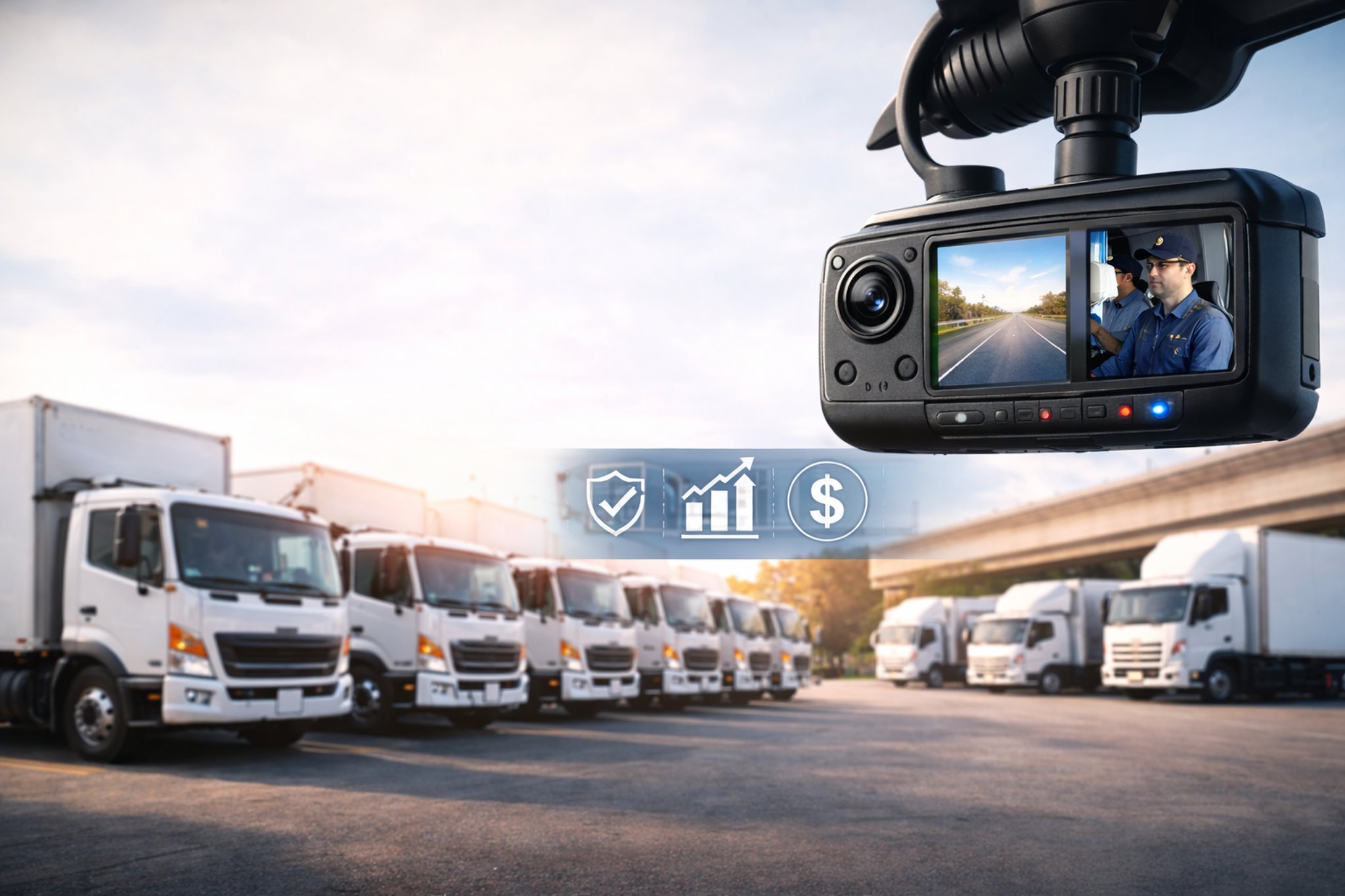
Telematics has become one of the most transformative technologies in trucking. By installing GPS and vehicle monitoring devices, fleets can collect real-time operational data across their entire fleet.
Telematics systems provide visibility into several critical metrics:
- Vehicle location and route tracking
- Driver behavior, including harsh braking or speeding
- Fuel consumption patterns
- Engine diagnostics and fault codes
- Idle time and utilization rates
With integrated GPS fleet tracking and telematics, fleet managers gain immediate insight into how vehicles are performing on the road. This level of visibility allows fleets to reduce fuel waste, improve driver safety, and respond quickly to operational issues.
Electric and Alternative Fuel Trucks — Hype or Reality?
Electric trucking has attracted enormous attention in recent years. Manufacturers including Tesla, Freightliner, Volvo, and Nikola have introduced electric truck models designed for commercial freight.
The Tesla Semi, for example, promises ranges of up to 500 miles under certain conditions, while the Freightliner eCascadia targets regional haul applications.
Despite these announcements, adoption remains limited. Several practical challenges continue to slow widespread deployment:
- Charging infrastructure gaps for heavy-duty vehicles
- Higher upfront vehicle costs compared to diesel trucks
- Limited range for long-haul operations
- Battery weight and payload trade-offs
For many fleets, electric trucks currently make the most sense for short-haul or regional routes where charging infrastructure is available.
Alternative fuels also play a role in the transition. Compressed natural gas (CNG), renewable natural gas (RNG), and hydrogen fuel cell technologies are being explored as options for reducing emissions.
Fleet managers planning for the next five years should monitor several factors:
- battery technology improvements
- government incentives and regulatory pressure
- charging infrastructure expansion
- total cost of ownership comparisons
The transition to alternative fuels will likely occur gradually rather than through an immediate industry-wide shift.
Fuel Costs and the Ongoing Push for Efficiency
Fuel remains one of the largest operational expenses for trucking fleets. In many operations, diesel accounts for 25–35% of total operating costs.
A small improvement in fuel efficiency can create significant financial impact. Consider a fleet operating 50 trucks averaging 100,000 miles per year.
If diesel costs $4.00 per gallon and trucks average 6.5 MPG:
- Annual fuel use per truck: ~15,385 gallons
- Annual fuel cost per truck: ~$61,540
- Total fleet fuel cost: $3 million+ per year
Improving fuel efficiency by just 5% could reduce annual fuel spending by over $150,000 in this scenario.
Fleets are adopting several strategies to improve fuel efficiency:
- Route optimization to reduce unnecessary miles
- Driver coaching to minimize aggressive acceleration and braking
- Idle reduction policies to prevent wasted fuel
- Aerodynamic upgrades to improve highway efficiency
- Fuel tracking systems that monitor usage trends
Platforms that provide fleet fuel management and tracking software help managers monitor consumption patterns and identify inefficiencies across vehicles.
Regulatory Changes Fleet Managers Need to Know
Compliance remains one of the most complex aspects of fleet management. Federal and state regulations affect nearly every aspect of trucking operations, from driver hours to vehicle maintenance.
Several key regulatory areas continue to evolve:
- Hours of Service (HOS) rules that govern driver work schedules
- Electronic Logging Device (ELD) requirements for tracking driving hours
- EPA emissions standards targeting reductions in diesel emissions
- Proposed speed limiter regulations for heavy-duty trucks
- State-specific environmental rules, particularly in California
Failing to meet regulatory requirements can lead to fines, safety violations, or even out-of-service orders that halt operations.
Staying Ahead of Maintenance and Inspection Requirements
Regular vehicle inspections and preventive maintenance programs play a major role in compliance. Federal Motor Carrier Safety Administration (FMCSA) regulations require fleets to maintain records demonstrating that vehicles are inspected and maintained regularly.
Fleet operators typically track several key compliance tasks:
- Daily vehicle inspections (DVIRs)
- Scheduled preventive maintenance intervals
- DOT inspection documentation
- Repair records and maintenance history
Using structured maintenance systems makes it easier to maintain audit-ready documentation. Many fleets follow guidance from resources such as the DOT fleet maintenance requirements explained guide to ensure their programs align with regulatory expectations.
Supply Chain Disruptions and Their Impact on Freight Fleets
The COVID-19 pandemic reshaped global supply chains, and many of those changes continue to influence freight demand today.
Companies are rethinking logistics strategies to improve resilience. Instead of relying exclusively on global sourcing, many businesses are shifting toward nearshoring or domestic production.
Several trends are affecting trucking operations:
- Shorter freight routes due to regional manufacturing shifts
- Higher inventory levels replacing just-in-time logistics strategies
- Increased warehouse distribution networks to support faster delivery
- Greater demand variability due to economic uncertainty
These changes require fleets to become more flexible. Companies must adapt quickly to shifting freight lanes, seasonal demand fluctuations, and changing customer expectations.
Digital fleet monitoring tools are becoming essential in this environment. Real-time operational data helps managers adjust routes, reassign vehicles, and maintain service reliability even during disruptions.