 Miya Bholat
Jan 22, 2026
What Is a Corporate Fleet ? Meaning, Costs and Best Practices
Managing a corporate fleet goes far beyond keeping vehicles on the road. It involves balancing employee needs, controlling operating costs, maintaining compliance, and making long-term decisions that directly affect business performance. Whether a company operates 10 vehicles or 1,000, the way its fleet is managed has a measurable impact on productivity, safety, and profitability.
This guide breaks down what defines a corporate fleet, the challenges fleet managers face, the true cost structure, and the strategies and technologies that help organizations run their fleets more efficiently.
Key Takeaways: Building a More Efficient Corporate Fleet
- Corporate fleets require structured management. Centralized systems replace guesswork with clear visibility.
- Total cost of ownership matters more than purchase price. Hidden and operating costs drive long-term spending.
- Preventive maintenance protects uptime. Proactive service reduces breakdowns and extends vehicle life.
- Technology enables smarter decisions. Integrated maintenance, fuel, and tracking tools improve control without increasing workload.
- Clear policies reduce risk. Well-defined rules protect drivers, vehicles, and the organization.
What Is a Corporate Fleet?
A corporate fleet is a group of vehicles owned or leased by a business to support daily operations. These vehicles are typically assigned to employees or departments and used for sales, service, transportation, or executive travel. Corporate fleets usually range from a handful of vehicles to several hundred, depending on the size and scope of the organization.
Unlike government fleets or rental fleets, corporate fleets exist to directly support revenue-generating or operational activities. Vehicles may be assigned to individual drivers, shared among teams, or pooled across multiple locations. This diversity makes corporate fleet management uniquely complex, especially when vehicles vary by type, usage, and operating environment.
Corporate fleets often include a mix of light-duty, medium-duty, and specialty vehicles, which requires a flexible approach to maintenance, cost tracking, and policy enforcement.
Types of Corporate Fleet Vehicles
Corporate fleets rarely rely on a single vehicle type. Each category serves a different operational purpose, and managing them together requires clear visibility and structure.
Common vehicle categories include:
- Sedans and compact cars for sales representatives and regional managers
- SUVs and crossovers for executives or multi-purpose travel
- Delivery vans supporting logistics, distribution, and service routes
- Service vehicles equipped with tools for field technicians
- Light-duty trucks for equipment transport or job-site support
Each vehicle type has different maintenance schedules, fuel usage patterns, and replacement cycles. Without centralized tracking, these differences quickly lead to inconsistent upkeep and rising costs.
Industries That Rely on Corporate Fleets
Corporate fleets appear across many industries, especially where employees travel frequently or operate in the field. These fleets enable businesses to maintain control over branding, safety standards, and vehicle availability.
Industries that commonly rely on corporate fleets include:
- Professional services and consulting firms
- Pharmaceutical and medical device sales organizations
- Utilities and energy providers
- Field service and maintenance companies
- Technology companies with distributed sales teams
In these sectors, vehicles function as productivity tools. Poor fleet oversight often shows up as missed appointments, higher accident rates, and unpredictable expenses.
Corporate Fleet vs. Reimbursement and Employee-Owned Vehicle Programs
Not every company that sends employees on the road operates a true corporate fleet. Some organizations reimburse mileage for employee-owned vehicles, while others rely on a mixed model that combines company-owned vehicles with personal vehicle use. Understanding this distinction helps define when a business moves from informal transportation support into actual corporate fleet management.
A corporate fleet usually means the business owns or leases the vehicles, sets the usage rules, controls maintenance standards, and tracks operating costs centrally. In contrast, reimbursement-based models shift much of the responsibility for upkeep, insurance, and day-to-day vehicle condition to the employee. That may work for small teams, but it creates less visibility and weaker control as operations grow.
This distinction matters because fleet decisions affect branding, risk, cost consistency, and maintenance accountability. Businesses that need tighter scheduling, cleaner reporting, and more predictable vehicle availability often move away from ad hoc reimbursement and toward a dedicated fleet structure. At that stage, companies usually begin comparing formal fleet management software, vehicle assignment workflows, and company fleet management best practices to support scale.
For readers trying to understand the term itself, this comparison is often the clearest way to see what makes a corporate fleet different from simply having employees who drive for work.
The Unique Challenges of Managing Corporate Fleets
Corporate fleet management introduces challenges that go beyond basic vehicle ownership. Fleet managers must juggle operational demands while maintaining fairness, compliance, and cost discipline across multiple stakeholders.
One of the biggest difficulties is scale. As fleets grow, manual tracking methods fail, and fragmented systems make it difficult to see the full picture. This leads to reactive decision-making instead of proactive planning.
Driver Assignment and Vehicle Allocation
Assigning vehicles sounds simple until employee roles change, locations shift, or usage patterns evolve. Fleet managers must account for job requirements, mileage expectations, personal use policies, and vehicle availability.
Challenges often include:
- Reassigning vehicles when employees change roles or leave
- Managing take-home vehicle policies fairly
- Tracking personal versus business use
- Handling driver requests without disrupting operations
Without a structured system, these decisions become inconsistent and time-consuming, increasing administrative workload.
Cost Visibility and Budget Management
Corporate fleet costs are spread across multiple categories and departments, which makes them difficult to track accurately. Fuel, maintenance, insurance, and depreciation often live in separate systems or reports.
Fleet managers struggle when:
- Costs are reported after the fact instead of in real time
- Maintenance spending varies widely between vehicles
- Budget forecasts rely on incomplete historical data
Centralized reporting and maintenance tracking tools help organizations regain control and plan more accurately.
When a Business Actually Needs a Corporate Fleet Structure
Many businesses start with just a few employees driving for work and do not immediately think of themselves as operating a fleet. But once vehicles become essential to service delivery, field operations, sales coverage, or regional travel, the business often reaches a point where fleet activity needs formal oversight.
A company typically needs a defined fleet structure when vehicle usage becomes frequent, multi-location coordination becomes harder, and costs are no longer easy to monitor manually. Common signs include inconsistent maintenance follow-through, unclear driver assignment rules, limited visibility into mileage or fuel trends, and growing fleet downtime caused by missed service or poor scheduling.
At that point, the question is no longer just what a corporate fleet is. The more important question becomes how the company will standardize vehicle ownership, tracking, and accountability before operational issues compound. This is where businesses often begin looking at fleet management for business as an operational function rather than an informal admin task.
For growing organizations, formalizing the fleet early creates clearer reporting, more reliable vehicle availability, and a better foundation for future policy decisions. It also gives teams a more practical starting point for improving oversight before fleet operations become difficult to control.
Corporate Fleet Costs: A Complete Breakdown
Understanding the total cost of ownership (TCO) is essential for managing a corporate fleet responsibly. TCO includes every cost associated with a vehicle over its lifecycle, not just the purchase price.
When fleets lack visibility into these costs, vehicles stay in service too long, maintenance becomes reactive, and replacement decisions are delayed.
Acquisition Costs: Lease vs. Purchase
Vehicle acquisition sets the financial foundation for the fleet. Companies typically choose between leasing and purchasing based on cash flow, tax considerations, and usage patterns.
Leasing often offers:
- Lower upfront costs
- Predictable monthly expenses
- Easier replacement cycles
Purchasing may make sense when:
- Vehicles are used for long service lives
- Mileage is high or unpredictable
- Customization is required
Fleet managers must evaluate depreciation, resale value, and utilization when choosing the right approach.
Operating Costs: Fuel, Maintenance, and Insurance
Operating costs account for a significant portion of fleet spending. For many corporate fleets, fuel and maintenance together represent 40–60% of annual vehicle costs.
Key operating expenses include:
- Fuel consumption and price volatility
- Preventive and corrective maintenance
- Insurance premiums and claims
- Registration, licensing, and inspections
Tracking maintenance activity through tools like a vehicle service history system helps reduce breakdowns and avoid unnecessary repairs.
Hidden Costs That Impact Your Bottom Line
Hidden costs often cause the most damage because they are hard to measure. These expenses quietly erode profitability and increase risk.
Examples include:
- Vehicle downtime delaying service calls
- Administrative labor managing paper records
- Compliance violations and fines
- Accident-related productivity losses
A 50-vehicle corporate fleet experiencing just one day of downtime per vehicle each year can lose thousands of dollars in missed revenue and labor costs.
Technology Solutions for Corporate Fleet Management
Modern fleet management technology brings structure to complex operations. Instead of juggling spreadsheets and disconnected tools, fleet managers gain a centralized view of vehicles, drivers, and costs.
This shift enables data-driven decisions and consistent processes across locations.
Fleet Maintenance Management Systems
Maintenance software forms the backbone of effective corporate fleet operations. Digital systems track service schedules, repair history, and compliance requirements in one place.
With tools like fleet preventive maintenance schedules and reminders, fleet managers can:
- Automate service reminders
- Standardize maintenance intervals
- Reduce unexpected breakdowns
- Extend vehicle lifespan
AUTOsist supports centralized maintenance tracking that scales with growing fleets.
Telematics and GPS Tracking
Telematics systems provide real-time insights into vehicle location, usage, and driver behavior. This data improves routing, safety, and utilization.
When integrated with maintenance platforms such as GPS fleet tracking and telematics, organizations can:
- Identify underutilized vehicles
- Monitor harsh driving events
- Improve route efficiency
These insights translate directly into cost savings and reduced risk.
Fuel Management and Card Programs
Fuel is one of the largest variable fleet expenses. Fuel cards and consumption monitoring help organizations control spending and prevent misuse.
Effective fuel management programs:
- Track fuel spend by vehicle and driver
- Detect unusual purchase patterns
- Support budgeting and forecasting
Best Practices for Corporate Fleet Optimization
Optimizing a corporate fleet requires a strategic approach that aligns vehicles with business needs. Small improvements compound over time, creating measurable financial impact.
Rightsizing Your Fleet
Many corporate fleets operate more vehicles than they need. Underutilized assets increase insurance, maintenance, and depreciation costs.
Fleet managers should:
- Analyze utilization rates regularly
- Reassign or retire low-use vehicles
- Match vehicle types to actual job requirements
Rightsizing frees up capital and simplifies operations.
Implementing a Preventive Maintenance Program
Preventive maintenance reduces breakdowns and lowers long-term costs. Reactive repairs almost always cost more and disrupt schedules.
A strong preventive maintenance program includes:
- Standard service intervals
- Digital inspection records
- Maintenance compliance tracking
Tools like a digital vehicle inspection app help standardize inspections across locations.
Driver Training and Safety Programs
Driver behavior has a direct impact on fuel consumption, maintenance costs, and accident frequency. Even modest improvements produce noticeable savings.
Effective programs focus on:
- Safe driving techniques
- Vehicle care responsibility
- Incentives for incident-free driving
Compliance and Policy Considerations
Corporate fleets operate under both regulatory requirements and internal policies. Clear documentation and consistent enforcement reduce risk and confusion.
DOT Regulations and Corporate Fleets
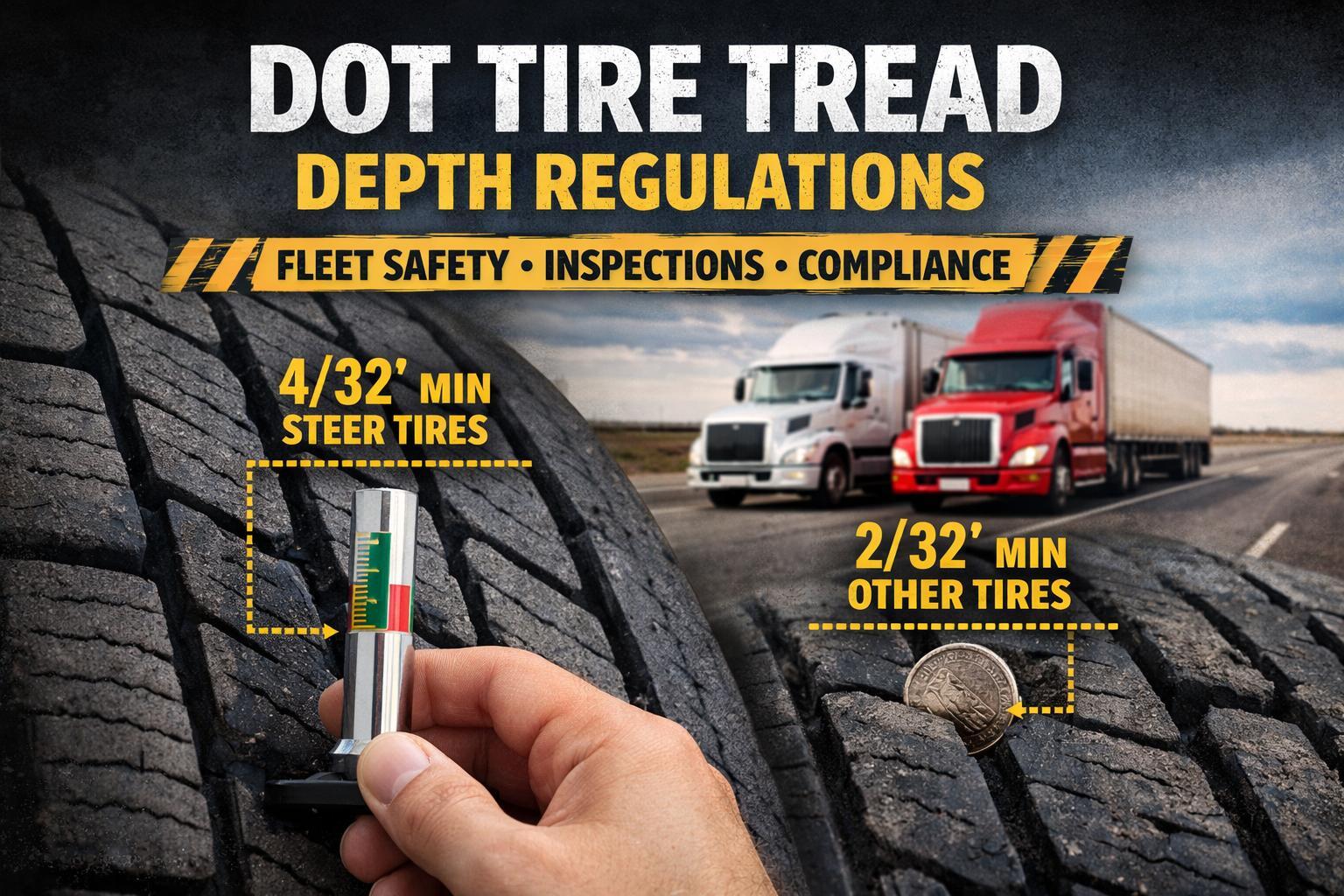
Not all corporate fleets fall under DOT oversight, but many do when vehicles exceed weight thresholds or operate across state lines. Fleet managers must understand when DOT rules apply and how to stay compliant.
Maintenance documentation, inspections, and driver records play a central role in compliance.
Creating Effective Fleet Policies
Fleet policies set expectations and protect both the company and employees. They should be clear, accessible, and consistently applied.
Essential policy elements include:
- Vehicle assignment and personal use rules
- Maintenance and inspection responsibilities
- Fuel card usage
- Accident reporting procedures
Key Metrics Every Corporate Fleet Manager Should Track
Data-driven fleet management depends on tracking the right metrics. These indicators reveal inefficiencies before they become expensive problems.
Key metrics include:
- Cost per mile: Measures overall fleet efficiency
- Vehicle utilization rate: Identifies underused assets
- Maintenance cost per vehicle: Highlights problem vehicles
- Fuel efficiency: Tracks driving behavior and vehicle health
- Downtime percentage: Quantifies lost productivity
- Preventive maintenance compliance: Ensures schedule adherence
Consistent tracking enables smarter budgeting and planning decisions.
Frequently Asked Questions
-
What is considered a corporate fleet?
A corporate fleet is a group of vehicles owned or leased by a business to support work-related operations such as sales, service, transportation, or executive travel. -
What is the difference between a corporate fleet and employees using their own cars?
A corporate fleet is centrally controlled by the business, while employee-owned vehicle programs usually rely on mileage reimbursement and give the company less visibility into maintenance, condition, and operating costs. -
When does a small business become a corporate fleet?
A business starts functioning like a corporate fleet when multiple vehicles are regularly used for operations and the company needs structured oversight for assignments, maintenance, costs, and policies. -
Why do companies choose to build a corporate fleet instead of reimbursing drivers?
Companies often build a corporate fleet when they need more control over branding, availability, maintenance standards, compliance, and long-term operating costs. -
What industries commonly use corporate fleets?
Corporate fleets are commonly used in industries like logistics, field service, construction, utilities, sales, and transportation any business where vehicles are essential to daily operations.