 Miya Bholat
May 01, 2026
What Is a DVIR Report? A Fleet Manager's Guide
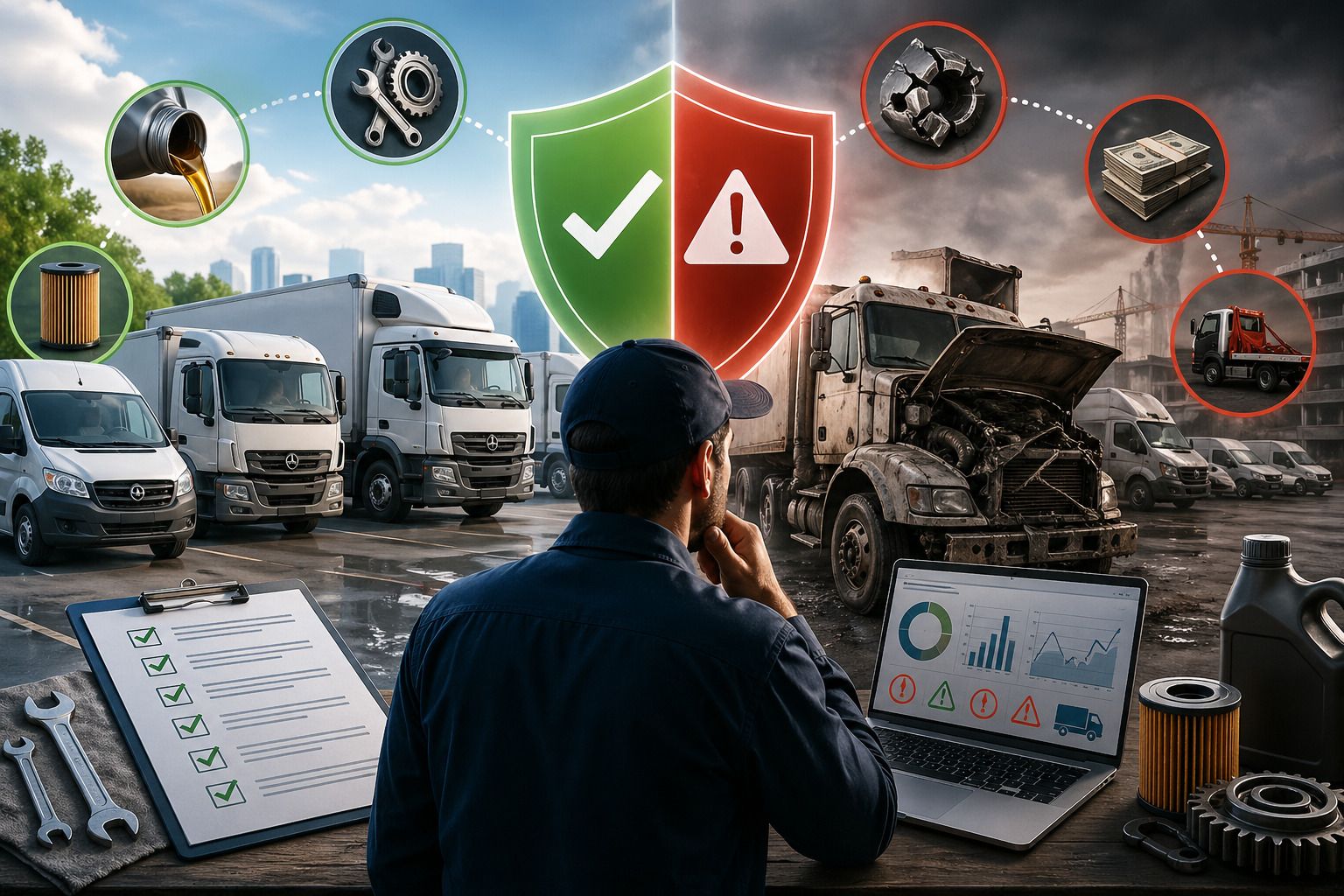
Fleet breakdowns rarely happen without warning. The problem is that most fleets miss the early signals. A DVIR report is designed to catch those signals before they turn into violations, downtime, or costly failures.
Key Takeaways
- A DVIR is a mandatory safety inspection report
Drivers must document vehicle condition before and after trips to meet federal compliance requirements. How DVIR Reports - DVIRs directly impact DOT compliance and CSA scores
Missing or inaccurate reports can lead to violations, audits, and out of service orders. - They help reduce breakdowns and maintenance costs
Early defect detection prevents small issues from turning into expensive failures. - The process involves drivers, dispatchers, and mechanics
A DVIR only works when defects are reported, repaired, and signed off correctly. - Digital DVIRs improve accuracy and speed
Using a digital vehicle inspection app eliminates paperwork and provides real time visibility into vehicle health.
What Does DVIR Stand For and Why Should Fleet Managers Care?
DVIR stands for Driver Vehicle Inspection Report. It is a required inspection process that ensures every commercial vehicle is safe to operate before it hits the road and properly documented after it returns.
For fleet managers, DVIR is not just paperwork. It is one of the most important frontline tools for safety, compliance, and cost control.
Every year, thousands of roadside inspections result in violations tied to poor vehicle condition. Issues like worn brakes, faulty lights, and tire defects are among the most common causes of out of service orders. These are not random failures. They are preventable issues that DVIRs are meant to catch.
When DVIRs are done correctly, they create a continuous feedback loop between drivers and maintenance teams. That loop is what keeps vehicles safe and operational.
Is a DVIR Legally Required? Understanding DOT and FMCSA Rules
Yes, DVIRs are legally required under federal law. The Federal Motor Carrier Safety Administration mandates inspections under 49 CFR 396.11 and 396.13.
These regulations require drivers to inspect their vehicles and document any defects that could affect safety or operation. Fleet managers must ensure these reports are completed, reviewed, and retained.
To understand the broader compliance landscape, many fleets rely on resources like this fleet compliance guide for DOT regulations to ensure they meet all federal requirements.
Who Is Required to Complete a DVIR?
Not every vehicle falls under DVIR requirements, but most commercial fleets do. The following categories typically require DVIRs:
- Vehicles with a gross vehicle weight rating above 10001 pounds
- Vehicles transporting hazardous materials
- Vehicles carrying more than 8 passengers for compensation
- Most interstate commercial motor vehicles
Even when exemptions apply, inspections are still considered a best practice for safety and liability protection.
What Happens If You Skip It?
Skipping DVIRs is not just a paperwork issue. It creates real operational and legal risk.
- Increased likelihood of DOT violations during inspections
- Lower CSA scores affecting fleet reputation and contracts
- Higher liability exposure in accidents
- Vehicles being placed out of service
If a defect goes unreported and leads to an accident, the absence of a DVIR can become a major legal issue.
What Is Included in a DVIR? A Section by Section Breakdown
A DVIR covers all critical components that affect vehicle safety and operation. Drivers are expected to check specific systems and report any defects.
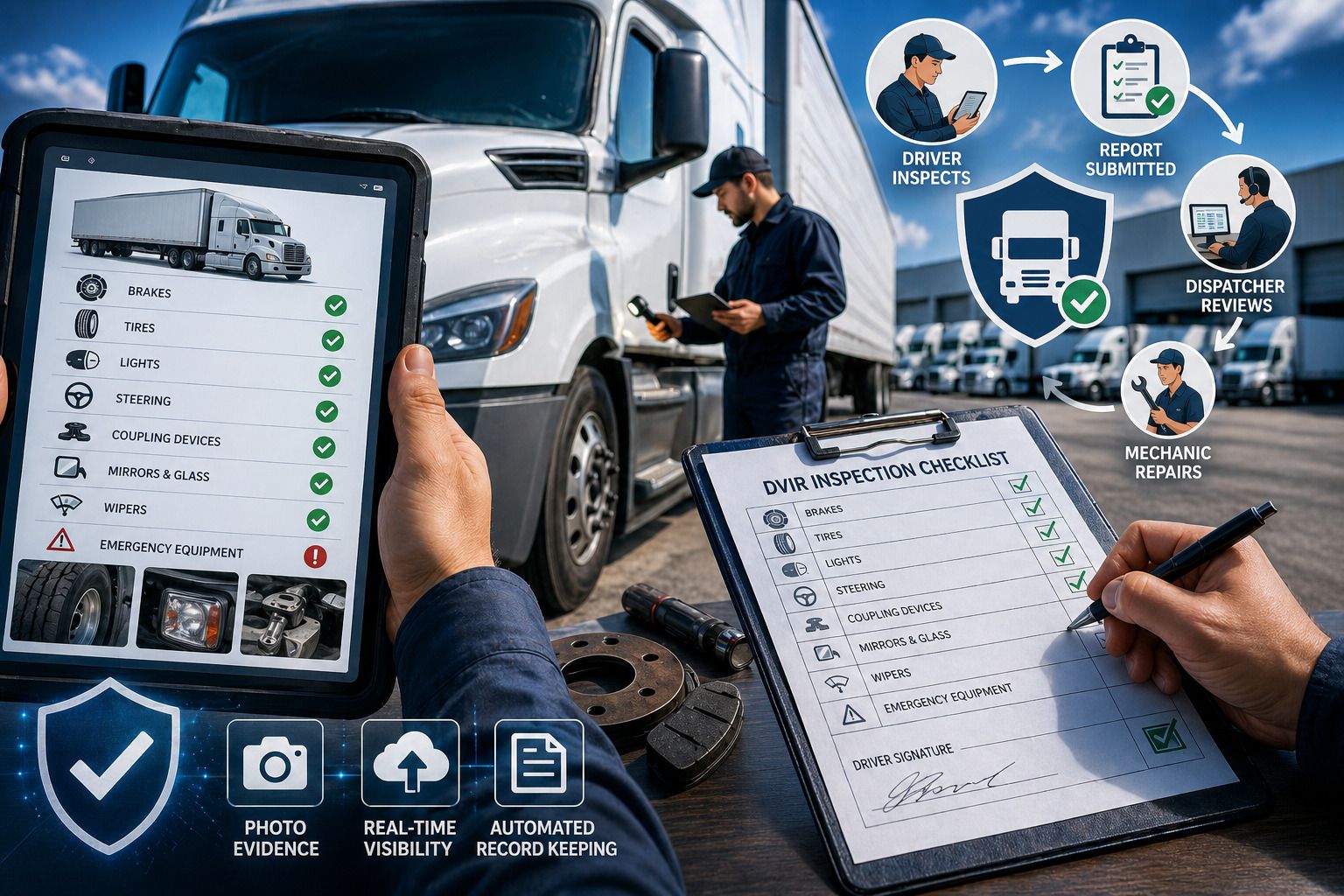
A typical DVIR inspection includes the following areas:
- Brakes including service brakes and parking brakes
- Tires for wear, pressure, and damage
- Lights such as headlights, brake lights, and turn signals
- Steering mechanisms and responsiveness
- Coupling devices and connections
- Mirrors, windshield, and visibility components
- Horn, wipers, and emergency equipment
Each item is inspected to identify visible defects or performance issues that could compromise safety.
To standardize inspections across fleets, many managers use a structured vehicle inspection checklist for fleet compliance to ensure nothing is missed.
Pre Trip vs Post Trip Inspections What Is the Difference?
Drivers must inspect vehicles both before and after trips, but the purpose differs slightly.
Pre trip inspections ensure the vehicle is safe before operation. Post trip inspections document any issues that occurred during use.
If defects are found during a post trip inspection, they must be reported and repaired before the vehicle is dispatched again. Mechanics must review and certify these repairs.
How the DVIR Process Works From Driver to Dispatcher to Mechanic
A DVIR is not a single step. It is a workflow that connects multiple roles within your fleet operation.
The process typically looks like this:
- Driver completes inspection and notes defects
- Report is submitted to the fleet system
- Dispatcher or manager reviews reported issues
- Maintenance team schedules repairs
- Mechanic completes work and signs off
Consider a simple example. A driver completes a post trip inspection and notices reduced braking performance. That issue is recorded and submitted. The maintenance team schedules a repair before the next trip. A mechanic fixes the issue and signs off, confirming the vehicle is safe.
If any step in this process fails, the risk increases. This is why many fleets rely on systems like fleet maintenance work order software to track defects from report to resolution.
Paper DVIRs vs Digital DVIRs Why the Industry Is Moving On
Paper DVIRs have been the standard for decades, but they come with limitations that modern fleets can no longer afford.
Common challenges with paper DVIRs include:
- Lost or misplaced inspection forms
- Illegible handwriting leading to missed defects
- Delayed communication between drivers and maintenance teams
- Difficulty storing and retrieving records during audits
Digital solutions solve these issues by streamlining the entire process.
With tools like a digital vehicle inspection app for fleet drivers, fleets can:
- Capture defects with photos and notes in real time
- Instantly notify maintenance teams
- Automatically store inspection records
- Track repair status without manual follow up
Fleets that transition from paper to digital inspections often see significant efficiency gains. Even saving 5 minutes per inspection across a fleet of 50 vehicles can translate into hundreds of hours saved annually.
For a deeper comparison, this breakdown of traditional fleet logs vs digital inspection reports highlights the operational impact of switching.
How DVIR Reports Reduce Maintenance Costs and Unplanned Downtime
DVIRs are not just about compliance. They are one of the most effective tools for controlling fleet maintenance costs.
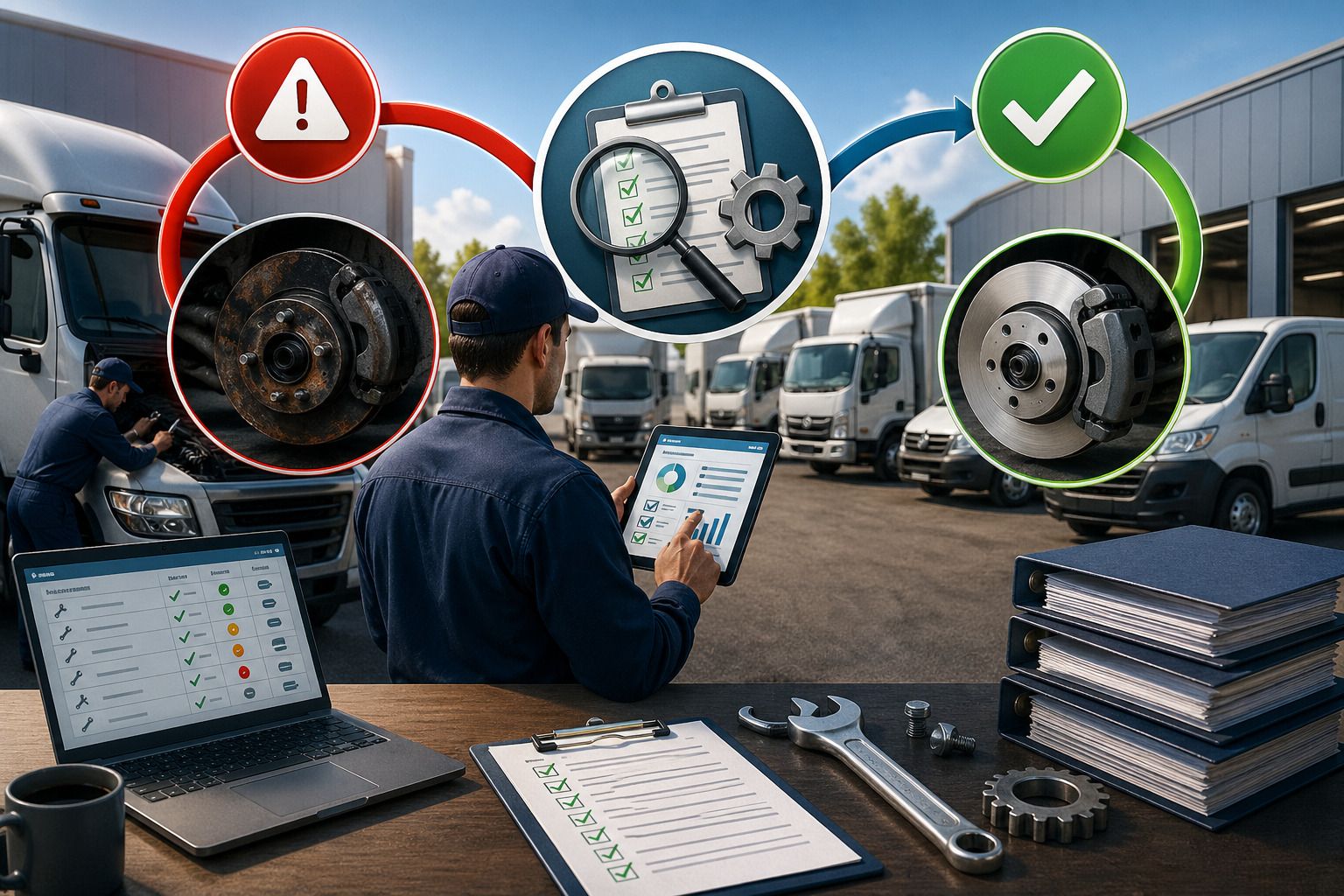
When inspections are done consistently, small issues are caught early. A minor brake issue identified during a DVIR is far cheaper to fix than a full brake failure on the road.
Consider the cost difference:
- Preventive repair during scheduled maintenance is relatively low cost
- Roadside breakdowns can cost thousands in towing, labor, and lost productivity
This is why DVIR data plays a critical role in preventive maintenance programs. When combined with systems like fleet preventive maintenance schedules, inspection data helps fleets plan repairs before failures occur.
Fleets that integrate DVIR data into maintenance planning reduce downtime and improve vehicle uptime significantly.
Why Fleet Maintenance Gets Harder Without a Strong DVIR System
As fleets grow, maintenance does not just increase. It becomes harder to manage.
More vehicles mean more inspections, more defects, more repair requests, and more coordination between drivers and maintenance teams. Without a structured DVIR process, this complexity quickly turns into missed issues and delayed repairs.
Many fleet managers start noticing patterns like delayed inspections, repeated breakdowns, or overlapping maintenance tasks. These are not isolated problems. They are symptoms of a system that lacks visibility and structure.
This is exactly why fleet maintenance tends to break down over time, as explained in this analysis of why fleet maintenance gets harder over time. Without consistent inspection data feeding into your workflow, small inefficiencies compound into major operational issues.
A strong DVIR process solves this by creating a consistent flow of real time vehicle condition data. Every inspection feeds directly into maintenance planning, helping teams prioritize repairs based on urgency instead of guesswork.
However, inspection data alone is not enough. It needs to be organized and scheduled properly.
One of the biggest operational challenges fleets face is overlapping maintenance tasks. When multiple repairs are scheduled without coordination, it leads to unnecessary downtime, resource conflicts, and delayed dispatches.
This is where structured planning becomes critical. Strategies like those outlined in planning fleet maintenance without overlapping tasks help fleets align DVIR defect data with maintenance schedules in a way that keeps vehicles moving.
When DVIR data and maintenance scheduling work together, fleets gain:
- Better visibility into vehicle health across the entire fleet
- Fewer missed or delayed repairs
- Reduced downtime caused by scheduling conflicts
- More efficient use of maintenance resources
This is also where tools like fleet preventive maintenance schedules become essential. By combining DVIR inputs with scheduled maintenance planning, fleets can move from reactive fixes to a more controlled and predictable maintenance operation.
How to Build a DVIR Process Your Drivers Will Actually Follow
The biggest challenge with DVIRs is not understanding them. It is getting drivers to complete them consistently and accurately.
To build a process that works, fleet managers need structure, accountability, and the right tools.
Here are practical best practices to follow:
- Train drivers on why DVIRs matter, not just how to complete them
- Keep inspection checklists simple and easy to follow
- Require photo evidence for reported defects
- Ensure fast feedback from maintenance teams
- Use digital tools to reduce friction and save time
Driver adoption improves significantly when the process is fast and easy. Tools like a mobile vehicle inspection system for fleets help remove barriers and improve compliance rates.
Common DVIR Mistakes Fleet Managers Make
Even well structured DVIR programs can fail if common mistakes are not addressed.
- Drivers rushing through inspections without checking details
- Reported defects not being escalated or tracked
- Mechanics not signing off on completed repairs
- Records not being retained for the required three months
Avoiding these mistakes requires consistent oversight and systems that enforce accountability.
Frequently Asked Questions
-
Do all DVIR reports need to be submitted even if no defects are found?
Yes, drivers are still required to complete inspections even when no issues are identified. However, under current FMCSA rules, no defect reports may not always need formal submission depending on fleet policy, but inspections must still be performed and documented internally. -
Can drivers get fined personally for incorrect or skipped DVIRs?
Yes, both drivers and fleet operators can be held accountable. Drivers may face violations during roadside inspections, while fleets can face penalties, audits, and increased liability exposure. -
How long should it take a driver to complete a DVIR?
A proper DVIR typically takes 5 to 15 minutes depending on vehicle type and inspection depth. Rushed inspections often miss defects, which leads to higher long term maintenance costs. -
What is the difference between a DVIR and a DOT inspection?
A DVIR is a daily driver performed inspection, while a DOT inspection is a formal roadside or annual inspection conducted by certified inspectors. DVIRs help prevent failures during DOT inspections. -
What is the biggest reason DVIR programs fail in fleets?
The most common reason is lack of follow through. Drivers may report defects, but if maintenance teams do not act quickly or close the loop, the entire system breaks down and drivers stop taking inspections seriously.