 Miya Bholat
Feb 25, 2026
Work Order Tracking Software: The Backbone of Fleet Maintenance

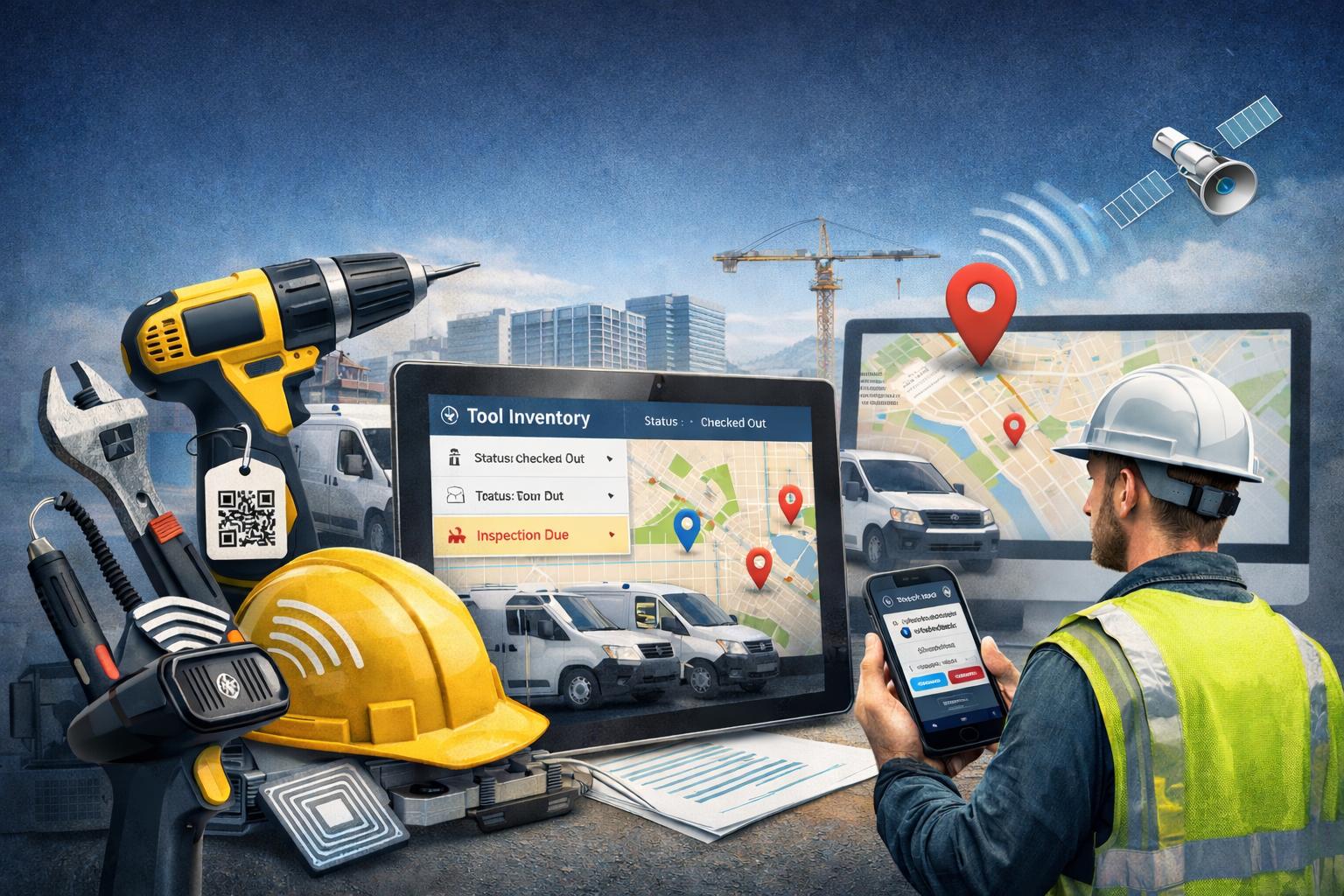
When a vehicle breaks down, most fleets don't fail because they lacked a mechanic or parts — they fail because the maintenance process was disorganized. A missed oil change, a forgotten inspection note, or a lost repair request can quietly snowball into downtime, compliance risk, and expensive emergency repairs. That's where work order tracking software moves from "nice to have" to mission-critical. For modern fleets, it isn't just an admin tool — it's the system that keeps maintenance predictable, traceable, and under control.
Key Takeaways: Work Order Tracking as a Competitive Advantage
- Digital work orders reduce maintenance costs. Scheduled repairs cost significantly less than emergency breakdowns, and digital tracking prevents missed intervals that lead to expensive surprises.
- Compliance becomes proactive instead of reactive. Audit-ready documentation protects fleets from penalties and liability while reducing preparation stress.
- Shop efficiency increases without hiring more staff. Clear job prioritization and reduced paperwork allow technicians to focus on repairs instead of administration.
- Preventive maintenance turns predictable. Automatic work order generation based on mileage or time keeps vehicles service-ready and reduces unplanned downtime.
- Centralized data improves decision-making. Maintenance history, cost trends, and reporting dashboards reveal patterns that help fleets optimize asset lifecycle management.
- Adoption determines success. The best software is the one drivers, technicians, and managers actually use — simplicity and usability matter more than feature overload.
What Is Work Order Tracking Software — and Why Does It Matter for Fleets?
A work order in a fleet context is simply a documented maintenance task. It can be scheduled (like preventive maintenance), reactive (a breakdown repair), or inspection-triggered (a driver reporting a worn tire). Work order tracking software is the digital system that creates, assigns, monitors, and stores those tasks from start to finish.
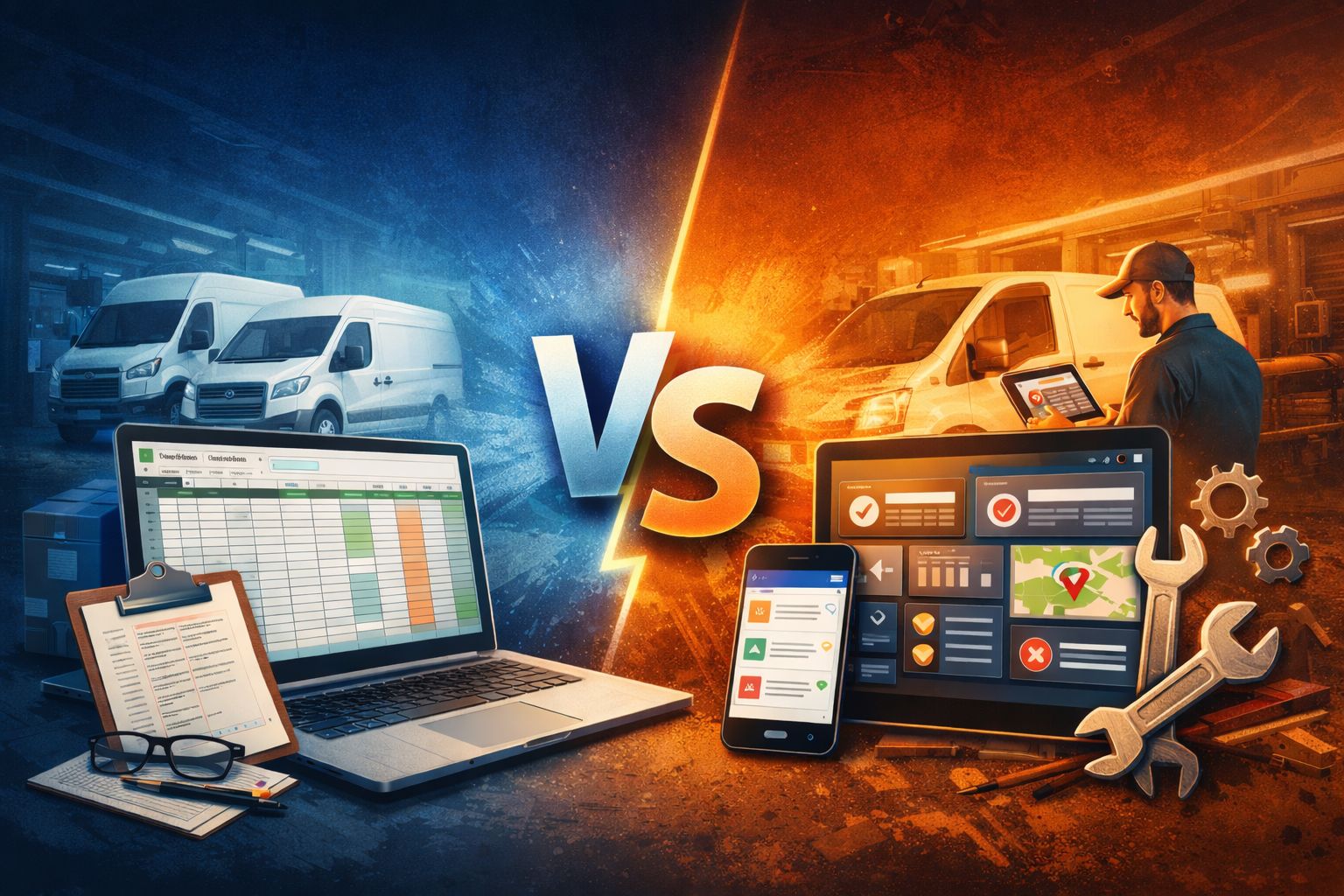
Without digital tracking, fleets rely on memory, sticky notes, or spreadsheets. That works when you have five vehicles. It breaks instantly when you manage fifty or five hundred.
Digital work order tracking matters because fleets juggle:
- Multiple vehicles with different maintenance intervals
- Technicians with varying availability
- Compliance deadlines and inspections
- Parts inventories and purchase approvals
- Driver-reported defects that require follow-up
A single missed work order can delay repairs, violate regulations, or create safety risks. Software centralizes everything into one visible system so no maintenance task falls through the cracks.
The Real Cost of Manual Work Order Management
Paper logs and spreadsheets often feel "free," but they carry hidden costs that show up in downtime, labor inefficiency, and compliance exposure. Fleets that stay manual usually underestimate how much time and money leaks out of their process.
Consider a simple scenario: a preventive maintenance service costs $200 when scheduled. The same issue discovered during a roadside breakdown can cost $900–$1,500 including towing and lost productivity. Multiply that by multiple vehicles, and the cost difference becomes substantial.
Manual systems typically lead to:
- Duplicate entries and conflicting records
- Missed maintenance intervals
- Technicians searching for paperwork
- Slow communication between drivers and shop staff
- No centralized audit trail
The financial impact compounds over time. What seems like minor disorganization becomes systemic inefficiency.
Common Breakdowns in Manual Systems
Manual systems fail in predictable ways. These aren't rare edge cases — they're daily realities in fleets that haven't digitized.
Common failure points include:
- Lost or damaged paperwork
- Duplicate work orders for the same issue
- No job prioritization visibility
- Delayed technician assignments
- Poor communication between drivers and managers
Each breakdown increases repair delays and reduces accountability. Over time, these small failures erode maintenance discipline.
What Deferred Maintenance Actually Costs
Deferred maintenance isn't savings — it's debt with interest. Industry research consistently shows unplanned downtime costs fleets 3–9 times more per hour than planned maintenance [American Transportation Research Institute]. Beyond direct repair costs, deferred maintenance creates:
- Higher insurance risk
- Increased accident probability
- Reduced vehicle resale value
- Compliance penalties
- Customer service disruptions
The longer maintenance gets delayed, the more unpredictable and expensive the outcome becomes.
Core Features That Make Work Order Tracking Software Worth It
Not all work order tools are built for fleets. The right software doesn't just log tasks — it connects maintenance, inspections, parts, and reporting into a single operational workflow.
Work Order Creation and Assignment
Strong software allows managers or technicians to create work orders from any device in seconds. The best platforms allow attaching photos, notes, parts lists, and labor estimates so everything lives in one record.
Fleets benefit when work orders include:
- Priority levels and deadlines
- Technician assignments
- Parts and labor tracking
- Inspection attachments
- Mobile access for field teams
Digital creation reduces delays and eliminates incomplete job descriptions.
Status Tracking and Real-Time Visibility
Knowing whether a vehicle is "awaiting parts," "in service," or "completed" prevents scheduling conflicts and downtime surprises. Real-time dashboards give managers instant visibility into open jobs and vehicle availability.
For example, tools like fleet maintenance work order software allow centralized monitoring without constant phone calls or email threads.
Preventive Maintenance Integration
The strongest work order systems automatically generate tasks based on mileage, engine hours, or calendar intervals. Preventive maintenance stops being reactive and becomes predictable.
When work orders connect with preventive schedules like fleet preventive maintenance schedules, fleets gain consistency and reduce breakdown risk dramatically.
History, Reporting, and Audit Trails
Maintenance history isn't just paperwork — it protects asset value and supports compliance. A complete digital record helps fleets:
- Prove maintenance during audits
- Support warranty claims
- Identify recurring defects
- Track cost trends by vehicle
- Improve replacement decisions
Software that includes reporting and dashboards, such as fleet reports and dashboard, turns raw data into operational insight.
How Work Order Tracking Improves Shop Efficiency
When technicians don't have to search for paperwork or clarify job details, productivity increases immediately. Organized work orders keep shops moving instead of waiting.
Efficiency improvements typically include:
- Faster technician assignments
- Reduced idle time between jobs
- Accurate labor tracking
- Improved parts procurement timing
- Clear prioritization of urgent repairs
Shops that operate with digital work orders often see higher throughput without adding staff. The gain comes from organization, not headcount.
Work Orders and Fleet Compliance: A Critical Connection
Many fleets operate under DOT, FMCSA, or industry-specific regulations requiring documented maintenance. Work order tracking software automatically builds an audit trail that proves compliance instead of scrambling for records during inspections.
Compliance benefits include:
- Documented maintenance history
- Inspection follow-up verification
- Reduced liability exposure
- Faster audit preparation
- Standardized defect resolution workflows
Missing work order documentation can create legal and financial exposure. Digital records protect fleets when questions arise.
Choosing the Right Work Order Tracking Software for Your Fleet
Selecting software isn't about the longest feature list. It's about operational fit, scalability, and adoption across your team.
Cloud-Based vs. On-Premise
Cloud-based systems win for most fleets. They allow remote access, automatic updates, and multi-location coordination without IT overhead. On-premise tools rarely offer the same flexibility, especially for mobile teams.
Integration With Your Existing Tools
Work orders shouldn't exist in isolation. Integration with telematics, fuel tracking, parts inventory, and accounting prevents data silos. Platforms that connect with tools like digital vehicle inspection apps ensure inspection defects flow directly into maintenance workflows.
Ease of Use Across Roles
Software fails when only managers use it. Drivers, technicians, and administrators must all find it intuitive. Adoption drives success more than feature depth.
Implementing Work Order Tracking Software: Getting Your Team on Board
The biggest challenge isn't technology — it's change management. Teams resist new systems when they believe it adds workload. Successful rollout focuses on reducing friction, not adding process.
Implementation best practices include:
- Migrating essential historical data only
- Training by role instead of generic sessions
- Phased rollout starting with preventive maintenance
- Clear SOPs for work order creation
- Early feedback loops from technicians
Position the software as a time-saver and accountability tool, not oversight. Adoption rises when teams see immediate benefits.
In fleet operations, maintenance discipline separates high-performing fleets from those constantly reacting to problems. Work order tracking software provides the structure, visibility, and accountability that keep vehicles moving and costs controlled.