Fleet Maintenance Guides
Fleet Cost Reduction Strategy
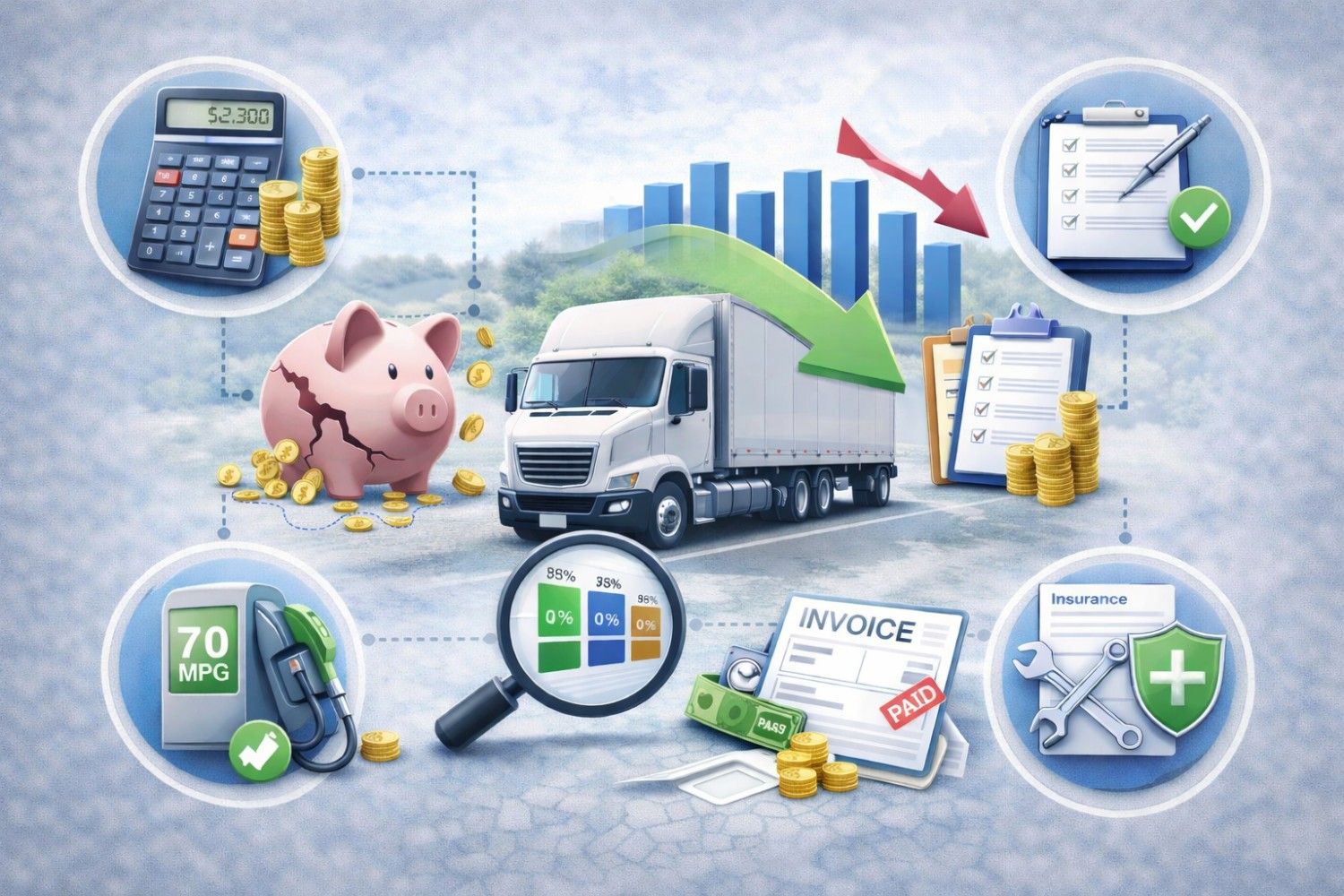
A fleet cost reduction strategy is a structured approach to identifying, controlling, and optimizing all expenses associated with fleet operations. It directly impacts profitability, vehicle uptime, and long-term scalability by aligning operational decisions with measurable cost outcomes.

DOT Compliance Checklist for Fleet Managers
A DOT compliance checklist helps fleet managers ensure vehicles, drivers, and operations meet regulatory requirements, reducing the risk of violations, downtime, and safety incidents.

Fleet Utilization Analysis and Benchmarking
Fleet utilization analysis measures how effectively vehicles and assets are being used relative to their available capacity, while benchmarking compares that performance against internal targets or industry standards to identify gaps and improvement opportunities.
Fleet Driver Performance Monitoring and Safety
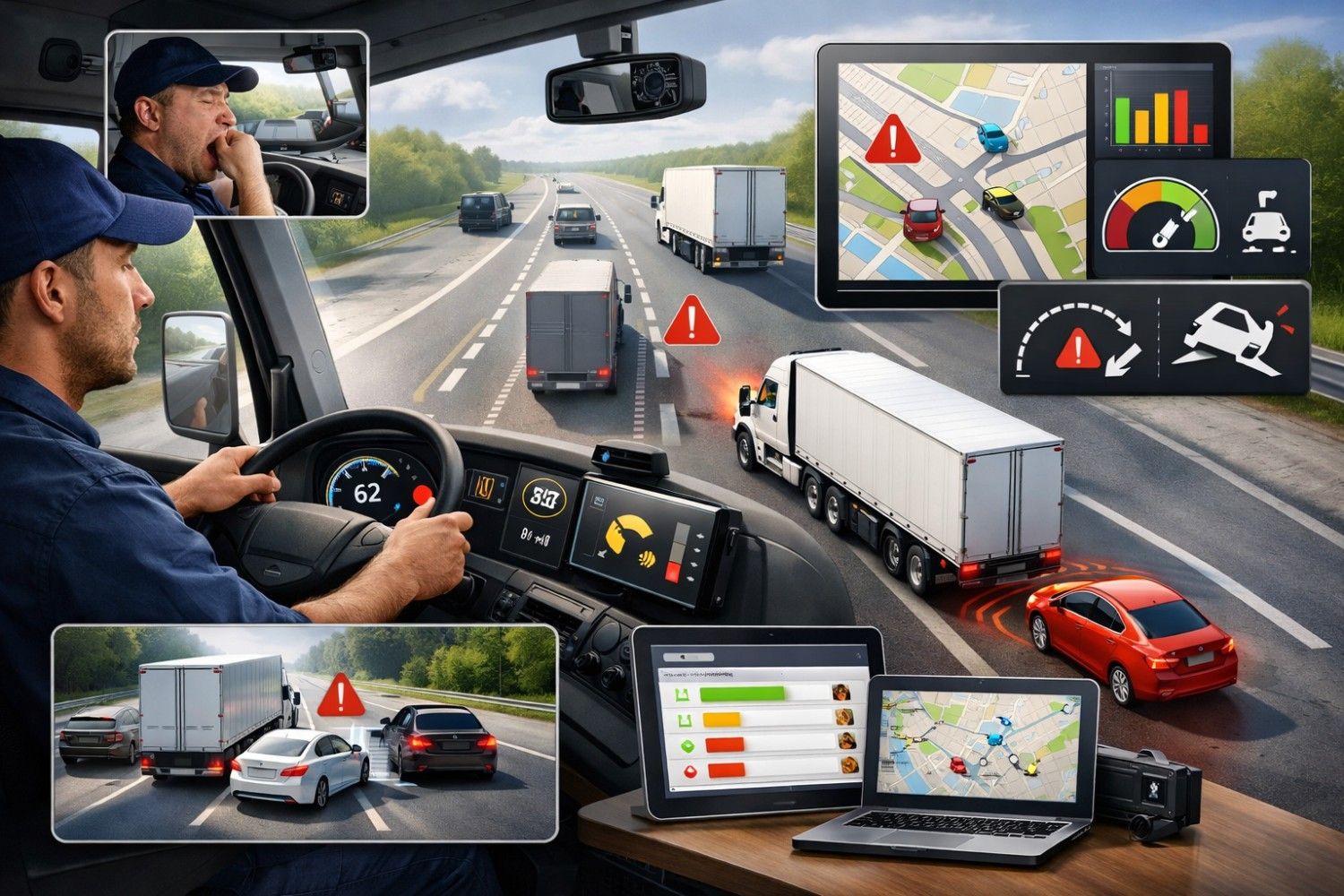
Fleet driver performance monitoring and safety focuses on tracking driver behavior, identifying risk patterns, and improving operational safety outcomes through structured data, processes, and oversight systems.

Fleet Telematics Implementation Strategy
Fleet telematics implementation is the structured process of deploying GPS, vehicle data systems, and analytics tools across a fleet to improve visibility, control, and decision-making.

Fleet Fuel Management Strategy and Control
Fleet fuel management strategy refers to the systems, processes, and controls used to monitor fuel usage, reduce waste, and manage one of the largest operating costs in fleet operations.
Fleet Work Order Management Process
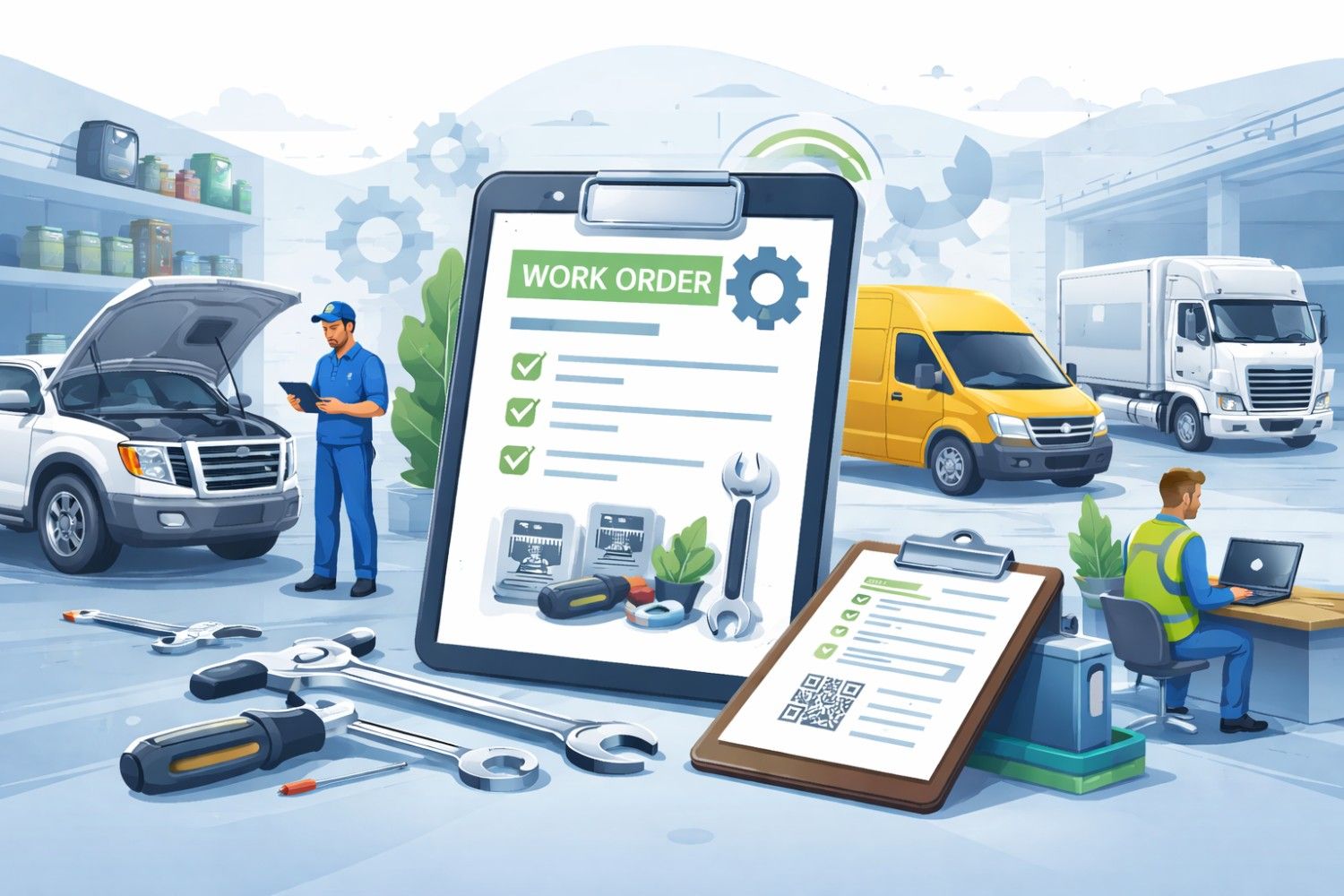
Fleet work order management is the structured process of creating, assigning, executing, and closing maintenance tasks across fleet assets, ensuring work is documented, tracked, and completed efficiently.
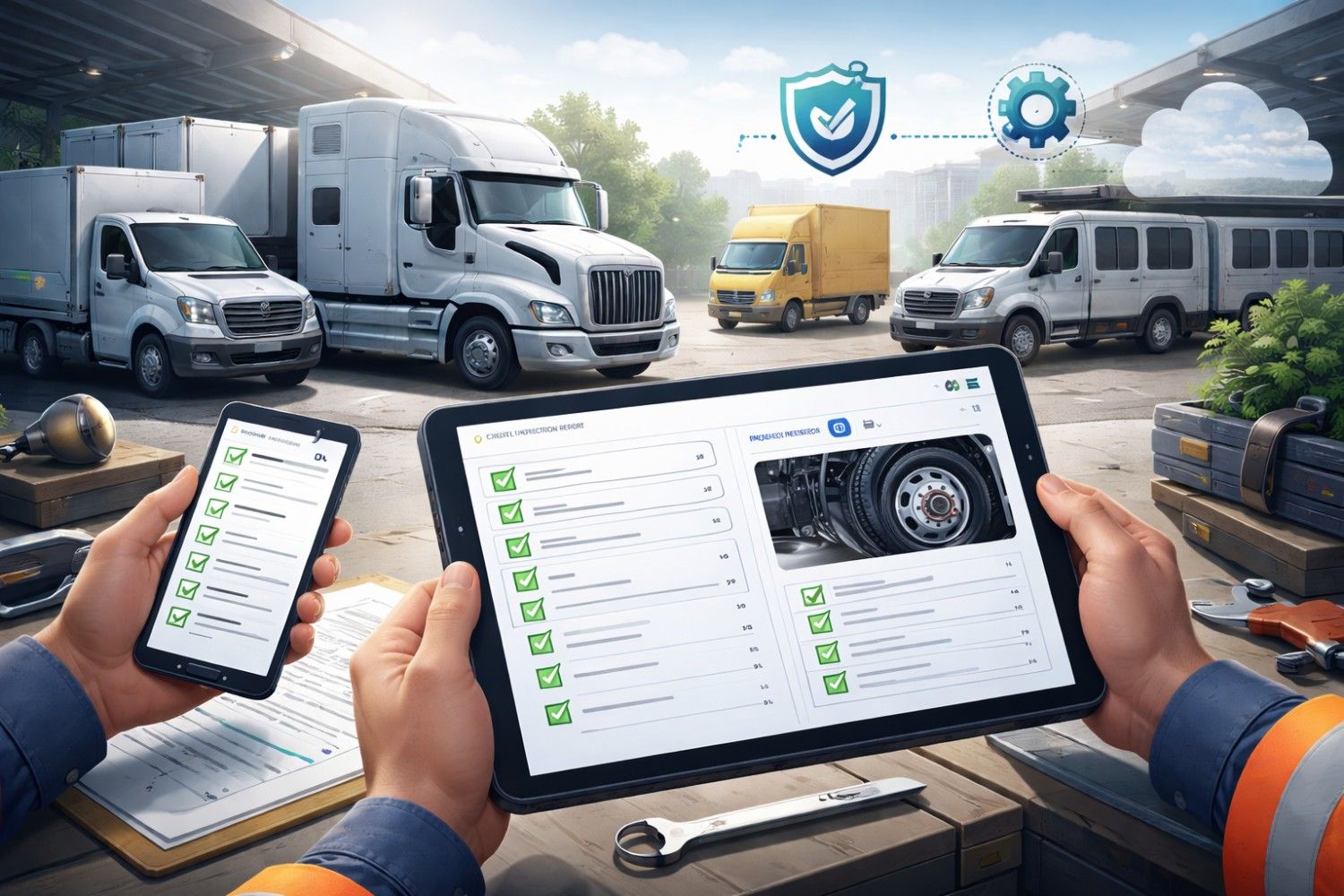
DVIR Compliance and Digital Inspection Guide
A Driver Vehicle Inspection Report (DVIR) is a formal process used to document vehicle condition before and after operation, ensuring safety, compliance, and maintenance visibility across fleet operations.

Fleet Maintenance Recordkeeping and Documentation
Fleet maintenance recordkeeping is the structured process of capturing, storing, and managing all service, inspection, and operational data associated with fleet assets to support compliance, reliability, and lifecycle control.

Fleet Utilization Optimization
Fleet utilization optimization focuses on maximizing how effectively vehicles and equipment are used across time, distance, and workload, while maintaining operational balance.

Fleet Maintenance Scheduling Strategy
Fleet maintenance scheduling strategy defines how maintenance activities are planned, triggered, and executed to maintain vehicle reliability, minimize downtime, and ensure compliance across fleet operations.
Fleet Documentation Management
Fleet documentation management refers to the structured creation, storage, organization, and retrieval of all records related to fleet operations, maintenance, compliance, and asset lifecycle, ensuring accurate data is available for decision-making and regulatory requirements.

Fleet Optimization Strategies
Fleet optimization strategies focus on improving how vehicles, drivers, and maintenance resources are utilized to reduce costs, increase uptime, and support consistent operational performance.

Real-Time Fleet Tracking and Monitoring System
A real-time fleet tracking and monitoring system provides continuous visibility into vehicle location, status, and activity, enabling fleet managers to make operational decisions based on live data rather than delayed reports.

Driver Behaviour Monitoring: A Fleet Manager's Reference Guide
Driver behaviour monitoring is the systematic process of tracking, recording, and analysing how drivers operate fleet vehicles — including speed, braking, acceleration, cornering, and idling patterns. For fleet operations, it provides the data foundation needed to reduce accident risk, control fuel and maintenance costs, and build consistent safety standards across the entire fleet.
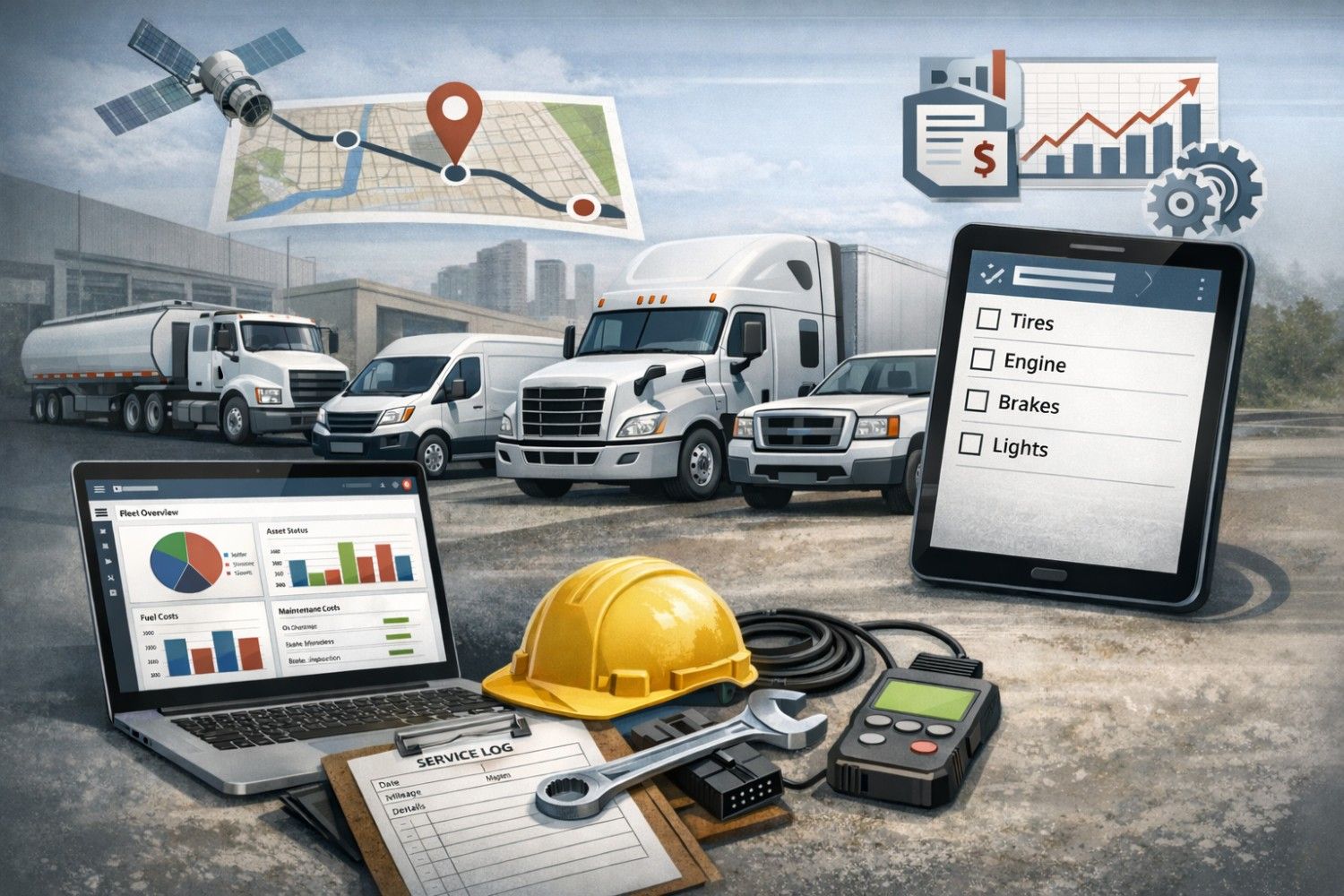
Fleet Asset Management
Fleet asset management is the structured process of tracking, maintaining, and optimizing vehicles and equipment across their full lifecycle, ensuring operational efficiency, cost control, and long-term asset reliability.
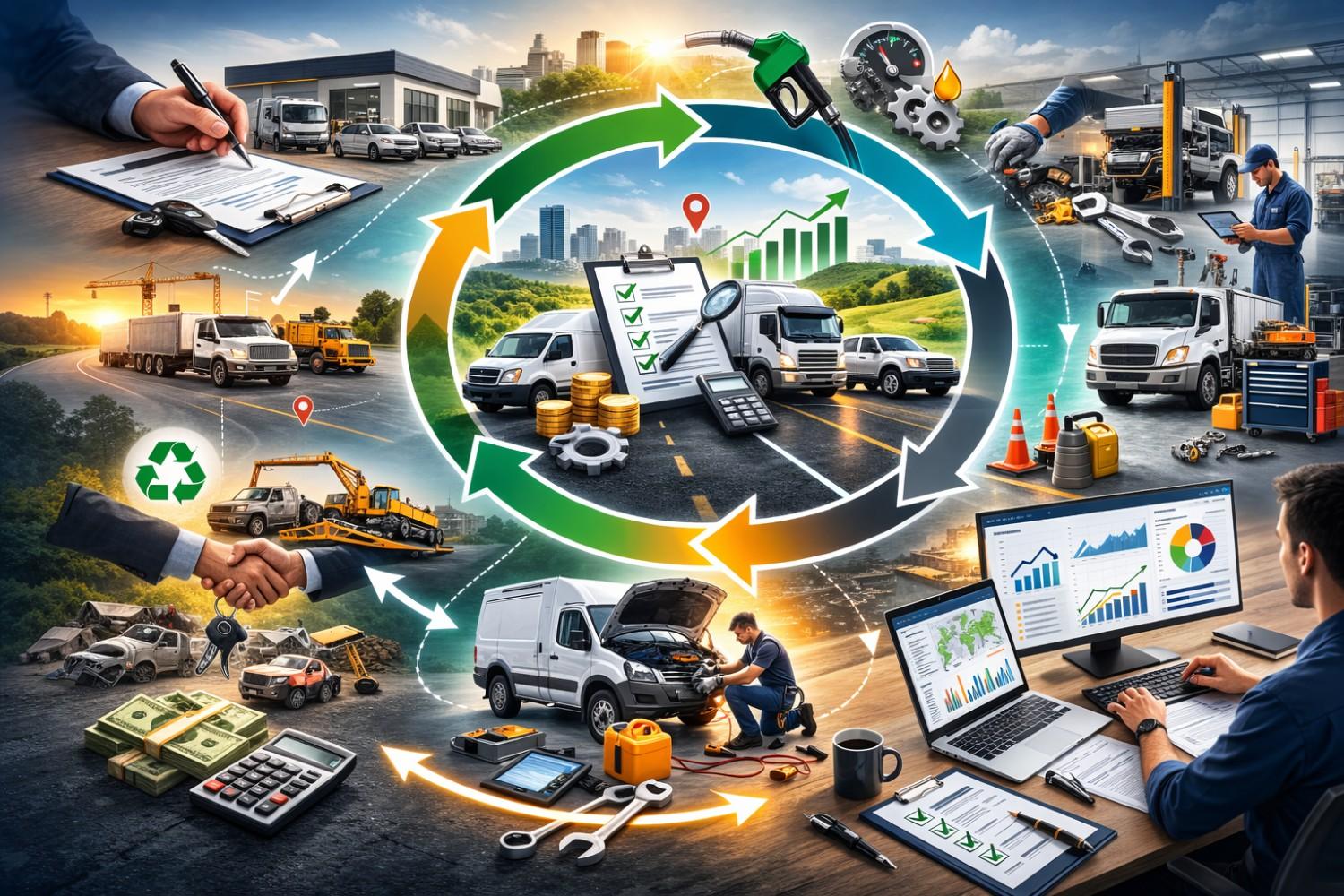
Fleet Lifecycle Management
Fleet lifecycle management refers to the structured oversight of vehicles from acquisition through operation, maintenance, and eventual replacement. Managing the full lifecycle allows fleets to control operating costs, maintain vehicle reliability, and make data-driven decisions about asset utilization and replacement timing.

How to Train Fleet Drivers for Better Safety and Efficiency
Driver behaviour plays a major role in fleet safety, operational efficiency, and vehicle reliability. Structured driver training helps fleets reduce incidents, improve fuel efficiency, maintain regulatory compliance, and extend the operational life of fleet vehicles.
Truck Tracking System
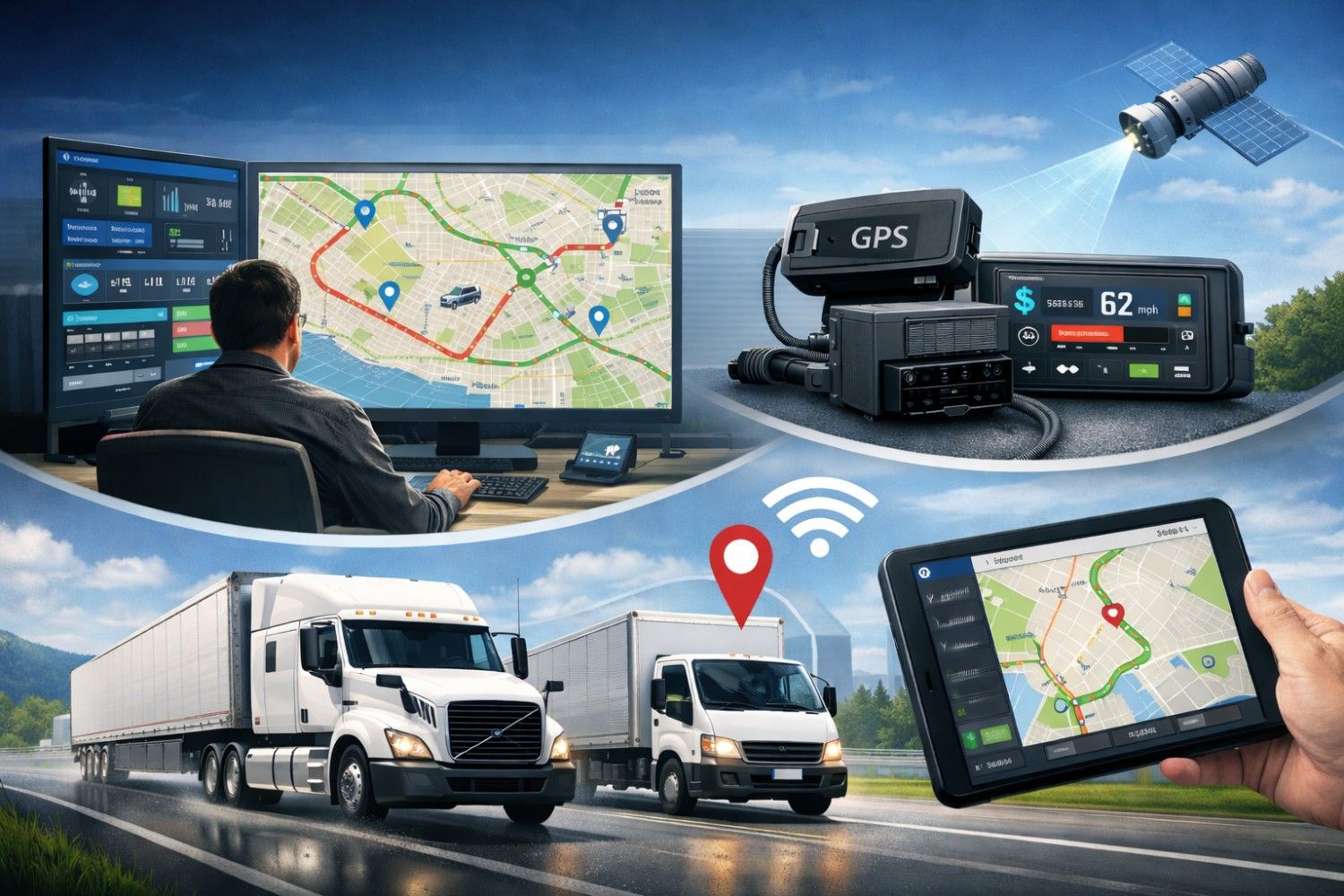
A truck tracking system is a technology framework that allows fleet managers to monitor truck location, vehicle activity, and operational data in real time.
How Fleet Management Software Improves Business Efficiency
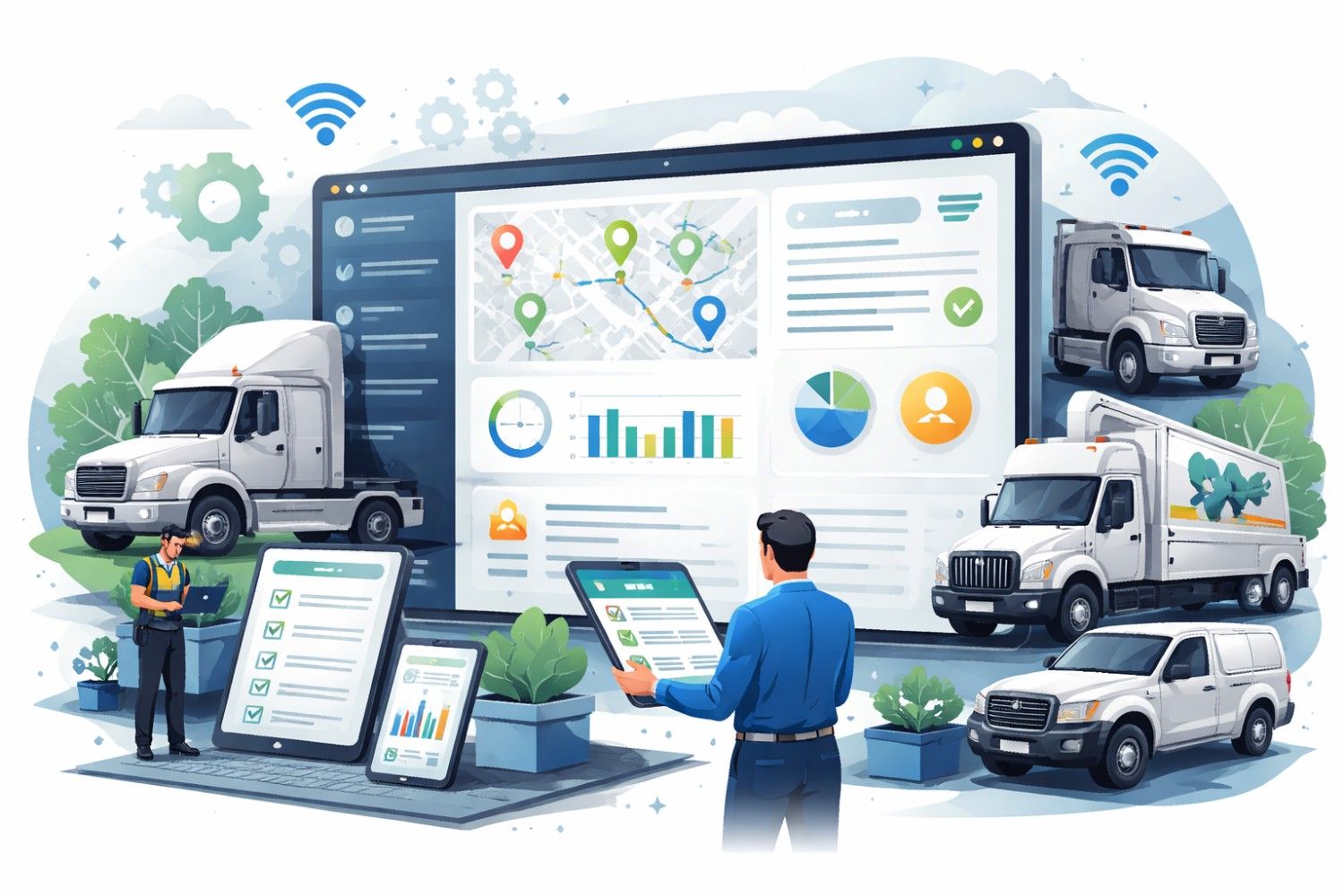
Fleet management software centralizes operational data across vehicles, drivers, and maintenance processes, enabling organizations to monitor performance, coordinate maintenance, and make faster operational decisions.
Fleet Service Scheduling
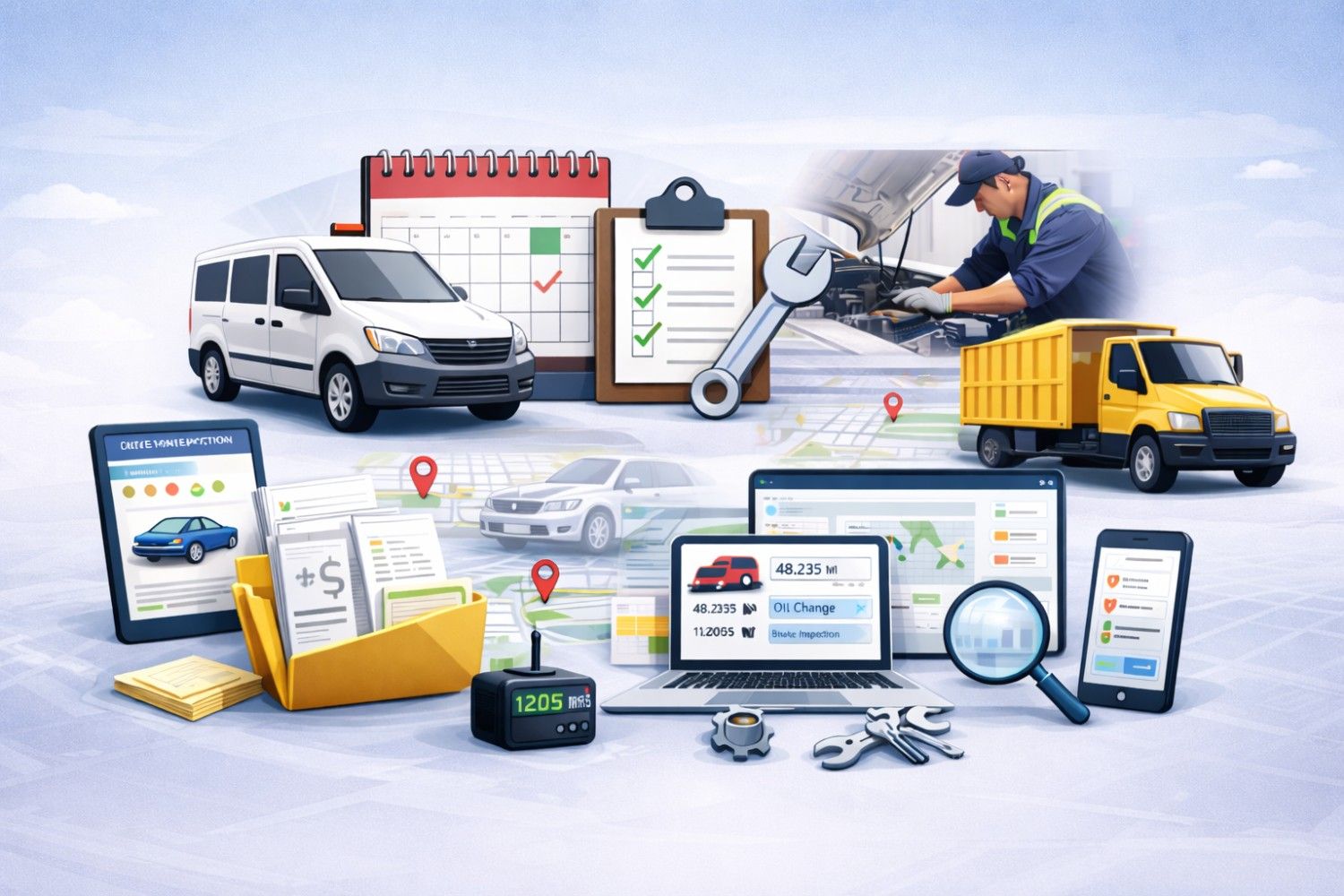
Fleet service scheduling refers to the structured planning of vehicle maintenance activities based on defined service intervals and operational data.

Fleet Total Cost of Ownership
Fleet total cost of ownership (TCO) represents the complete lifecycle cost of operating fleet vehicles, including acquisition, fuel, maintenance, downtime, and administrative expenses.

Fleet Performance Monitoring
Fleet performance monitoring refers to the continuous tracking and evaluation of operational, maintenance, safety, and utilization metrics across a vehicle fleet.
Fleet Mechanic Software Features
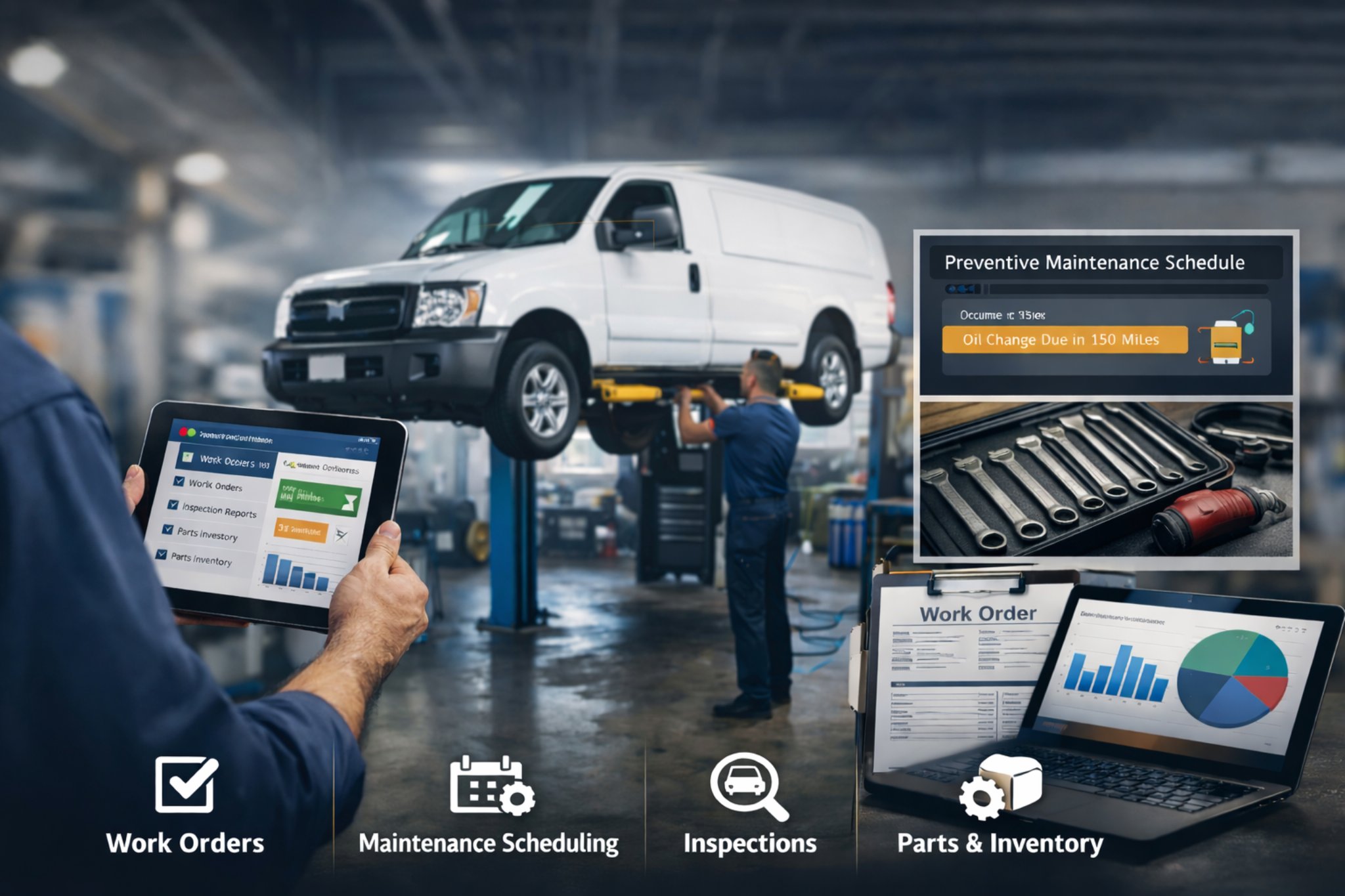
Fleet mechanic software provides digital systems that help maintenance teams manage vehicle service tasks, repair documentation, inspections, and parts tracking across a fleet.

Fleet Tracking Solutions for Operational Fleet Management
Fleet tracking solutions enable fleet managers to monitor vehicle location, activity, and operational performance using GPS and telematics technologies.

Small Business Fleet Tracking: Operational Guidance for Monitoring Vehicles, Drivers, and Assets
Small business fleet tracking refers to the use of GPS and fleet management technology to monitor vehicle location, driver activity, and operational performance. For small fleets, tracking systems provide visibility into daily vehicle usage, enabling better routing decisions, improved accountability, and more structured maintenance oversight.

GPS Vehicle Tracking Use Cases for Fleet Operations
GPS vehicle tracking allows fleet operators to monitor vehicle locations, movement patterns, and operational activity in real time. In fleet operations, this data supports dispatch coordination, driver oversight, route efficiency, maintenance planning, and overall operational visibility.
How to Calculate Fleet Downtime Cost
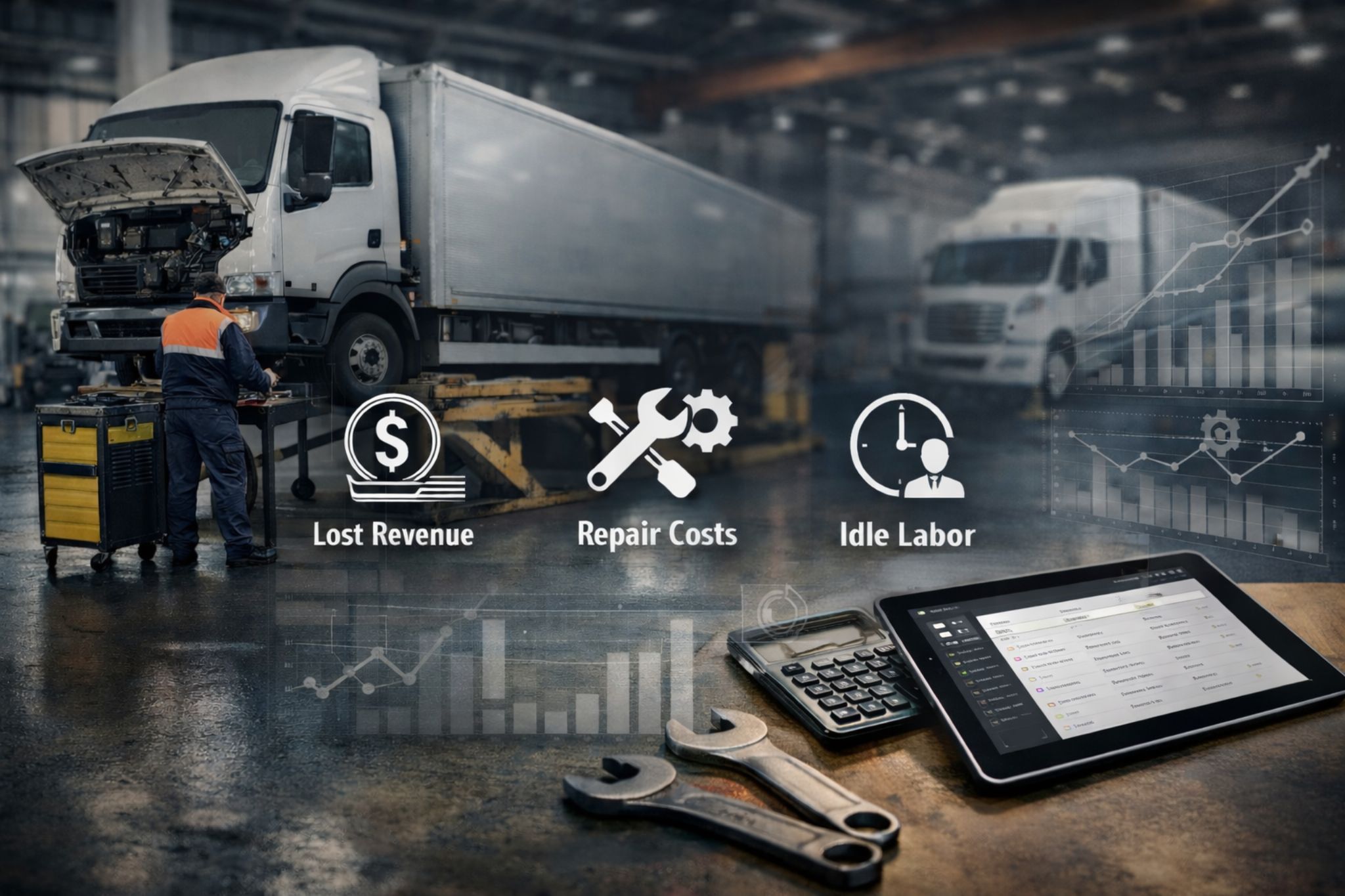
Fleet downtime cost represents the financial impact that occurs when a vehicle is unavailable for service due to maintenance, breakdowns, or operational delays.
Fleet Maintenance Cost Reduction Strategies
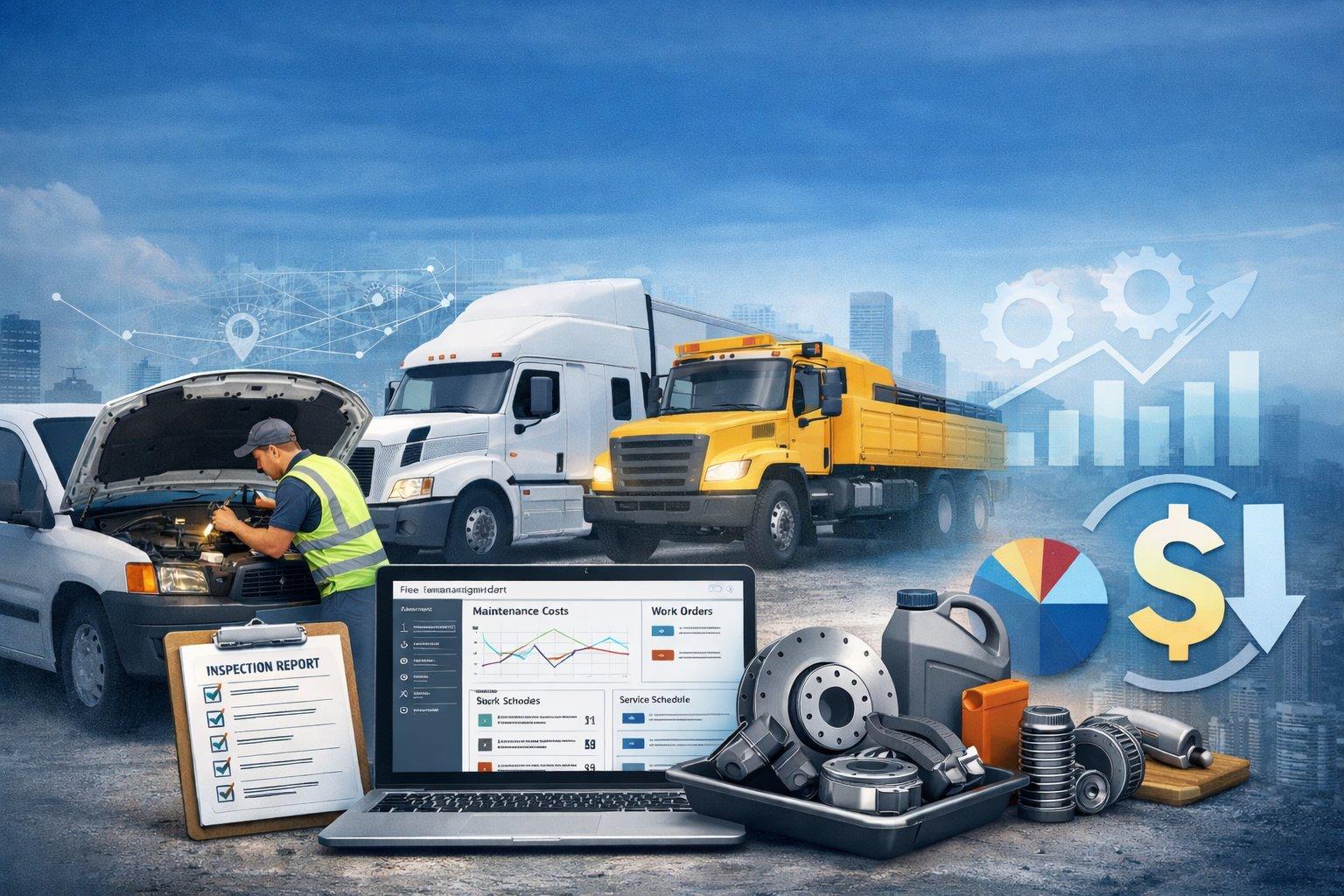
Fleet maintenance costs can represent a large portion of total fleet operating expenses. Effective cost reduction strategies focus on improving maintenance planning, visibility, and operational control so fleets can reduce downtime, avoid emergency repairs, and extend vehicle service life.
Hidden Costs of Managing a Fleet Without Software
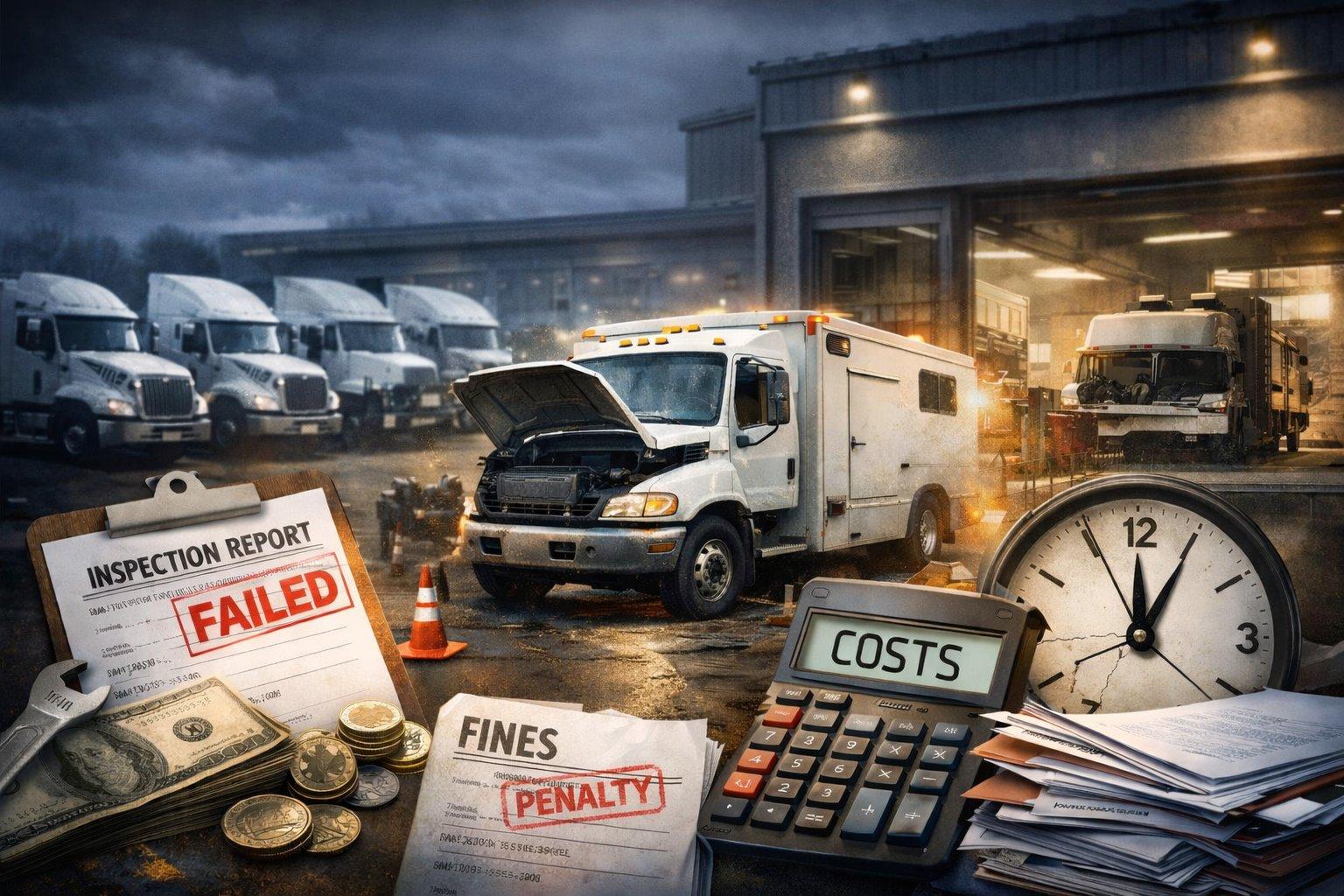
Managing a fleet without dedicated software often creates operational blind spots that gradually increase costs. Many of these expenses are not immediately visible but accumulate through downtime, compliance risks, administrative inefficiencies, and limited visibility into fleet performance.
Fleet Management Software Cost Breakdown
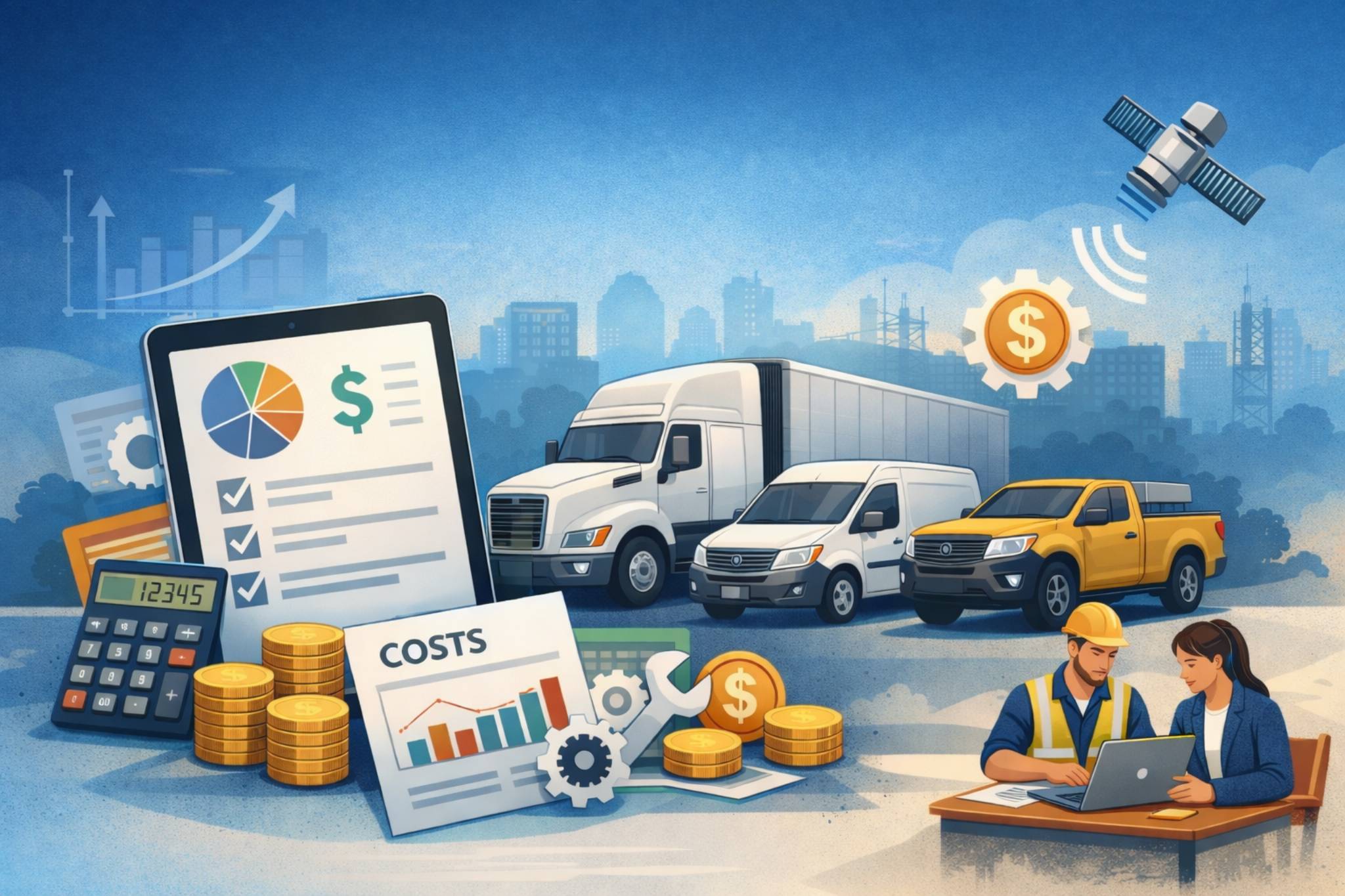
Fleet management software costs vary depending on fleet size, operational complexity, and the capabilities required to manage vehicles, drivers, and maintenance effectively.

How Fleet Management Software Reduces Costs
Fleet costs are driven by maintenance, fuel consumption, vehicle downtime, administrative overhead, and compliance risks.

Predictive Maintenance Software for Fleets
Predictive maintenance software for fleets uses operational data, vehicle signals, and maintenance history to anticipate failures before they occur.
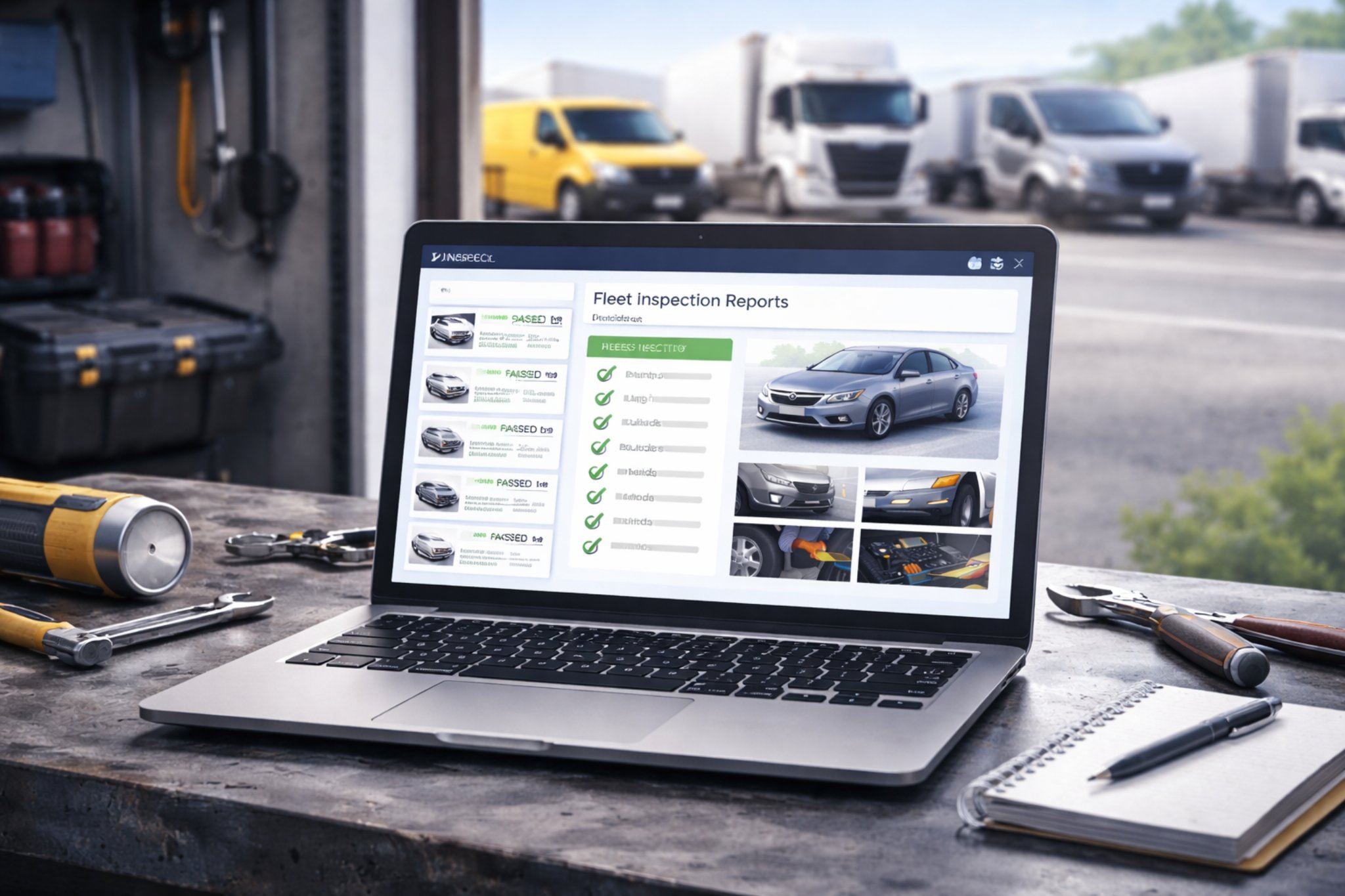
Digital Vehicle Inspection Apps for Fleets
Digital vehicle inspection apps allow fleets to standardize daily and scheduled inspections, capture defects in real time, and create traceable maintenance records.

Fleet Reporting & Analytics Software for Data-Driven Fleet Operations
Fleet reporting and analytics software centralizes operational data into structured dashboards and standardized reports that support maintenance, compliance, cost control, and utilization decisions.

Driver Management & Compliance Software
Driver management & compliance software centralizes driver records, credentials, policy controls, and regulatory tracking to reduce operational risk and audit exposure.
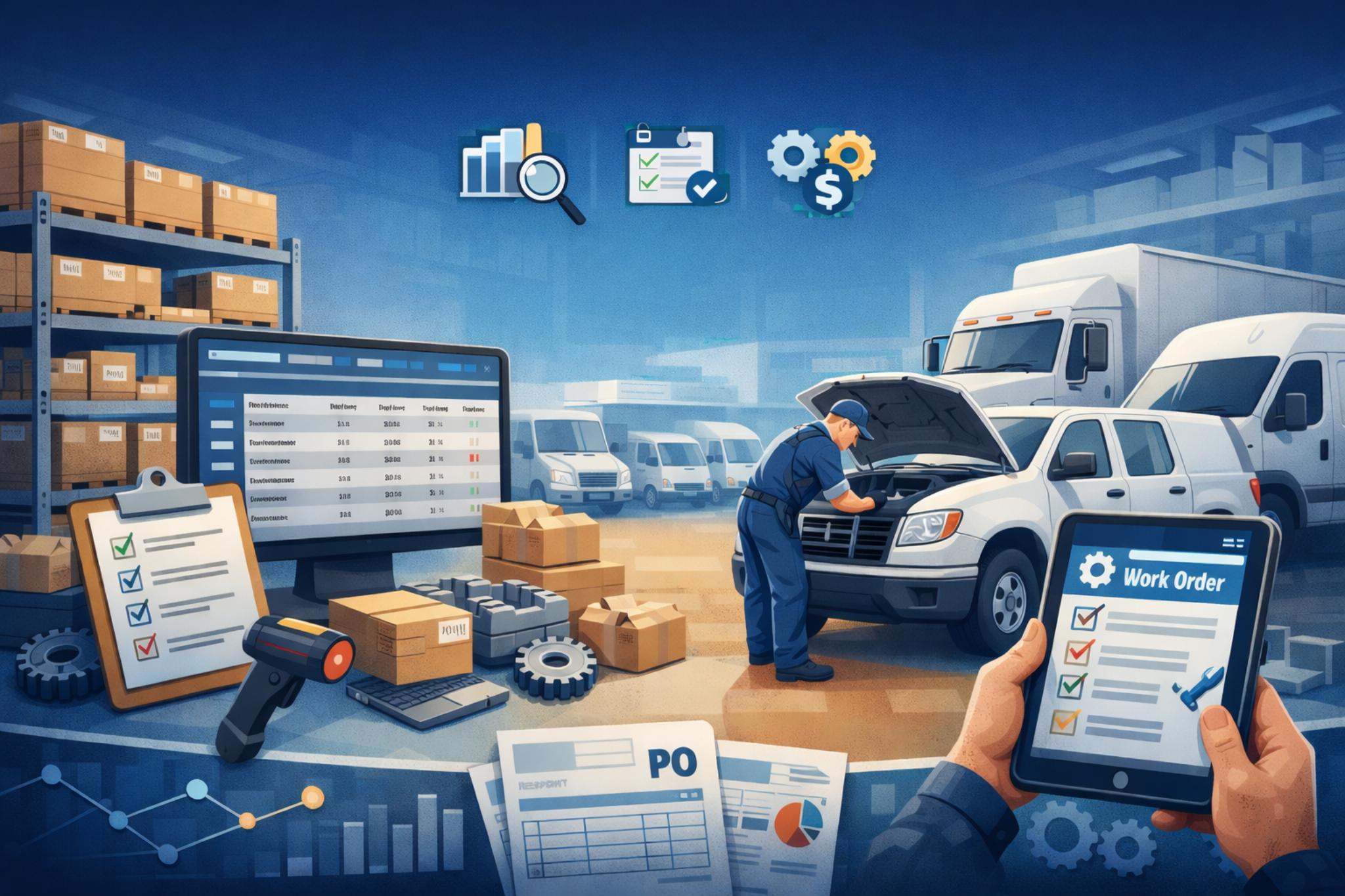
Fleet Inventory & Parts Management Software
Fleet inventory and parts management software provides structured control over parts, consumables, and components used in vehicle and equipment maintenance.

GPS Tracking for Fleet Management
GPS tracking for fleet management uses location-based telematics data to monitor vehicles, drivers, and equipment in real time, enabling operational visibility, performance control, and compliance documentation across fleet operations.
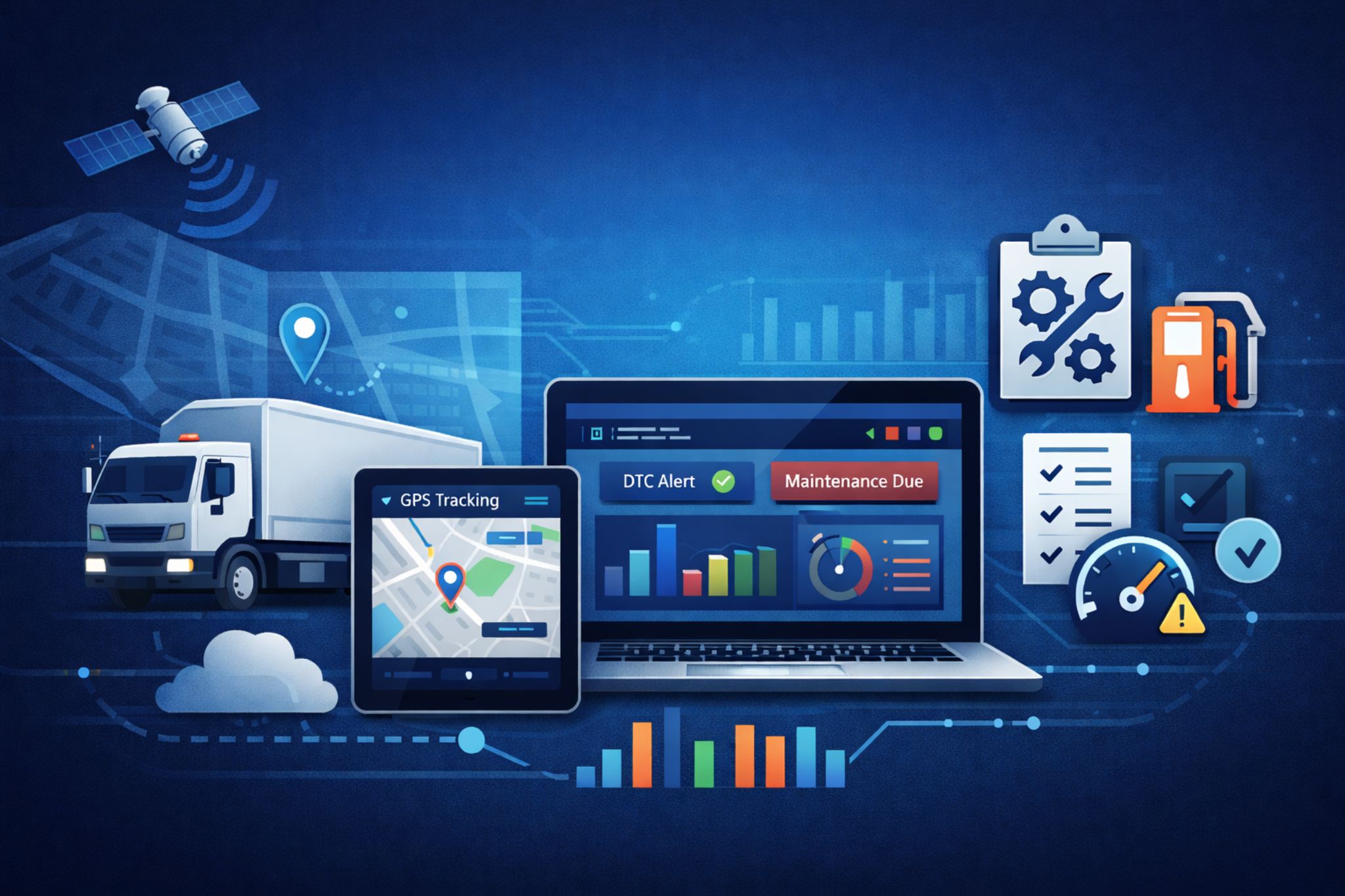
Fleet Telematics & Maintenance Integration Guide
Fleet telematics integration connects vehicle tracking data with maintenance, compliance, and operational systems to create a unified view of fleet performance. When structured correctly, integration enables preventive maintenance automation, compliance visibility, and data-driven operational control.
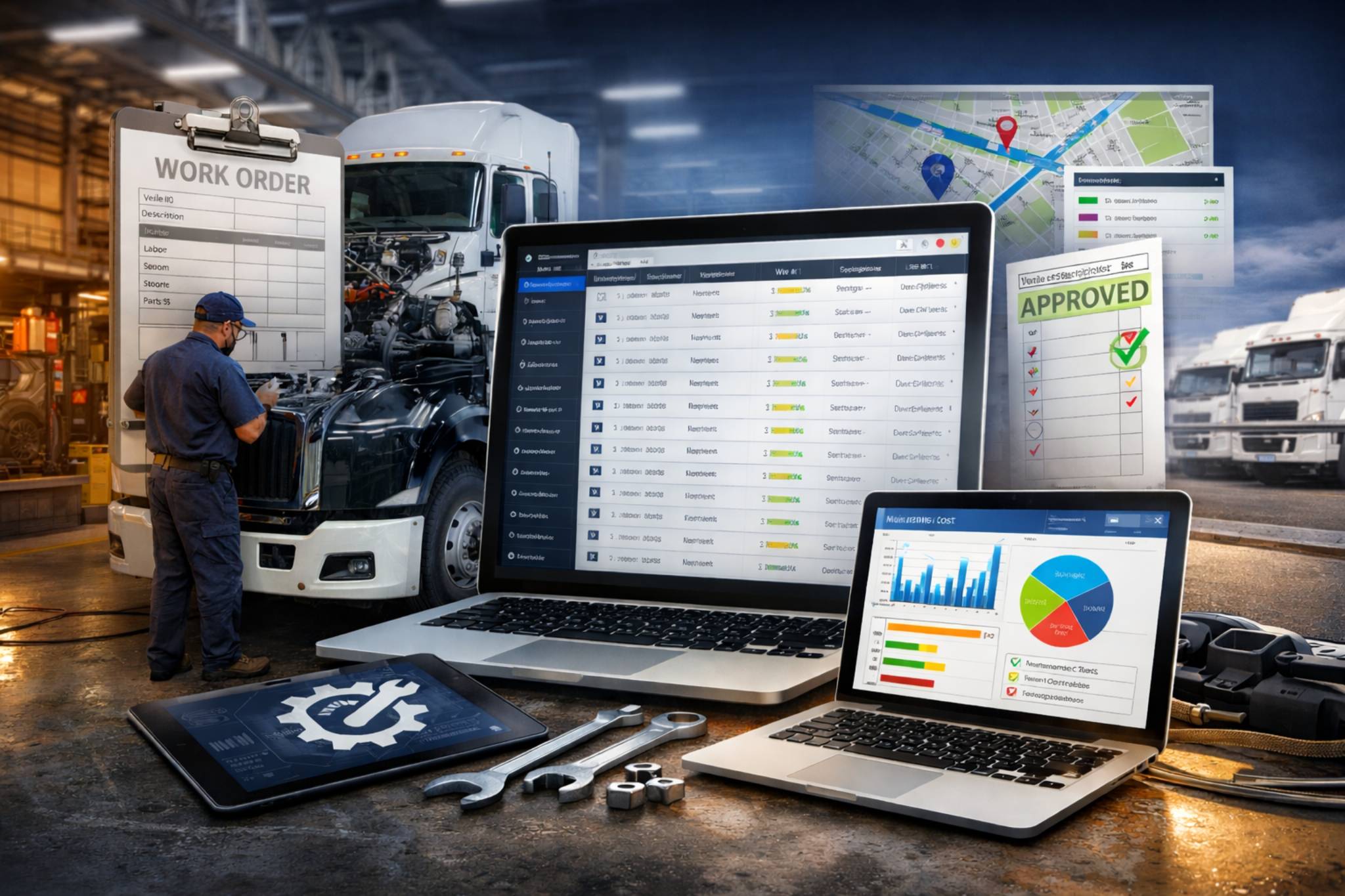
Work Order Management Software for Fleets
Work order management software for fleets is a structured digital system used to create, assign, track, and close maintenance tasks across vehicles and equipment.
Fleet Inspection Software Guide
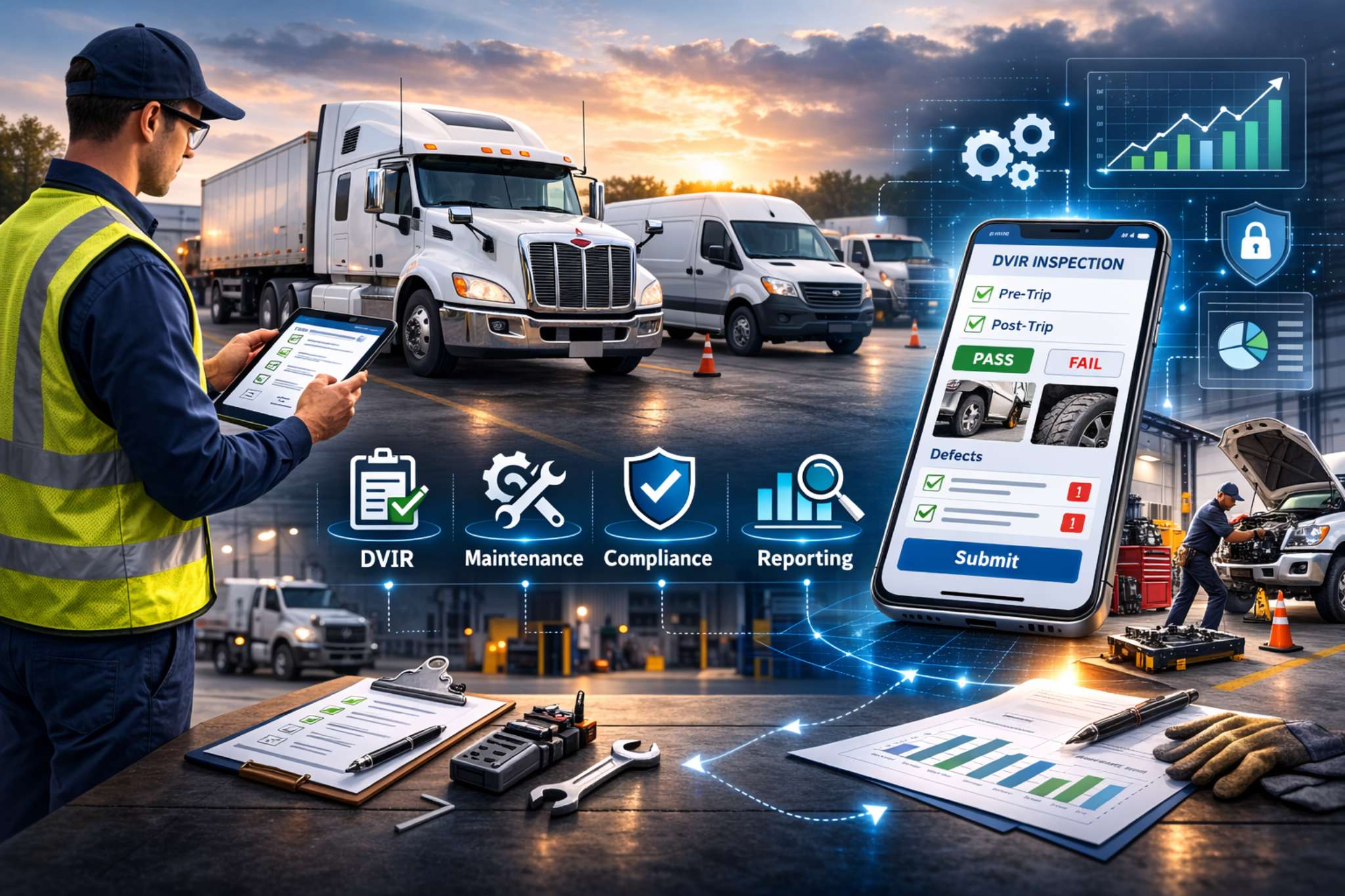
Fleet inspection software is a digital system used to standardize, document, and manage vehicle inspections across a fleet. It supports compliance, reduces operational risk, and ensures inspection findings translate into corrective maintenance actions.
Preventive Maintenance Scheduling Software for Fleets
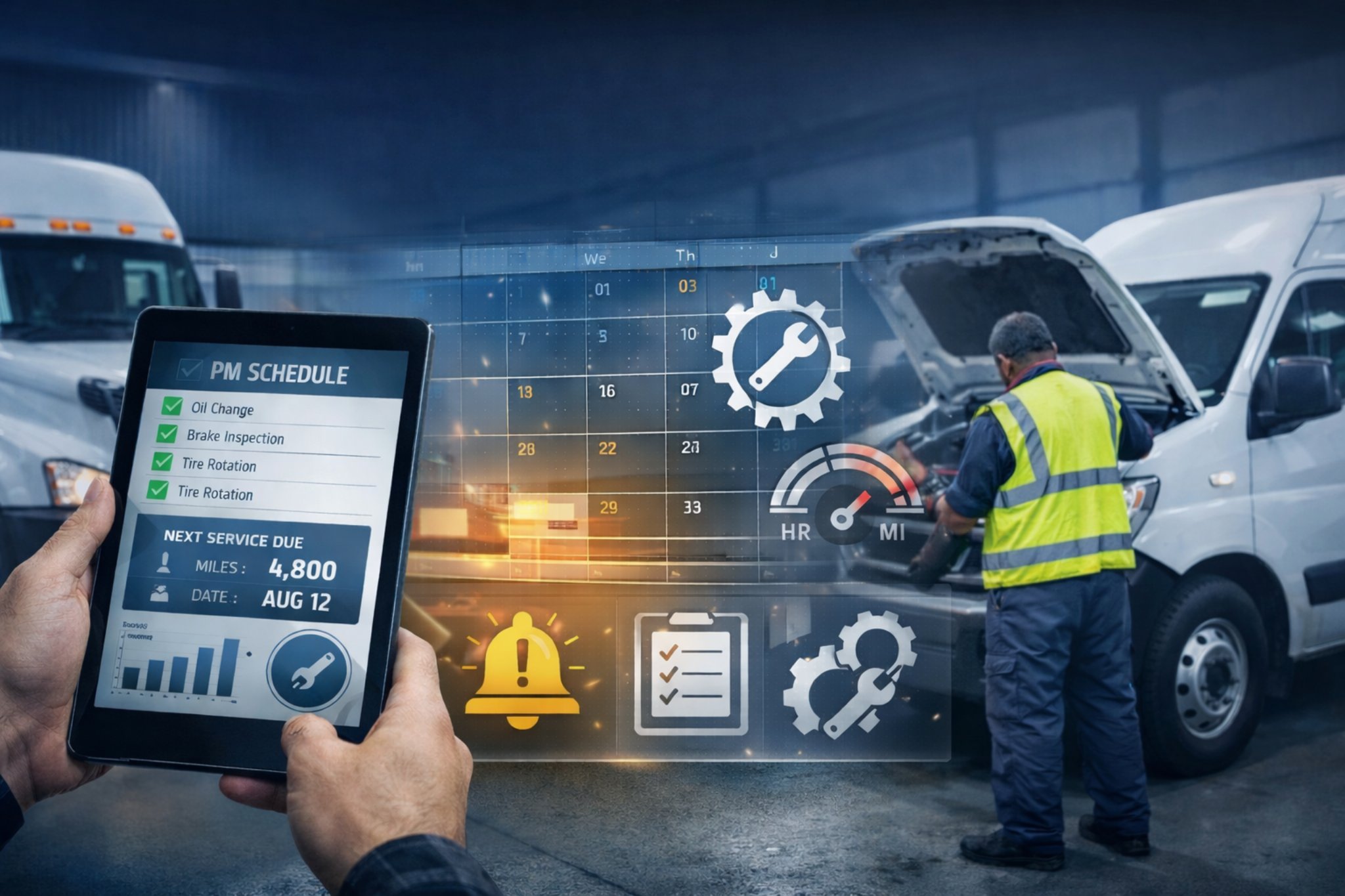
Preventive maintenance scheduling software for fleets is a structured system that automates service intervals based on time, mileage, engine hours, or other usage data.

Fleet Management Software Buyer's Guide
A fleet management software buyer's guide provides a structured framework for evaluating platforms that support maintenance, compliance, cost control, and operational visibility.
Fleet Maintenance Software Buyer's Guide
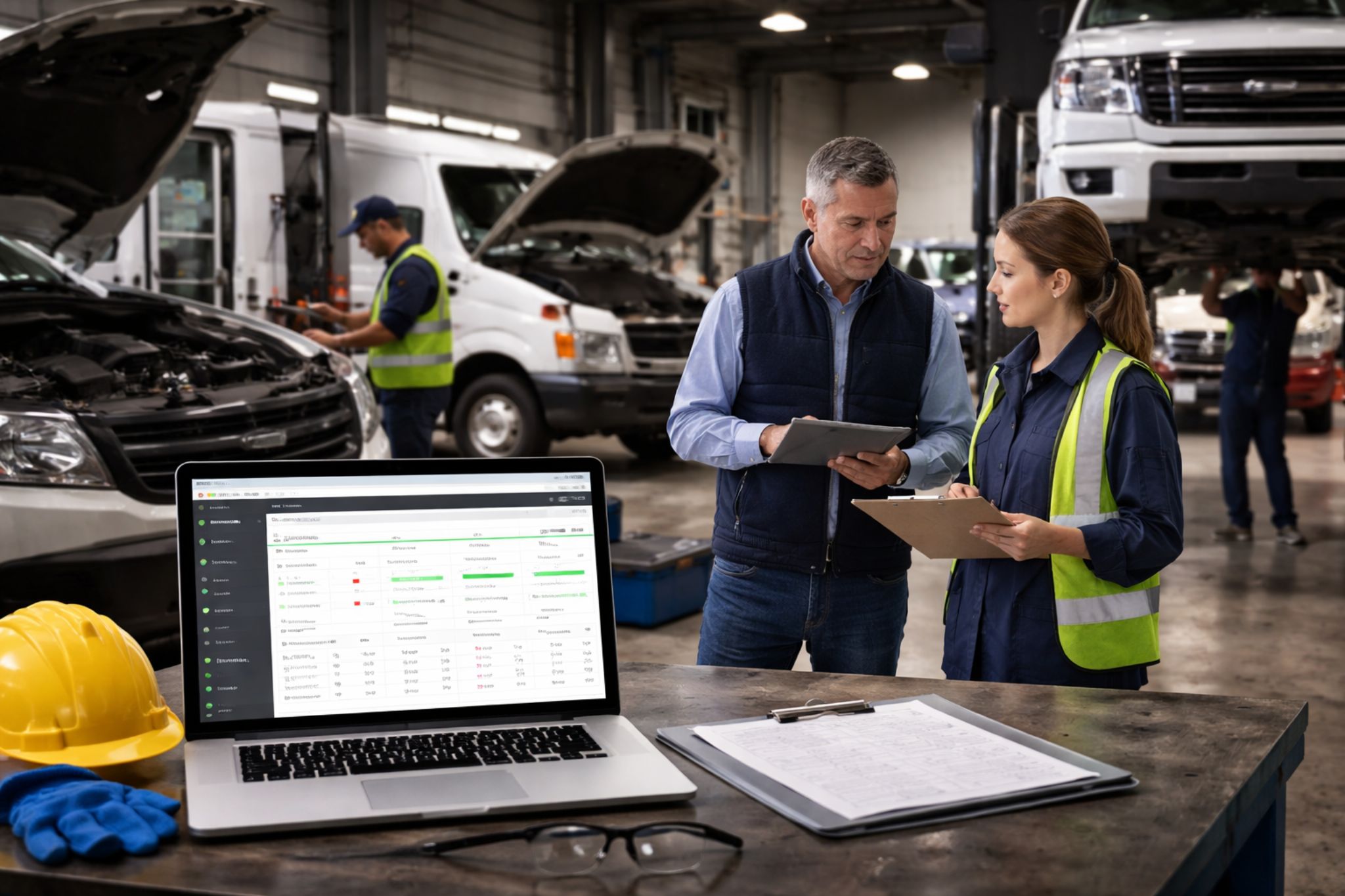
A fleet maintenance software buyer's guide provides a structured framework for evaluating systems that manage preventive maintenance, work orders, inspections, and compliance across fleet operations.
Best Fleet Maintenance Software (2026 Comparison Guide)
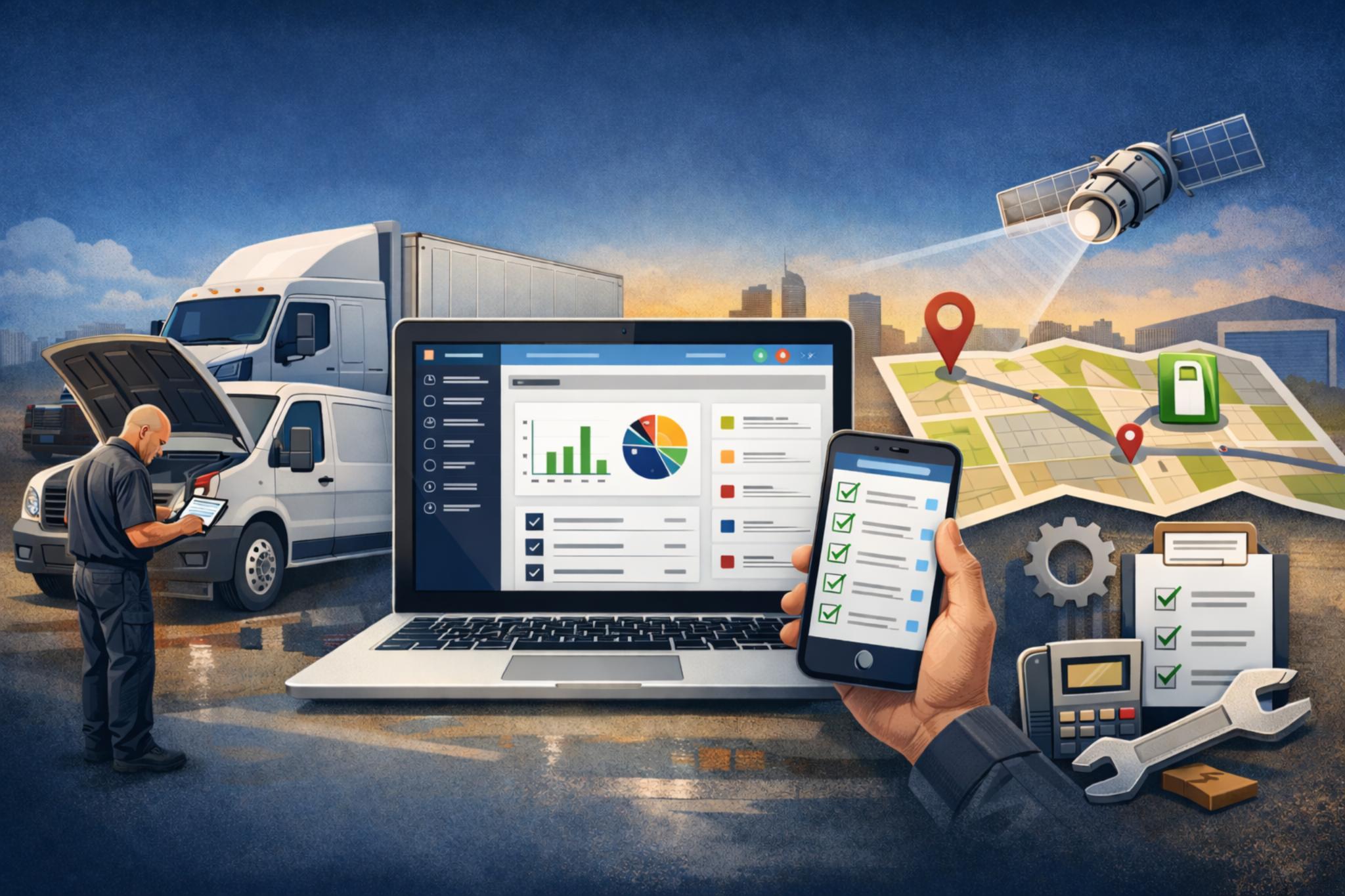
Fleet maintenance software in 2026 must do more than track service dates; it must coordinate preventive schedules, inspections, work orders, inventory, reporting, and integrations in one operational system.

Best Fleet Management Software (2026 Comparison Guide)
Fleet management software centralizes maintenance, compliance, tracking, reporting, and cost control into a structured operating system.
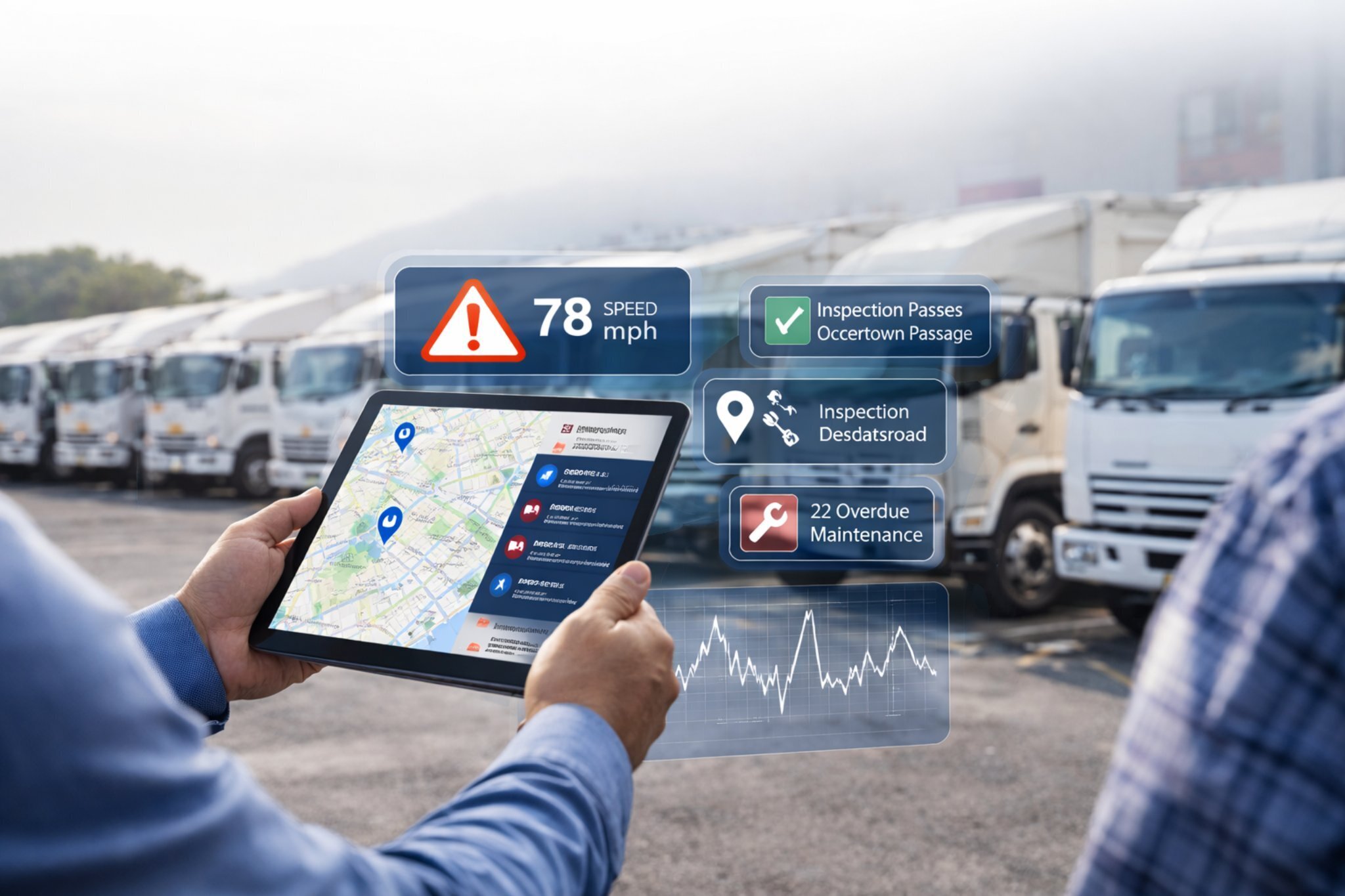
Fleet Safety Monitoring
Fleet safety monitoring is the ongoing process of observing vehicles, drivers, maintenance status, and operational behaviors to reduce risk, maintain compliance, and prevent avoidable incidents.
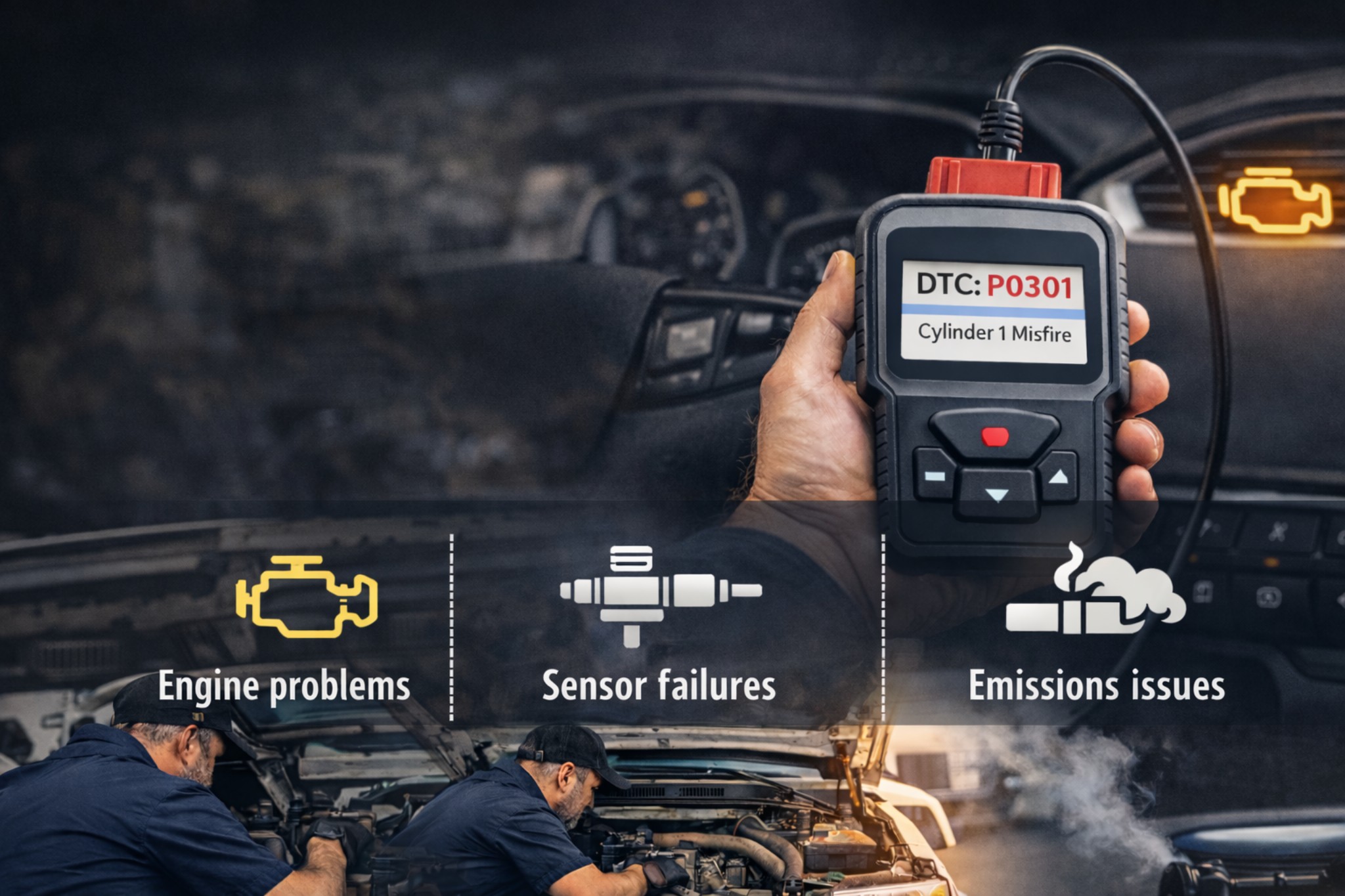
Diagnostic Trouble Codes (DTC) Guide
Diagnostic Trouble Codes (DTCs) are standardized fault indicators generated by vehicle onboard diagnostic systems to signal potential mechanical, electrical, or emissions-related issues.
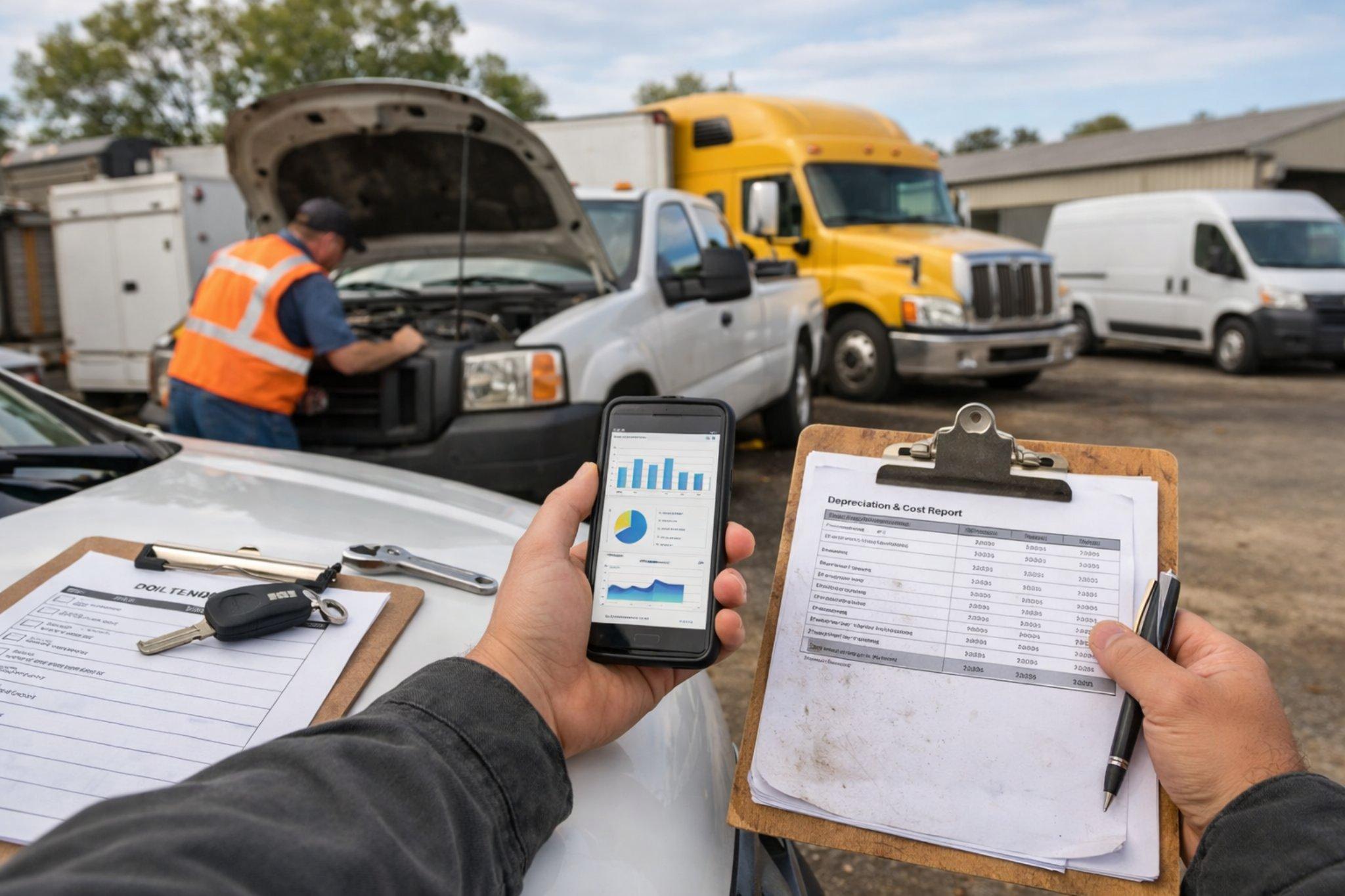
Asset Lifecycle Management for Fleet Operations
Asset lifecycle management in fleet operations is the structured process of planning, tracking, maintaining, and retiring vehicles and equipment based on cost, performance, and compliance data. When managed consistently, it reduces downtime, stabilizes budgets, and improves long-term operational reliability.

Lease or Buy Fleet Vehicles: Operational Decision Guide for Fleet Managers
Choosing whether to lease or buy fleet vehicles affects long-term cost control, maintenance planning, asset visibility, and replacement cycles. The decision is operational rather than purely financial, requiring evaluation of usage patterns, maintenance capacity, and lifecycle data.
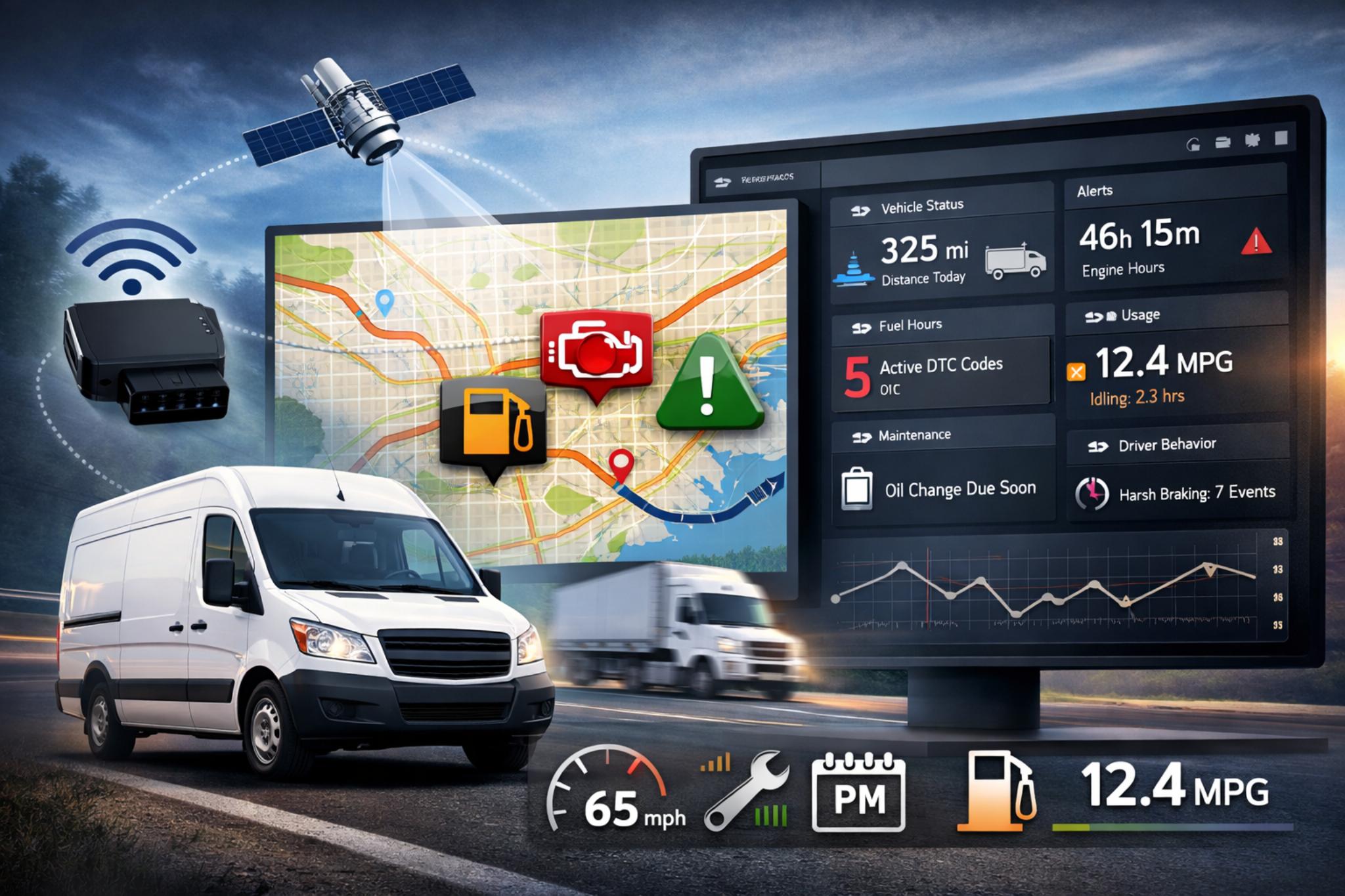
Fleet Telematics Explained: Complete Integration Guide
Fleet telematics refers to the combined use of GPS devices, vehicle sensors, and data platforms to capture real-time and historical information about vehicles, drivers, and assets.

Dash Cam Benefits for Fleets
Fleet dash cameras are vehicle-mounted video systems that capture driving activity and road conditions to improve safety oversight, incident documentation, and operational accountability across fleet vehicles.
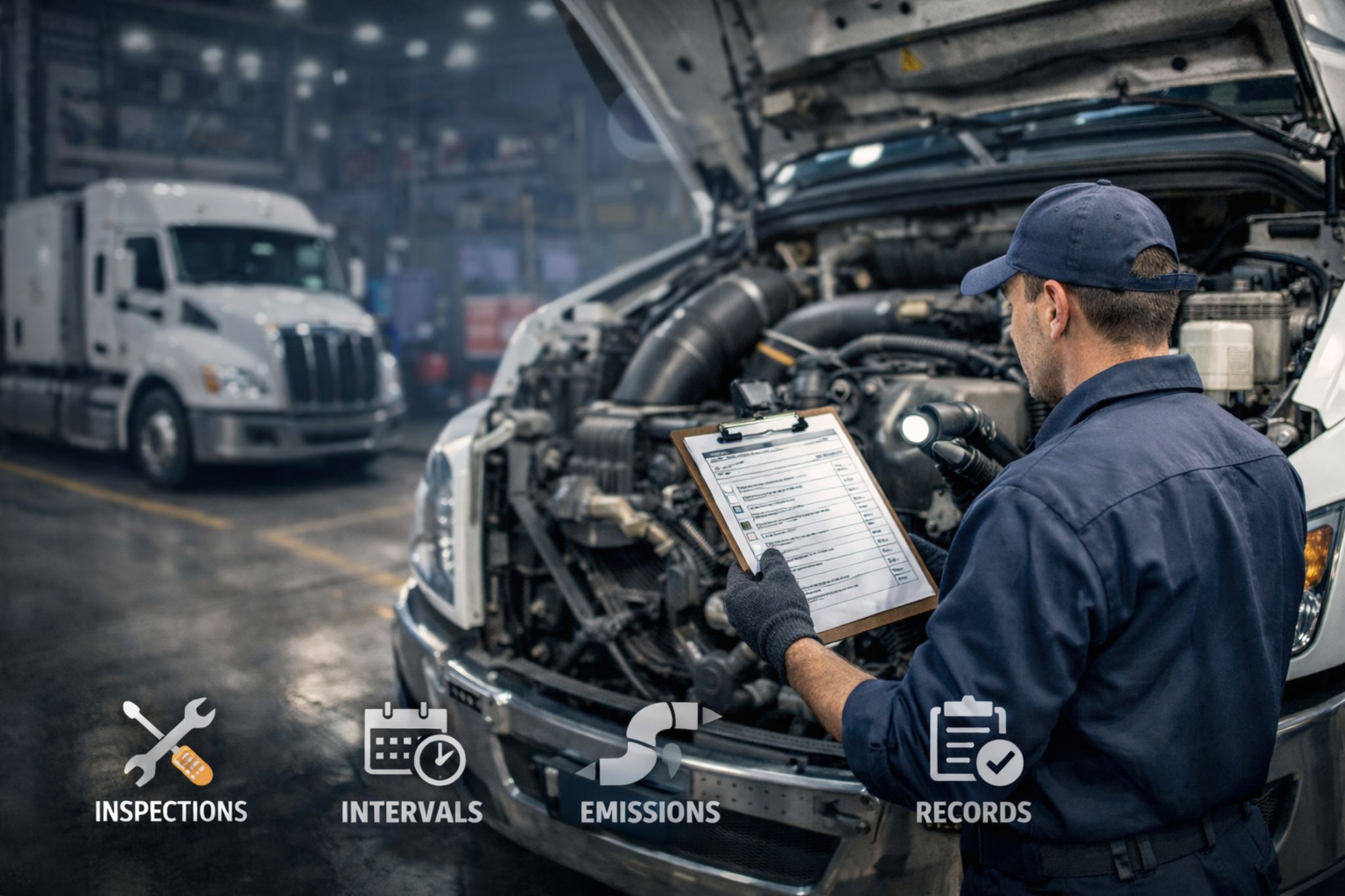
Diesel Fleet Maintenance Checklist: Complete Guide
A diesel fleet maintenance checklist is a structured reference used to standardize inspections, service intervals, and defect tracking for diesel-powered vehicles and equipment.
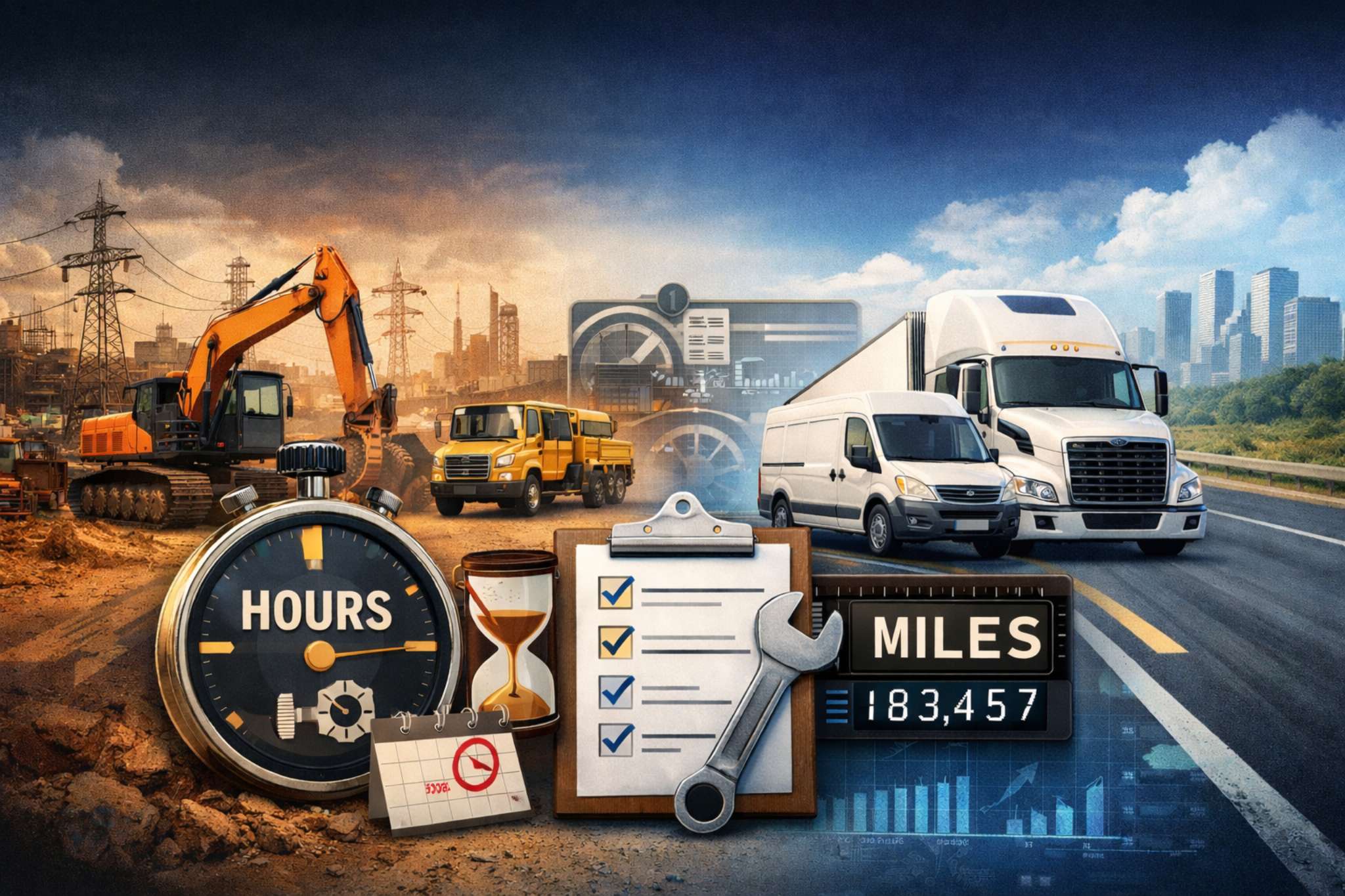
PM Intervals for Mixed Fleets: Hours vs Miles Guide
Preventive maintenance (PM) intervals in mixed fleets must reflect how assets actually wear, not just how they are categorized.
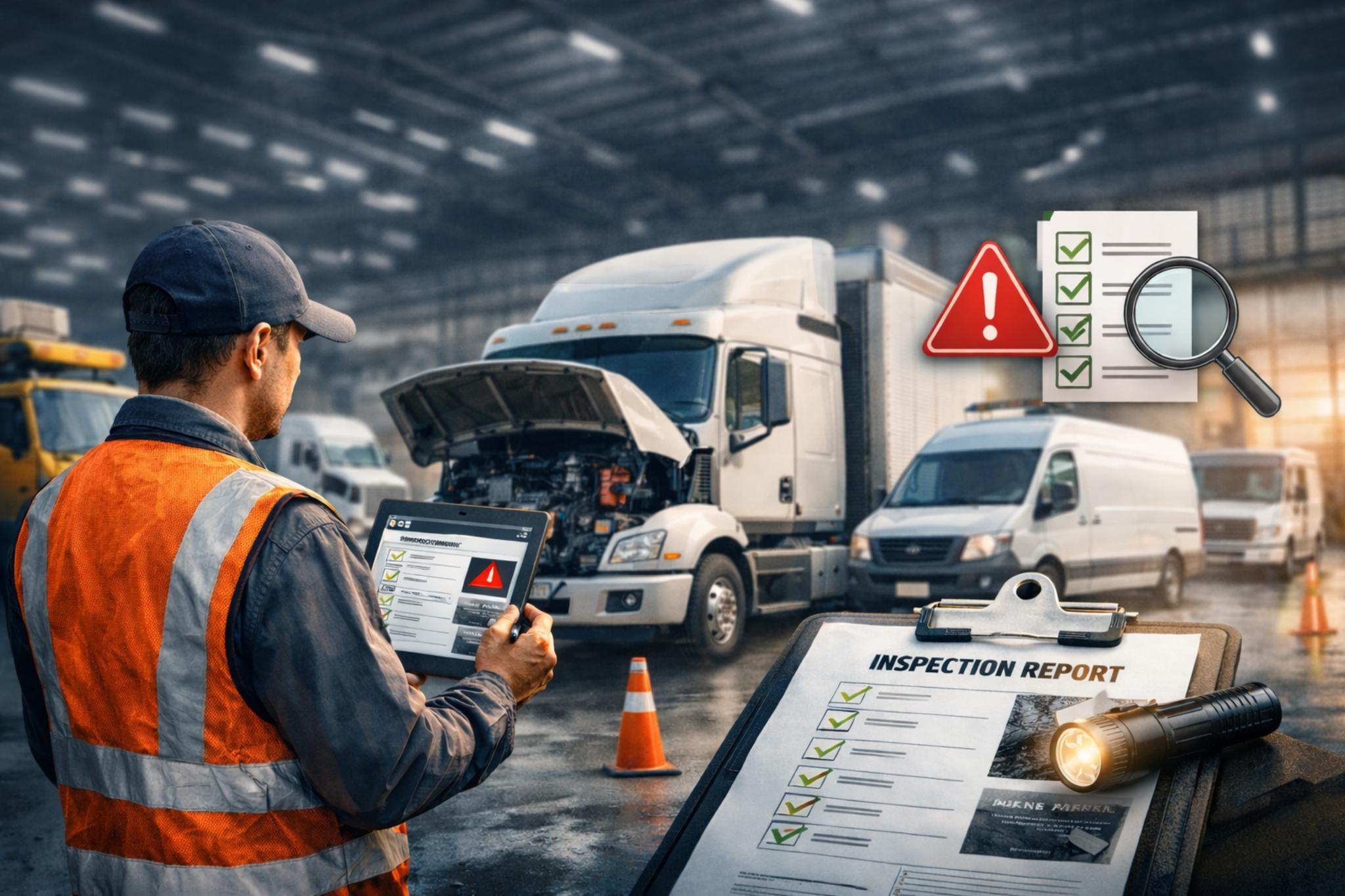
Vehicle Safety Inspection: Complete 2026 Fleet Guide
Vehicle safety inspections are structured evaluations of a fleet vehicle’s mechanical condition, safety systems, and regulatory compliance status.
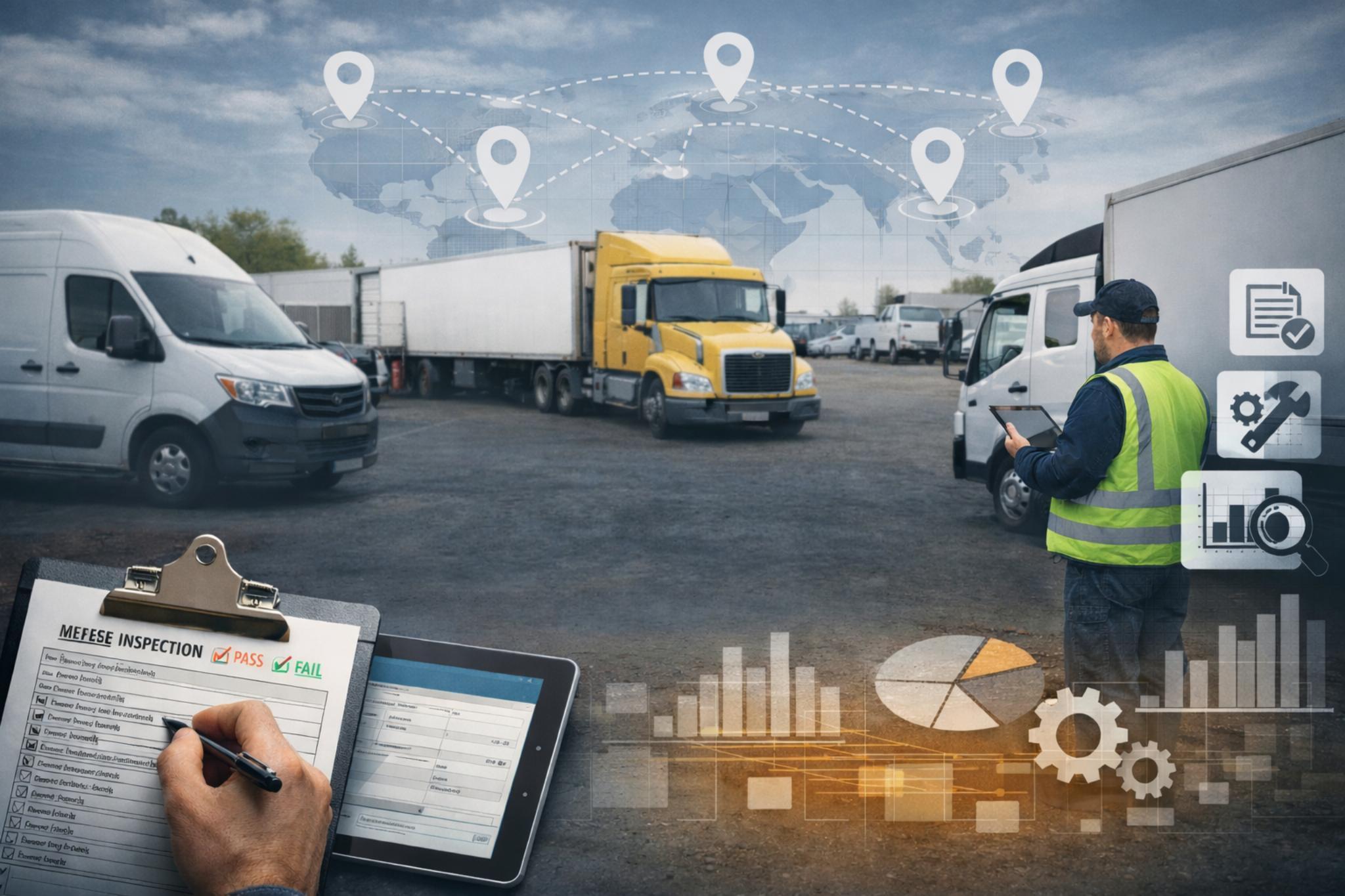
Multi-Location Fleet Inspections: Management Guide
Multi-location fleet inspections refer to the process of applying consistent inspection standards, schedules, and defect controls across multiple depots, branches, or operating sites.

Farm Equipment Maintenance Guide for Fleet Operations
Farm equipment maintenance is the structured process of inspecting, servicing, and documenting agricultural machinery to maintain reliability, safety, and operational continuity.
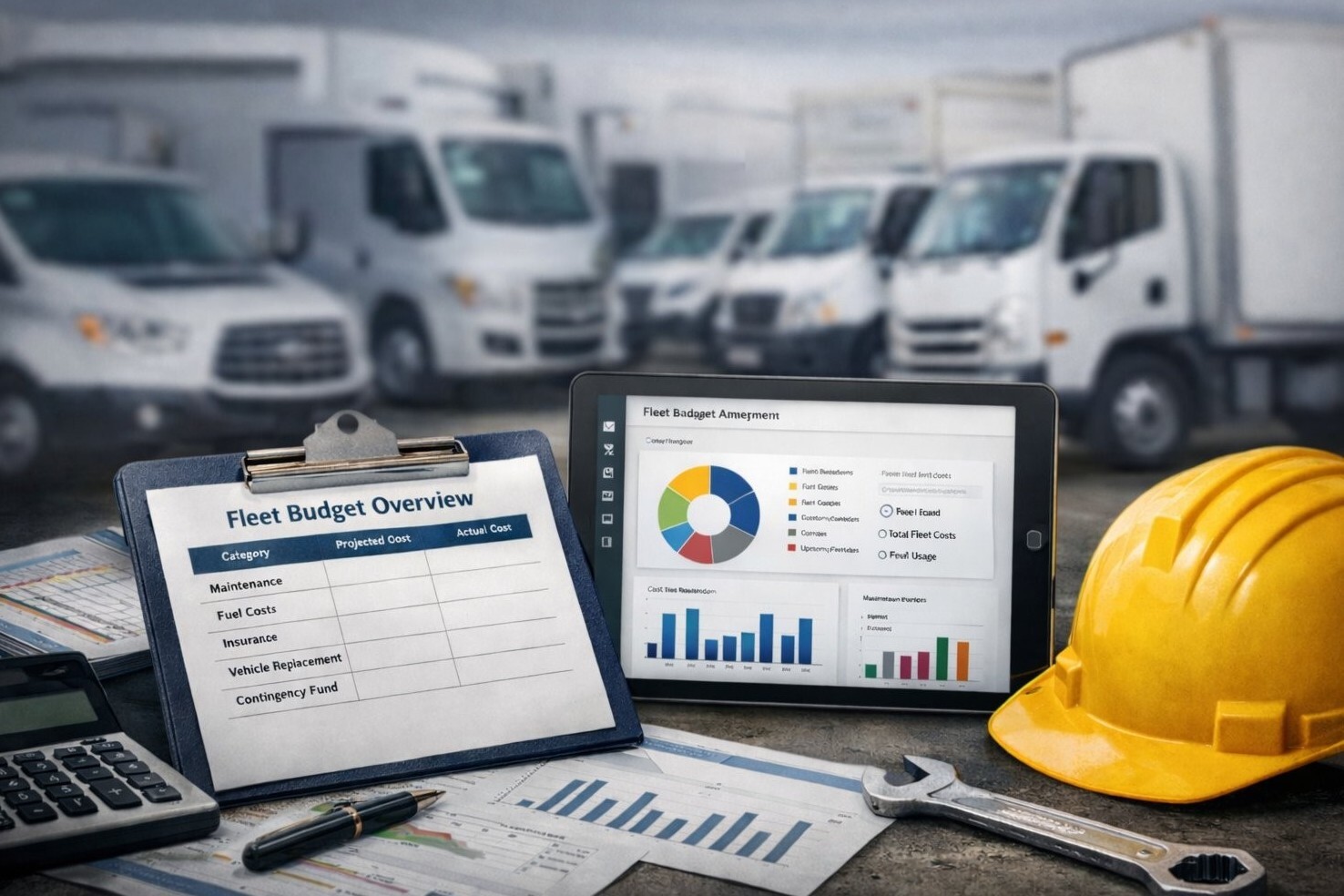
Fleet Budget Template: Annual Planning Guide
A fleet budget template is a structured framework used to forecast, allocate, and monitor all vehicle-related costs over a 12-month period. Consistent annual planning supports cost control, maintenance readiness, and compliance stability across the fleet.

Fleet Safety Guide for Fleet Operations
Fleet safety refers to the structured policies, inspections, maintenance controls, and driver practices used to reduce vehicle incidents, injuries, and compliance violations.

Fleet Efficiency in Fleet Operations
Fleet efficiency refers to how effectively vehicles, drivers, maintenance resources, and operational processes are used to achieve business goals with minimal waste.
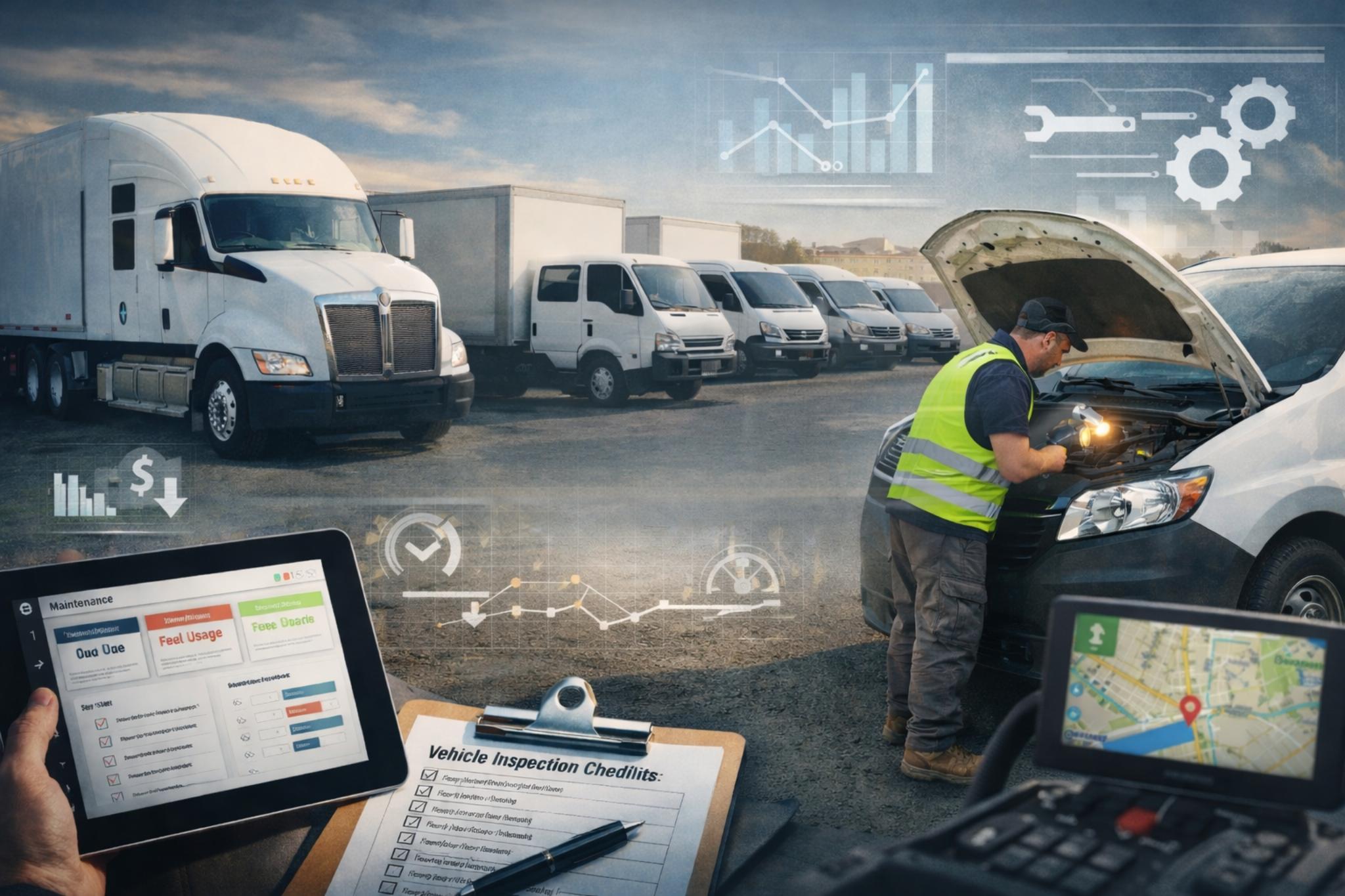
How to Improve Fleet Management
Improving fleet management requires consistent control over maintenance, utilization, safety, and data visibility. Structured processes and measurable performance indicators enable fleets to reduce downtime, control operating costs, and maintain regulatory readiness across vehicles and teams.

Fleet Optimization
Fleet optimization is the structured process of aligning vehicles, maintenance activities, utilization levels, and operational data to achieve lower operating costs, higher asset availability, and predictable service performance.
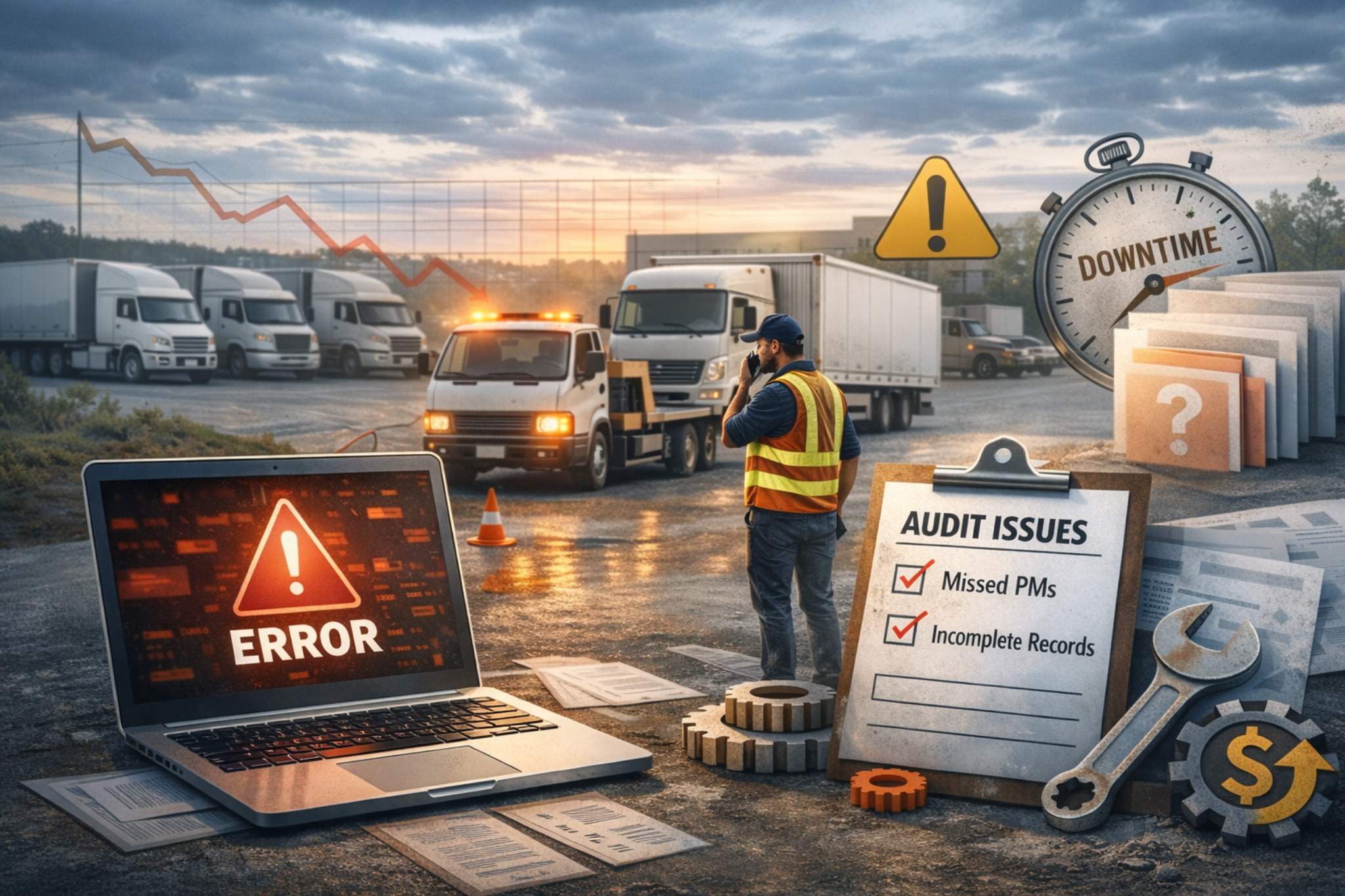
When Fleet Maintenance Software Fails (And Why)
Fleet maintenance software failure does not usually mean the system stops working; it typically means the fleet stops using it correctly or consistently. When adoption, configuration, or data discipline breaks down, operational visibility declines, compliance exposure increases, and maintenance decisions revert to guesswork.
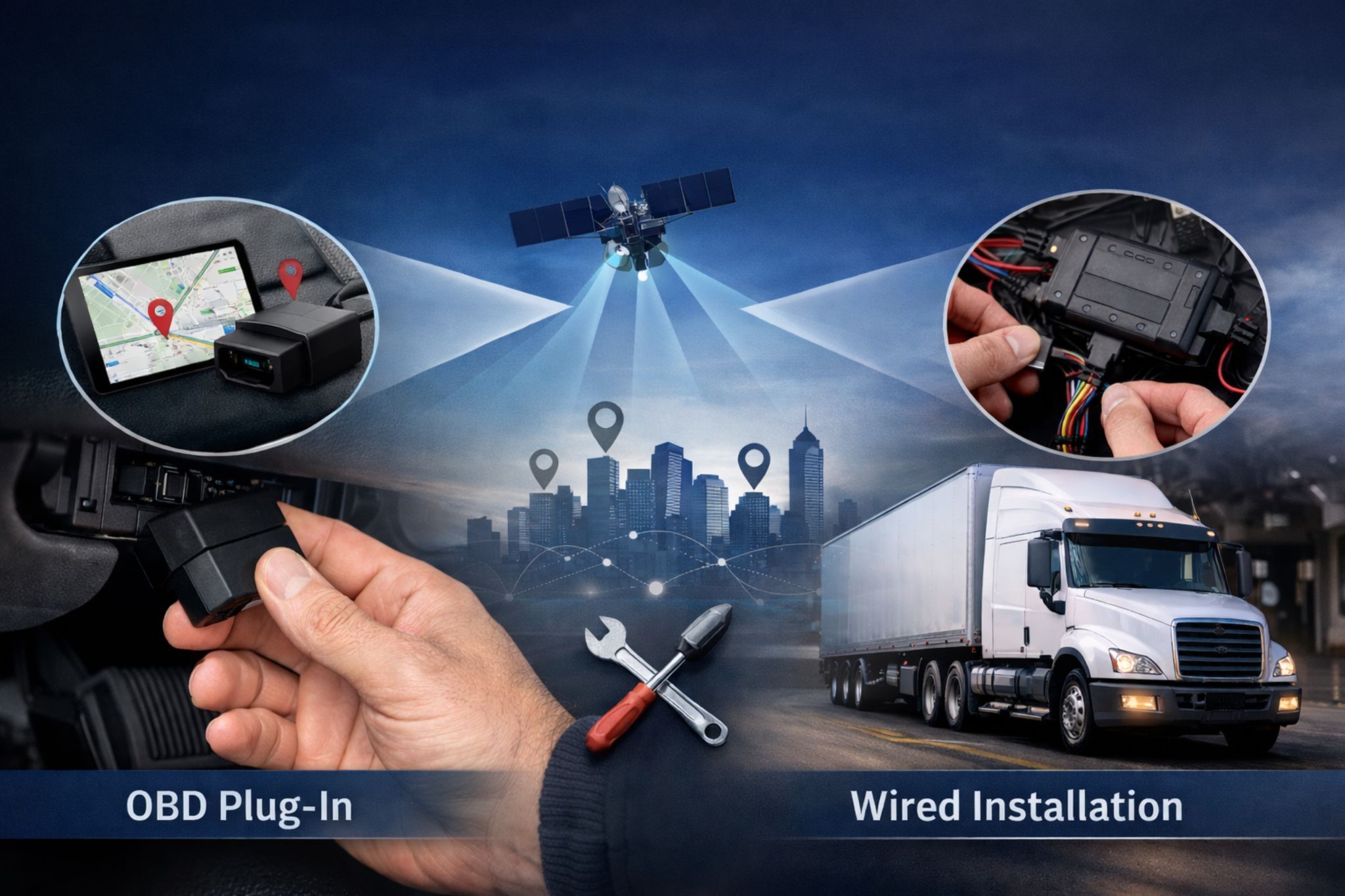
GPS Tracking for Fleets: OBD vs Wired Installation Guide
GPS tracking installation method directly affects data reliability, vehicle downtime, and long-term device performance. Choosing between OBD plug-in devices and wired trackers is an operational decision that influences maintenance records, mileage accuracy, and fleet visibility consistency.
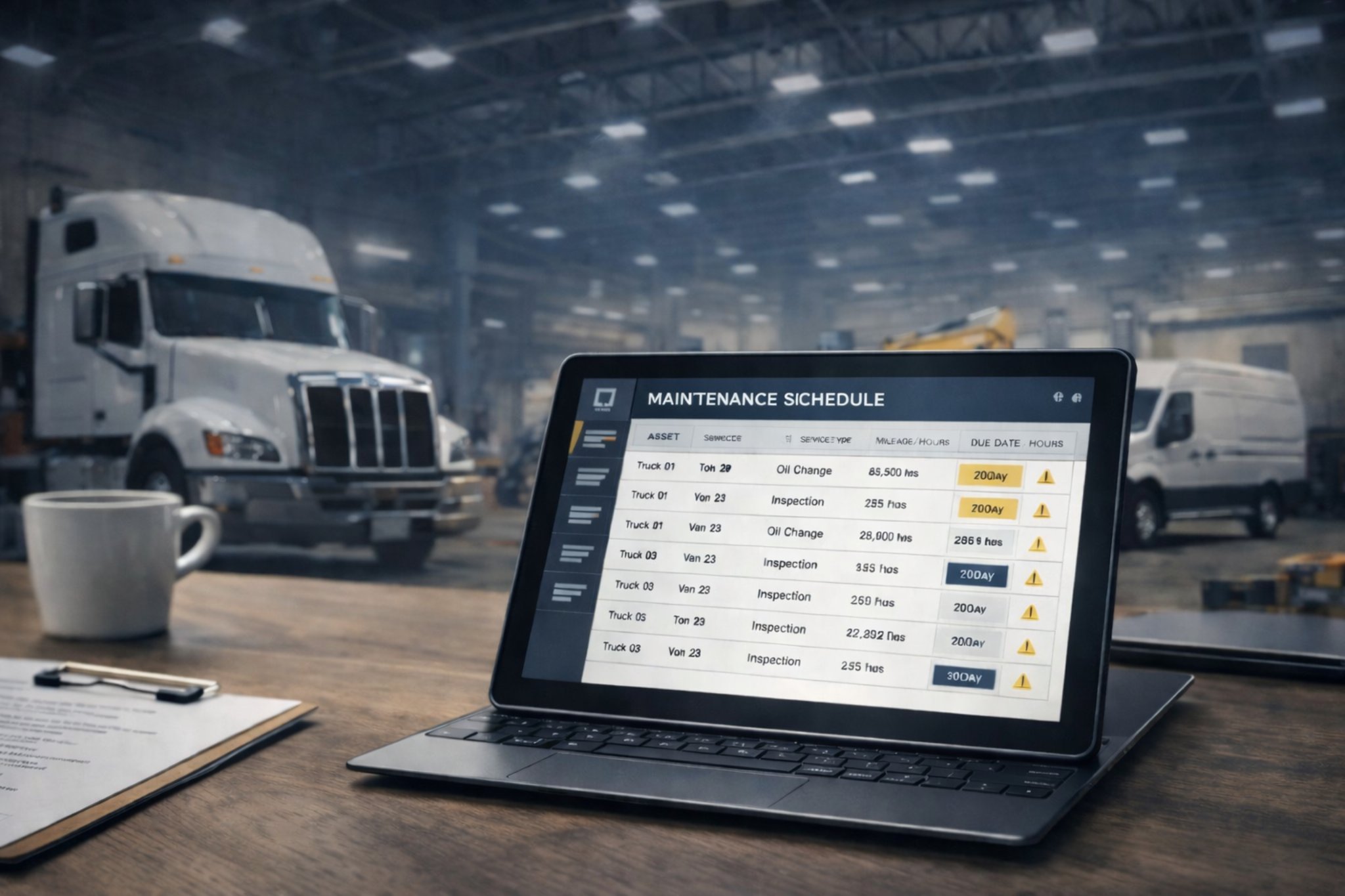
Preventive Maintenance Schedule Template
A preventive maintenance schedule template is a structured document used to plan, record, and control recurring vehicle and equipment service activities. In fleet operations, it supports consistency, compliance readiness, cost predictability, and asset lifespan management.
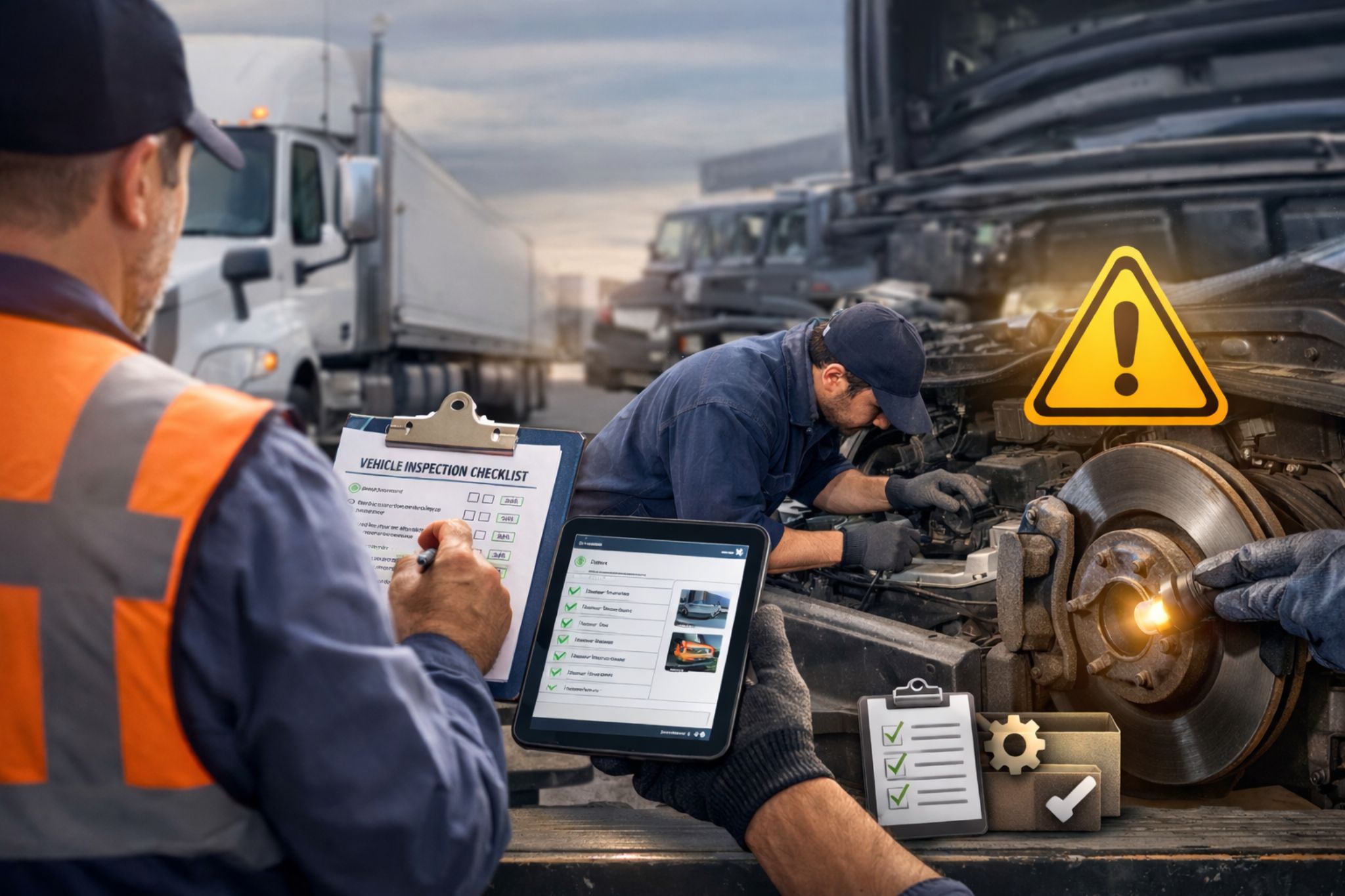
Vehicle Inspection Checklist
A vehicle inspection checklist is a structured method used by fleet teams to verify vehicle safety, compliance, and operational readiness before and after use, as well as during scheduled maintenance cycles. Consistent inspections reduce breakdown risk, support regulatory compliance, and create traceable maintenance records for operational decision-making.

How to Prepare for a DOT Fleet Audit
A DOT fleet audit is a formal review of a fleet’s safety, maintenance, driver, and compliance records conducted by regulatory authorities. Proper preparation reduces the risk of fines, operational delays, and out-of-service violations while ensuring documentation accuracy and process consistency.

Hidden Cost of Poor Fleet Maintenance
Poor fleet maintenance does not only increase repair expenses; it creates indirect operational, safety, administrative, and asset-lifecycle costs that are often untracked. These hidden costs accumulate gradually and can exceed visible maintenance spend if preventive controls, documentation, and scheduling discipline are inconsistent.
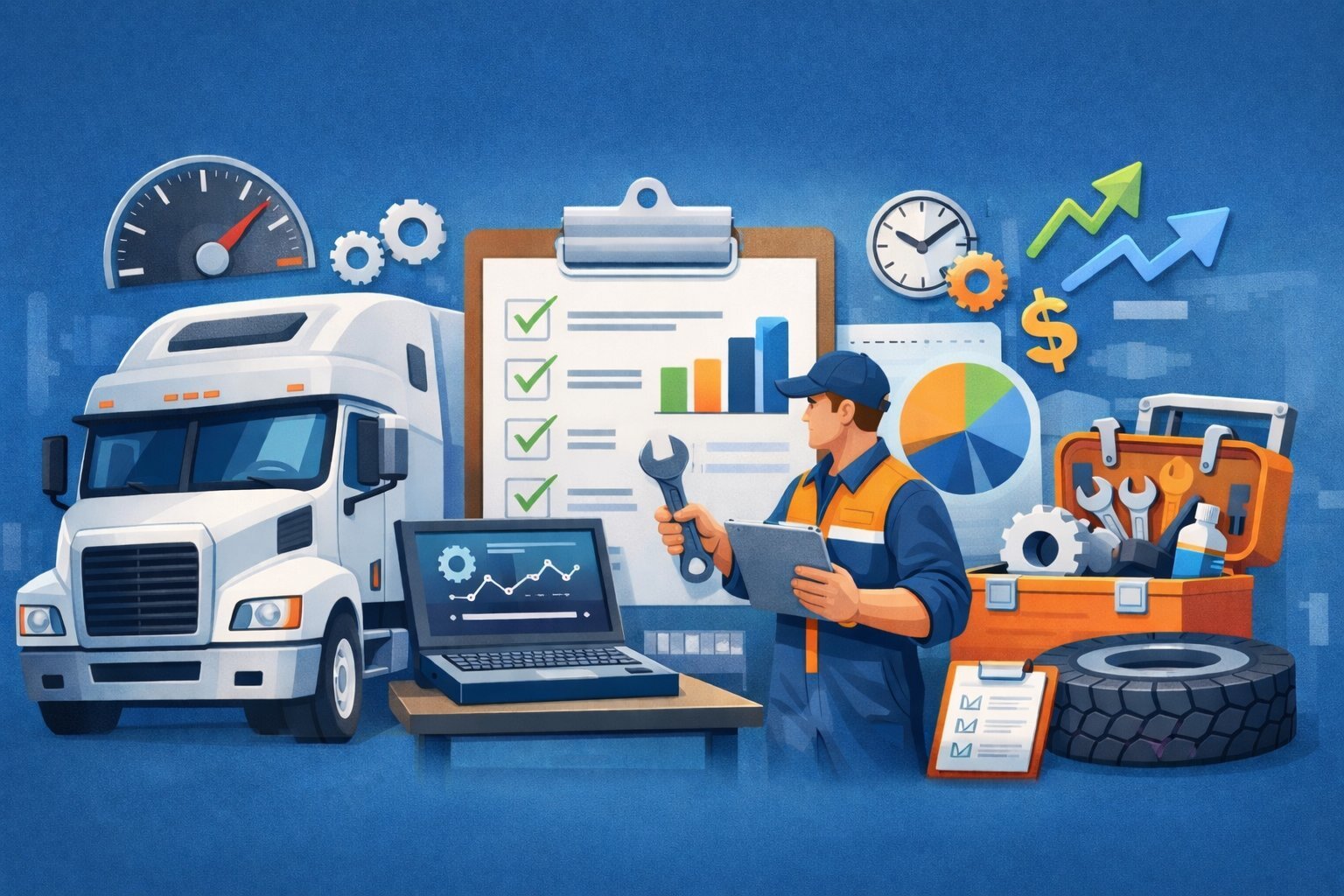
Fleet Maintenance KPIs (With Formulas)
Fleet maintenance KPIs are measurable performance indicators used to evaluate vehicle reliability, maintenance efficiency, and cost control. Tracking these indicators enables fleet teams to make evidence-based operational decisions, reduce unplanned downtime, and maintain consistent service standards across vehicles and equipment.
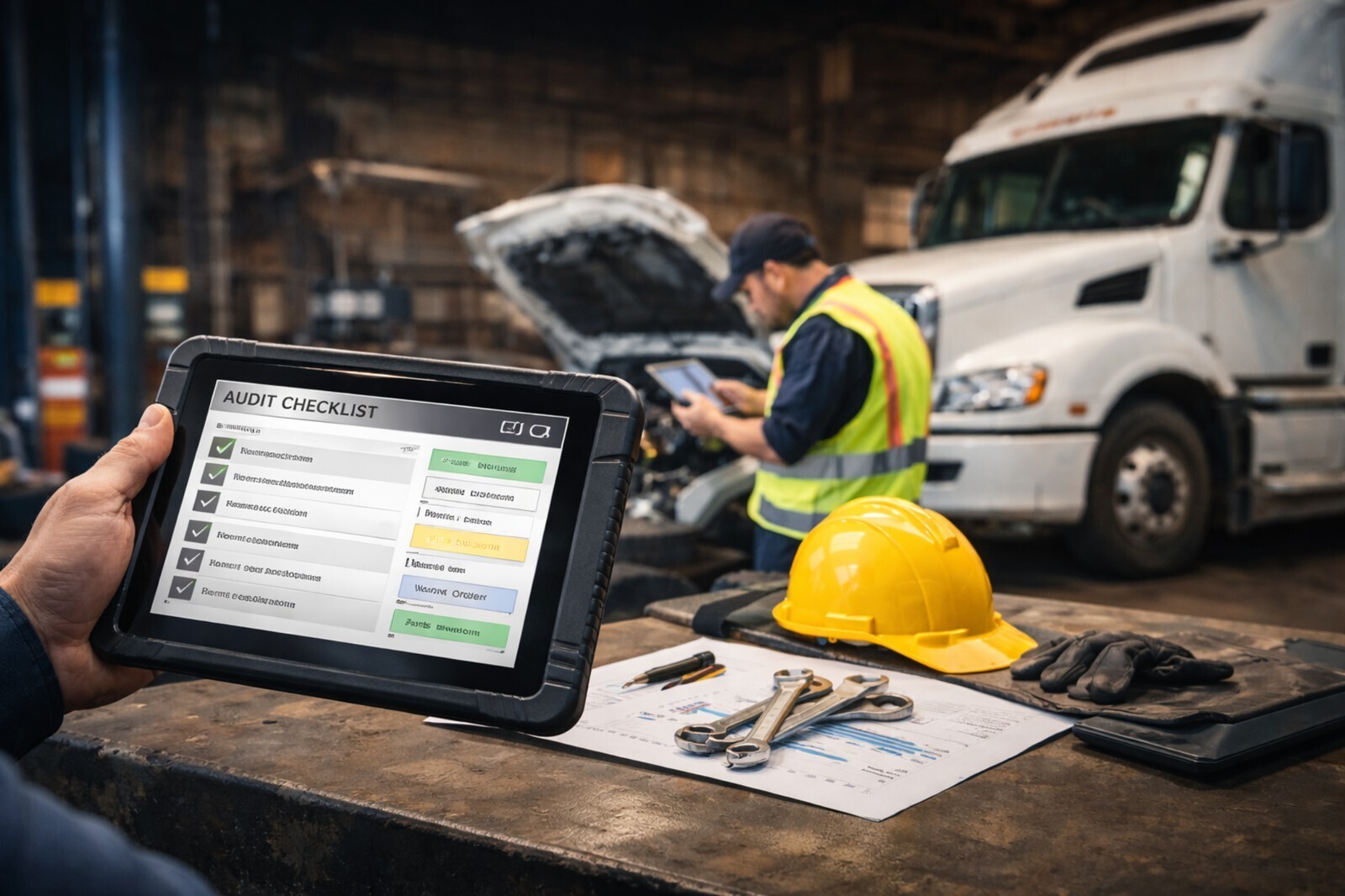
Fleet Maintenance Audit Checklist
A fleet maintenance audit checklist is a structured method used to verify whether vehicles, maintenance processes, documentation, and compliance controls are operating as intended. Regular audits help fleets identify gaps early, reduce operational risk, and maintain consistent safety and cost control standards.
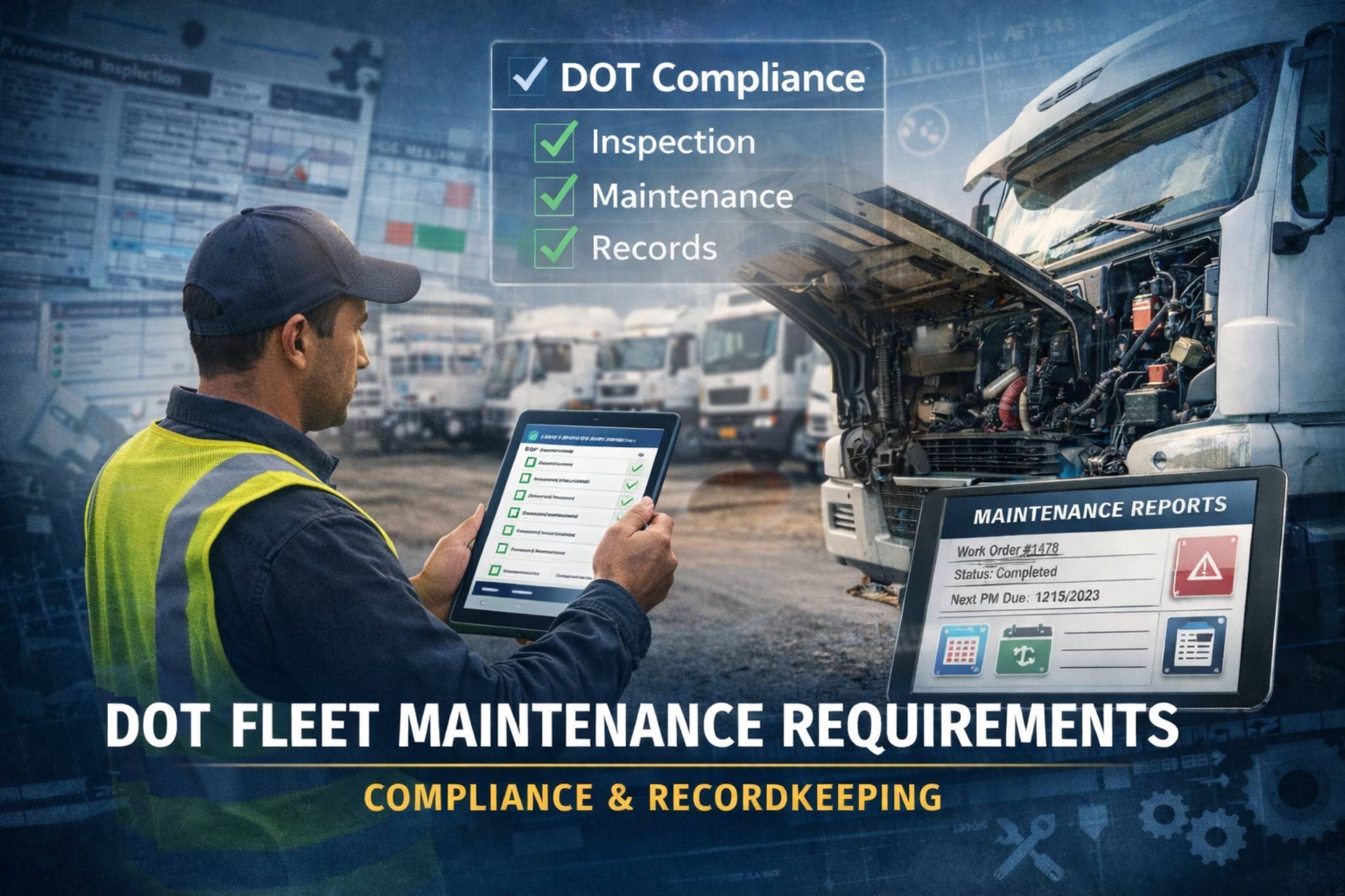
DOT Fleet Maintenance Requirements Explained
DOT fleet maintenance requirements establish the minimum standards fleets must follow to ensure vehicles are safe, inspected regularly, repaired promptly, and supported by verifiable records. For fleet managers and maintenance teams, these rules are less about paperwork and more about maintaining consistent vehicle condition, operational safety, and audit-ready proof of compliance.
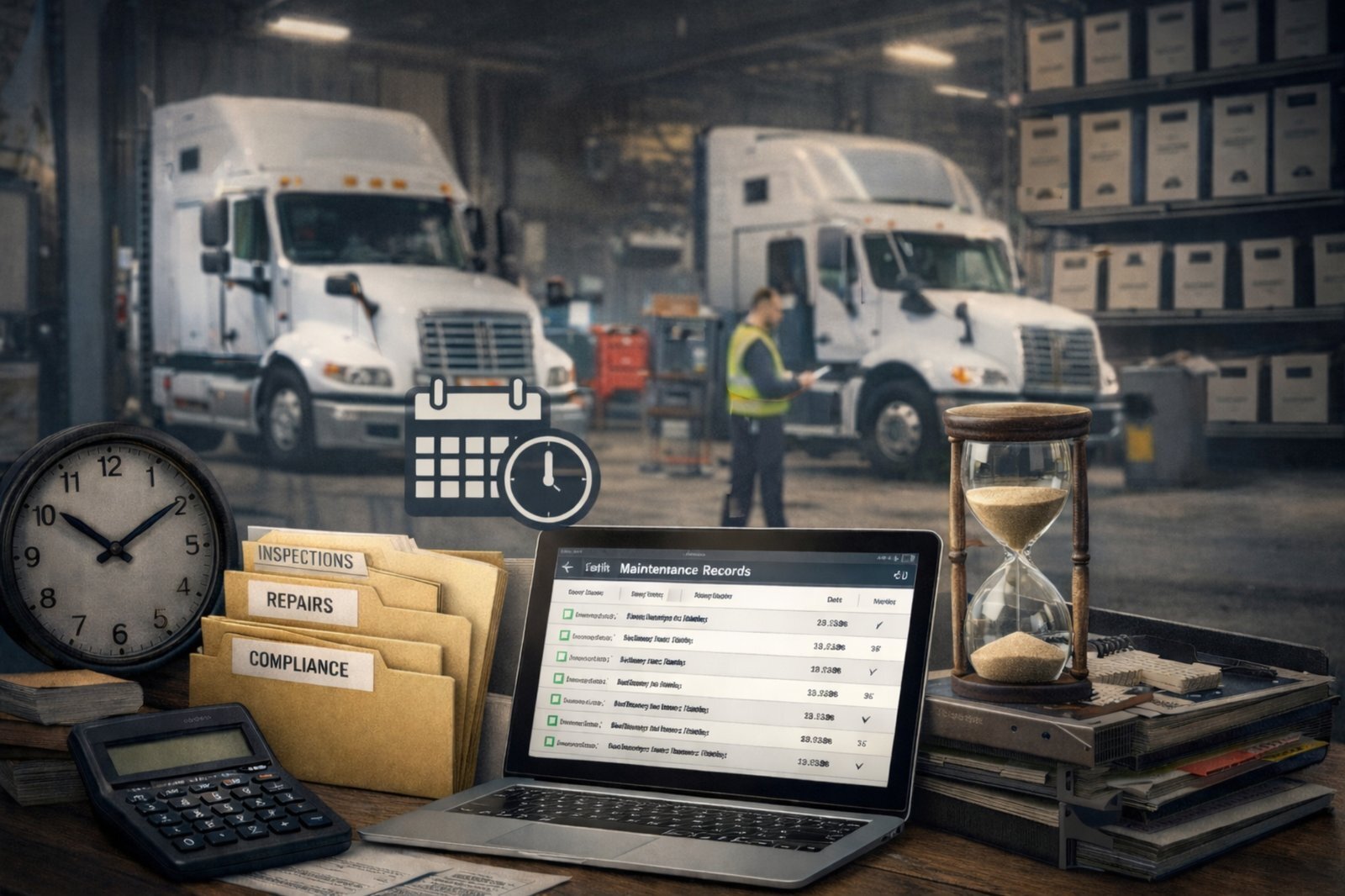
How Long to Keep Fleet Maintenance Records
Fleet maintenance record retention refers to how long organizations keep inspection logs, repair histories, compliance documents, and service data for each vehicle or asset. Clear retention timelines support regulatory compliance, audit readiness, dispute resolution, and long-term operational decision-making.

Best Fleet Maintenance Software for Small Fleets
Fleet maintenance software for small fleets refers to systems designed to track, schedule, and document vehicle maintenance with minimal administrative overhead. For fleets with limited staff and growing vehicle counts, structured maintenance software reduces missed services, improves visibility, and supports consistent operational control.
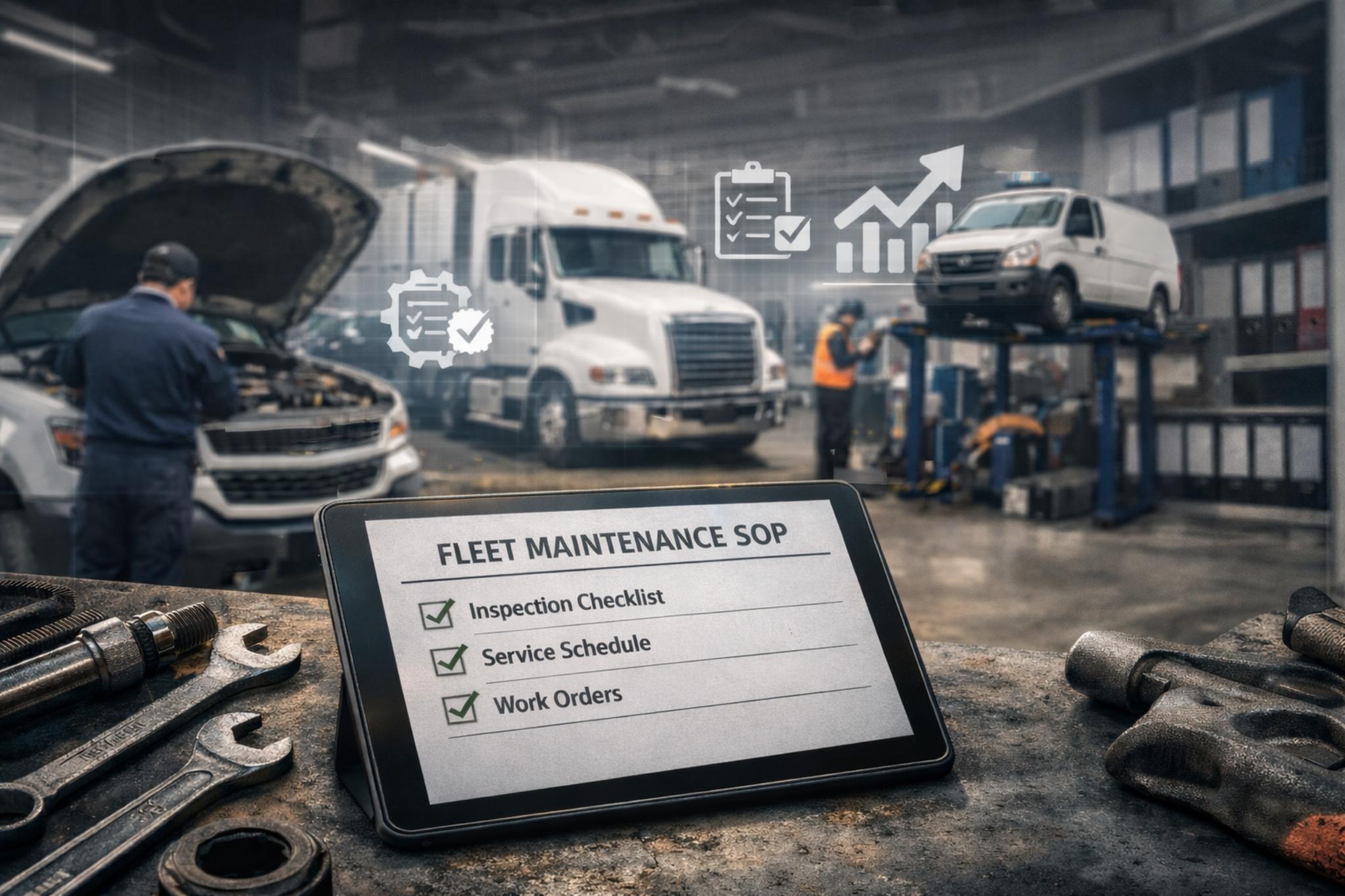
Fleet Maintenance SOP Guide
A Fleet Maintenance Standard Operating Procedure (SOP) is a structured document that defines how vehicle maintenance activities are planned, executed, recorded, and reviewed. It ensures consistency, accountability, compliance readiness, and predictable operational uptime across all fleet assets.
Fleet Compliance Guide
Fleet compliance is the ongoing process of meeting regulatory, safety, and operational requirements that govern how fleet vehicles, drivers, and maintenance activities are managed. For fleet managers, compliance is not a one-time task but a continuous operational responsibility that directly affects safety outcomes, audit readiness, and business risk.
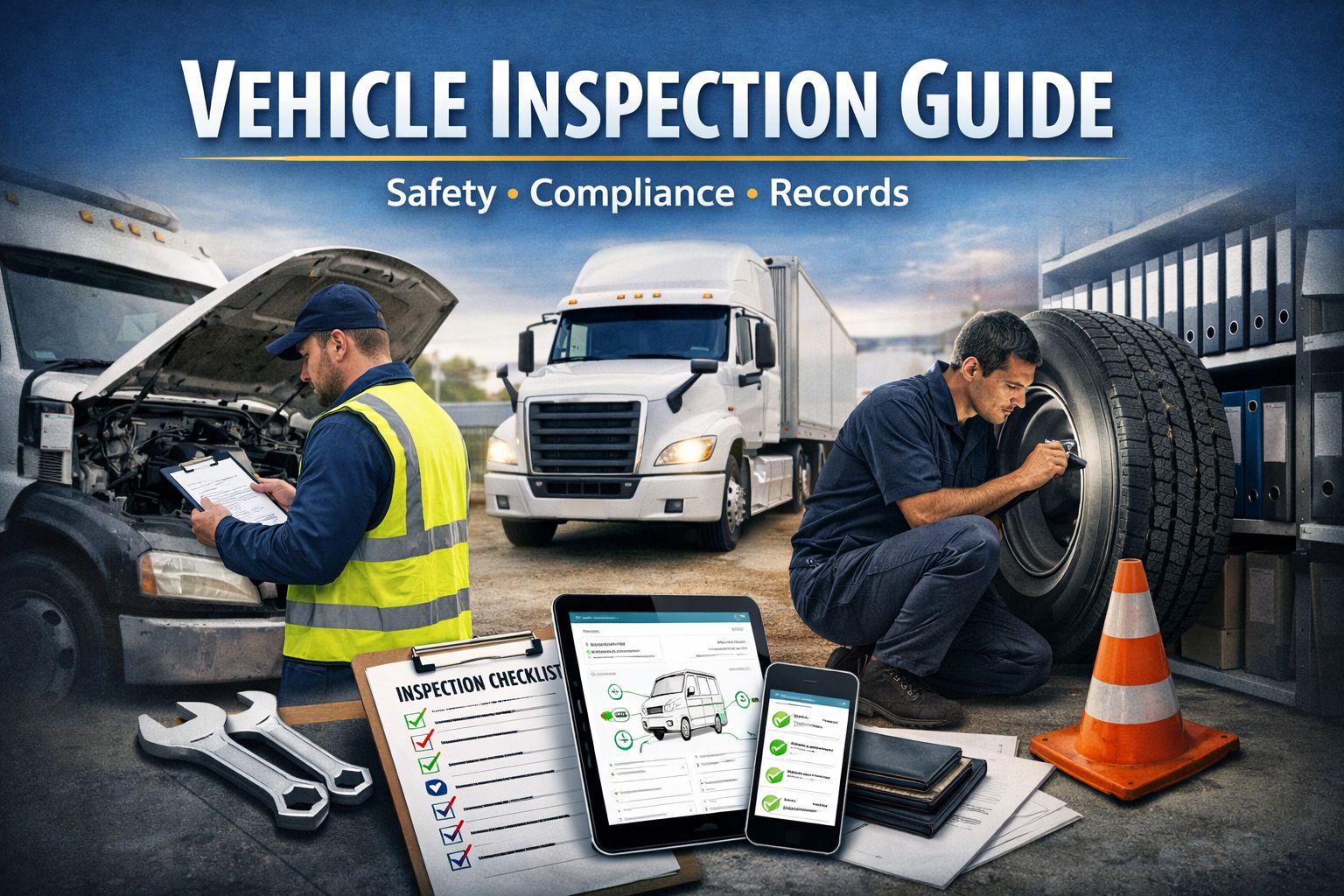
Vehicle Inspection Guide
Vehicle inspections are a structured process used by fleets to verify vehicle safety, condition, and compliance before, during, and after operation. For fleet managers, inspections reduce risk, support regulatory compliance, and provide early visibility into maintenance issues that affect uptime and operating cost.
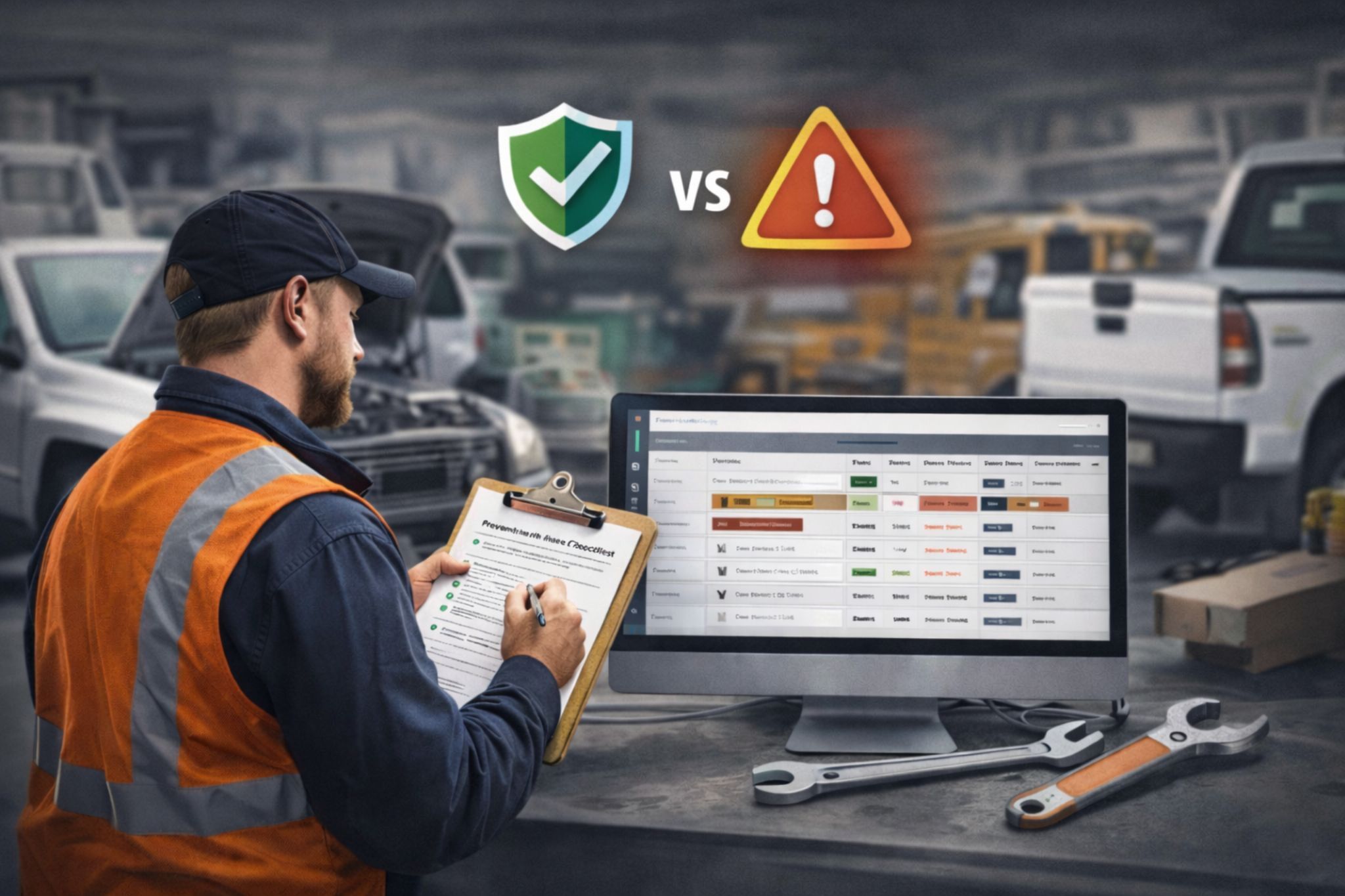
Preventative Maintenance Guide for Fleet Operations
Preventative maintenance is a structured approach to servicing fleet vehicles at planned intervals to reduce breakdowns, control costs, and maintain compliance. For fleet operations, it is a core operational discipline that directly affects vehicle uptime, safety outcomes, and long-term asset value.

Fleet Manager Guide
A fleet manager is responsible for keeping vehicles operational, compliant, and cost-controlled while supporting daily business operations. This guide outlines the core responsibilities, systems, and decision frameworks fleet managers rely on to maintain consistency, reduce risk, and improve fleet performance.
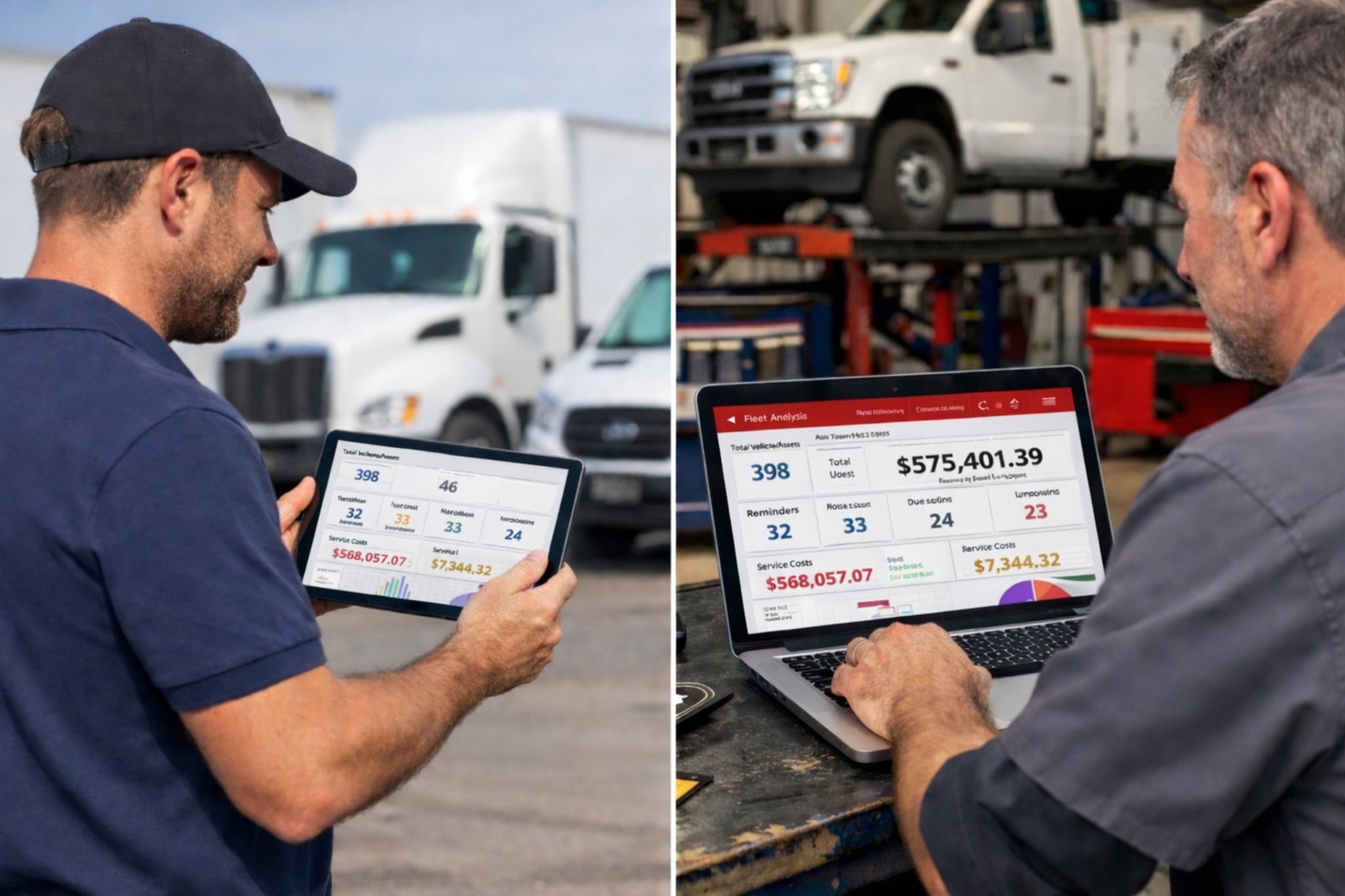
How to Track Fleet Maintenance (Step-by-Step)
Tracking fleet maintenance is the process of systematically recording, monitoring, and reviewing all maintenance activities across vehicles to support reliability, safety, cost control, and compliance. For fleet operations, a step-by-step tracking approach reduces missed service, improves decision-making, and creates a consistent maintenance record that can be audited and acted on.
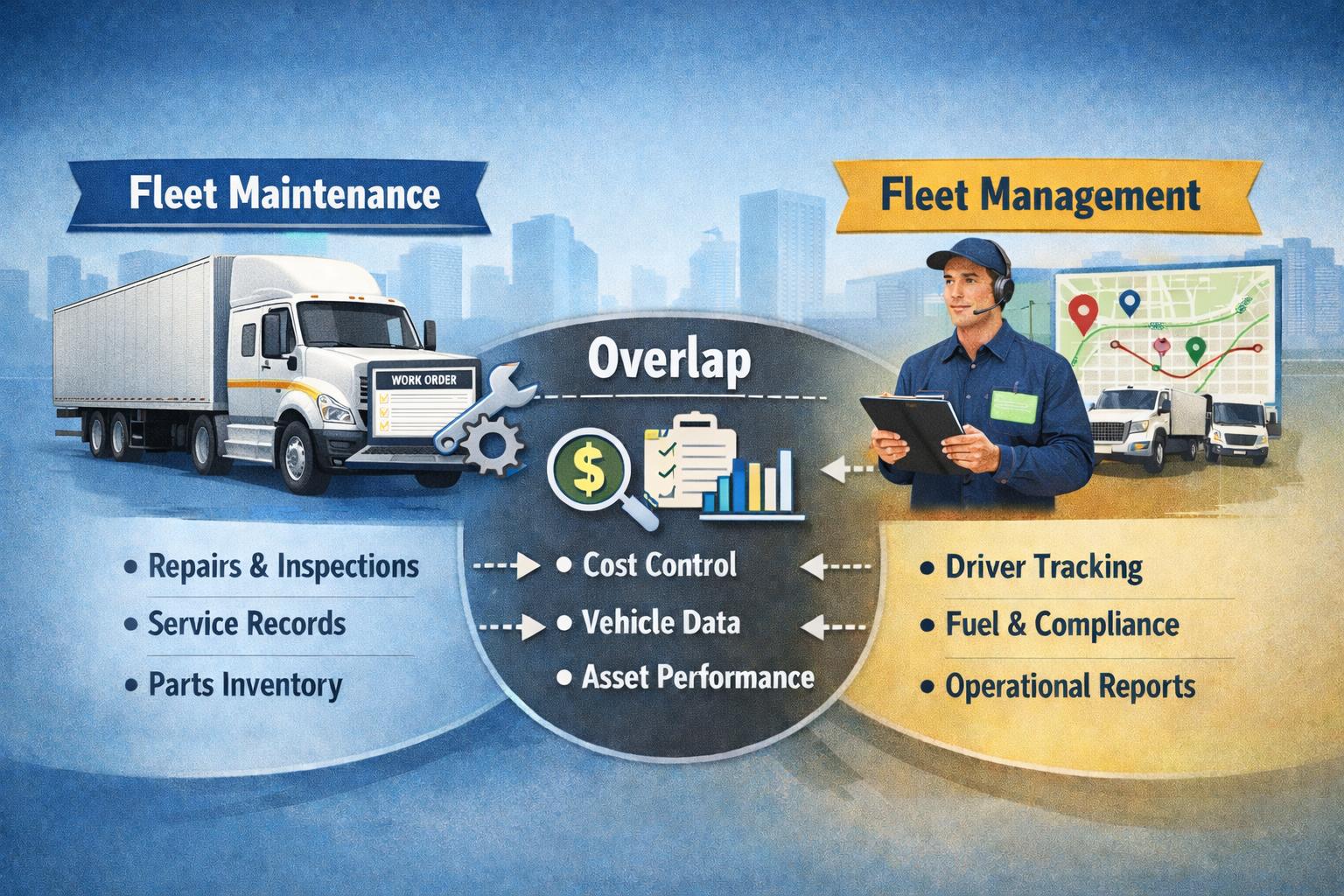
Fleet Maintenance vs. Fleet Management Guide
Fleet maintenance and fleet management are closely related but operationally distinct disciplines. Understanding how they differ—and where they overlap—helps fleet teams select the right systems, assign responsibility correctly, and avoid gaps in vehicle uptime, cost control, and compliance.
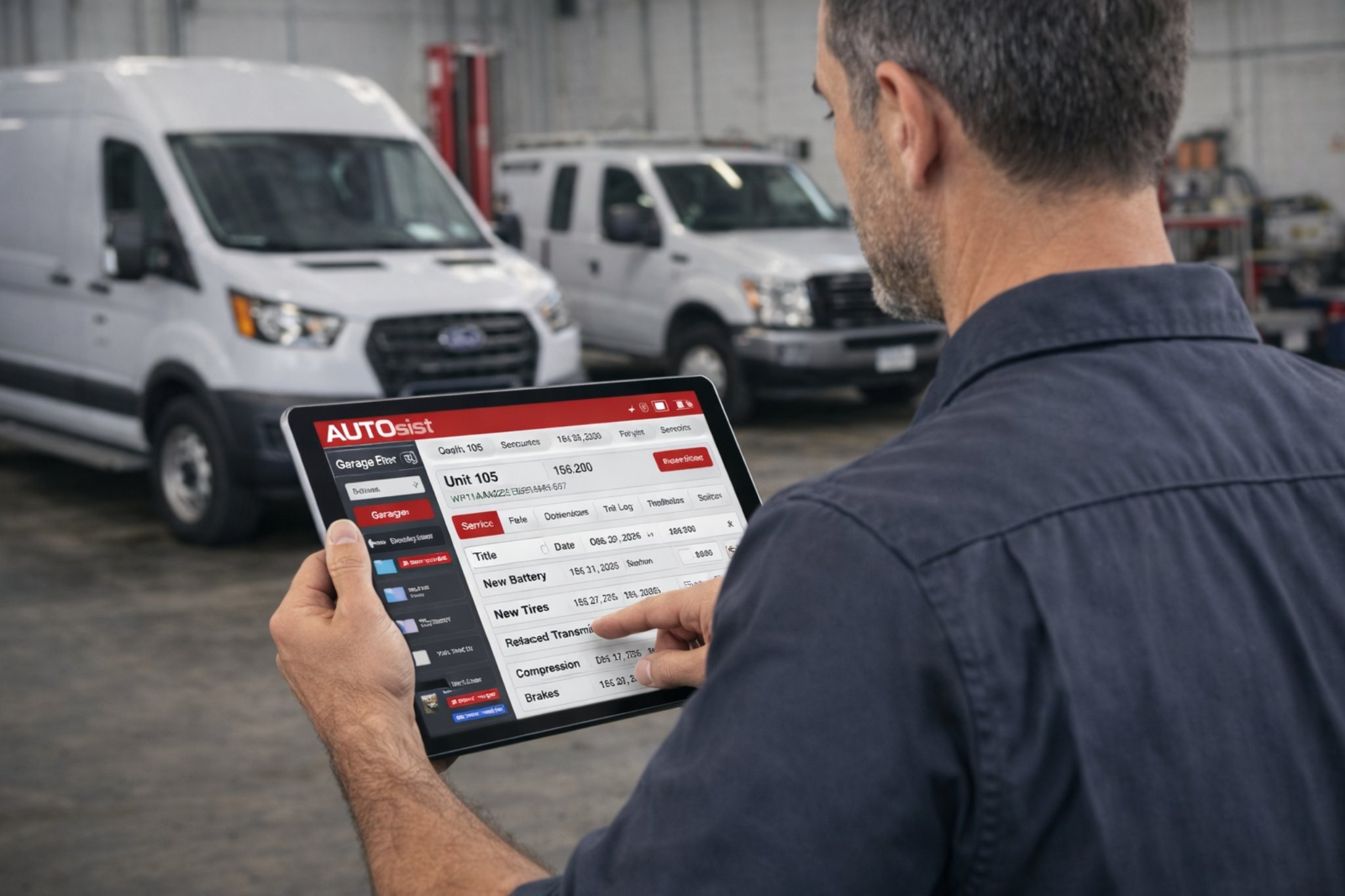
What Is Fleet Maintenance Software
Fleet maintenance software is a digital system used to plan, track, and document vehicle maintenance activities across a fleet. It matters operationally because it centralizes maintenance data, standardizes processes, and helps fleet teams reduce downtime, control costs, and maintain compliance.