Diagnostic Trouble Codes (DTC) Guide
Diagnostic Trouble Codes (DTCs) are standardized fault indicators generated by vehicle onboard diagnostic systems to signal potential mechanical, electrical, or emissions-related issues. In fleet operations, understanding DTCs supports timely maintenance decisions, reduces unplanned downtime, and improves compliance and safety outcomes.
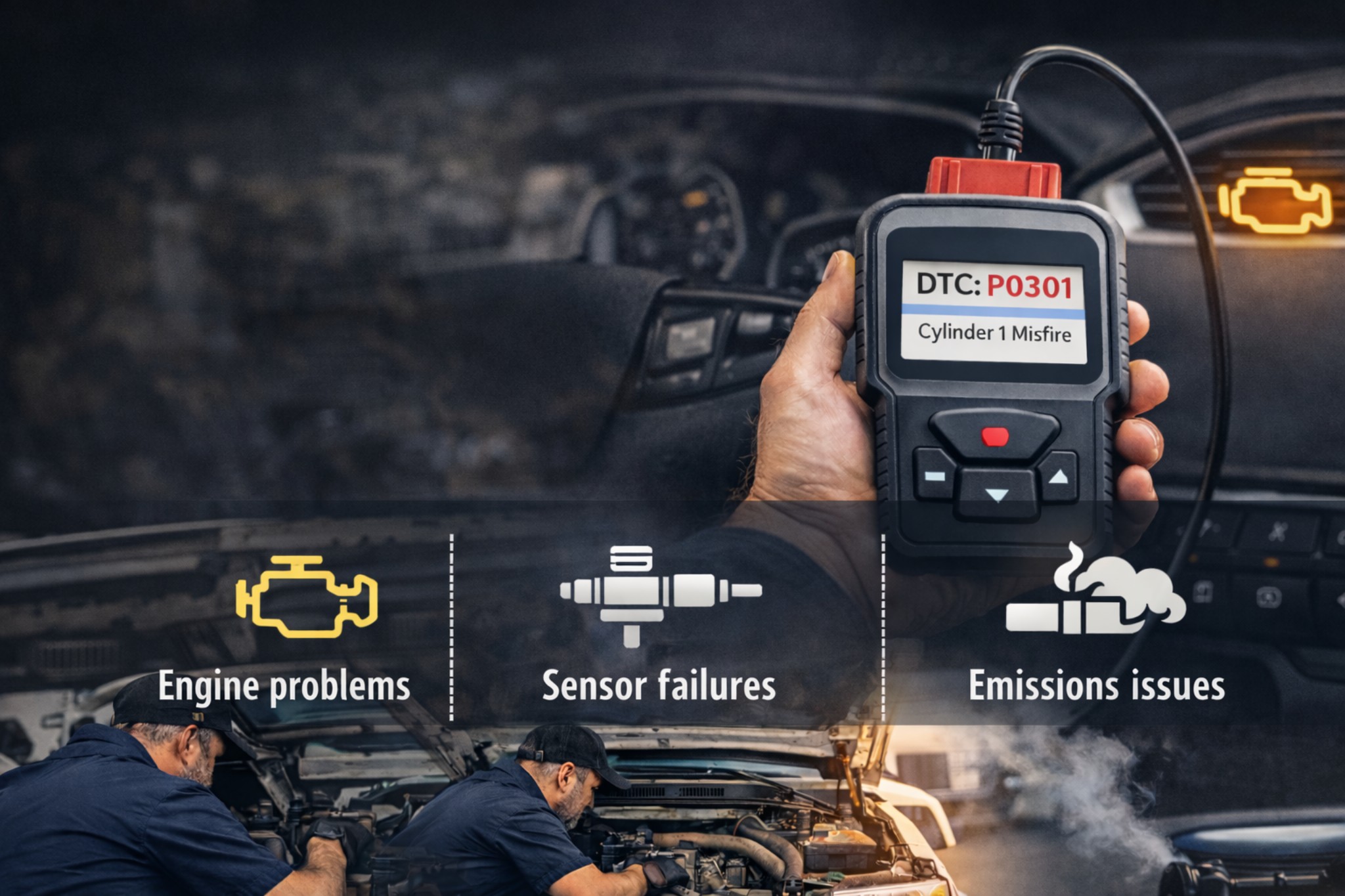
DTC Status Types and Operational Meaning
| Status Type | System Condition | Operational Meaning | Typical Action Timing |
|---|---|---|---|
| Active | Fault currently detected | Immediate attention required | Same-day review |
| Pending | Intermittent or developing issue | Monitor and verify | Schedule inspection |
| Confirmed | Repeated fault occurrences | High likelihood of repair need | Near-term service |
| Cleared | Code manually erased or resolved | Track for recurrence | Ongoing monitoring |
| Historic | Past issue no longer active | Useful for trend analysis | Documentation only |
Generic Codes vs. Manufacturer-Specific Codes

Generic Codes
- Standardized across most vehicle brands
- Easier to interpret with universal scanners
- Consistent severity indicators
- Suitable for mixed-fleet baseline diagnostics

Manufacturer-Specific Codes
- Unique definitions per vehicle brand or model
- May require brand-specific tools or software
- Higher diagnostic precision when interpreted correctly
- Increased risk of misinterpretation without documentation
What Diagnostic Trouble Codes Are and How They Work
Diagnostic Trouble Codes are structured alphanumeric identifiers that reflect system-detected abnormalities rather than confirmed failures. Their purpose is to narrow investigation scope rather than deliver final diagnoses.
- Codes typically begin with a letter indicating system category (Powertrain, Body, Chassis, Network)
- Numeric sequences represent subsystem and fault detail
- Codes are generated when sensor data falls outside expected thresholds
- Clearing a code does not resolve the root cause
- Codes assist technicians in prioritizing inspection paths
Operational Outcomes
- Faster fault isolation
- Reduced diagnostic guesswork
- Improved repair planning
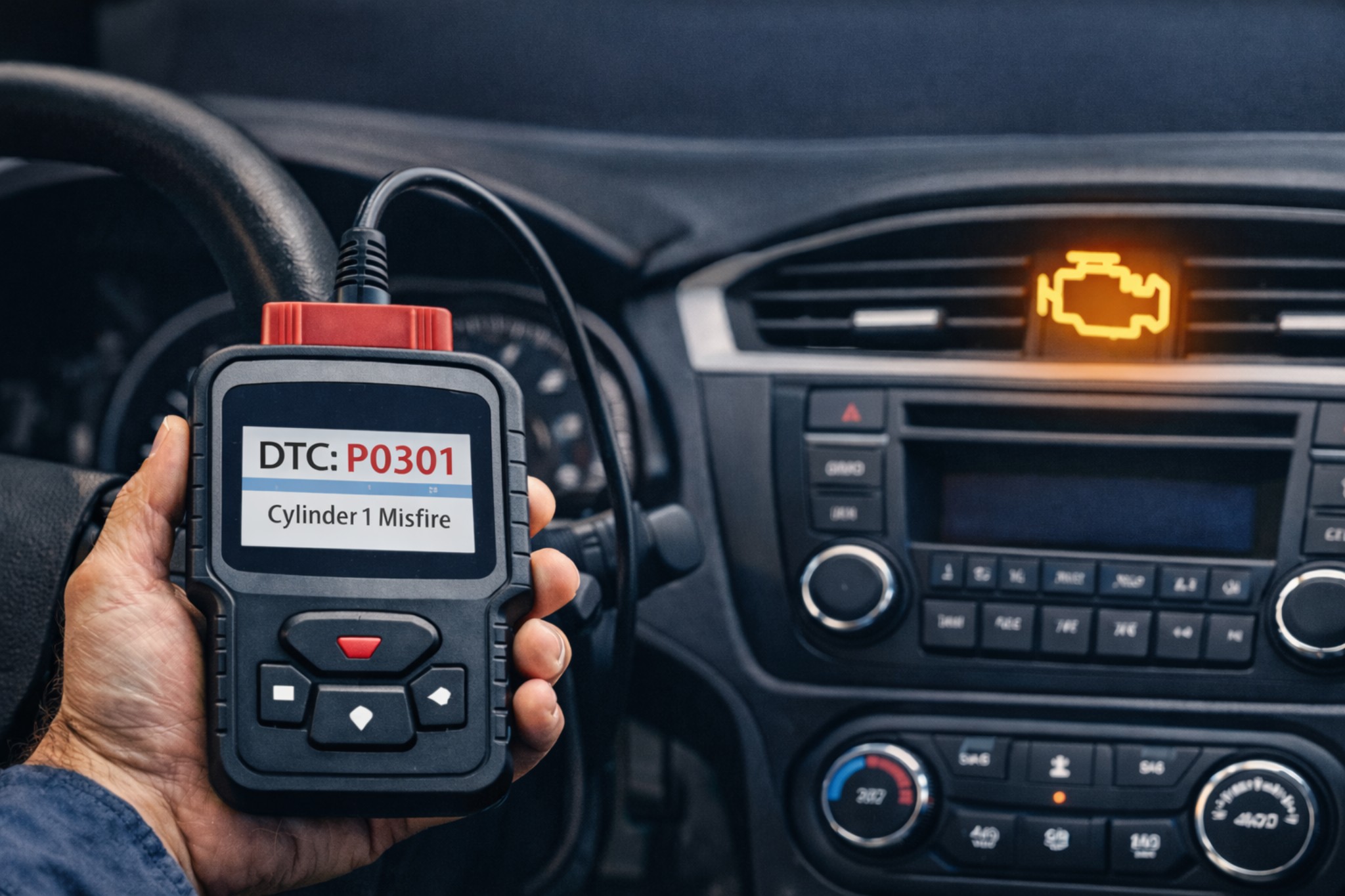

How Fleets Should Interpret and Prioritize DTCs
Not all DTCs require immediate vehicle removal from service. Prioritization should align with safety, compliance, and uptime considerations rather than code presence alone.
- Distinguish between safety-critical and efficiency-related alerts
- Evaluate recurrence frequency before escalation
- Consider vehicle role (long-haul vs. local duty)
- Align inspection timing with service intervals
- Record code history for trend visibility
Operational Outcomes
- Balanced maintenance scheduling
- Reduced unnecessary downtime
- Improved risk control
Common Causes Behind Frequent Fleet DTC Categories
Recurring DTCs often reflect underlying systemic or environmental patterns rather than isolated failures. Identifying root drivers reduces repeat repairs and parts waste.
- Sensor degradation due to age or contamination
- Wiring or connector corrosion
- Emissions component wear
- Vacuum or pressure irregularities
- Software calibration mismatches
Operational Outcomes
- Lower repeat repair rates
- Improved parts lifecycle management
- Better predictive maintenance accuracy
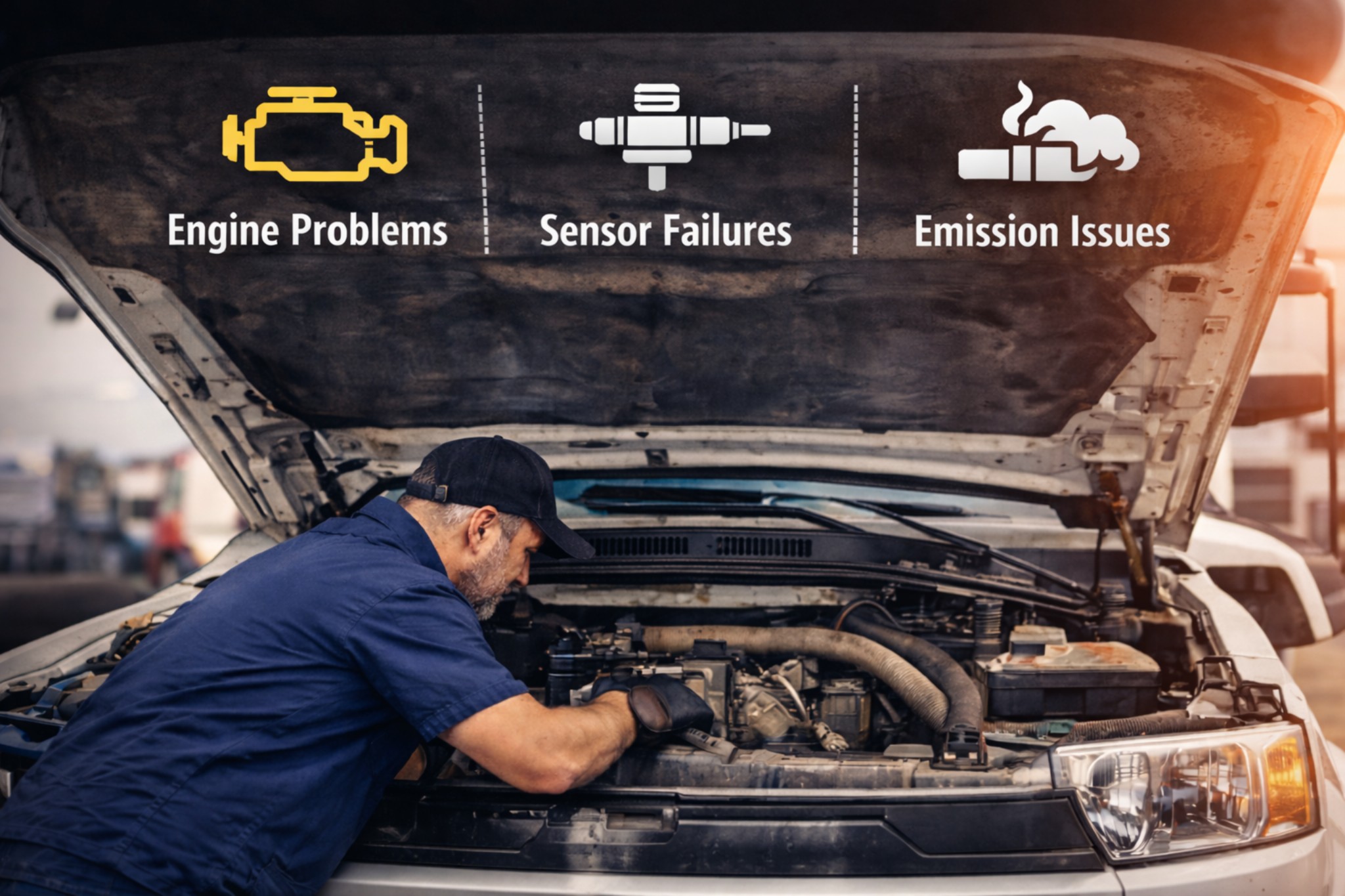
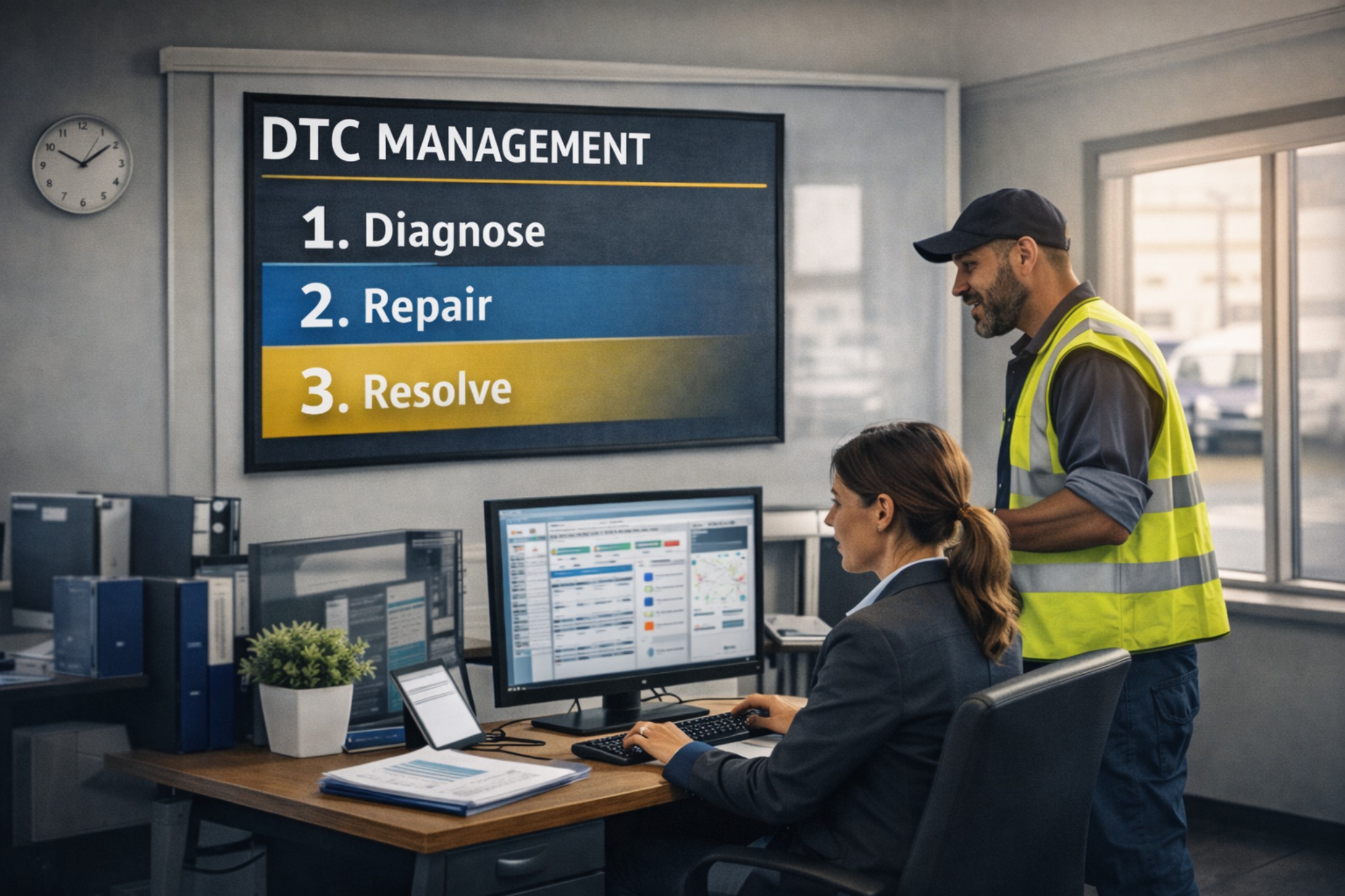
Practical Workflow for Handling DTCs in Fleet Operations
A structured workflow ensures that DTC handling remains consistent across vehicles, technicians, and locations, especially in multi-site fleets.
- Detect codes through inspections or telematics alerts
- Verify fault presence with secondary scans
- Cross-reference maintenance history
- Decide repair vs. monitor action
- Document outcomes and recurrence patterns
Operational Outcomes
- Standardized decision-making
- Clear accountability trails
- Data-driven maintenance planning
Final Takeaways
DTCs are early-warning indicators that support informed maintenance decisions when interpreted within operational context rather than in isolation.
- Treat codes as signals, not final diagnoses.
- Prioritize based on safety and recurrence, not visibility alone.
- Track historic and cleared codes for trend analysis.
- Use structured workflows to avoid inconsistent decisions.
- Maintain centralized records to support predictive maintenance.
AUTOsist Fleet Management Resources
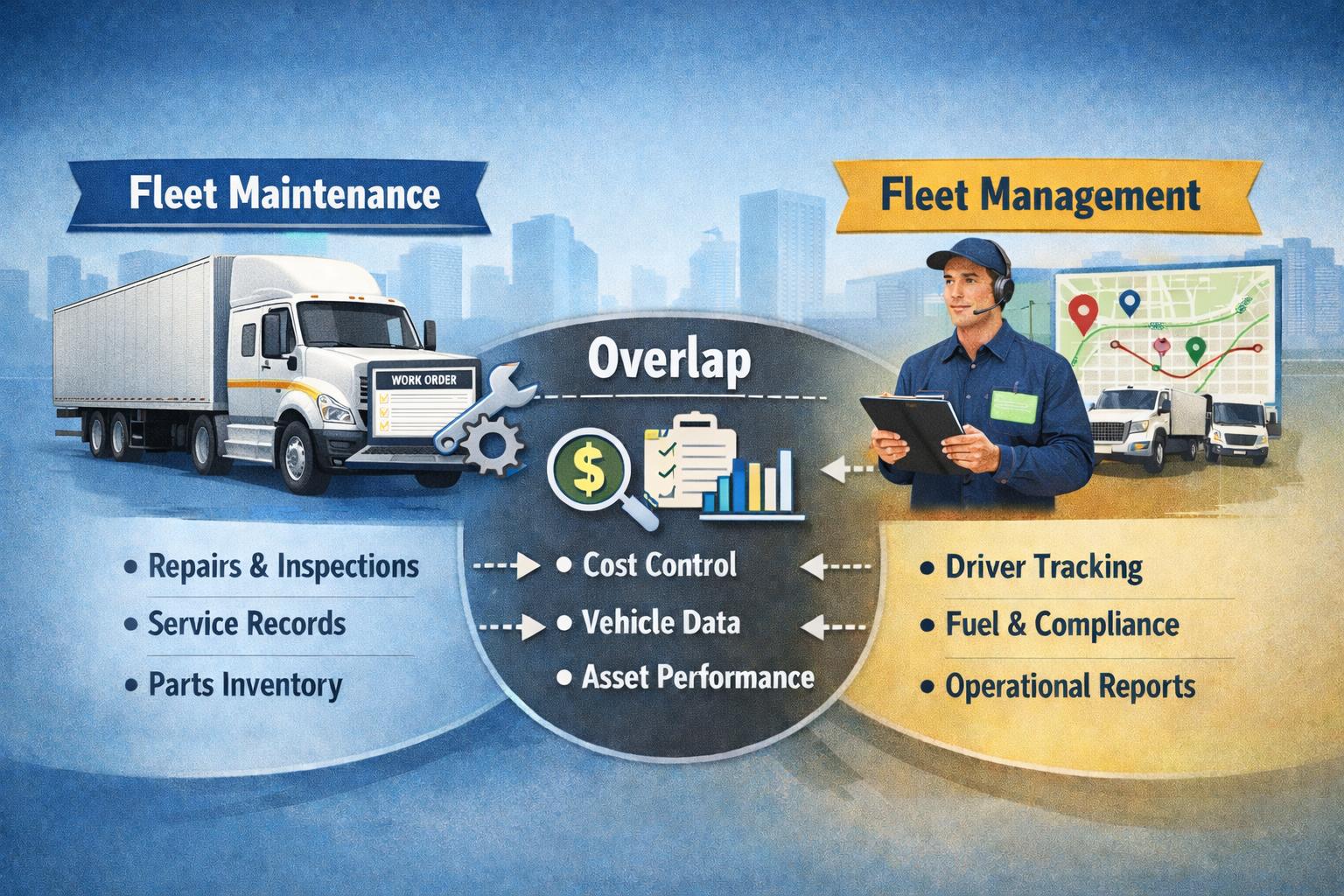
Fleet Maintenance vs. Fleet Management Guide

Vehicle Inspection Guide
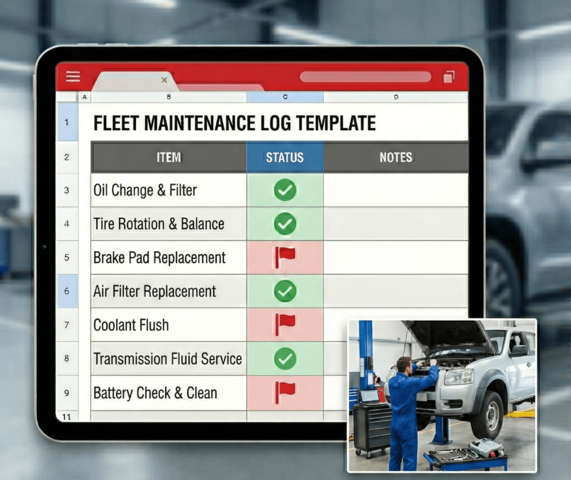
Fleet Maintenance Log Excel Template

Best Fleet Maintenance Software for Small Fleets