Driver Management & Compliance Software
Driver management & compliance software centralizes driver records, credentials, policy controls, and regulatory tracking to reduce operational risk and audit exposure. In fleet operations, it ensures only qualified, authorized drivers operate vehicles while maintaining documented compliance across inspections, safety programs, and regulatory requirements.

Driver Compliance Control Matrix
| Compliance Area | Required Artifact | Control Method | Primary Owner |
|---|---|---|---|
| License | Valid driver’s license | Expiration tracking + alerts | Fleet admin |
| Medical qualification | Medical card certificate | Renewal reminder workflow | Safety manager |
| Training | Safety training record | Completion validation rule | Operations lead |
| Policy acknowledgment | Signed policy document | Mandatory digital acknowledgment | HR / Fleet supervisor |
| Incident history | Violation record | Review + corrective action log | Safety manager |
| Assignment eligibility | Authorization status | Eligibility rule enforcement | Fleet manager |
Standalone Driver Compliance Tools vs Integrated Fleet Platform

Standalone Driver Compliance Tools
- Separate system for driver documents
- Limited enforcement against vehicle assignments
- Manual syncing with maintenance and inspection records
- Fragmented reporting across safety and operations

Integrated Fleet Platform
- Unified driver, vehicle, and inspection records
- Eligibility rules tied to vehicle assignments
- Compliance alerts aligned with inspection and safety workflows
- Consolidated reporting dashboards for management review
What Driver Management & Compliance Software Does Operationally
Driver management systems formalize how fleets control driver eligibility, documentation, and regulatory tracking. Instead of reactive file reviews, fleets operate within structured workflows that enforce compliance before risk materializes.
- Centralize driver profiles including license, certifications, and contact details
- Track document expirations with automated alerts
- Enforce eligibility rules before assigning vehicles
- Log safety events and violations in structured records
- Maintain digital history for audit verification
Operational outcomes:
- Reduced risk of unauthorized vehicle use
- Improved audit readiness
- Clear accountability across safety and operations


Core Driver Data, Documents, and Policy Controls
A structured driver data model prevents inconsistent recordkeeping and reporting gaps. Each required credential and policy acknowledgment must be standardized, validated, and governed.
- Maintain driver license class and expiration date fields
- Store medical certifications and renewal timelines
- Record safety training completion and refresh intervals
- Capture signed policy acknowledgments
- Assign drivers to vehicles with rule-based eligibility checks
Fleets aligning these controls with their broader fleet compliance guide processes reduce regulatory exposure and reporting inconsistencies.
Governance benefits:
- Standardized data entry
- Controlled document lifecycle
- Reliable compliance reporting
Compliance Workflows, Alerts, and Exception Handling
Compliance software must do more than store documents; it must trigger action before non-compliance occurs. Alerting rules, escalation paths, and documented corrective actions are critical.
- Generate automated reminders before credential expiration
- Flag violations or missing documentation
- Require acknowledgment for updated safety policies
- Document corrective actions after incidents
- Escalate unresolved compliance gaps to supervisors
These workflows align closely with fleet safety programs and structured audit preparation processes such as those outlined in a fleet safety guide for fleet operations.
Risk control impact:
- Proactive compliance management
- Reduced administrative oversight burden
- Improved regulatory defensibility


Integration Points and Operational Dependencies
Driver compliance does not operate independently. It intersects with inspections, telematics, maintenance, and reporting systems.
- Connect driver records with digital vehicle inspection app workflows
- Link violations to vehicle service history records
- Align telematics safety events with driver profiles
- Consolidate compliance metrics within fleet reports and dashboard views
- Support mobile access for field updates
When integrated with broader fleet management software, driver compliance data becomes actionable rather than isolated.
Operational advantage:
- Unified data environment
- Reduced duplicate data entry
- Stronger performance reporting
Implementation, Adoption, and Ongoing Governance
Successful deployment requires role clarity, data cleanup, and policy alignment. Technology alone does not ensure compliance; governance discipline does.
- Audit and standardize existing driver records before migration
- Define role-based access and ownership responsibilities
- Establish recurring compliance review cadence
- Train supervisors on enforcement workflows
- Document policy update procedures
Fleets preparing for regulatory reviews often align this structure with established audit preparation checklists such as the fleet maintenance audit checklist.
Governance outcomes:
- Clear responsibility assignment
- Measurable compliance KPIs
- Consistent audit documentation

Final Takeaways
Driver management & compliance software formalizes control over who is authorized to operate fleet assets and under what conditions. Strong systems combine structured data, automated alerts, enforceable eligibility rules, and integrated reporting.
- Centralized driver records reduce administrative risk
- Alerting and escalation prevent preventable violations
- Integration improves enforcement consistency
- Governance discipline determines long-term success
AUTOsist Fleet Management Resources
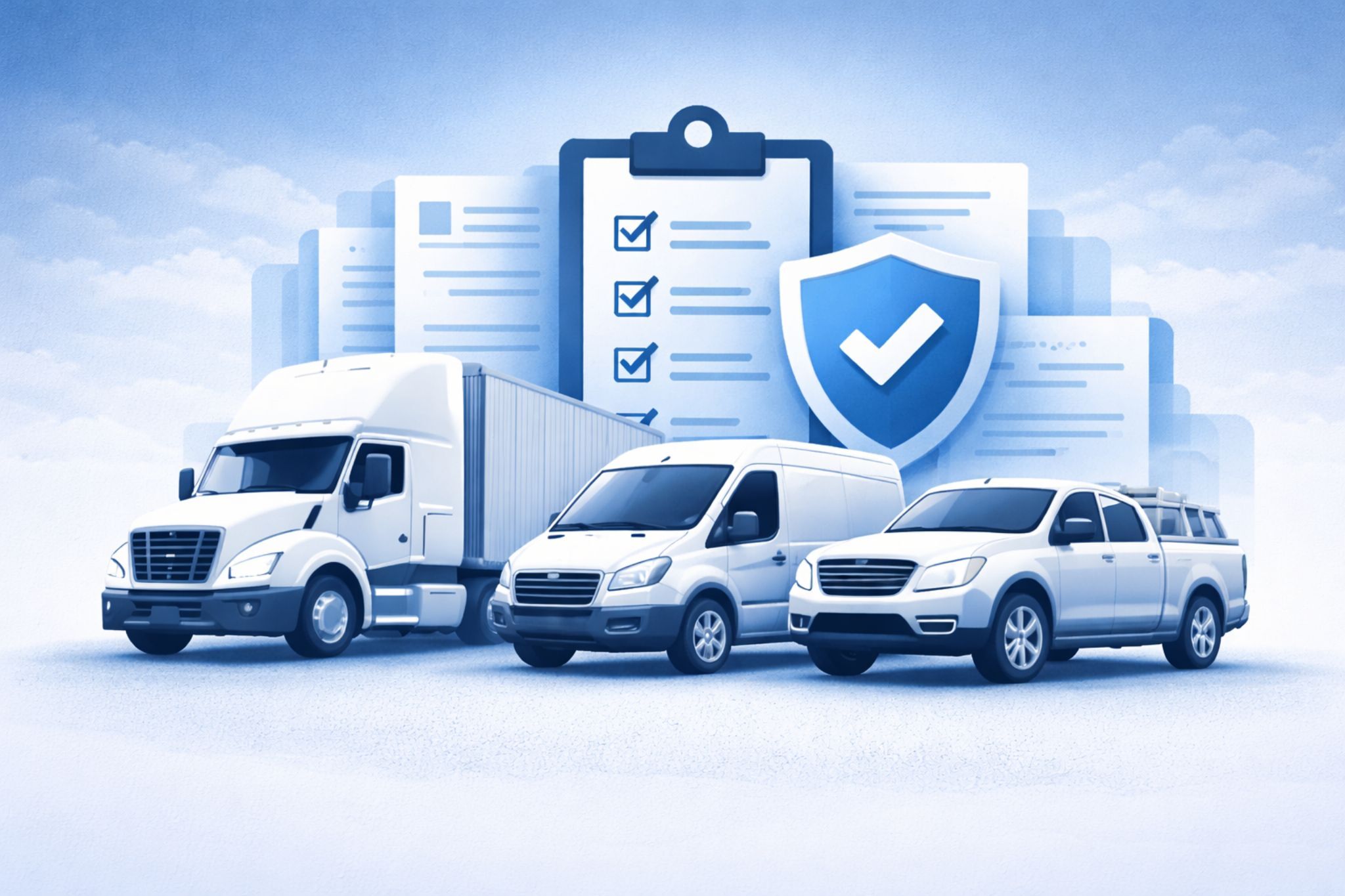
Fleet Compliance Guide

Fleet Safety Guide for Fleet Operations
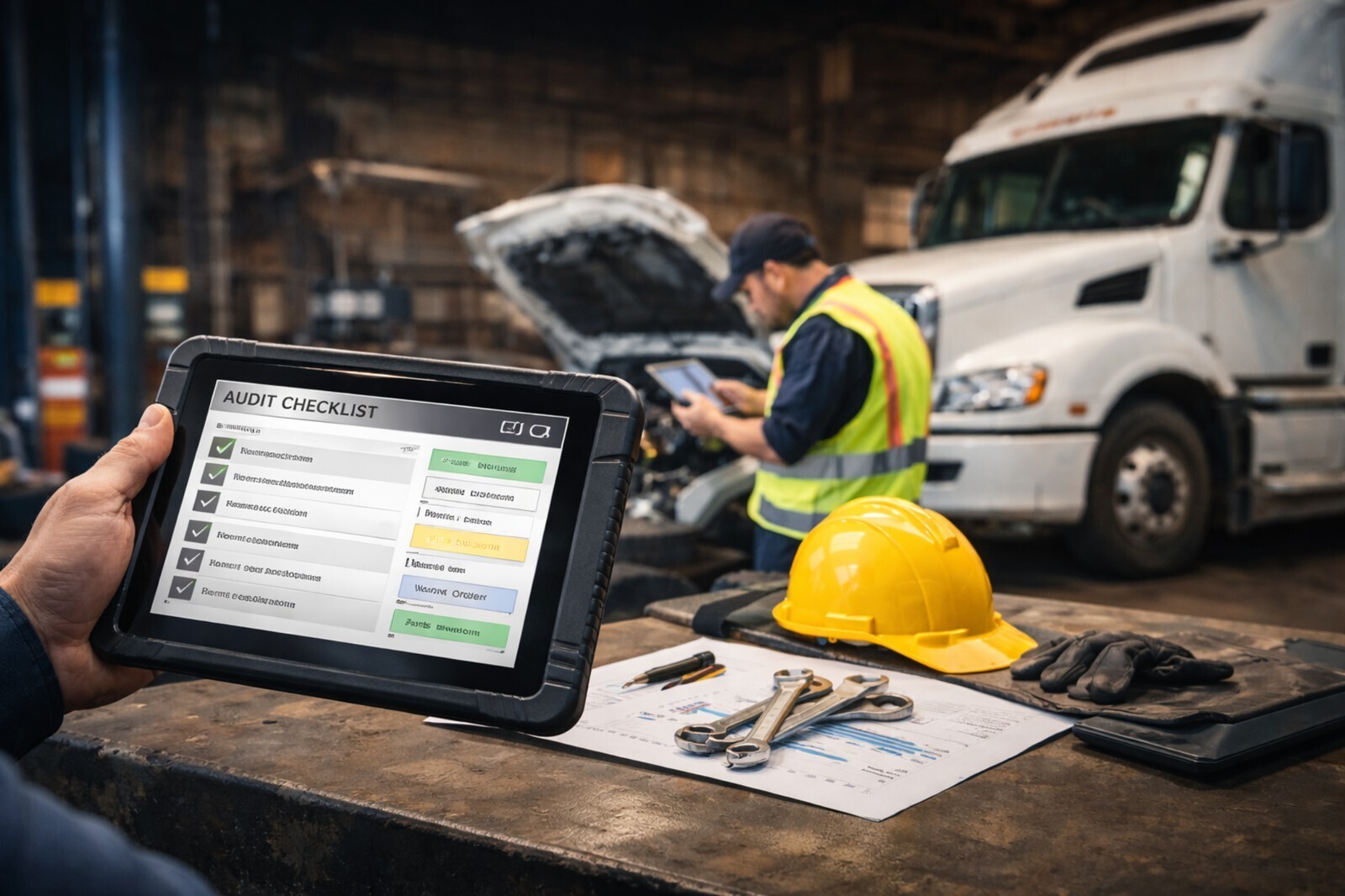
Fleet Maintenance Audit Checklist
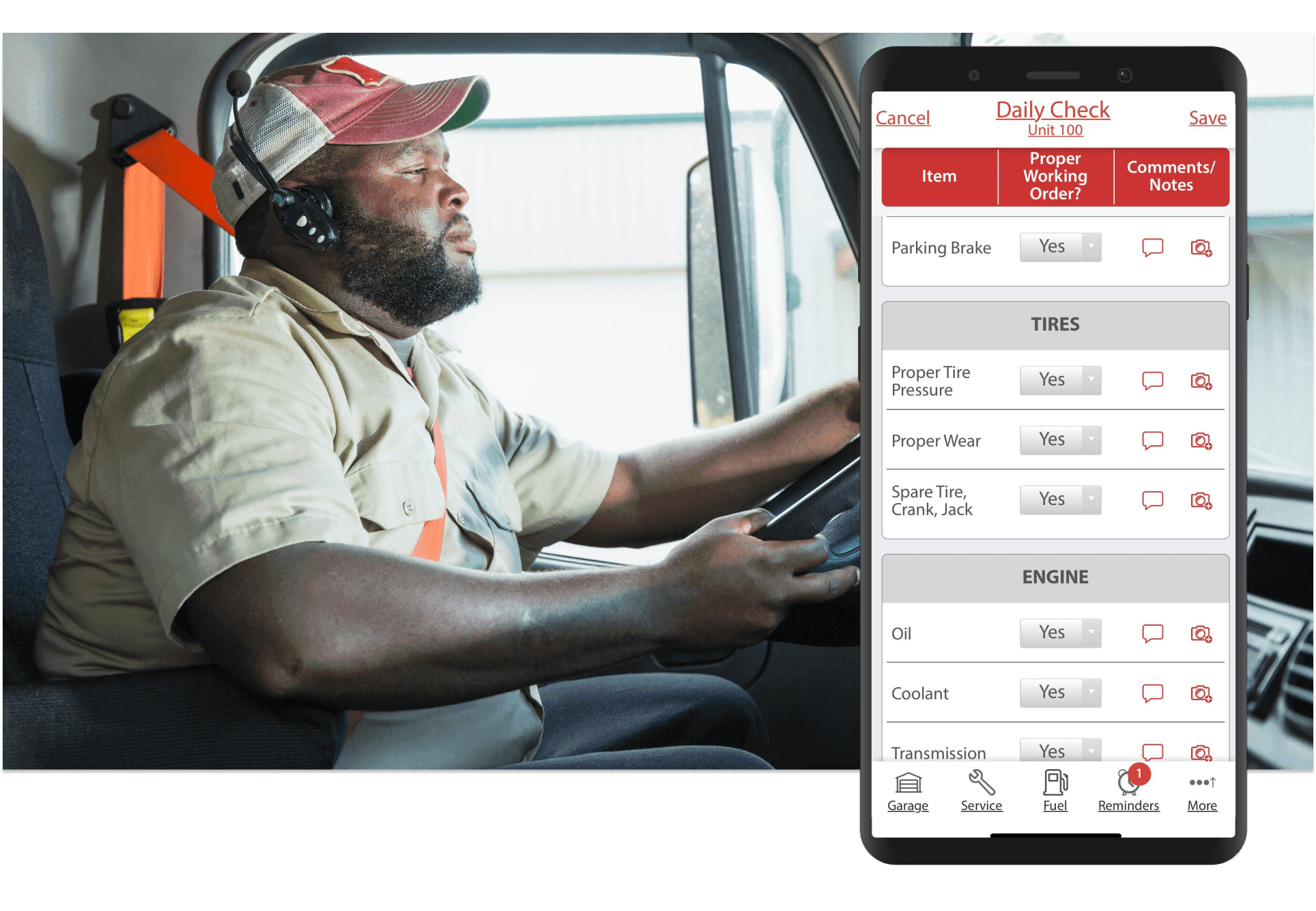
Fleet User and Driver Management