DVIR Compliance and Digital Inspection Guide
A Driver Vehicle Inspection Report (DVIR) is a formal process used to document vehicle condition before and after operation, ensuring safety, compliance, and maintenance visibility across fleet operations.
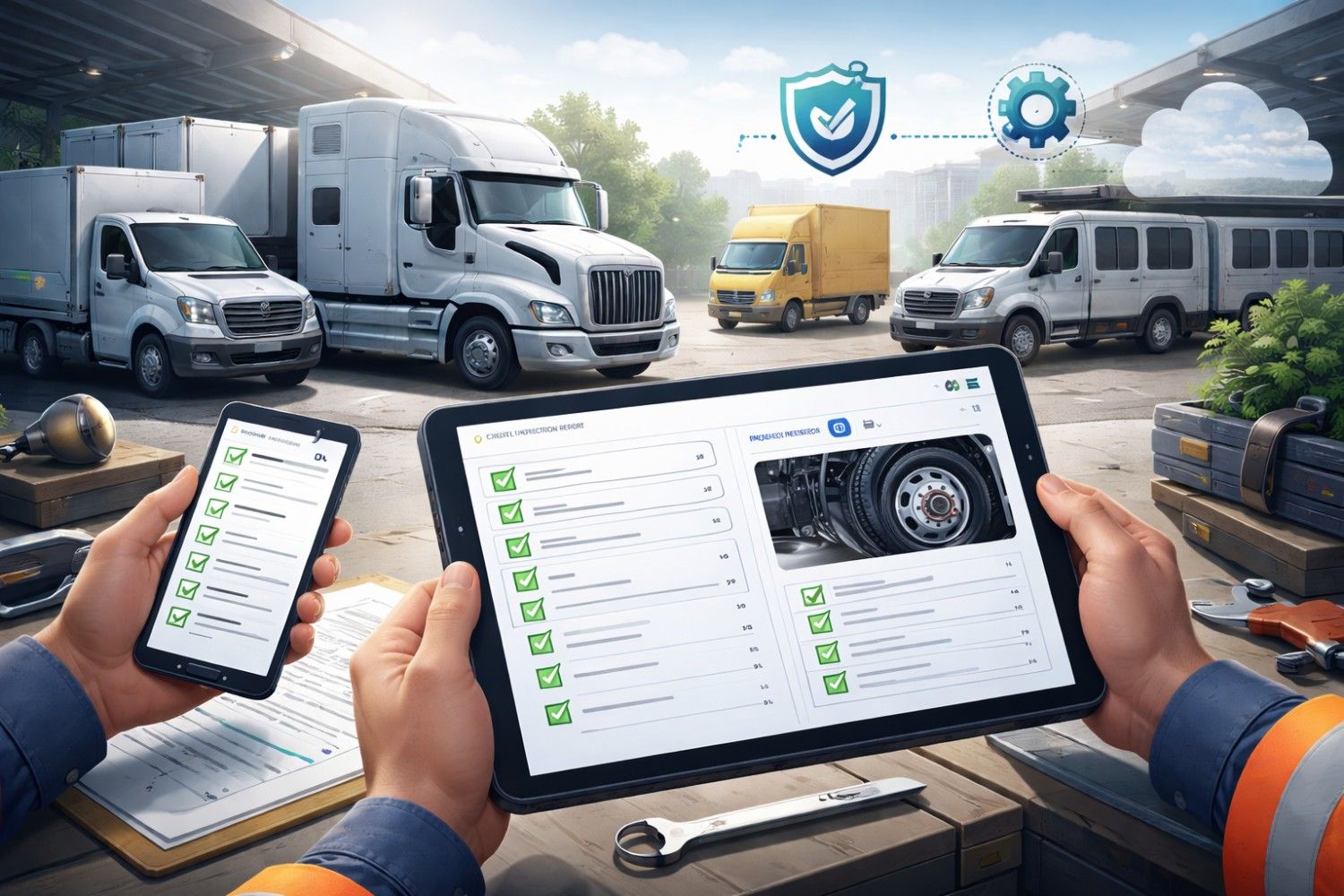
DVIR Components and Inspection Areas
| Component | Inspection Area | Common Issues | Action Required |
|---|---|---|---|
| Brakes | Brake system performance | Wear, air leaks | Immediate repair |
| Lights | Headlights, signals | Bulbs out, wiring faults | Replace or fix |
| Tires | Tread depth, pressure | Low tread, punctures | Repair or replace |
| Steering | Steering response | Loose or misaligned | Inspect and adjust |
| Suspension | Shock absorption | Worn components | Service required |
| Fluid Systems | Oil, coolant levels | Leaks, low levels | Refill or repair |
Paper DVIR vs Digital DVIR
Paper DVIR
- Manual entry increases risk of incomplete or inaccurate reporting
- Limited visibility until reports are physically reviewed
- Prone to lost, damaged, or illegible records
- Slower defect resolution due to delayed communication

Digital DVIR
- Standardized forms reduce errors and missing data
- Real-time visibility for operations and maintenance teams
- Centralized, searchable records improve audit readiness
- Faster defect reporting and resolution workflows
DVIR Requirements and Compliance Framework
DVIR compliance is governed by regulatory standards that require consistent inspection, defect reporting, and documentation. These requirements ensure vehicles remain safe and roadworthy while maintaining audit readiness.
- Pre-trip inspections must verify vehicle condition before operation
- Post-trip DVIRs must document any defects or deficiencies
- Drivers are responsible for accurate reporting and certification
- Carriers must ensure defects are reviewed and resolved before reuse
- Records must be retained for compliance and audit purposes
Operational outcome:
- Reduced compliance risk
- Improved accountability across drivers and maintenance teams
- Clear audit trail for inspections and repairs
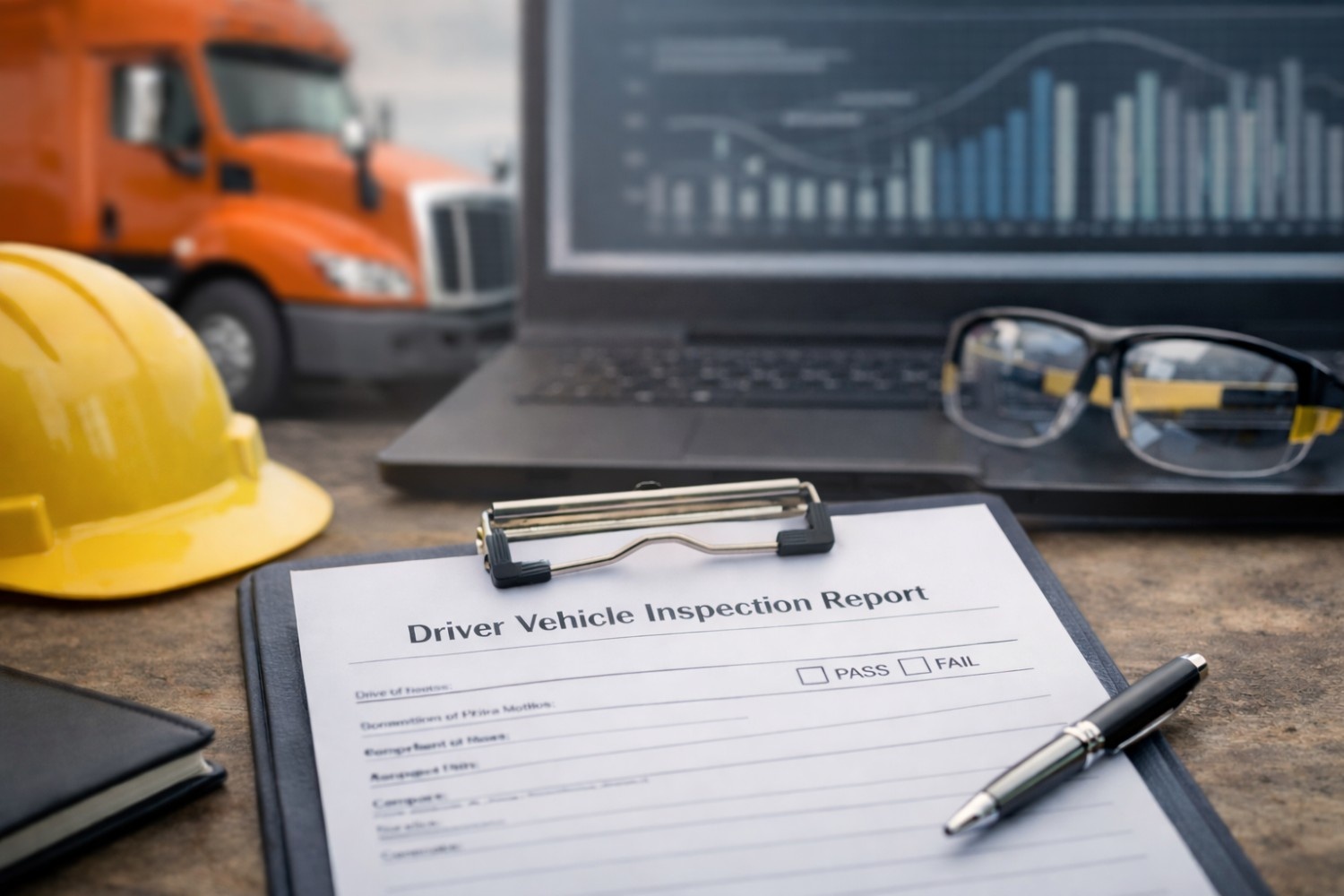
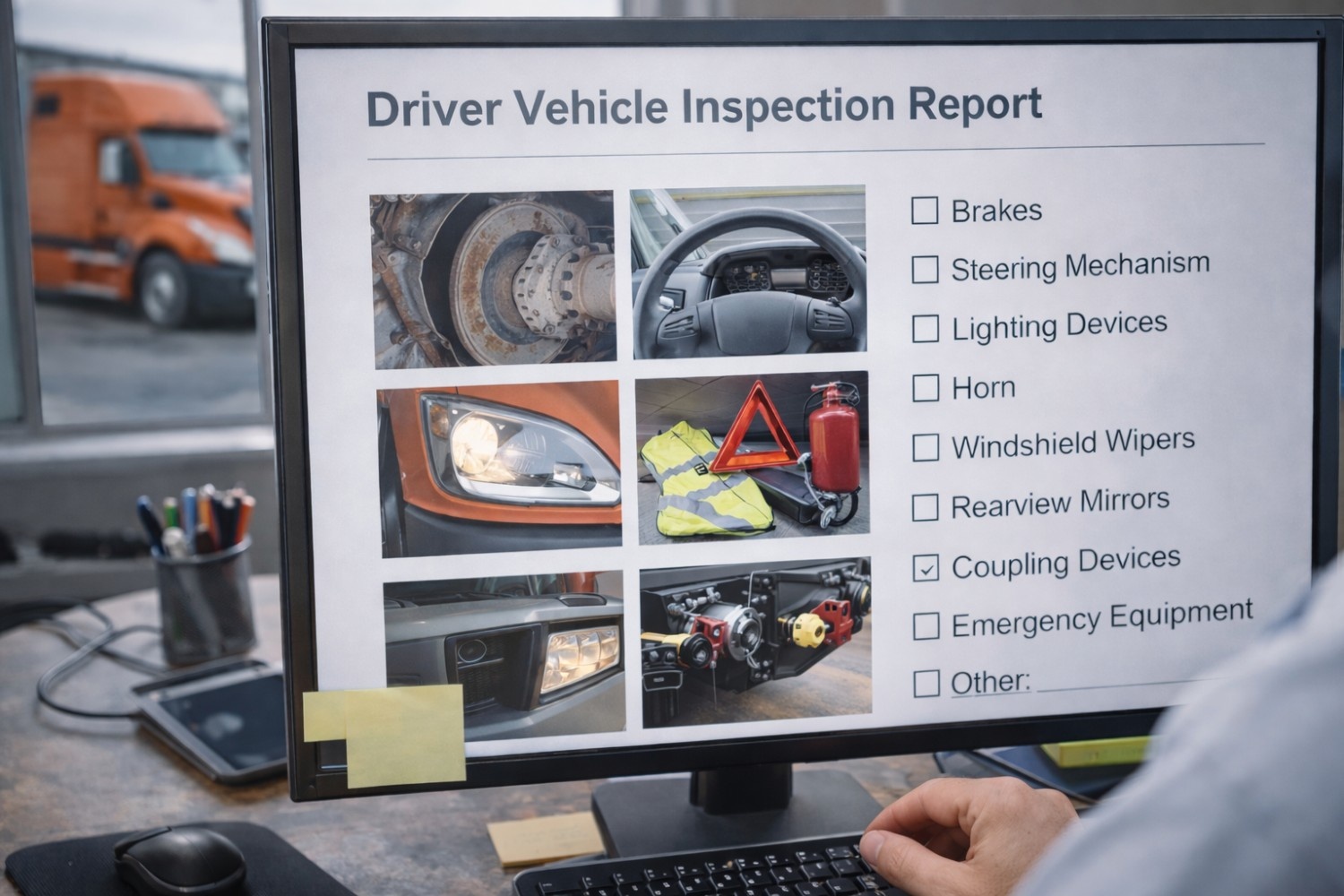
What a DVIR Includes (Data and Inspection Scope)
A DVIR captures structured inspection data across key vehicle systems, ensuring consistent evaluation and documentation of vehicle condition.
- Identification details (vehicle ID, driver, date, mileage)
- Inspection checklist covering safety-critical systems
- Defect classification (minor vs major issues)
- Driver comments and notes on observed issues
- Certification and sign-off by driver and maintenance
Operational outcome:
- Standardized inspection process
- Clear documentation of vehicle condition
- Improved communication between drivers and maintenance teams
DVIR Workflows and Operational Process
A structured DVIR workflow ensures defects are identified, communicated, and resolved efficiently without disrupting operations.
- Driver completes inspection before and after vehicle use
- Defects are recorded and categorized based on severity
- Maintenance teams review and prioritize reported issues
- Repairs are completed and documented
- Vehicle is cleared and certified for return to service
Operational outcome:
- Faster issue resolution
- Reduced vehicle downtime
- Improved maintenance planning and scheduling
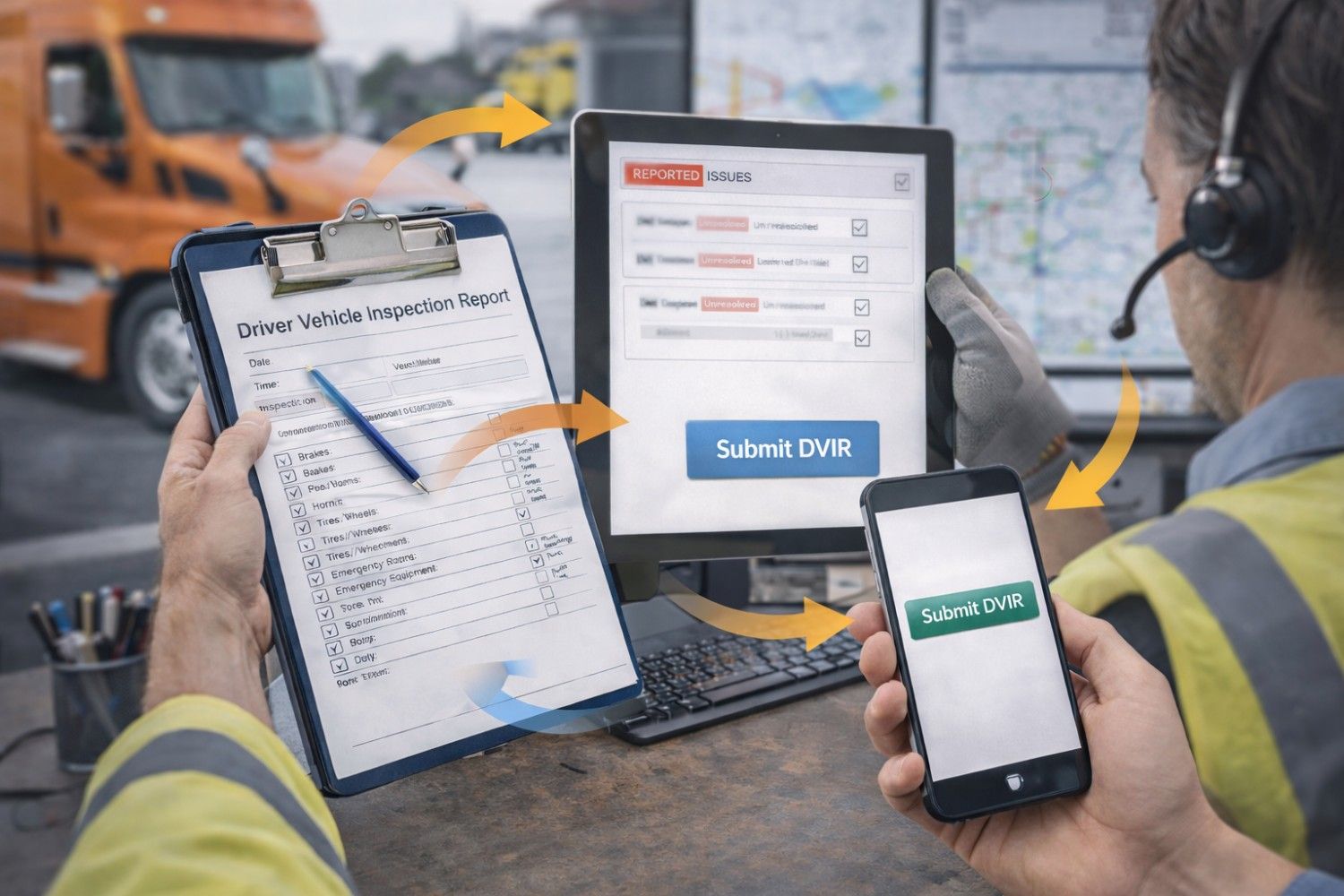
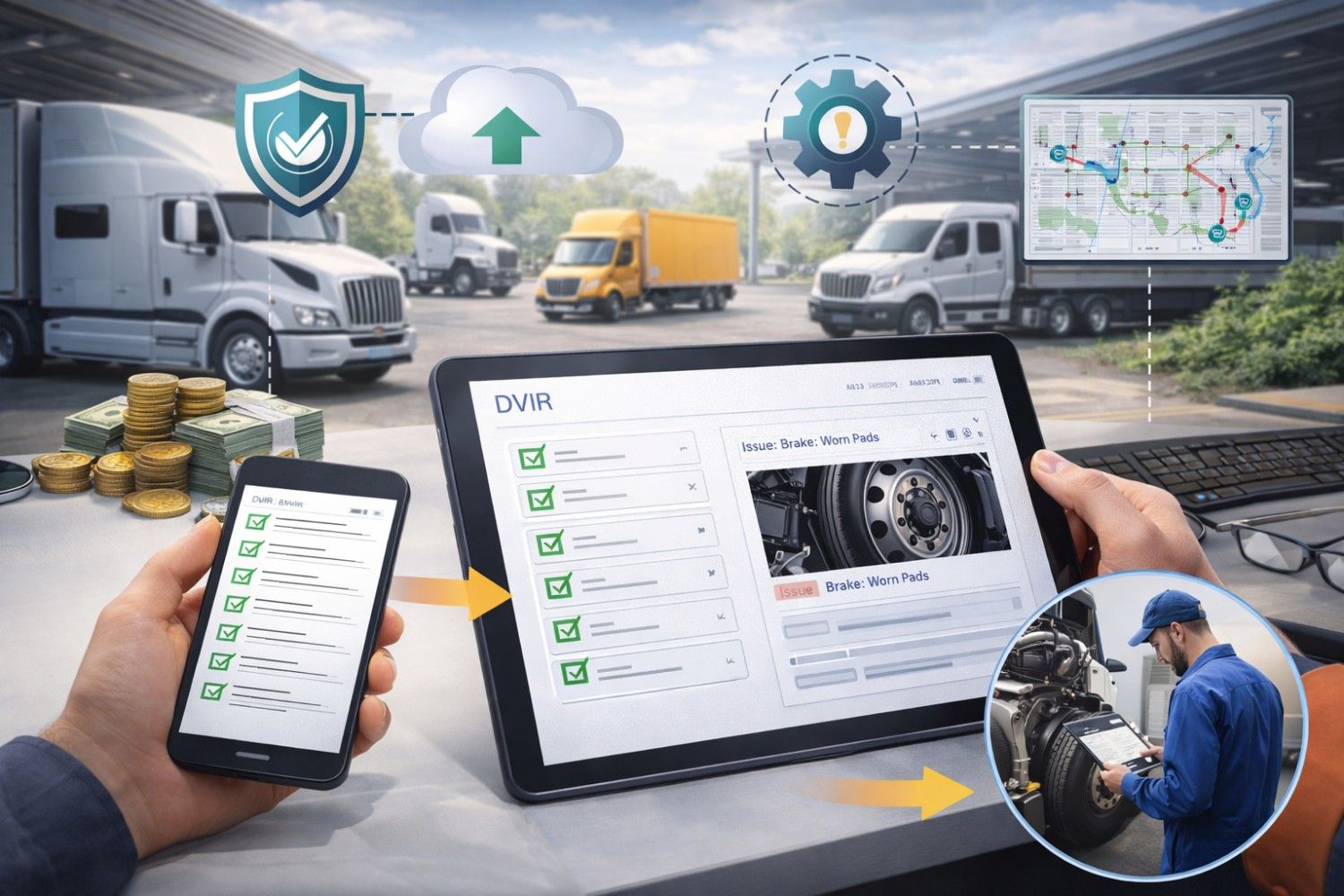
Digital DVIR Systems and Benefits
Digital DVIR systems replace manual processes with standardized, automated workflows that improve visibility and compliance across fleet operations.
- Real-time submission of inspection reports from mobile devices
- Automated alerts for unresolved defects
- Integration with maintenance scheduling and work orders
- Centralized storage for inspection and compliance records
- Improved audit readiness with complete digital history
A structured system such as a supports consistent inspections, real-time reporting, and streamlined compliance workflows.
Operational outcome:
- Reduced administrative burden
- Faster communication between drivers and maintenance
- Higher data accuracy and compliance consistency
Final Takeaways
DVIR compliance is a foundational component of fleet safety and operational control, ensuring that vehicles are inspected, defects are addressed, and records are maintained consistently.
- Standardized DVIR processes improve safety and compliance
- Digital systems significantly reduce errors and delays
- Clear workflows ensure defects are resolved before vehicles return to service
- Centralized records strengthen audit readiness
- Integration with maintenance systems improves overall fleet efficiency
AUTOsist Fleet Management Resources

How to Prepare for DOT Fleet Audit
Vehicle Inspection Guide
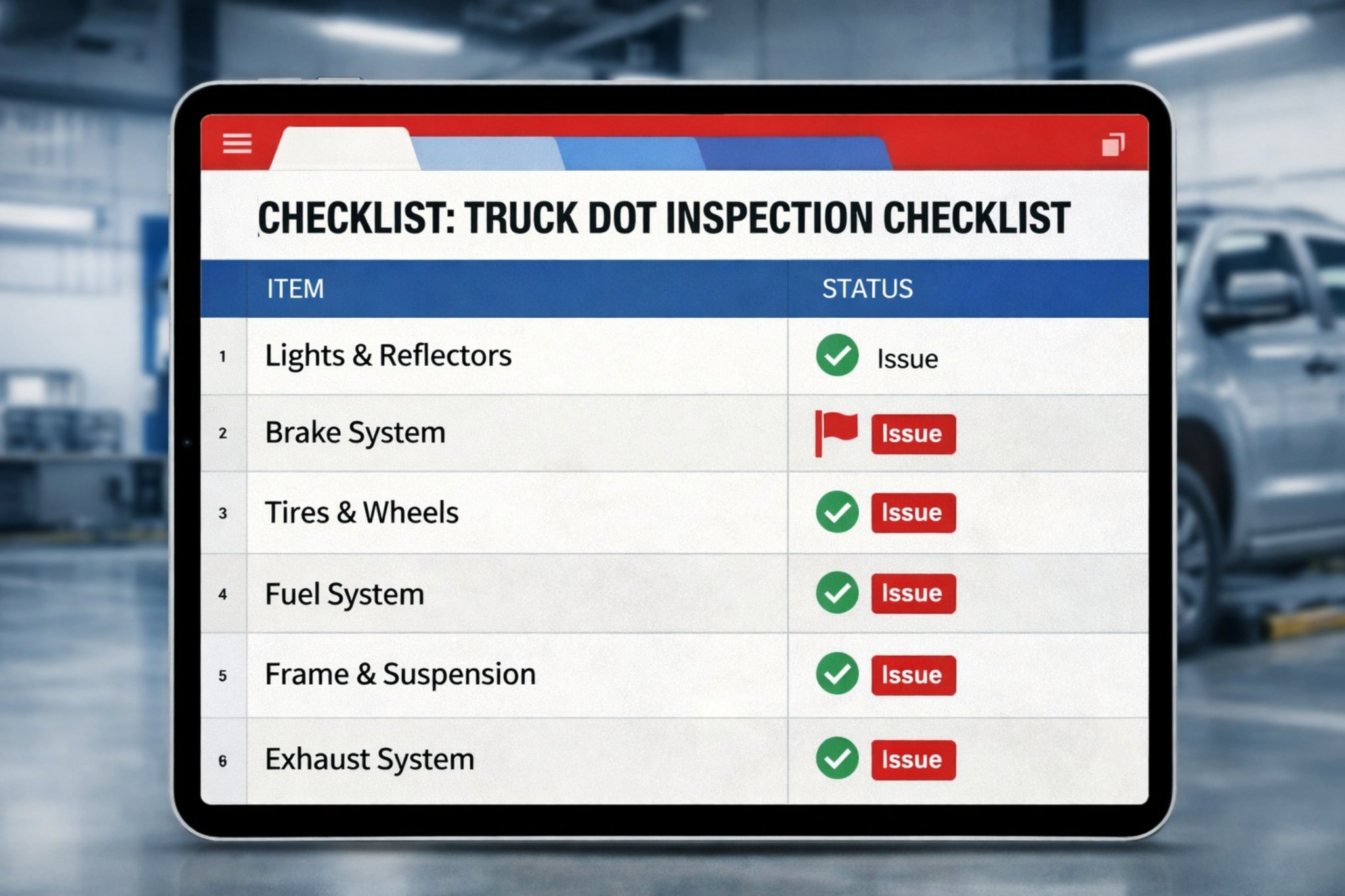
Truck DOT Inspection Checklist Template

Digital Vehicle Inspection App