Farm Equipment Maintenance Guide for Fleet Operations
Farm equipment maintenance is the structured process of inspecting, servicing, and documenting agricultural machinery to maintain reliability, safety, and operational continuity. In fleet contexts, consistent maintenance directly affects seasonal productivity, repair costs, and equipment lifespan.
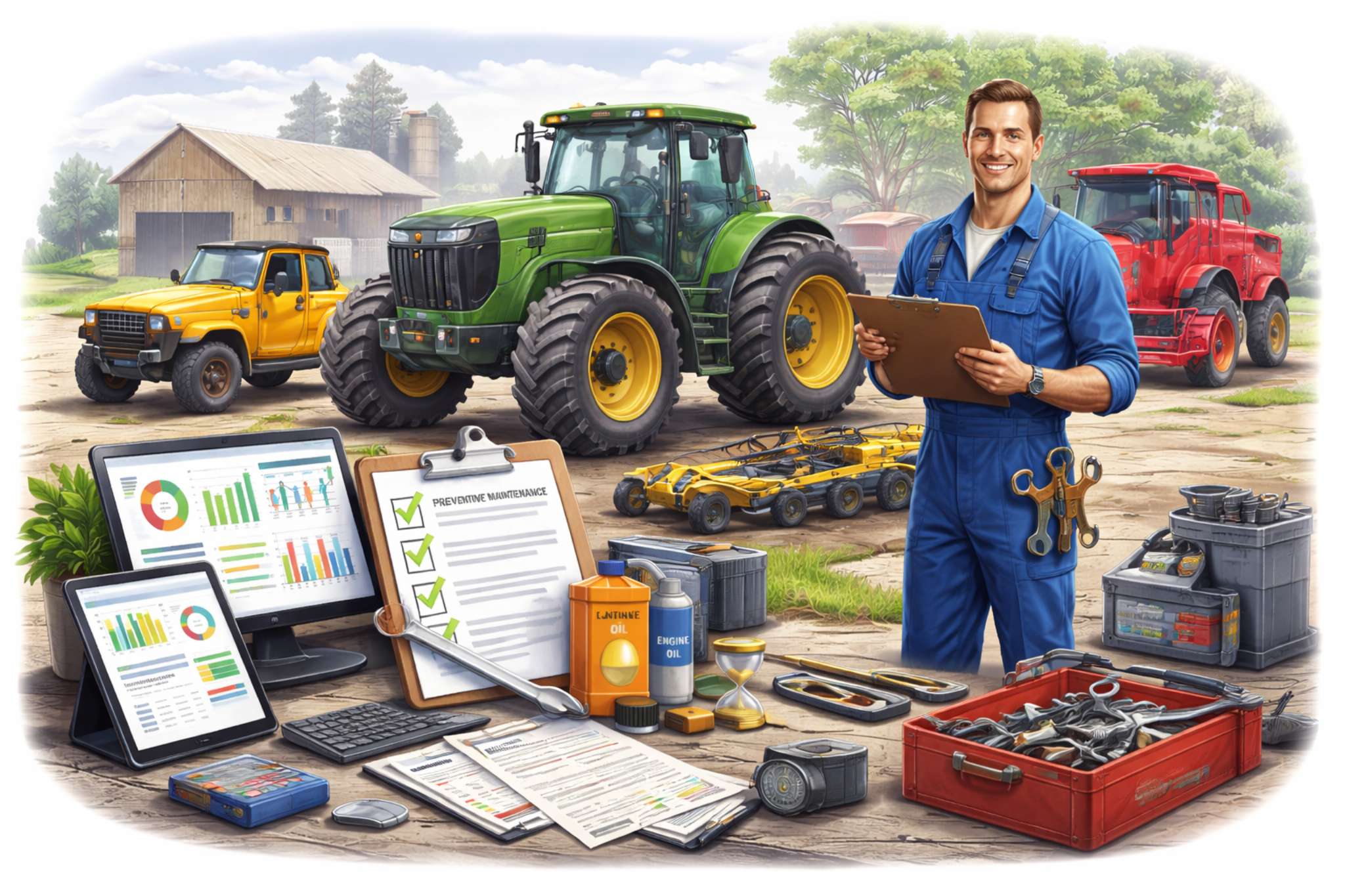
Seasonal Maintenance Checklist Overview
| Season Phase | Primary Focus | Typical Actions | Record Type |
|---|---|---|---|
| Pre-Season | Readiness | Fluid checks, battery test, filter replacement | Service Log |
| Early Season | Stability | Tire pressure, belt tension, lubrication | Inspection Form |
| Peak Season | Reliability | Daily walk-arounds, overheating checks | Daily Checklist |
| Late Season | Wear Control | Hydraulic leak checks, part replacements | Work Order |
| Post-Season | Preservation | Cleaning, storage prep, corrosion control | Storage Record |
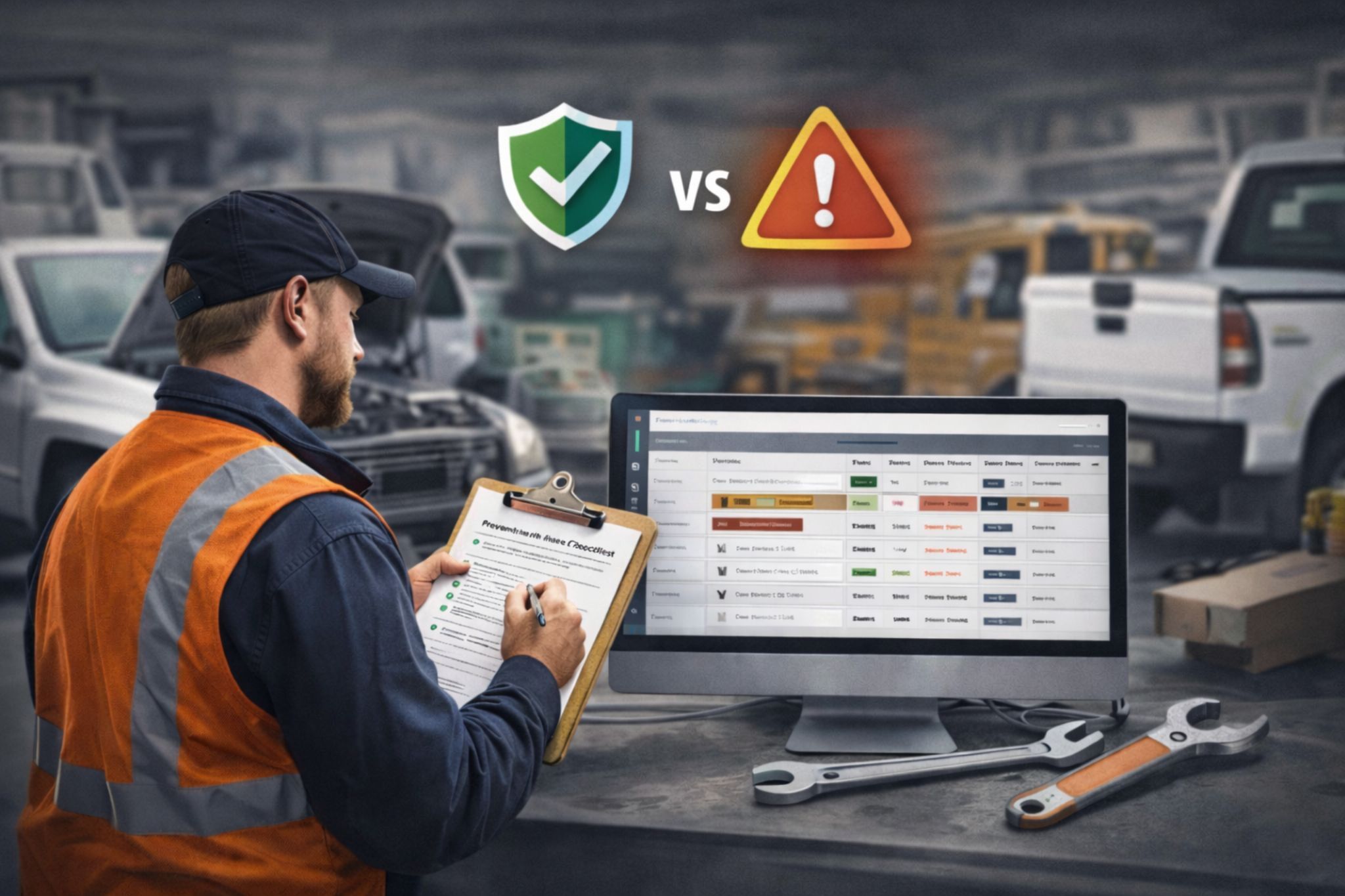
Preventive vs Reactive Maintenance for Farm Equipment

Preventive Maintenance
- Scheduled inspections reduce unexpected failures
- Parts are replaced before critical wear
- Downtime is planned rather than disruptive
- Service costs are more predictable

Reactive Maintenance
- Repairs occur after breakdowns
- Higher emergency labor and parts costs
- Unplanned downtime during peak usage
- Increased safety and compliance risk
Scope and Characteristics of Farm Equipment Fleets
Farm equipment fleets differ from standard vehicle fleets due to exposure to dust, moisture, vibration, and seasonal utilization spikes. Assets often include tractors, harvesters, sprayers, loaders, and utility vehicles, each with unique service needs. Operational planning must account for environment, workload intensity, and equipment age.
- Mixed asset types with different maintenance intervals
- Seasonal workload peaks requiring pre-season readiness
- High exposure to debris, mud, and moisture
- Greater reliance on hydraulic and PTO systems
- Extended idle periods during off-season
Outcome Gist
- Maintenance planning must align with seasons
- Asset diversity requires standardized inspection formats

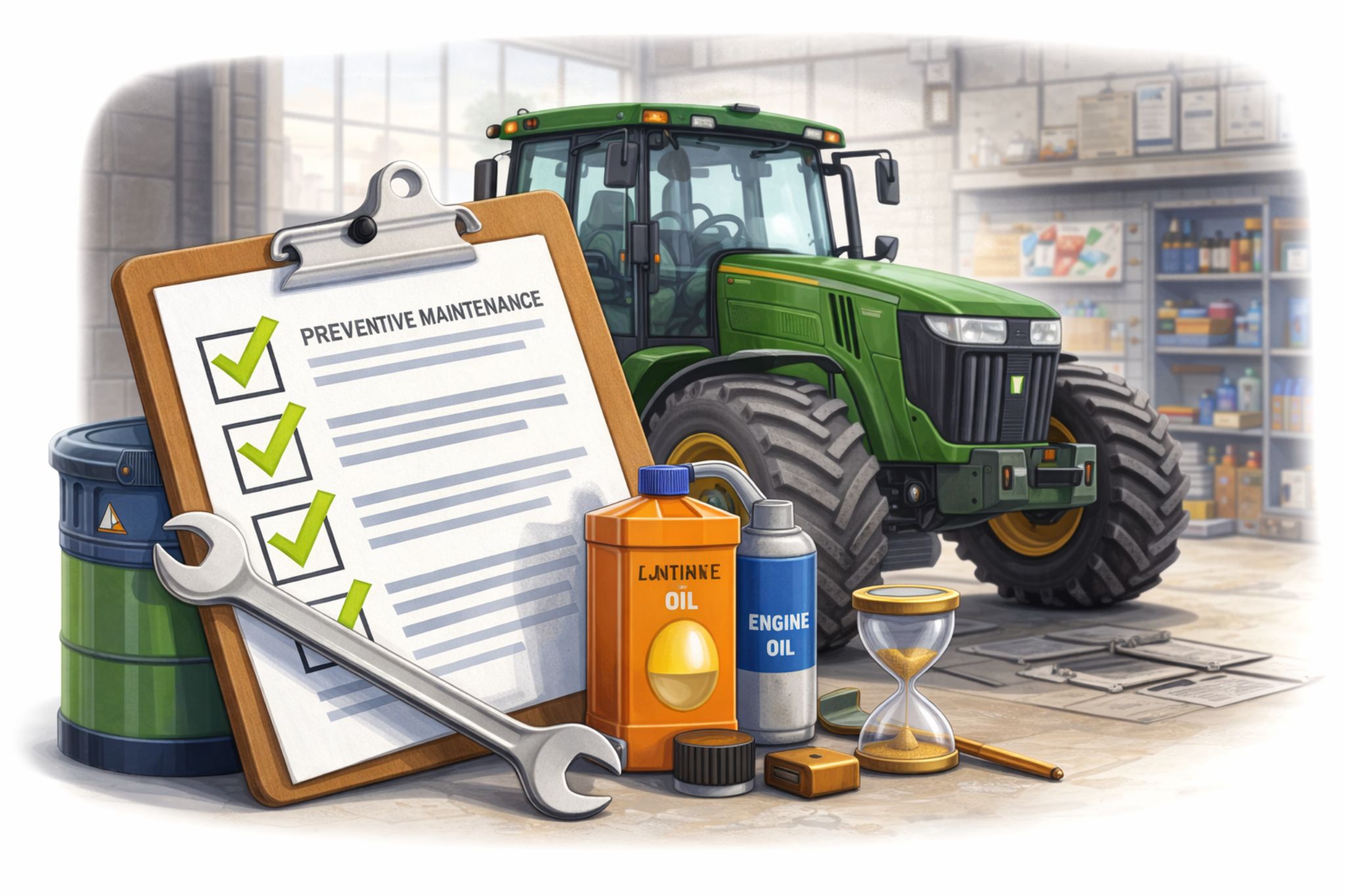
Preventive Maintenance Planning and Scheduling
Preventive planning ensures that service actions occur before failure conditions develop. Aligning schedules with manufacturer recommendations and real usage data reduces downtime and extends asset life. Many fleets reference structured resources such as the preventative maintenance guide for fleet operations and the vehicle inspection guide to standardize processes.
- Define service intervals by hours-of-use, not only calendar dates
- Schedule inspections before seasonal peaks
- Track OEM-recommended service milestones
- Assign responsibility for inspection completion
- Maintain centralized service records
Outcome Gist
- Predictable uptime improves seasonal productivity
- Consistent documentation supports audit readiness
Inspection, Parts, and Repair Control Systems
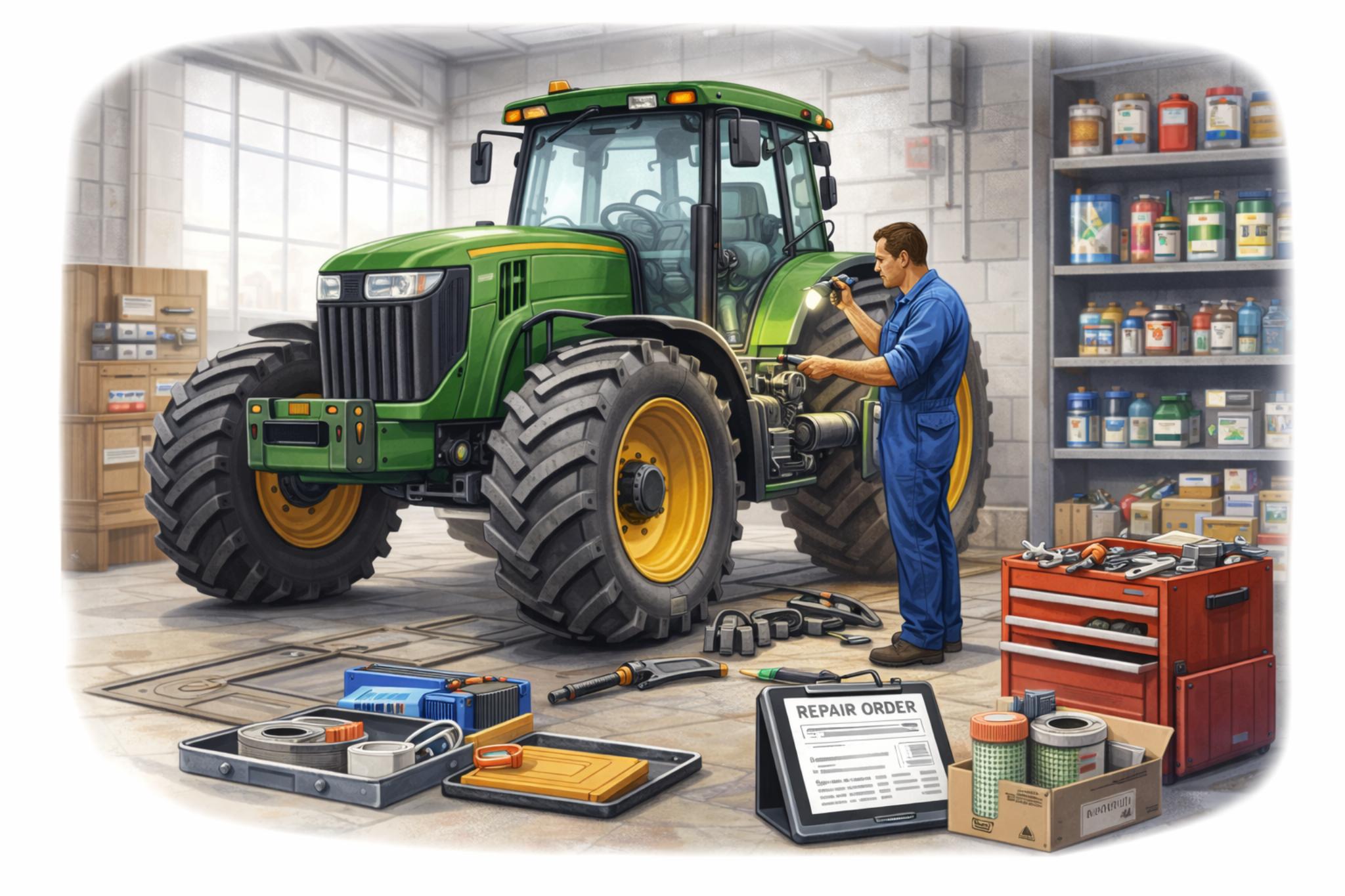
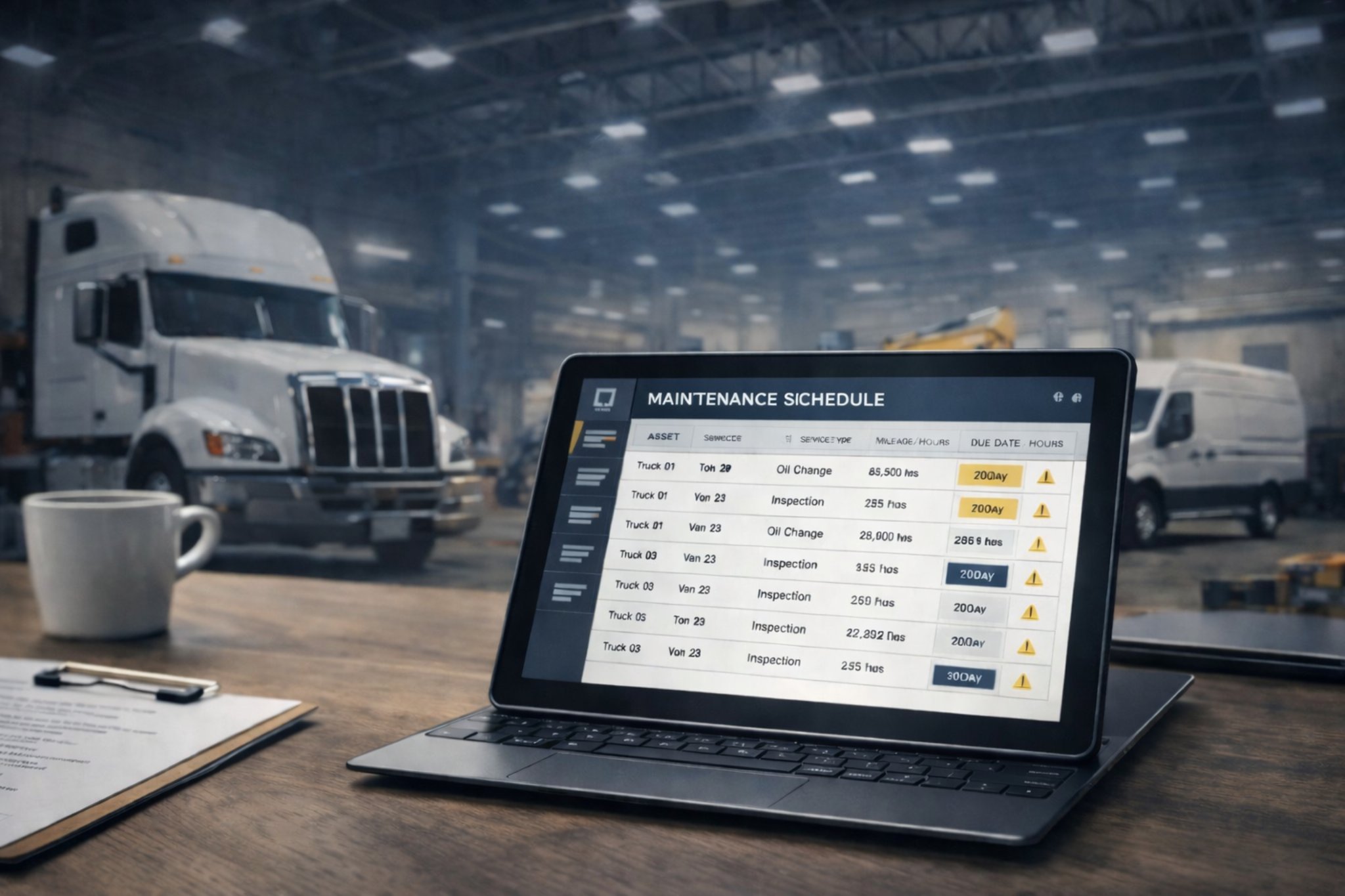
Daily and weekly inspection routines detect early signs of wear or failure. Effective fleets combine inspection discipline with parts availability and structured repair workflows. Using standardized formats such as a preventive maintenance schedule template reduces missed tasks and inconsistent records.
- Conduct daily walk-around inspections during active seasons
- Maintain minimum stock levels for high-wear components
- Use work orders to track repair status and labor
- Document hydraulic, electrical, and tire conditions
- Separate urgent repairs from scheduled maintenance
Outcome Gist
- Faster fault detection reduces secondary damage
- Structured repair tracking improves accountability

Data Tracking, Compliance, and Cost Control
Maintenance data provides visibility into utilization, service frequency, and total cost of ownership. Accurate logs support warranty claims, insurance reviews, and internal budgeting decisions. Digital systems can simplify this process through centralized records, dashboards, and automated reminders.
- Maintain complete service history per asset
- Track maintenance cost per operating hour
- Monitor utilization versus downtime ratios
- Retain inspection records for compliance reviews
- Standardize reporting formats across locations
Outcome Gist
- Data-driven decisions reduce lifecycle costs
- Centralized records improve transparency
Final Takeaways
Consistent farm equipment maintenance protects operational continuity and reduces financial risk during peak agricultural periods.
- Align maintenance schedules with seasonal workload cycles.
- Prioritize preventive inspections over reactive repairs.
- Maintain standardized records for every asset.
- Track parts inventory and repair workflows systematically.
- Use data visibility to manage cost per operating hour.
AUTOsist Fleet Management Resources
Preventative Maintenance Guide for Fleet Operations

Vehicle Inspection Guide
Preventive Maintenance Schedule Template

Equipment Maintenance Management Software