Fleet Budget Template: Annual Planning Guide
A fleet budget template is a structured framework used to forecast, allocate, and monitor all vehicle-related costs over a 12-month period. Consistent annual planning supports cost control, maintenance readiness, and compliance stability across the fleet.
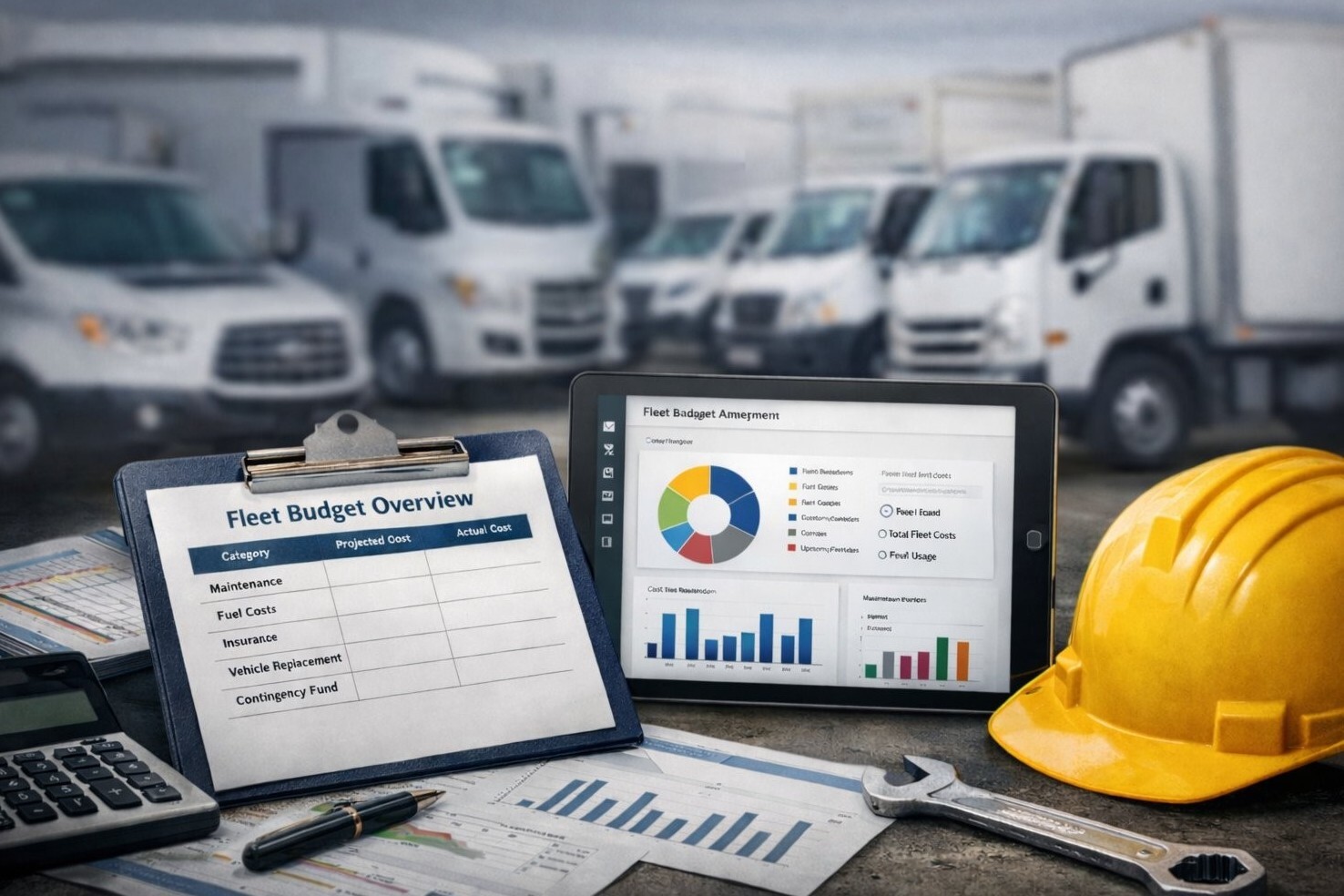
Budget Accuracy Improvement Checklist
| Checkpoint | Data Source | Responsible Role | Status |
|---|---|---|---|
| Maintenance history reviewed | Service logs | Maintenance manager | Pending |
| Fuel cost trends validated | Fuel reports | Operations lead | Complete |
| Insurance and permits confirmed | Policy documents | Finance | Pending |
| Replacement cycles evaluated | Asset register | Fleet manager | In progress |
| Contingency reserve defined | Prior budgets | Finance | Pending |
Reactive Budgeting vs Planned Budgeting

Reactive Budgeting
- Spending occurs after breakdowns or urgent needs arise
- Limited visibility into annual totals until late in the year
- Higher variance between forecasted and actual costs
- Increased risk of deferred maintenance and compliance gaps

Planned Budgeting
- Costs are forecasted before the fiscal year begins
- Regular reviews align spending with operational targets
- Lower variance through preventive maintenance scheduling
- Better readiness for inspections, renewals, and asset replacement
Core Cost Categories in Fleet Budget Planning
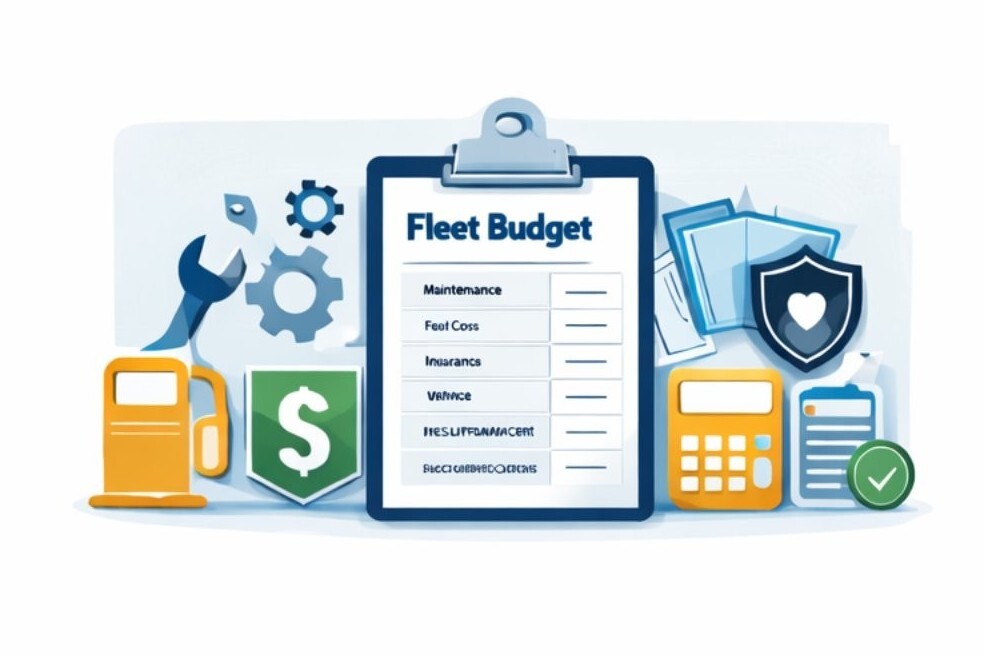
A complete fleet budget groups expenses into predictable categories so that recurring and variable costs are visible early in the planning cycle. Clear categorization reduces estimation errors and simplifies monthly tracking.
- Preventive and corrective maintenance labor and parts
- Fuel, energy, and lubrication costs by vehicle class
- Insurance premiums, permits, and registration renewals
- Depreciation, leasing, or financing obligations
- Technology and telematics subscriptions where applicable
Outcome focus
- Improved year-over-year comparability
- Easier variance analysis by category
Building the Annual Fleet Budget Step-by-Step
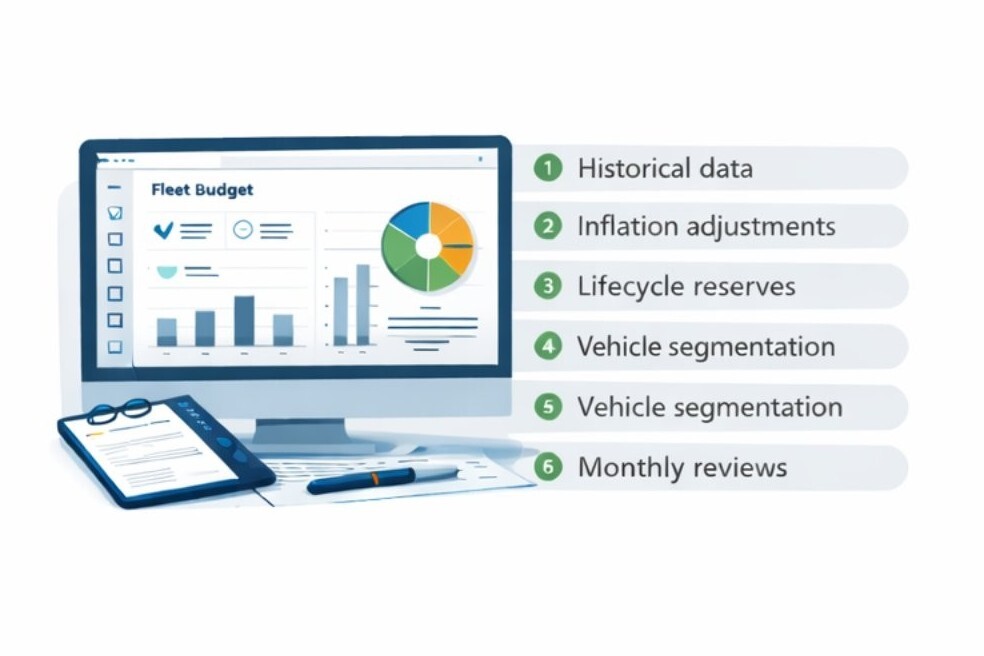
Annual budgeting benefits from a repeatable process that collects historical data, applies realistic assumptions, and assigns ownership for updates. A stepwise method reduces omissions and supports auditability.
- Compile prior 12–24 months of maintenance and fuel data
- Segment vehicles by type, duty cycle, and utilization rate
- Apply inflation or supplier price adjustments where known
- Allocate replacement and lifecycle reserves by asset age
- Assign monthly review checkpoints and responsible roles
Outcome focus
- Transparent assumptions and documented inputs
- Predictable monthly monitoring cadence
Data Sources and Record Systems That Improve Budget Accuracy
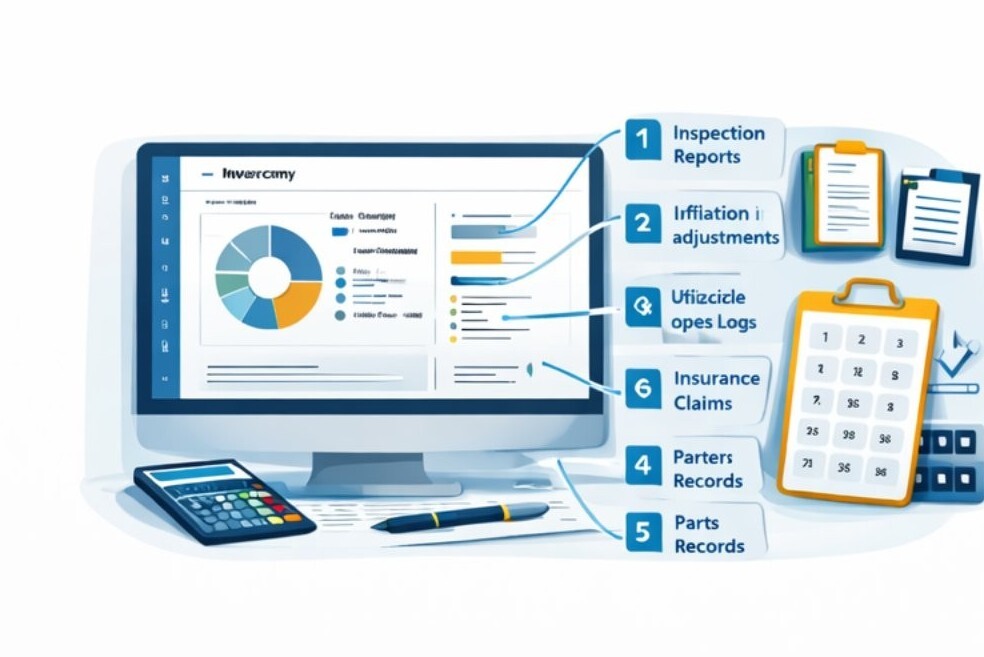
Reliable data inputs strengthen forecast precision and reduce late-year corrections. Centralized records allow finance and operations teams to reference the same figures during reviews.
- Inspection and work-order histories for parts and labor trends
- Fuel card or meter data for consumption baselines
- Utilization and mileage logs for duty cycle estimation
- Insurance claims and incident records for risk adjustments
- Inventory and procurement records for parts availability
Outcome focus
- Reduced estimation bias
- Faster reconciliation during quarterly reviews

Risk Buffers, Contingency Funds, and Compliance Costs
Even structured budgets require flexibility to absorb unplanned repairs, regulatory updates, or supply variability. Dedicated buffers protect operational continuity without distorting core category estimates.
- Emergency repair reserves based on historical failure rates
- Compliance allowances for inspections, emissions, and audits
- Seasonal variability adjustments for weather or peak demand
- Supplier price fluctuation margins for critical parts
- Asset downtime contingencies for rental or temporary replacements
Outcome focus
- Lower disruption from unexpected expenses
- Maintained service levels during peak periods
Final Takeaways
A fleet budget template provides a repeatable structure for forecasting, tracking, and adjusting vehicle-related expenses throughout the year. Consistent reviews and accurate data sources are central to maintaining cost control and operational readiness.
- Define standard cost categories before estimating totals.
- Base forecasts on documented maintenance and fuel histories.
- Schedule monthly or quarterly budget reviews with clear ownership.
- Maintain contingency reserves for repairs and compliance changes.
- Use centralized records to align finance and operations decisions.
AUTOsist Fleet Management Resources
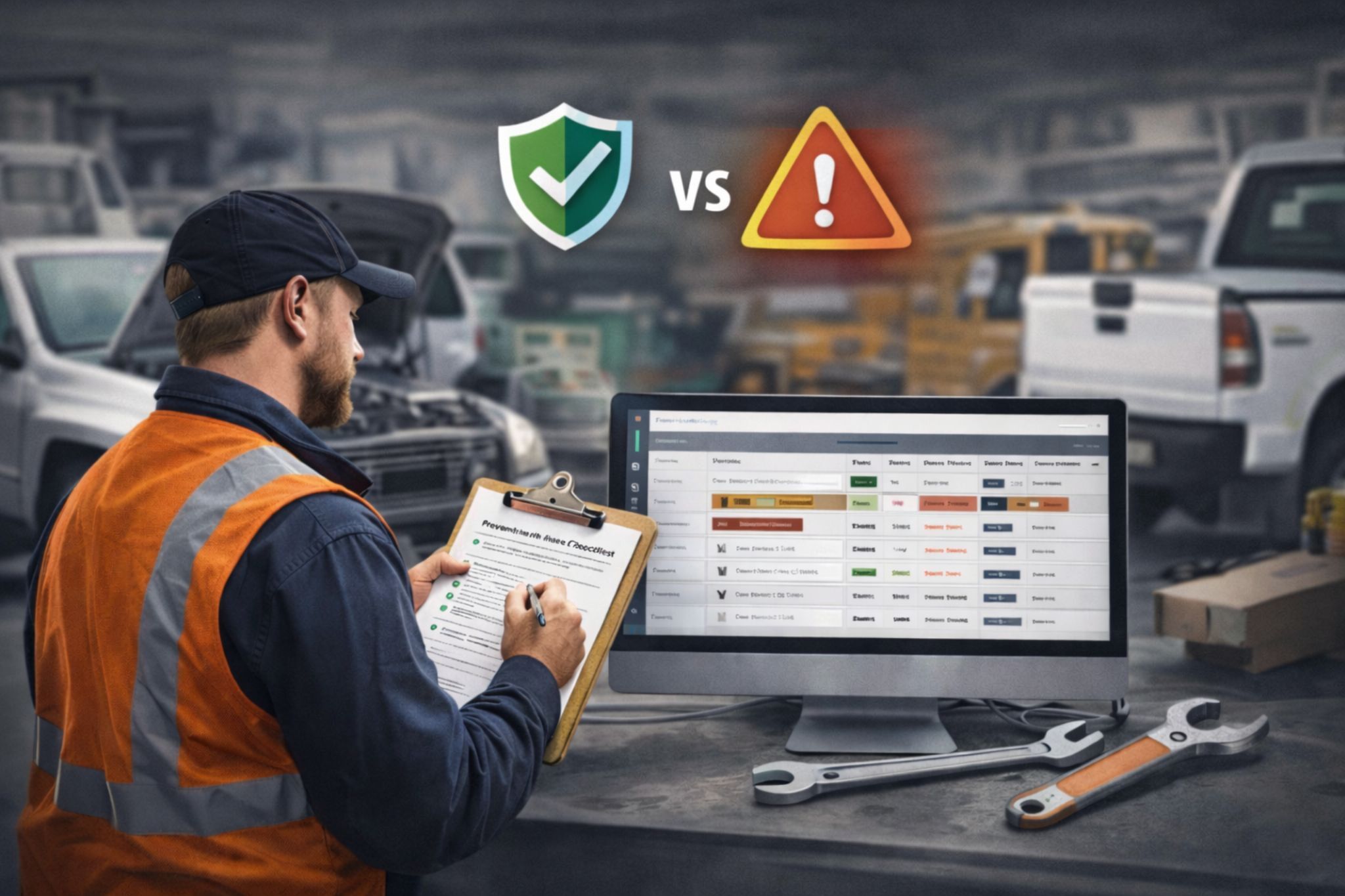
Preventative Maintenance Guide for Fleet Operations

Vehicle Inspection Guide
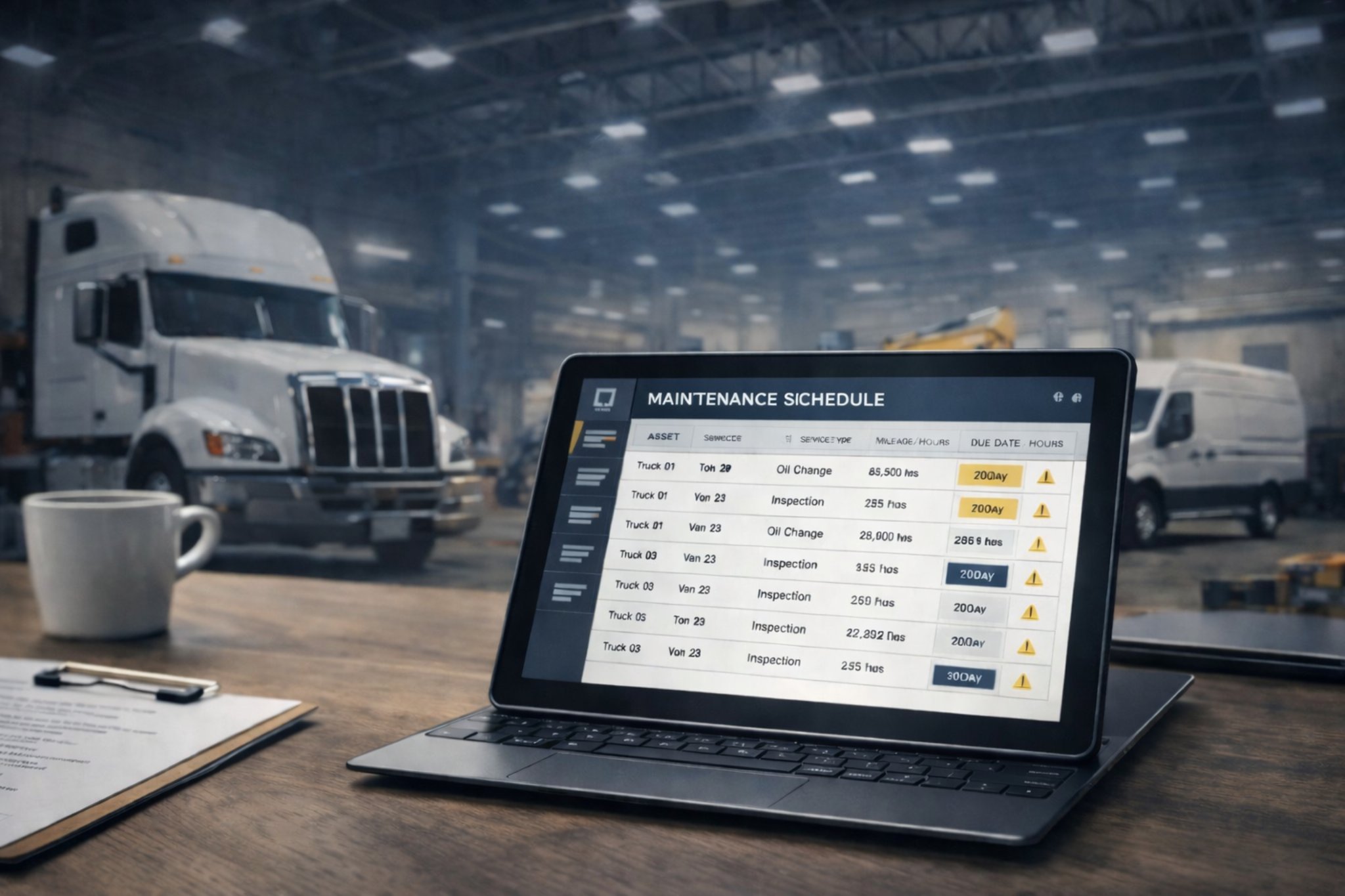
Preventive Maintenance Schedule Template
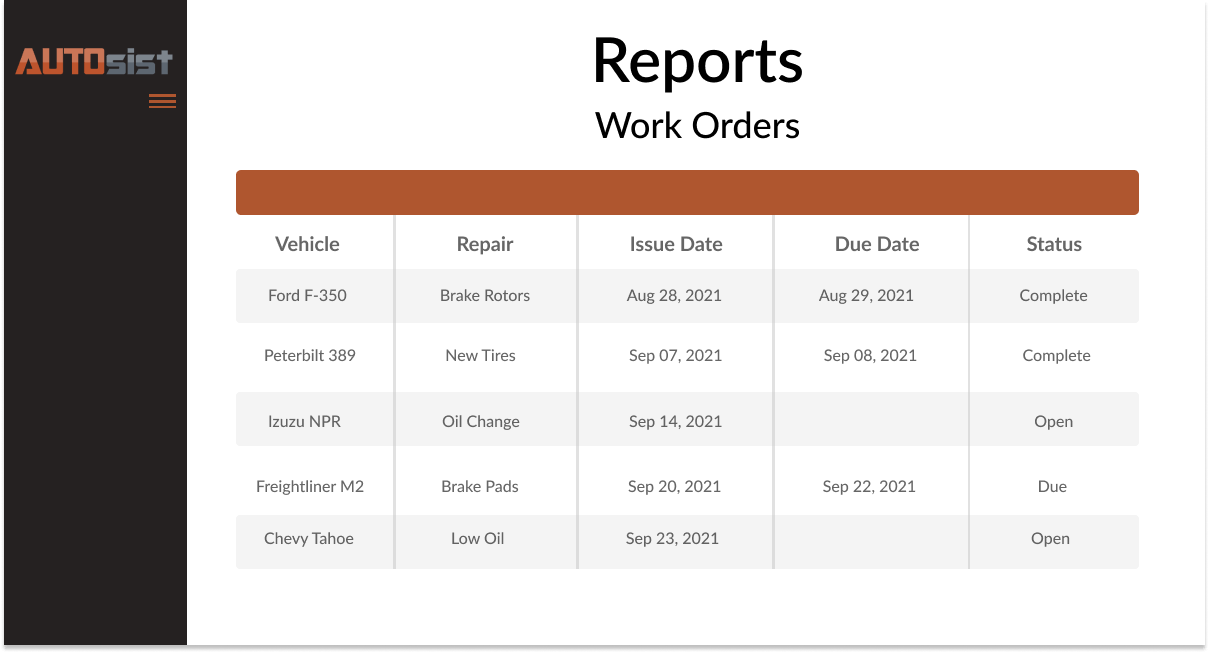
Fleet Reports and Dashboard