Fleet Cost Reduction Strategy
A fleet cost reduction strategy is a structured approach to identifying, controlling, and optimizing all expenses associated with fleet operations. It directly impacts profitability, vehicle uptime, and long-term scalability by aligning operational decisions with measurable cost outcomes.
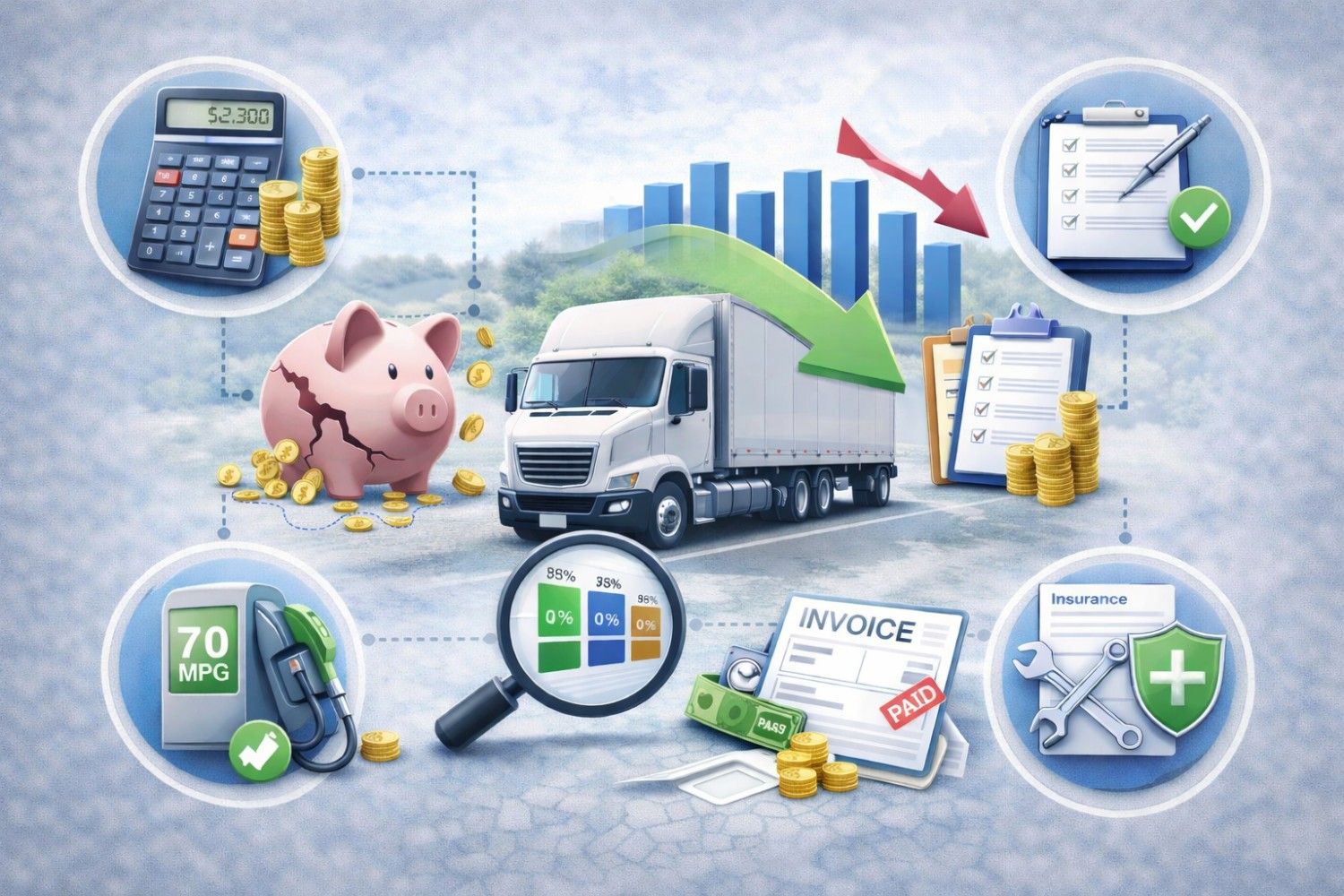
Cost Reduction Strategies by Operational Area
| Operational Area | Strategy | Expected Outcome | Complexity |
|---|---|---|---|
| Maintenance | Preventive scheduling | Reduced breakdowns | Medium |
| Fuel Management | Monitor fuel usage | Lower fuel spend | Medium |
| Driver Behavior | Improve driving habits | Reduced wear and fuel use | Low |
| Asset Utilization | Optimize vehicle usage | Higher efficiency | Medium |
| Procurement | Standardize parts/vendors | Lower purchasing costs | Low |
Reactive Cost Control vs Proactive Cost Reduction

Reactive Cost Control
- Responds to issues after they occur
- Focuses on immediate cost containment
- Leads to unpredictable expenses
- Often results in higher long-term costs

Proactive Cost Reduction
- Anticipates and prevents cost drivers
- Focuses on long-term operational efficiency
- Enables predictable budgeting
- Reduces downtime and asset failure risk
Cost Drivers in Fleet Operations
Fleet costs are influenced by multiple operational factors, many of which can be controlled through structured processes and monitoring.
- Fuel consumption driven by routing, idling, and driving behavior
- Maintenance costs influenced by servicing intervals and asset condition
- Labor costs related to driver efficiency and technician productivity
- Compliance-related expenses including inspections and regulatory requirements
- Depreciation tied to asset lifecycle and utilization patterns
Key outcomes:
- Clear visibility into cost contributors
- Ability to prioritize high-impact cost areas


Strategies for Reducing Fleet Costs
Cost reduction requires coordinated improvements across maintenance, operations, and asset management processes rather than isolated actions.
- Reduce fuel waste through monitoring and optimization of consumption patterns
- Improve driver behavior to minimize wear, accidents, and inefficiencies
- Optimize asset utilization to eliminate underused or redundant vehicles
- Standardize procurement processes for parts and services
Key outcomes:
- Lower total cost of ownership
- Improved operational consistency
Data Tracking and Cost Monitoring Systems
Effective cost reduction depends on accurate, real-time data across all fleet activities.
- Track cost per mile to evaluate overall efficiency
- Monitor fuel usage and consumption trends
- Record maintenance history and repair frequency
- Measure downtime and its operational impact
- Use centralized dashboards to analyze trends
Key outcomes:
- Data-driven decision-making
- Early identification of cost inefficiencies
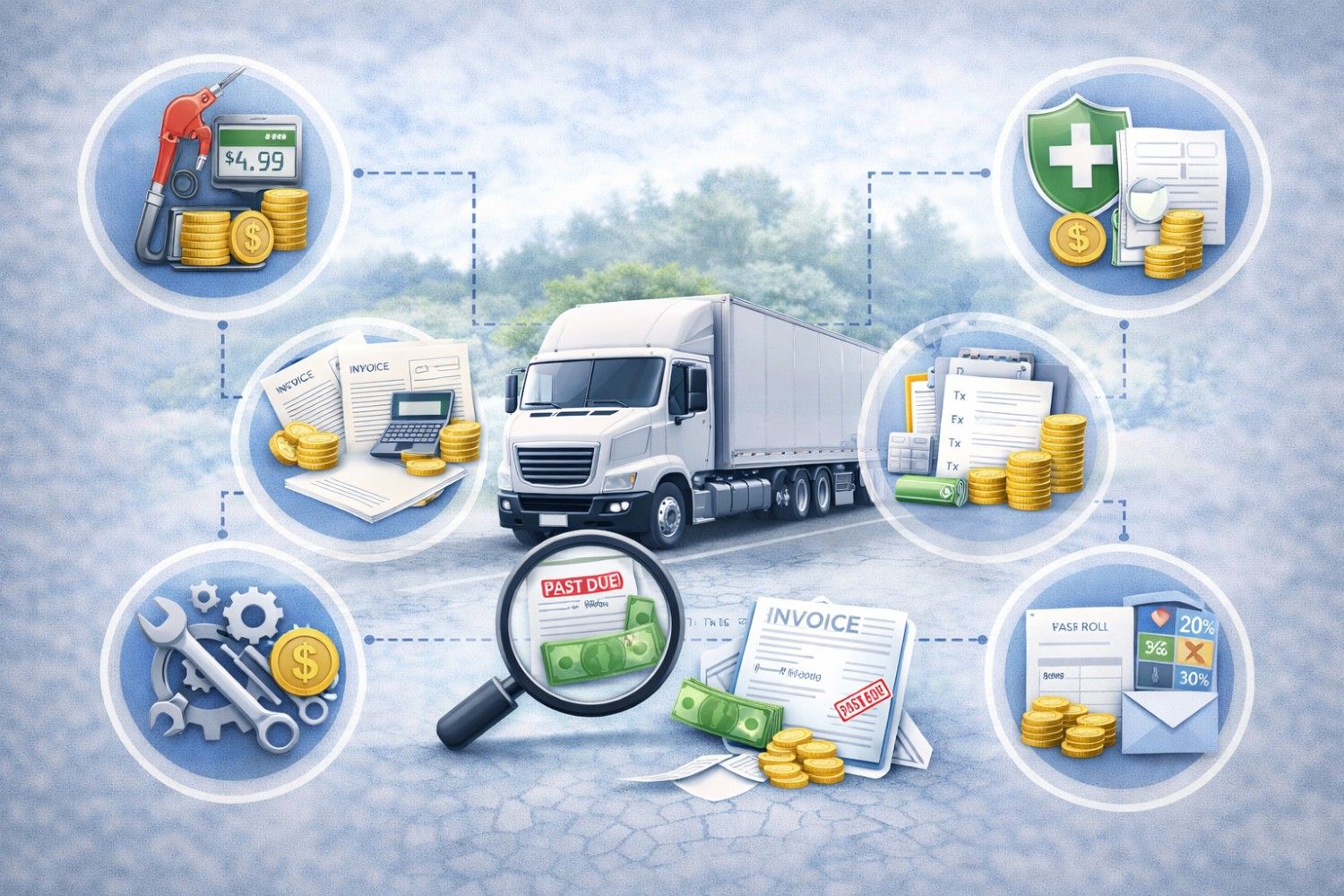

Implementation and Cost Control Process
Implementing a cost reduction strategy requires defined processes, accountability, and continuous monitoring.
- Assess current cost baseline across all operational areas
- Identify high-cost drivers and prioritize interventions
- Standardize workflows for maintenance, inspections, and reporting
- Assign ownership for cost tracking and performance metrics
- Continuously review data and refine strategies
Key outcomes:
- Controlled and repeatable cost management processes
- Improved accountability across teams
Final Takeaways
A fleet cost reduction strategy is not a one-time initiative but an ongoing operational discipline that requires structured processes, data visibility, and continuous optimization.
- Focus on proactive strategies rather than reactive fixes
- Track key metrics such as cost per mile and downtime
- Standardize maintenance and operational workflows
- Improve asset utilization and driver performance
- Use centralized systems to maintain data accuracy
AUTOsist Fleet Management Resources
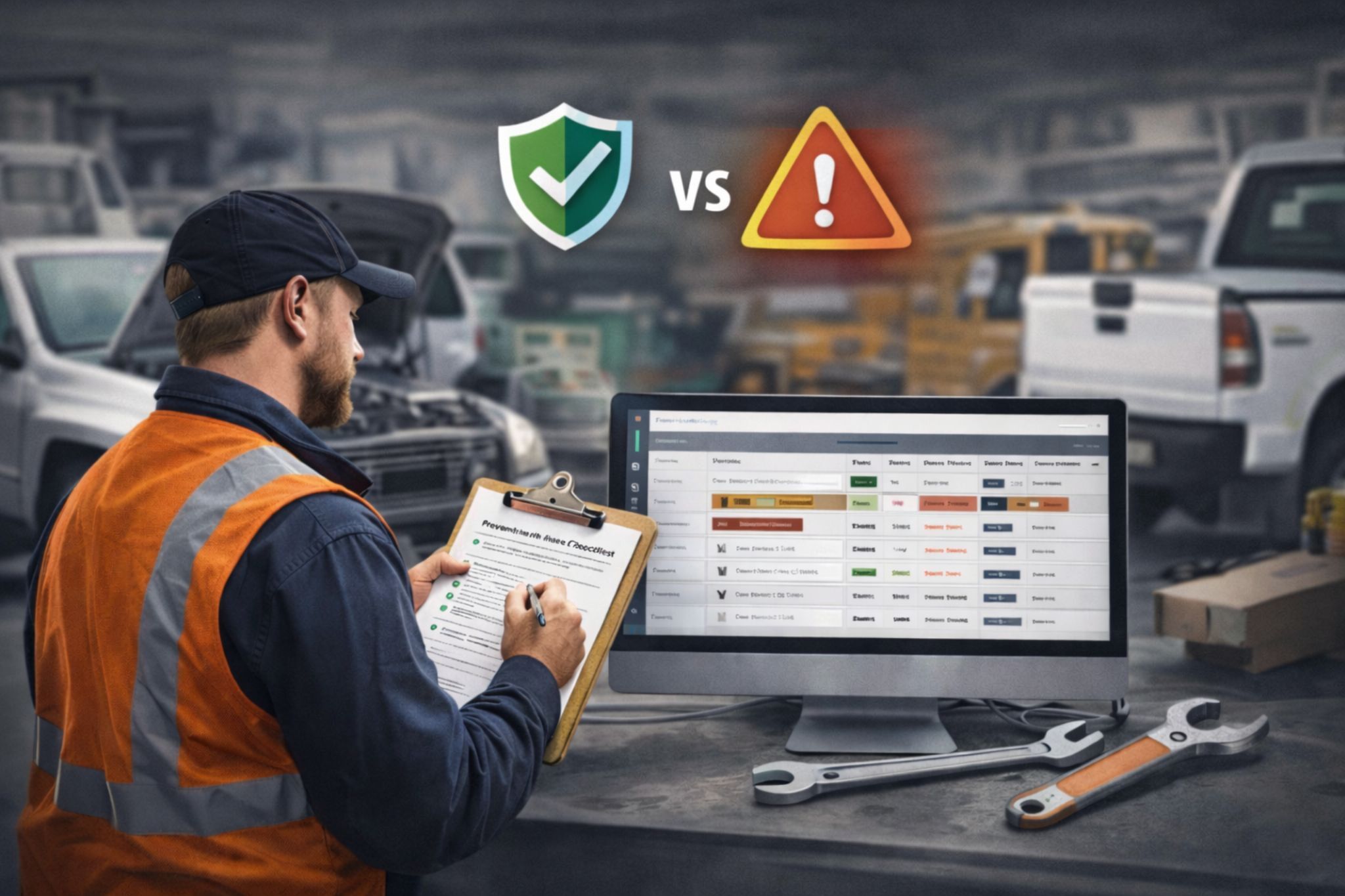
Preventative Maintenance Guide

Fleet Maintenance KPIs and Formulas
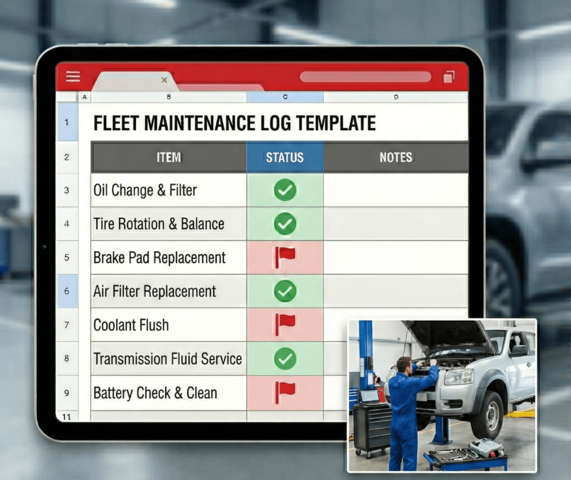
Fleet Maintenance Log Template
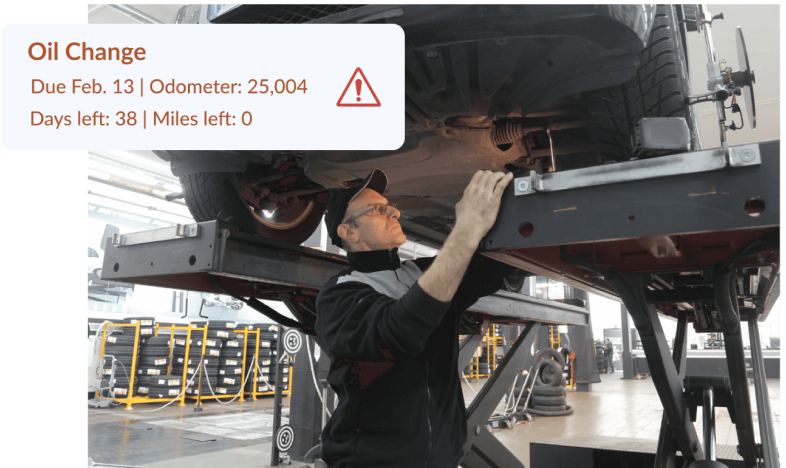
Fleet Preventive Maintenance Schedules