Fleet Inspection Software Guide
Fleet inspection software is a digital system used to standardize, document, and manage vehicle inspections across a fleet. It supports compliance, reduces operational risk, and ensures inspection findings translate into corrective maintenance actions.
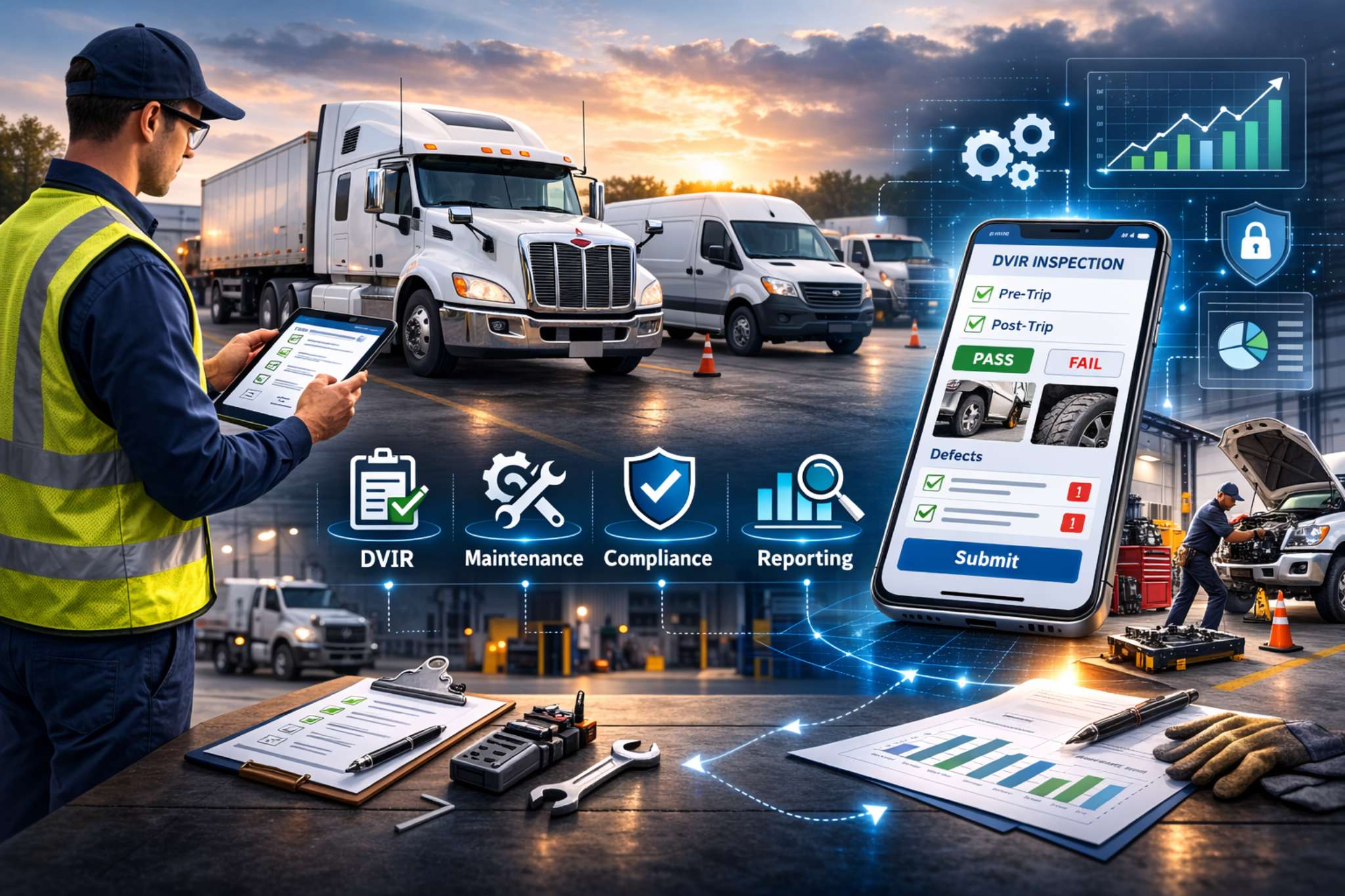
Fleet Inspection Software Capability Checklist
| Capability | Purpose | Risk If Missing | Operational Impact |
|---|---|---|---|
| Mobile DVIR Workflow | Standardized driver inspections | Incomplete inspections | Inconsistent defect reporting |
| Photo & Defect Capture | Evidence-based documentation | Disputed damage claims | Reduced accountability |
| Automated Maintenance Triggers | Convert defects to work orders | Delayed repairs | Increased downtime |
| Compliance Record Storage | Audit-ready inspection logs | Missing documentation | Regulatory exposure |
| Reporting & Audit Logs | Trend and compliance tracking | No visibility into patterns | Poor decision-making |
Paper-Based DVIR vs Digital DVIR System
Paper-Based DVIR
- Manual handwriting and physical forms
- Limited defect tracking visibility
- Delayed communication to maintenance
- Higher risk of lost documentation
Digital DVIR System
- Real-time submission via mobile devices
- Structured defect categorization
- Automated maintenance notification
- Centralized compliance archive
What Fleet Inspection Software Is and How It Functions
Fleet inspection software replaces paper-based driver vehicle inspection reports (DVIRs) with structured digital workflows that capture inspection data in real time and route defects to maintenance teams.
- Digitizes pre-trip and post-trip inspections
- Standardizes inspection checklists across assets
- Allows photo and note attachments for defects
- Stores time-stamped records for audit review
- Connects inspection results to maintenance workflows
Operational outcomes typically include:
- Reduced paperwork errors
- Faster defect resolution
- Improved compliance readiness
For broader regulatory context, fleets should align inspection processes with documented compliance standards outlined in the fleet compliance guide.
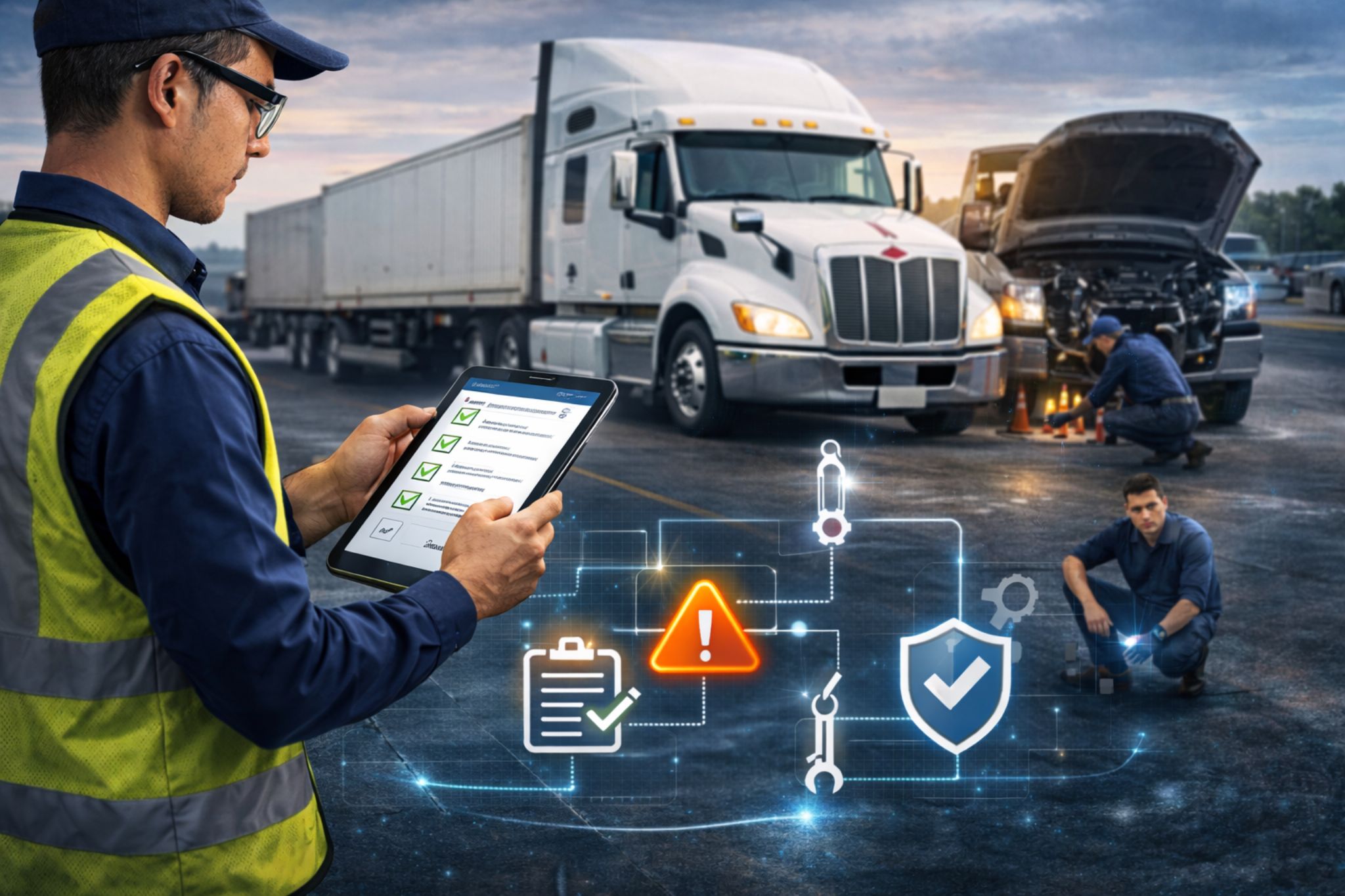

Operational Requirements Before Selecting Inspection Software
Before evaluating vendors, fleets must define inspection scope, regulatory exposure, asset diversity, and reporting requirements.
- Identify applicable DOT or local inspection regulations
- Define inspection frequency by vehicle class
- Determine defect severity thresholds
- Clarify escalation and repair approval processes
- Establish record retention requirements
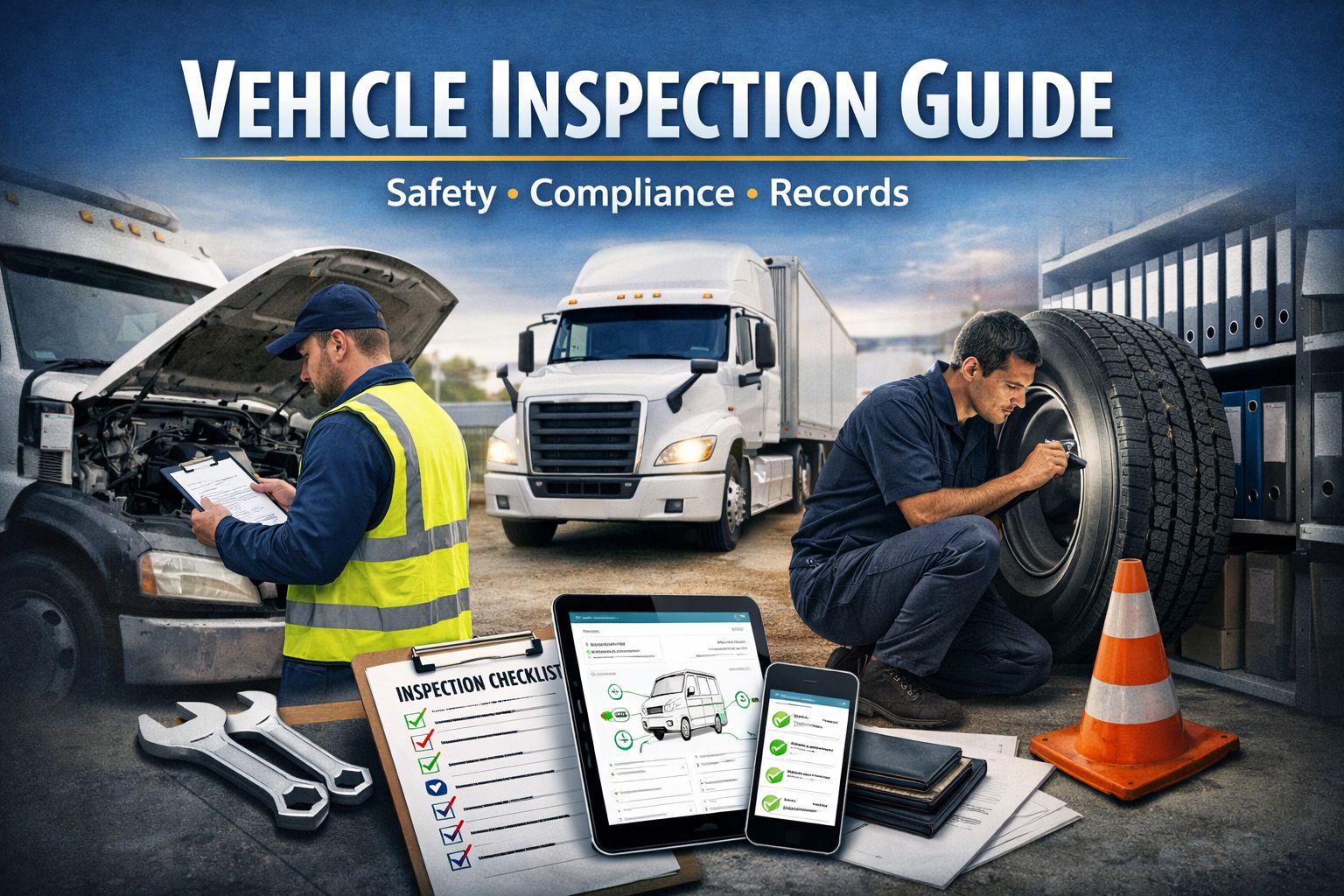
Many fleets formalize inspection workflows using a structured vehicle inspection guide before digitization.
Clear requirements reduce implementation friction and ensure inspection software aligns with operational realities.
Core Capabilities to Evaluate in Fleet Inspection Software
Inspection software should integrate seamlessly with maintenance management systems and support automated corrective workflows.
- Mobile-first driver interface
- Configurable inspection templates
- Automated defect-to-work-order conversion
- Integration with preventive maintenance scheduling
- Centralized inspection reporting dashboards
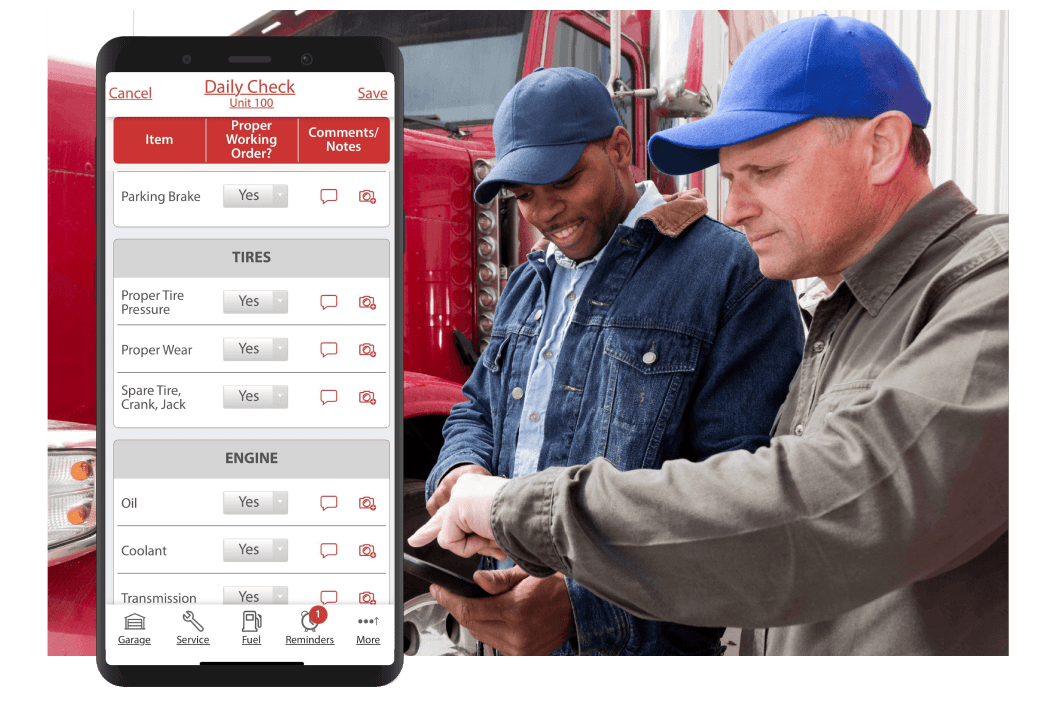
When inspection data triggers maintenance activity automatically, downtime is reduced and documentation remains complete. This is typically enabled by tools such as a digital vehicle inspection app that connects directly to work order systems.
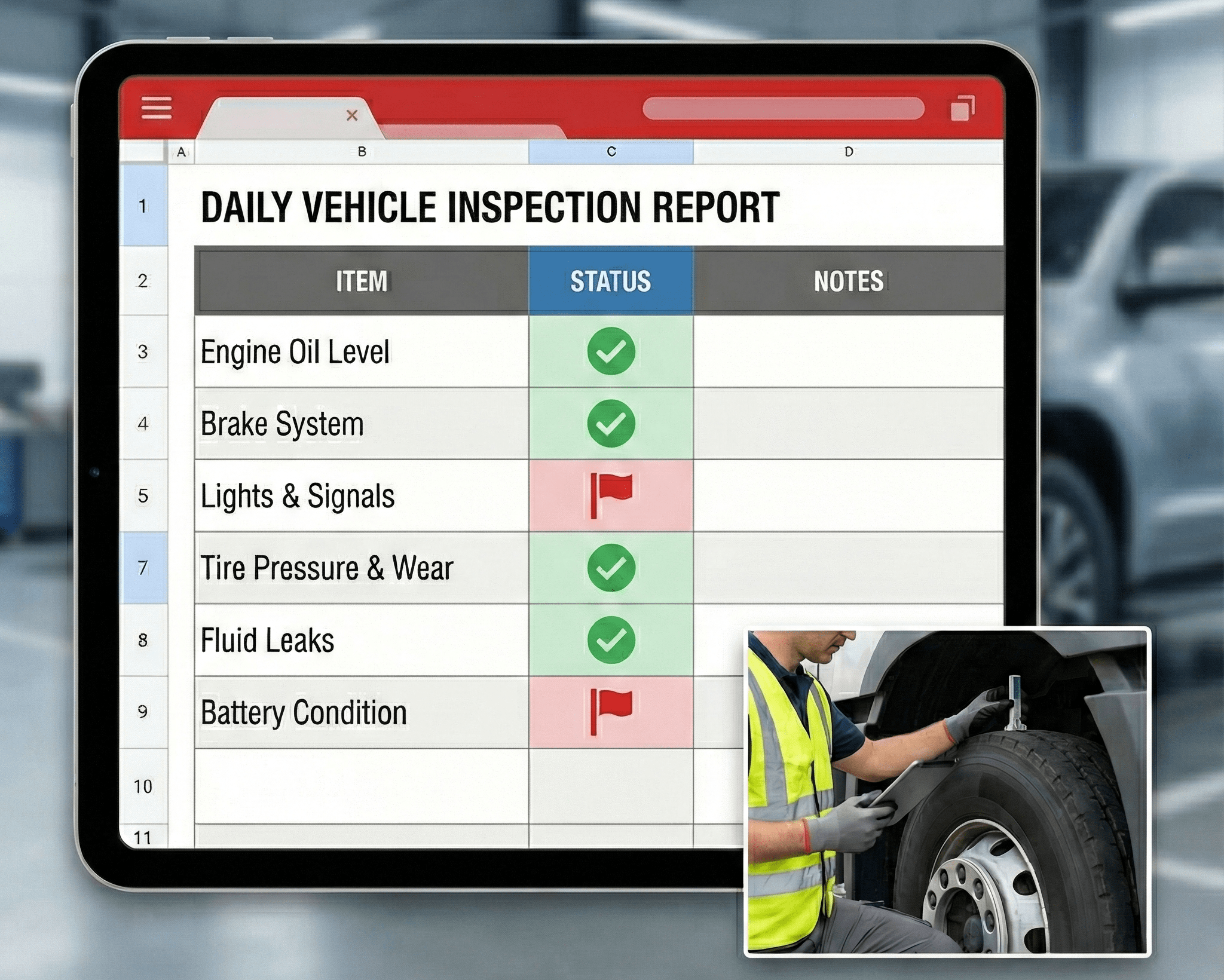
To support standardized documentation during vendor evaluation, fleets may reference a daily DVIR vehicle inspection checklist PDF as a baseline checklist structure.


Implementation, Data Governance, and Compliance Controls
Successful deployment requires clear ownership, standardized checklists, and defined audit procedures.
- Assign inspection ownership by role (driver, supervisor, maintenance)
- Standardize digital checklists across asset types
- Define approval workflows for defects
- Configure automated notifications for critical issues
- Establish secure digital record retention policies
Data governance should ensure that inspection records remain accessible for audits while maintaining system integrity.
Cost Structure, Risk Mitigation, and ROI Considerations
Inspection software cost evaluation should extend beyond subscription pricing to include operational savings and compliance risk reduction.
- Reduced administrative processing time
- Lower audit exposure due to centralized documentation
- Faster defect resolution cycles
- Reduced unplanned downtime
- Improved asset reliability metrics
Operational ROI is often reflected in measurable performance indicators such as defect recurrence rate, inspection completion rate, and maintenance response time.

Final Takeaways
Fleet inspection software standardizes inspection workflows and connects findings directly to corrective action.
- Digital DVIR systems improve audit readiness
- Automated defect routing reduces downtime
- Centralized documentation lowers compliance risk
- Standardized inspection templates improve data quality
- Integration with maintenance systems increases operational control
AUTOsist Fleet Management Resources
Fleet Compliance Guide
Vehicle Inspection Guide
Daily DVIR Vehicle Inspection Checklist PDF
Digital Vehicle Inspection App