Fleet Inventory & Parts Management Software
Fleet inventory and parts management software provides structured control over parts, consumables, and components used in vehicle and equipment maintenance. For fleet managers, it reduces downtime, prevents stockouts, improves cost visibility, and ensures that parts usage aligns with maintenance planning and compliance requirements.

Parts Master Data Standardization
| Data Field | Why It Matters | Owner | Validation Rule |
|---|---|---|---|
| Part number | Prevents duplicates | Parts admin | Unique and standardized format |
| Unit of measure | Ensures issue accuracy | Inventory lead | Fixed per part |
| Cost | Controls budget impact | Finance/operations | Updated at receipt |
| Supplier | Enables traceability | Purchasing | Approved vendor only |
| Asset fitment | Avoids wrong installs | Maintenance lead | Linked to asset class |
| Location/bin | Speeds retrieval | Warehouse lead | Required before activation |
Central Stockroom vs Distributed Field Inventory
Central Stockroom Model
Inventory Control
- Single storage location
- Tight bin-level tracking
- Controlled issue authorization
Operational Impact
- Lower shrink risk
- Clear audit trail
- Slower response for field repairs
Distributed (Truck/Van/Jobsite) Inventory Model
Inventory Control
- Inventory Control
- Inventory assigned to vehicles
- Mobile issue tracking required
- Regular reconciliation cycles
Operational Impact
- Faster field response
- Higher shrink exposure
- Stronger governance needed
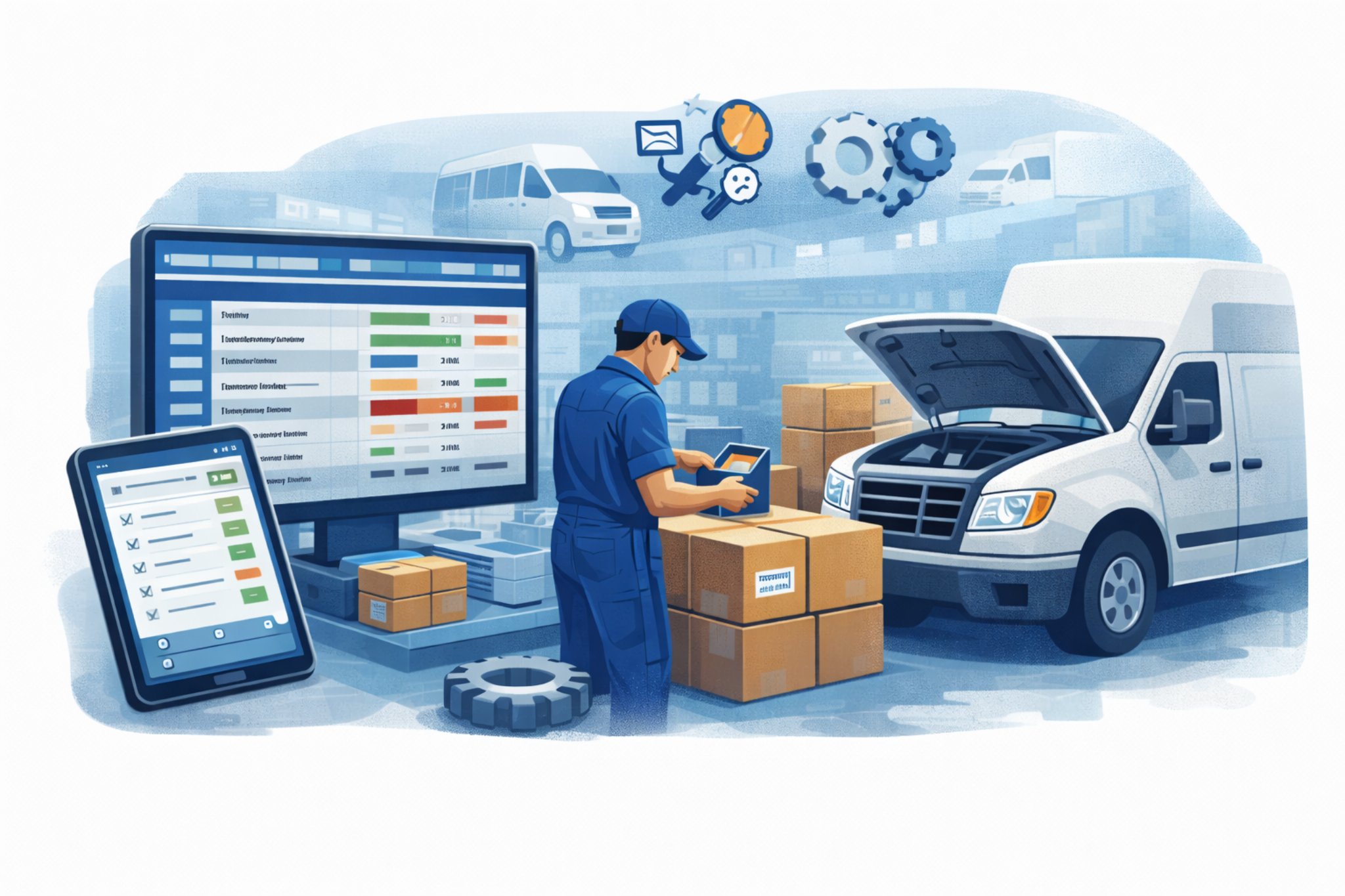
What Parts & Inventory Management Software Does in Fleet Operations
Fleet inventory software connects parts usage directly to work orders, preventive maintenance schedules, and asset records, creating traceability across the maintenance lifecycle.
- Tracks parts quantities by location, bin, or vehicle
- Links issued parts directly to work orders
- Maintains cost history for budgeting and lifecycle analysis
- Supports barcode or mobile-based issue logging
- Records supplier and purchase history
Operational outcome
- Fewer emergency purchases
- Clearer maintenance cost attribution
- Improved asset uptime
Inventory Data Model and Control Rules
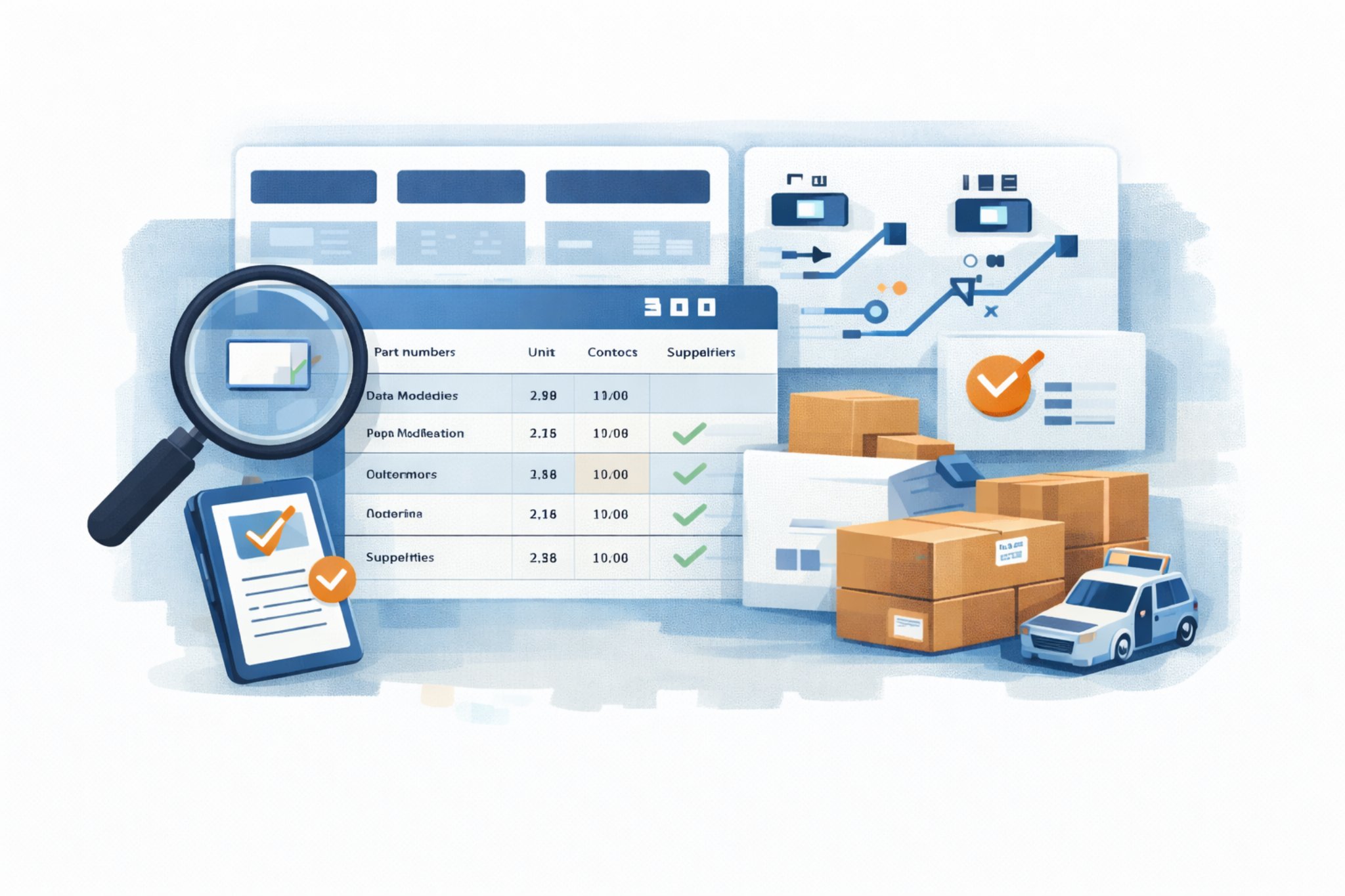
A controlled data model ensures that parts data remains consistent, auditable, and scalable as fleets grow.
- Standardized part numbering conventions
- Defined units of measure
- Mandatory asset fitment mapping
- Role-based approval for adjustments
- Regular cycle count procedures
Operational outcome
- Reduced duplicate SKUs
- Accurate stock reporting
- Lower write-offs due to shrink or error
For broader governance considerations, fleets often align inventory controls with a structured maintenance process similar to a fleet maintenance SOP guide.
Replenishment, Purchasing, and Vendor Workflows
Effective replenishment balances capital tied up in stock with operational readiness.
- Minimum/maximum thresholds per location
- Reorder points based on usage history
- Approved supplier lists
- Purchase order tracking and receiving workflows
- Lead-time monitoring for critical parts
Inventory forecasting works best when aligned with preventive maintenance planning as outlined in the preventative maintenance guide for fleet operations.
Operational outcome
- Reduced stockouts
- Fewer rush shipping charges
- Predictable budget cycles


Technician, Shop, and Mobile Usage Workflows
Inventory systems must integrate directly into daily technician workflows to maintain data accuracy.
- Parts issued from within digital work orders
- Mobile access for field technicians
- Automatic quantity deduction upon approval
- Supervisor review for high-cost items
- Exception tracking for manual overrides
When fleets begin with spreadsheets, they often rely on tools such as a fleet maintenance log Excel template before transitioning to structured systems.
Operational outcome
- Real-time stock visibility
- Cleaner cost-per-asset tracking
- Reduced administrative overhead
Reporting, Auditability, and Performance Controls
Inventory visibility supports financial oversight, compliance, and continuous improvement.
- Fill rate tracking
- Stockout frequency analysis
- Inventory turnover metrics
- Shrink rate monitoring
- Parts-to-work-order matching
Parts reporting should integrate into broader operational dashboards similar to those described in the fleet management software buyer's guide.
Operational outcome
- Better capital allocation
- Clear audit documentation
- Evidence-based purchasing decisions

Final Takeaways
Fleet parts management is not simply about stocking components; it is a controlled operational system tied directly to maintenance execution and cost governance.
- Standardize master data before scaling inventory.
- Align replenishment rules with preventive maintenance planning.
- Choose a stock model (central vs distributed) based on field realities.
- Link parts directly to work orders for cost traceability.
- Monitor fill rate, turnover, and shrink as core operational KPIs.
AUTOsist Fleet Management Resources
Fleet Maintenance SOP Guide
Preventative Maintenance Guide for Fleet Operations
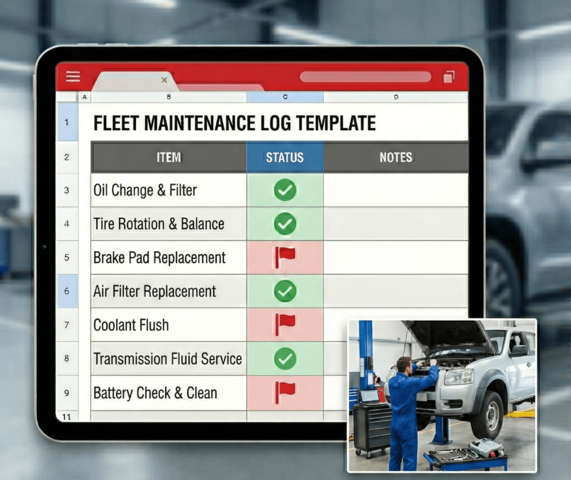
Fleet Maintenance Log Excel Template

Fleet Management Software Buyer's Guide