Fleet Maintenance Software Buyer's Guide
A fleet maintenance software buyer's guide provides a structured framework for evaluating systems that manage preventive maintenance, work orders, inspections, and compliance across fleet operations. Selecting the right platform reduces downtime risk, improves data visibility, and supports long-term operational control.

Fleet Maintenance Software Evaluation Matrix
| Evaluation Category | Operational Impact | Risk if Missing | Buyer Priority Level |
|---|---|---|---|
| Preventive Maintenance Automation | Reduces unplanned downtime | Reactive repairs increase | High |
| Work Order Management | Improves repair tracking | Incomplete service records | High |
| Inspection & Compliance Tools | Supports regulatory readiness | Audit exposure | High |
| Reporting & Analytics | Enables cost control | Limited decision visibility | Medium–High |
| Integration & Scalability | Supports growth | Data silos | Medium–High |
Standalone Maintenance Software vs Integrated Fleet Operations Platform

Standalone Maintenance Software
- Limited to service tracking functions
- Often requires manual data entry
- Minimal integration with telematics or fuel systems
- Separate reporting environments

Integrated Fleet Operations Platform
- Unified maintenance, inspections, and reporting
- Automated data capture and syncing
- Integrates with telematics, fuel, and accounting systems
- Centralized dashboards for operational visibility
Define Your Fleet Maintenance Requirements First
Before reviewing vendors, organizations should define operational requirements clearly. Software selection must reflect asset mix, regulatory exposure, and internal maintenance workflows.
- Identify vehicle and equipment types, quantities, and usage patterns
- Document current preventive maintenance intervals and compliance obligations
- Map work order flow from issue reporting to repair completion
- Determine reporting expectations for cost, uptime, and audit documentation
- Assess current reliance on manual tools or spreadsheets
Operational outcome:
- Clear evaluation criteria
- Reduced vendor misalignment
- Faster implementation planning
Core Capabilities to Evaluate in Fleet Maintenance Software
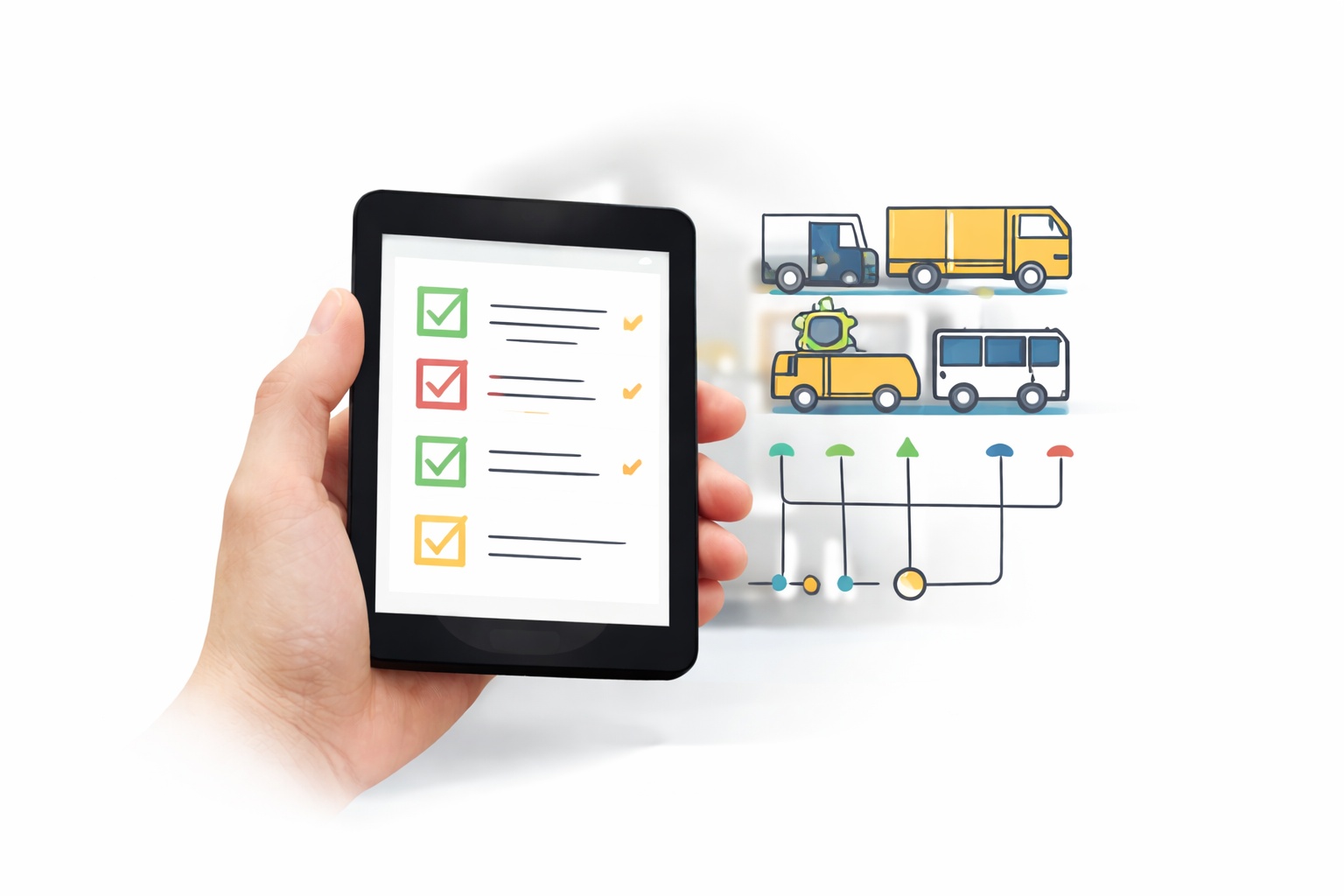
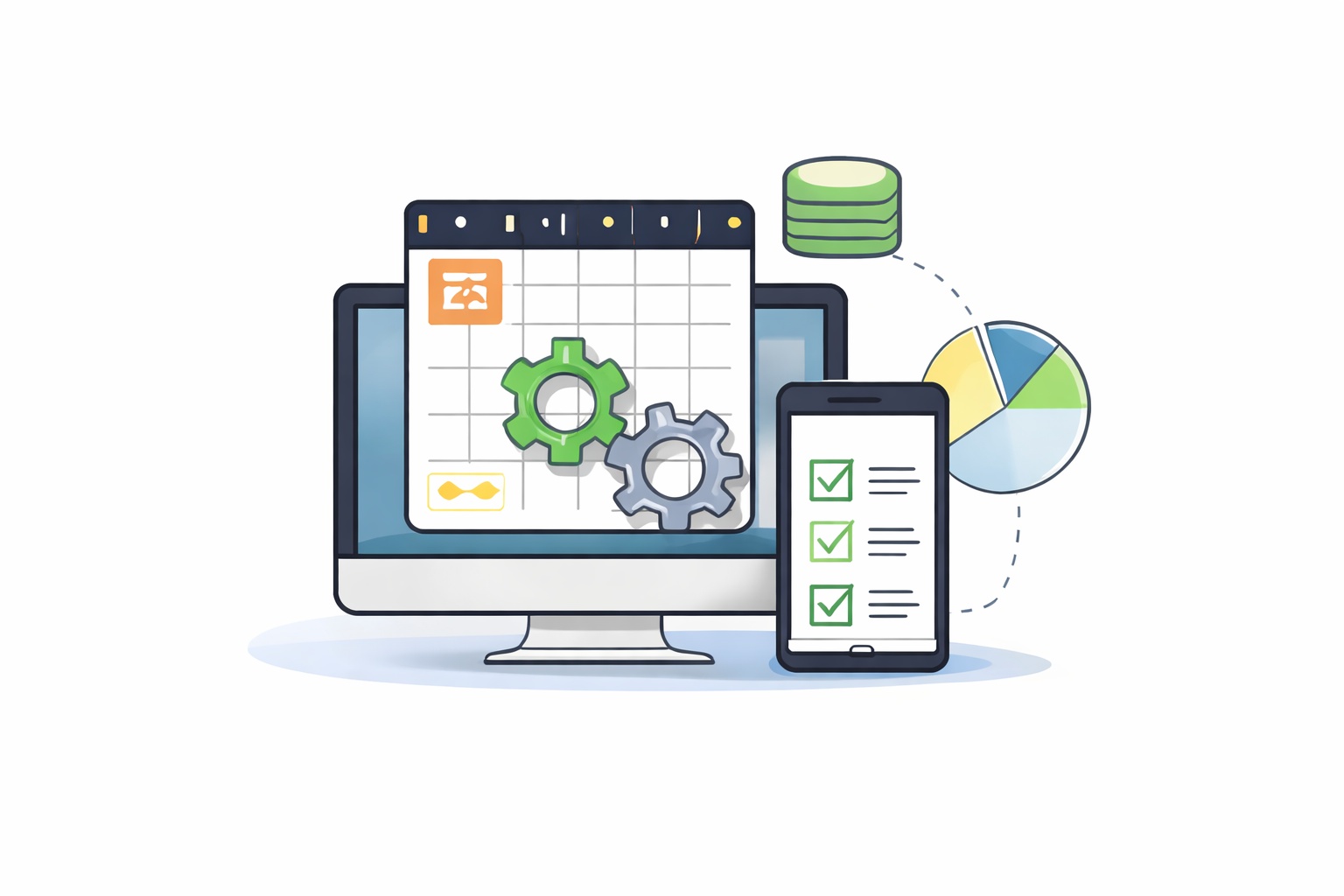
Fleet maintenance software should support the full lifecycle of vehicle service management, not just recordkeeping. Capabilities must reduce manual coordination and improve traceability.
- Automated preventive maintenance scheduling and alerts
- Digital work order creation, assignment, and closure tracking
- Inspection workflows aligned with regulatory requirements (see this structured overview of vehicle inspection requirements)
- Centralized reporting dashboards for maintenance KPIs
- Mobile accessibility for technicians and drivers
Operational outcome:
- Lower unplanned downtime
- Better documentation consistency
- Improved cross-team coordination
Implementation, Data, and Integration Considerations
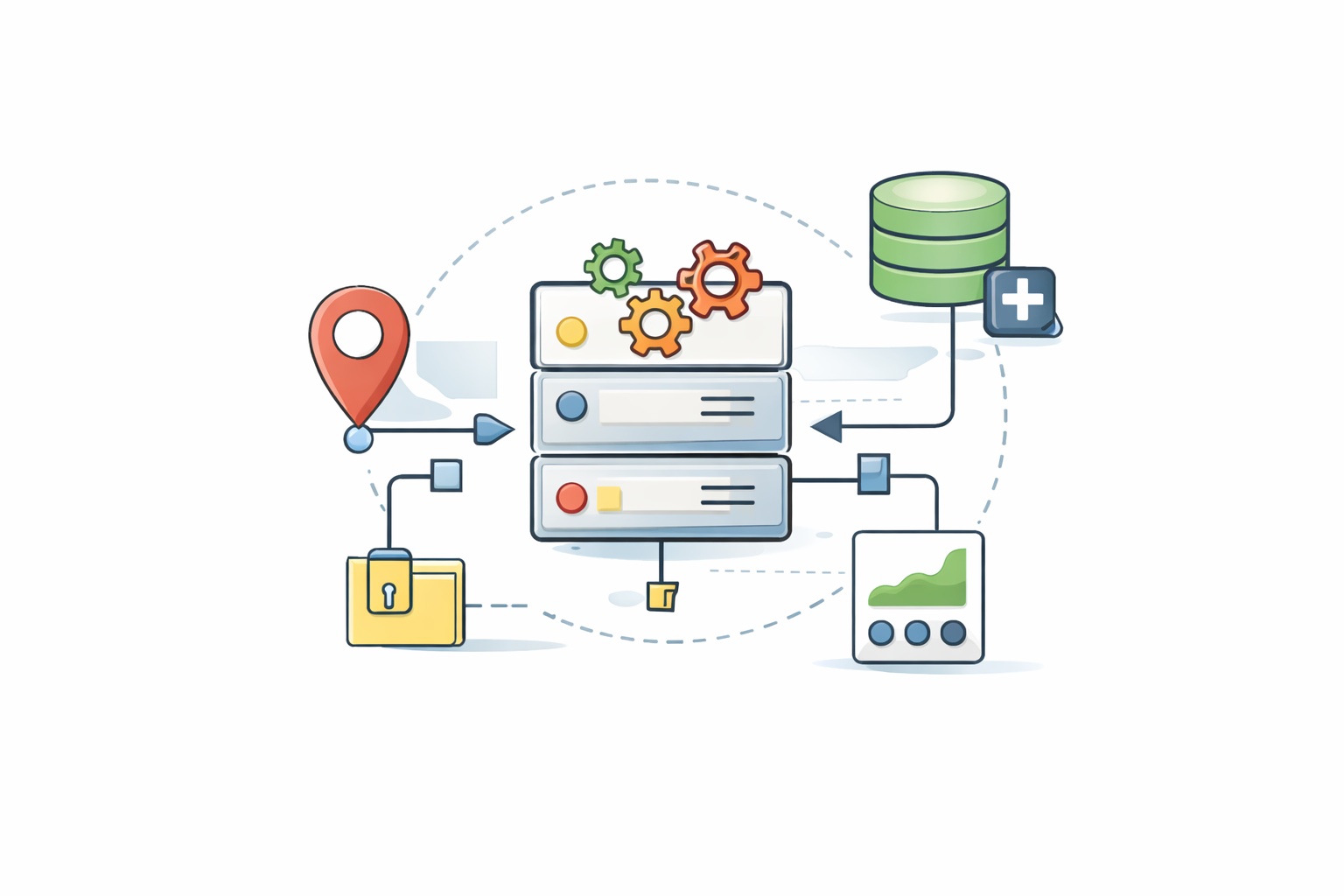
Successful deployment depends on data accuracy and system compatibility. Buyers should assess integration readiness before contract approval.
- Review asset data quality before migration
- Confirm compatibility with telematics and fuel card providers
- Evaluate integration with accounting or ERP systems
- Assess onboarding structure and user training plans
- Confirm system scalability for future fleet expansion
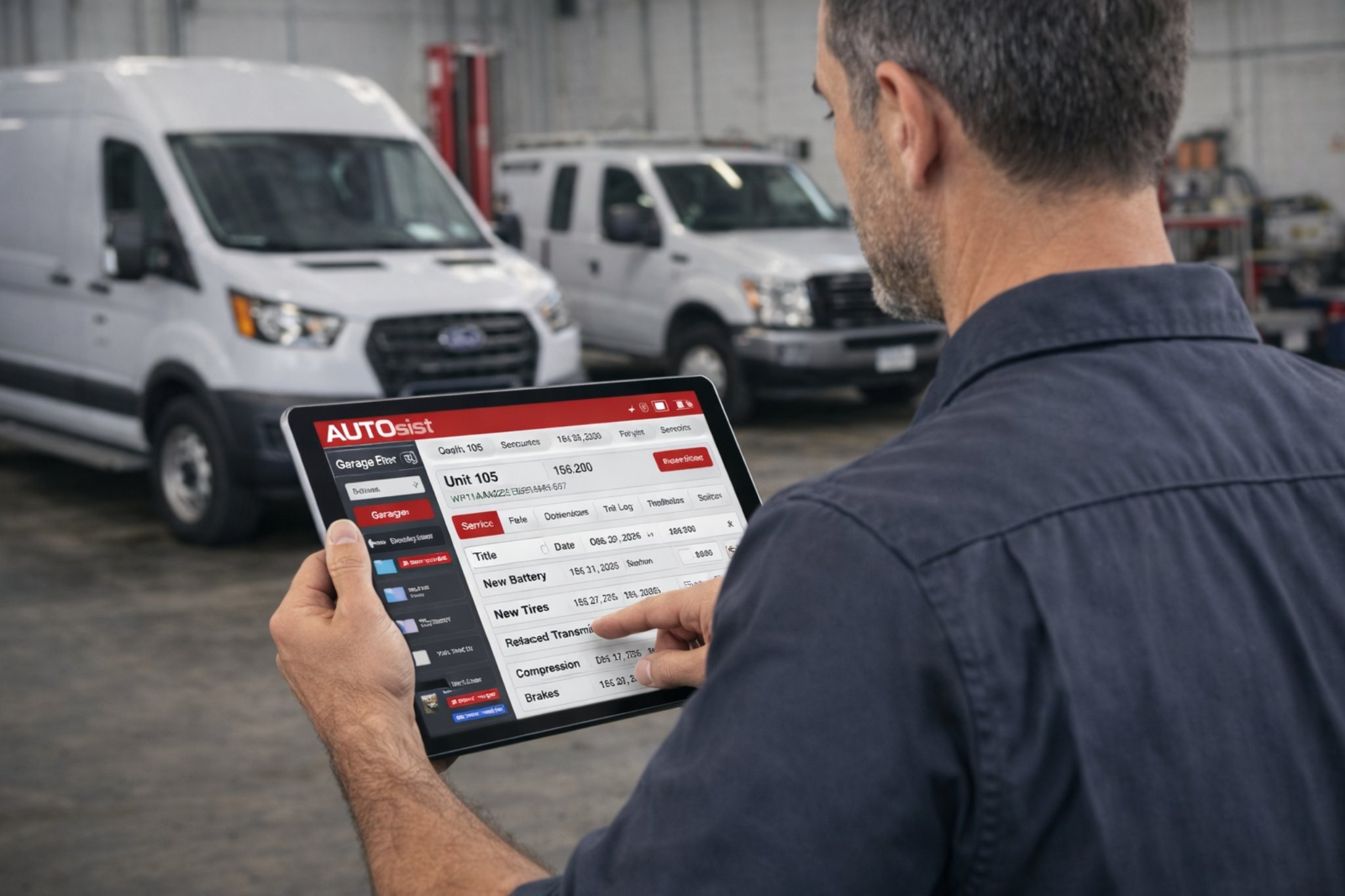
For organizations modernizing from spreadsheets or fragmented tools, reviewing this foundational overview of what fleet maintenance software includes can clarify required data structures.
Operational outcome:
- Reduced implementation delays
- Cleaner historical maintenance records
- Stronger cross-system reporting

Cost Structure, ROI, and Risk Controls
Cost evaluation should extend beyond subscription pricing. Buyers must consider downtime reduction, labor efficiency, and compliance exposure.
- Compare pricing models (per asset, per user, flat rate)
- Estimate reduction in emergency repairs
- Measure impact on technician labor utilization
- Evaluate compliance documentation readiness
- Review vendor support and reliability standards
Structured tools such as a fleet maintenance log template can help benchmark current documentation practices before system transition.
Subtle evaluation of vendor product capabilities—such as structured fleet maintenance work order software—should focus on workflow automation and record traceability rather than marketing claims.
Operational outcome:
- Transparent cost expectations
- Reduced compliance risk
- Measurable maintenance performance gains
Final Takeaways
A fleet maintenance software buyer's guide should support structured vendor comparison and measurable operational outcomes. Selection decisions should be driven by documented requirements, integration readiness, and risk mitigation priorities.
- Define operational requirements before vendor evaluation.
- Prioritize preventive maintenance automation and work order traceability.
- Evaluate integration readiness early to avoid implementation delays.
- Assess total cost of ownership, not subscription price alone.
- Select platforms that centralize reporting and compliance documentation.
AUTOsist Fleet Management Resources

Vehicle Inspection Guide
What Is Fleet Maintenance Software
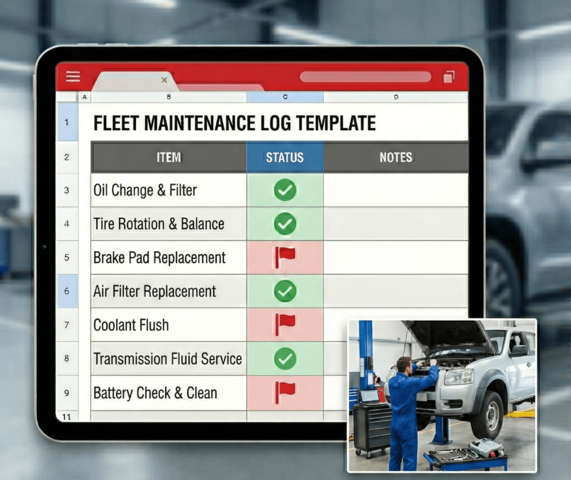
Fleet Maintenance Log Template
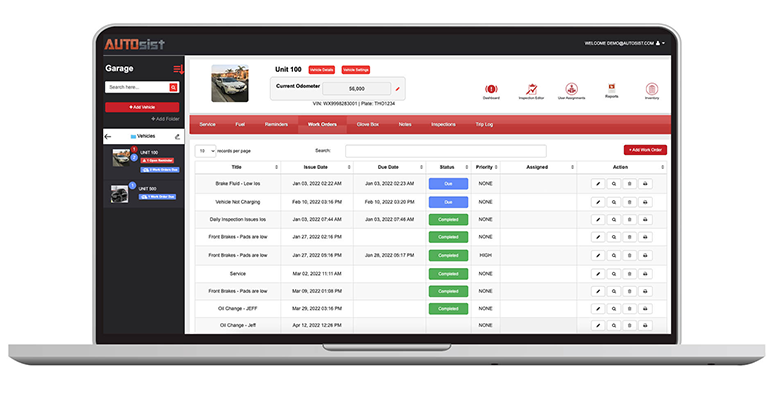
Fleet Maintenance Work Order Software