Fleet Management Software Buyer's Guide
A fleet management software buyer's guide provides a structured framework for evaluating platforms that support maintenance, compliance, cost control, and operational visibility. For fleet managers and operations leaders, a disciplined evaluation process reduces risk, improves adoption, and ensures long-term operational alignment.

Fleet Software Evaluation Criteria Overview
| Evaluation Area | What to Assess | Risk if Ignored | Operational Impact |
|---|---|---|---|
| Maintenance Management | PM automation, work orders | Increased downtime | Reduced asset uptime |
| Compliance Tracking | Inspections, documentation | Regulatory penalties | Audit readiness |
| Reporting & Analytics | Real-time visibility | Poor decisions | Cost control issues |
| Integrations | Fuel, telematics, accounting | Data silos | Manual workload |
| Cost Model | Pricing clarity | Budget overruns | ROI uncertainty |
Spreadsheet Management vs Dedicated Fleet Management Software
The transition from spreadsheets to structured software is a common decision point for growing fleets. The differences affect visibility, accountability, and scalability.

Spreadsheet Management
- Manual data entry and updates
- Limited automation for service intervals
- High risk of missed inspections or documentation gaps
- Reporting dependent on manual consolidation

Dedicated Fleet Management Software
- Automated preventive maintenance scheduling
- Centralized inspection and compliance records
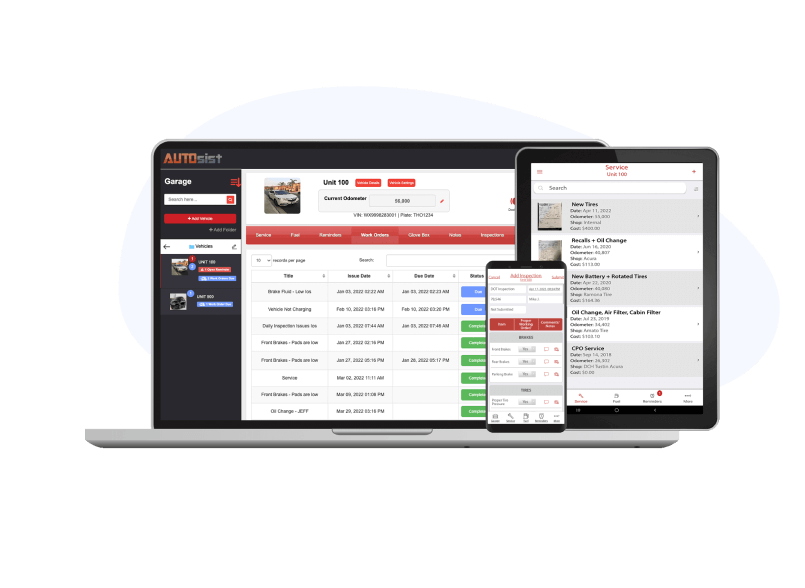
- Real-time dashboards and reporting
- Scalable workflows across locations and fleet sizes
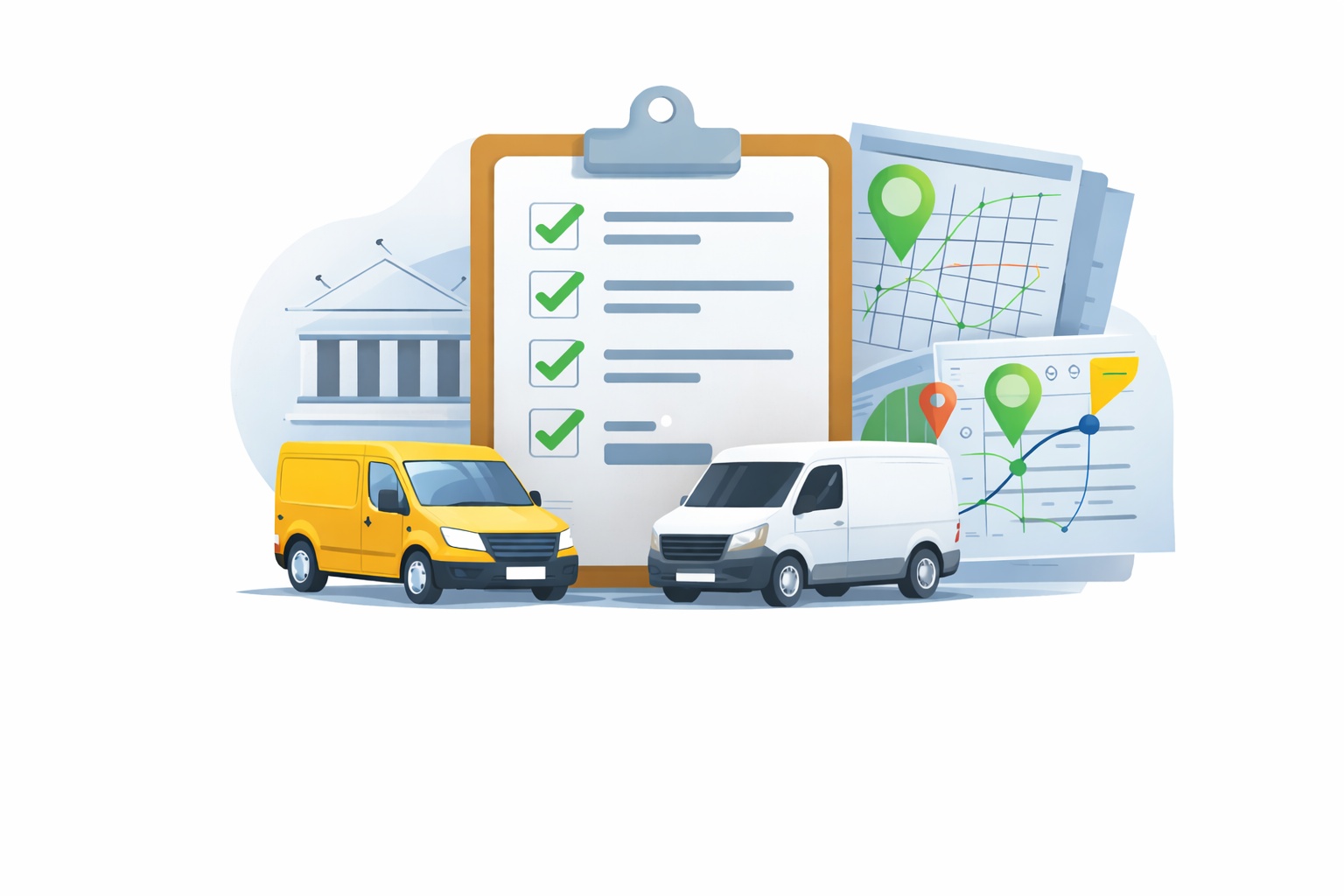
Define Operational Requirements Before Comparing Vendors
Before evaluating vendors, fleet teams must document operational realities and future-state objectives. Software should support fleet complexity, not dictate it.
- Fleet size, asset types, and utilization patterns
- Maintenance model (in-house, outsourced, or hybrid)
- Regulatory and inspection requirements
- Current reporting gaps and visibility limitations
- Growth plans or geographic expansion
Outcome clarity reduces vendor mismatch and shortens implementation cycles.
Core Capabilities to Evaluate in Fleet Management Software
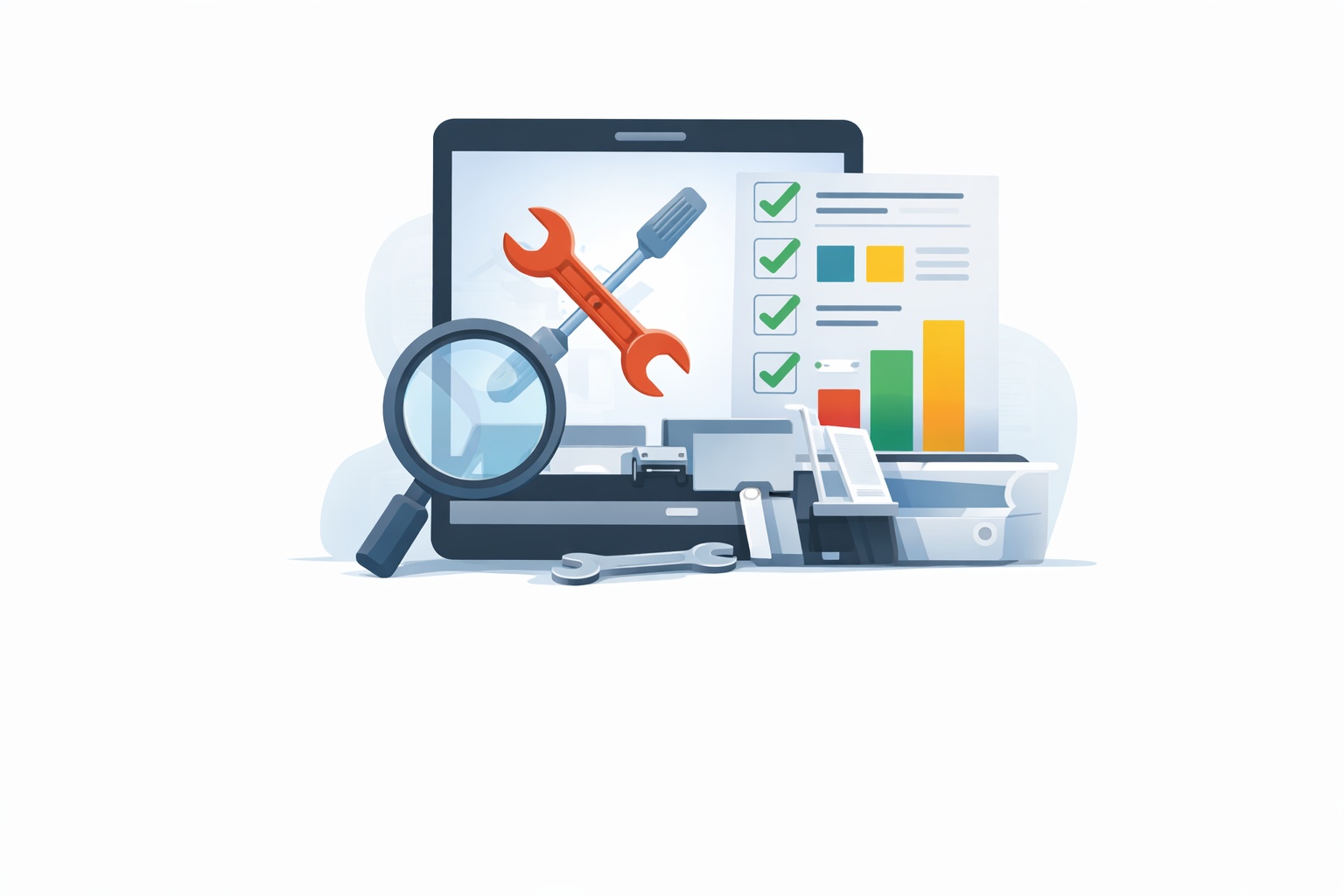
A buyer's evaluation should focus on capabilities that directly affect uptime, compliance, and cost control. A structured feature review prevents overbuying or underbuying.
- Automated service scheduling aligned to mileage, engine hours, or time
- Work order tracking and digital documentation
- Mobile inspection tools for drivers and technicians
- Asset history records with parts and labor tracking
- Real-time reporting dashboards for operational visibility
Buyers seeking a deeper understanding of maintenance functionality may reference a structured overview of fleet maintenance software.
Key results of strong capability alignment include:
- Reduced unplanned downtime
- Improved compliance documentation
- Better cost predictability
Technical and Implementation Considerations
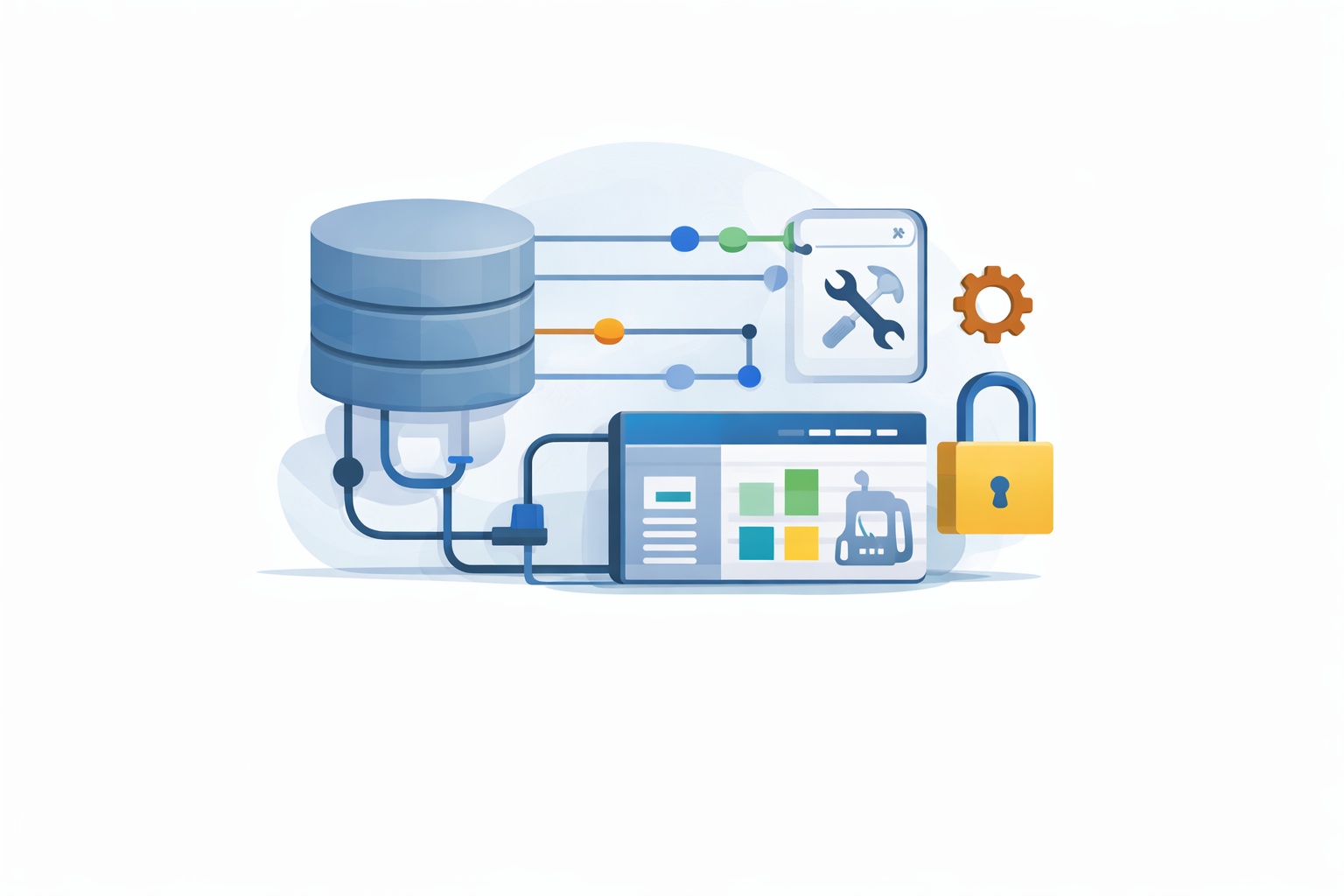
Technical readiness determines how smoothly software integrates into daily operations. Implementation planning should be evaluated with the same rigor as features.
- Data migration from spreadsheets or legacy systems
- Integration with fuel cards, telematics, or accounting tools
- Mobile accessibility for field teams
- Role-based permissions and audit trails
- Vendor onboarding, training, and support structure
Organizations evaluating compliance and inspection workflows may review operational best practices in a structured vehicle inspection guide.
Implementation discipline improves:
- User adoption rates
- Data accuracy
- Reporting consistency

Cost Structure, ROI, and Risk Controls
Software cost evaluation must extend beyond subscription pricing. Buyers should assess total cost of ownership and measurable return.
- Subscription pricing structure (per vehicle, per user, or tiered)
- Implementation and onboarding costs
- Integration or API-related expenses
- Downtime reduction potential
- Compliance risk mitigation value
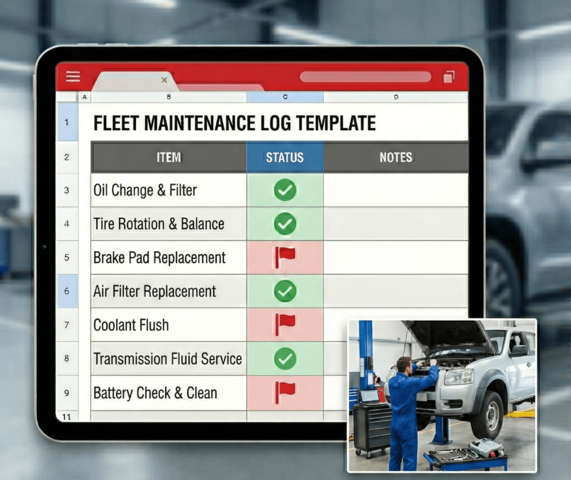
For teams transitioning from manual logs, a standardized fleet maintenance log template can help quantify baseline inefficiencies before software adoption.
A disciplined ROI model should measure:
- Reduction in breakdown frequency
- Labor hour savings
- Fewer compliance-related penalties
Final Takeaways
Selecting fleet management software requires operational clarity, structured evaluation criteria, and realistic cost analysis. The decision should be driven by measurable improvements in uptime, compliance, and reporting discipline.
- Define internal requirements before vendor comparison.
- Prioritize maintenance automation and compliance tracking.
- Evaluate integration readiness early.
- Model total cost and measurable ROI.
- Avoid scaling operational risk through manual systems.
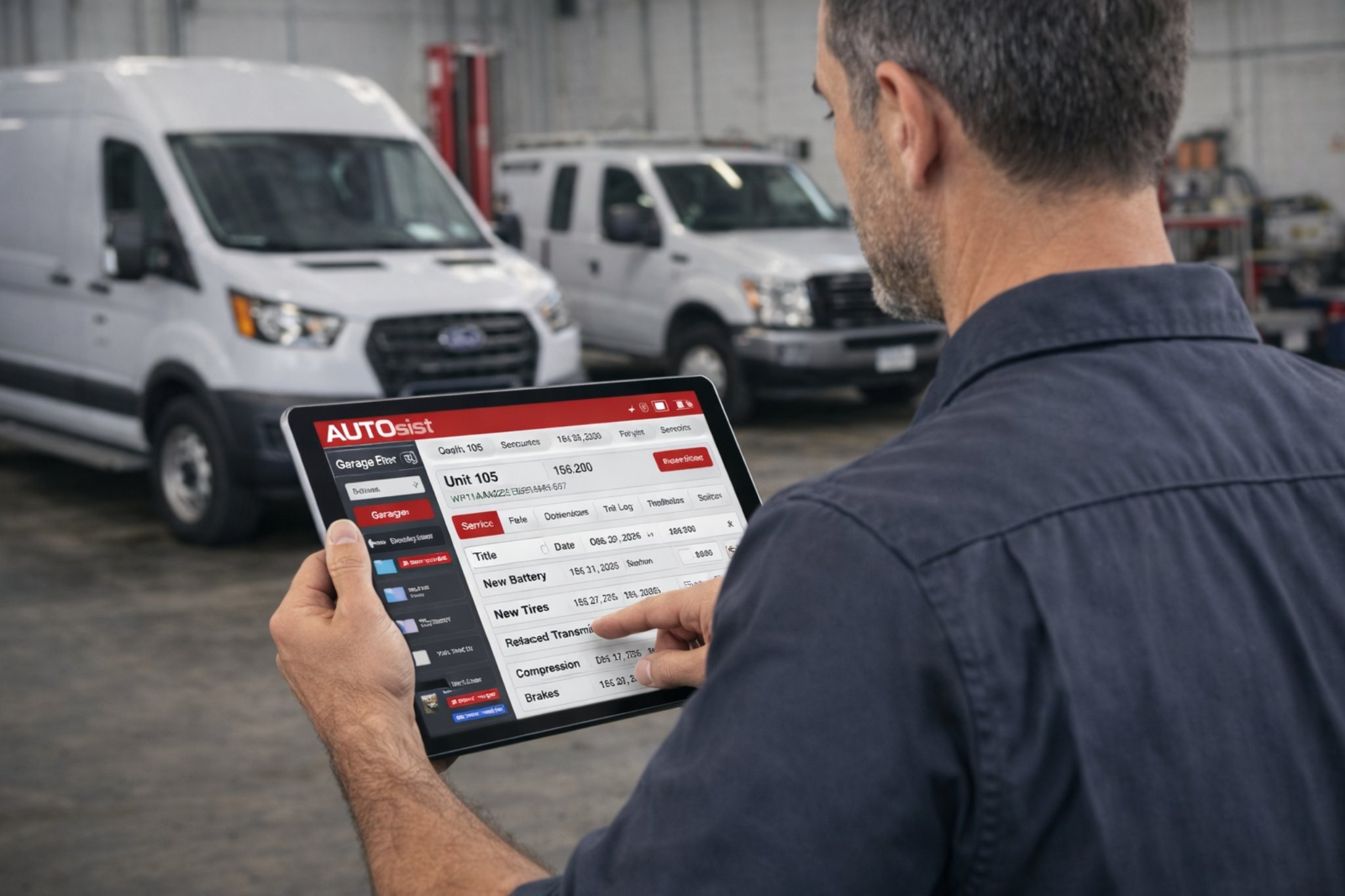
AUTOsist Fleet Management Resources
What Is Fleet Maintenance Software

Vehicle Inspection Guide
Fleet Maintenance Log Excel Template
Fleet Management Software