Fleet Optimization
Fleet optimization is the structured process of aligning vehicles, maintenance activities, utilization levels, and operational data to achieve lower operating costs, higher asset availability, and predictable service performance. It matters operationally because unmanaged fleets experience higher downtime, inefficient fuel use, accelerated asset wear, and inconsistent decision-making.

Cost vs Utilization Planning Matrix
| Utilization Level | Risk | Recommended Action | Expected Outcome |
|---|---|---|---|
| Very Low | Idle cost waste | Reassign or downsize units | Reduced fixed costs |
| Moderate | Underused assets | Route consolidation | Higher efficiency |
| Balanced | Stable operations | Maintain schedule controls | Predictable uptime |
| High | Accelerated wear | Increase PM frequency | Extended asset life |
| Very High | Breakdown exposure | Add reserve vehicles | Service continuity |
Reactive Management vs Optimized Fleet Management
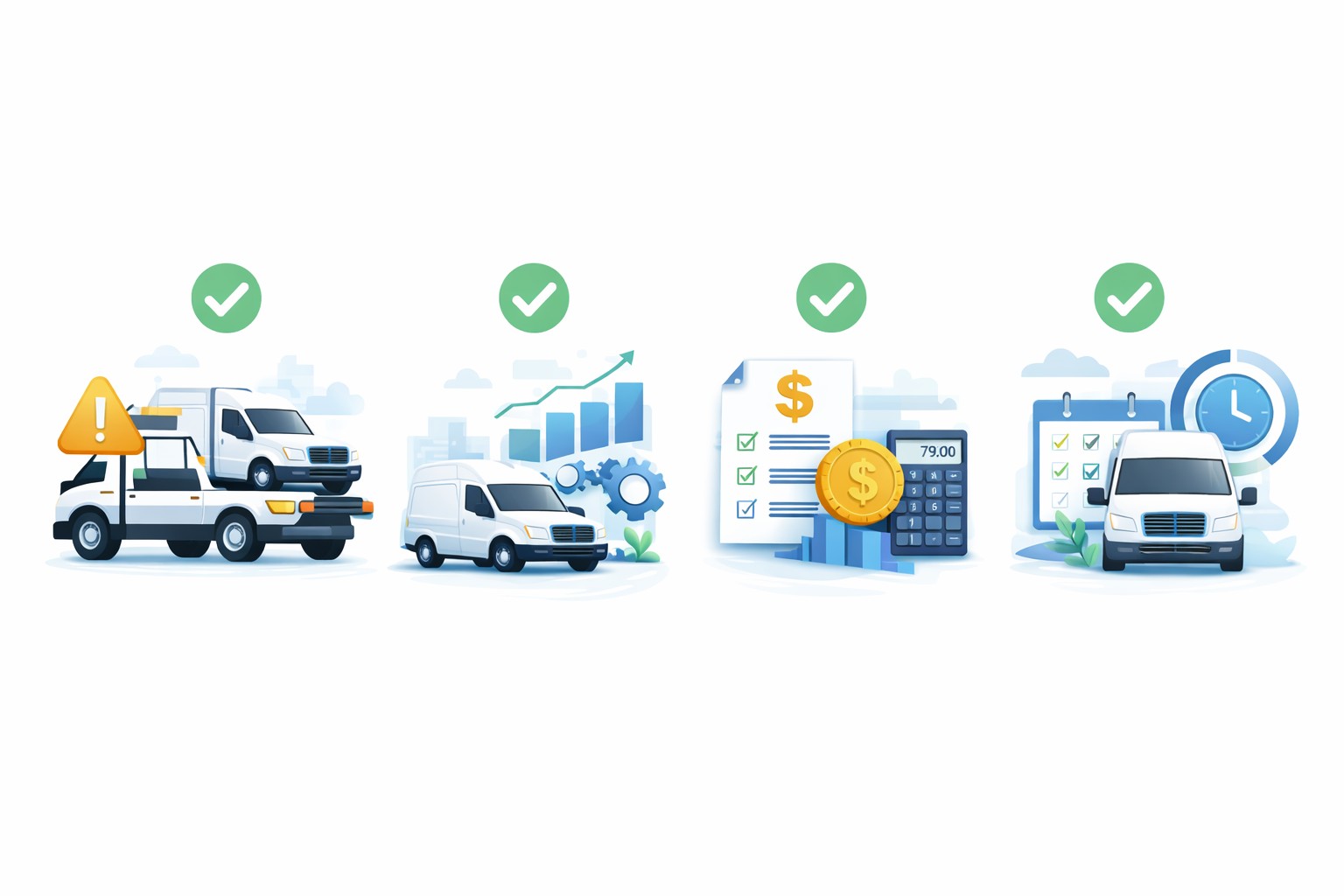
Reactive Management
- Repairs occur after failures
- Limited data visibility
- Higher emergency repair costs
- Unpredictable downtime patterns
Optimized Fleet Management
- Preventive maintenance scheduling
- Centralized data tracking
- Controlled maintenance spending
- Predictable service availability
Operational Objectives of Fleet Optimization
Fleet optimization begins with defining measurable objectives that align operational performance with financial and service goals. Clear objectives allow fleet teams to evaluate whether adjustments in scheduling, asset allocation, or maintenance frequency are improving outcomes.
- Reduce unplanned downtime and roadside failures
- Extend vehicle and component life cycles
- Control maintenance and fuel expenditure
- Improve driver safety and compliance consistency
- Maintain predictable service delivery levels
Outcome Focus
- Stable maintenance intervals
- Lower lifecycle cost per vehicle
- Improved planning accuracy
Data Inputs Required for Effective Optimization
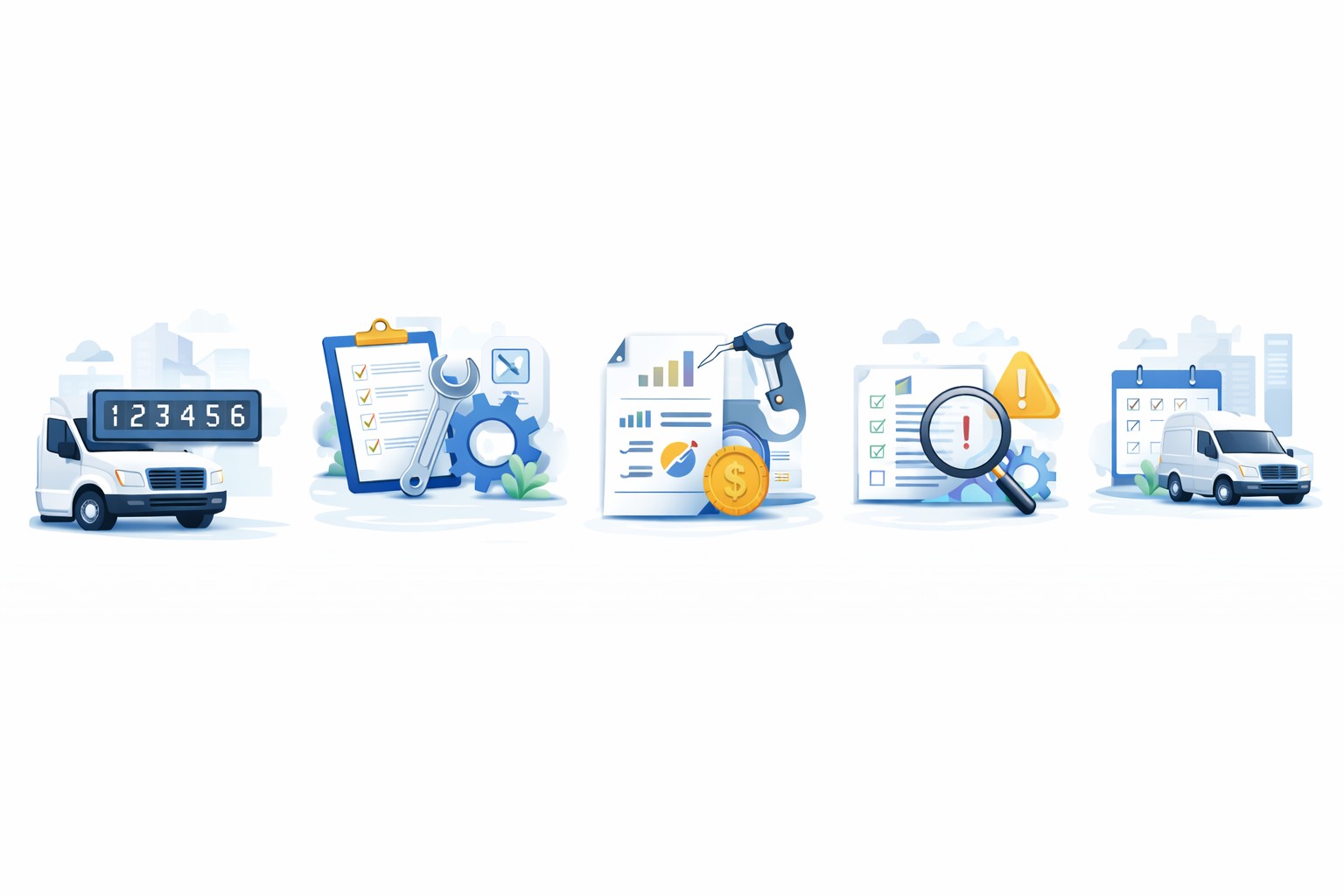
Optimization decisions depend on consistent, accurate, and centralized data collection. Without reliable inputs, fleets rely on assumptions rather than measurable performance indicators, which leads to inconsistent results.
- Odometer and engine-hour readings
- Maintenance history and repair frequency
- Fuel consumption and cost trends
- Inspection reports and defect patterns
- Vehicle utilization rates and idle time
Outcome Focus
- Evidence-based decision making
- Reduced estimation errors
- Faster operational adjustments
Optimization Strategies and Control Methods
Once data visibility is established, fleets implement structured control methods to influence cost, uptime, and utilization balance. These methods focus on prevention, scheduling discipline, and asset alignment rather than reactive correction.
- Preventive maintenance interval planning
- Route and workload balancing across vehicles
- Replacement cycle forecasting
- Parts inventory standardization
- Driver inspection accountability processes
Outcome Focus
- Fewer emergency repairs
- Balanced asset workload
- Improved maintenance predictability

Monitoring, KPIs, and Continuous Adjustment
Optimization is not a one-time initiative; it requires continuous measurement and periodic adjustment. Regular KPI reviews allow fleets to detect inefficiencies before they become operational disruptions.
- Cost per mile or cost per kilometer tracking
- Mean time between failures (MTBF)
- Vehicle availability percentage
- Inspection defect recurrence rate
- Fuel efficiency trends
Outcome Focus
- Early issue detection
- Sustainable performance improvements
- Long-term cost stabilization
Final Takeaways
Fleet optimization is a structured discipline centered on data accuracy, preventive controls, and continuous performance review rather than isolated cost-cutting actions.
- Define measurable operational and financial objectives before making adjustments.
- Centralize odometer, maintenance, fuel, and inspection data for consistency.
- Use preventive maintenance schedules to reduce emergency repairs.
- Monitor utilization balance to avoid both idle waste and overuse wear.
- Review KPIs regularly and adjust strategies based on evidence.
AUTOsist Fleet Management Resources
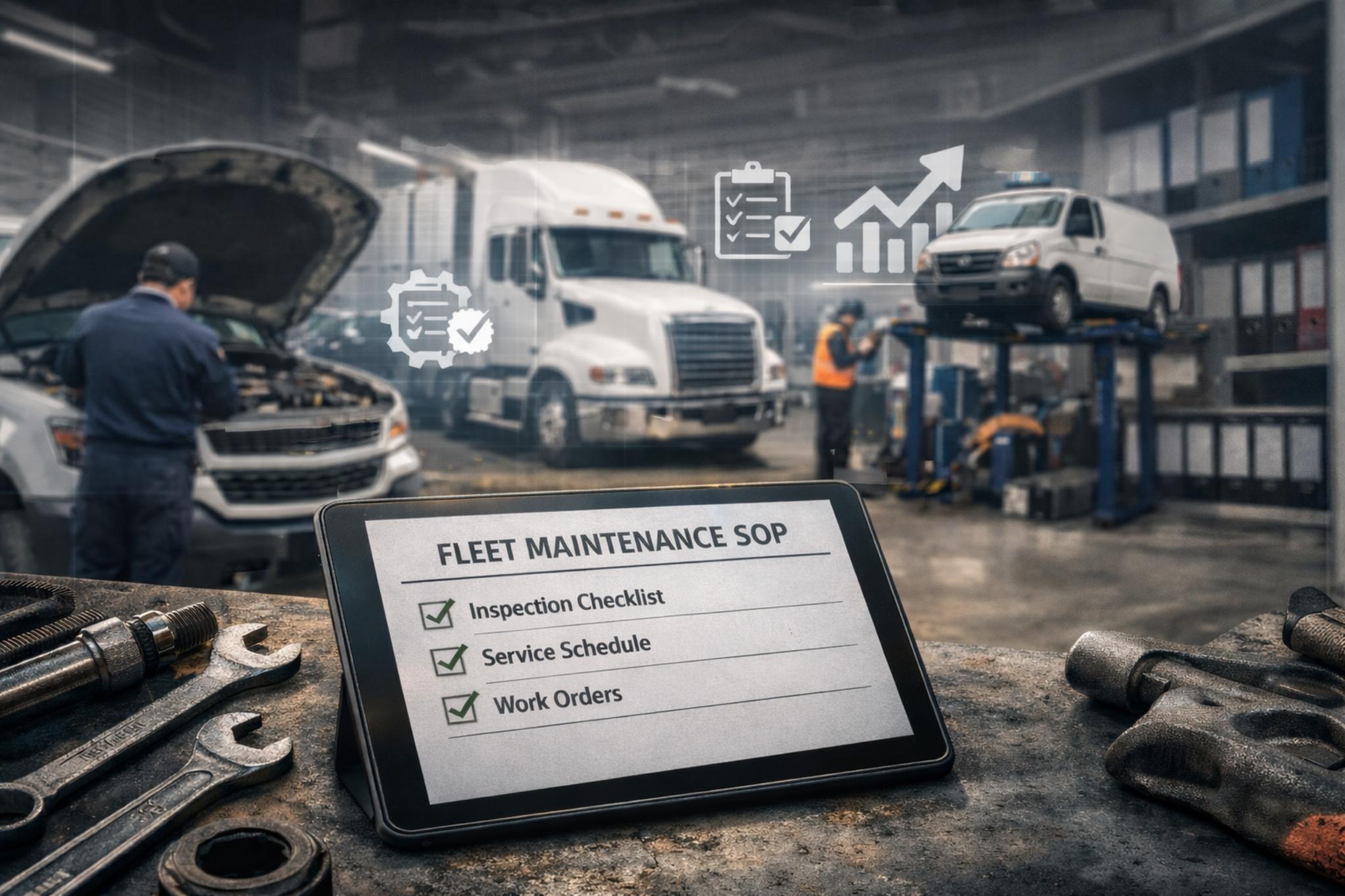
Fleet Maintenance SOP Guide

Vehicle Inspection Checklist
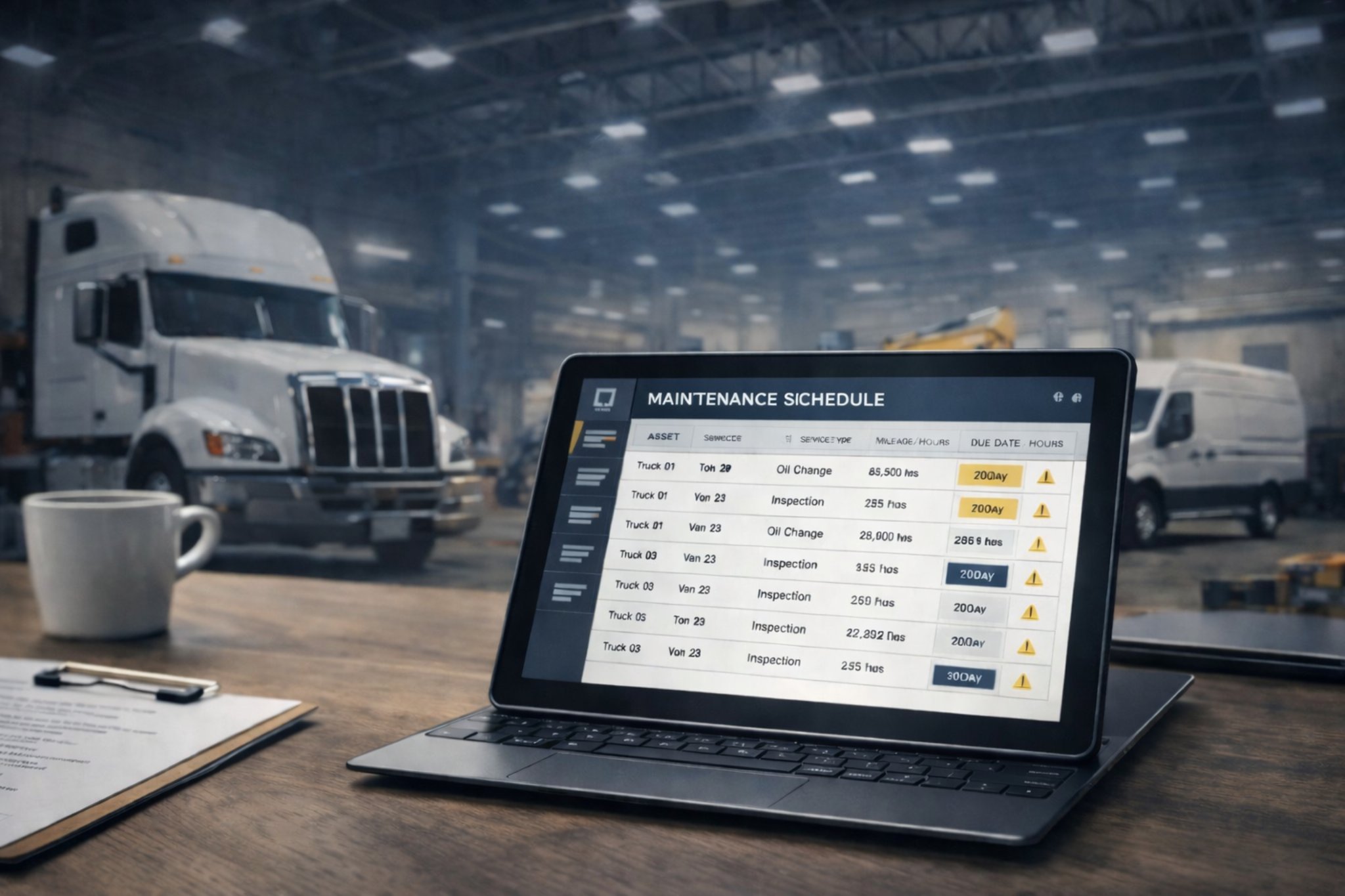
Preventive Maintenance Schedule Template
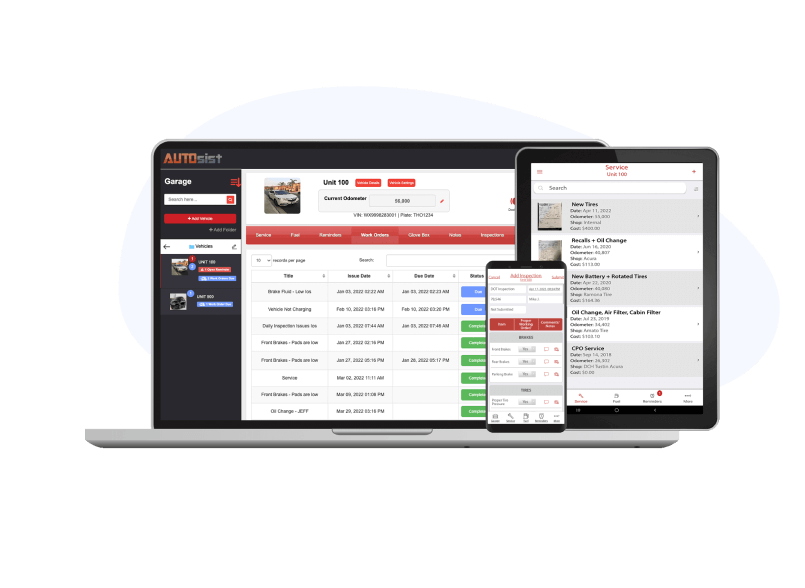
Fleet Maintenance Software