Fleet Telematics Implementation Strategy
Fleet telematics implementation is the structured process of deploying GPS, vehicle data systems, and analytics tools across a fleet to improve visibility, control, and decision-making. A well-executed implementation ensures accurate data collection, operational consistency, and measurable improvements in safety, cost, and performance.

Telematics Implementation Phases
| Phase | Key Activities | Output | Responsible Role |
|---|---|---|---|
| Planning | Define goals, select systems | Implementation plan | Fleet manager |
| Pilot | Test devices on small fleet | Performance validation | Operations team |
| Deployment | Install hardware, onboard users | System fully deployed | IT & field technicians |
| Optimization | Refine workflows, adjust alerts | Improved efficiency | Fleet & data analysts |
| Review | Evaluate results, ROI tracking | Continuous improvements | Leadership team |
Basic Telematics vs Advanced Telematics Systems

Basic Telematics
- Focus on GPS tracking and location visibility
- Limited data on vehicle performance
- Minimal integration with maintenance systems
- Suitable for small fleets or initial adoption

Advanced Telematics
- Includes diagnostics, driver behavior, fuel usage, and alerts
- Integrates with maintenance, reporting, and compliance systems
- Supports predictive decision-making
- Enables full operational visibility across the fleet
What Fleet Telematics Implementation Involves
Fleet telematics implementation extends beyond installing GPS devices. It includes aligning hardware, software, and operational workflows to ensure consistent data capture and practical use across the organization.
- Installation of tracking devices and onboard diagnostics units
- Configuration of software platforms for fleet-wide monitoring
- Integration with existing systems such as maintenance and reporting tools
- Establishment of data policies and operational workflows
- Standardization across vehicles, drivers, and locations
Outcome:
- Unified fleet visibility
- Consistent data collection across operations
- Foundation for data-driven decisions

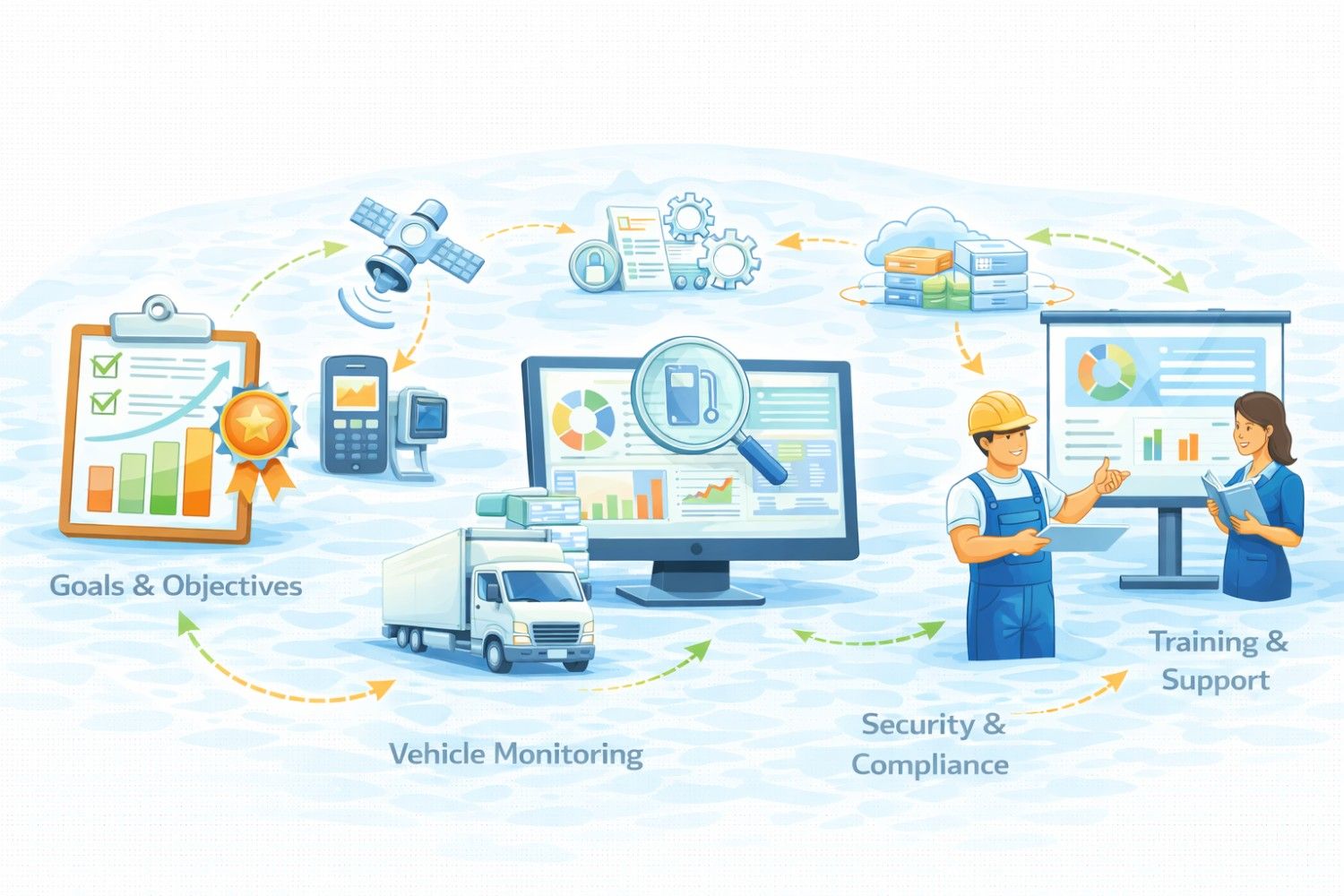
Key Components of a Telematics Implementation Strategy
A structured strategy ensures that telematics systems function reliably and deliver actionable insights instead of fragmented data.
- Selection of appropriate hardware (OBD, wired, or hybrid devices)
- Configuration of telematics platforms and dashboards
- Integration with systems such as AUTOsist fleet maintenance software and existing workflows
- Definition of user roles, permissions, and access levels
- Setup of alerts, thresholds, and reporting structures
Outcome:
- Reliable system performance
- Clear ownership and accountability
- Scalable implementation across fleet growth
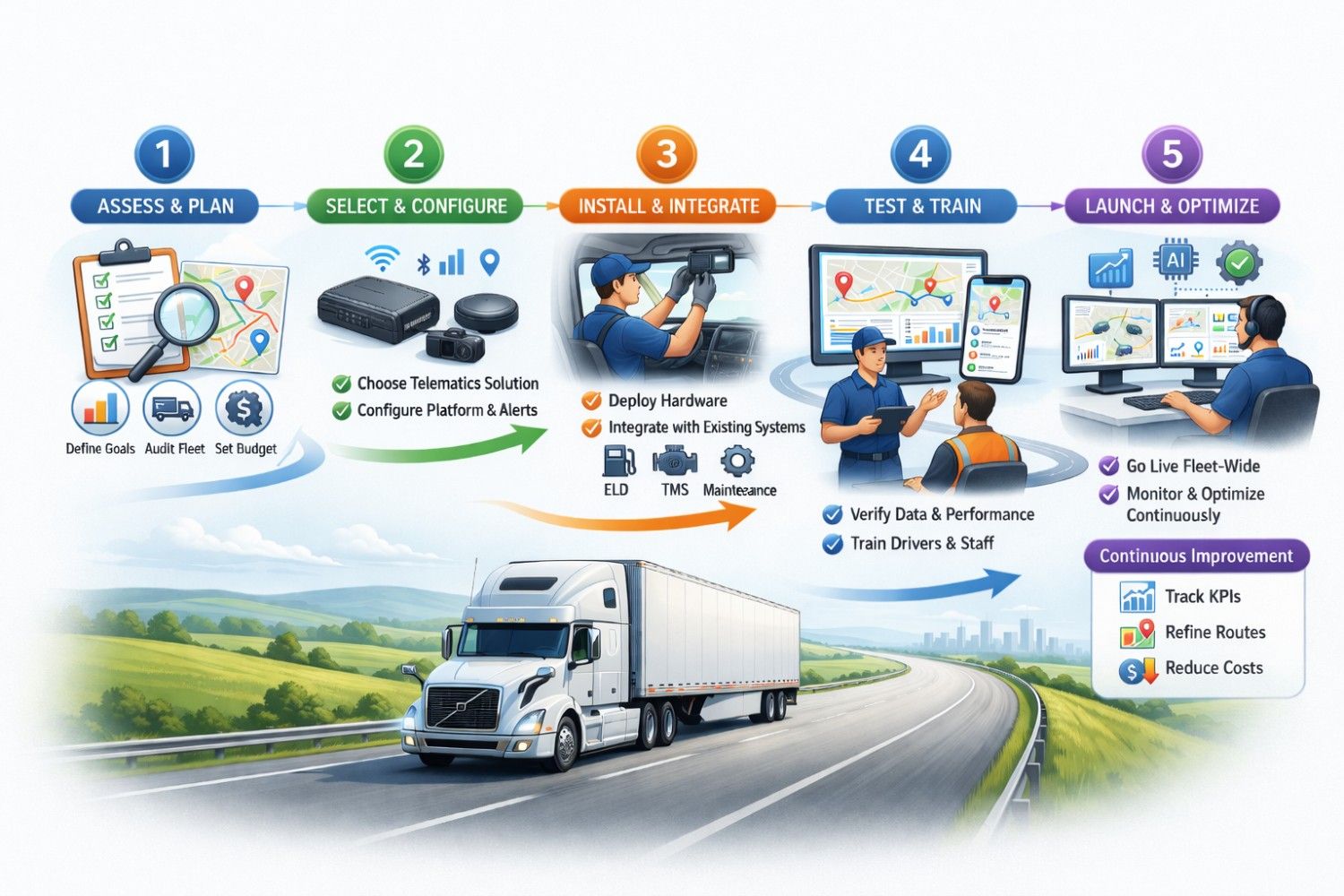
Implementation Process and Deployment Phases
A phased rollout reduces risk and allows fleets to validate system performance before full deployment.
- Define operational goals and success metrics before implementation
- Conduct pilot deployments on a subset of vehicles
- Train drivers and staff on system usage and expectations
- Gradually expand deployment across the fleet
- Monitor early performance and adjust configurations
Outcome:
- Reduced implementation risk
- Higher adoption rates among drivers and staff
- Faster time to operational value

Data Management, Reporting, and Operational Use
Telematics systems generate large volumes of data, but value depends on how effectively that data is structured and used.
- Establish standardized reports for location, utilization, and performance
- Use dashboards to monitor real-time fleet activity
- Align telematics data with maintenance schedules and inspections
- Track driver behavior metrics such as speeding, idling, and harsh braking
- Convert raw data into actionable KPIs and operational decisions
For example, integrating telematics with a fleet telematics maintenance integration guide enables fleets to connect vehicle data directly to maintenance workflows.
Outcome:
- Improved decision-making
- Better maintenance planning
- Increased operational transparency
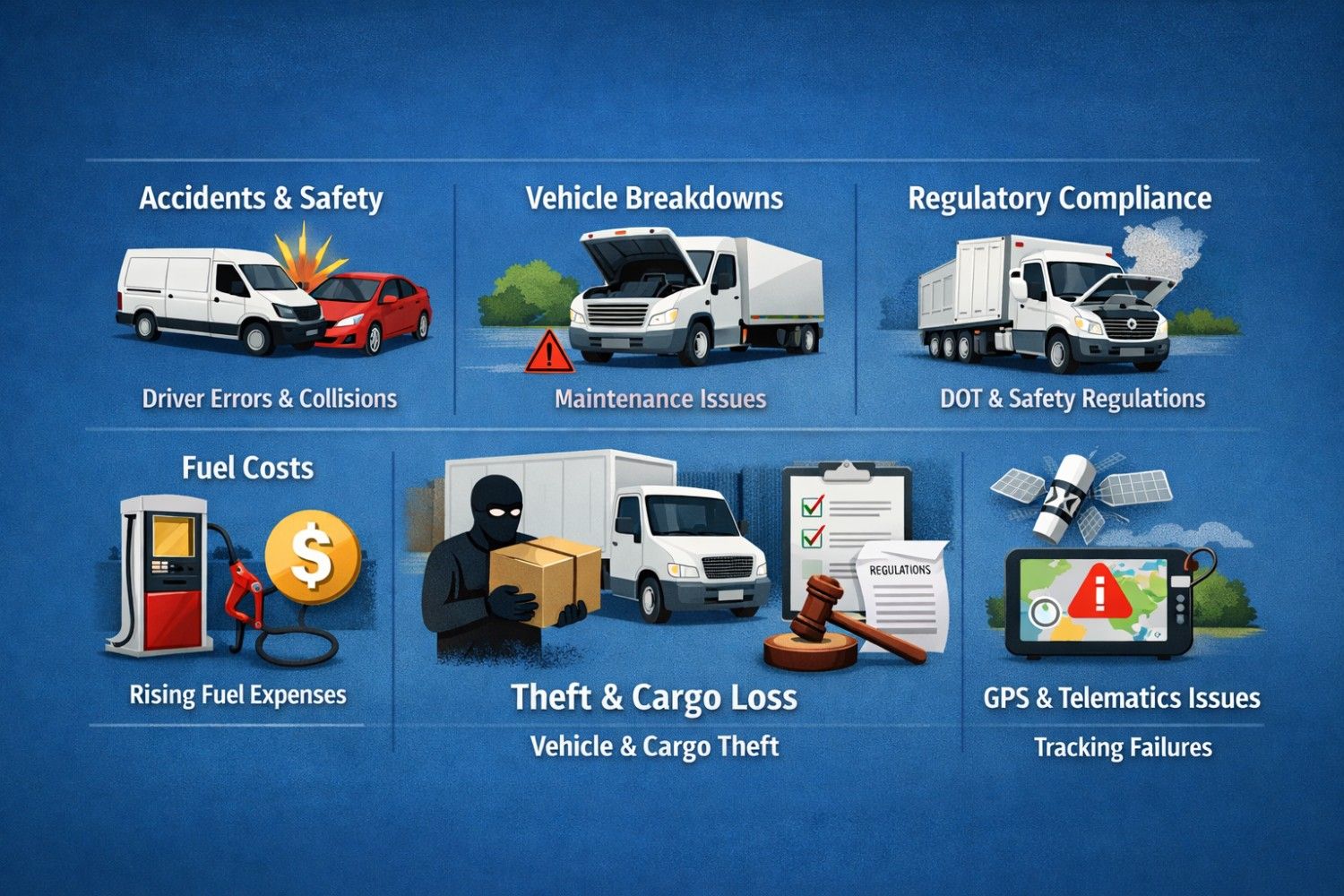
Common Challenges and Risk Considerations
Without structured implementation, telematics systems can introduce complexity instead of clarity.
- Inconsistent hardware installation across vehicles
- Data overload without clear reporting structures
- Resistance from drivers due to lack of communication or training
- Poor integration with existing systems
- Misalignment between data collection and operational goals
To avoid these issues, fleets often align implementation with structured frameworks such as a fleet manager guide and use standardized tools like a fleet preventive maintenance checklist template to maintain consistency.
Outcome:
- Reduced operational risk
- Higher system adoption
- More reliable data usage
Final Takeaways
Fleet telematics implementation requires more than installing devices; it depends on structured deployment, system integration, and disciplined data use.
- Start with clear operational goals before selecting telematics systems
- Use phased deployment to reduce risk and improve adoption
- Focus on integrating telematics data with maintenance and operations
- Standardize reporting to convert data into actionable insights
- Continuously review and optimize system performance over time
AUTOsist Fleet Management Resources

Fleet Telematics Maintenance Integration Guide

Fleet Manager Guide
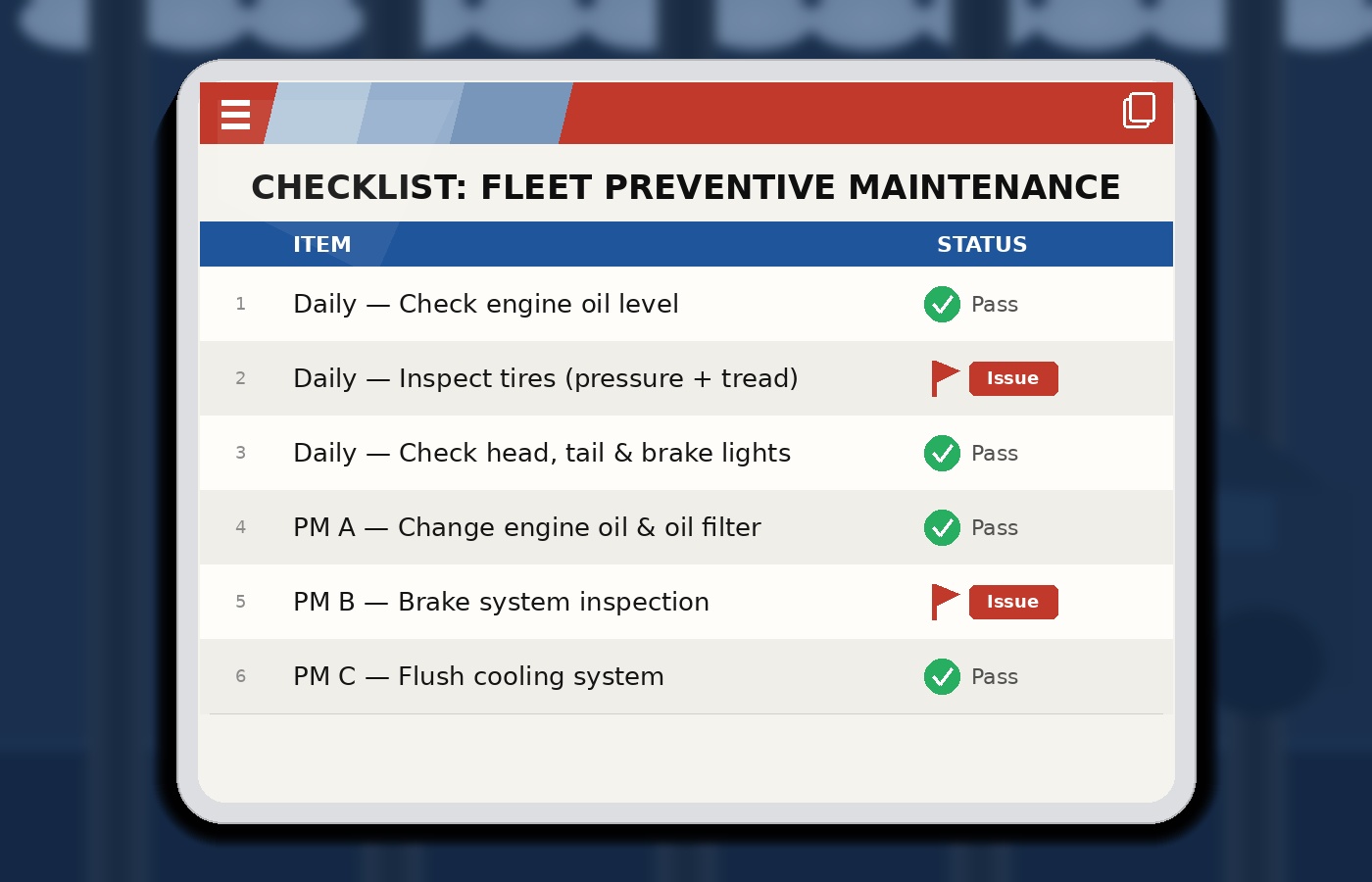
Fleet Preventive Maintenance Checklist Template
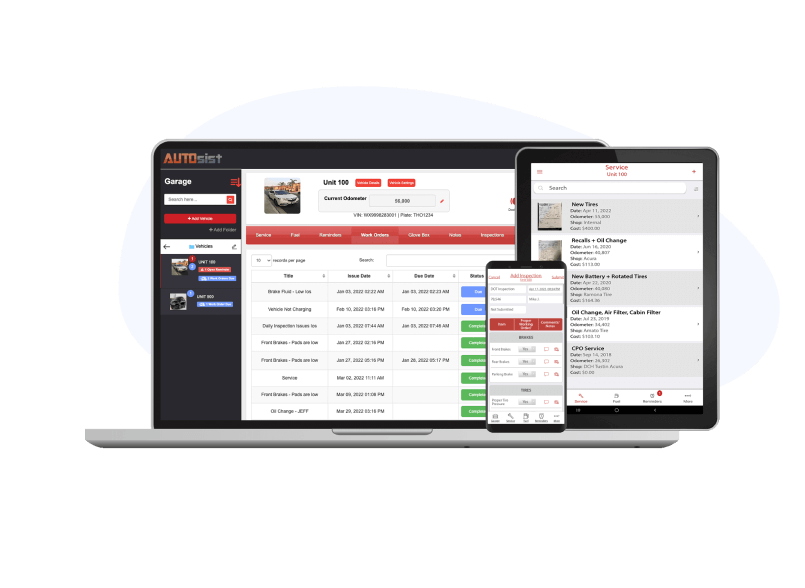
AUTOsist Fleet Maintenance Software