Fleet Telematics & Maintenance Integration Guide
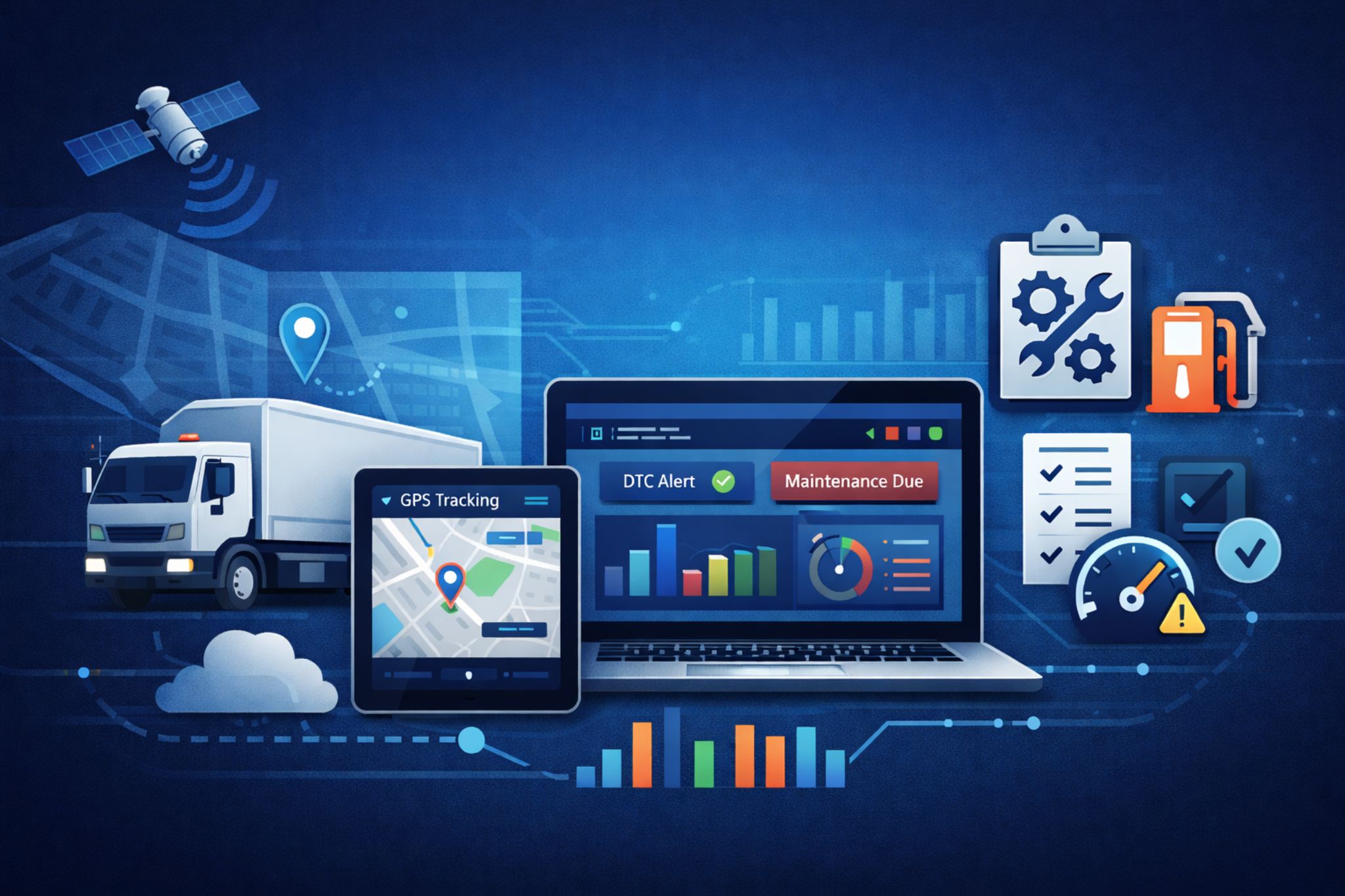
Fleet telematics integration connects vehicle tracking data with maintenance, compliance, and operational systems to create a unified view of fleet performance. When structured correctly, integration enables preventive maintenance automation, compliance visibility, and data-driven operational control.
Integration Models Compared
The following table summarizes common approaches fleets use to connect telematics systems with maintenance software.
| Integration Model | Data Sync Method | Control Level |
|---|---|---|
| Manual CSV Export | Periodic file upload | Low |
| Scheduled Batch Sync | Timed API push/pull | Moderate |
| Real-Time API Integration | Continuous API feed | High |
| Middleware Connector | Third-party data bridge | Variable |
| Native Direct Integration | Vendor-supported API link | High |
Telematics as Standalone Tracking vs Integrated Maintenance Intelligence

Standalone Tracking Platform
- GPS location monitoring
- Driver behavior alerts
- Basic trip history
- Limited maintenance triggers
- Separate reporting environment

Integrated Fleet Management Platform
- Automated preventive maintenance triggers
- Diagnostic Trouble Code-based work order creation
- Unified service history records
- Centralized compliance documentation
- Cross-functional reporting dashboards
Understanding Fleet Telematics in a Maintenance Context
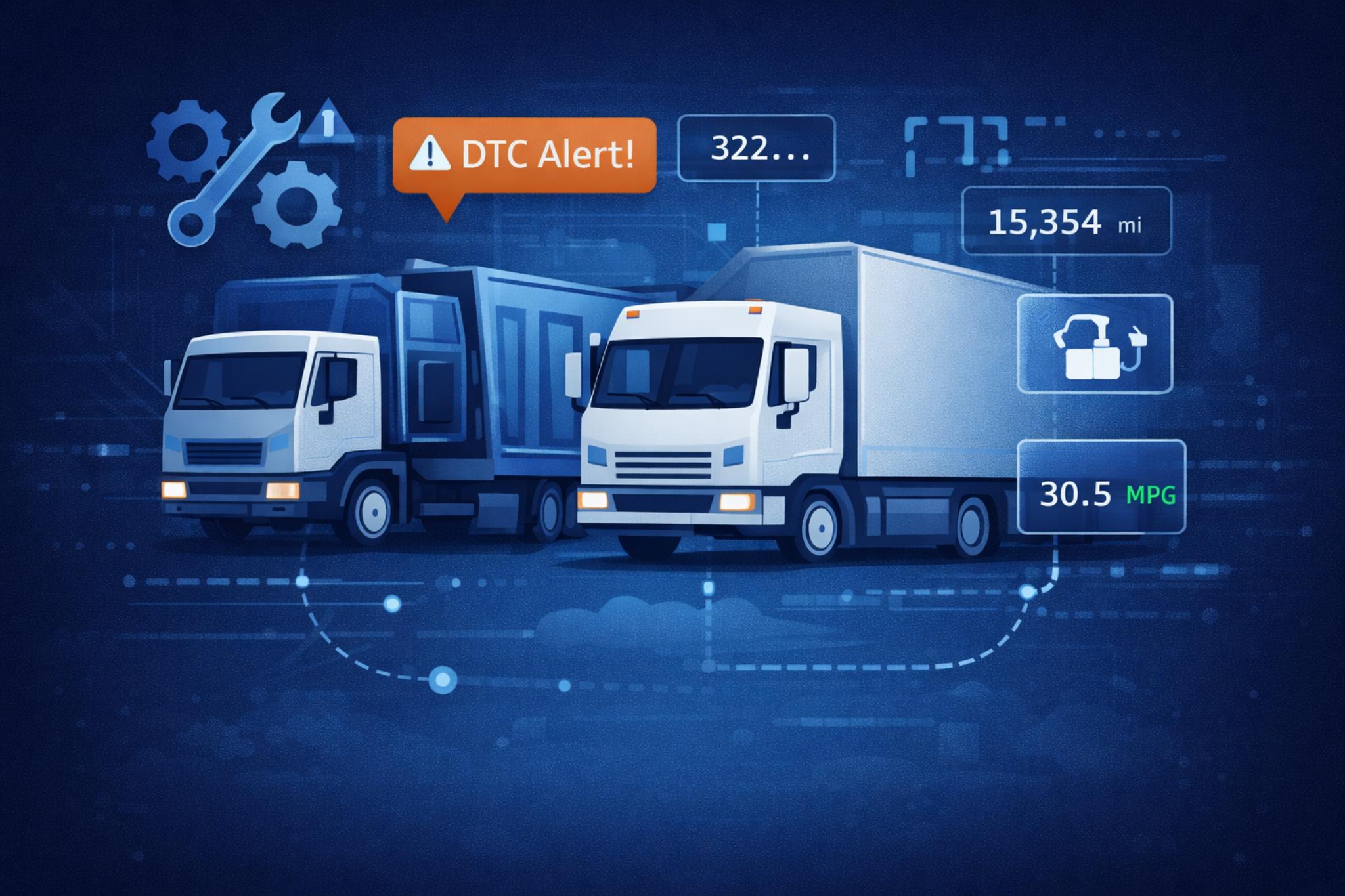
Fleet telematics systems collect operational data from vehicles and transmit it to centralized platforms. When connected to maintenance workflows, this data becomes actionable rather than informational.
- Engine hours and mileage automatically update maintenance intervals
- Fault codes inform inspection and repair prioritization
- Idling and fuel data support operational cost analysis
- Harsh driving events link to vehicle wear patterns
- GPS data validates asset utilization
Operational outcome:
- Reduced reactive maintenance
- Improved maintenance scheduling accuracy
- Clearer performance accountability
Integration Architecture and Data Flow Design
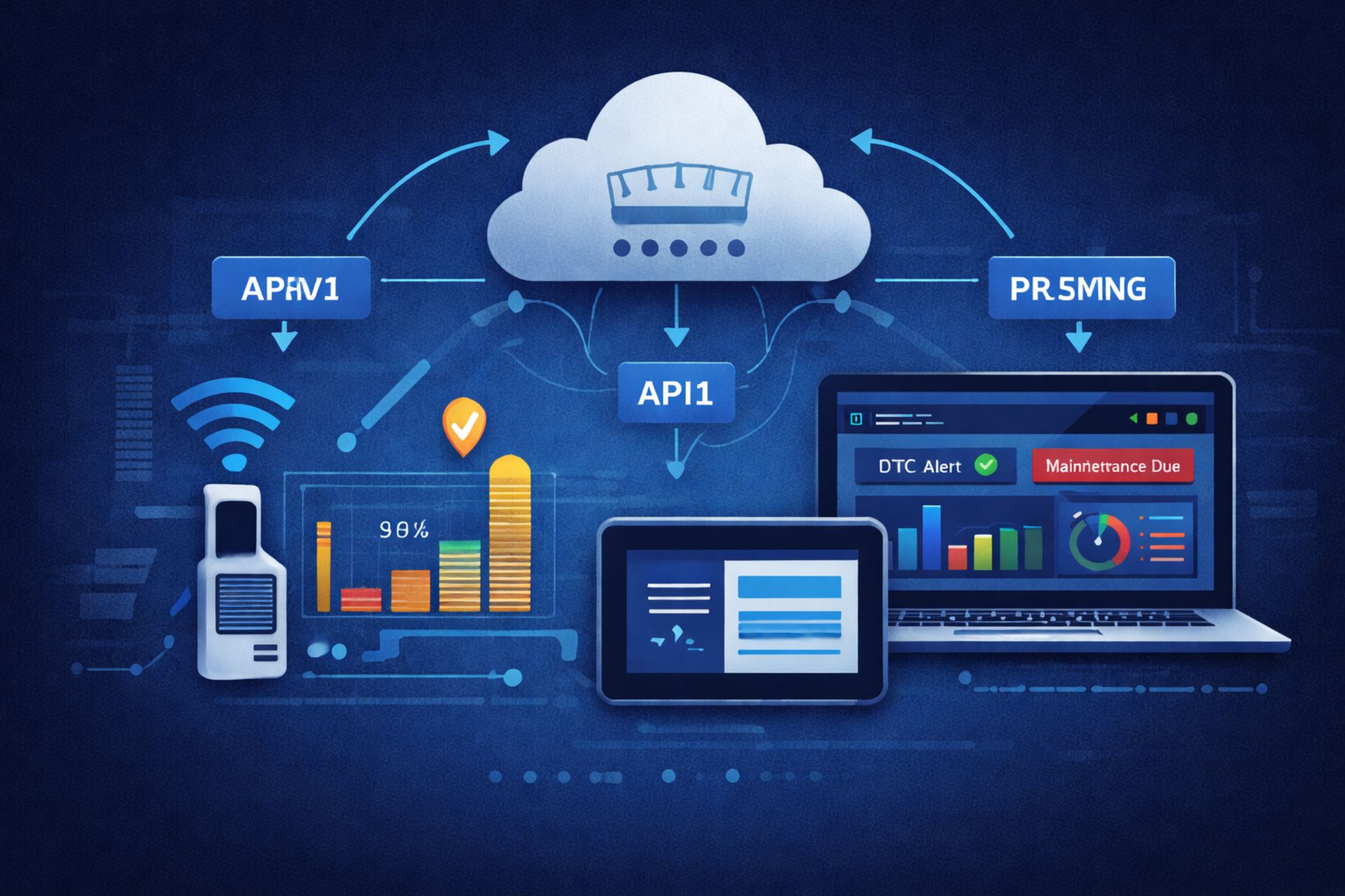
Successful telematics integration depends on structured data mapping, governance controls, and defined synchronization logic between systems.
- Define which data fields sync (mileage, engine hours, DTCs, driver ID)
- Establish update frequency (real-time vs scheduled intervals)
- Standardize asset identifiers across systems
- Validate API permissions and security protocols
- Document exception-handling procedures
Fleets evaluating telematics architecture should understand the broader relationship between tracking systems and maintenance platforms, as outlined in the Fleet Maintenance vs Fleet Management Guide.
Operational outcome:
- Accurate automated maintenance triggers
- Reduced duplicate data entry
- Stronger audit traceability
Operational Use Cases Enabled by Telematics Integration
When properly integrated, telematics data drives structured maintenance and compliance execution rather than passive monitoring.
- Automatic preventive maintenance scheduling based on mileage or engine hours
- Diagnostic alerts that initiate service workflows
- Driver behavior scoring tied to safety programs
- Digital inspection records tied to vehicle history
- Fuel performance analysis linked to cost controls
Structured preventive programs are further detailed in the Preventative Maintenance Guide for Fleet Operations.
Fleets implementing standardized inspections alongside telematics should reference a Daily DVIR vehicle inspection checklist PDF to ensure documentation alignment.
Operational outcome:
- Reduced downtime
- Stronger DOT compliance posture
- Better cost visibility
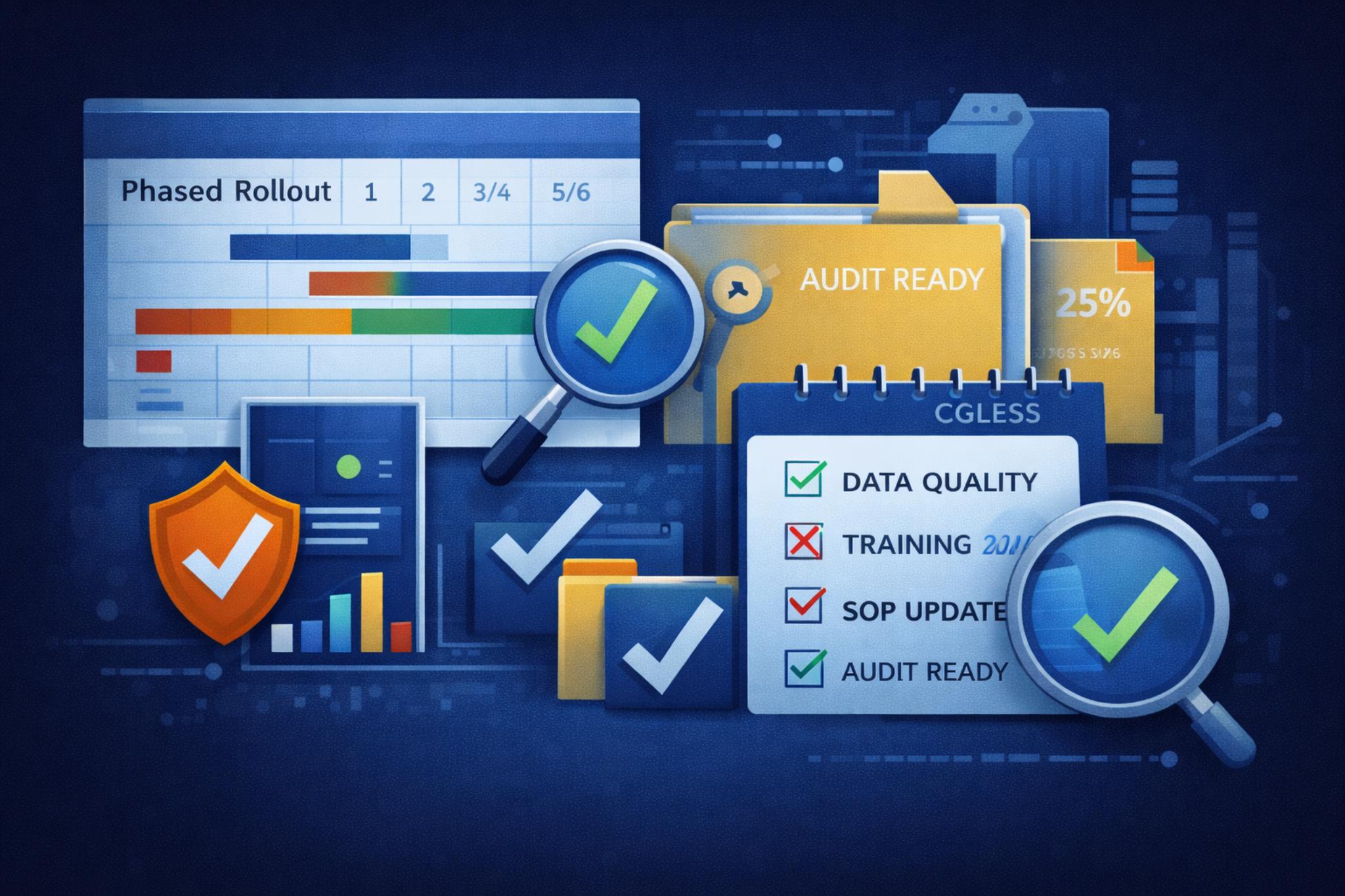
Implementation Planning and Risk Controls
Telematics integration affects maintenance workflows, reporting logic, and compliance documentation. A phased implementation reduces disruption and ensures data reliability.
- Audit current telematics data quality
- Pilot integration with a limited vehicle group
- Align preventive maintenance thresholds with OEM standards
- Train maintenance teams on automated trigger logic
- Establish data validation and exception review cycles
Fleet managers seeking a broader operational framework may consult the Fleet Management Software Buyer's Guide to structure technology evaluation and deployment.
Operational outcome:
- Controlled rollout risk
- Accurate maintenance forecasting
- Improved operational discipline
Final Takeaways
Telematics integration shifts fleet management from passive tracking to structured operational control. Clear data mapping, governance discipline, and phased implementation are essential for measurable results.
- Align telematics data with maintenance triggers
- Standardize asset identifiers before integration
- Validate sync frequency and exception handling
- Integrate inspections and compliance records
- Monitor performance KPIs after rollout
AUTOsist Fleet Management Resources
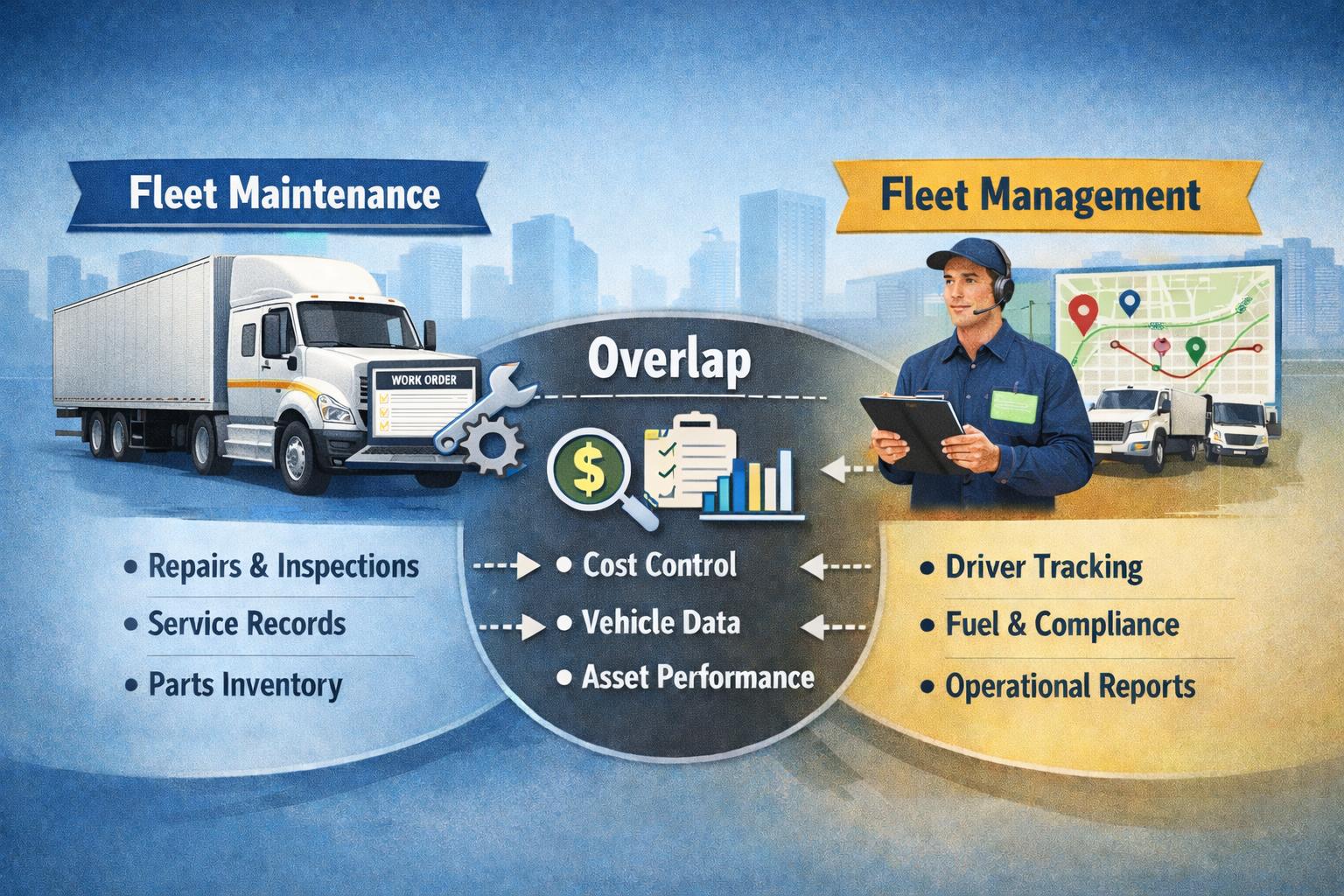
Fleet Maintenance vs Fleet Management Guide
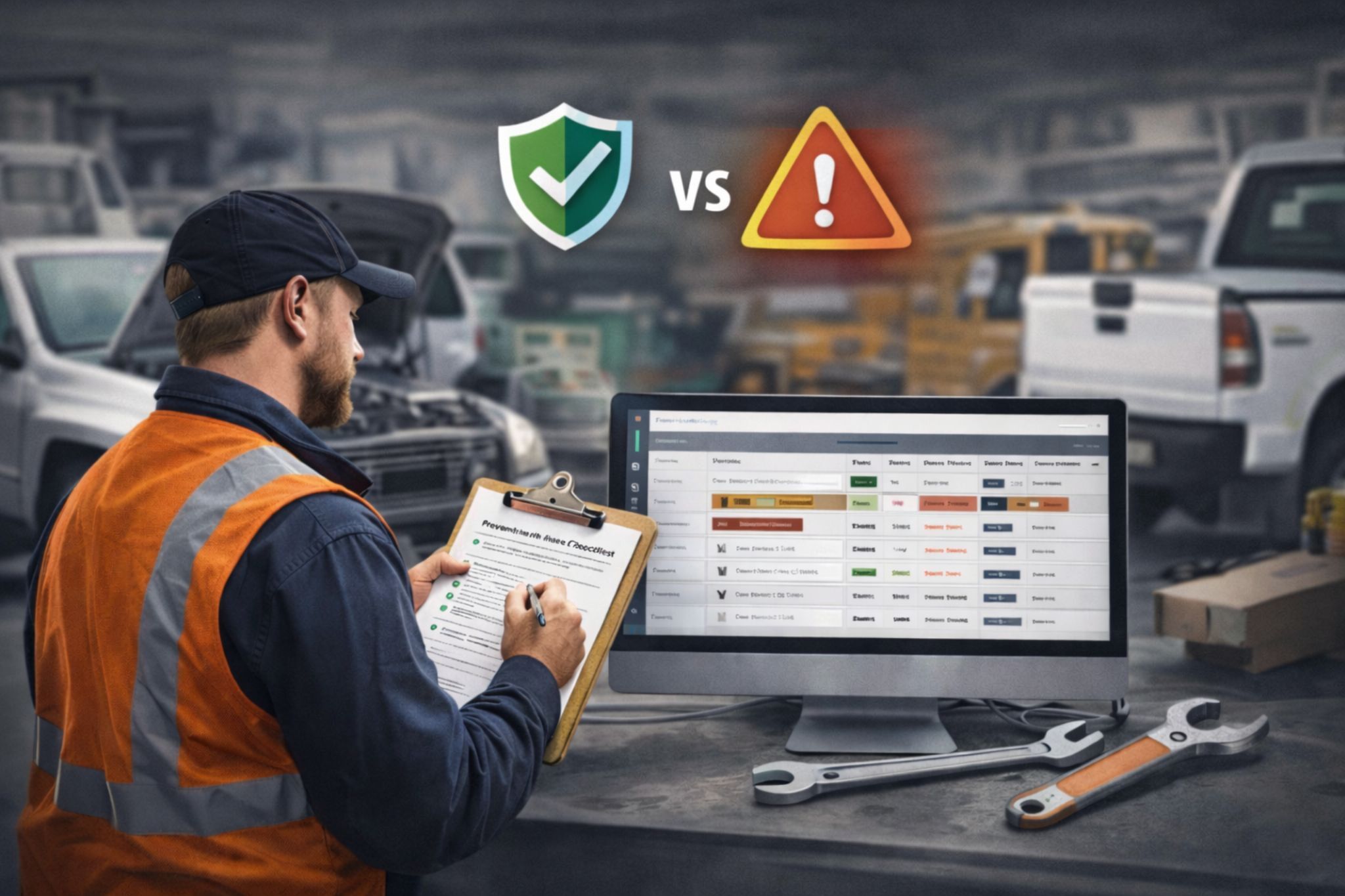
Preventative Maintenance Guide for Fleet Operations
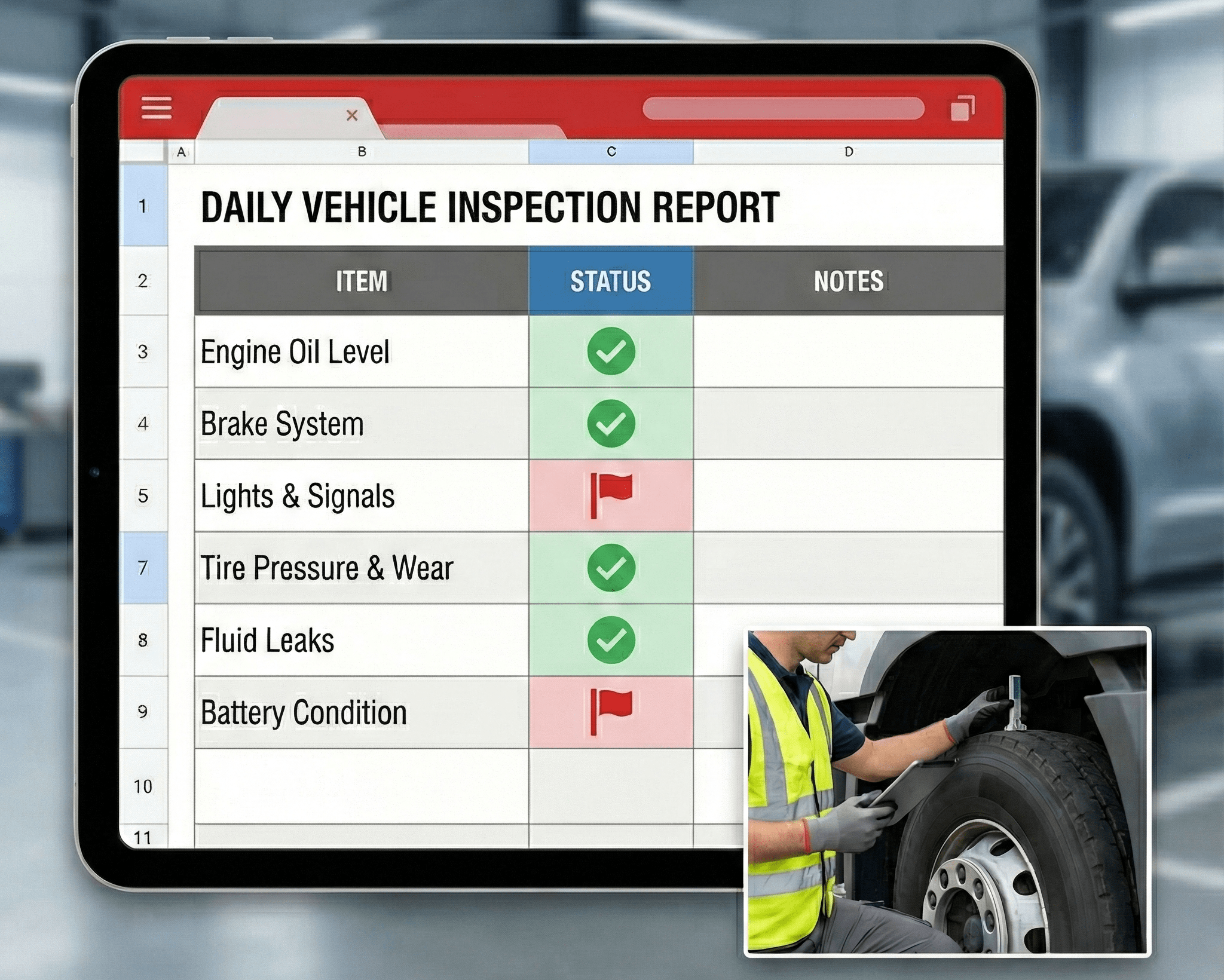
Daily DVIR vehicle inspection checklist PDF

Fleet Management Software Buyer’s Guide