Lease or Buy Fleet Vehicles: Operational Decision Guide for Fleet Managers
Choosing whether to lease or buy fleet vehicles affects long-term cost control, maintenance planning, asset visibility, and replacement cycles. The decision is operational rather than purely financial, requiring evaluation of usage patterns, maintenance capacity, and lifecycle data.
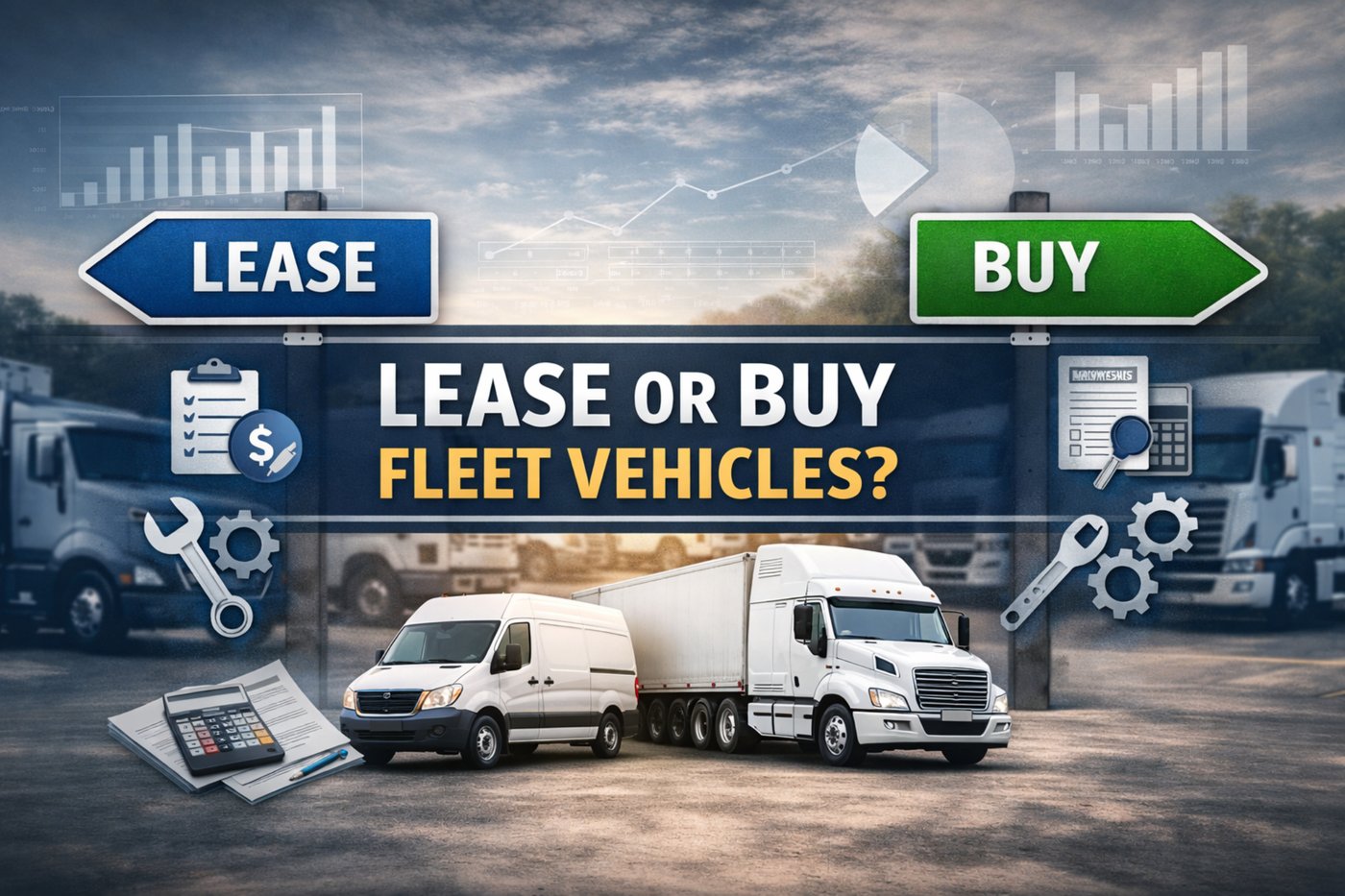
Lease vs Buy: High-Level Operational Comparison
| Factor | Lease | Buy | Typical Impact |
|---|---|---|---|
| Upfront Cost | Low | High | Cash flow vs capital allocation |
| Asset Control | Limited | Full | Customization and resale options |
| Maintenance Responsibility | Often shared or external | Internal | Internal workload and tooling needs |
| Replacement Flexibility | High | Moderate | Technology refresh speed |
| Residual Value Risk | Low | High | Depreciation exposure |
Maintenance & Asset Control: Lease vs Buy
Lease
- Maintenance schedules may be dictated by contract terms
- Limited flexibility for aftermarket modifications
- Lower internal service workload in some agreements
- Vehicle return standards can require strict record keeping

Buy
- Full control over preventive maintenance timing
- Ability to standardize parts, tools, and service workflows
- Internal teams manage inspections and compliance records
- Direct responsibility for resale value and condition
Understanding Leasing in Fleet Operations
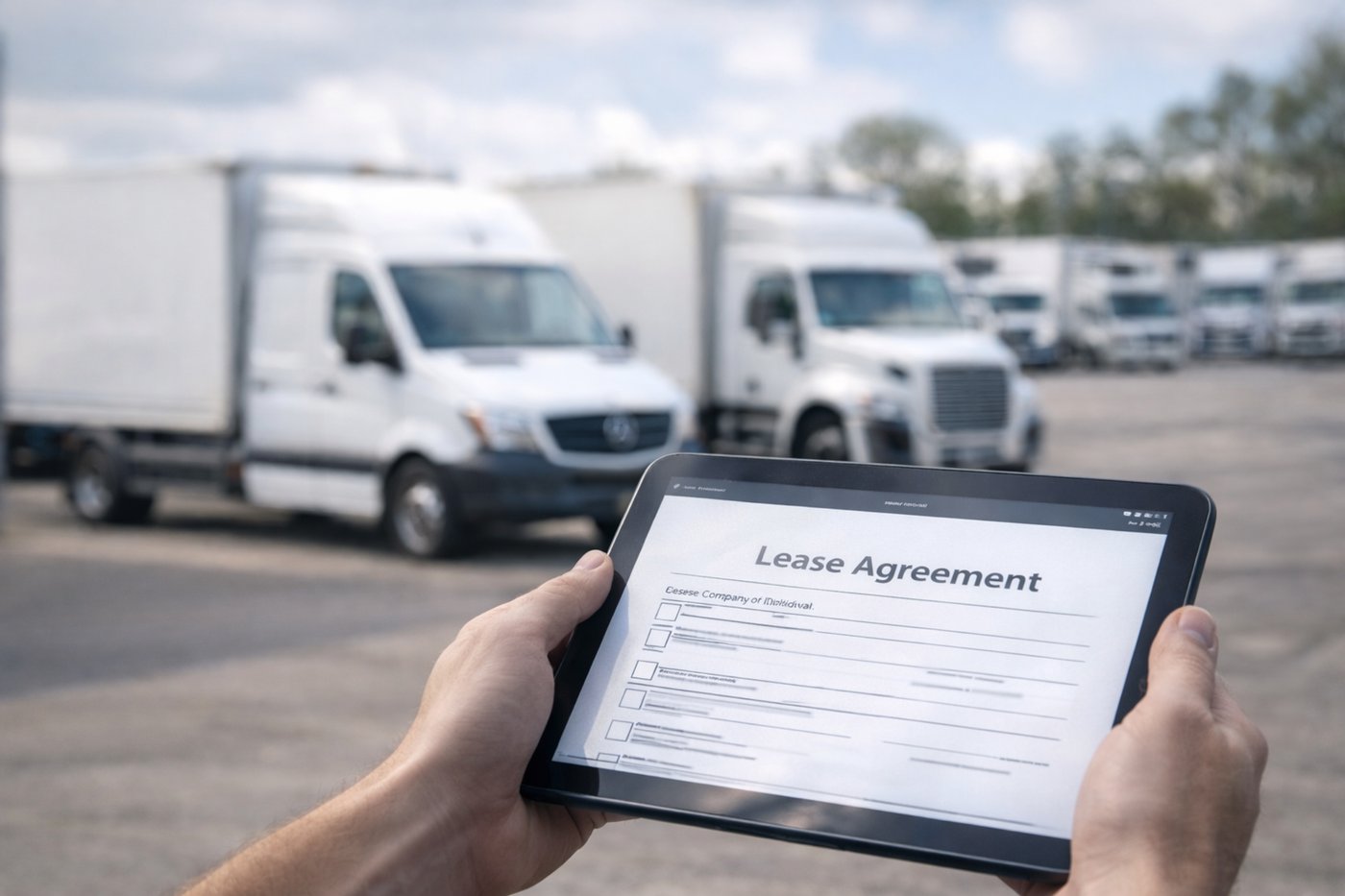
Leasing transfers part of the asset risk and often reduces initial capital outlay, but introduces contractual limits that can affect mileage, modifications, and return conditions.
- Lower upfront financial commitment compared to purchasing
- Easier fleet scaling during seasonal or project-based demand
- Contractual mileage or usage limits may apply
- End-of-term condition requirements can increase inspection rigor
- Maintenance may be bundled or partially outsourced
Outcome Signals
- Predictable monthly expenses
- Faster vehicle refresh cycles

Understanding Ownership (Buying) in Fleet Operations
Purchasing vehicles converts fleet assets into long-term capital investments and places lifecycle control fully within the organization.
- Full authority over service intervals and parts selection
- No contractual mileage caps or usage restrictions
- Depreciation and resale value become internal considerations
- Higher initial capital expenditure
- Greater flexibility for equipment customization
Outcome Signals
- Stronger asset control
- Potential long-term cost advantages if utilization is high
Total Cost of Ownership vs. Total Cost of Leasing
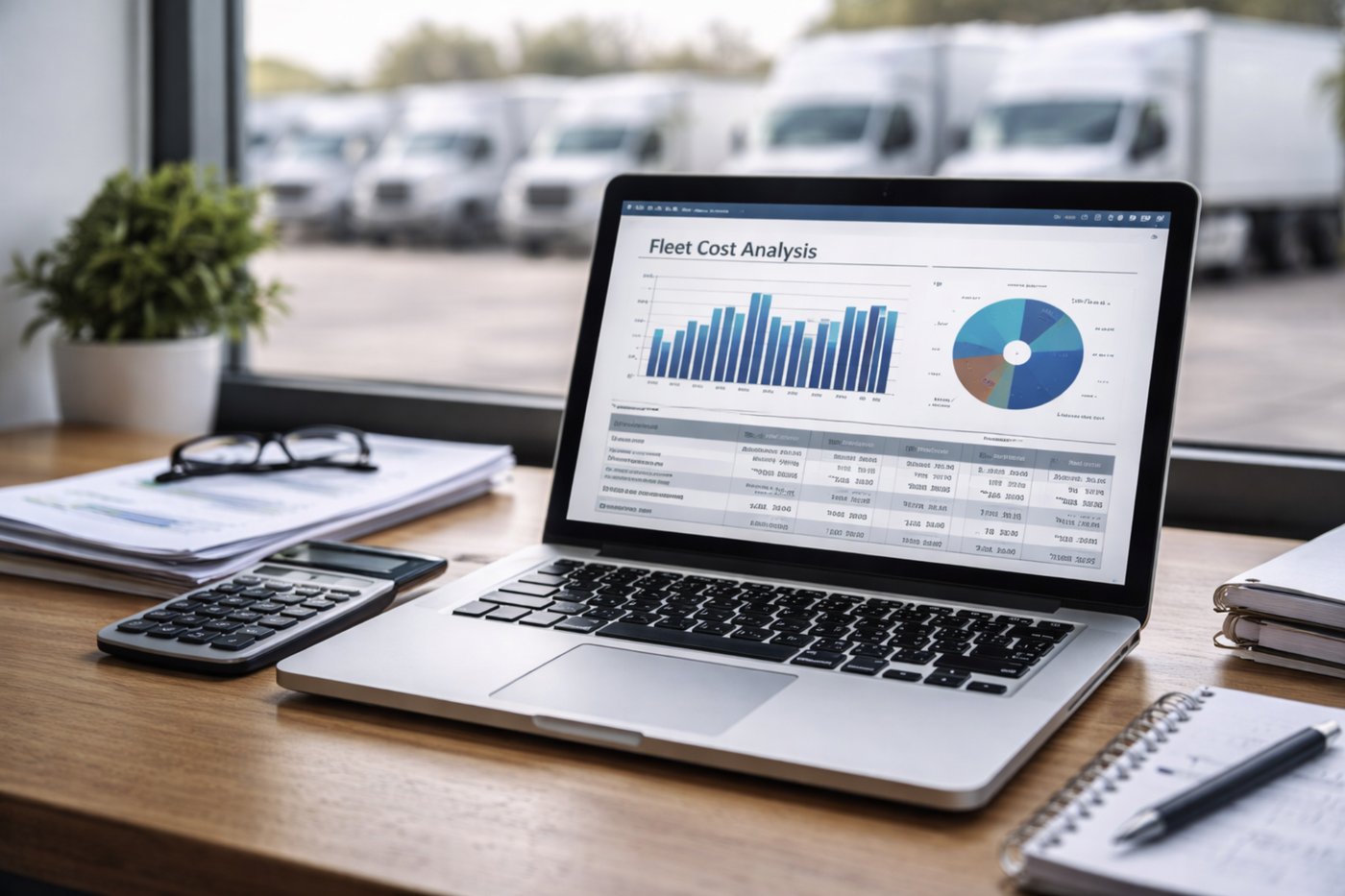
Evaluating lease versus purchase requires multi-year cost modeling that includes both direct and indirect operational expenses.
- Depreciation and residual value projections
- Preventive and corrective maintenance costs
- Insurance, registration, and compliance expenses
- Fuel efficiency and utilization rates
- Downtime risk and replacement timing
Outcome Signals
- Leasing favors shorter planning horizons
- Buying favors stable, high-utilization fleets
Operational Factors That Influence the Decision
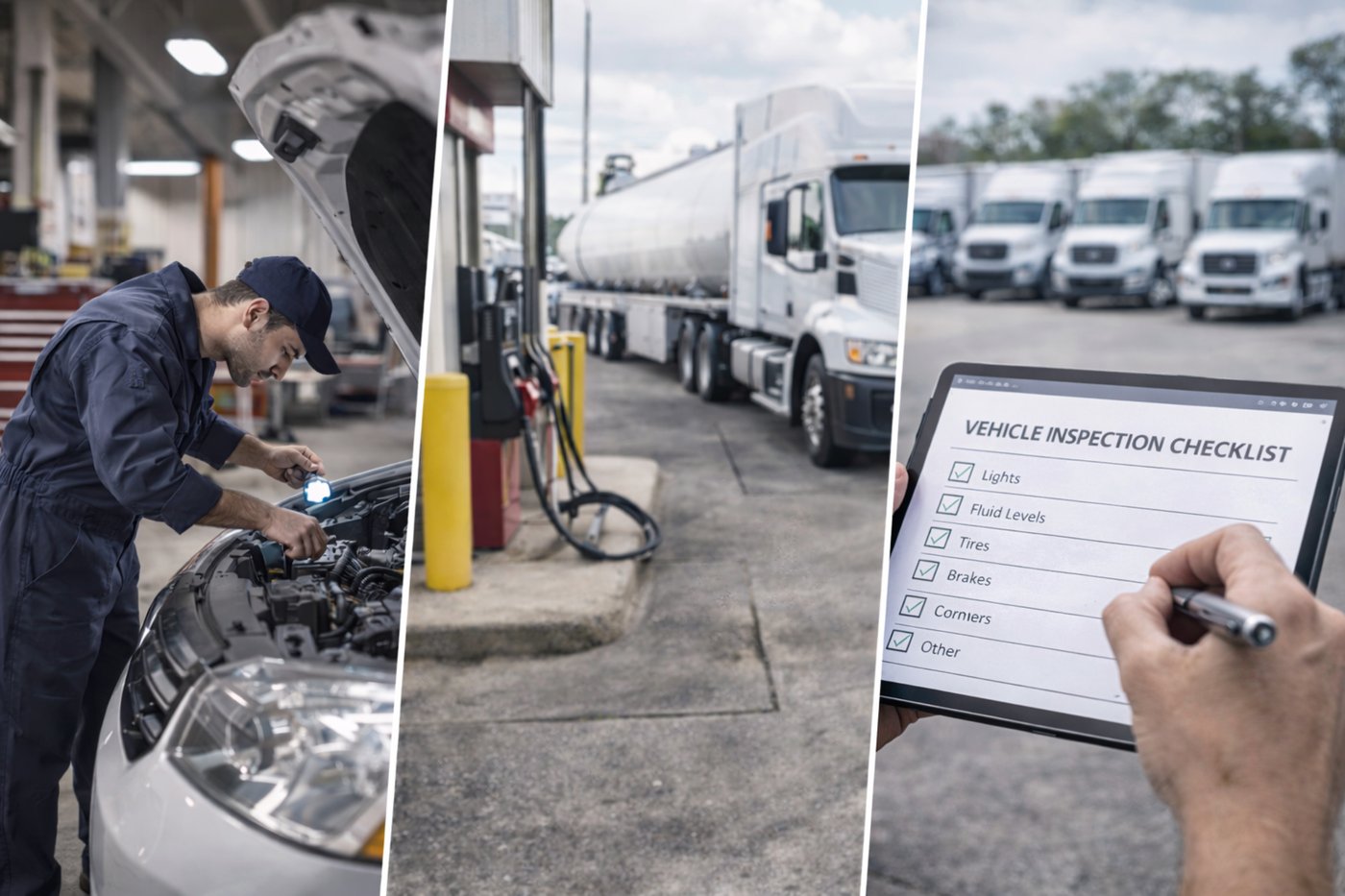
Financial modeling alone is insufficient without operational context and data visibility across the fleet.
- Annual mileage and duty cycle intensity
- Availability of in-house maintenance personnel
- Regulatory inspection and documentation requirements
- Fleet growth or contraction forecasts
- Technology refresh needs (telematics, safety systems)
Outcome Signals
- High variability favors leasing
- Long asset lifecycles favor ownership
Decision Framework for Fleet Managers
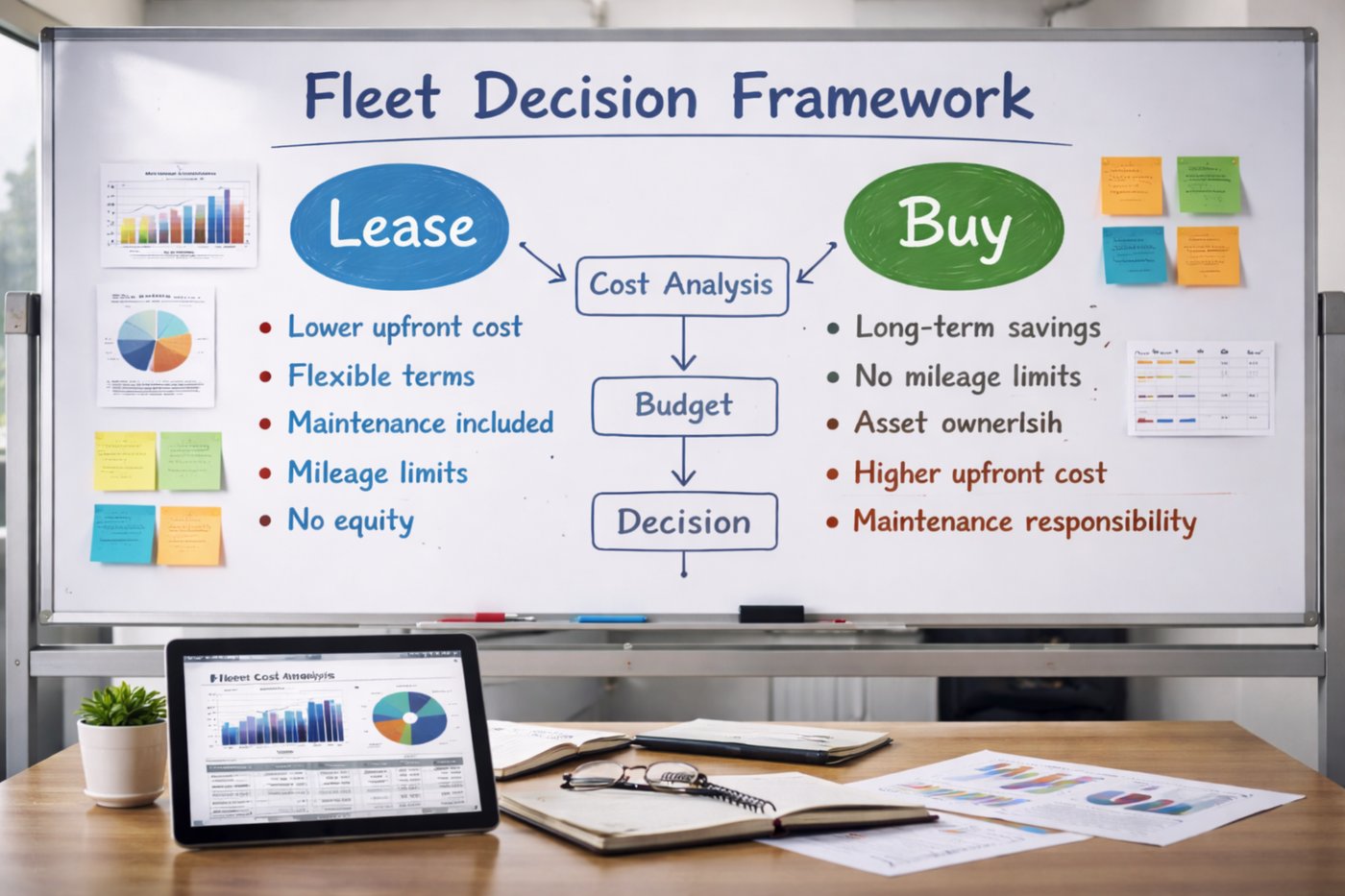
A structured evaluation approach reduces bias and ensures alignment with operational goals.
- Define expected vehicle lifespan and replacement cadence
- Calculate projected five-year operating costs per unit
- Assess internal maintenance capacity and tooling
- Review compliance documentation and inspection workflows
- Compare cash flow impact versus capital allocation limits
Outcome Signals
- Decisions become data-driven rather than preference-driven
- Maintenance records and utilization metrics improve accuracy
Final Takeaways
Lease versus buy decisions should be grounded in utilization data, maintenance capacity, and lifecycle cost visibility rather than single-year budgets.
- Match financing model to fleet stability and mileage patterns.
- Factor maintenance responsibility into total cost projections.
- Use multi-year cost comparisons instead of monthly figures.
- Align replacement cycles with operational technology needs.
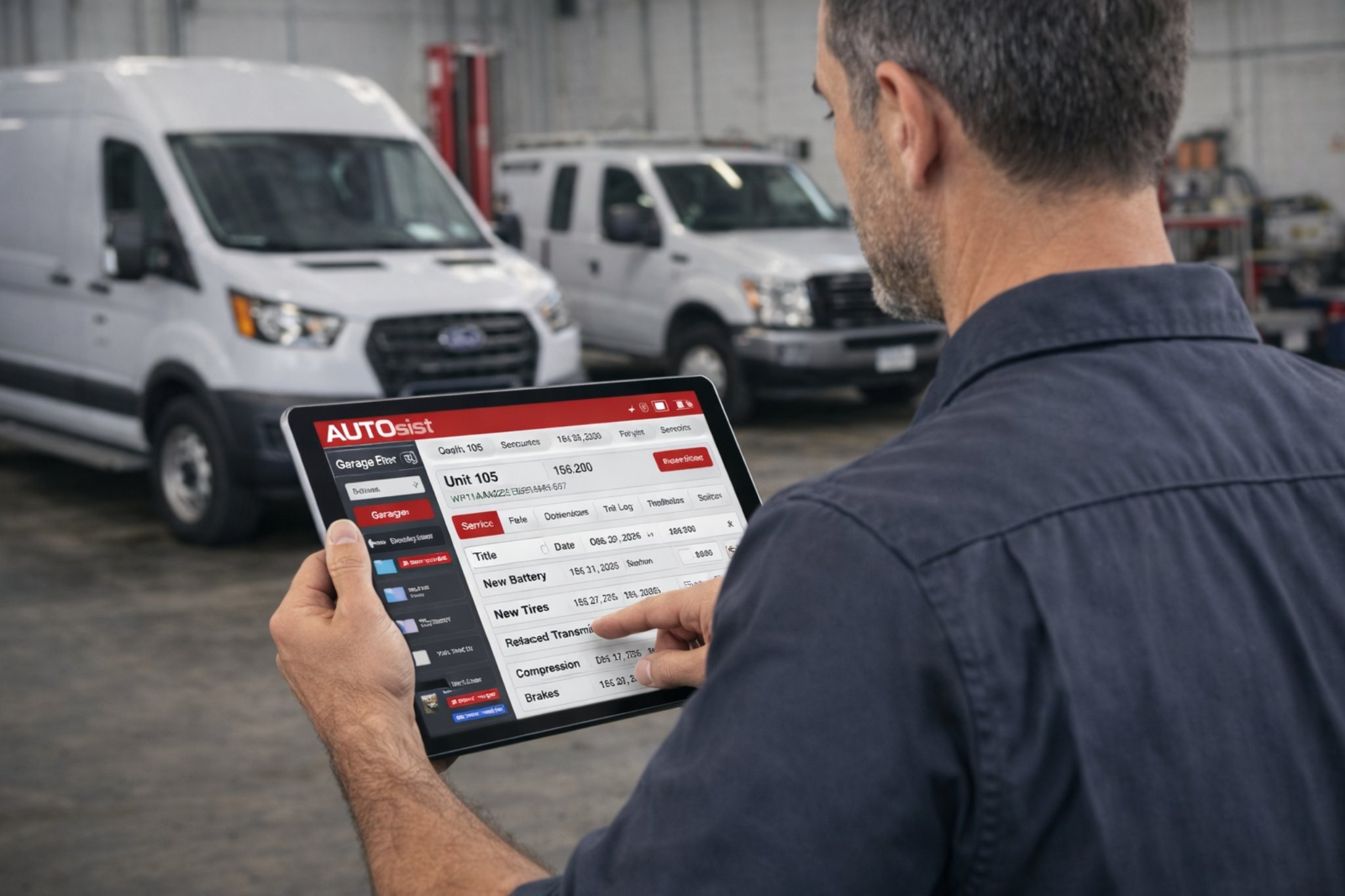
- Maintain consistent inspection and service records regardless of model.
AUTOsist Fleet Management Resources
What is Fleet Maintenance Software
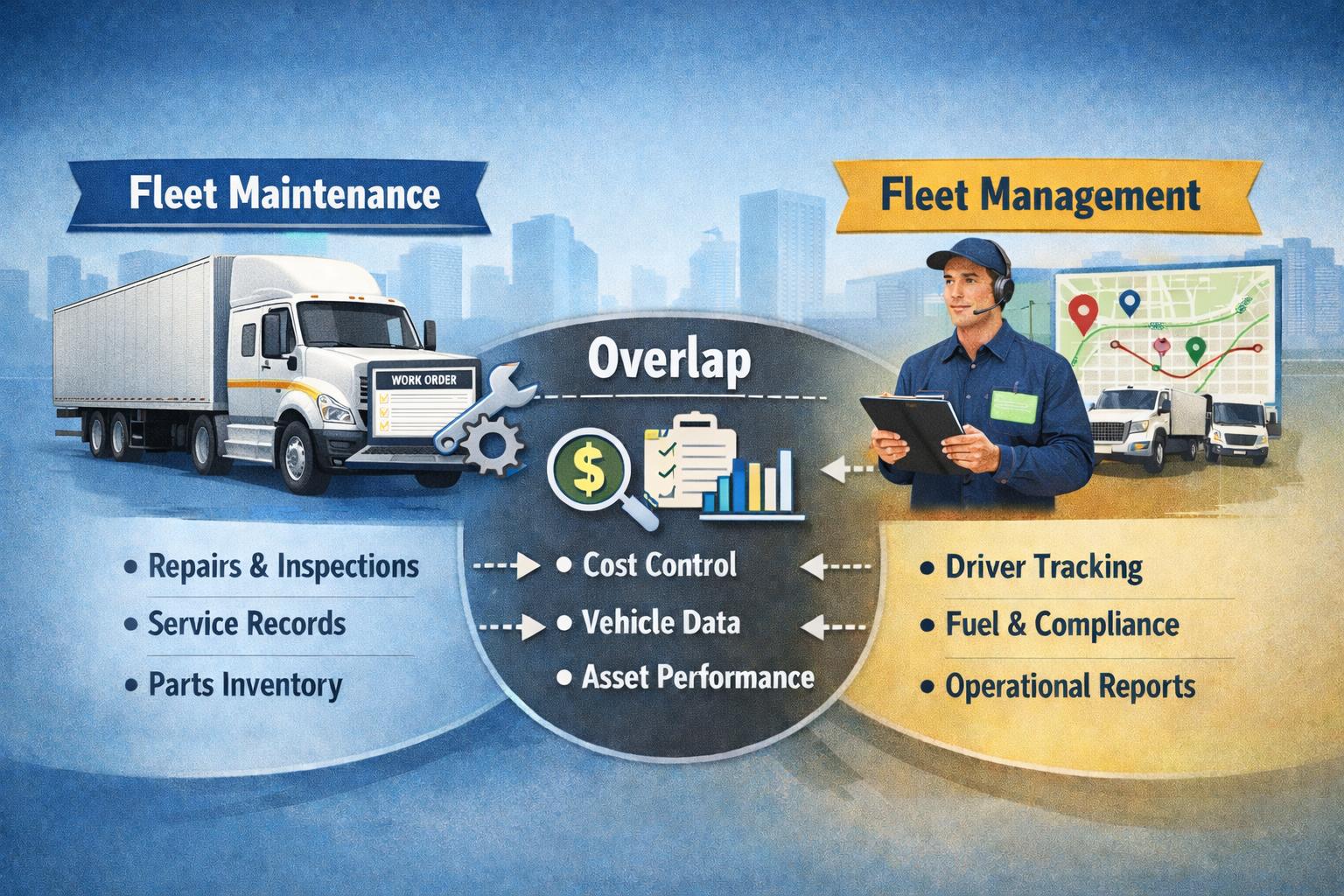
Fleet Maintenance vs. Fleet Management Guide
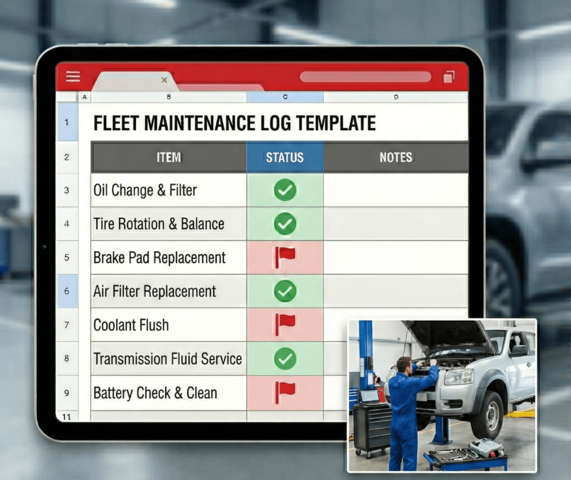
Fleet Maintenance Log Excel Template
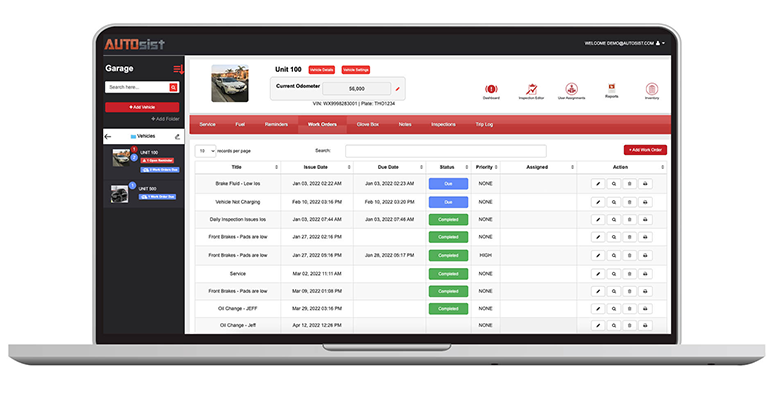
Fleet Maintenance Work Order Software