Fleet Work Order Management Process
Fleet work order management is the structured process of creating, assigning, executing, and closing maintenance tasks across fleet assets, ensuring work is documented, tracked, and completed efficiently.

Work Order Lifecycle Stages
| Stage | Action | Responsible Role | Output |
|---|---|---|---|
| Request | Identify issue or maintenance need | Driver / Operator | Work request created |
| Approval | Validate and prioritize request | Fleet Manager | Approved work order |
| Assignment | Allocate technician and resources | Supervisor | Assigned task |
| Execution | Perform maintenance or repair | Technician | Work completed |
| Review | Verify work quality and accuracy | Manager / QA | Verified record |
| Closure | Finalize documentation and archive | Admin / System | Closed work order |
Reactive vs Preventive Work Orders

Reactive Work Orders
- Triggered by breakdowns or unexpected issues
- Typically urgent and unplanned
- Higher cost due to downtime and emergency repairs
- Limited opportunity for scheduling optimization

Preventive Work Orders
- Scheduled based on mileage, time, or usage
- Planned and repeatable
- Lower cost through early issue detection
- Supports consistent fleet uptime and reliability
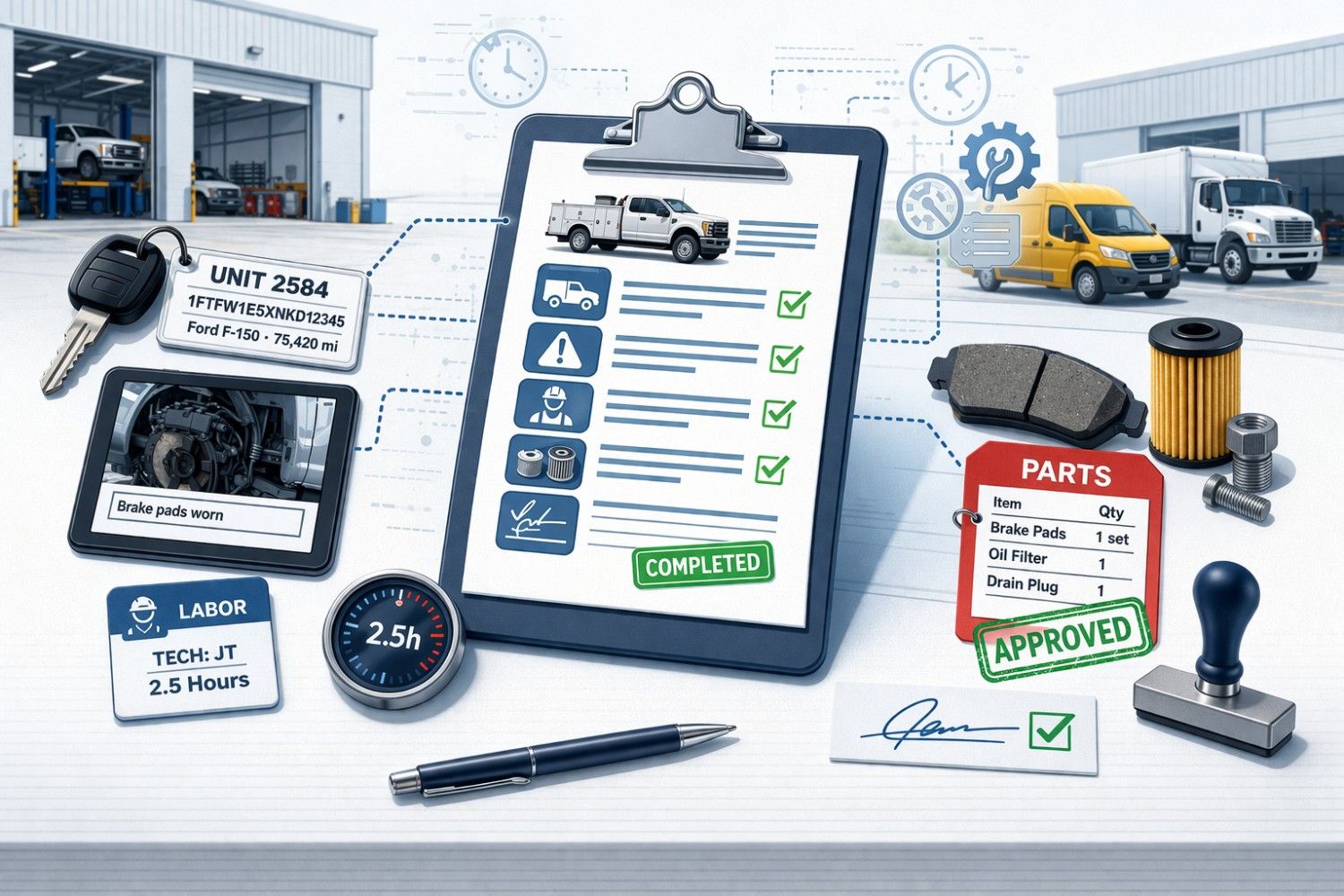
Core Components of a Fleet Work Order
A work order serves as the central record for maintenance activity, capturing all relevant operational and cost data.
- Asset identification (vehicle ID, VIN, equipment details)
- Description of issue or service requirement
- Labor details including technician and time spent
- Parts and materials used during the job
- Approval, authorization, and completion status
Outcome:
- Standardized documentation across all maintenance tasks
- Improved accountability and traceability

Fleet Work Order Management Process (Step-by-Step)
A defined workflow ensures that maintenance activities move from identification to completion without delays or gaps.
- Capture maintenance need through inspection, driver report, or scheduled service
- Review and approve request based on priority and operational impact
- Assign technician and allocate required parts or tools
- Execute maintenance work and document all actions taken
- Verify completed work and ensure quality standards are met
- Close work order with full documentation and update maintenance records
Outcome:
- Reduced delays in maintenance workflows
- Clear visibility into task status and completion
Systems and Methods for Managing Work Orders
Organizations use different systems depending on fleet size, complexity, and operational maturity.
- Paper-based systems for basic tracking and low-volume fleets
- Spreadsheet-based tracking for moderate operational visibility
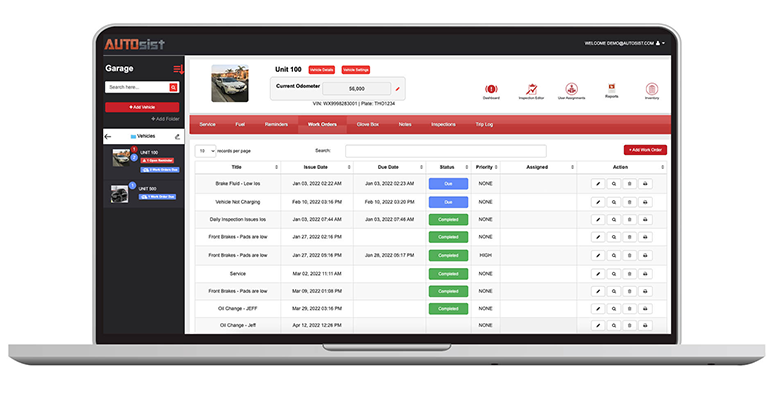
- Digital systems for centralized, real-time work order management
- Integrated platforms connecting inspections, maintenance, and reporting
- Mobile-enabled systems allowing field updates and technician input
For fleets evaluating structured systems, the work order management software for fleets provides detailed guidance on selecting the right approach.
Outcome:
- Improved coordination between teams
- Enhanced visibility into maintenance operations

Common Challenges in Work Order Management
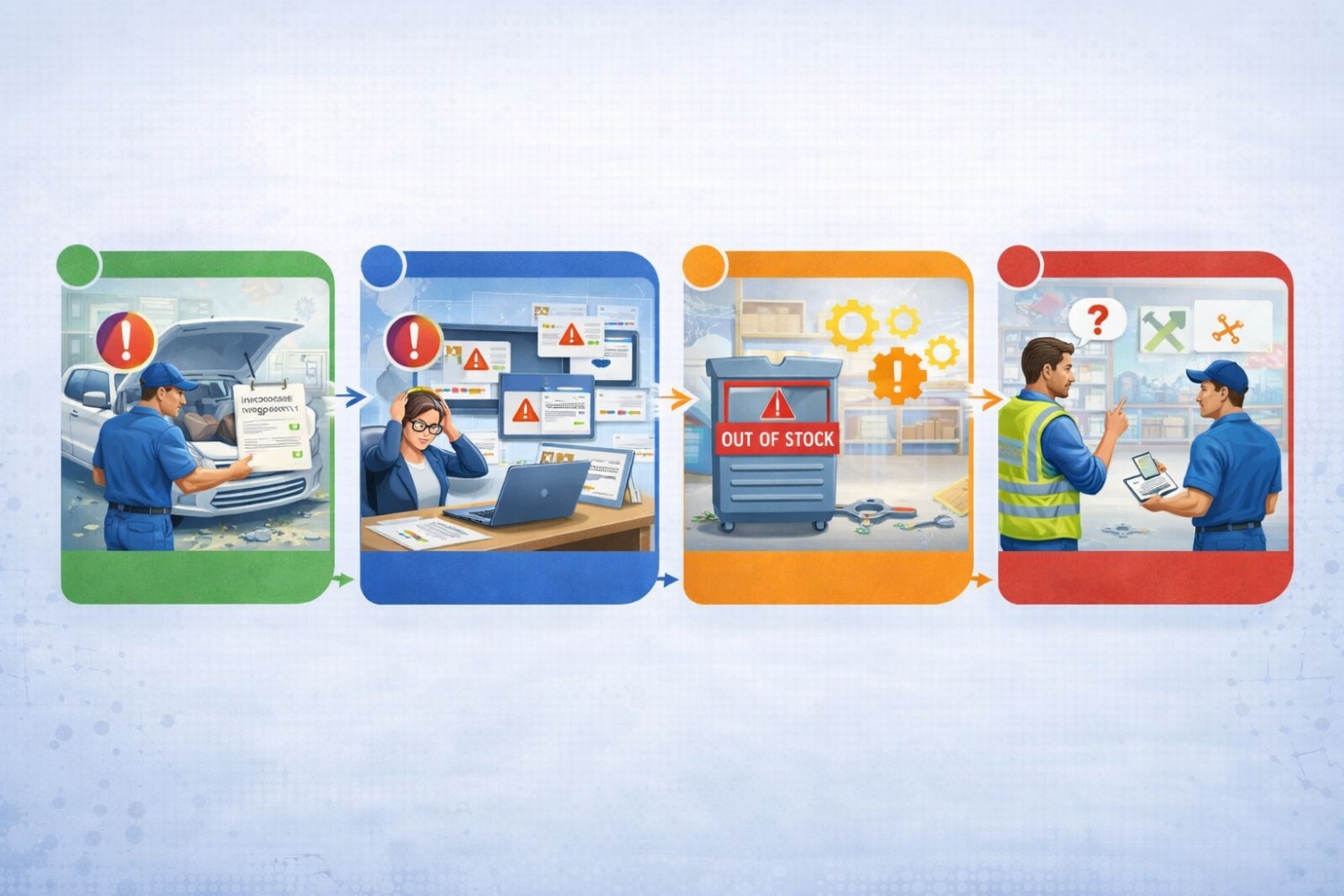
Without a structured process, fleets encounter operational inefficiencies that impact uptime and costs.
- Incomplete or inconsistent work order documentation
- Delays in approval or assignment of tasks
- Lack of visibility into work order status
- Poor tracking of parts, labor, and maintenance history
- Difficulty maintaining compliance and audit readiness
To align processes with compliance expectations, fleets often reference a fleet compliance guide to standardize workflows and documentation practices.
Outcome:
- Identification of process gaps
- Opportunities for operational improvement
Final Takeaways
A structured fleet work order management process ensures maintenance activities are controlled, documented, and optimized across the fleet.
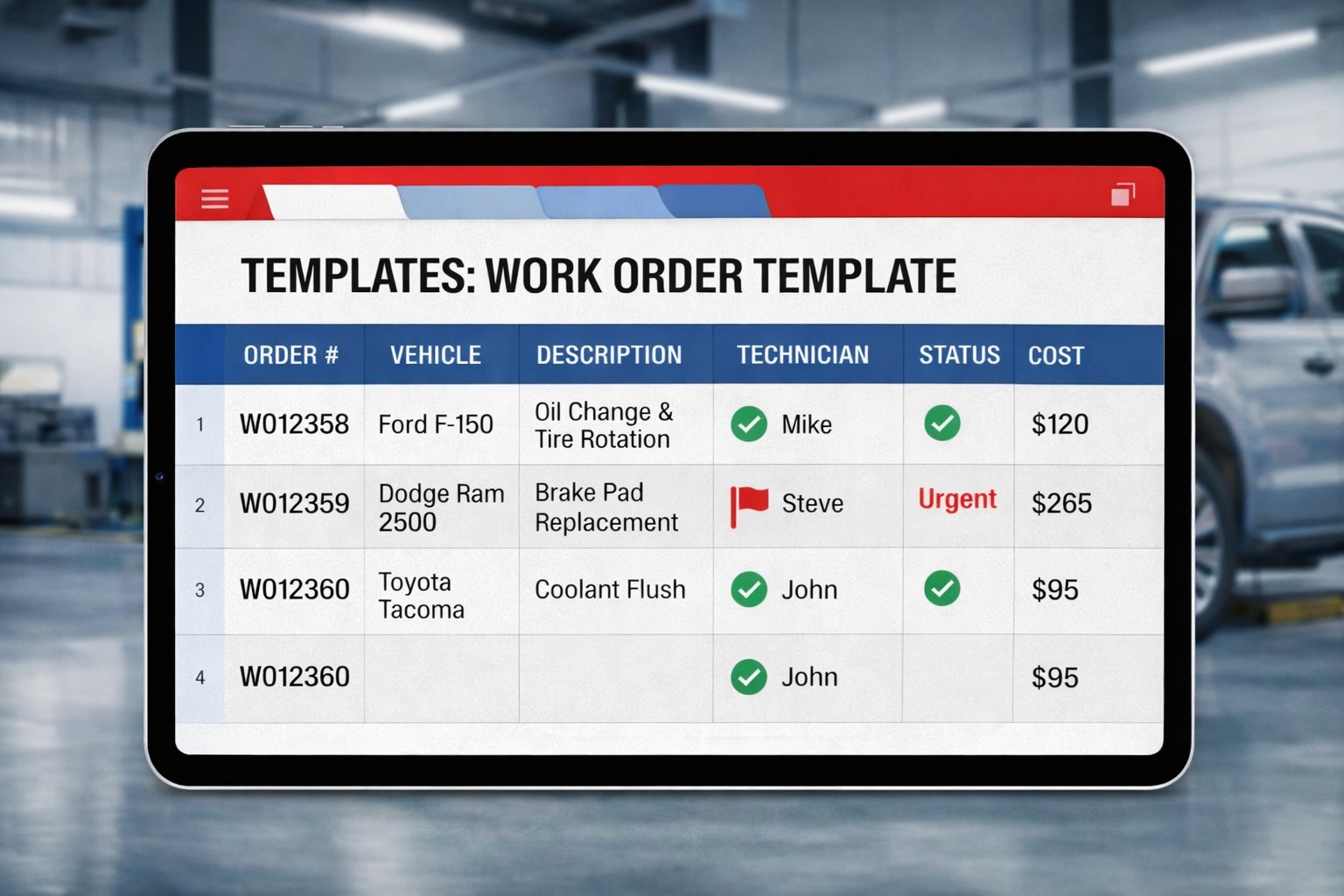
- Standardize work order formats and required data fields
- Define clear workflows from request to closure
- Prioritize preventive maintenance over reactive repairs
- Ensure visibility into work order status and performance
- Maintain accurate records for compliance and reporting
AUTOsist Fleet Management Resources

Work Order Management Software for Fleets

Fleet Compliance Guide
Fleet Maintenance Work Order Template
Fleet Maintenance Work Order Software