Multi-Location Fleet Inspections: Management Guide
Multi-location fleet inspections refer to the process of applying consistent inspection standards, schedules, and defect controls across multiple depots, branches, or operating sites. Standardization reduces safety risk, prevents maintenance drift, and enables comparable reporting across the entire fleet.

Multi-Location Inspection Program Control Matrix
| Control Area | Standard Owner | Location Owner | Evidence Output |
|---|---|---|---|
| Standards | Fleet Ops Lead | Site Manager | Approved checklist version |
| Scheduling | Maintenance Head | Dispatcher | Completed inspection logs |
| Defect Triage | Safety Lead | Shop Supervisor | Defect status records |
| Repair Verification | QA / Compliance | Lead Technician | Repair sign-off proof |
| Reporting Cadence | Fleet Analytics | Site Admin | Monthly comparison report |
Centralized vs Location-Owned Inspection Governance

Centralized Governance
- Uniform inspection forms and pass/fail criteria
- Easier cross-site compliance tracking
- Stronger audit trail consistency
- Reduced risk of local process drift

Location-Owned Governance
- Faster local decision making
- Greater flexibility for regional conditions
- Higher ownership at site level
- Risk of inconsistent standards if not monitored
Scope and Operating Model for Multi-Location Inspections
Multi-location programs must clearly define who owns inspection standards, who executes them, and how accountability flows between headquarters and local sites. Without defined ownership, inspection quality diverges quickly.
- Define fleet-wide inspection authority and site-level execution roles
- Separate responsibility for standards, scheduling, and verification
- Establish escalation paths for missed or failed inspections
- Document approval authority for checklist updates
- Maintain a central repository of inspection forms
Outcome indicators
- Reduced variation in inspection results
- Faster resolution of cross-site issues

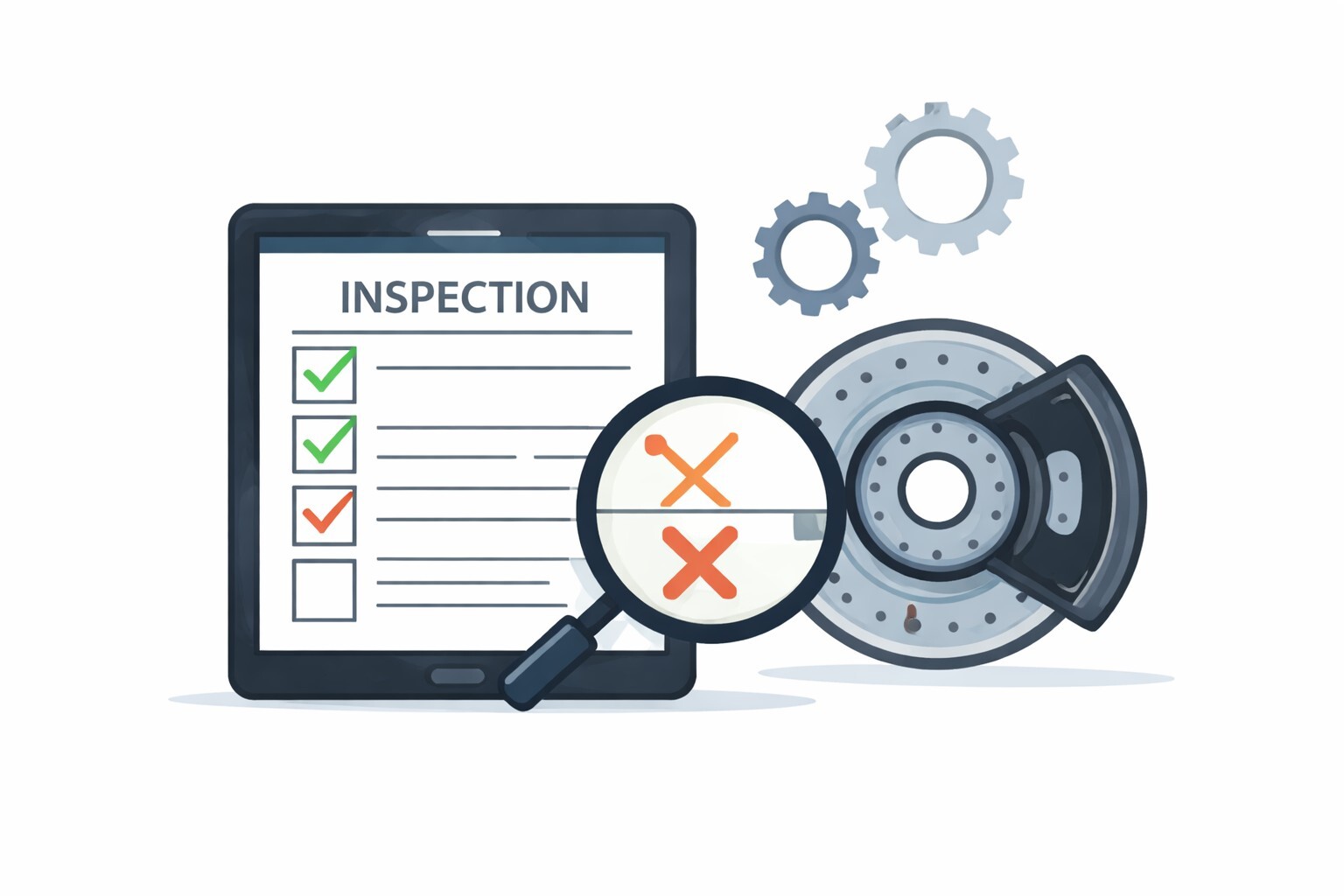
Standardized Inspection Standards, Forms, and Pass/Fail Criteria
A single inspection standard ensures that a vehicle inspected in one location is evaluated identically in another. Controlled variations may exist for asset class or duty cycle, but the core framework remains unchanged.
Key standardization practices include:
- Use one master inspection checklist with version control
- Define clear pass/fail thresholds for safety-critical items
- Apply asset-type variations only where operationally required
- Require documented approval for checklist modifications
- Align inspection criteria with compliance regulations
Outcome indicators
- Improved audit readiness
- Consistent safety benchmarking
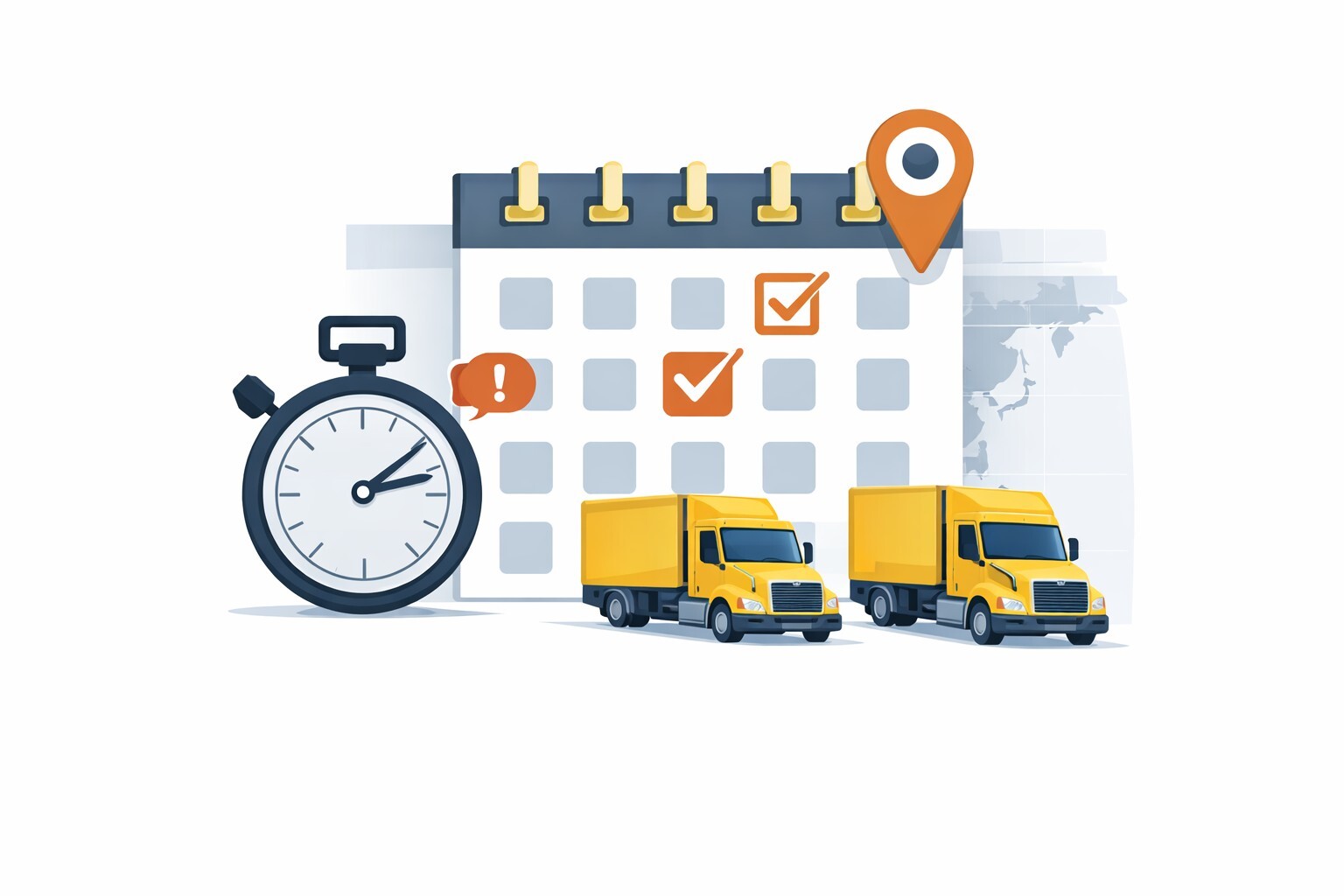
Scheduling, Coverage, and Exceptions Across Locations
Inspection programs fail most often due to inconsistent scheduling rather than poor standards. Coverage targets and exception handling must be visible and measurable at all sites.
Effective scheduling controls include:
- Define daily, periodic, and mileage-based inspection triggers
- Set minimum coverage percentages per location
- Track missed inspections and require justification logs
- Establish automated reminder or notification systems
- Review inspection completion rates weekly
Outcome indicators
- Higher inspection completion rates
- Reduced overdue maintenance risk

Data Capture, Defect Workflow, and Cross-Site Reporting
Inspection value is realized only when findings convert into actionable maintenance and reporting. Data must move from inspection to repair verification without manual gaps.
Strong data and workflow practices include:
- Record inspection data in a centralized system
- Classify defects by severity and repair priority
- Require repair verification before closure
- Compare defect trends across locations monthly
- Maintain historical inspection and repair records
Outcome indicators
- Faster defect resolution cycles
- Improved cross-site performance visibility
Final Takeaways
A multi-location inspection program succeeds when standards, schedules, and data workflows operate uniformly while still allowing controlled operational flexibility.
- Assign clear ownership for standards and site execution.
- Maintain one master checklist with controlled variations only.
- Track scheduling coverage and exceptions continuously.
- Convert inspection findings into verified repair actions.
- Compare site performance through centralized reporting.
AUTOsist Fleet Management Resources

Fleet Manager Guide
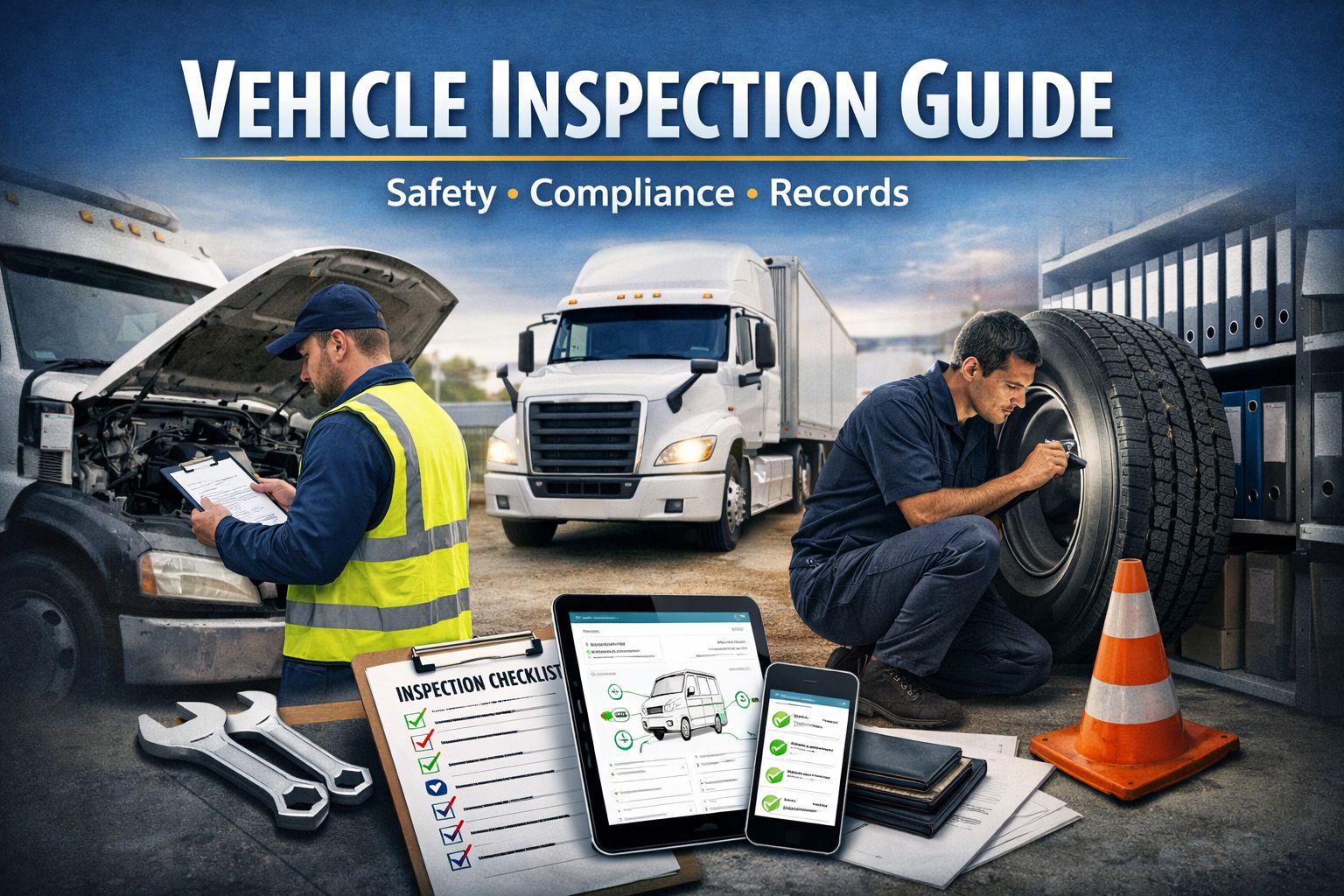
Vehicle Inspection Guide
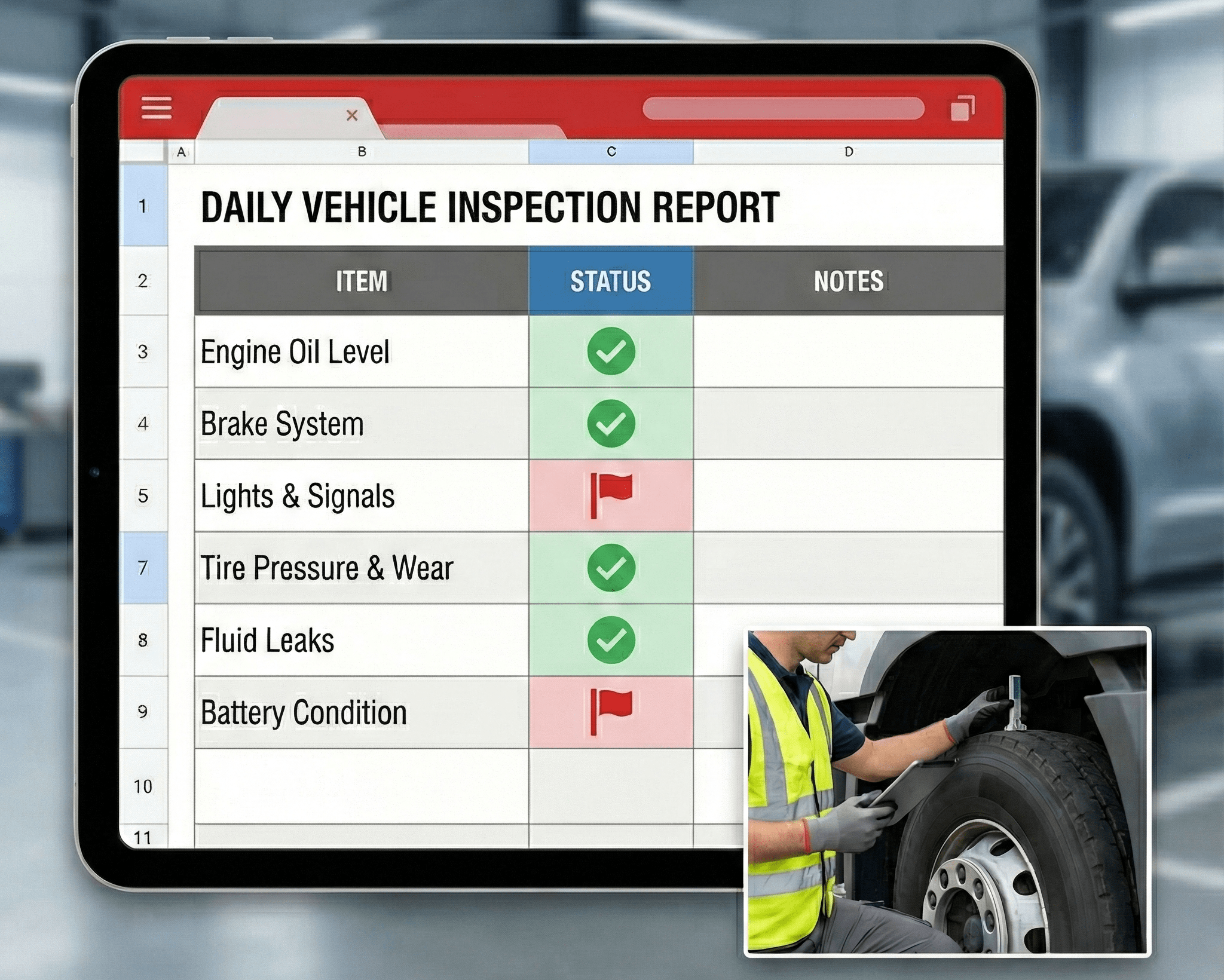
Daily DVIR Vehicle Inspection Checklist PDF
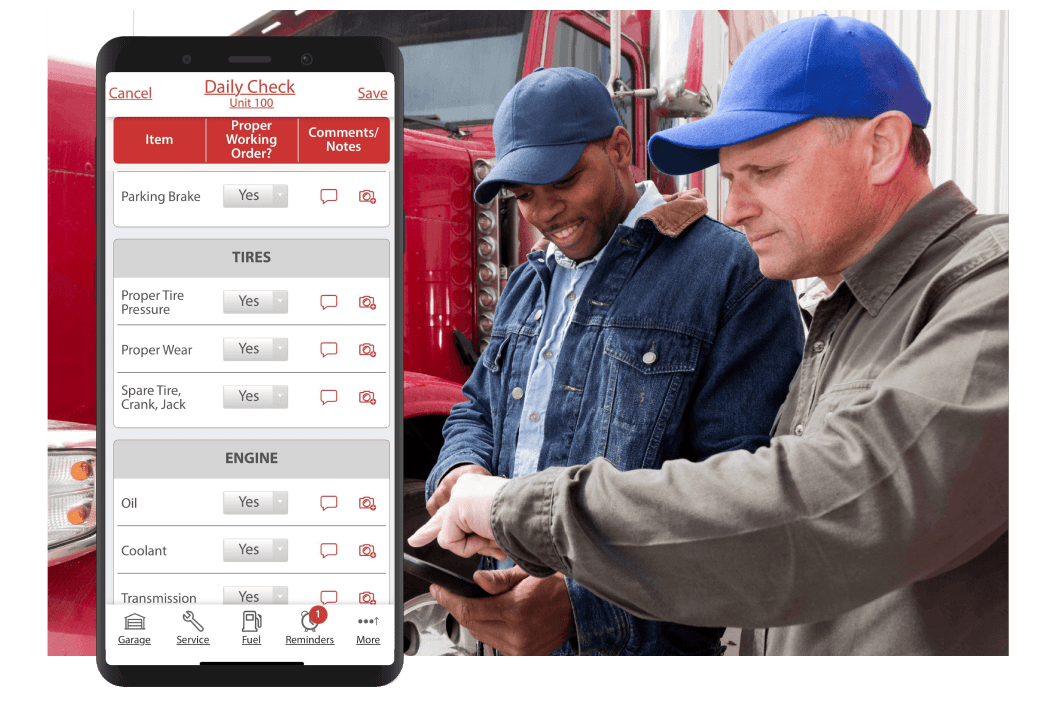
Digital Vehicle Inspection App