Preventive Maintenance Scheduling Software for Fleets
Preventive maintenance scheduling software for fleets is a structured system that automates service intervals based on time, mileage, engine hours, or other usage data. It helps fleet managers reduce unplanned downtime, extend asset life, and maintain regulatory compliance through consistent, documented service workflows.

Preventive Maintenance Configuration Framework
| Configuration Element | Example | Operational Owner | Audit Frequency |
|---|---|---|---|
| Asset Service Interval | Oil change every 5,000 miles | Fleet Manager | Quarterly |
| Usage Trigger Source | Odometer sync via telematics | Operations | Monthly |
| Task Checklist | Multi-point inspection template | Maintenance Lead | Quarterly |
| Escalation Rule | Alert at 90% of interval | Operations | Monthly |
| Documentation Standard | Digital service record with parts and labor | Admin | Quarterly |
Calendar-Based Scheduling vs Usage-Based Scheduling

Calendar-Based Scheduling
- Service intervals based on fixed time periods
- Suitable for low-mileage or seasonal assets
- Easier to configure but less precise
- Higher risk of under- or over-servicing

Usage-Based Scheduling
- Intervals triggered by mileage, engine hours, or PTO usage
- More accurate for high-utilization fleets
- Requires reliable meter data
- Reduces premature part replacement
What Preventive Maintenance Scheduling Software Does
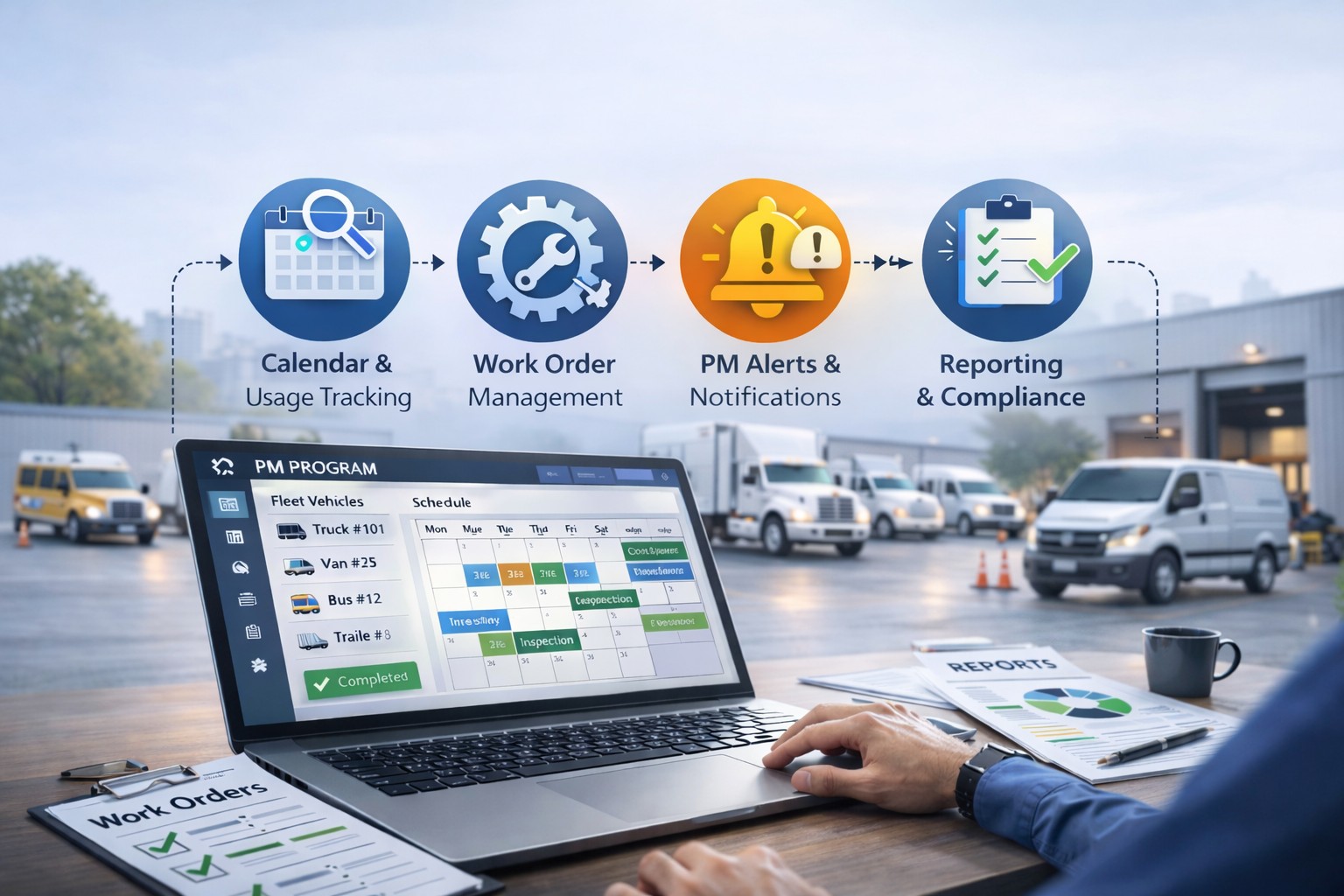
Preventive maintenance scheduling software centralizes service intervals, automates reminders, and standardizes work order workflows across the fleet. It replaces manual spreadsheets with system-driven controls that create accountability and visibility.
- Automates service reminders based on time or usage thresholds
- Generates scheduled work orders before service deadlines
- Tracks completed services with digital records
- Standardizes inspection and task checklists
- Maintains full maintenance history per vehicle
Operational outcome:
- Reduced breakdown frequency
- Improved audit readiness
- Consistent maintenance execution across locations
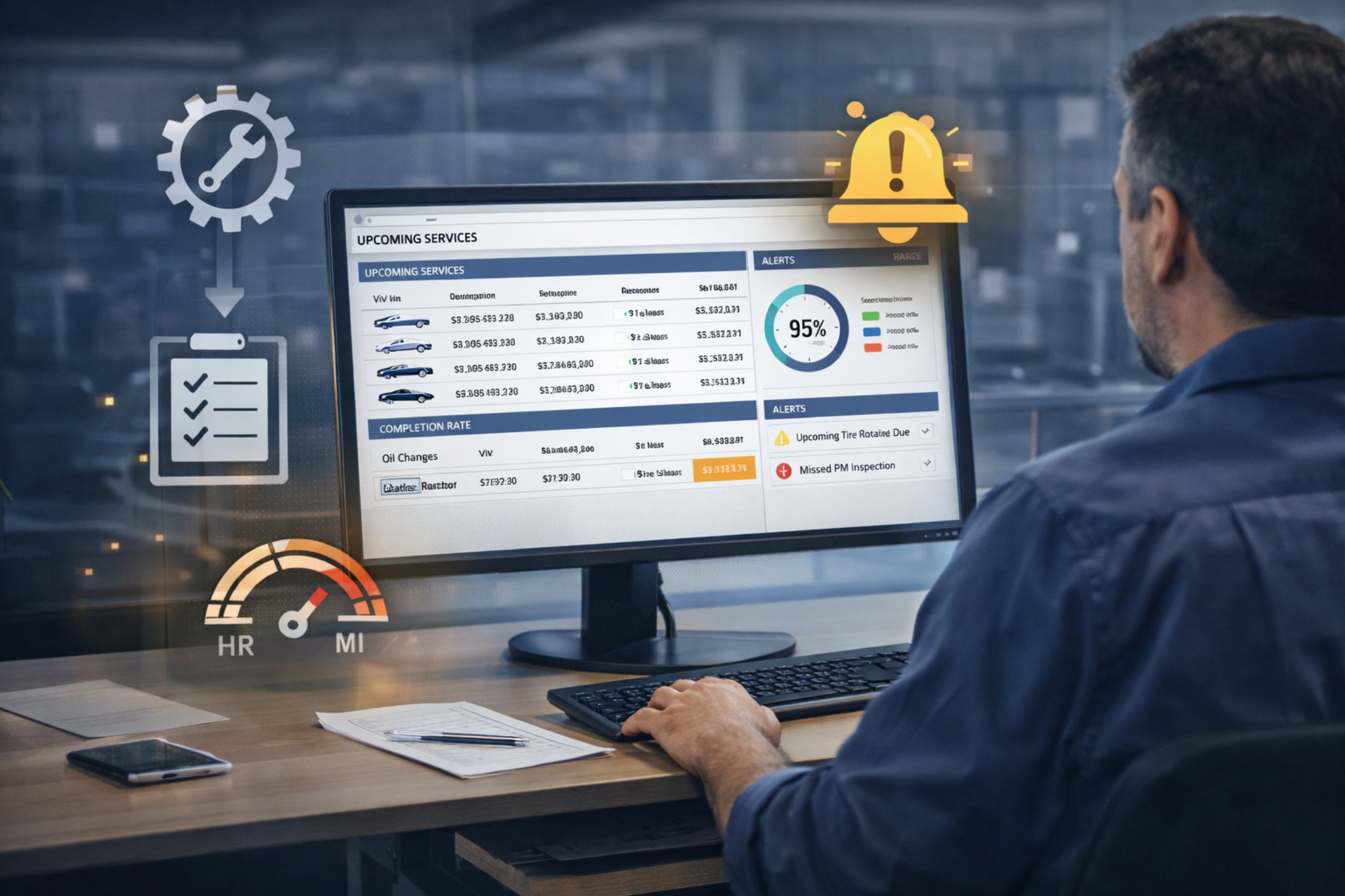

How to Structure a Preventive Maintenance Program in Software
A structured PM program begins with clear interval definitions and documented service requirements. Software allows fleets to configure these rules once and apply them consistently.
- Define asset categories (light-duty, heavy-duty, specialty equipment)
- Assign interval logic (calendar, mileage, engine hours, hybrid triggers)
- Attach standardized service checklists
- Set notification and escalation thresholds
- Align scheduling with shop capacity planning
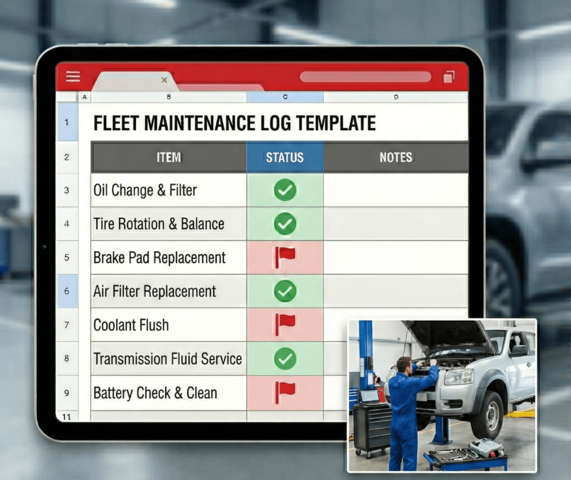
Fleets transitioning from manual tracking often reference a fleet maintenance log template when mapping legacy processes into structured software workflows.
Operational outcome:
- Standardized service planning
- Reduced missed intervals
- Clear accountability between operations and maintenance
Core Capabilities to Evaluate in Preventive Maintenance Scheduling Software
Not all systems provide the same level of scheduling precision or documentation control. Fleet managers should evaluate features that directly affect uptime and compliance.
- Configurable multi-trigger service intervals
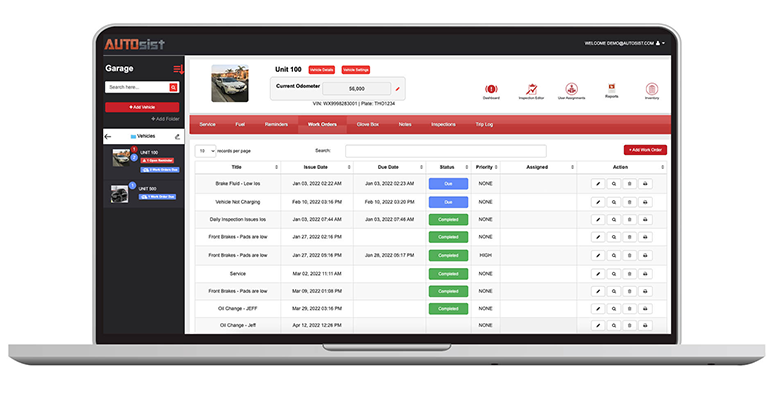
- Automated preventive maintenance work order software functionality
- Digital inspection and documentation tools
- Parts and labor cost tracking within each service event
- Reporting dashboards that show service completion rates
Capabilities aligned with broader fleet management software features improve visibility beyond maintenance alone.
Operational outcome:
- Accurate service forecasting
- Lower total maintenance cost variability
- Clear service compliance metrics

Implementation and Data Governance Considerations
Software configuration must align with fleet size, utilization patterns, and data reliability. A poorly structured implementation can result in duplicate alerts or missed services.
- Audit current maintenance intervals before system setup
- Validate odometer and engine-hour data accuracy
- Clean historical records prior to migration
- Define user roles and approval workflows
- Establish monthly service compliance reviews
Fleets reviewing implementation structure often benefit from guidance in a fleet maintenance software buyer’s guide before final selection.
Operational outcome:
- Reliable service forecasting
- Clean digital audit trail
- Reduced administrative burden
Final Takeaways
Preventive maintenance scheduling software enables fleets to move from reactive repairs to controlled, predictable service operations. Structured scheduling reduces breakdowns while improving documentation and cost stability.
- Define service intervals clearly before system configuration.
- Use usage-based triggers when fleet utilization varies significantly.
- Standardize service checklists and documentation practices.
- Monitor completion rates and escalation alerts monthly.
- Align maintenance scheduling with operational capacity.
AUTOsist Fleet Management Resources

Fleet Maintenance Software Buyer’s Guide

Best Fleet Management Software (2026 Comparison Guide)
Fleet Maintenance Log Template
Fleet Maintenance Work Order Software