 Miya Bholat
Jan 23, 2026
10 Ways to Improve Fleet Management: Quick Wins That Cut Costs and Extend Vehicle Life

Improving fleet management means shifting operations from reactive to proactive: replacing manual maintenance tracking with automated workflows, replacing guesswork with utilization and cost-per-mile data, and replacing disconnected systems with a single source of truth across inspections, fuel, and reporting. These ten improvements each work independently, so fleet managers can start with whichever one addresses their highest-cost problem without waiting for a full platform rollout. For a deeper framework covering all eight core operational strategies together, the guide to fleet performance management covers the full picture.
This guide is structured as a quick-wins list. Each improvement is actionable on its own. If you are looking for the sequencing logic behind which improvements to implement first and why, the 8 strategies for improving fleet management operations lays out the full operational framework in order of impact.
Key Takeaways
- Preventive maintenance is the highest-ROI starting point. Fleets with structured PM programs spend 12 to 18 percent less on total maintenance than reactive-only fleets, according to the US Department of Energy. Reactive repairs cost 3 to 5 times more per event than planned maintenance.
- Fuel visibility reveals waste that is otherwise invisible. GPS tracking and route optimization typically deliver 10 to 15 percent fuel savings, according to the Geotab Fleet Management Industry Report (2024). At a 20-vehicle fleet spending $1,500 per vehicle per month on fuel, that is $36,000 to $54,000 in recoverable annual spend.
- Digitizing records eliminates the manual search problem. Fleets without a digital maintenance system average 40 to 55 percent reactive (unplanned) maintenance. Fleets with digital scheduling average 15 to 20 percent. The gap is administrative, not mechanical.
- Vehicle lifecycle timing directly affects total cost of ownership. Vehicles over 10 years old account for just 12 percent of miles driven but consume 33.5 percent of total fleet service spend, according to Fleetio's 2026 Benchmark Report analyzing 1.2 million vehicles. Cost per mile rises sharply after the year 7 to 9 TCO crossover point for most light commercial vehicles.
- Automated systems protect compliance without adding headcount. Digital inspection workflows reduce roadside inspection violations 20 to 30 percent compared to paper-based systems, while catching defects 6 to 12 hours earlier. Automated reminders eliminate the manual tracking burden that causes most missed PM intervals.
Why Fleet Management Optimization Matters Now
Fleet management has become more complex, and more expensive, than it was even a few years ago. Fuel prices fluctuate unpredictably, vehicle repair costs continue to rise, and skilled technicians remain hard to find. At the same time, fleet managers face tighter safety expectations, stricter compliance requirements, and pressure from leadership to improve performance without expanding budgets or headcount. Doing “business as usual” is no longer enough to keep fleets efficient or profitable.
Fleet management optimization delivers real financial returns when approached systematically. Reducing downtime by even a few percentage points can translate into thousands of dollars saved per vehicle per year. Improving preventive maintenance compliance lowers breakdown frequency, which protects delivery schedules, customer satisfaction, and driver morale. Better data visibility also helps managers justify decisions with facts instead of gut instinct.
Most importantly, fleet optimization doesn’t require a complete overhaul overnight. Small, targeted improvements, applied consistently, compound over time. The following ten strategies focus on practical steps fleet managers can implement immediately, regardless of fleet size or industry.
1. Implement Preventive Maintenance Scheduling
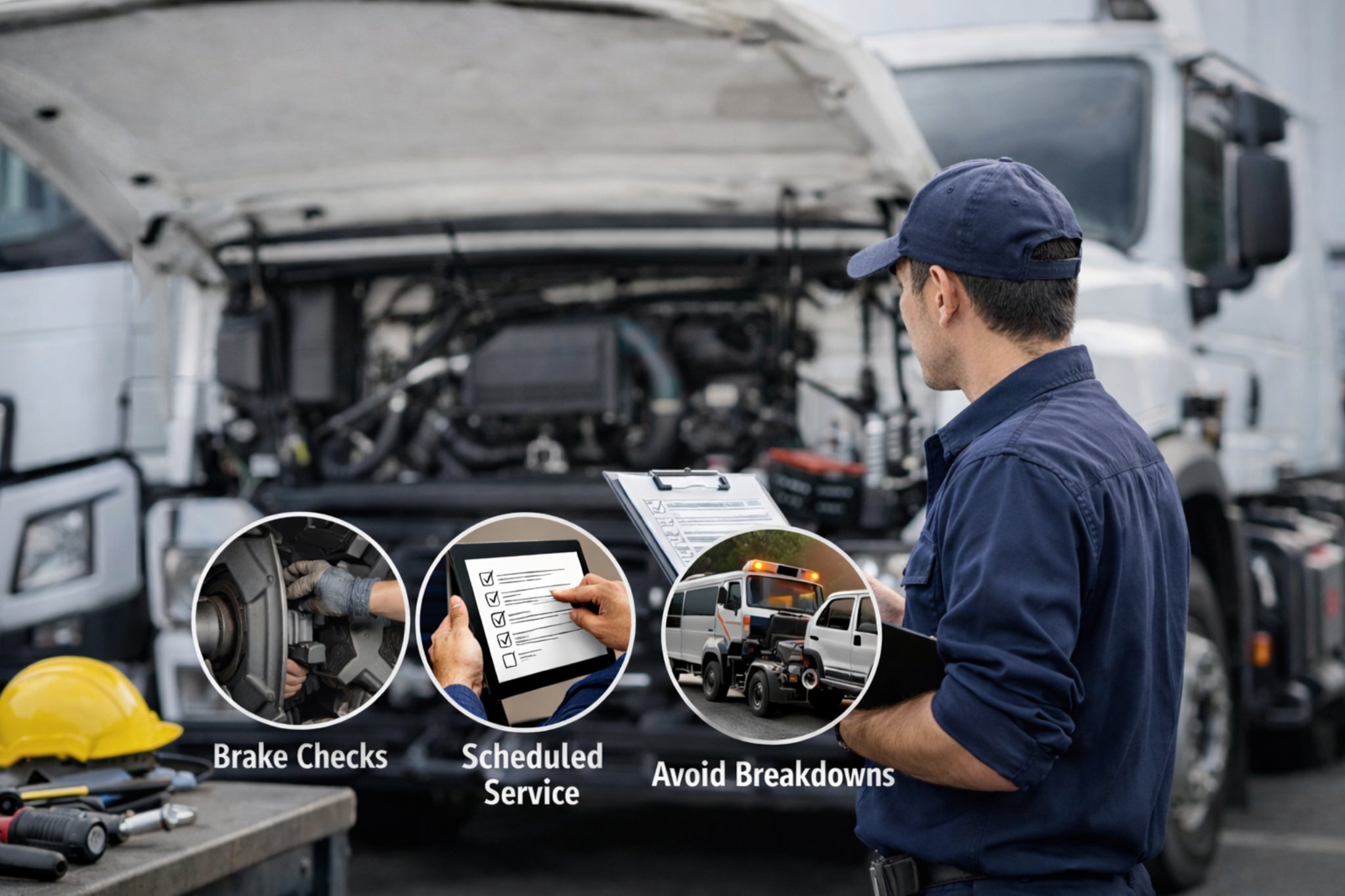
Preventive maintenance is one of the most effective ways to improve fleet performance while controlling costs. Scheduled maintenance helps identify wear issues early, before they escalate into roadside failures or catastrophic repairs. Fleets that rely on reactive maintenance often face higher labor costs, emergency towing expenses, and extended downtime.
The cost difference between preventive and reactive maintenance is significant. A routine oil change and inspection might cost $150–$250, while an engine failure caused by neglected maintenance can exceed $10,000, not including lost productivity. Preventive maintenance also extends vehicle lifespan, allowing fleets to delay replacement purchases and improve total cost of ownership calculations.
Fleet maintenance efficiency improves measurably when service intervals are triggered automatically from mileage or engine-hour data rather than tracked manually, because automated scheduling eliminates the missed-interval problem that is responsible for most unplanned repair events.
Fleet maintenance software like AUTOsist supports preventive maintenance by aligning service schedules with mileage, engine hours, or OEM recommendations using tools such as Fleet Preventive Maintenance Schedules and Reminders. This removes guesswork and ensures vehicles are serviced on time, every time.
2. Track and Analyze Fuel Consumption Patterns
Fuel is often the single largest operating expense for a fleet, yet many managers lack visibility into why fuel costs spike. Tracking fuel consumption at the vehicle and driver level reveals inefficiencies that would otherwise go unnoticed. Without data, fleets struggle to distinguish between unavoidable fuel increases and preventable waste.
Fuel tracking highlights common issues such as excessive idling, inefficient routing, unauthorized vehicle use, and aggressive driving behavior. For example, reducing idling by just 30 minutes per day can save hundreds of gallons of fuel per vehicle annually. When multiplied across a fleet, those savings add up quickly.
Using tools like Fleet Fuel Management and Tracking Software allows managers to monitor fuel trends, compare vehicles, and identify outliers. Once patterns are clear, corrective actions, such as route optimization or driver coaching, become straightforward and measurable.
3. Digitize Your Maintenance Records
Fleet paperwork is reduced by replacing paper forms, manual work orders, and spreadsheet-based maintenance logs with a digital system that captures vehicle records, inspection results, and service history automatically in one place.
Paper-based maintenance records create unnecessary friction in fleet operations. They’re difficult to search, easy to lose, and nearly impossible to analyze at scale. When audits occur or leadership requests historical data, managers often spend hours, or days, tracking down information.
Digitizing maintenance records centralizes vehicle histories, work orders, and inspection data in one accessible system. This improves compliance readiness, speeds up decision-making, and provides accurate cost tracking across the vehicle lifecycle. Digital records also support multi-location fleets by giving everyone access to the same information in real time.
AUTOsist’s Vehicle Service History System ensures maintenance data stays organized, searchable, and audit-ready. Over time, this historical data becomes invaluable for forecasting repairs, budgeting, and replacement planning.
4. Monitor Vehicle Utilization Rates
Not all fleet vehicles work equally hard, and failing to monitor utilization leads to inefficiencies. Some vehicles may be underused while others accumulate mileage rapidly, increasing wear and maintenance frequency. Without utilization data, fleets risk overspending on assets they don’t need, or burning out vehicles prematurely.
Tracking utilization helps fleet managers right-size their fleets by identifying opportunities to reassign, rotate, or retire vehicles. Utilization metrics typically include mileage per month, engine hours, trip frequency, and downtime ratios. These insights enable smarter asset allocation decisions.
Here are common utilization insights fleet managers uncover once they start tracking usage consistently:
- Vehicles that sit idle most days but still incur insurance, registration, and depreciation costs.
- Units that exceed mileage thresholds faster than expected, increasing maintenance risk.
- Seasonal usage patterns that support temporary reassignments instead of permanent fleet expansion.
- Opportunities to reduce fleet size without impacting service levels.
For the formula, industry benchmarks by fleet type, and the main causes of low utilization, the guide to fleet utilization rate tracking covers the full measurement and improvement framework.
5. Standardize Driver Inspection Protocols
Inconsistent inspection practices create blind spots that lead to breakdowns and compliance violations. When drivers follow different inspection routines, or skip them entirely, small issues often go unnoticed until they cause major failures. Standardizing inspection protocols ensures every vehicle receives the same level of attention.
Pre-trip and post-trip inspections catch issues early, such as tire wear, lighting failures, or fluid leaks. They also improve driver accountability by reinforcing shared responsibility for vehicle condition. Consistent checklists make inspections faster and easier, reducing resistance from drivers.
Digital tools like a Digital Vehicle Inspection App simplify this process by guiding drivers step by step and automatically logging results. This creates a reliable inspection trail while reducing paperwork and administrative follow-up.
6. Use Data to Optimize Replacement Timing
One of the most costly fleet mistakes is holding onto aging vehicles past their economic replacement point. According to Fleetio's 2026 Fleet Benchmark Report, which analyzed 1.2 million vehicles and $7 billion in service spend, vehicles over 10 years old account for just 12 percent of miles driven but consume 33.5 percent of total fleet service spend. Cost per mile rises from approximately $0.20 for newer light commercial vehicles to $1.10 for vehicles over 10 years old. For most light commercial fleets, the total cost of ownership crossover point (the moment when annual maintenance costs exceed the annualized cost of a replacement vehicle) falls between years 7 and 9. Without per-vehicle cost tracking, most fleets miss this crossover entirely and continue spending $15,000 to $20,000 repairing vehicles worth $8,000.
Tracking total cost of ownership (TCO) helps managers identify when repair costs begin to outweigh replacement benefits. Metrics such as cost per mile, repair frequency, and downtime trends reveal when a vehicle becomes a liability rather than an asset. Replacing vehicles at the optimal time stabilizes budgets and improves reliability. For fleet managers building a structured review process around lifecycle data, fleet performance monitoring covers how to connect cost-per-mile trends to replacement planning and operational benchmarking.
Fleet reports from tools like Fleet Reports and Dashboard make these patterns visible. With clear data, replacement decisions become proactive instead of reactive.
7. Establish Clear Maintenance Approval Workflows
Maintenance delays often stem from unclear approval processes rather than technical issues. When technicians or drivers don’t know who can authorize repairs, or how much they can approve, vehicles sit idle waiting for decisions. This downtime costs far more than most minor repairs.
Clear maintenance workflows define who approves what, under which circumstances, and within what timeframe. They balance cost control with operational urgency, ensuring safety-critical repairs happen immediately while non-essential work follows budget guidelines.
Effective workflows typically include:
- Approval thresholds based on repair cost or vehicle type.
- Defined escalation paths for urgent repairs.
- Clear documentation requirements for approvals.
- Visibility for managers to track pending and completed work.
8. Set Up Automated Reminders and Alerts
Missed maintenance is rarely intentional, it’s usually the result of manual tracking failures. Automated reminders remove the burden of remembering service intervals, inspections, and renewals. This improves compliance and reduces administrative stress.
Automated alerts can cover oil changes, inspections, registration renewals, warranty expirations, and licensing deadlines. Instead of reacting to missed tasks, fleet managers stay ahead of requirements. This proactive approach reduces costly lapses and penalties.
Fleet maintenance software like AUTOsist automates these reminders through Fleet Preventive Maintenance Schedules and Reminders, ensuring nothing falls through the cracks.
9. Train Drivers on Fuel-Efficient Practices
Driver behavior plays a major role in fuel efficiency, yet many fleets overlook driver training as a cost-control tool. Aggressive acceleration, speeding, and excessive idling all increase fuel consumption and vehicle wear. Training drivers on fuel-efficient practices delivers immediate and measurable savings.
Effective training focuses on simple, actionable techniques drivers can apply daily. These habits improve fuel economy while reducing mechanical stress on vehicles. Measuring improvement through fuel data reinforces accountability and encourages long-term behavior change.
Common fuel-efficient practices include:
- Smooth acceleration and braking to reduce fuel burn.
- Maintaining optimal cruising speeds instead of aggressive driving.
- Minimizing idle time during stops and loading.
- Planning routes to avoid congestion and unnecessary detours.
10. Review and Act on Maintenance Metrics Regularly
Collecting data without reviewing it offers little value. Regularly reviewing maintenance metrics helps fleet managers identify trends, spot emerging issues, and adjust strategies before problems escalate. Establishing a review cadence keeps fleet performance aligned with operational goals.
Key metrics include cost per mile, downtime percentage, preventive maintenance compliance rates, and repair frequency. Reviewing these monthly or quarterly allows managers to track improvement and address underperformance quickly. Data-driven decisions replace assumptions with evidence.
For a structured view of which fleet data metrics move the needle most and how to build a review cadence around them, fleet data metrics and reporting benefits covers the full KPI framework alongside practical reporting guidance.
AUTOsist’s reporting tools help consolidate these metrics into actionable insights, enabling managers to focus on improvement rather than data collection.
By prioritizing these improvements based on your fleet’s biggest pain points, you can make steady progress toward a more efficient, reliable, and cost-effective fleet operation.
Frequently Asked Questions
-
How can I improve fleet management for a private fleet?
Private fleet management is improved by applying the same fundamentals as commercial fleet management, preventive maintenance scheduling, digital inspections, fuel tracking, and utilization monitoring with an added focus on internal accountability structures, since private fleets often lack the external compliance pressure that keeps commercial operations disciplined. The most common private fleet improvement gap is the absence of a formal PM schedule: without customer contracts or DOT oversight driving deadlines, service intervals slip. Setting mileage-based automated reminders and a monthly utilization review closes this gap without requiring a fleet-management hire. -
How do you reduce fleet paperwork?
Fleet paperwork is reduced by replacing paper forms, manual work orders, and spreadsheet-based maintenance logs with a digital system that captures vehicle records, inspection results, and service history automatically in one place. Digital DVIRs replace paper pre-trip and post-trip forms. Work order software replaces maintenance request emails and clipboards. Automated reporting replaces manually compiled spreadsheets. For most small to mid-size fleets, digitizing inspections and work orders alone eliminates 70 to 80 percent of the daily paper handling. -
Why do fleets struggle to scale tracking from a few vehicles to hundreds or thousands?
Fleets struggle to scale vehicle tracking because the manual processes that work at 5 vehicles (spreadsheets, individual follow-up calls, paper logs) break down entirely at 50 or 500 vehicles. The failure point is not the tracking technology, it is the absence of centralized data that connects location, maintenance status, and compliance records in a single view. Fleets that try to scale tracking by adding more manual processes hit a coordination ceiling where the administrative overhead of tracking outpaces the operational benefit. The shift from manual to automated data capture is the prerequisite for scaling tracking without scaling headcount. -
How do you improve fleet driver accountability?
Fleet driver accountability is improved by connecting driver records to vehicle records so every inspection submission, trip log, and maintenance event is attributed to a specific driver rather than just a vehicle. When drivers know that inspections are time-stamped, photos are required for reported defects, and missed submissions generate alerts, completion rates rise without additional supervisor follow-up. Combining digital DVIRs with driver scorecards (tracking metrics like inspection completion rate, idle time, and fuel consumption per driver) creates a data trail that supports coaching conversations and reinforces shared responsibility for vehicle condition. -
What are the best tools for aligning driver inspections with fleet PM workflows?
The best tools for aligning driver inspections with fleet PM workflows are platforms that convert failed inspection items into maintenance work orders automatically, without requiring a manager to manually route the defect report to the maintenance team. When a driver submits a pre-trip DVIR flagging a brake issue, the system should generate a work order, notify the assigned technician, and hold the vehicle from active dispatch until the work order is closed. This closed-loop inspection-to-maintenance workflow is what separates inspection tools that create audit trails from inspection tools that actually prevent breakdowns.