 Miya Bholat
Jan 18, 2026
Common Industries That Rely on Fleet Vehicles
Key Takeaways: Matching Fleet Management to Industry Needs
-
Different industries use fleets in different ways.
From long-haul trucking to healthcare and municipal services, fleet requirements vary widely based on vehicle type, usage, and regulatory demands. -
Maintenance reliability is a universal priority.
Regardless of industry, unplanned downtime disrupts operations, increases costs, and impacts service quality. -
Fleet challenges grow with scale.
As fleets expand, manual tracking methods break down, increasing the need for centralized systems and automation. -
Industry-aligned fleet management improves outcomes.
Matching fleet management tools to specific operational needs helps organizations reduce risk, control costs, and keep vehicles on the road. -
Modern fleets require modern solutions.
As industries continue to evolve, fleet management software plays a growing role in supporting compliance, efficiency, and long-term sustainability.
Why Fleet Vehicles Are the Backbone of Modern Business
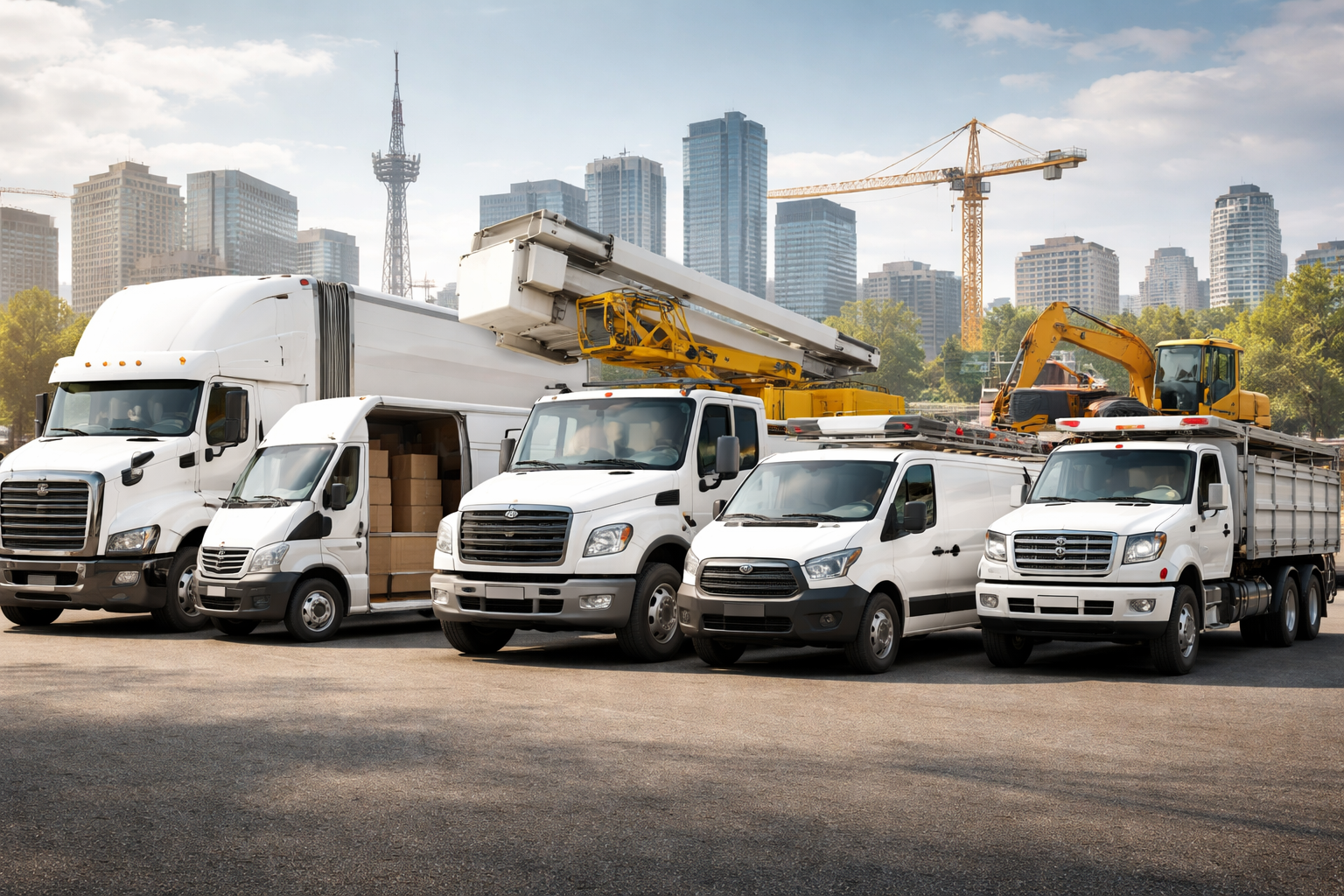
A fleet typically refers to a group of three or more vehicles owned, leased, or managed by a business to support daily operations. These vehicles may include cars, vans, trucks, or specialized equipment depending on the industry. For many organizations, fleet vehicles are not a convenience—they are essential infrastructure that keeps work moving, customers served, and revenue flowing.
Across industries, fleets enable mobility, speed, and consistency. Whether it’s delivering goods, responding to emergencies, servicing equipment, or meeting clients face-to-face, vehicles extend the reach of a business beyond a fixed location. Without reliable fleet operations, even well-staffed companies struggle to meet deadlines or service expectations.
That said, not all fleets look the same. A long-haul trucking company faces very different challenges than a city sanitation department or a healthcare provider offering home visits. This article breaks down the most common industries using fleet vehicles, the types of fleets they operate, and the unique operational demands each one faces.
Transportation and Logistics
Long-Haul Trucking and Freight
Transportation and logistics companies operate some of the largest and most asset-intensive fleets in the economy. Long-haul trucking fleets rely on semi-trucks and trailers to move freight across states or entire regions, often running vehicles nearly nonstop. Because profit margins depend heavily on utilization, downtime from breakdowns or missed maintenance can quickly become costly.
Fleet managers in long-haul operations must closely track mileage, service intervals, driver behavior, and regulatory compliance. DOT inspections, service history documentation, and preventive maintenance schedules are not optional—they are critical to staying on the road legally and safely. When vehicles rack up thousands of miles each month, even minor maintenance delays can snowball into major operational disruptions.
Last-Mile Delivery Services
Last-mile delivery fleets have grown rapidly alongside e-commerce and same-day delivery expectations. These fleets typically include cargo vans, box trucks, or small delivery vehicles operating in dense urban or suburban areas. Unlike long-haul fleets, last-mile vehicles make frequent stops, operate on tight delivery windows, and experience higher wear from stop-and-go driving.
Common operational pressures in last-mile delivery fleets include:
- High vehicle utilization with minimal downtime tolerance
- Frequent brake, tire, and suspension wear
- Tight scheduling tied to customer satisfaction metrics
- Rapid onboarding of new drivers during peak seasons
Because delivery volumes can fluctuate dramatically, these fleets need clear visibility into vehicle availability and maintenance status to avoid missed deliveries and costly reroutes.
Construction and Contracting
Construction and contracting companies rely on a diverse mix of vehicles to support job site operations. Pickup trucks, cargo vans, dump trucks, and equipment haulers are commonly used to transport crews, tools, and heavy materials. In many cases, vehicles also serve as mobile storage units for expensive equipment.
Job site mobility is central to construction work. Crews may move between multiple sites in a single week, often operating in rough terrain or off-road conditions. This environment accelerates wear and tear, making preventive maintenance especially important. Fuel costs also represent a significant expense, particularly for fleets running heavy-duty vehicles daily.
Key challenges construction fleets face include:
- Increased maintenance needs due to off-road and heavy-load use
- Tracking vehicles and equipment across multiple job sites
- Managing fuel spend across high-consumption vehicles
- Preventing loss or theft of tools stored in vehicles
Many construction firms turn to solutions like Construction Fleet Management Software to centralize maintenance records, inspections, and service schedules across mixed vehicle types.
Field Service Industries
HVAC, Plumbing, and Electrical Services
Field service businesses depend on vans and light-duty trucks that function as “offices on wheels.” Technicians rely on these vehicles to transport tools, replacement parts, and diagnostic equipment directly to customer locations. A single breakdown can mean missed appointments, delayed repairs, and lost revenue.
Vehicle reliability is directly tied to customer satisfaction in this sector. Same-day or emergency service calls leave little room for unexpected downtime. In addition, managing parts inventory within service vehicles is an ongoing challenge. Without visibility into what’s stocked where, companies risk repeat visits or unnecessary warehouse trips.
Utilities and Telecommunications
Utilities and telecom providers operate specialized fleets such as bucket trucks, service vans, and emergency response vehicles. These fleets support critical infrastructure and often operate 24/7, especially during outages, storms, or large-scale service disruptions.
Because response time can directly affect public safety, vehicle readiness is paramount. Preventive maintenance, digital inspections, and real-time status tracking help ensure vehicles are available when emergencies arise. Many organizations also rely on Digital Vehicle Inspection App tools to document safety checks and compliance before vehicles leave the yard.
Healthcare and Medical Services
Healthcare fleets range from fully equipped ambulances to non-emergency medical transport vans and vehicles used by home healthcare professionals. Unlike commercial fleets, these vehicles must meet strict standards for cleanliness, equipment storage, and regulatory compliance.
Reliability is non-negotiable in healthcare operations. A delayed or unavailable vehicle can directly affect patient outcomes. Medical fleets must also account for specialized equipment onboard, from stretchers and oxygen tanks to temperature-sensitive supplies.
Common considerations in healthcare fleets include:
- Regular sanitation and cleanliness documentation
- Secure storage for medical equipment and supplies
- Compliance with healthcare and transportation regulations
- High urgency and minimal tolerance for breakdowns
Maintaining accurate service records and inspection histories helps healthcare organizations demonstrate compliance while keeping vehicles ready for critical missions.
Sales and Service Organizations
Many sales-driven organizations operate fleets of company cars for representatives who spend most of their time on the road. Industries such as real estate, pharmaceuticals, and professional services rely on vehicles to maintain client relationships and expand territory coverage.
Vehicle condition plays a subtle but important role in brand perception. A well-maintained vehicle reflects professionalism and reliability, while frequent breakdowns or neglected appearance can undermine trust. Mobile service businesses—such as mobile mechanics or grooming services—face similar expectations, where the vehicle itself is part of the customer experience.
In these fleets, managers often focus on mileage tracking, expense reporting, and ensuring vehicles remain roadworthy without over-maintaining low-use assets. Tools like Trip Log and Mileage Tracking help businesses balance operational efficiency with cost control.
Government and Municipal Services
Public Safety Fleets
Police, fire, and EMS fleets are among the most mission-critical vehicle operations. These vehicles must be available at all times, properly maintained, and fully compliant with safety standards. Downtime can have serious consequences, making preventive maintenance and inspection documentation essential.
Fleet managers in public safety agencies often manage diverse vehicle types, from patrol cars and fire engines to command vehicles. Centralized service records and maintenance alerts help ensure no vehicle is overlooked.
Public Works and Sanitation
Public works departments operate heavy-duty fleets that include garbage trucks, street sweepers, snowplows, and maintenance vehicles. These vehicles often log high mileage under demanding conditions and require frequent servicing.
Challenges common to public works fleets include:
- Heavy wear from continuous operation
- High fuel consumption
- Seasonal usage spikes (snow removal, storm response)
- Budget constraints requiring careful maintenance planning
Solutions such as Public Works Fleet Management Software help municipalities manage costs while maintaining service reliability.
What These Industries Have in Common: Fleet Management Challenges
Despite operating in very different environments, most fleet-based industries face a similar core set of challenges. Maintenance scheduling, fuel costs, compliance requirements, and driver safety concerns exist across nearly all fleet types. As fleets grow, these challenges scale quickly, increasing the risk of missed services or incomplete records.
Manual tracking methods—like spreadsheets or paper logs—often fail once fleets exceed a handful of vehicles. This is where centralized platforms such as Fleet Preventive Maintenance Schedules and Reminders become critical, helping teams stay organized as operations expand.
When fleet data lives in one system, managers gain visibility into vehicle health, utilization, and costs. That visibility enables better decisions, fewer breakdowns, and improved operational efficiency across industries.