 Miya Bholat
Feb 24, 2026
Construction Tool Tracking Across Multiple Job Sites
Key Takeaways
- Tool loss is a productivity problem, not just a cost problem. Missing equipment delays projects and increases labor waste.
- Multi-site operations multiply tracking challenges. Movement between crews and locations creates accountability gaps.
- A real tracking system must enable assignment, visibility, and reporting. Static lists are not enough.
- Software solutions scale better than manual methods. Integrated platforms like AUTOsist connect asset tracking with maintenance.
- Implementation and training determine success. Even the best system fails without adoption.
- Metrics prove ROI. Utilization, loss trends, and downtime data turn tracking into a measurable strategy.
Why Tool Loss Is Bleeding Construction Companies Dry
Tool loss in construction isn't a minor annoyance — it's a recurring financial leak that quietly drains budgets every month. Industry estimates often place annual construction tool theft and loss in the billions of dollars globally, and that number doesn't even include the hidden costs like downtime, rushed purchases, and project delays. A missing $400 drill doesn't just cost $400. It can cost an hour of idle labor, a delayed inspection, and an unhappy client waiting on progress.
Imagine a framing crew in Dallas finishing a job and leaving a high-end impact driver behind. Nobody notices until the next morning at a different site. The crew either drives back across town or buys a replacement to stay on schedule. Multiply that scenario across dozens of tools and dozens of sites, and the financial impact becomes obvious. The problem isn't only theft — it's misplacement, poor handoffs, and lack of visibility.
The real damage isn't the price tag of the tool itself. It's the productivity lost while people search, argue, or improvise without the right equipment. Tool tracking isn't about paranoia — it's about protecting time, labor, and operational flow.
The Unique Challenge of Tracking Tools Across Multiple Job Sites
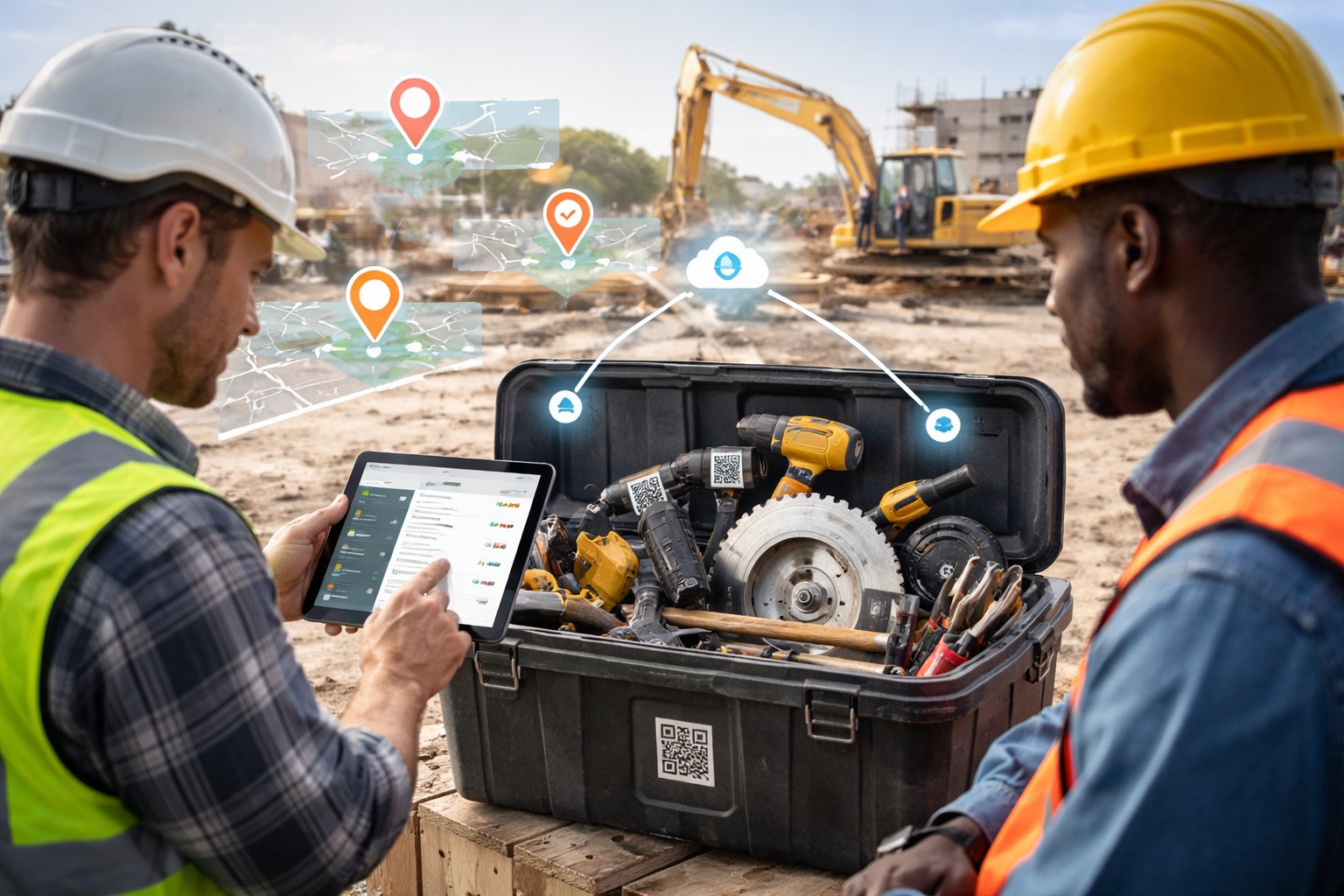
Tracking tools on a single job site is manageable. Tracking them across five, ten, or twenty active sites is an entirely different challenge. Multi-site operations introduce constant movement: tools shift between crews, trucks, subcontractors, and storage areas every day. Without a structured system, ownership becomes vague and visibility disappears.
Construction work is mobile by nature. Crews rotate, supervisors change, and temporary storage becomes permanent by accident. When a tool moves from Site A to Site B, no one documents it. After a week, nobody remembers where it originated. The issue isn't carelessness — it's lack of centralized coordination similar to what many companies experience before adopting proper fleet management software.
When Tools Go Missing Between Sites
Most missing tools aren't stolen. They're simply at the wrong location. A tile saw might sit unused at a finished project while another crew urgently needs it elsewhere. This leads to emergency purchases, duplicate inventory, and unnecessary rentals. The company technically owns the tool — it's just invisible.
These mismatches create ripple effects. A superintendent delays work because a specialty tool is unavailable. Purchasing authorizes a same-day replacement. Accounting later discovers three identical items on the books. All of this happens because no system tracks movement in real time.
The "I Thought Someone Else Had It" Problem
Shared tools often suffer from shared responsibility. When multiple crews use the same equipment, accountability becomes diluted. Nobody feels personally responsible for returning or logging items. This diffusion of responsibility creates chronic loss patterns rather than dramatic incidents.
Without clear assignment, even well-intentioned workers assume someone else handled the return. Over months, those assumptions turn into thousands of dollars in silent losses.
What a Real Tool Tracking System Needs to Do
Before choosing technology, companies need clarity on what the system must accomplish. A functional tool tracking system isn't just a spreadsheet of serial numbers. It must actively support daily operations and give managers real visibility.
Here's what a solid tool tracking system needs to do from day one:
- Assign ownership so every tool has a responsible crew or supervisor
- Enable check-in/check-out workflows to track movement between sites
- Provide location visibility so managers know where tools currently are
- Trigger alerts when items are overdue or missing
- Generate reports showing utilization and replacement trends
When these capabilities exist together, tool tracking becomes preventative instead of reactive.
Tool Tracking Methods: From Spreadsheets to Smart Software
Construction companies use a wide spectrum of tracking methods, each with tradeoffs.
Spreadsheets and Manual Logs
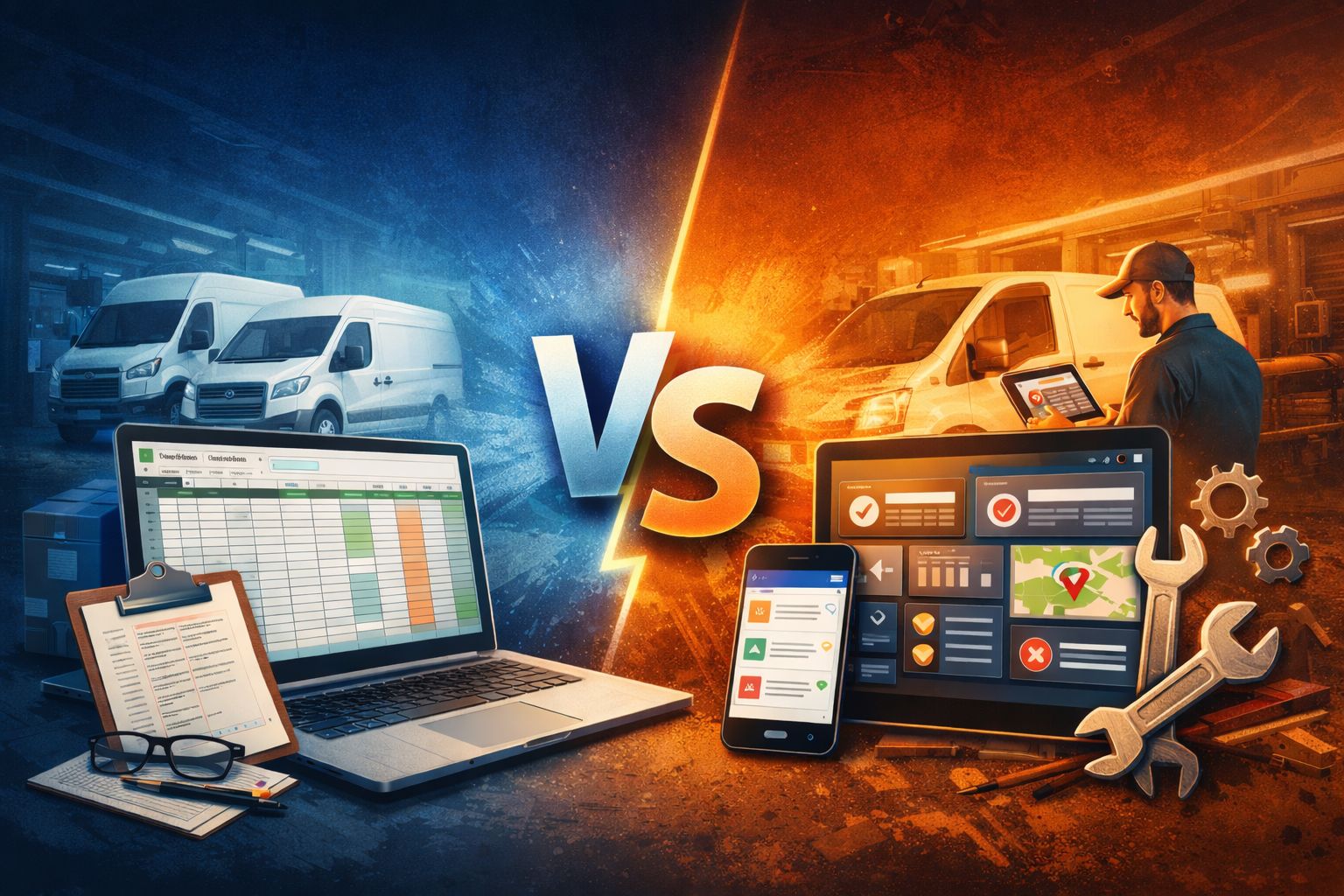
Spreadsheets are inexpensive and familiar, but they break down quickly at scale. Version conflicts, delayed updates, and human error make them unreliable across multiple job sites. Many companies eventually realize Excel alone isn't sustainable — a challenge similar to what fleets face before moving beyond spreadsheets, as discussed in Is Excel Good Enough for Fleet Maintenance?.
QR Codes and Barcodes
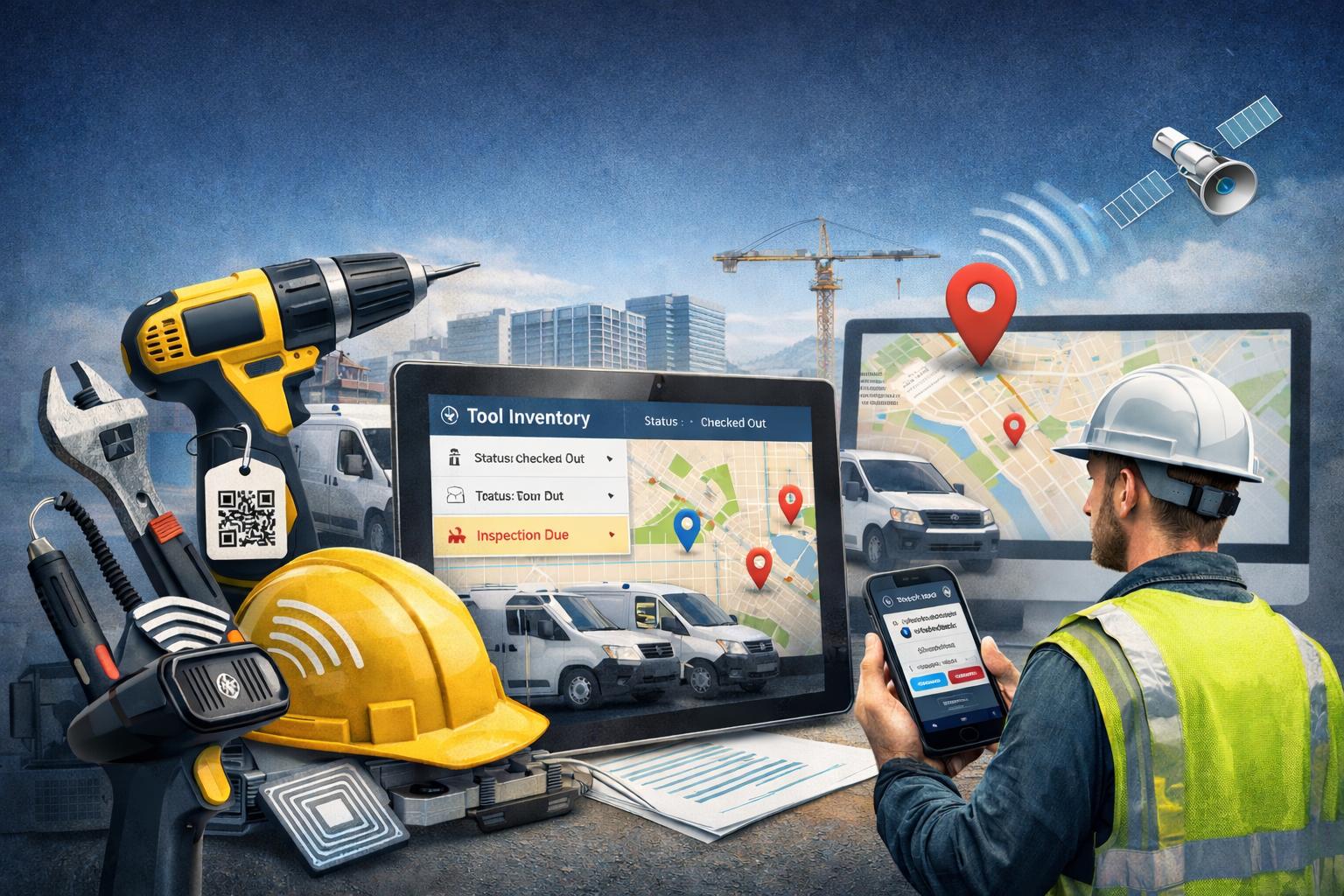
QR and barcode systems improve check-in accuracy. Workers scan tools using mobile devices, creating a digital trail. However, these systems depend heavily on staff compliance. If scanning is skipped, visibility disappears.
GPS and RFID Tags
GPS and RFID provide location automation, especially for high-value assets like generators or trailers. They work well when equipment value justifies hardware cost, but battery life and tag expenses can limit use on smaller tools.
Fleet and Asset Management Software
Software-based tracking offers the most scalable approach for companies managing tools across multiple sites. Platforms like AUTOsist combine equipment tracking, maintenance logs, and asset assignments into one system instead of scattered files. Features such as equipment maintenance management software and digital inspections create operational visibility rather than static inventory lists.
How to Set Up a Tool Tracking System That Actually Sticks
Implementation fails when companies treat tool tracking as a one-time setup instead of an ongoing workflow. The goal is adoption, not documentation.
A practical rollout includes these key steps:
- Audit existing inventory and record current condition
- Assign unique IDs or labels for easy identification
- Establish check-out procedures for site transfers
- Train crews thoroughly and explain the time savings
- Set accountability expectations per supervisor or crew
- Schedule recurring audits to verify accuracy
When leadership reinforces these steps consistently, tool tracking becomes routine rather than optional.
Metrics That Tell You If Your Tool Tracking Is Working
Tracking tools without measuring outcomes is like installing a speedometer and never looking at it. Metrics reveal whether the system is improving efficiency or simply documenting chaos.
Key metrics to monitor include:
- Tool utilization rate – percentage of time tools are actively used
- Loss or theft rate – number of missing tools per quarter
- Replacement cost per job site – duplicate purchase spend
- Downtime from missing tools – labor hours lost searching
- Maintenance frequency – service intervals and repair trends
For example, if quarterly replacement spend drops from $3,000 to $1,200 after implementing software and reporting dashboards like AUTOsist's fleet reports and dashboard, the ROI becomes obvious.
Common Mistakes Construction Companies Make With Tool Tracking
Even well-intentioned programs fail when predictable pitfalls go unchecked.
Watch out for these frequent mistakes:
- Tracking only expensive tools while mid-range tools disappear more often
- Skipping crew training, leading to poor adoption
- Failing to audit regularly, allowing discrepancies to grow
- Treating tracking as temporary instead of operational policy
- Overcomplicating the system, making it slower than the work itself
Consistency usually matters more than sophistication.
Now the article includes natural, sitemap-based internal links without forcing them into awkward sentences.