 Miya Bholat
Jan 13, 2026
Corporate Fleet Management: A Complete Guide to Optimizing Your Business Vehicles
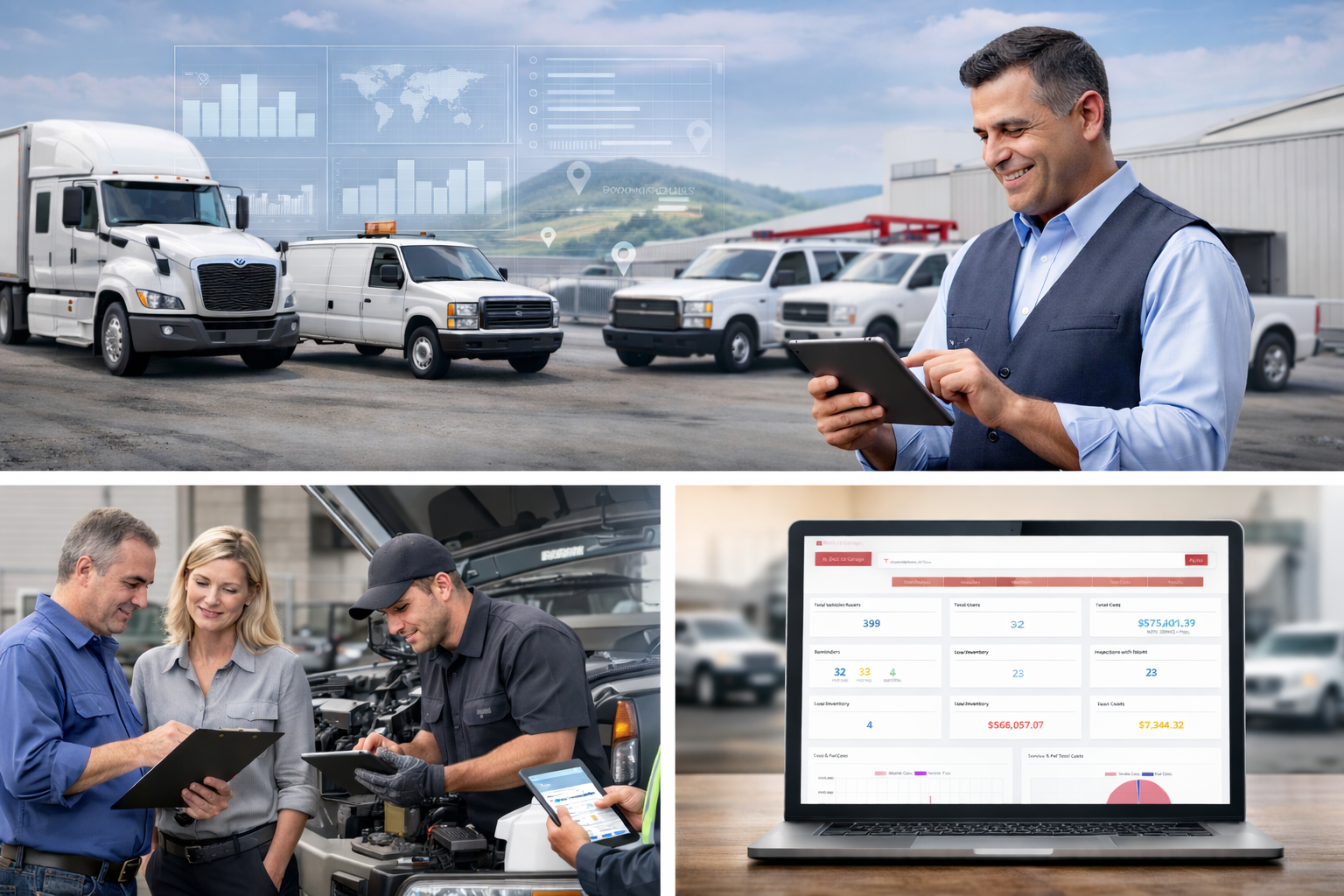
Managing a corporate fleet isn't just about keeping vehicles on the road—it's about maximizing efficiency, controlling costs, and ensuring your business stays competitive. Whether you're overseeing five delivery vans or five hundred service trucks, effective corporate fleet management can make the difference between a well-oiled operation and a constant headache.
Let's dive into what corporate fleet management really means, why it matters, and how modern solutions are transforming the way businesses handle their vehicles.
What Is Corporate Fleet Management?
Corporate fleet management encompasses all the strategies, processes, and tools companies use to oversee their business vehicles. It's the backbone of operations for any organization that relies on transportation to deliver products, provide services, or support their workforce.
This includes:
- vehicle acquisition and replacement planning
- preventive maintenance scheduling
- repair management and work tracking
- driver and user management
- fuel and operating cost monitoring
- compliance documentation and inspections
Corporate fleets may include light-duty vehicles, heavy equipment, service vans, police vehicles, school buses, or mixed asset types — but the objectives are the same: maximum uptime, safe operation, and financial control.
To support these goals, many organizations adopt fleet management software to centralize records, automate reminders, and eliminate spreadsheet-based tracking systems. To explore how a connected solution works in practice, you can review AUTOsist's Features Overview page.
Why Corporate Fleet Management Matters for Your Bottom Line
Your fleet represents a significant investment, often ranking as one of your company's largest expenses after payroll. According to industry research, the average fleet operating cost per vehicle can exceed $10,000 annually when you factor in fuel, maintenance, insurance, and depreciation. That number can climb even higher for specialized vehicles or operations in challenging environments.
Here's the reality: poor fleet management directly impacts your profitability. When vehicles break down unexpectedly, you're not just paying for repairs—you're losing revenue from missed deliveries, frustrated customers, and overtime costs to get back on schedule. When fuel consumption goes unchecked, those dollars quietly drain from your budget month after month.
On the flip side, companies that implement strong fleet maintenance practices report significant cost savings. They extend vehicle lifespans, reduce fuel expenses by up to 15%, and minimize costly emergency repairs through proactive maintenance scheduling.
Key Components of Effective Corporate Fleet Management
Successfully managing a corporate fleet requires attention to several interconnected areas. Let's break down the essential components that separate high-performing fleets from those constantly putting out fires.
Vehicle Acquisition and Lifecycle Planning
Your fleet management strategy starts before you even purchase a vehicle. Smart fleet managers carefully analyze their operational needs, evaluate total cost of ownership, and plan for the entire vehicle lifecycle. This means considering not just the sticker price, but maintenance costs, fuel efficiency, resale value, and how long you'll keep each vehicle in service.
Are you better off leasing or buying? Should you invest in electric vehicles for your urban routes? These decisions have long-term implications for your operational costs and efficiency. Companies that take a strategic approach to vehicle acquisition typically see better ROI and fewer headaches down the road.
Preventive Maintenance Scheduling
Nothing kills fleet efficiency faster than unexpected breakdowns. That's why preventive maintenance schedules form the foundation of successful corporate fleet management.
Rather than waiting for problems to occur, proactive fleet managers establish regular maintenance intervals based on manufacturer recommendations, vehicle usage patterns, and operating conditions. This approach catches small issues before they become expensive problems and keeps vehicles operating at peak performance.
Modern fleet management software automates this entire process, sending reminders based on mileage, engine hours, or calendar dates. The result? Fewer surprise breakdowns, lower repair costs, and maximized vehicle uptime.
Fuel Management and Cost Control
Fuel often represents 20-30% of total fleet operating costs, making it a prime target for optimization. Effective fuel management involves tracking consumption patterns, identifying inefficiencies, and implementing strategies to reduce waste.
Fleet fuel management software provides visibility into every gallon purchased, allowing you to spot anomalies, track MPG trends, and identify drivers who might benefit from additional training. Some fleets reduce fuel costs by 10-15% simply by having better data and accountability around fuel usage.
Driver Management and Safety
Your drivers are the human element of fleet management, and their behavior directly impacts costs, safety, and your company's reputation. Effective driver management includes proper training, clear policies, ongoing performance monitoring, and safety programs that keep everyone accountable.
Consider implementing a driver scorecard system that tracks metrics like harsh braking, speeding, idle time, and seatbelt usage. When drivers know their performance is being monitored, behavior typically improves. But remember—the goal isn't to be "Big Brother." It's to create a culture of safety and efficiency that benefits everyone.
Compliance and Documentation
Fleet compliance isn't optional—it's a legal requirement that comes with serious consequences if ignored. From DOT regulations and driver qualifications to vehicle inspections and emission standards, the compliance landscape is complex and constantly evolving.
Keeping track of all required documentation manually is a recipe for disaster. Digital vehicle inspection apps and comprehensive fleet management systems help ensure you never miss a required inspection, certification, or documentation deadline. This protects your company from fines, liability issues, and operational shutdowns.
How Fleet Management Software Supports Corporate Fleet Operations
The fleet management industry has undergone a massive transformation in recent years, driven by advances in telematics, GPS tracking, and cloud-based software platforms. Today's fleet managers have access to tools that would have seemed like science fiction just a decade ago.
Real-time GPS tracking shows exactly where every vehicle is at any moment. Telematics systems provide insights into driver behavior, fuel efficiency, and vehicle health. Mobile apps empower drivers to log inspections, report issues, and communicate with dispatch—all from their smartphones.
Fleet management software helps corporate fleets move from “reacting” to “planning ahead.” Instead of discovering problems when a breakdown occurs, data and automation notify teams before issues turn into costly repairs.
With AUTOsist, organizations can:
- schedule and track preventive maintenance
- store and organize vehicle and equipment service history
- assign drivers and control user permissions
- manage inspections digitally
- keep odometer and mileage records updated
- store important fleet documents in one place
For example, the Vehicle Service History System keeps every repair, inspection, and cost detail tied to each asset — no file cabinets required.
Best Practices for Corporate Fleet Management Success
Implementing effective fleet management requires more than just buying software—it demands a strategic approach and commitment to continuous improvement. Here are proven practices that successful fleet managers follow to keep their operations running smoothly.
Establish Clear Policies and Procedures
Your fleet needs a rulebook. Document your expectations for vehicle use, maintenance reporting, fuel card usage, accident procedures, and personal use policies. Make sure every driver understands these policies and signs off on them. Clear guidelines prevent confusion, reduce liability, and create accountability across your team.
When everyone knows what's expected, you spend less time dealing with problems and more time optimizing performance. Update these policies regularly to reflect changing conditions, new regulations, or lessons learned from past incidents.
Leverage Data for Decision Making
The days of managing by gut feeling are over. Modern fleet management is all about data-driven decisions. Track key performance indicators like cost per mile, maintenance costs per vehicle, fuel efficiency, vehicle utilization rates, and downtime percentages.
These metrics tell you where you're succeeding and where you need to improve. Maybe you'll discover that certain vehicles are costing far more to maintain than expected, signaling it's time for replacement. Or perhaps you'll identify routes where fuel consumption is unusually high, pointing to driver training opportunities or route optimization possibilities.
Invest in Preventive Maintenance
We've mentioned this before, but it bears repeating: preventive maintenance is your best defense against costly breakdowns and operational disruptions. Don't wait for the check engine light to come on. Schedule regular oil changes, tire rotations, brake inspections, and fluid checks based on manufacturer recommendations.
Fleet maintenance work order software streamlines this entire process, automatically creating work orders when maintenance is due and tracking every service performed. This approach not only reduces costs but also extends vehicle lifespans and maintains higher resale values.
Optimize Parts Inventory
Nothing's more frustrating than having a vehicle down because you're waiting on a $20 part. Smart fleet managers maintain strategic parts inventories that balance availability with cost. You don't want to tie up cash in parts you'll never use, but you also can't afford to wait days for common replacements.
Focus your inventory on high-usage items, parts with long lead times, and components specific to your fleet. Track usage patterns to refine your inventory over time. Some organizations save thousands of dollars annually just by optimizing their parts management approach.
Prioritize Driver Training and Safety
Your fleet is only as good as the people driving your vehicles. Invest in comprehensive driver training programs that cover not just basic operation, but defensive driving techniques, fuel-efficient driving habits, and your company's specific policies and procedures.
Regular safety meetings, driver coaching sessions, and recognition programs for safe drivers create a culture where everyone takes responsibility for fleet performance. When drivers understand how their actions impact costs and safety, they're more likely to make smart decisions behind the wheel.
Embrace Mobile Technology
Your drivers are already carrying powerful computers in their pockets—make sure you're leveraging that capability. Mobile fleet management apps allow drivers to conduct pre-trip inspections, report maintenance issues, log fuel purchases, and communicate with dispatch without ever touching a piece of paper.
This real-time connectivity improves response times, reduces administrative burden, and provides immediate visibility into fleet activities. When problems arise, you know about them right away rather than discovering them days later in a pile of paperwork.
Common Corporate Fleet Management Challenges and Solutions
Even well-managed fleets face obstacles. Understanding common challenges and having strategies to address them can help you stay ahead of potential problems.
Challenge: Unplanned Downtime
Unexpected vehicle breakdowns remain one of the most frustrating and costly problems fleet managers face. These disruptions cascade through your operations, causing missed deliveries, overtime costs, and unhappy customers. The root cause is often deferred maintenance or failing to recognize warning signs before they become critical failures.
Solution: Implement a robust preventive maintenance program supported by fleet management software that tracks every service interval. Train drivers to report unusual sounds, smells, or performance issues immediately. Many fleet management systems now include vehicle diagnostics integration that alerts you to potential problems before they leave your drivers stranded.
Challenge: Rising Fuel Costs
Fuel prices fluctuate unpredictably, and when you're managing dozens or hundreds of vehicles, those fluctuations can devastate your budget. Without visibility into consumption patterns, it's nearly impossible to identify waste or implement effective cost-control measures.
Solution: Deploy fuel card systems that capture detailed transaction data. Monitor fuel efficiency trends across your fleet to identify vehicles that may need attention or drivers who could benefit from additional training. Consider route optimization software that reduces unnecessary mileage. Even small improvements in fuel efficiency multiply across your entire fleet to generate substantial savings.
Challenge: Compliance Management
The regulatory environment surrounding commercial vehicles grows more complex every year. Between DOT requirements, environmental regulations, local ordinances, and industry-specific standards, keeping track of all your compliance obligations can feel like a full-time job.
Solution: Centralize all compliance documentation in a digital system like AUTOsist to track deadlines and sends automated reminders. Use standardized inspection checklists that ensure nothing gets missed. Assign clear responsibility for compliance tasks, and conduct regular audits to verify you're meeting all requirements. Many fleet management platforms include built-in compliance management tools that take the guesswork out of staying legal.
Challenge: Poor Vehicle Utilization
Many organizations discover they're not getting full value from their fleet assets. Vehicles sit idle for extended periods, certain assets are underutilized while others are overworked, or you're maintaining vehicles you don't actually need.
Solution: Track vehicle utilization rates through GPS and telematics systems. Analyze usage patterns to identify opportunities for rightsizing your fleet. Consider implementing vehicle sharing programs where appropriate. Understanding exactly how each vehicle is being used allows you to make informed decisions about fleet size and composition.
Challenge: Driver Retention and Accountability
In many industries, driver turnover remains persistently high, creating training costs and operational disruptions. Additionally, without proper systems in place, it's difficult to hold drivers accountable for vehicle care and safe operation.
Solution: Create clear expectations through documented policies and regular communication. Implement driver scorecards that provide objective performance feedback. Recognize and reward safe, efficient driving behavior. When drivers feel valued and understand that their actions matter, retention improves and fleet performance follows suit.
Selecting the Right Fleet Management Software
If you're still managing your fleet through spreadsheets and paper logs, you're working harder than necessary and likely missing opportunities for improvement. The right fleet management software transforms how you operate, but choosing the right solution requires careful consideration.
Start by identifying your specific pain points and priorities. What's causing you the most headaches right now? Is it maintenance tracking? Fuel management? Compliance? Driver behavior? Look for solutions that directly address your most pressing challenges while providing room to grow as your needs evolve.
Consider these factors when evaluating fleet management platforms:
Ease of Use: If the system is complicated, your team won't use it consistently. Look for intuitive interfaces that require minimal training. The best software feels natural to use, not like you're wrestling with technology.
Integration Capabilities: Your fleet management system should play nicely with your existing GPS provider, fuel card program, and accounting software. Seamless integrations eliminate double data entry and provide a complete picture of your operations.
Mobile Accessibility: Your drivers and technicians need access to the system from anywhere. Mobile apps should be robust, reliable, and work even in areas with limited connectivity.
Scalability: Choose a solution that can grow with your organization. You might have 20 vehicles today, but what happens when you expand to 50 or 200? Make sure your chosen platform can scale without requiring a complete system change.
Support and Training: Implementation is just the beginning. Look for vendors that provide excellent ongoing support, regular training resources, and responsive customer service. When issues arise, you need help quickly.
AUTOsist checks all these boxes and more, offering a comprehensive yet user-friendly platform designed specifically for the challenges fleet managers face every day. The system brings together maintenance management, fuel tracking, compliance tools, and reporting capabilities in one integrated solution that your entire team can embrace.
Measuring Fleet Management Success
How do you know if your fleet management efforts are actually working? You need to track the right metrics and establish benchmarks that reflect your operational goals. Here are the key performance indicators that matter most:
Cost Per Mile: This fundamental metric reveals your total fleet expenses divided by miles driven. Track this monthly to identify cost trends and compare against industry benchmarks.
Maintenance Cost Per Vehicle: Monitor how much you're spending to keep each vehicle operational. Significant variations between similar vehicles may indicate mechanical issues or different usage patterns.
Fuel Efficiency: Track miles per gallon across your fleet. Declining fuel efficiency often signals maintenance issues or driver behavior problems that need attention.
Vehicle Utilization Rate: Calculate the percentage of time each vehicle is actually in use versus sitting idle. Low utilization suggests opportunities for fleet optimization.
Downtime Percentage: Measure the amount of time vehicles spend out of service for maintenance or repairs. Higher percentages indicate potential issues with your preventive maintenance program or vehicle reliability.
Compliance Rate: Track your success in completing required inspections, certifications, and documentation on time. A 100% compliance rate should be your goal.
Driver Safety Metrics: Monitor accident rates, moving violations, and safety incidents. These numbers directly correlate with insurance costs and liability exposure.
Review these metrics regularly—monthly at minimum, weekly for critical KPIs—and use them to guide your decisions. When you spot negative trends, investigate root causes and implement corrective actions. Celebrating positive trends reinforces behaviors and practices that are working well.
The Future of Corporate Fleet Management
Fleet management continues to evolve rapidly, driven by technological innovation and changing business needs. Understanding emerging trends helps you stay ahead of the curve and prepare for tomorrow's challenges.
Electric and alternative fuel vehicles are gaining traction across many fleets. While the transition requires careful planning around charging infrastructure and range considerations, EVs offer compelling advantages in fuel costs, maintenance simplicity, and environmental impact. Forward-thinking fleet managers are already piloting electric vehicles and developing long-term electrification strategies.
Artificial intelligence and machine learning are moving from buzzwords to practical applications. These technologies analyze vast amounts of fleet data to predict maintenance needs, optimize routes, and identify efficiency opportunities that humans might miss. Expect AI-powered insights to become increasingly sophisticated and accessible.
Autonomous vehicle technology, while still developing, will eventually transform certain fleet applications. Long-haul trucking, last-mile delivery, and repetitive route operations are likely to see autonomous options within the next decade. Fleet managers should monitor these developments and consider how automation might impact their operations.
Sustainability pressures continue mounting from customers, regulators, and society at large. Modern fleet management increasingly includes carbon footprint tracking, emission reduction goals, and sustainability reporting. Organizations that proactively address environmental concerns gain competitive advantages and prepare for future regulations.
The integration of fleet management with broader business systems will deepen. Expect tighter connections between fleet operations and customer relationship management, enterprise resource planning, and supply chain systems. This integration enables better coordination and more holistic business optimization.
Key Takeaways: Your Corporate Fleet Management Action Plan
Effective corporate fleet management isn't about perfection—it's about continuous improvement and making smart decisions based on solid data. Whether you're just starting to formalize your approach or looking to optimize an established program, these core principles will guide you toward success.
First, recognize that fleet management is a strategic business function, not just an operational necessity. Your fleet represents significant capital investment and ongoing expense. Treating it as a strategic asset—with proper planning, measurement, and optimization—directly impacts your bottom line and competitive position.
Second, embrace technology that makes your job easier, not harder. The right fleet management software doesn't add complexity; it simplifies your daily work while providing insights you couldn't access otherwise. From automated maintenance reminders to comprehensive reporting, modern platforms handle the details so you can focus on strategy.
Third, build a culture of accountability and continuous improvement across your team. When drivers understand their role in fleet performance, when technicians take pride in keeping vehicles running reliably, and when leadership supports your efforts with adequate resources, everything becomes easier.
Finally, remember that every fleet is unique. What works for a delivery company might not suit a construction fleet. Take proven best practices and adapt them to your specific circumstances, vehicles, and operational environment.
Corporate fleet management done right transforms your vehicles from cost centers into competitive advantages. It's about operating more efficiently, spending less on maintenance and fuel, keeping drivers safer, and ensuring your business can deliver on its promises every single day.
Ready to take your fleet management to the next level? The tools, knowledge, and best practices are available—now it's time to put them into action. Start with one area that needs improvement, implement changes, measure results, and build from there. Your fleet—and your bottom line—will thank you.