 Miya Bholat
Feb 20, 2026
Fleet Data Visualization: Dashboards That Drive Decisions for Modern Fleet Managers
Key Takeaways
- Data volume does not equal insight. Fleets often collect massive data but fail to visualize it in a way that supports fast decisions.
- Dashboards must prioritize action-driving metrics. Utilization, maintenance compliance, MTBF, and cost per mile reveal operational health quickly.
- Visualization enables predictive maintenance. Early pattern detection prevents costly breakdowns and service disruptions.
- Tool selection should emphasize usability and integration. A simple, well-adopted dashboard outperforms a complex, unused one.
- Decision-first design ensures long-term value. Dashboards should reflect real operational choices, not just available numbers.
Why Fleet Managers Are Drowning in Data (But Starving for Insight)
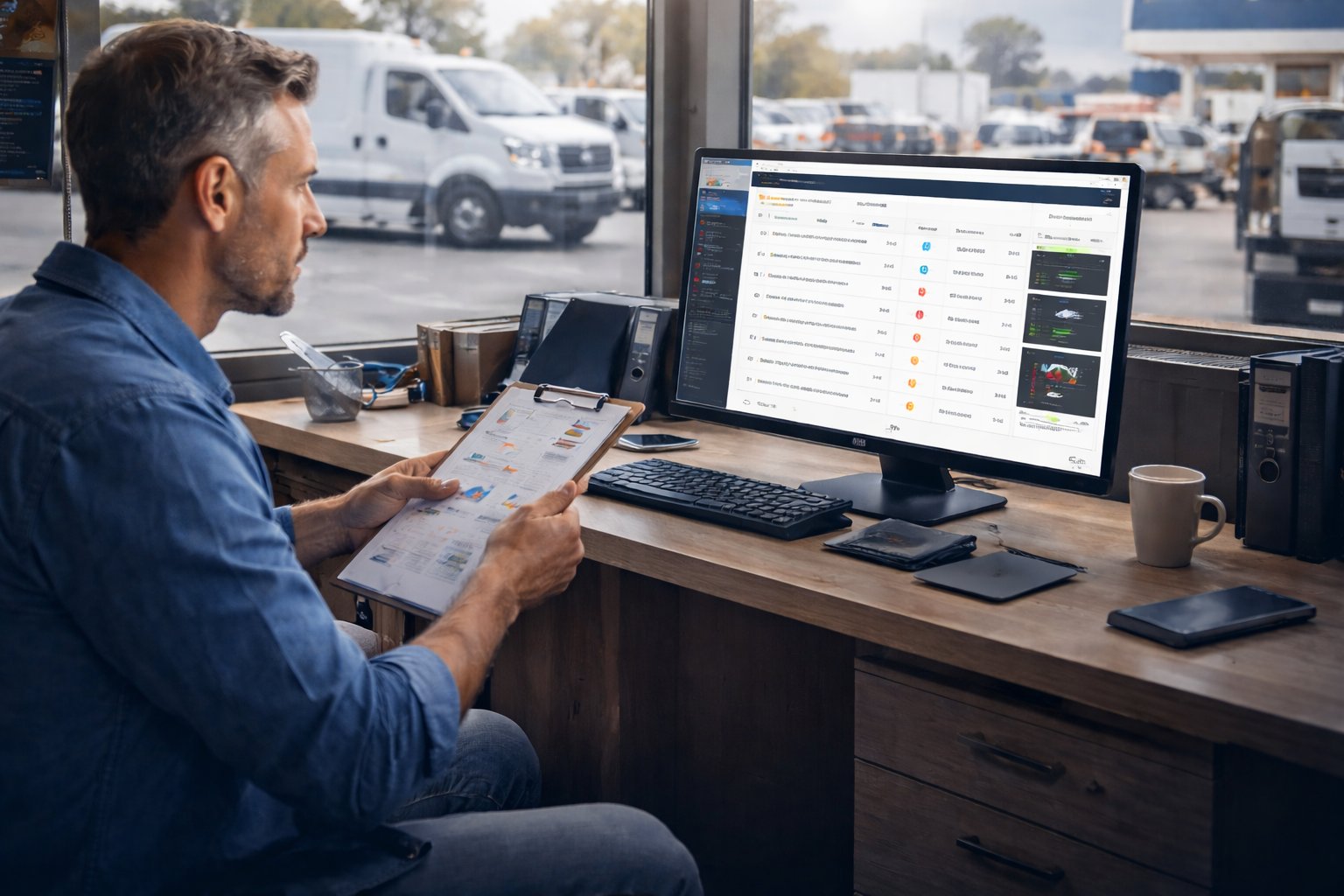
Modern fleets generate more data than ever before. Every vehicle trip, fuel transaction, maintenance record, driver inspection, and telematics ping adds another row to an ever-growing spreadsheet. On paper, this looks like progress. In reality, it often creates the opposite effect: information overload without clarity.
Many fleet managers face a daily contradiction. They have thousands of data points but still struggle to answer simple operational questions like:
- Which vehicles cost the most to maintain?
- Are preventive services happening on time?
- Where is fuel spending quietly increasing?
- Which assets are at risk of breakdown?
When data lives in disconnected tools — spreadsheets for fuel, paper logs for inspections, separate software for GPS, and email threads for maintenance — patterns stay hidden. Decisions then rely on memory or intuition instead of evidence. That gap between having data and using data is where fleets lose money, safety margins, and uptime.
Fleet data visualization closes this gap. Instead of forcing managers to hunt for numbers, dashboards bring the most important signals forward instantly.
What Fleet Data Visualization Actually Means
Beyond Bar Charts and Pie Graphs
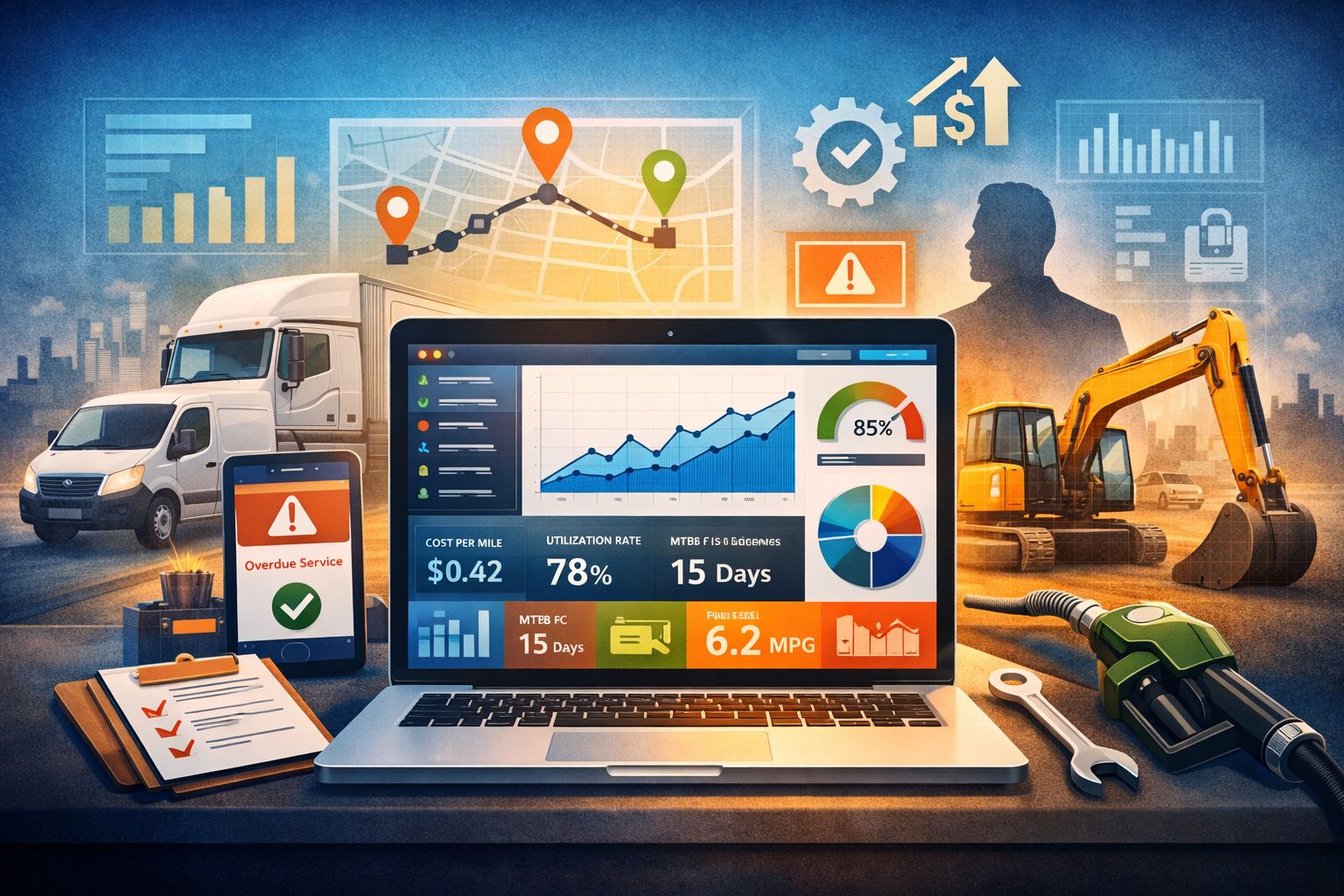
Fleet data visualization is not about decorating reports with colorful graphs. In a fleet context, visualization means turning raw operational inputs into a real-time command center that answers "What needs attention right now?" rather than "What happened last quarter?"
Static reports look backward. They help with audits and historical reviews, but they rarely prevent problems. Dynamic dashboards, on the other hand, show live conditions — overdue maintenance, rising fuel costs, or compliance gaps — so managers can act before consequences escalate.
A well-designed dashboard behaves less like a spreadsheet and more like an air-traffic control panel. It highlights urgency, trends, and anomalies at a glance. That is the difference between record keeping and decision support.
The Data Sources Feeding Your Dashboard
A dashboard is only as powerful as the data feeding it. Strong fleet visualization tools pull information from multiple operational areas, including:
- Vehicle health and diagnostic alerts
- Preventive maintenance schedules
- Fuel consumption and spending
- Mileage and utilization
- Compliance and inspection status
- Driver behavior metrics
- Cost and repair history
When these sources flow into one unified view — such as a centralized fleet reports and dashboard system — managers stop toggling between tools and start seeing the full operational picture.
The 6 Metrics Every Fleet Dashboard Should Track
Not all metrics deserve equal space on a dashboard. The most effective dashboards prioritize numbers that directly influence cost control, safety, and uptime. These six metrics consistently deliver high operational value:
-
Vehicle Utilization Rate
Shows how often assets are used versus sitting idle. Low utilization suggests over-purchasing or inefficient assignment. -
Preventive Maintenance Compliance Rate
Measures how consistently scheduled services occur on time. Falling below 90% often signals future breakdown risk. -
Mean Time Between Failures (MTBF)
Indicates how long vehicles operate before needing repair. A declining MTBF reveals reliability issues and possible replacement timing. -
Cost Per Mile (or Cost Per Vehicle)
This metric exposes hidden expense growth.
Example calculation: If a truck costs $12,000 annually in fuel, repairs, and maintenance and travels 30,000 miles, the cost per mile equals $0.40. When this climbs unexpectedly, it usually points to aging components or inefficient routing. -
Fuel Efficiency by Vehicle or Route
Identifies which assets consume more fuel than expected, often revealing maintenance or driving behavior issues. -
Out-of-Service Rate
Tracks how often vehicles are unavailable. Even a small increase can disrupt schedules and customer commitments.
Many fleets already collect these numbers but fail to visualize them. Tools discussed in guides like fleet maintenance KPIs with formulas help translate raw metrics into actionable insight.
How Dashboards Prevent Problems Before They Become Expensive
From Reactive to Predictive Maintenance
Reactive maintenance costs fleets significantly more than preventive maintenance. Without visualization, patterns hide until breakdowns occur. Dashboards reveal trends early — recurring failures, overdue services, or clustered repair types.
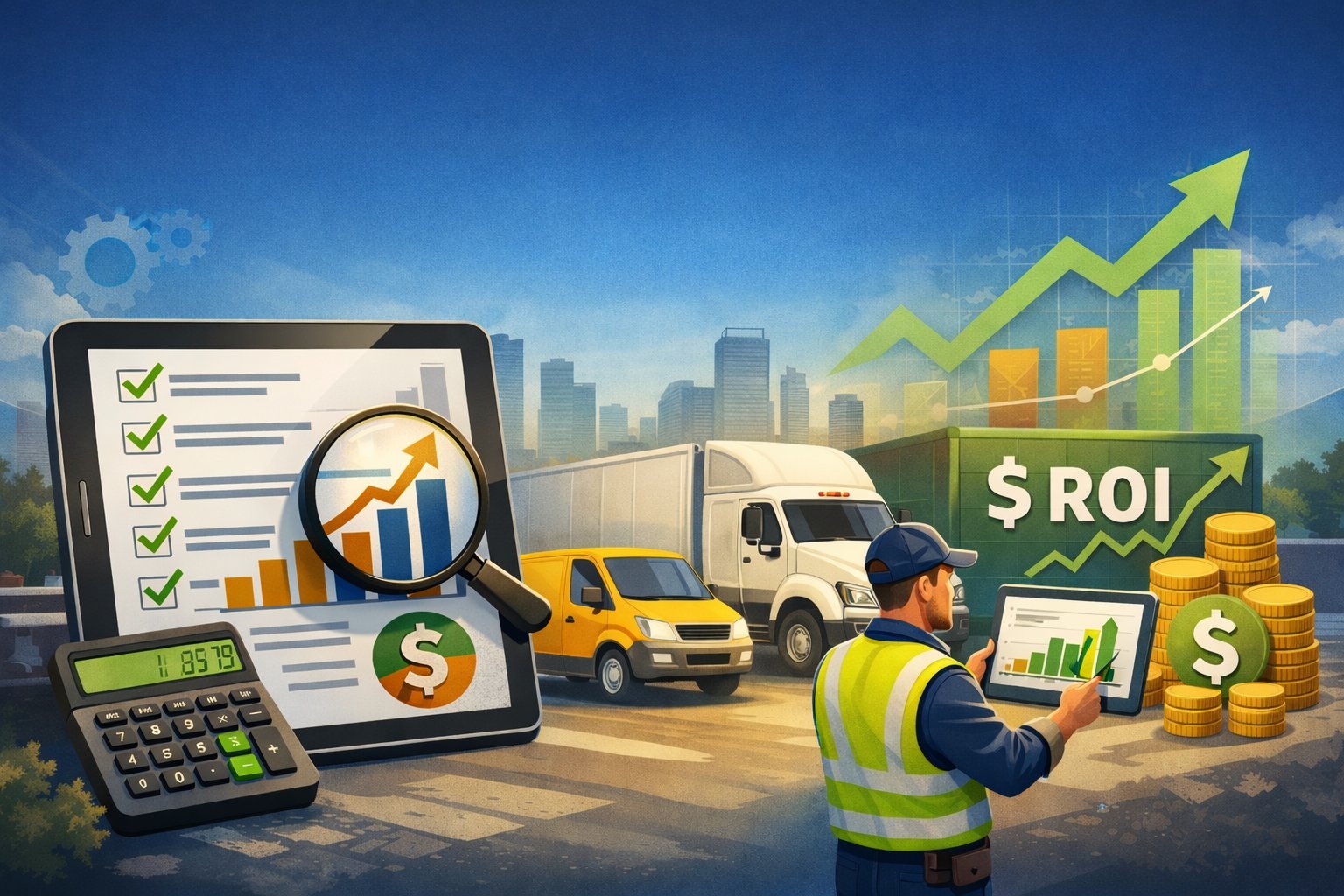
Imagine a dashboard highlighting that three vehicles from the same model year show repeated brake issues within 60 days. Instead of waiting for the fourth failure, a fleet manager can proactively inspect similar vehicles, preventing roadside incidents and expensive emergency repairs. This shift from firefighting to forecasting is where dashboards deliver the highest return on investment.
Real-Time Alerts vs. Scheduled Reports
Traditional reports require manual pulling. They sit in inboxes or folders until someone reviews them. Dashboards with real-time alerts change that dynamic entirely. Instead of searching for information, the system surfaces issues automatically.
Examples include:
- A vehicle reaching a mileage service interval
- Fuel costs exceeding expected thresholds
- Inspection certificates nearing expiration
- Repeated fault codes triggering early diagnostics
Platforms that combine dashboards with tools like a digital vehicle inspection app reduce reliance on manual checks and increase operational awareness without increasing workload.
Choosing the Right Fleet Dashboard: What to Look For
When evaluating dashboard solutions, fleet managers should focus on usability and integration rather than visual complexity. The following criteria help separate effective tools from flashy but impractical ones:
- Customizable views by role (technician vs. fleet manager vs. executive)
- Mobile accessibility for on-the-go management
- Integration with telematics, fuel cards, and maintenance records
- Ease of setup and minimal data entry burden
- Real-time versus batch data refresh rates
- Scalability as the fleet grows
After reviewing features, remember a simple truth: the best dashboard is the one your team actually uses. Excessive complexity discourages adoption. Clear, focused visualization drives consistent engagement.
Common Dashboard Mistakes Fleet Teams Make
Even strong tools can fail when implemented poorly. Fleet teams often fall into predictable traps that reduce dashboard effectiveness. The most frequent mistakes include:
- Tracking too many metrics at once, creating visual overload
- Pulling data from disconnected systems that do not synchronize
- Designing dashboards for executive reports instead of daily operations
- Failing to update KPIs as fleet priorities evolve
- Treating the dashboard as a set-and-forget system
A practical recommendation is to audit dashboards quarterly and ask a direct question: Is anyone using this view to make a real decision? If not, simplify or redesign it.
Putting Your Dashboard to Work: A Practical Starting Point
Improving fleet data visualization does not require a full software overhaul. A structured starting framework helps fleets gain value quickly:
- Identify the 3–5 decisions you make most often, such as replacement timing or service scheduling.
- Work backward to determine which data supports those decisions.
- Build dashboard views around decisions, not around available data.
- Set alert thresholds so the system surfaces risks automatically.
- Review and refine the dashboard monthly.
Fleet management platforms like AUTOsist naturally support this workflow by combining maintenance tracking, inspection data, and reporting into a single interface rather than spreading information across tools.