 Miya Bholat
Feb 05, 2026
Fleet Vehicle Tracking for Businesses: Benefits, Features & How to Get Started
Key Takeaways: Maximizing Your Fleet Tracking Investment
- Real-Time Visibility Improves Decision-Making Accurate location data reduces guesswork, shortens response times, and strengthens dispatch efficiency.
- Fuel Savings Often Justify the Investment Quickly Even modest reductions in idling and inefficient routing can lead to double-digit percentage savings annually.
- Safety Monitoring Lowers Risk and Insurance Costs Driver coaching and behavior analytics reduce accident frequency and liability exposure.
- Integration with Maintenance Platforms Increases Value Connecting tracking data with tools like AUTOsist enables proactive service scheduling and fewer breakdowns.
- Customer Satisfaction Improves with Reliable ETAs Transparent delivery timelines build trust and encourage repeat business.
- Structured Implementation Prevents Adoption Issues Clear communication, phased rollouts, and training ensure smoother transitions and stronger long-term results.
Why Fleet Vehicle Tracking Matters for Modern Businesses
Fleet vehicle tracking has shifted from a “nice-to-have” tool into a core operational necessity for many businesses. A decade ago, most companies relied on handwritten trip logs, phone calls with drivers, and rough delivery estimates. Today, real-time GPS tracking gives managers instant visibility into every vehicle’s location, status, and movement patterns.
This shift brings measurable business impact. Companies that adopt fleet tracking often report reduced fuel costs, faster response times, and fewer customer complaints about late deliveries. Real-time visibility also supports compliance, driver safety, and preventive maintenance planning. Instead of reacting to problems after they happen, fleet managers can anticipate issues and take action before downtime or customer dissatisfaction occurs.
How GPS Fleet Tracking Systems Work
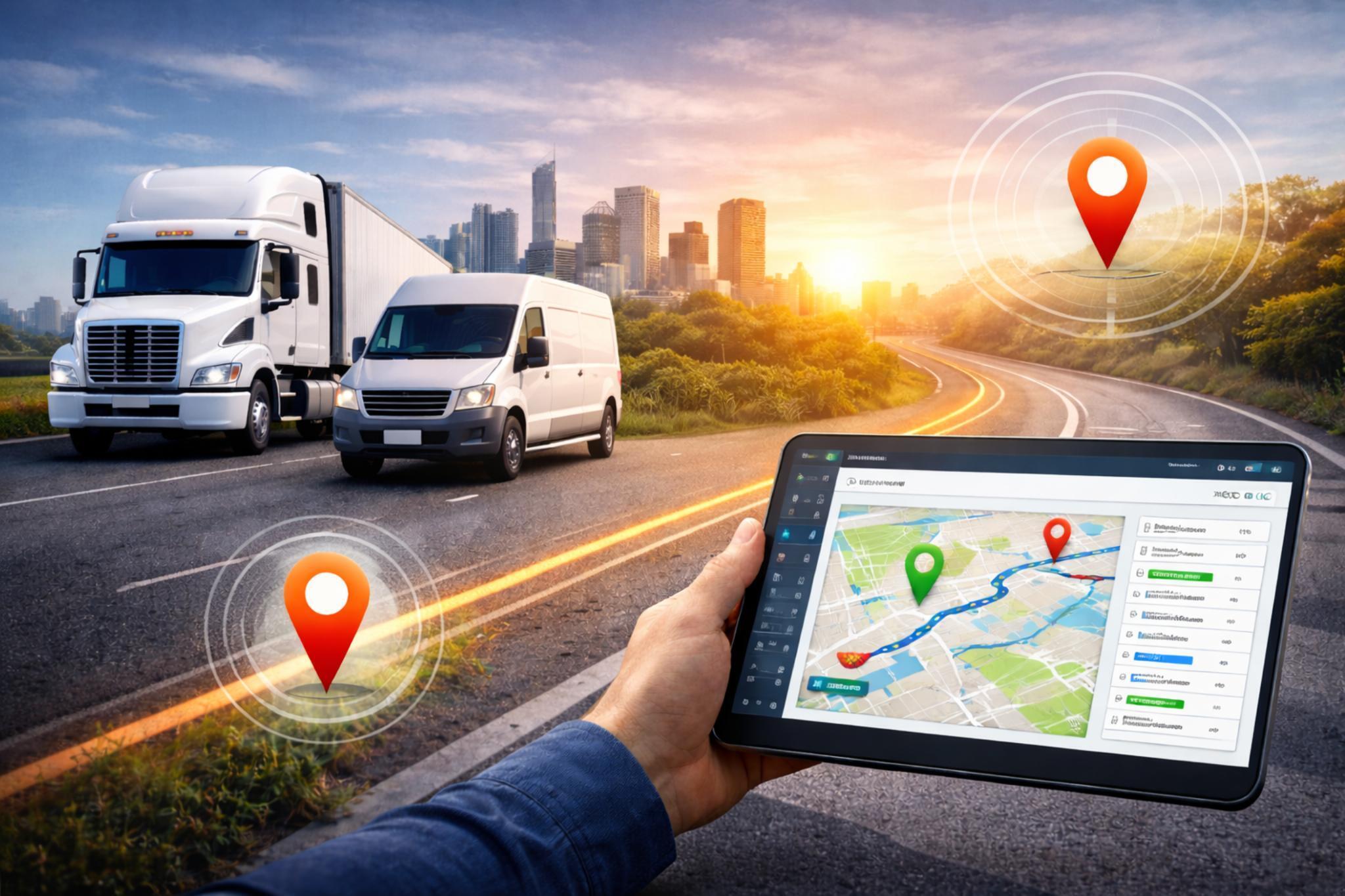
At a basic level, fleet tracking systems combine GPS hardware, telematics devices, and cloud-based software. The technology may sound complex, but the concept is straightforward: a small device installed in a vehicle communicates its location and performance data to a centralized platform.
Here’s a simplified breakdown of how the process works:
- GPS Device Installation: A tracking unit is installed in each vehicle, often plugged into the OBD-II port or hardwired.
- Location Capture: The GPS unit uses satellite signals to determine the vehicle’s exact coordinates.
- Data Transmission: Cellular or satellite networks send the data to cloud servers.
- Software Dashboard: Fleet managers view real-time information through a web or mobile interface.
- Analytics & Alerts: The system generates reports, notifications, and trend analysis automatically.
Many modern platforms also combine telematics data such as engine diagnostics, speed, idle time, and fuel consumption. When integrated with maintenance tools and driver management systems, the result is a complete operational overview instead of isolated data points.
Key Benefits of Implementing Fleet Vehicle Tracking
Real-Time Location Visibility
Real-time tracking allows dispatchers to see exactly where each vehicle is at any moment. This visibility improves route coordination and reduces guesswork. When a customer asks for an ETA, managers can provide accurate delivery windows instead of estimates based on past averages.
Businesses that operate service fleets often reduce missed appointments by 15–25% simply by dispatching the nearest available vehicle. Real-time awareness also helps managers respond quickly to traffic delays, road closures, or emergencies.
Reduced Fuel Costs and Improved Efficiency
Fuel remains one of the largest operating expenses for fleets. Tracking systems highlight inefficiencies such as excessive idling, unnecessary detours, and aggressive driving behavior. Even small changes can produce significant savings.
Fleets commonly see improvements such as:
- 10–20% reduction in fuel spending
- 15% decrease in idle time
- Shorter route durations through optimization
- Lower maintenance costs from smoother driving
- Reduced overtime pay due to better scheduling
These percentages vary by industry, but the cumulative financial impact often justifies the technology investment within months.
Enhanced Driver Safety and Accountability
Driver behavior monitoring plays a major role in accident prevention. Tracking platforms can detect speeding, harsh braking, rapid acceleration, and unsafe cornering. Managers can use this data for coaching rather than punishment, building safer driving habits over time.
Safety improvements often lead to reduced insurance premiums and fewer liability claims. Many fleets also find that transparency encourages drivers to follow policies more consistently because expectations become clear and measurable.
Improved Customer Service and Delivery Times
Accurate ETAs and route transparency strengthen customer trust. When customers receive consistent updates and reliable arrival windows, satisfaction scores improve. Businesses that rely on time-sensitive deliveries frequently gain a competitive advantage through dependable service.
For example, integrating tracking insights with maintenance tools like Fleet Vehicle Maintenance: The Complete Guide to Maximizing Uptime and Minimizing Costs helps ensure vehicles stay operational and on schedule.
Theft Prevention and Asset Recovery
Vehicle theft and unauthorized usage present serious risks. GPS tracking enables immediate alerts when vehicles leave designated zones or operate outside approved hours. In many cases, recovery becomes faster because law enforcement can access precise location data instead of vague descriptions.
Essential Features to Look for in Fleet Tracking Software
Not all tracking solutions offer the same capabilities. Fleet managers should evaluate platforms carefully before committing. A well-rounded system should balance usability, accuracy, and integration options.
When reviewing vendors, prioritize features such as:
- Real-Time GPS Accuracy: Consistent location updates with minimal lag.
- Geofencing: Custom boundaries for alerts when vehicles enter or exit zones.
- Driver Behavior Monitoring: Speed, braking, and idle tracking.
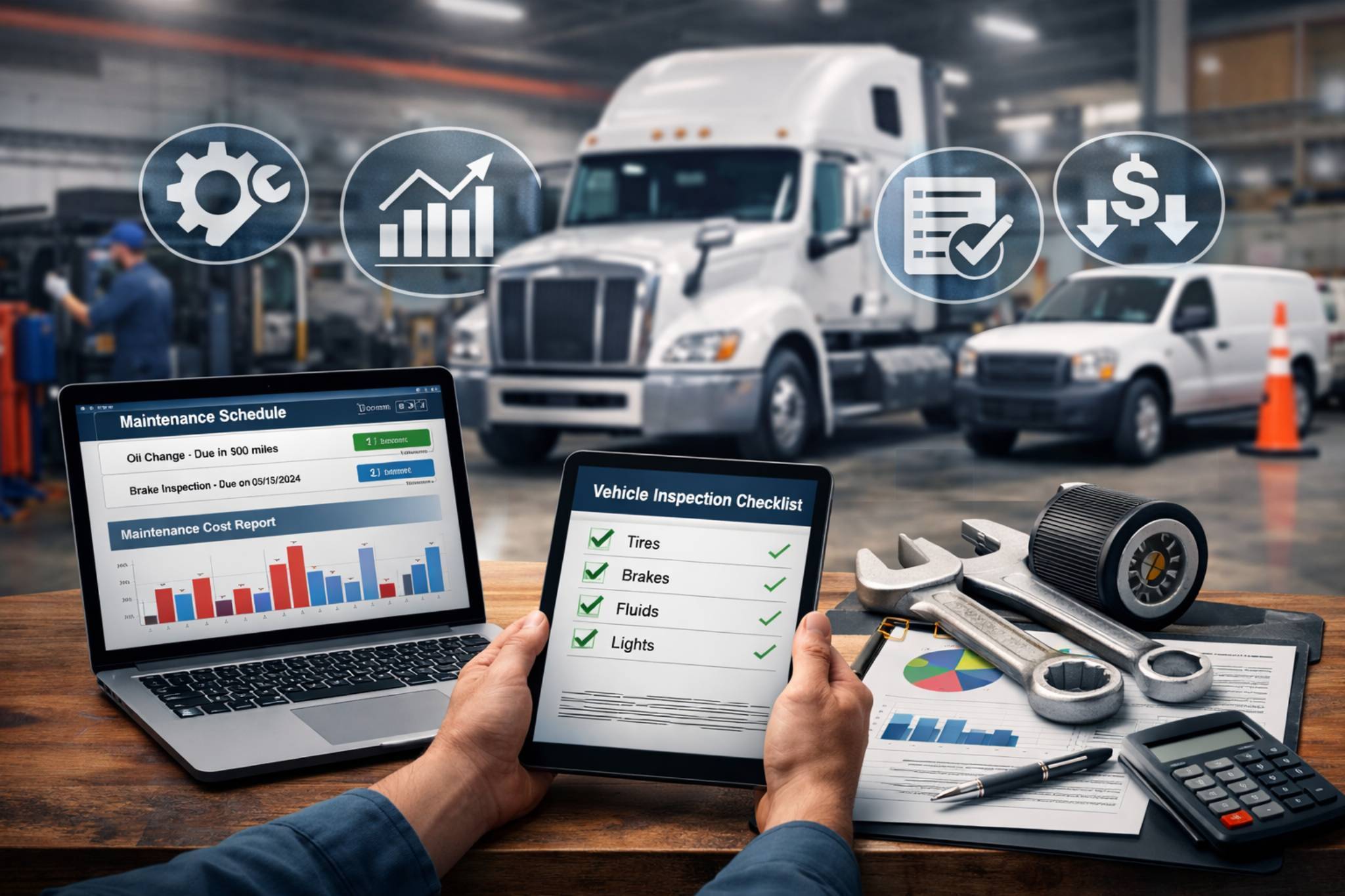
- Maintenance Integration: Connection with preventive maintenance schedules.
- Mobile Accessibility: Apps for managers and drivers.
- Reporting & Analytics: Customizable dashboards and exportable data.
- Ease of Use: Intuitive interface with minimal training required.
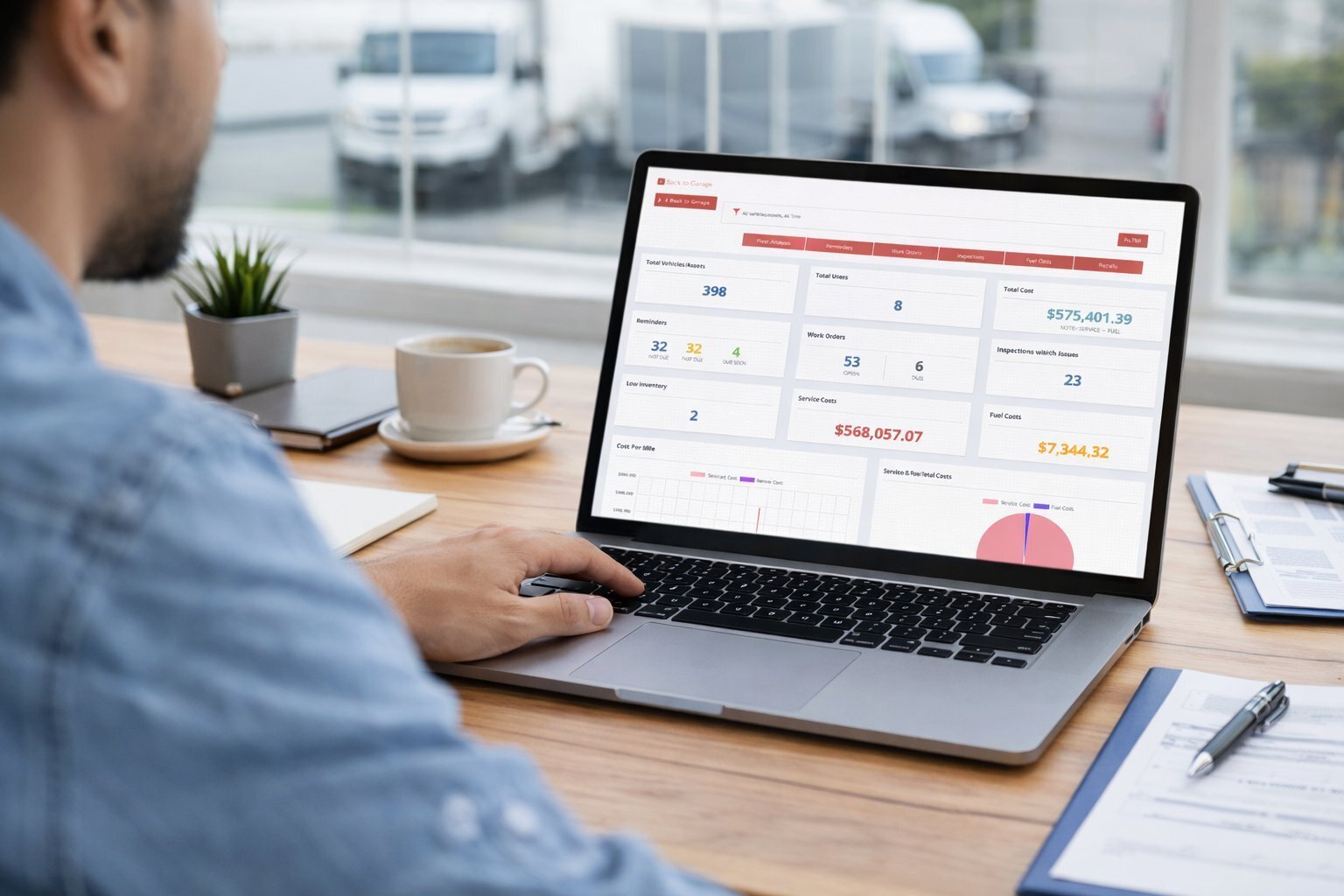
Many fleet tracking systems integrate seamlessly with maintenance management platforms like AUTOsist, allowing managers to connect mileage data directly to service reminders and inspections.
Fleet Tracking Data: Turning Information Into Action
Collecting data alone does not create value. The real benefit comes from interpreting insights and applying them strategically. Fleet managers who actively review reports tend to achieve stronger results than those who simply store data.
Here are common ways fleets convert tracking data into operational improvements:
- Route Optimization: Adjusting schedules based on historical travel patterns.
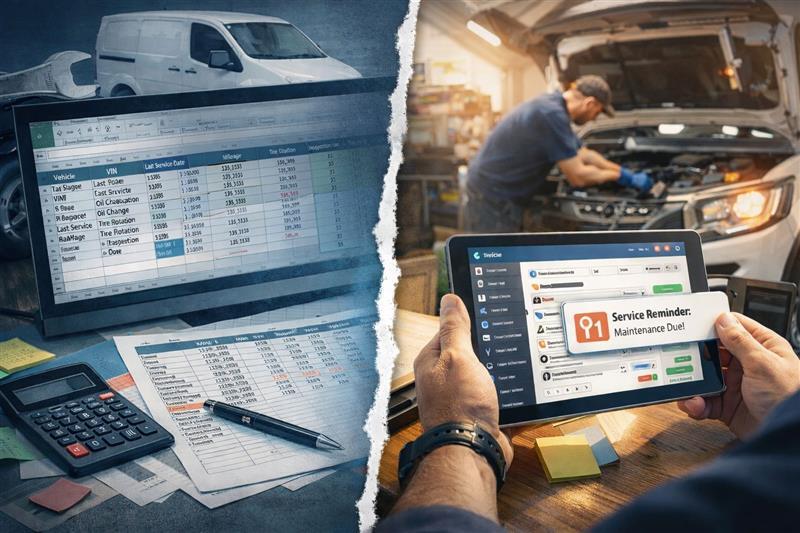
- Maintenance Scheduling: Triggering service reminders based on mileage and engine hours.
- Training Programs: Identifying drivers who need coaching.
- Fuel Monitoring: Detecting waste or unauthorized usage.
- ROI Measurement: Comparing performance metrics before and after implementation.
Businesses that pair tracking data with maintenance platforms like Fleet Data Metrics and Benefits for Smarter Fleet Decisions often gain a clearer understanding of long-term operational trends.
Common Challenges and How to Overcome Them
Adopting fleet tracking technology can raise valid concerns. Addressing these challenges early helps ensure smoother implementation and stronger employee acceptance.
Driver Privacy and Pushback
Open communication makes a major difference. Explain the purpose of tracking clearly—safety, efficiency, and maintenance planning rather than surveillance. Transparency builds trust and reduces resistance.
Implementation and Training
Choose systems with intuitive dashboards and provide short, focused training sessions. Many software providers offer onboarding resources, tutorials, and support materials.
Choosing the Right System for Fleet Size
A small business may not need enterprise-level complexity. Evaluating scalability ensures the platform can grow without becoming overwhelming or expensive.
Cost Justification
Calculate projected savings from fuel reduction, insurance benefits, and maintenance efficiency. Many fleets recover implementation costs within 6–12 months.
For guidance on avoiding common mistakes, resources such as 5 Pitfalls to Avoid When Implementing a Fleet Software provide practical insights.
Getting Started With Fleet Vehicle Tracking
Successful implementation begins with clear goals and structured planning. Rushing deployment often leads to confusion or underutilization. A phased approach works best for most organizations.
To start effectively, follow these steps:
- Assess Fleet Needs: Identify pain points such as fuel waste or missed deliveries.
- Select a Provider: Compare features, integrations, and support options.
- Pilot the System: Test with a small group before full rollout.
- Train Drivers and Managers: Provide concise onboarding sessions.
- Measure Results: Track KPIs like fuel usage, safety incidents, and service times.
Integrating tracking with maintenance tools such as AUTOsist helps synchronize mileage-based service reminders and inspections, ensuring vehicles remain safe and operational without additional manual tracking.
Fleet vehicle tracking is no longer limited to large enterprises. Businesses of all sizes can leverage real-time data to improve efficiency, safety, and profitability when they choose the right tools and implement them thoughtfully.