 Miya Bholat
Feb 05, 2026
How Vehicle Tracking Supports Better Fleet Management Decisions?
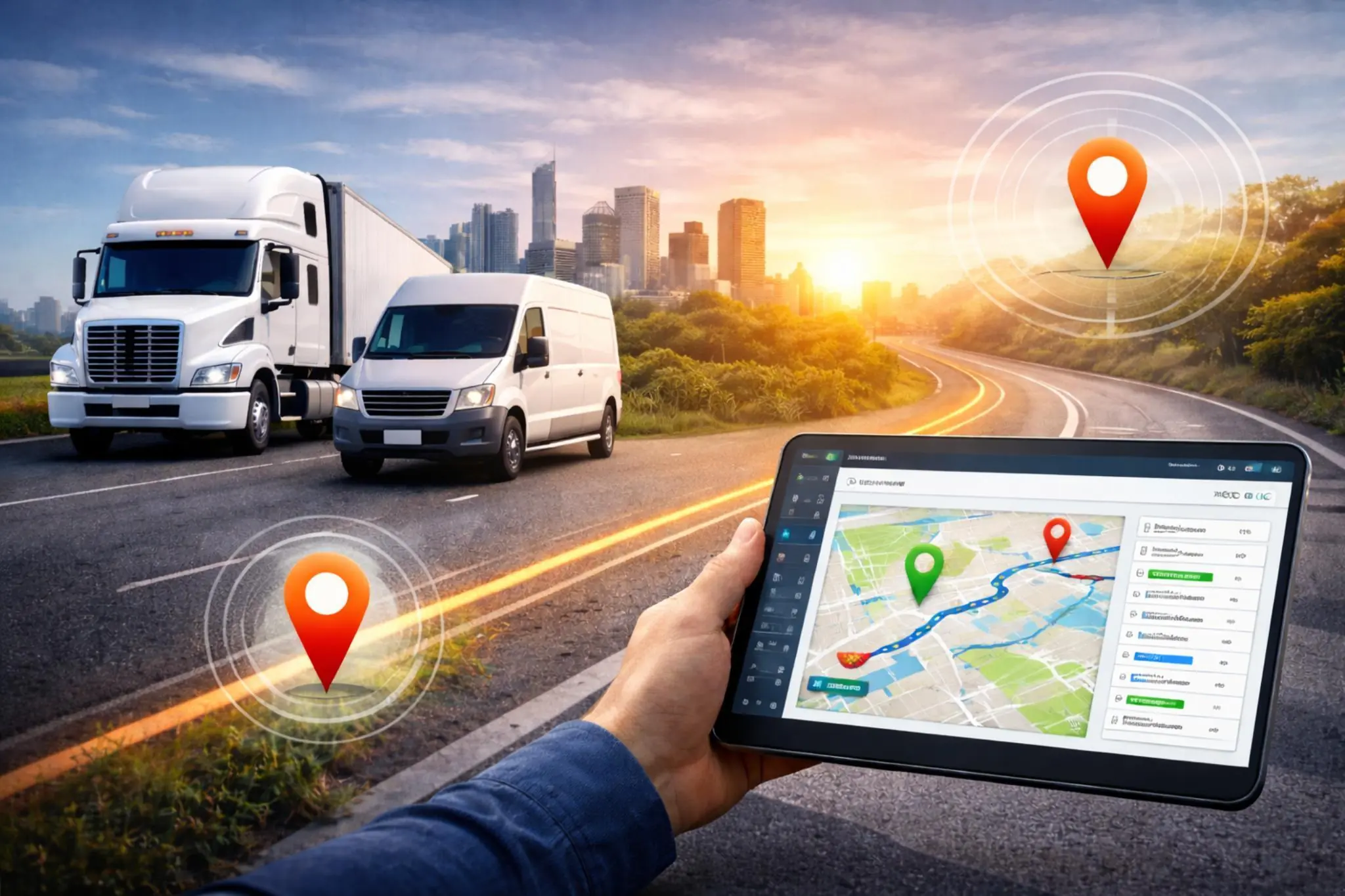
Fleet managers make better decisions when they have accurate, real time information about vehicles, drivers, and operations. A modern fleet tracking and telematics platform helps managers see where vehicles are, how they are being used, when maintenance is due, and where costs are increasing. Instead of reacting to problems after they occur, fleets can use tracking data to make proactive decisions that improve efficiency, reduce operating costs, and increase accountability. This is especially valuable for organizations managing last mile delivery fleets, where real time vehicle visibility helps improve routing decisions and customer communication.
Key Takeaways
-
Real Time Visibility Improves Fleet Decision Making
Accurate vehicle location and activity data help managers make faster dispatching, routing, and operational decisions with confidence. -
Vehicle Tracking Provides More Than Location Data
Modern tracking systems deliver insights into idle time, route history, driver behavior, mileage, and engine health that support daily fleet management. -
Tracking Data Helps Reduce Fuel Waste
Managers can identify excessive idling, inefficient routes, and unnecessary vehicle usage before they increase operating costs. -
Maintenance Planning Becomes More Proactive
Mileage and diagnostic data help fleets schedule service at the right time, reducing breakdowns and unexpected downtime. -
Driver Accountability Improves Through Objective Data
Tracking creates a clear record of vehicle activity that supports coaching, performance reviews, and policy enforcement. -
Integration With Fleet Management Systems Creates More Value
Connecting tracking data with inspections, maintenance schedules, service history, and reporting tools helps fleets make smarter long term decisions.
Why Fleet Managers Are Flying Blind Without Vehicle Tracking
Fleet managers constantly answer questions that impact productivity and costs.
Where is the nearest available vehicle? Why is a driver running late? Which vehicle should be scheduled for maintenance next? Which routes consume the most fuel?
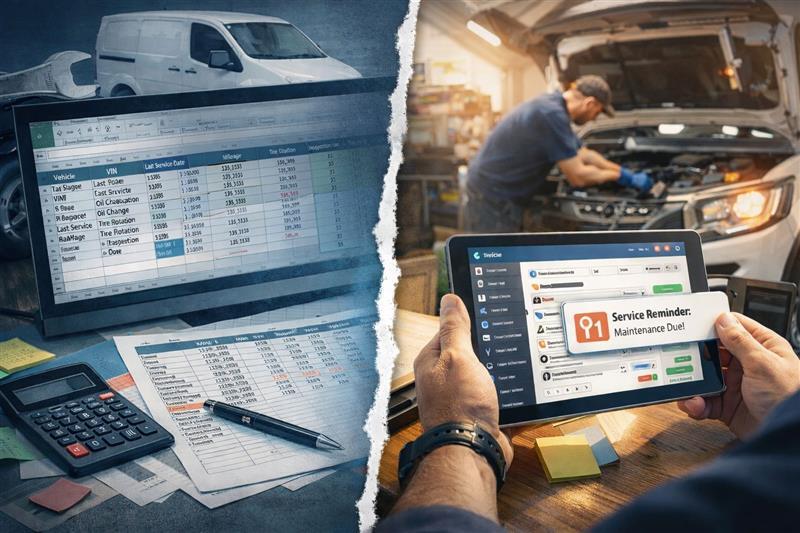
Without tracking data, managers often rely on calls, spreadsheets, manual updates, or assumptions. That lack of visibility creates delays and increases the likelihood of poor decisions.
For example, a service manager may dispatch a vehicle that appears available, only to discover the driver is already across town. A maintenance manager may schedule service based on estimates rather than actual mileage. A supervisor may struggle to determine whether excessive fuel costs are caused by route inefficiencies, idle time, or driver behavior.
These challenges become even more significant as fleets grow.
Many organizations first explore these issues through resources covering GPS tracking for fleet management and later expand into more advanced telematics programs that support broader operational decisions.
Common Problems Without Tracking Data
- Limited visibility into vehicle locations
- Difficulty verifying driver activity
- Delayed customer updates
- Missed maintenance opportunities
- Higher fuel costs
- Inefficient dispatching decisions
What Vehicle Tracking Actually Gives You (Beyond a Dot on a Map)
Many people think vehicle tracking simply shows a vehicle's location. Modern tracking systems provide operational intelligence that supports decisions across the entire fleet.
Understanding how these systems work is an important first step, which is why many fleet managers review how fleet telematics works before implementing a solution.
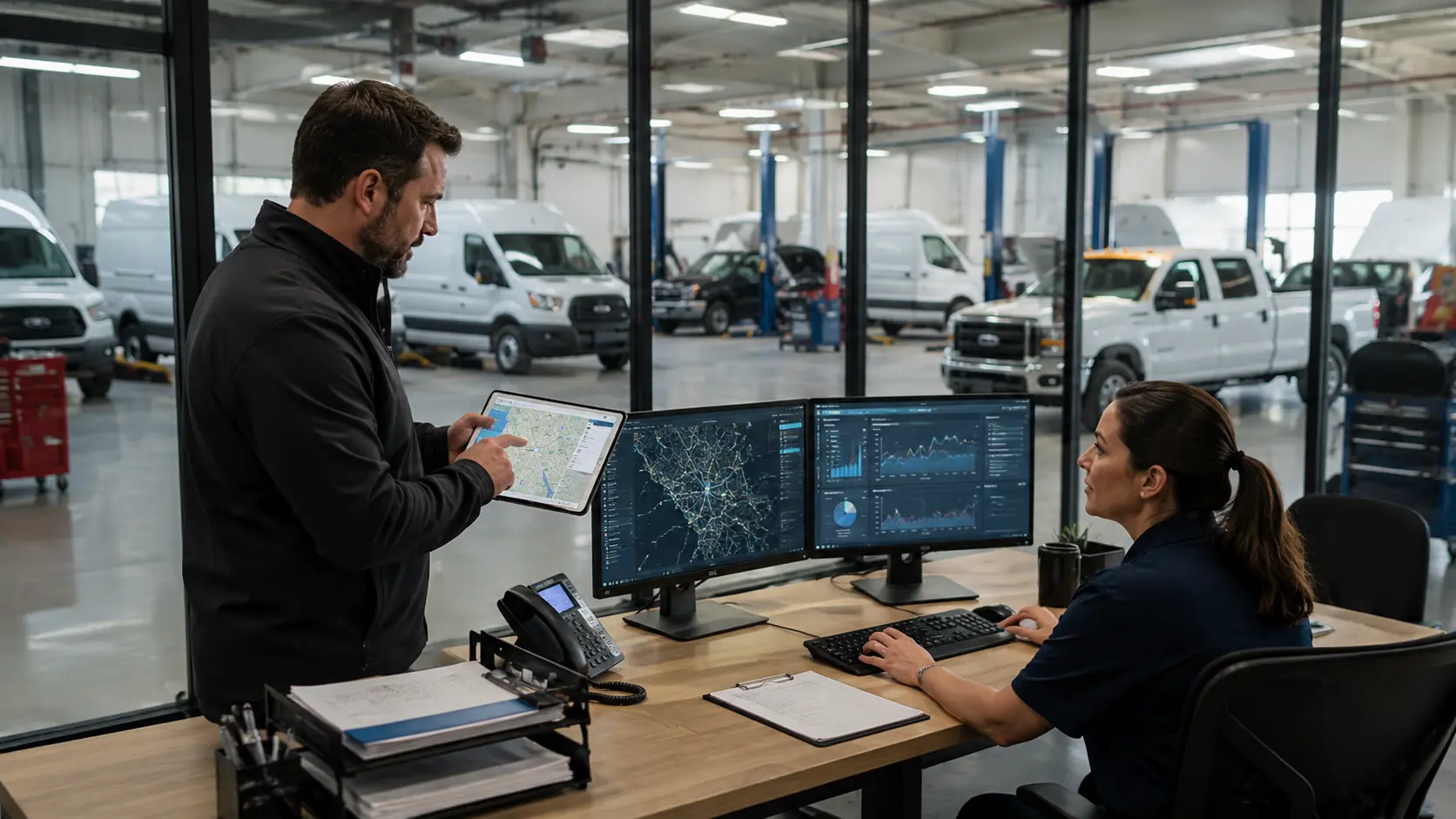
Real Time Location and Route Visibility
Real time location data helps managers understand where vehicles are, where they have been, and where they are headed.
This visibility improves dispatching decisions, customer communication, and route planning.
Benefits include:
- Faster dispatching
- Accurate arrival estimates
- Improved customer service
- Better route utilization
- Reduced unnecessary mileage
Organizations implementing real time fleet tracking systems often discover inefficiencies that were previously hidden.
Driver Behavior and Safety Metrics
Vehicle tracking can monitor driver activity that directly impacts safety and operating costs.
Key metrics include:
- Speeding events
- Harsh braking
- Rapid acceleration
- Excessive idling
- Unauthorized vehicle use
Rather than relying on assumptions, managers can use objective data to support coaching conversations and improve accountability.
Combined with fleet user and driver management tools, these insights create a more structured approach to driver performance management.
Engine and Vehicle Health Signals
Modern telematics systems often provide engine and vehicle health information through onboard diagnostics.
Examples include:
- Engine fault codes
- Battery health alerts
- Fuel consumption trends
- Engine hours
- Maintenance interval reminders
Tracking mileage is particularly valuable because maintenance schedules depend on accurate usage data. Many fleets use information from vehicle mileage tracking best practices alongside automated service planning.
When connected with fleet preventive maintenance scheduling software, these signals help prevent unexpected breakdowns.
The Fleet Decisions That Get Better With Tracking Data
Tracking data becomes valuable when it improves operational decisions.
Dispatching the Right Vehicle for the Job
One of the most immediate benefits of vehicle tracking is improved dispatching.
Managers can identify the closest available vehicle, verify driver availability, and select the right asset for the job.
| Decision Area | Without Tracking | With Tracking |
|---|---|---|
| Vehicle Location | Estimated | Real time |
| Driver Status | Manual confirmation | Live visibility |
| Route Planning | Assumptions | Data driven |
| ETA Accuracy | Uncertain | Reliable |
Many fleets see measurable improvements after implementing systems focused on how vehicle tracking improves fleet visibility.
Reducing Fuel Waste Through Route and Idle Optimization
Fuel expenses often represent one of the largest operational costs in a fleet.
Tracking systems help identify inefficient routes, excessive idle time, and unnecessary vehicle usage.
For example:
| Metric | Example |
|---|---|
| Idle Time Per Day | 45 Minutes |
| Fuel Burn Rate | 0.8 Gallons Per Hour |
| Fuel Cost | $4 Per Gallon |
| Annual Cost Per Vehicle | Approximately $875 |
Even small reductions in idle time can create significant savings across larger fleets.
Organizations often combine tracking data with fleet fuel management software to improve visibility into fuel spending patterns.
Scheduling Maintenance Before Breakdowns Happen
Reactive maintenance creates downtime, scheduling disruptions, and expensive repairs.
Tracking data supports preventive maintenance by providing accurate mileage and engine hour information.
Fleet Maintenance Workflow
This workflow becomes even more effective when integrated with fleet maintenance work order software.
Managing Driver Accountability Without Micromanaging
Vehicle tracking should support accountability rather than surveillance.
Objective data helps managers:
- Resolve disputes
- Verify vehicle usage
- Support driver coaching
- Investigate incidents
- Improve policy compliance
When employees understand that performance discussions are based on facts, accountability improves naturally.
How Tracking Data Reduces Fleet Operating Costs
Fleet managers often evaluate technology investments based on measurable business outcomes.
Tracking data influences several major cost categories.
| Cost Category | How Tracking Helps |
|---|---|
| Fuel | Reduces idle time and route inefficiencies |
| Maintenance | Identifies issues earlier |
| Labor | Improves dispatch efficiency |
| Insurance | Encourages safer driving behavior |
| Asset Utilization | Maximizes productive vehicle usage |
The largest savings opportunities usually come from:
- Lower fuel consumption
- Fewer breakdowns
- Reduced overtime
- Improved driver behavior
- Better vehicle utilization
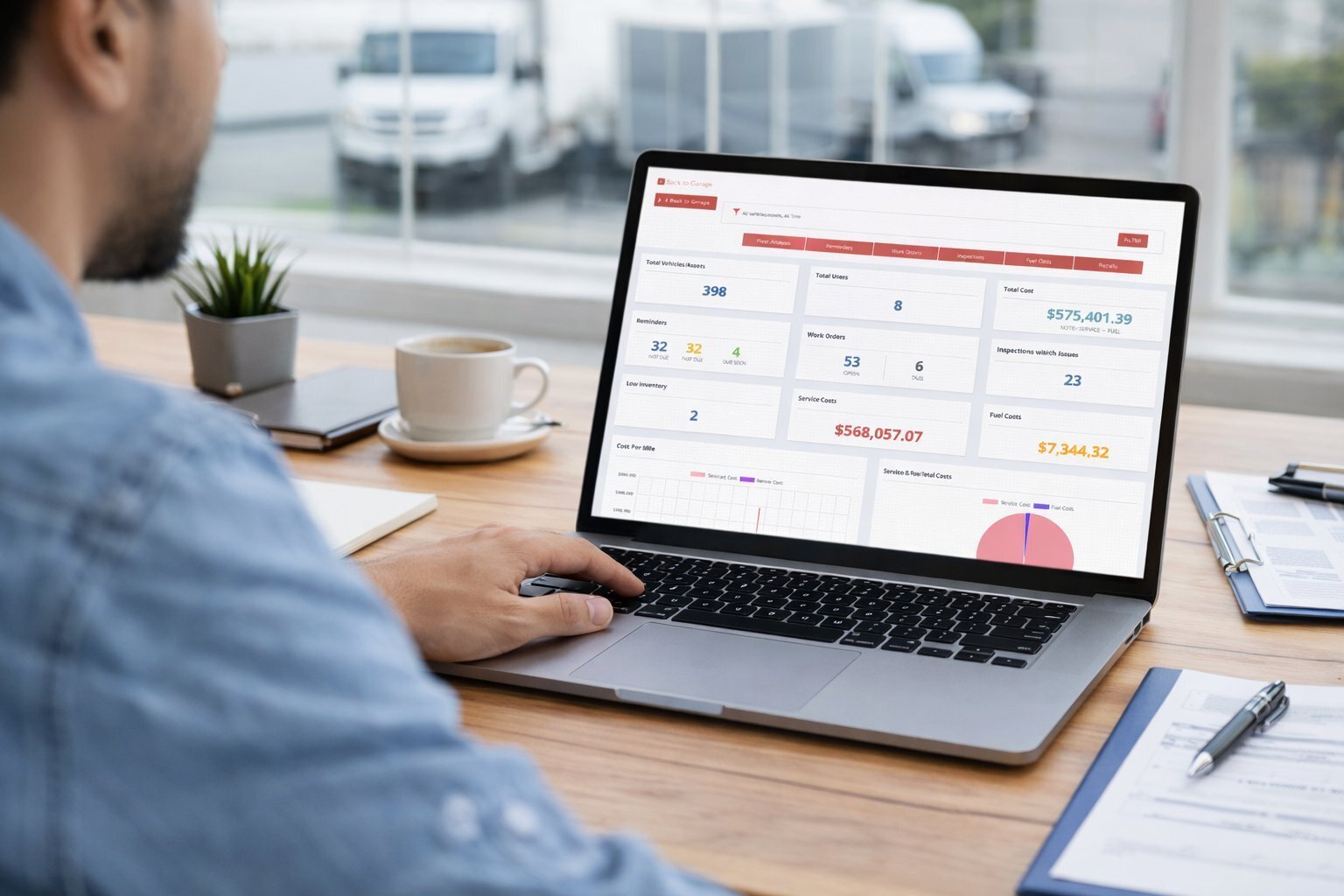
Managers looking to measure these trends often rely on fleet reports and dashboard tools to identify performance patterns and support decision making.
Integrating Vehicle Tracking With Your Fleet Maintenance System
Vehicle tracking becomes significantly more valuable when it connects with broader fleet management workflows.
Tracking data should not exist in isolation. It should support maintenance planning, inspections, service history management, and operational reporting.
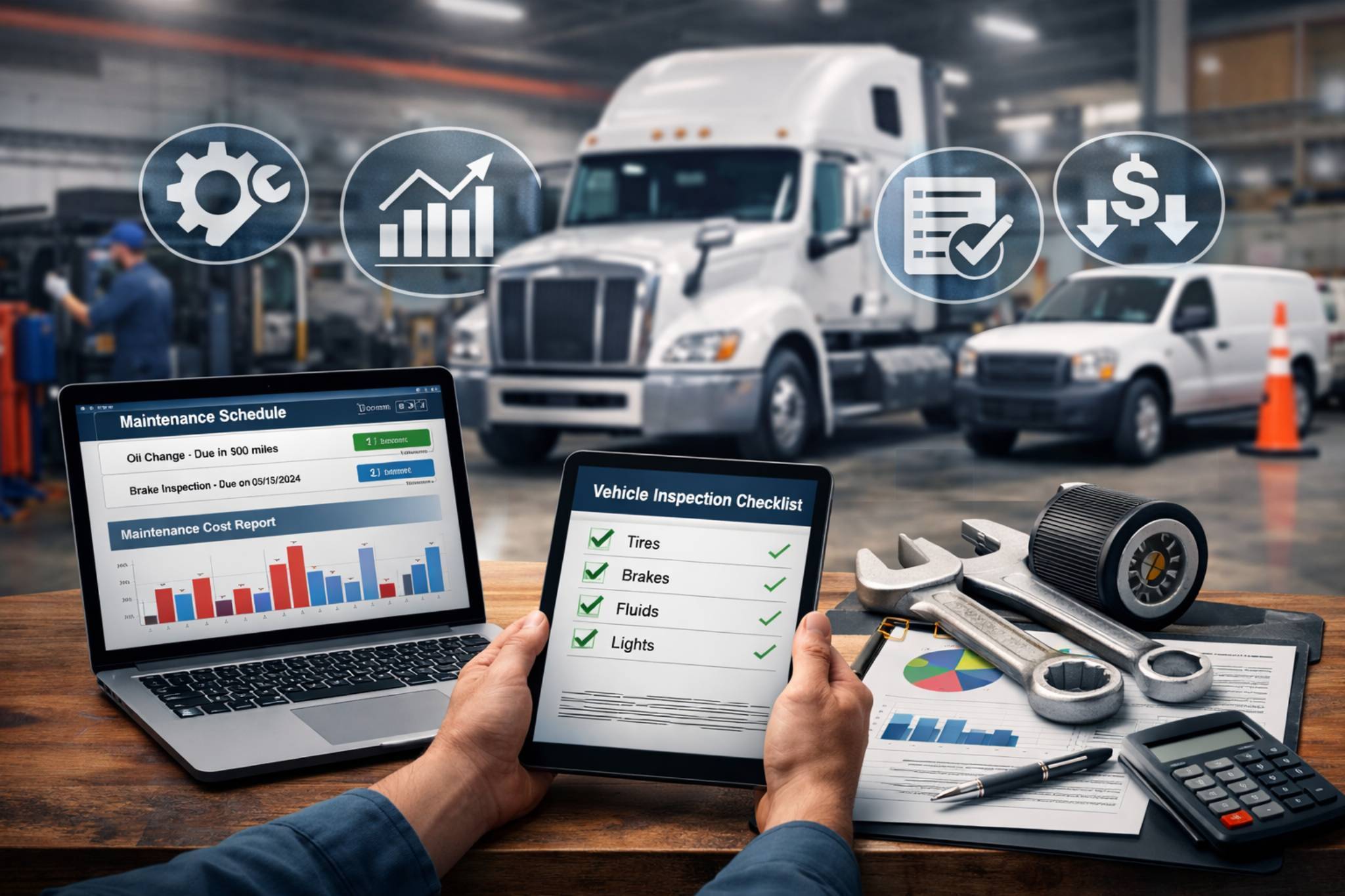
For example, mileage updates from a tracking device can automatically support maintenance scheduling. Inspection results collected through a digital vehicle inspection platform can help managers investigate vehicle issues before they become failures.
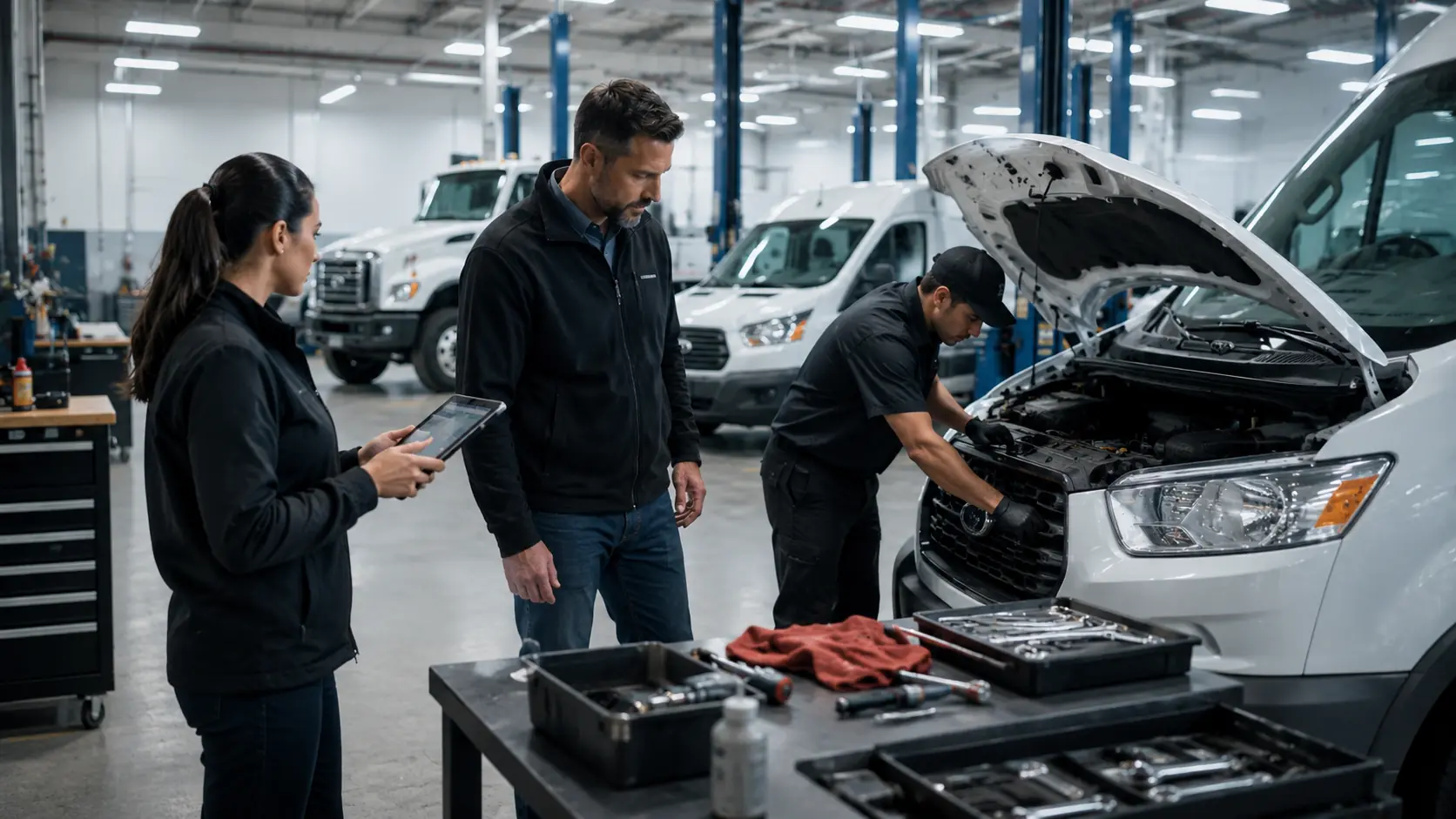
Historical repair records stored within a vehicle service history system provide additional context when evaluating recurring maintenance problems.
What to Look for When Choosing a Vehicle Tracking Solution
Not all tracking solutions provide the same capabilities.
Before selecting a provider, fleet managers should evaluate the following criteria.
Vehicle Tracking Evaluation Checklist
- Does the platform integrate with maintenance software?
- Is mobile access available for field teams?
- Can alerts be customized?
- Are reporting tools comprehensive?
- Can the system scale with fleet growth?
- Is customer support readily available?
Fleet managers researching available options often review how truck tracking systems improve fleet efficiency before making a purchasing decision.
Turning Tracking Into a Fleet Management Habit, Not Just a Tool
Technology alone does not improve performance. Consistent usage does.
Successful fleets establish regular processes for reviewing and acting on tracking data.
A simple management routine might include:
| Frequency | Activity |
|---|---|
| Daily | Review exception alerts |
| Weekly | Analyze idle time and route performance |
| Monthly | Review driver behavior trends |
| Quarterly | Evaluate asset utilization |
| Annually | Assess fleet optimization opportunities |
When managers consistently use tracking data to guide decisions, the organization becomes more proactive, more efficient, and better prepared to control costs.
Vehicle tracking is not simply about knowing where vehicles are. It is about creating a reliable flow of operational information that helps fleet managers make smarter decisions every day.
Frequently Asked Questions
-
How does vehicle tracking support better fleet management decisions?
Vehicle tracking provides real time visibility into vehicle locations, driver activity, route performance, and maintenance needs. This information helps managers make faster and more informed decisions across daily operations. -
What information can a fleet tracking system provide?
Most systems provide location data, route history, idle time, driver behavior metrics, mileage, engine diagnostics, and utilization insights. Modern telematics platforms deliver much more than simple GPS location tracking. -
How does vehicle tracking reduce fleet costs?
Tracking helps identify fuel waste, excessive idling, inefficient routes, and maintenance issues before they become expensive problems. These improvements often reduce fuel, labor, maintenance, and insurance costs. -
Can vehicle tracking integrate with maintenance software?
Yes. Many fleet management platforms connect tracking data with preventive maintenance schedules, inspections, work orders, and service history records to support proactive maintenance planning. -
Which fleets benefit most from vehicle tracking?
Public works fleets, construction fleets, service fleets, transportation fleets, delivery fleets, and government fleets all benefit from improved visibility, accountability, and operational efficiency through vehicle tracking.