 Miya Bholat
Jul 9, 2026
Which Fleet Tasks Should Stay Manual?
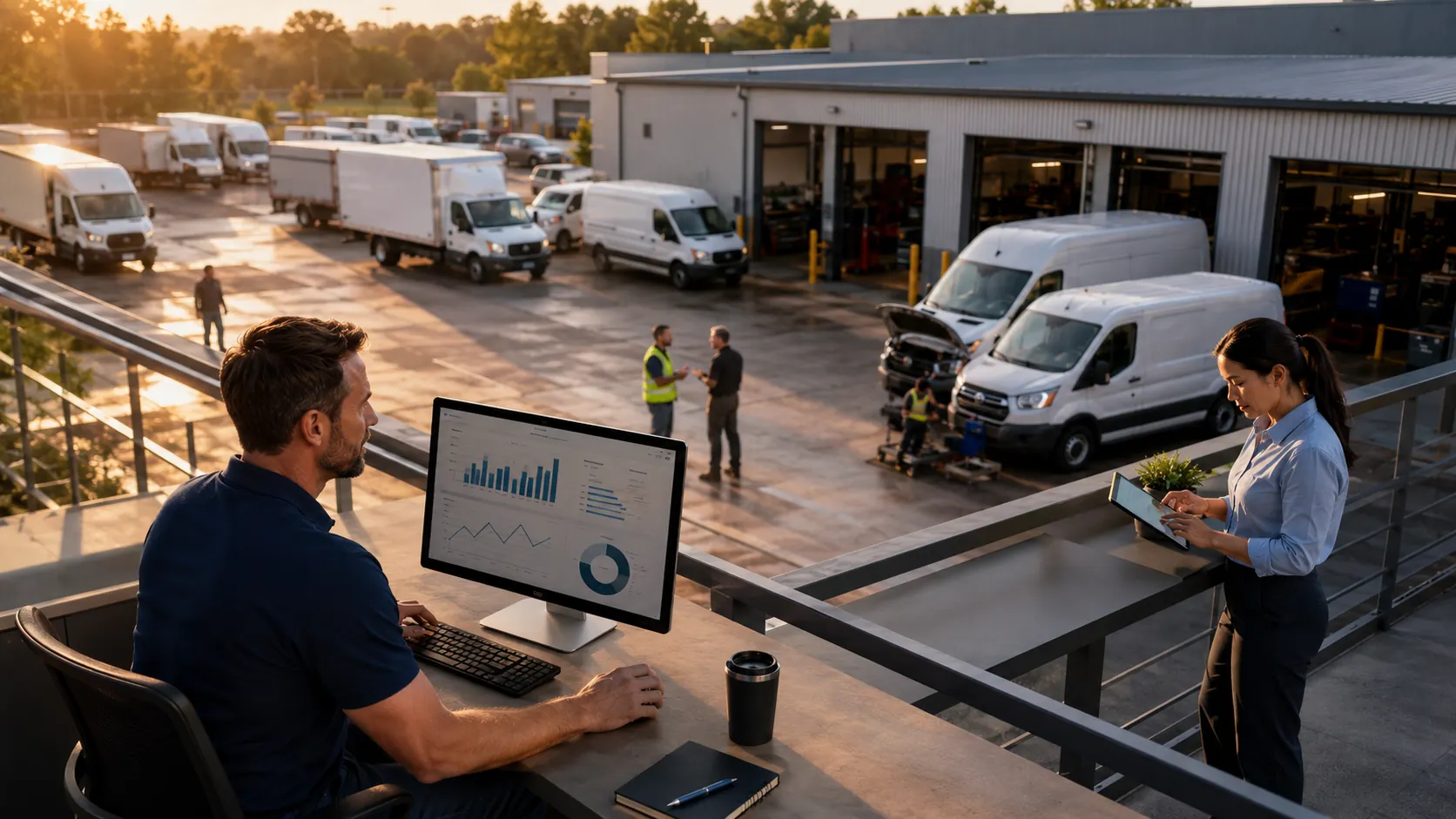
Fleet tasks that should stay manual are the ones where the right decision depends on context, accountability, judgment, or relationships, not just repeated inputs. Software should handle reminders, records, alerts, inspections, reports, and workflow visibility, but human managers should still lead driver coaching, accident investigation, vendor negotiation, replace vs repair decisions, hiring decisions, termination decisions, and policy exceptions. The smartest use of fleet management software is not to replace the fleet manager. It is to organize fleet data so the manager can make better decisions on the work that still needs a person.
Key Takeaways
- Automation works best for repetitive, rule based tasks: Reminders, reports, inspections, alerts, and recurring workflows can be automated because the correct action is usually predictable.
- Driver coaching must stay human: Telematics can flag behavior, but only a manager can understand context, tone, motivation, and accountability.
- Lifecycle decisions need judgment: Replace vs repair choices depend on cost, downtime, upfitting, replacement availability, driver needs, and budget timing.
- Vendor relationships cannot be automated: Repair shop trust, negotiation, urgency, and service quality depend on human communication.
- Accident investigation needs interpretation: Data shows what happened, but a person must determine why it happened and what should change.
- The best fleets use software to surface data and humans to act on it: Automation should create better visibility, not remove responsible decision making.
Why the Automation Line Is Hard to Draw
The fleet industry often frames automation as a simple rule: automate anything repetitive. That is useful, but incomplete. Some tasks look repetitive on the surface while the right response changes every time because the situation behind the task is different.
A driver who triggers three speeding alerts in one week may look like a safety problem in a system. A manager may see something different. One driver may be ignoring policy. Another may be dealing with unrealistic dispatch timing, a route that changed, or pressure from a customer schedule. The alert is the same, but the correct management response is not.
That is why automation should remove unnecessary administrative work, not remove the manager. Industry benchmarks often show administrative work consuming up to 30 percent of a fleet manager's time, which is why reducing repetitive recordkeeping matters. A deeper look at how teams reduce fleet manager administrative workload shows the real goal: free managers for higher value decisions, not eliminate their judgment.
| Task type | Better automated | Better manual |
|---|---|---|
| Repeating reminders | Service due alerts | Deciding whether to delay service during peak season |
| Data collection | Inspection submissions | Interpreting repeated defect patterns |
| Tracking | Fuel, mileage, GPS, and maintenance records | Deciding what the trend means operationally |
| Routing alerts | Sending a flagged issue to the right person | Deciding discipline, coaching, or policy changes |
| Reporting | Dashboard views and cost summaries | Budget, lifecycle, and staffing decisions |
Fleet Tasks That Genuinely Belong to Humans
Driver Performance Coaching and Corrective Conversations
Driver performance coaching should stay manual because behaviour change depends on trust. A system can identify harsh braking, speeding, idle time, and route deviations, but it cannot understand the person behind the pattern. It cannot know whether the issue is carelessness, fatigue, confusing instructions, customer pressure, or a dispatcher setting impossible expectations.
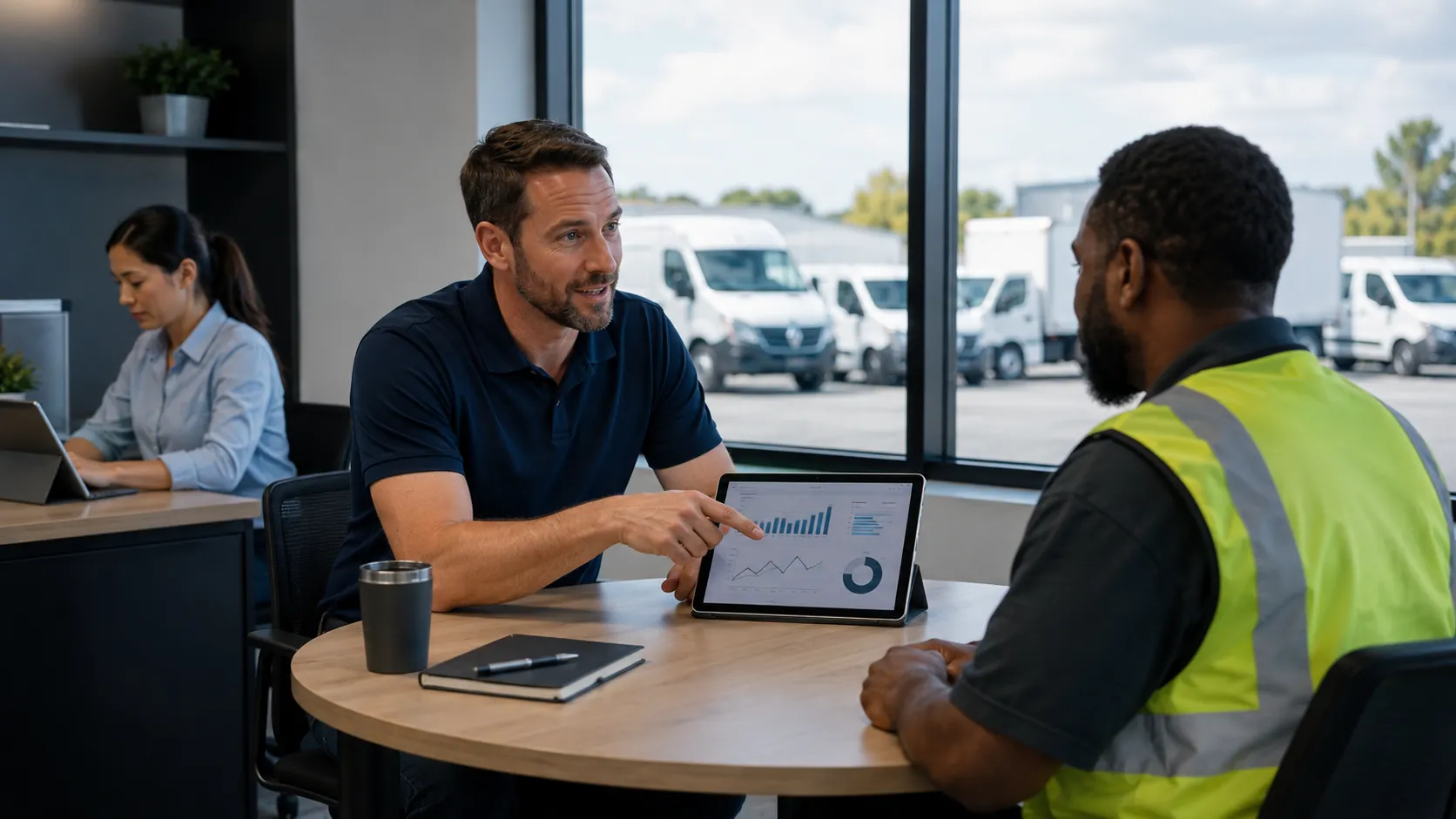
When fleets automate coaching too aggressively, drivers feel judged by a score instead of managed by a person. That may create short term compliance, but it rarely creates lasting change. Drivers may learn how to avoid the scorecard rather than understand the safety issue.
A better approach is human led but software supported. Managers can use GPS tracking and telematics to identify coaching opportunities, then review the driver's route, schedule, vehicle, and history before starting the conversation. The software provides the evidence. The manager provides the judgment and delivery.
Accident Investigation and Root Cause Analysis
Accident investigation cannot be fully automated because incident data is not the same as an explanation. Telematics may show speed, braking, location, and timing. That information matters, but root cause analysis requires interviews, route review, weather context, maintenance history, inspection records, and policy review.
If this work is automated too early, the fleet may assign blame before understanding the actual cause. A driver error conclusion leads to one corrective action. A maintenance failure leads to another. A policy gap, road condition, training issue, or equipment problem requires a different response. Getting that wrong creates legal exposure and weakens safety performance.
A digital vehicle inspection app can help preserve inspection history and defect records before and after an incident. The manager still needs to connect that information with driver statements, route conditions, and maintenance records before deciding what happened and what should change.
Vendor Negotiation and Repair Shop Relationships
Vendor negotiation should stay manual because repair shop relationships are built through trust, timing, and communication. Fleet managers who know local service managers often get clearer repair explanations, more realistic turnaround estimates, and better help when a vehicle goes down at the worst possible time.
Automating vendor decisions only around price can weaken those relationships. A workflow may route every job to the cheapest option, but it cannot understand which shop has consistently diagnosed issues correctly, helped during emergencies, or warned the fleet when a repair was not worth doing.
Software should support the conversation. A manager using fleet maintenance work order software can walk into a vendor discussion with repair history, approvals, past labor costs, and repeat issue patterns. That makes the negotiation more informed without turning the relationship into a transaction.
Vehicle Lifecycle and Replace vs Repair Decisions
Vehicle lifecycle decisions should stay manual because cost data is only one part of the decision. A high mileage vehicle with one expensive repair may still be worth keeping if it has specialized equipment, replacement vehicles are delayed, or the fleet is entering a busy season.
When this decision is left to an automated threshold, the fleet may retire assets too early or keep assets too long. A cost per mile calculation helps, but it does not know budget cycle timing, driver preference, parts availability, customer commitments, or the operational cost of downtime. Maintenance related downtime can cost hundreds of dollars per vehicle per day, so the wrong decision can become expensive quickly.
A manager should use vehicle service history to see repeated repairs, downtime patterns, and total maintenance spend. The data should narrow the decision, but the final call should remain with the person accountable for fleet performance.
Driver Hiring, Onboarding, and Termination Decisions
Driver hiring, onboarding, and termination decisions should stay manual because they carry legal, ethical, and operational weight. A telematics profile, license record, inspection behavior, or maintenance compliance record may be useful, but none of those inputs should become an automatic employment decision.
When fleets rely too heavily on automated scoring, they risk unfair decisions and weak documentation. A driver with a poor score may need training, not termination. A new hire with limited data may need more onboarding support, not rejection. A long term employee with a sudden behavior change may need a conversation before discipline.
A fleet user and driver management system can help centralize driver records, assignments, permissions, and documentation. The manager still owns the decision, the fairness of the process, and the accountability behind it.
Safety Policy Development and Exception Handling
Safety policy development should stay manual because policies must fit the real operating environment. A construction fleet, school bus fleet, public works fleet, or delivery fleet may face very different risks, schedules, vehicle types, and regulatory pressures.
Automated systems are good at enforcing existing policies, but they cannot write better ones. They also struggle with exceptions. A driver may need a temporary accommodation. A route may not fit the standard inspection timing. A vehicle may need a temporary operating decision while waiting for parts. In environments such as government fleet management, those decisions often need careful documentation and human accountability.
Software can help by making policies visible and repeatable. For example, fleet preventive maintenance schedules can support compliance with service intervals, but a manager still decides how exceptions are handled when operational reality does not fit the standard plan.
Where the Manual/Automated Line Gets Blurry
The line is not always fixed. Some tasks should start manual and become more automated once the fleet has enough reliable data. Fuel anomaly detection, maintenance interval optimization, and recurring inspection reminders often move in that direction. Other tasks can be automated only up to the point of review, such as low scoring driver alerts or vehicles flagged for possible retirement.
This is where human in the loop fleet management works best. Software tracks the activity, organizes the data, and surfaces the signal. A person reviews the context and decides the response.
| Workflow stage | Software role | Human role |
|---|---|---|
| Data capture | Records inspections, mileage, alerts, costs, and service events | Confirms whether the data reflects real conditions |
| Signal detection | Flags exceptions, trends, and overdue items | Decides whether the signal requires action |
| Review | Organizes history and supporting records | Interprets the cause and risk |
| Action | Assigns tasks, stores notes, and tracks completion | Coaches, negotiates, approves, or escalates |
| Learning | Builds a stronger record over time | Improves policy, training, and process |
A practical human in the loop workflow looks like this:
A Simple Framework for Deciding What to Automate
The easiest way to decide what belongs in software and what belongs with a person is to look at the risk of being wrong. If the task produces the same correct answer every time given the same inputs, automate it. A service reminder that triggers every 5,000 miles is a good example because the logic is consistent.
If the right response changes based on context, history, or relationships, keep it human. A driver with repeated safety alerts may need coaching, schedule review, route support, or discipline. The score alone does not decide which response is right.
If the cost of an automated error is recoverable, automate with oversight. A missed maintenance alert can usually be caught during weekly review. If the cost of the error is not recoverable, keep it human. A wrongful termination, poorly handled accident investigation, or unsafe policy exception needs accountable judgment.
| Decision question | Example | Best default |
|---|---|---|
| Same answer every time? | Send service reminder at mileage threshold | Automate |
| Context changes the answer? | Driver receives repeated speeding alerts | Keep human review |
| Error can be corrected later? | Missed low priority report review | Automate with oversight |
| Error creates major risk? | Accident cause determination | Keep manual |
| Legal or compliance judgment required? | Termination or safety exception | Keep manual |
How Software Should Support Manual Tasks, Not Replace Them
The purpose of fleet software is not to remove the manager from serious decisions. It is to make sure the manager has better information when those decisions come up. When a manager sits down for a coaching conversation, they should not rely on memory. They should have behavior history, route context, inspection records, and past conversations available.
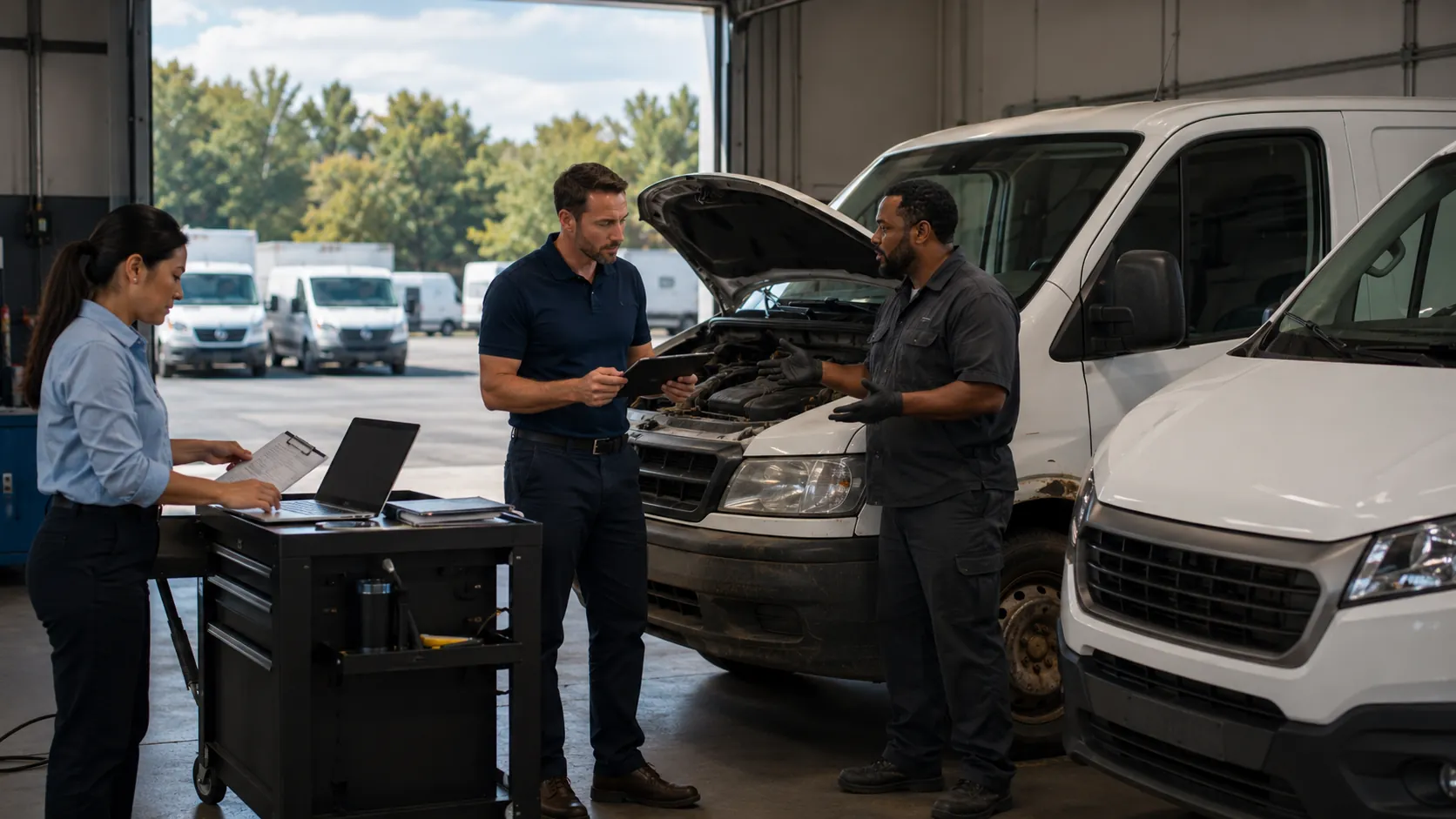
When a manager negotiates with a repair shop, repair history and cost patterns should be easy to review. When a replace vs repair decision comes up, the manager should not guess at total spend. The right system should make cost, service, inspection, and downtime data easier to trust. AUTOsist supports that model by giving managers the data infrastructure behind manual decisions without pretending that software should make every judgment call.
A fleet reports dashboard is useful because it turns scattered records into a clearer operating picture. For cost based decisions, resources on how fleet management software reduces costs can help teams understand where automation creates savings and where human review still protects the business.
Signs You've Over-Automated and What to Do About It
Over automation usually shows up as a people problem before it shows up as a software problem. If drivers, vendors, or managers stop trusting the process, the fleet has probably moved too much judgment into the system.
| Sign | What it means | Corrective action |
|---|---|---|
| Drivers feel managed by a score | Coaching has become impersonal | Add manager led review before corrective action |
| Vendor response times slow down | Relationships have become transactional | Rebuild direct communication with key shops |
| Decisions follow system outputs without review | Assumptions are not being challenged | Require human sign off for high impact actions |
| Driver turnover increases | Employees may feel they have no advocate | Review coaching, discipline, and exception workflows |
| Incidents lack clear explanations | Root cause analysis is weak | Rebuild an investigation process with interviews and records |
The fix is not to remove automation. The fix is to move automation back into its proper role. Let software collect, sort, remind, and report. Let people coach, investigate, negotiate, approve, and decide.
Final Thoughts
The fleet managers who use automation best are usually the clearest about what they will not automate. They know that automation creates time, but human judgment decides what that time is spent on.
A well run fleet does not choose between software and people. It uses software to reduce noise and make records reliable, then relies on experienced managers for the decisions that carry accountability. The goal is not fewer decisions by humans. The goal is better manual decisions because the right data is finally in front of them.
Frequently Asked Questions
-
What fleet tasks should stay manual?
Driver coaching, accident investigation, vendor negotiation, replace vs repair decisions, hiring decisions, termination decisions, and safety policy exceptions should stay manual because each one requires context, judgment, documentation, and human accountability. -
What fleet tasks are safe to automate?
Fleet tasks are safe to automate when the correct action is repetitive and rules based, such as maintenance reminders, inspection submissions, mileage tracking, service alerts, report generation, and routine task assignments. -
How do I know if a fleet task should not be automated?
A fleet task should not be fully automated if the right decision changes based on driver history, vehicle condition, vendor relationship, legal exposure, safety risk, or operational context. -
Can fleet management software still help with manual tasks?
Yes. Fleet management software helps manual tasks by giving managers better data for human decisions, such as telematics for coaching, inspection records for incident review, repair history for vendor conversations, and cost reports for lifecycle planning. -
What is human in the loop fleet management?
Human in the loop fleet management means software collects data, flags issues, and organizes records, while a fleet manager reviews the context and decides what action should be taken before any high impact decision is made.