 Miya Bholat
May 12, 2026
Fleet Visibility: How to See Your Entire Fleet?
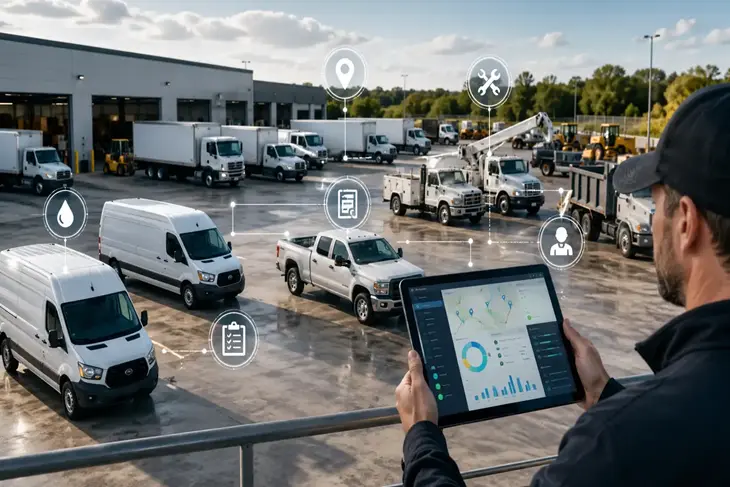
Fleet visibility means having a clear, centralized view of every vehicle, driver, maintenance task, inspection, document, cost, and operational update across your fleet. It helps fleet managers see what is happening, what needs attention, and what could become a problem before it disrupts the operation. With the right fleet management software, teams can move away from scattered spreadsheets, paper records, and disconnected tools and manage the entire fleet from one reliable system.
Key Takeaways
-
Fleet visibility is more than GPS tracking.
Knowing where vehicles are matters, but managers also need maintenance status, inspection history, driver activity, fuel usage, documents, and service records. -
Poor visibility turns small issues into expensive downtime.
A missed inspection, overdue oil change, or expired document can create breakdowns, compliance problems, and unnecessary administrative work. -
Centralized records help teams make faster decisions.
When maintenance, service history, documents, and driver information live in one place, managers do not have to waste time searching across disconnected systems. -
Automated reminders make visibility proactive.
Alerts for service intervals, inspections, registration renewals, and document expirations help fleets act before problems disrupt operations. -
Reports turn daily activity into better planning.
Fleet reports help managers spot patterns in repair costs, fuel usage, vehicle downtime, and driver activity before they become bigger problems. -
Full visibility supports cost control, safety, and accountability.
A complete view of vehicles and drivers helps reduce downtime, improve compliance, and make fleet operations easier to manage.
Why Fleet Visibility Is a Real Operations Problem
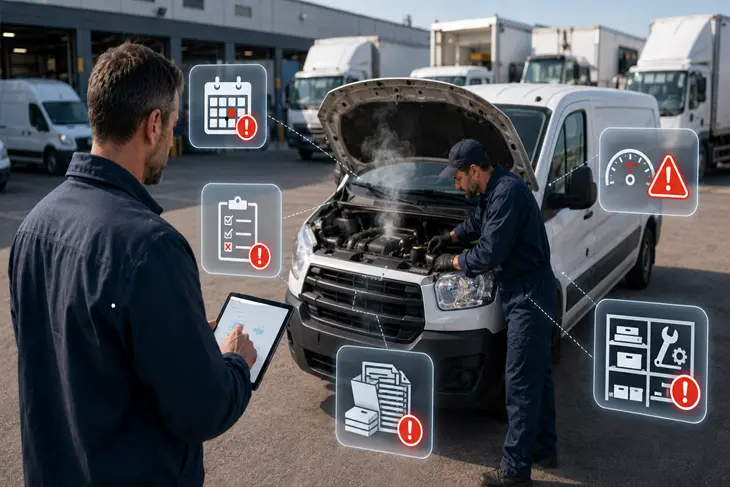
Fleet visibility becomes a problem when decisions depend on information that is incomplete, outdated, or scattered across too many places. A vehicle breaks down on a job site, and the manager only finds out later that it was overdue for preventive maintenance. A driver reports an issue verbally, but the note never reaches the maintenance team. A registration renewal gets missed because the document was stored in a folder no one checked that week.
These are not just small communication problems. They create real operational risk. When fleet managers do not have a complete view of their vehicles, drivers, maintenance schedules, and documents, they spend too much time reacting. They call drivers for updates. They search through spreadsheets. They ask the shop what was last serviced. They check email threads for inspection forms. By the time the information is found, the problem may already be costing money.
A good visibility system gives fleet managers the ability to answer important questions quickly. Which vehicles are available? Which ones are overdue for service? Which driver reported an issue? Which documents are about to expire? Which assets are costing more than expected? That kind of clarity helps managers move from guesswork to control.
The Hidden Cost of Flying Blind
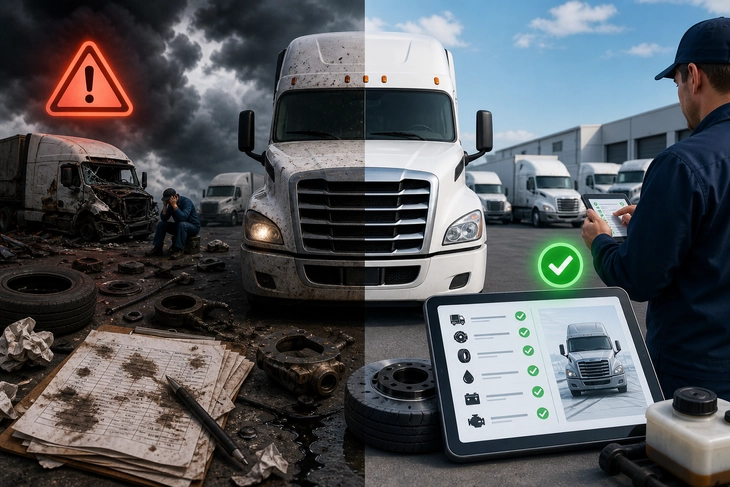
Poor fleet visibility creates costs that are easy to miss at first. One missed oil change may not seem serious. One lost inspection report may feel like a paperwork issue. One vehicle sitting idle for a day may look manageable. But these problems add up when they happen across an entire fleet.
Industry estimates often place fleet vehicle downtime between $448 and $760 per vehicle per day, depending on vehicle type, use case, and lost productivity assumptions. For a fleet with 20 vehicles, even a few avoidable downtime events can quickly turn into thousands of dollars in lost labor, missed jobs, rental costs, towing, and emergency repairs.
Lack of visibility usually shows up in several expensive ways:
- Unplanned downtime from missed service intervals
- Higher repair costs because small issues are caught too late
- Fuel waste from inefficient routes, idling, or poor tracking
- Driver accountability gaps when inspections and trip activity are not documented
- Compliance risk from expired registrations, insurance documents, or inspection records
- Administrative time spent searching for basic fleet information
The real issue is not only the breakdown itself. It is the lack of warning before the breakdown. When managers cannot see the early signs, they lose the chance to prevent the problem.
What "Full Fleet Visibility" Actually Means
Many fleet managers hear the phrase fleet visibility and think of GPS tracking. Location tracking is useful, but it is only one part of the full picture. A vehicle can be exactly where it needs to be and still be a liability because it is overdue for service, missing inspection documentation, assigned to the wrong driver, or carrying an unresolved maintenance issue.
Full fleet visibility means managers can see the operational status of every vehicle and asset in one place. That includes where the vehicle is, who is using it, when it was last serviced, what issues have been reported, what documents are attached to it, and what work is coming due next.
For example, GPS may show that a truck arrived at a customer site on time. Operational visibility shows whether that same truck has a recurring brake issue, a pending inspection defect, an expired insurance document, and a history of above average repair costs. That second layer is what helps managers make better decisions.
Fleet managers who want a stronger foundation can also review how integrated fleet management software connects your entire operation so data from maintenance, inspections, drivers, GPS, and reports is easier to manage together.
Real Time Location vs. Operational Visibility
Real time location answers one important question: where is the vehicle right now?
Operational visibility answers a bigger question: is this vehicle ready, safe, compliant, and cost effective to use?
That distinction matters. A van can be parked at the correct branch but still be unavailable because it needs repairs. A service truck can be on route but have an unresolved inspection issue. A trailer can appear idle but still require registration renewal before it can be used legally.
Location data helps with dispatching, route planning, theft recovery, and driver coordination. Operational data helps with maintenance planning, compliance, cost control, and asset decisions. Fleets need both layers to see the full picture.
AUTOsist supports this broader view by helping teams connect maintenance records, driver assignments, inspections, documents, reports, and related fleet information in one system. When location and operational context work together, managers can make decisions faster and with more confidence.
The Data Points That Actually Drive Better Decisions
Not every data point deserves the same level of attention. Fleet visibility works best when managers track the information that directly affects uptime, safety, cost, and compliance.
Fleet managers should pay close attention to these categories:
- Maintenance history shows what work has already been completed and whether issues keep repeating.
- Upcoming service intervals help teams plan preventive work before failures happen.
- Fuel logs help identify unusual fuel usage, waste, and cost trends.
- Inspection reports capture vehicle defects before they become unsafe or expensive.
- Driver assignments show who used each vehicle and when.
- Document expiration dates help prevent missed renewals for registration, insurance, permits, and compliance files.
Fleet Managers manage these records with tools like vehicle service history, so managers can quickly review past maintenance and understand the condition of each vehicle before making operational decisions.
Common Visibility Gaps and Where Fleets Go Wrong
Fleet visibility usually breaks down because information exists, but it does not live in one reliable system. One team tracks maintenance in a spreadsheet. Another team keeps documents in shared folders. Drivers send inspection issues through text messages. Fuel receipts sit in glove boxes or inboxes. GPS data lives in a separate platform that no one connects to maintenance or driver records.
The problem is not always a lack of effort. Many fleet teams work hard to track everything. The issue is that the tracking method cannot keep up with the operation. As the fleet grows, manual systems become harder to maintain. More vehicles, drivers, locations, vendors, and documents mean more places for information to get lost.
This is where visibility gaps become operational gaps. A manager might know that a vehicle exists, but not know its true condition. They might know that a driver completed a trip, but not know whether an issue was reported. They might know that maintenance was scheduled, but not know whether it was actually completed.
The Spreadsheet Problem
Spreadsheets are common because they are familiar and flexible. They work for basic tracking when the fleet is small and the process is simple. But once multiple people need to update the same information, spreadsheets become harder to trust.
The biggest issue with spreadsheets is that they are usually not live operational systems. Someone has to remember to update them. Someone else has to check whether the latest version is correct. If a driver reports a defect in the field, that issue may not reach the spreadsheet until hours or days later.
Spreadsheets create several common blind spots:
- No real time updates from drivers or technicians
- Version control problems when multiple people edit copies
- Higher risk of human error during manual entry
- Limited visibility for teams across different locations
- No automatic reminders for service, inspections, or document renewals
- Difficult reporting when data is inconsistent or incomplete
Fleets that feel stuck in manual processes can compare the operational limits of spreadsheets with spreadsheets versus fleet management software to see where the biggest visibility gaps usually appear.
Siloed Tools That Don't Talk to Each Other
Some fleets move beyond spreadsheets but still struggle with visibility because their tools are disconnected. They may use one app for GPS, another for maintenance, another for fuel, another for inspections, and another location for documents. Each tool may work well on its own, but the fleet manager still has to piece the full story together manually.
That creates a fragmented view. A GPS tool may show vehicle movement, but not upcoming maintenance. A maintenance system may show repair history, but not driver behavior. A document folder may store registrations, but not alert the team before expiration. The result is more manual reconciliation and less confidence in the data.
A centralized platform helps because it brings the most important fleet records into one place with GPS tracking and telematics for teams that want location data to sit closer to their broader operational records.
How to Build a Fleet Visibility System That Works
Building fleet visibility does not mean collecting every possible data point immediately. It means creating a reliable system that captures the right information, keeps it current, and makes it easy for the right people to act on it.
The best approach is practical. Start by understanding what you already track. Then centralize the records that matter most. After that, use alerts and reports to make the system proactive instead of purely reactive.
Fleet managers can use the following framework to build better visibility step by step.
Step 1: Audit What You're Currently Tracking
Before adding software or changing processes, list every place fleet information currently lives. This audit helps reveal gaps, duplicate work, and risky manual processes. It also shows which teams are relying on outdated information.
Start by reviewing the main sources of fleet data:
- Maintenance logs and repair invoices
- Fuel receipts and fuel card reports
- Driver inspection forms
- GPS or telematics platforms
- Registration and insurance documents
- Driver files and assignments
- Work orders and service requests
- Vendor records and warranty documents
Once everything is listed, ask a simple question for each source: who updates it, how often is it updated, and who needs access to it? If no one owns the data or no one trusts it, that is a visibility gap.
Fleets that want a clearer tracking routine can use what fleet managers should track daily, weekly, and monthly as a useful reference for deciding which records deserve regular attention.
Step 2: Centralize Vehicle and Maintenance Records
After the audit, the next step is to move important fleet information into one central system. This is where visibility starts to become useful. Instead of checking a spreadsheet, email inbox, paper folder, and maintenance shop record, managers should be able to open one vehicle profile and see the full history.
Centralized vehicle records should include service history, inspection records, upcoming maintenance, documents, notes, photos, costs, and driver assignments. When that information is easy to access, teams can make faster decisions and avoid repeating work.
AUTOsist helps fleet teams centralize vehicle records and maintenance tracking so managers can see what has been done, what is due next, and what issues need attention. Features like fleet preventive maintenance schedules make it easier to plan service before vehicles fail unexpectedly.
Step 3: Set Up Automated Alerts and Reminders
Visibility should not depend on someone remembering to check every record manually. A good system should alert managers before something becomes a problem.
Automated reminders help teams stay ahead of service intervals, inspection due dates, registration renewals, insurance expirations, warranty timelines, and recurring maintenance tasks. This is where fleet visibility becomes proactive. Managers are not just looking at what happened yesterday. They are seeing what needs attention next.
For example, if a vehicle is due for service in 500 miles, the manager can schedule maintenance before it interrupts a job. If a registration expires next month, the office can renew it before the vehicle is pulled from service. If a driver reports a defect during an inspection, the maintenance team can review it immediately.
Step 4: Use Reporting to Spot Trends, Not Just Incidents
Many fleets only review reports after something goes wrong. But reports are most valuable when they help managers identify trends early.
A single repair may not look unusual. But if one truck has repeated brake repairs, one branch has higher fuel usage, or one driver reports more damage incidents than others, the fleet manager needs to know. Reports turn individual records into patterns that support better decisions.
Strong reporting can help fleet managers answer questions like:
- Which vehicles cost the most to maintain?
- Which assets have the most downtime?
- Which drivers have the most inspection issues?
- Which locations are falling behind on preventive maintenance?
- Where are fuel costs rising fastest?
- Which vehicles may need replacement soon?
Fleet management software offers a fleet reports dashboard that helps managers review fleet data, track trends, and make better decisions without building reports manually from scattered files.
Driver Accountability as Part of Fleet Visibility
Fleet visibility is not only about vehicles. It is also about the people operating them. Drivers are often the first to notice warning signs, such as strange noises, brake issues, tire damage, warning lights, leaks, or handling problems. If those observations are not captured clearly, managers lose one of the most important sources of fleet visibility.
Driver vehicle inspections, trip logs, issue reporting, and driver assignments help connect vehicle activity with driver responsibility. When a vehicle issue appears, managers can see who used the vehicle, when the issue was reported, and whether the problem was addressed. That creates a clearer accountability trail and reduces confusion between drivers, supervisors, and maintenance teams.
This also matters for safety and compliance. A documented inspection process shows that the fleet is actively checking vehicles and responding to defects. It also helps managers reduce liability because reported issues are less likely to disappear into text messages or informal conversations.
Fleet management software supports this process with tools like the digital vehicle inspection app, which helps drivers complete inspections and report issues from the field. Fleet managers can also use fleet user and driver management to connect drivers with vehicles, responsibilities, and activity records.
Using Fleet Visibility to Reduce Costs and Downtime
Fleet visibility becomes most valuable when it improves financial outcomes. Better visibility helps managers reduce breakdowns, control fuel waste, improve preventive maintenance compliance, and spend less time on administrative follow up.
The cost impact can be significant. If one vehicle is down for three days and downtime costs between $448 and $760 per day, that single event may cost roughly $1,344 to $2,280 before considering towing, emergency repair premiums, rental vehicles, missed work, or customer delays. If better visibility helps prevent even a few of those events each year, the savings can justify the system quickly.
Visibility reduces costs in three practical ways. First, it helps teams catch maintenance needs earlier. Second, it gives managers better fuel and usage data. Third, it reduces administrative waste by making records easier to find.
Fuel is another area where visibility matters. When fuel data is disconnected from vehicle records, managers may not notice unusual consumption, excessive idling, or cost increases by vehicle or driver. With fleet fuel management software, managers can track fuel activity more consistently and compare it against vehicle usage and cost trends.
Fleets can also use broader cost reduction guidance from how fleet management software reduces costs to connect visibility improvements with measurable savings opportunities.
Proactive Maintenance vs. Reactive Repairs
The financial difference between proactive maintenance and reactive repair is easy to understand. A scheduled oil change may cost a relatively small amount compared with the cost of major engine damage caused by missed service. AAA related maintenance estimates show typical oil changes can fall around $20 to $100, while larger unexpected repairs such as transmission replacement can reach thousands of dollars.
The exact numbers vary by vehicle type, labor rates, parts availability, and severity of the problem. But the operational lesson is consistent. Preventive maintenance is easier to plan, easier to budget, and less disruptive than emergency repair.
Fleet visibility supports proactive maintenance because it gives managers early warning. They can see service intervals, mileage, engine hours, inspection defects, and repair history before failure occurs. This helps prevent the common pattern where a vehicle runs until it breaks, then the team scrambles to fix it.
What to Look for in Fleet Visibility Software
The right fleet visibility software should make daily fleet management easier, not more complicated. It should give managers a centralized view of vehicles, drivers, maintenance, inspections, documents, costs, and reports without forcing teams to jump between disconnected systems.
When evaluating a fleet visibility platform, look for features that support both daily operations and long term planning:
- Centralized vehicle records so every asset has a complete history
- Mobile access so drivers and field teams can update information quickly
- Automated reminders for maintenance, inspections, registrations, and documents
- Digital inspection tools that capture issues before they become repairs
- Reporting and analytics to identify trends across vehicles, drivers, and costs
- Document storage for registrations, insurance, warranties, permits, and compliance files
- Integrations that reduce duplicate entry and connect fleet data more effectively
Fleet Softwares is built to help fleets centralize these core records and make visibility easier across the operation. For teams that struggle with expired files and scattered paperwork, a vehicle document management system helps keep important records attached to the right vehicles and easier to access when needed.
The goal is not to collect data for the sake of collecting data. The goal is to make better decisions faster. When managers can see what is happening across the fleet, they can plan maintenance earlier, reduce downtime, improve accountability, and control costs with more confidence.
Frequently Asked Questions
-
What is fleet visibility?
Fleet visibility means having a clear, centralized view of your vehicles, drivers, maintenance status, inspections, documents, costs, and operational activity. It helps fleet managers understand what is happening across the fleet instead of relying on scattered records or delayed updates. -
Is fleet visibility the same as GPS tracking?
No. GPS tracking shows where a vehicle is, but fleet visibility includes much more. It also covers maintenance history, driver activity, inspection records, service schedules, fuel usage, document compliance, and reporting. -
Why is fleet visibility important for reducing downtime?
Fleet visibility helps managers see service needs, inspection issues, and repair patterns before they cause breakdowns. When teams can act early, they can schedule maintenance instead of reacting to emergency repairs. -
What data should fleet managers track for better visibility?
Fleet managers should track maintenance history, upcoming service intervals, inspection reports, fuel logs, driver assignments, vehicle documents, repair costs, and downtime trends. These records help managers make better decisions about safety, cost, compliance, and vehicle replacement. -
How does fleet visibility software help small fleets?
Small fleets benefit from visibility software because even a few vehicles can create a lot of records to manage. A centralized system helps small teams reduce manual tracking, avoid missed maintenance, keep documents organized, and make faster decisions with less administrative work.