 Miya Bholat
May 08, 2026
What Happens Without Vehicle Inspection Software?
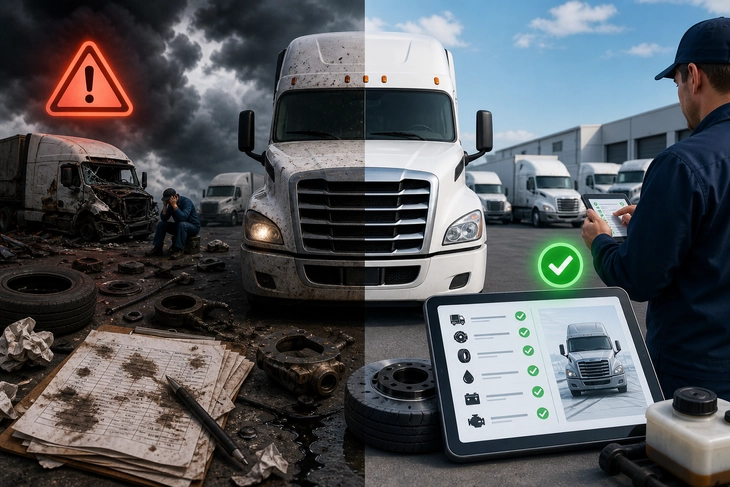
Without vehicle inspection software, fleets lose visibility into vehicle condition, which leads to missed defects, higher maintenance costs, compliance risks, and increased safety issues. Inspections become inconsistent or incomplete, small problems go unnoticed until they turn into major failures, and managers have no reliable way to track whether checks are actually being done. Over time, this results in more breakdowns, reactive maintenance, audit failures, and preventable accidents.
Fleet managers rarely notice inspection failures in real time. The impact shows up later as breakdowns, missed deadlines, and unexpected repair bills. Without a structured system, inspections become inconsistent, incomplete, or skipped entirely.
That is why many fleets rely on systems like fleet maintenance software to ensure inspections actually happen, issues get reported, and maintenance stays proactive instead of reactive.
This article breaks down exactly what happens when fleets operate without vehicle inspection software, from hidden costs and compliance risks to maintenance failures and safety consequences.
Key Takeaways
- Missed inspections quietly increase costs over time
Small defects that go unnoticed turn into expensive repairs, unplanned downtime, and higher operating costs. - Manual inspection processes waste time and create blind spots
Paper logs and disconnected systems lead to lost data, duplicate work, and no clear audit trail. - Compliance risks rise without proper inspection records
Incomplete or missing inspection documentation can lead to fines, failed audits, and legal exposure. - Reactive maintenance becomes the default
Without structured inspections, fleets shift from planned maintenance to emergency repairs. - Driver accountability weakens without visibility
Managers cannot confirm if inspections are completed properly or on time without digital tracking. - Safety risks increase significantly
Undetected issues in brakes, tires, or fluids can lead to preventable accidents and liability.
The Hidden Costs of Manual or No Inspection Processes
Most fleets underestimate how expensive it is to operate without a structured inspection system. The cost is not just about missed defects. It is about wasted labor, lost data, and delayed decisions that compound over time.
A simple example: if a driver spends 10 minutes filling out a paper inspection and a manager spends another 5 minutes reviewing and logging it, a 20 vehicle fleet can easily lose over 100 hours per year just on manual handling.
That does not include the cost of missed issues.
Paper Based Inspections Are Costing More Than You Think
Manual inspection workflows create friction at every step:
- Drivers fill out forms that may be incomplete or rushed
- Paper logs get lost or damaged
- Office staff re enter the same data into spreadsheets
- Managers struggle to track inspection completion
Many fleets still rely on spreadsheets, but as explained in this breakdown of whether Excel is good enough for fleet maintenance, these systems lack real time visibility and error control.
Without a digital system, there is:
- No centralized record of inspections
- No automatic alerts for missed checks
- No easy way to audit inspection history
When Defects Go Unreported The Downstream Effect
A small issue rarely stays small.
For example, a driver misses a slow tire leak during a routine inspection. Over the next few days:
- Tire pressure drops further
- Fuel efficiency decreases
- Tire wear accelerates
- The tire eventually fails on the road
What could have been a small fix becomes a major repair plus downtime.
This cascading effect is common. In fact, many fleets only realize the impact after repeated failures, as discussed in why fleets delay maintenance and the consequences.
Compliance and Liability Risks That Pile Up Fast
Inspection gaps do not just affect operations. They create serious compliance and legal risks.
A core part of compliance revolves around properly completed inspection reports like a Driver Vehicle Inspection Report DVIR explained for fleets, which ensures every vehicle is checked and documented before and after operation.
What Regulators Actually Expect From Fleet Inspection Records
Regulators expect consistent, verifiable inspection documentation. This typically includes:
- Daily inspection reports completed by drivers
- Documentation of identified defects
- Proof that repairs were completed
- Historical records for audits
A DVIR is not optional for most commercial fleets. It is required under federal regulations and must be completed daily to ensure vehicle safety and compliance.
Many fleets struggle with this using manual systems. A structured approach outlined in a fleet maintenance audit checklist highlights how often inspection documentation falls short.
Accident Liability Without a Digital Paper Trail
When an accident occurs, inspection records become critical.
If a fleet cannot prove that:
- The vehicle was inspected
- The driver reported issues
- Repairs were completed
Liability increases significantly.
A digital inspection system creates timestamped, driver verified records that show due diligence. Without it, fleets rely on incomplete or unverifiable documentation.
How Inspection Gaps Drive Up Maintenance and Repair Costs
Inspection gaps directly lead to higher maintenance costs. Fleets that skip or rush inspections miss early warning signs that preventive maintenance is designed to catch.
The Reactive Maintenance Trap
Reactive maintenance happens when fleets only fix problems after they cause a failure.
This leads to:
- Unexpected breakdowns
- Emergency repair costs
- Disrupted schedules
- Higher labor expenses
Fleets stuck in this cycle often struggle to regain control.
Tire Brake and Fluid Defects Most Commonly Missed Without Software
Inspection software consistently catches common issues that manual processes miss, including:
- Uneven tire wear and low pressure
- Brake pad wear and fluid leaks
- Engine oil and coolant levels
- Battery and electrical issues
When these go undetected:
- Vehicles operate inefficiently
- Components wear out faster
- Breakdown risk increases
Following structured routines like those in preventive maintenance inspection checklists for fleet vehicles helps, but without software, consistency is difficult to maintain.
Driver Accountability Breaks Down Without a System
Without a structured inspection system, accountability becomes unclear.
Managers cannot easily confirm whether inspections are completed, how thoroughly they are done, or whether issues are reported accurately.
Why Drivers Skip or Rush Inspections Without Oversight
Drivers often skip or rush inspections when:
- There is no real time tracking
- No feedback or follow up exists
- The process feels repetitive and low value
A system like a digital vehicle inspection app for real time inspection tracking ensures inspections are completed properly and documented instantly.
It introduces:
- Timestamped inspections
- Photo evidence of defects
- Immediate reporting to managers
What Fleet Managers Cannot See Without Real Time Inspection Data
Without digital visibility, managers operate with limited insight.
They cannot easily identify:
- Vehicles that are frequently failing inspections
- Drivers who skip checks
- Recurring defects across the fleet
This lack of insight prevents proactive decisions. Tools like a fleet reports dashboard for maintenance insights help surface these patterns and improve decision making.
The Safety Consequences No Fleet Can Afford to Ignore
Inspection failures are not just operational issues. They are safety risks.
Vehicle related incidents often trace back to preventable issues such as:
- Brake failures
- Tire blowouts
- Fluid leaks
These are exactly the types of issues DVIR inspections are designed to catch before they become dangerous failures and someone understood later why fleet maintenance and driver safety matters.
Without consistent inspections:
- Drivers operate unsafe vehicles
- Fleets face higher accident risk
- Human lives are put at risk
What Shifts When Fleets Adopt Vehicle Inspection Software
The difference between manual and digital inspection systems is not small. It changes how fleets operate day to day.
Fleets that adopt inspection software typically see:
- Higher inspection completion rates
- Faster defect reporting
- Reduced downtime
- Better compliance tracking
From Reactive to Proactive How Software Changes the Maintenance Cycle
Digital inspections feed directly into maintenance planning.
When inspection data is captured consistently, fleets can:
- Schedule repairs before failures occur
- Track recurring issues
- Optimize maintenance intervals
How to Know If Your Fleet Inspection Process Has Gaps
Many fleets assume their inspection process is working until problems appear.
Here are clear warning signs that your system has gaps:
- Inspection forms are often incomplete or missing
- Drivers report issues verbally instead of logging them
- Maintenance teams discover problems late
- Audit preparation takes excessive time
- There is no clear inspection history for each vehicle
If any of these sound familiar, your process likely needs improvement.
A structured approach and understanding of how to track fleet maintenance effectively helps identify and close these gaps.
Frequently Asked Questions
-
What is a DVIR and do I need one?
A DVIR is a Driver Vehicle Inspection Report that documents vehicle condition before and after trips. It is required for most commercial fleets and helps ensure safety and compliance. -
How much does a missed vehicle inspection cost a fleet?
A missed inspection can lead to small issues turning into major repairs. Over time, this increases maintenance costs, downtime, and operational inefficiencies. -
What is the difference between paper and digital vehicle inspections?
Paper inspections are harder to track, store, and audit. Digital inspections provide real time visibility, automated records, and better accountability. -
Can small fleets benefit from inspection software?
Yes, small fleets benefit significantly because they often lack the resources to manage inspections manually. Software helps them stay organized and avoid costly mistakes. -
What happens if a driver skips a pre trip inspection?
Skipping inspections increases the risk of undetected defects, which can lead to breakdowns, compliance violations, and safety incidents.