 Miya Bholat
Jun 30, 2026
How Much Should Fleets Reserve for Unplanned Repairs?

Most fleets should reserve 10% to 15% of their annual maintenance budget for unplanned repairs. A newer fleet with strong preventive maintenance compliance may be comfortable at 5% to 10%, while an older or highly reactive fleet may need 15% to 25% of its planned maintenance budget. The right figure comes from combining a benchmark with actual work order history, vehicle age, repair frequency, and the broader fleet cost management process.
A careful annual budget can still unravel when three vehicles fail in the same month. One breakdown can bring towing, rush parts, overtime, missed work, and several days of disruption.
Key Takeaways
- Start with a 10% to 15% reserve. This range works for many mixed fleets with average vehicle age and reasonable preventive maintenance compliance.
- Increase the reserve for older or reactive fleets. Fleets with vehicles beyond year seven, frequent deferred work, or poor maintenance compliance may need 15% to 25%.
- Calculate from actual repair history. Average unplanned event cost multiplied by annual frequency gives a stronger baseline than simply increasing last year's budget.
- Include indirect breakdown costs. Towing, overtime, downtime, lost service hours, and emergency shipping can turn a $2,000 repair into an $8,000 event.
- Track the planned versus unplanned ratio. An 80 to 20 split signals strong control, while a 50 to 50 split shows that emergencies are shaping the budget.
- Use reserve pressure as a replacement signal. A vehicle that repeatedly consumes contingency funds may cost less to replace than to keep repairing.
Why Unplanned Repairs Blow Up Fleet Budgets
Unplanned repairs cost more because every decision happens under pressure. Reactive work can cost three to nine times more than scheduled maintenance, and emergency parts shipping alone may cost three to five times the normal rate.
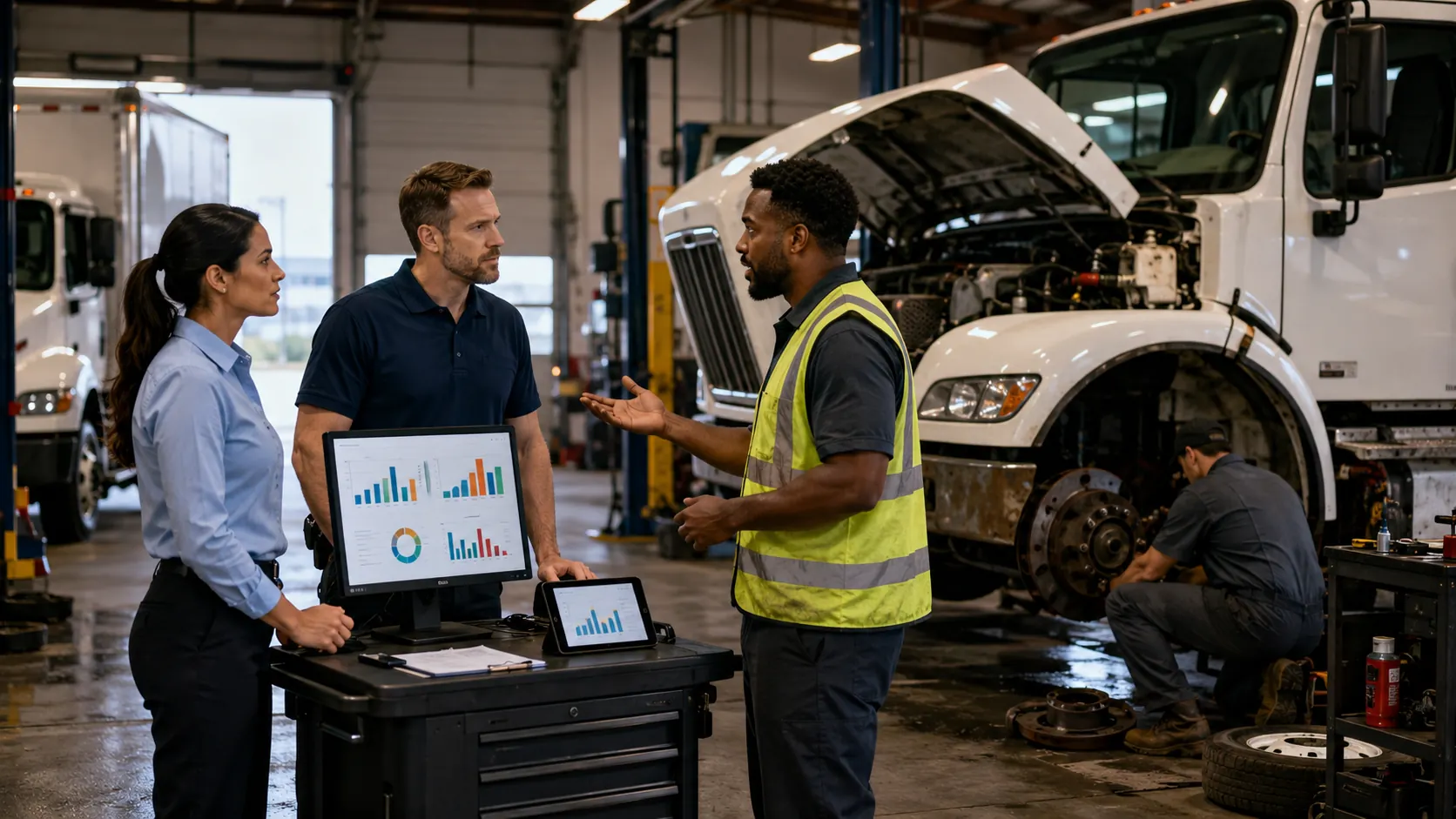
The invoice also misses interrupted deliveries, overtime, customer penalties, and idle driver hours. Calculating the true cost of fleet downtime often shows that operational losses exceed the repair charge.
The Real Cost of a Single Breakdown
Consider a truck that needs a $2,000 roadside repair. The direct repair sounds manageable until the surrounding costs are added.
| Cost component | Example cost |
|---|---|
| Emergency repair | $2,000 |
| Towing | $650 |
| Rush parts and freight | $1,000 |
| Overtime labor | $700 |
| Two downtime days at $600 per day | $1,200 |
| Lost service hours and route disruption | $2,800 |
| Total breakdown cost | $8,350 |
At the high end of the $448 to $760 daily downtime range, a longer repair can push the same event above $10,000. That explains why a single unplanned breakdown can average about $8,500 after towing, repair work, disruption, and lost service time are counted.
How Much Should You Actually Set Aside?
Three reserve benchmarks appear most often, but each one fits a different operating condition.
| Reserve benchmark | Best fit | What the percentage applies to |
|---|---|---|
| 5% to 10% | Newer fleet, strong PM compliance, stable routes | Total annual maintenance budget |
| 10% to 15% | Average mixed fleet with normal repair history | Total annual maintenance budget |
| 15% to 25% | Older fleet, heavy duty units, deferred work, weak PM compliance | Planned maintenance budget |
A fleet with a $400,000 base maintenance budget would hold $40,000 to $60,000 under the standard method. Keep that amount separate from preventive services, tires, inspections, and scheduled replacements. A detailed fleet budgeting process helps separate predictable work from genuine contingencies.
Reserve Benchmarks by Fleet Size and Type
Small fleets need a larger reserve per vehicle because one breakdown can remove a large share of available capacity. A ten vehicle fleet may need enough for one major event plus one smaller repair, even when that exceeds 15%.
Large fleets gain more predictable averages but face more events. Light duty fleets usually sit lower, while medium duty, heavy duty, construction, and trucking and logistics fleets should move higher under heavy loads, rough terrain, or tight delivery windows.
A Simple Formula to Calculate Your Reserve
Use actual work order history to create a reserve that reflects your fleet.
- Pull the previous 12 months of work orders.
- Separate planned maintenance from unplanned repairs.
- Calculate the average cost of an unplanned event.
- Multiply that average by the number of annual events.
- Add 10% to 20% for parts inflation, labor changes, and unexpected severity.
Reserve formula
Average unplanned repair cost × annual unplanned repair frequency × buffer factor = annual repair reserve
A 25 vehicle fleet recorded 18 unplanned repairs at an average cost of $2,350. The base exposure equals $42,300. Adding a 15% buffer brings the annual reserve to $48,645, or about $1,946 per vehicle.
Reserve calculation workflow
Systematic budgeting based on maintenance records can reach 85% to 95% accuracy, while simple historical escalation often lands closer to 60% to 75%.
What Drives Unplanned Repair Costs Higher
Reserve requirements rise when several risk factors appear together. The most common drivers include:
- Older vehicles with rising cost per mile
- Missed preventive maintenance
- Deferred defects that become larger failures
- Harsh routes, heavy loads, and aggressive driving
- Parts inflation and limited availability
- Tariffs on steel and aluminum components
Parts costs rose about 3.7% year over year, while 50% Section 232 steel and aluminum tariffs add further pressure to component pricing. Fleets exposed to imported parts can review how tariffs affect fleet operating costs when setting the buffer.
Vehicle Age and the Maintenance Cost Curve
Maintenance cost per mile may start near $0.20 for newer vehicles and reach $1.10 after ten years. Costs often nearly double between years six and seven, then rise 25% to 30% annually.
Vehicles over ten years may drive only 12% of miles while consuming 33.5% of maintenance spending. Tracking rising fleet maintenance costs by vehicle exposes these budget drains.
How Skipping Preventive Maintenance Inflates Your Reserve
Best in class fleets complete roughly 80% to 85% of maintenance as planned work. Reactive operations often spend 50% to 60% on unplanned repairs, which means the reserve is funding normal operations rather than rare emergencies.
A ten percentage point shift toward planned maintenance can reduce exposure to emergency labor, parts premiums, and avoidable downtime. Automated preventive maintenance scheduling helps teams act on mileage, time, and service intervals before small issues become roadside failures.
How to Reduce Your Unplanned Repair Reserve Over Time
The goal is to reduce the breakdown frequency that makes a large reserve necessary. Focus on these repeatable actions:
- Build structured preventive maintenance schedules.
- Review repeat failures by vehicle, component, and cause.
- Stock frequently needed parts before emergencies occur.
- Compare repair cost, downtime, and cost per mile monthly.
- Use inspection and service history data to plan major work.
Track Your Planned vs. Unplanned Ratio
The planned versus unplanned ratio is one of the clearest fleet maintenance health indicators. An 80 to 20 ratio reflects strong control. A 50 to 50 ratio means breakdowns and urgent work are consuming too much budget and shop capacity.
Track the ratio monthly and by vehicle class. A steady move toward planned work shows that maintenance practices are improving even before the reserve falls.
Use Maintenance Data to Predict Repairs Before They Happen
Historical work orders reveal when components tend to fail, while cost per mile trends show which vehicles are leaving their economical operating window.
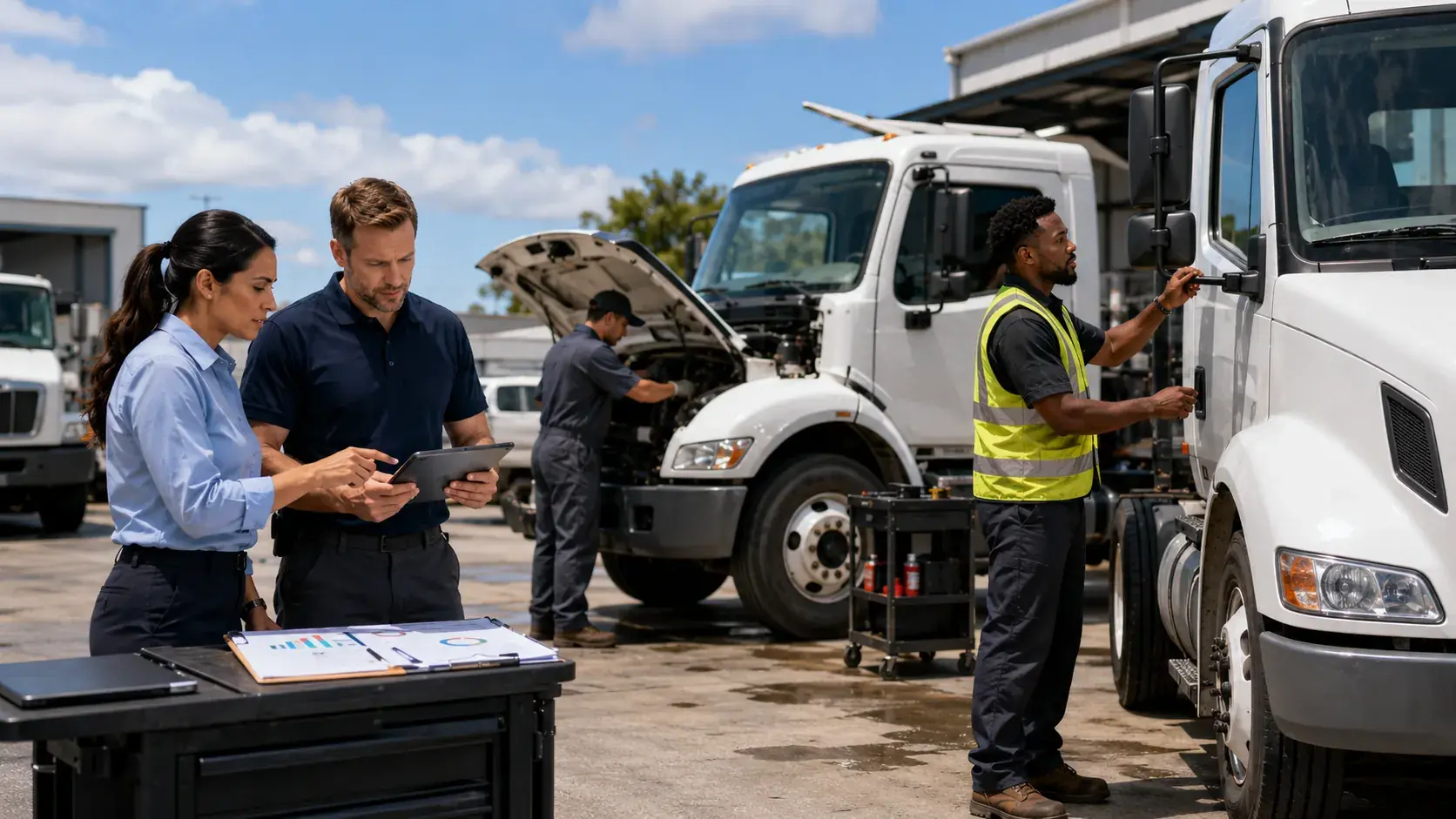
A complete vehicle service history helps managers schedule likely repairs during planned downtime, turning emergencies into budgeted work.
When Your Reserve Keeps Running Out: What It Means
A reserve that runs out every year is not really a contingency fund. The base maintenance budget may be too low, preventive maintenance may be inconsistent, or aging vehicles may have passed their economical lifecycle.
Annual repair and maintenance spending for a heavy duty truck averaged about $16,192 through the fourth quarter of 2025. One or two older units can therefore distort a small fleet's entire plan. Compare actual results with the original budget quarterly instead of waiting until year end.
Signs It Is Time to Replace Instead of Reserve
Use several triggers together before approving another major repair:
- Maintenance cost per mile remains above $0.25 for a class expected to operate below that level.
- Annual maintenance exceeds 40% of the vehicle's current value.
- A vehicle older than ten years shows repeated cost increases.
- One unit consumes a disproportionate share of the repair reserve.
- Downtime repeatedly disrupts service or requires rental vehicles.
A structured fleet vehicle replacement review helps separate a repairable vehicle from one that has become a recurring financial risk.
Building a Smarter Repair Reserve With Fleet Software
Fleet maintenance software replaces percentage guesses with operating evidence. Fleet Software tracks repair costs by vehicle, separates planned and unplanned work, monitors cost per mile, and shows trends through a fleet reports dashboard.
AUTOsist also connects work orders with preventive schedules, helping managers reduce emergencies. Clear vehicle level data supports earlier budget changes, planned repairs, and replacement decisions.
Frequently Asked Questions
-
What percentage of a fleet budget should go to unplanned repairs?
Most fleets should reserve 10% to 15% of their total annual maintenance budget for unplanned repairs. Newer fleets with strong preventive maintenance compliance may need only 5% to 10%, while older, heavy duty, or highly reactive fleets may need 15% to 25% of their planned maintenance budget. -
How do I calculate an unplanned repair reserve for my fleet?
Multiply your average unplanned repair cost by the number of unplanned repairs recorded during the previous 12 months. Add a 10% to 20% buffer for parts inflation, labor increases, emergency shipping, and unusually expensive failures. -
What costs should be included in a fleet repair reserve?
A repair reserve should cover more than the repair invoice. Include towing, emergency labor, expedited parts, temporary replacement vehicles, downtime, missed service hours, and other costs directly caused by an unexpected breakdown. -
How often should a fleet recalculate its repair reserve?
Review the reserve every quarter and perform a full recalculation at least once a year. Fleets should also update it after major vehicle purchases, rapid cost increases, repeated breakdowns, or a significant change in fleet age or utilization. -
How can preventive maintenance reduce an unplanned repair reserve?
Preventive maintenance catches wear before it causes a breakdown, allowing repairs to happen during planned downtime at normal labor and parts rates. As a fleet moves closer to an 80% planned and 20% unplanned maintenance ratio, it should need a smaller contingency reserve.