 Miya Bholat
Jan 10, 2026
How to Improve Fleet Management: 8 Proven Strategies That Work
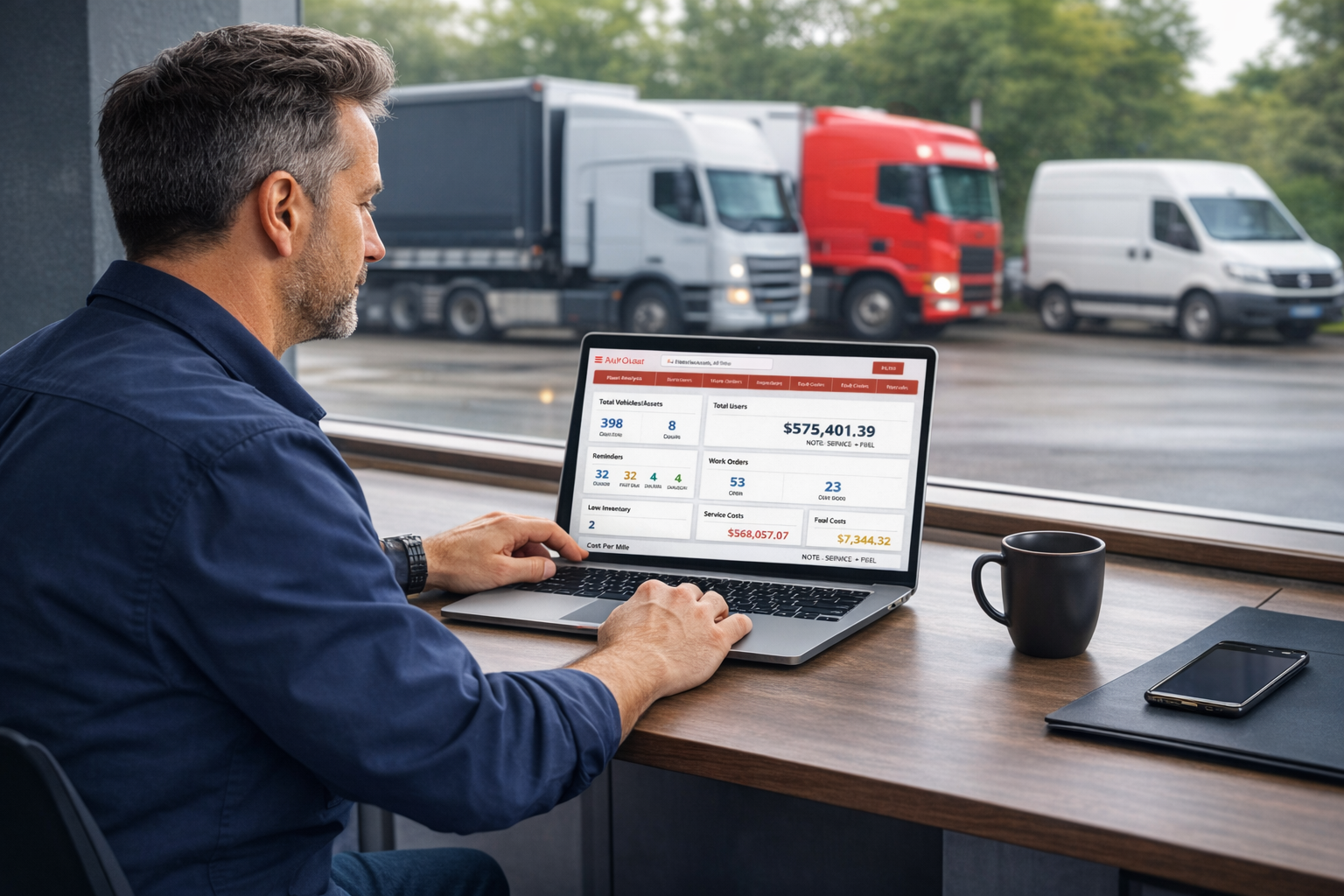
If you're responsible for managing a fleet, you already know the challenges that come with the territory. Between juggling maintenance schedules, controlling costs, keeping drivers safe, and ensuring vehicles are road-ready, it can feel like you're constantly putting out fires. The good news? There are proven strategies that can transform your fleet operations from reactive chaos to proactive efficiency.
Modern fleet management isn't just about keeping vehicles running—it's about optimizing every aspect of your operation to reduce costs, maximize uptime, and make your job easier. Whether you're managing five vehicles or five hundred, implementing the right strategies and tools can significantly improve your fleet's performance.
Let's explore eight practical ways to improve your fleet management operations, backed by real-world experience and data-driven insights.
What is fleet management and why improvement matters
Fleet management is the ongoing process of planning, operating, maintaining, and monitoring your vehicles and equipment so your organization can deliver services safely and efficiently.
When done well, effective fleet management delivers:
- fewer unexpected breakdowns
- lower operating costs
- safer vehicles and drivers
- better customer service
- predictable maintenance budgets
Most problems derive from disconnected systems, communication, and lack of visibility. Paper forms, spreadsheets, and isolated tools make it difficult to see what’s due, what’s overdue, and where money is being spent.
Modern fleet management software helps centralize information, automate reminders, and keep everyone working from the same source of truth.
How to Implement Preventive Maintenance Programs
Here's a truth every fleet manager learns eventually: fixing problems before they happen is always cheaper than dealing with breakdowns. Preventive maintenance is the foundation of effective fleet management, yet many organizations still operate on a "fix it when it breaks" mentality
A robust preventive maintenance program saves you money in multiple ways. It extends vehicle lifespans, reduces costly emergency repairs, minimizes downtime, and helps you avoid the nightmare scenario of a vehicle breaking down in the middle of a critical delivery or service call. When you schedule maintenance based on mileage, engine hours, or time intervals, you catch small issues before they become expensive problems.
Modern preventive maintenance schedules take the guesswork out of this process. Instead of relying on spreadsheets or trying to remember when each vehicle needs service, automated systems track every vehicle's maintenance needs and send you reminders before service is due. This means no more missed oil changes or overlooked inspections that could sideline your vehicles.
Key Elements of Effective Preventive Maintenance
Building a preventive maintenance program that actually works requires more than just good intentions. You need a systematic approach that covers all the critical components of your fleet operations. Here are the essential elements that separate effective programs from those that fall short:
- Customized maintenance schedules: Every vehicle type has different needs. A delivery van requires different maintenance intervals than a dump truck. Set up schedules based on manufacturer recommendations and your specific operating conditions.
- Automated reminders and alerts: Technology should do the heavy lifting. Configure your system to automatically notify you when maintenance is due, so nothing slips through the cracks during busy periods.
- Detailed service history tracking: Maintain comprehensive records of every service performed on each vehicle. This historical data helps you identify patterns, predict future needs, and make informed decisions about vehicle replacement.
- Parts inventory management: Stock critical parts and fluids so you're not waiting on deliveries when maintenance is due. This reduces vehicle downtime and keeps your preventive maintenance schedule on track.
Leverage Real-Time Fleet Tracking and Telematics
Think of fleet tracking as giving yourself x-ray vision into your operations. GPS tracking and telematics systems provide real-time visibility into where your vehicles are, how they're being driven, and what conditions they're operating under. This isn't about micromanaging your drivers—it's about having the data you need to make smarter decisions.
When you can see your entire fleet on a map in real-time, you gain capabilities that were impossible just a decade ago. You can optimize routes to reduce fuel consumption, respond quickly to customer inquiries about ETAs, identify inefficient driving behaviors that waste fuel, and even locate vehicles if they're stolen.
Telematics goes beyond simple location tracking. Modern systems monitor engine diagnostics, fuel consumption, idle time, harsh braking events, and other critical metrics. This data helps you identify vehicles that need attention before they break down and spot drivers who might benefit from additional training.
How to Get the Most Out of Fleet Tracking System
Simply installing GPS devices in your vehicles isn't enough—you need to actively use the data they provide. Many fleet managers invest in tracking systems but then fail to leverage the insights they generate. To get real value from your tracking investment, focus on these key areas:
- Route optimization: Use historical data to identify the most efficient routes. You'll cut fuel costs, reduce vehicle wear and tear, and complete more jobs in less time.
- Idle time reduction: Excessive idling wastes thousands of dollars in fuel annually. Track which vehicles and drivers have high idle times and address the issue with policy changes or driver coaching.
- Geofencing capabilities: Set up virtual boundaries to receive alerts when vehicles enter or leave specific areas. This is valuable for verifying job site visits and improving customer service.
- Integration with maintenance systems: Connect your tracking data with your maintenance software to trigger service based on actual engine hours or mileage, not just calendar dates.
Optimize Fuel Management and Costs
Fuel typically represents 20-30% of total fleet operating costs, making it one of your largest controllable expenses. Small improvements in fuel efficiency quickly add up to significant savings when multiplied across your entire fleet. The challenge is that fuel costs are influenced by dozens of factors—some within your control and others not.
Smart fleet managers focus on what they can control. Driver behavior has a massive impact on fuel consumption. Aggressive acceleration, excessive speeding, and prolonged idling can reduce fuel efficiency by 20-30%. Vehicle maintenance also plays a crucial role—underinflated tires, dirty air filters, and neglected engines all increase fuel consumption.
Fleet fuel management software gives you visibility into exactly where your fuel dollars are going. By tracking fuel purchases, monitoring consumption rates, and identifying anomalies, you can spot problems like fuel theft, inefficient vehicles, or drivers who need coaching on fuel-efficient driving techniques.
Practical Fuel Savings Strategies
Reducing fuel costs doesn't require a complete fleet overhaul or massive capital investment. Often, the most effective strategies are operational changes that cost little or nothing to implement. Here are proven tactics that deliver measurable results:
- Implement driver training programs: Teach drivers fuel-efficient driving techniques like smooth acceleration, maintaining steady speeds, and reducing idle time. Many fleets see 10-15% fuel savings from driver behavior improvements alone.
- Monitor and respond to fuel anomalies: Set up alerts for unusual fuel consumption patterns that might indicate theft, inefficient driving, or vehicle problems requiring maintenance.
- Right-size your fleet: Are you using heavy-duty trucks for jobs that light-duty vehicles could handle? Matching vehicle size to actual job requirements can significantly reduce fuel costs.
- Track fuel economy by vehicle: Identify which vehicles are fuel hogs and investigate why. Is it the vehicle itself, how it's being driven, or inadequate maintenance?
Digitize Vehicle Inspections
Paper inspection forms are a relic of the past, yet many fleets still rely on clipboards, handwritten notes, and filing cabinets full of inspection records. This outdated approach creates multiple problems: forms get lost, handwriting is illegible, issues aren't documented properly, and you have no way to quickly analyze trends across your fleet.
Digital vehicle inspections solve all these problems while actually making inspections easier for your drivers. With a mobile app, drivers can complete inspections in minutes, take photos of any issues, and submit reports instantly. You get immediate visibility into vehicle conditions and potential problems, rather than finding out days later when someone finally files the paperwork.
The digital vehicle inspection app approach also creates an audit trail that proves compliance with DOT regulations and company policies. If there's ever a dispute about vehicle condition or driver responsibility, you have timestamped, photo-documented evidence of exactly what was reported and when.
Benefits of Vehicle Inspections to Improve Fleet Management
Moving to digital inspections transforms vehicle inspection from a dreaded paperwork burden into a valuable source of operational intelligence. The benefits extend far beyond simply going paperless. Here's what digital inspections deliver for your fleet:
- Real-time defect reporting: Identify problems immediately instead of discovering them when paperwork finally reaches your desk. This speed lets you take vehicles out of service before problems worsen.
- Photo documentation: Pictures are worth a thousand words, especially when documenting vehicle damage or mechanical issues. Visual evidence eliminates ambiguity and supports insurance claims.
- Automatic work order creation: When a driver reports a defect, the system can automatically generate a work order and notify your maintenance team. No more manual data entry or delays in addressing issues.
- Compliance tracking: Ensure every vehicle is inspected on schedule. Digital systems make it easy to prove compliance during audits and avoid violations.
- Trend analysis: Aggregate data across all inspections to identify recurring problems with specific vehicles, vehicle types, or even drivers who might need additional training.
How to Streamline Work Order Management
Efficient work order management separates high-performing fleet operations from those constantly struggling with maintenance backlogs. When maintenance requests pile up, communication breaks down, and nobody knows what work has been completed, vehicles sit idle longer than necessary and costs spiral out of control.
A proper fleet maintenance work order software system creates structure and accountability. Every maintenance request becomes a trackable work order with a status, priority level, assigned technician, and estimated completion time. You can see at a glance what work is pending, what's in progress, and what's been completed.
This visibility is powerful. It lets you prioritize critical repairs, allocate technician time efficiently, and identify bottlenecks in your maintenance process. When you track labor hours and parts costs for each work order, you also gain insights into your true maintenance costs per vehicle—data that's invaluable for budgeting and vehicle replacement decisions.
Key Components of Effective Maintenance Work Order Systems
A work order system is only as good as the information it captures and the processes it supports. To maximize the value of your maintenance management system, make sure it includes these essential capabilities that enable smooth operations:
- Centralized request submission: Drivers and managers should be able to submit maintenance requests from anywhere, using mobile devices or computers. The easier it is to report problems, the faster issues get addressed.
- Priority assignment and tracking: Not all repairs are equally urgent. Your system should let you categorize work orders by priority so critical safety issues get addressed before cosmetic repairs.
- Parts and labor cost tracking: Capture the full cost of every repair, including technician time and parts used. This data helps you identify expensive-to-maintain vehicles and make informed replacement decisions.
- Vendor management: Track which outside shops handle different types of repairs, monitor their performance, and maintain records of all vendor work for warranty and quality control purposes.
- Communication tools: Keep everyone informed with automated notifications when work order status changes, parts arrive, or repairs are completed.
Utilize Fleet Reporting and Analytics
Data is only valuable if you can turn it into actionable insights. The best fleet management approach involves regularly analyzing key metrics to understand trends, identify problems, and measure improvement over time. Without data, you're making decisions based on gut feeling rather than facts.
Modern fleet management software generates dozens of reports covering every aspect of your operation: maintenance costs per vehicle, fuel efficiency trends, vehicle utilization rates, downtime analysis, and much more. The challenge isn't getting data—it's knowing which metrics matter most for your operation and making time to actually review them.
Start with a dashboard that displays your most important KPIs at a glance. This might include total fleet availability, vehicles currently out of service, this month's maintenance costs versus budget, and fuel efficiency trends. When you can see these metrics in real-time, you spot problems quickly and track whether your improvement initiatives are actually working.
Essential Fleet Management Reports
Not all reports are created equal—some provide genuine operational insights while others just create information overload. Focus your attention on fleet management reports that directly support decision-making and highlight opportunities for improvement. These are the reports that truly matter:
- Maintenance cost per vehicle: Identify which vehicles are costing you the most to maintain. When maintenance costs exceed a vehicle's value or a replacement vehicle's monthly payment, it's time to consider retiring that asset.
- Vehicle utilization analysis: Are all your vehicles actually being used? Underutilized vehicles still incur insurance, registration, and depreciation costs. Consider reducing fleet size if utilization is consistently low.
- Downtime reports: Track how long vehicles are out of service for maintenance. Excessive downtime might indicate chronic vehicle problems or inefficient maintenance processes.
- Fuel economy comparisons: Compare fuel efficiency across similar vehicles to identify underperformers that need attention or drivers who might benefit from coaching.
- Compliance documentation: Generate reports that prove regulatory compliance for audits, including inspection completion rates, maintenance records, and driver qualifications.
Manage Parts Inventory Efficiently
Few things are more frustrating than having a vehicle down for repairs only to discover you don't have the needed parts in stock. While you wait for parts to arrive, that vehicle sits idle—not generating revenue, but still incurring costs. Efficient parts inventory management ensures you have critical parts on hand when needed without tying up excessive capital in parts that rarely get used.
The key is finding the right balance. Stock too many parts and you're wasting money on inventory that sits on shelves gathering dust. Stock too few and you're constantly waiting on deliveries, extending vehicle downtime. Smart fleet managers analyze their maintenance history to identify which parts get used most frequently, then maintain appropriate inventory levels for those items.
Modern parts inventory systems track what you have in stock, what's been used, and what needs to be reordered. Some systems can even automatically generate purchase orders when stock falls below defined levels, ensuring you never run out of critical items.
Best Practices for Fleet Parts Management
Effective parts inventory management requires more than just a storage room and a spreadsheet. You need systematic processes that ensure the right parts are available when needed while minimizing waste and obsolescence. Implement these practices to optimize your parts inventory:
- Conduct regular usage analysis: Review which parts you use most frequently and adjust stock levels accordingly. Parts that sit unused for over a year are candidates for removal from regular inventory.
- Standardize fleet vehicles: When possible, purchase vehicles of the same make and model. This parts commonality reduces the variety of parts you need to stock and increases inventory turnover.
- Establish minimum stock levels: Set reorder points for critical parts based on lead times and usage rates. This prevents stockouts without requiring excessive inventory.
- Track parts costs and vendors: Monitor parts pricing trends and vendor performance. Sometimes switching suppliers or negotiating volume discounts can significantly reduce costs.
- Implement barcode or RFID tracking: Use technology to track parts from receipt to installation. This reduces human error, speeds up parts identification, and provides accurate usage data.
Invest in Comprehensive Fleet Management Software
Let's be honest: trying to manage a modern fleet with spreadsheets, paper files, and disconnected systems is like trying to run a marathon in flip-flops. You might eventually get there, but it's unnecessarily difficult and you'll never achieve your full potential. Comprehensive fleet management software brings all your data and processes together in one integrated platform.
The right software doesn't just digitize your existing processes—it fundamentally improves how you operate. Instead of manually tracking maintenance schedules, the system automatically monitors service intervals and sends reminders. Instead of piecing together fuel data from multiple sources, everything flows automatically from fuel card integrations. Instead of wondering about vehicle locations, you see your entire fleet on a real-time map.
AUTOsist brings all these capabilities together in a platform designed specifically for fleet managers who need powerful functionality without overwhelming complexity. Whether you're managing a small business fleet or a large municipal operation, having all your fleet data in one place transforms how effectively you can manage operations.
Key Features to Look For in Fleet Management Software
Not all fleet management software is created equal. Some systems excel at certain functions while lacking in others. When evaluating solutions, look beyond the marketing promises and focus on the specific capabilities that will address your operation's pain points. Here are the must-have features:
- User-friendly interface: If the software is complicated to use, your team won't use it consistently. Look for intuitive design that requires minimal training.
- Mobile accessibility: Your drivers and technicians need access from anywhere. Mobile apps for inspections, work order updates, and maintenance requests are essential.
- Integration capabilities: The software should integrate with your GPS tracking, fuel cards, telematics providers, and other existing tools rather than creating data silos.
- Scalability: Choose a solution that can grow with your fleet. Adding vehicles shouldn't require buying a different software package or complex upgrades.
- Excellent customer support: When you need help, you shouldn't wait days for a response. Look for providers with responsive support teams who understand fleet operations.
- Automated reporting: The system should automatically generate the reports you need without requiring manual data exports and manipulation.
Key Takeaways
Improving fleet management isn't about implementing one magic solution—it's about systematically addressing the key areas that drive costs and inefficiency. Here are the most important points to remember:
- Preventive maintenance is non-negotiable: Scheduled maintenance based on manufacturer recommendations and operating conditions prevents costly breakdowns and extends vehicle life. Automated reminders ensure nothing falls through the cracks.
- Real-time visibility drives better decisions: GPS tracking and telematics provide the data you need to optimize routes, reduce fuel consumption, and identify vehicles needing attention before they break down.
- Fuel management requires constant attention: With fuel representing up to 30% of operating costs, monitoring consumption, coaching drivers, and maintaining vehicles properly delivers significant savings.
- Digital processes beat paper every time: From vehicle inspections to work orders, digital systems improve accuracy, speed response times, and provide the data needed for continuous improvement.
- Data transforms operations: Regular analysis of key metrics helps you identify trends, spot problems early, and measure whether your improvement initiatives are working.
- Integration multiplies effectiveness: When all your systems work together—GPS tracking, fuel management, maintenance scheduling, and parts inventory—you gain capabilities impossible with disconnected tools.
The most successful fleet managers view technology not as an expense but as an investment that pays dividends through reduced costs, improved uptime, and simplified operations. Whether you're just starting to modernize your fleet management approach or looking to take your already-efficient operation to the next level, focusing on these core areas will deliver measurable results.
Ready to see how integrated fleet management software can transform your operations? AUTOsist offers a comprehensive solution that brings together maintenance management, fuel tracking, GPS integration, digital inspections, and powerful reporting in one easy-to-use platform. Schedule a demo today to see how we can help you improve your fleet management.