 Miya Bholat
Jan 29, 2026
Level 3 DOT Inspection Explained: What Fleet Managers and Drivers Need to Know
Key Takeaways: Staying Ahead of Level 3 Inspections
-
Level 3 inspections focus on drivers:
Documentation, credentials, and basic safety observations drive outcomes. -
Preparation prevents violations:
Organized records and daily checks reduce risk significantly. -
CSA impact is real:
Even limited inspections affect long-term compliance scores. -
Small issues add up:
Minor visible defects can still trigger citations or escalation. -
Digital systems reduce exposure:
Centralized records and reminders improve inspection readiness. -
Consistency matters:
Standardized driver routines create predictable, compliant results.
What Is a Level 3 DOT Inspection?
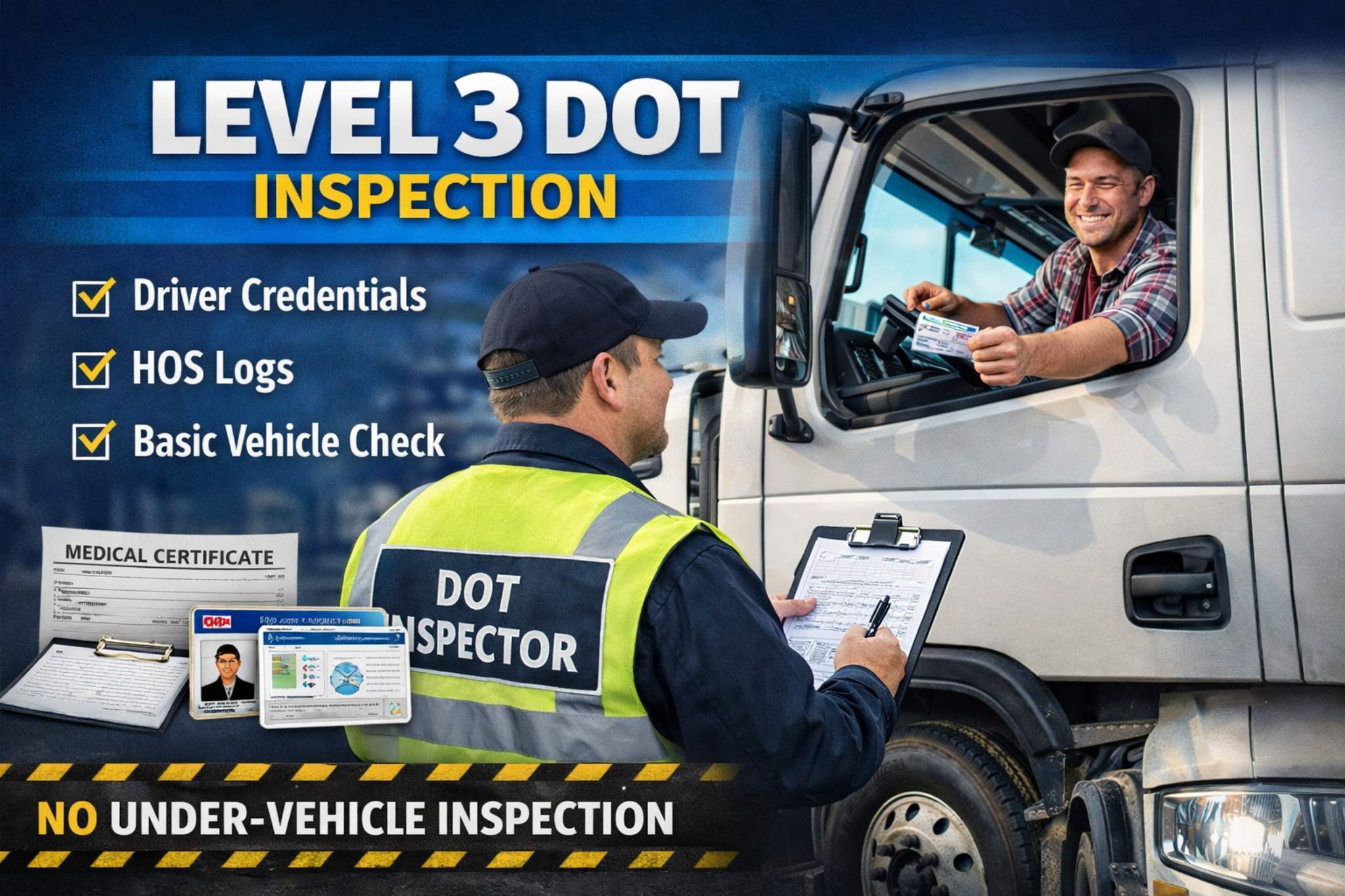
A Level 3 DOT inspection is a driver-focused roadside inspection conducted by enforcement officers to verify regulatory compliance without performing a full mechanical evaluation of the vehicle. Unlike more intensive inspection levels, Level 3 inspections center on documentation, credentials, and basic observable vehicle safety items rather than in-depth mechanical components.
What makes a Level 3 inspection unique is its scope and efficiency. Officers do not crawl under the vehicle, place it out of service for mechanical testing, or require special equipment. Instead, they focus on whether the driver is legally qualified to operate and whether there are any obvious safety concerns visible during a walk-around.
During a Level 3 inspection, officers typically review:
- Driver license status and endorsements
- Medical examiner’s certificate
- Hours of Service (HOS) records
- Registration and insurance documentation
- Basic vehicle condition visible from the exterior and driver’s seat
What is not included in a Level 3 inspection is just as important:
- No under-vehicle inspection
- No brake measurements or component testing
- No wheel removal or mechanical diagnostics
These inspections usually occur roadside, at weigh stations, rest areas, or during traffic stops. Most Level 3 inspections take 15 to 30 minutes, assuming documentation is readily available and no violations are found.
How Level 3 Inspections Differ from Other DOT Inspection Levels
To understand Level 3 inspections properly, it helps to see where they fit within the six DOT inspection levels used by enforcement agencies nationwide.
Here’s a brief overview for context:
- Level 1: Full North American Standard Inspection (driver + full vehicle)
- Level 2: Walk-around inspection (driver + limited vehicle checks)
- Level 3: Driver-only inspection with limited vehicle observation
- Level 4: Special inspections for specific items
- Level 5: Vehicle-only inspection (no driver present)
- Level 6: Enhanced inspections for radioactive shipments
Level 1 vs. Level 2 vs. Level 3
The majority of roadside inspections fall into Levels 1, 2, or 3. The key differences lie in depth, time, and enforcement focus.
- Level 1 inspections are the most comprehensive and time-consuming. Officers inspect nearly every safety-critical component, including brakes, suspension, steering, and under-vehicle systems.
- Level 2 inspections involve a driver review plus a walk-around vehicle check, but without crawling underneath or performing advanced tests.
- Level 3 inspections focus almost entirely on the driver’s compliance, with only basic vehicle observations.
Why Officers Choose Level 3
Enforcement officers typically select Level 3 inspections when:
- Time or traffic conditions limit inspection duration
- The vehicle appears mechanically sound at first glance
- There’s a need to verify driver qualifications or HOS compliance
- The stop is documentation-driven rather than safety-driven
While less invasive, Level 3 inspections still carry serious compliance consequences if violations are found.
What DOT Officers Check During a Level 3 Inspection
Even though Level 3 inspections are limited in scope, officers are trained to identify issues that frequently indicate broader compliance problems.
Driver Documentation and Credentials
The inspection begins with a thorough review of the driver’s paperwork and electronic records. Officers commonly check:
- Commercial Driver’s License (CDL): Validity, class, endorsements, and restrictions
- Medical Examiner’s Certificate: Current, properly recorded, and not expired
- Hours of Service Logs: Accuracy, completeness, and compliance with federal limits
- Vehicle Registration and Insurance: Proof of legal operation
- Driver qualification records: When applicable
If documents are missing, expired, or inconsistent, citations may be issued immediately. Serious violations—such as operating without a valid CDL or falsified logs—can result in out-of-service orders.
Vehicle Safety Components
Although Level 3 inspections do not involve mechanical testing, officers still observe visible safety items during a brief walk-around and from the driver’s seat.
These checks typically include:
- Headlights, brake lights, turn signals, and clearance lights
- Windshield condition, wipers, and washer operation
- Tire condition, inflation appearance, and visible tread issues
- Mirrors, horn, and seat belt functionality
- Obvious brake issues such as air leaks or warning lights
Officers do not inspect:
- Brake lining thickness
- Suspension components under the vehicle
- Steering linkages or driveline components
However, obvious safety defects can escalate the inspection to a higher level.
Common Level 3 Inspection Violations
Despite being documentation-focused, Level 3 inspections frequently result in violations. Many are preventable with proper preparation and record management.
The most common driver-related violations include:
- Expired or missing medical certificates
- Incomplete or inaccurate HOS logs
- Operating without required endorsements
- Failure to carry proof of registration or insurance
Vehicle-related violations observed during Level 3 inspections often involve:
- Inoperative lights or signals
- Cracked or obstructed windshields
- Worn or visibly damaged tires
- Malfunctioning horns or mirrors
Some violations result in out-of-service orders, particularly those related to:
- Driver qualification issues
- Severe HOS violations
- Safety-critical equipment failures
These violations not only disrupt operations but also leave a lasting compliance footprint.
How Level 3 Inspections Affect Your CSA Score
Every DOT inspection feeds directly into the CSA (Compliance, Safety, Accountability) scoring system, which FMCSA uses to assess carrier risk.
Level 3 inspection results primarily impact:
- HOS Compliance BASIC
- Driver Fitness BASIC
- Vehicle Maintenance BASIC (for visible issues)
Violations are weighted based on severity and remain on record for:
- 24 months for most CSA BASIC categories
- 36 months for crash-related data
Both drivers and carriers are affected:
- Drivers accumulate inspection histories that follow them across employers
- Companies see their CSA scores influenced by every inspection involving their fleet
Poor CSA scores increase the likelihood of:
- More frequent roadside inspections
- Insurance premium increases
- Contract and bid disqualifications
Best Practices to Pass a Level 3 Inspection
Preparation is the most effective defense against violations.
Driver Preparation Checklist
Drivers should have a standardized routine before every shift. A solid preparation process includes:
- Ensuring CDL and medical certificates are current
- Verifying HOS logs are complete and accurate
- Keeping registration and insurance accessible
- Reviewing recent duty status entries for errors
Vehicle Readiness
Even basic inspections require vehicles to present well. Drivers should perform quick daily checks focused on:
- All exterior and interior lights
- Windshield condition and wiper operation
- Tire appearance and inflation
- Mirrors, horn, and warning indicators
Addressing minor issues early prevents them from becoming reportable violations.
During the Inspection
How a driver conducts themselves during the inspection matters. Best practices include:
- Remaining professional and cooperative
- Providing requested documents promptly
- Answering questions clearly and honestly
- Understanding the right to review inspection reports
Professional interactions help keep inspections efficient and controlled.
Using Fleet Management Software to Stay Inspection-Ready
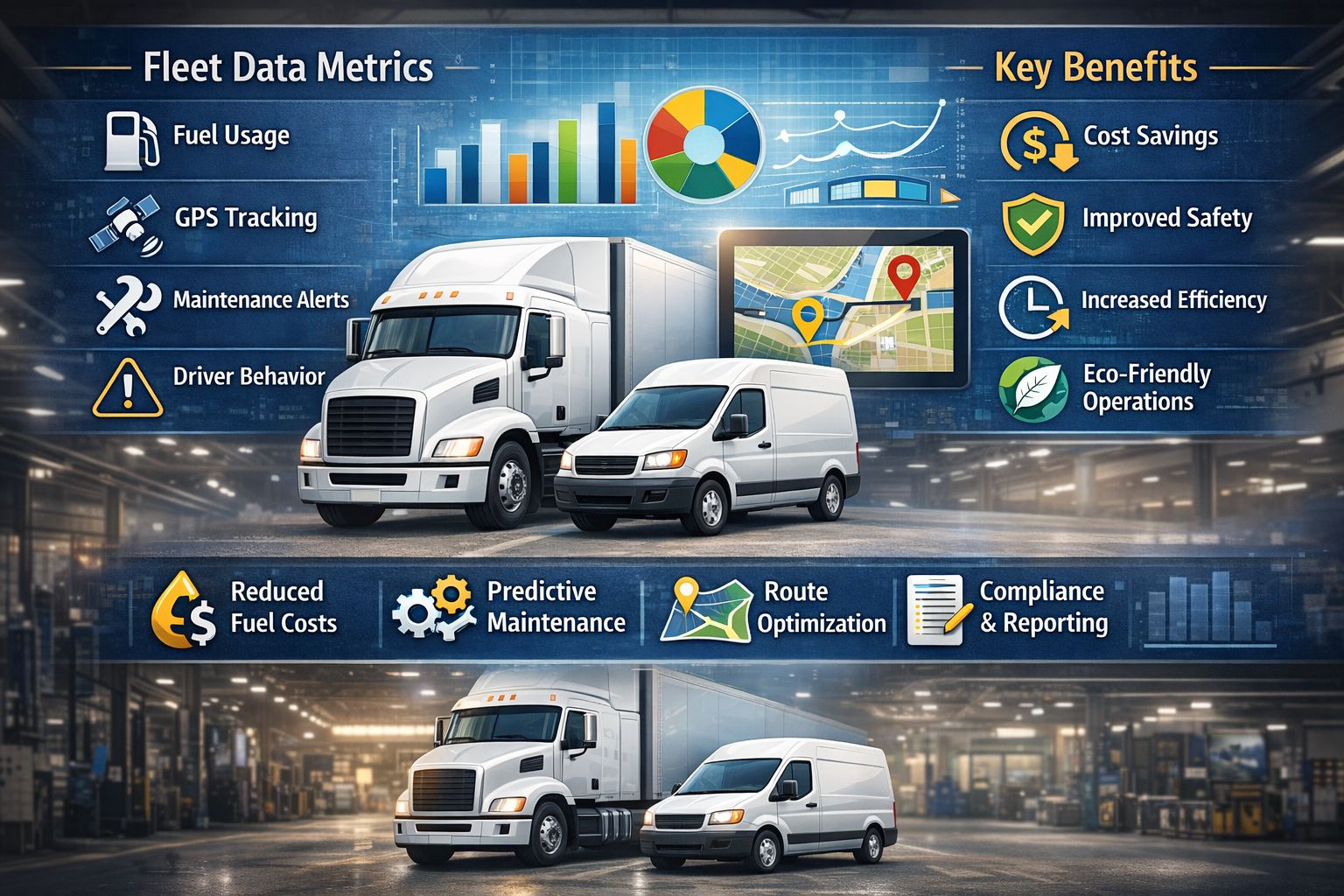
Manual recordkeeping and paper logs make Level 3 inspections riskier than necessary. Digital fleet systems significantly reduce compliance gaps by centralizing documentation and automating oversight.
Fleet management software helps by:
- Storing driver credentials and compliance documents digitally
- Sending automated alerts for expiring licenses and medical cards
- Maintaining electronic DVIR records
- Tracking maintenance history tied to inspection visibility
Solutions like AUTOsist support inspection readiness by keeping driver records, inspection reports, and maintenance data accessible in one system. Features such as digital vehicle inspections, maintenance tracking, and document storage reduce the chances of missing or outdated information during roadside stops. Tools that align with preventive maintenance workflows—like those found in a Digital Vehicle Inspection App—help fleets proactively correct small issues before inspections occur.
For fleets looking to strengthen compliance visibility, centralized reporting through a Fleet Reports and Dashboard also provides insight into recurring issues and risk trends.
Staying ahead of Level 3 DOT inspections isn’t about reacting at the roadside—it’s about building repeatable systems that support compliance every day.