 Miya Bholat
Jan 23, 2026
Preventive Maintenance Inspections for Fleet Vehicles
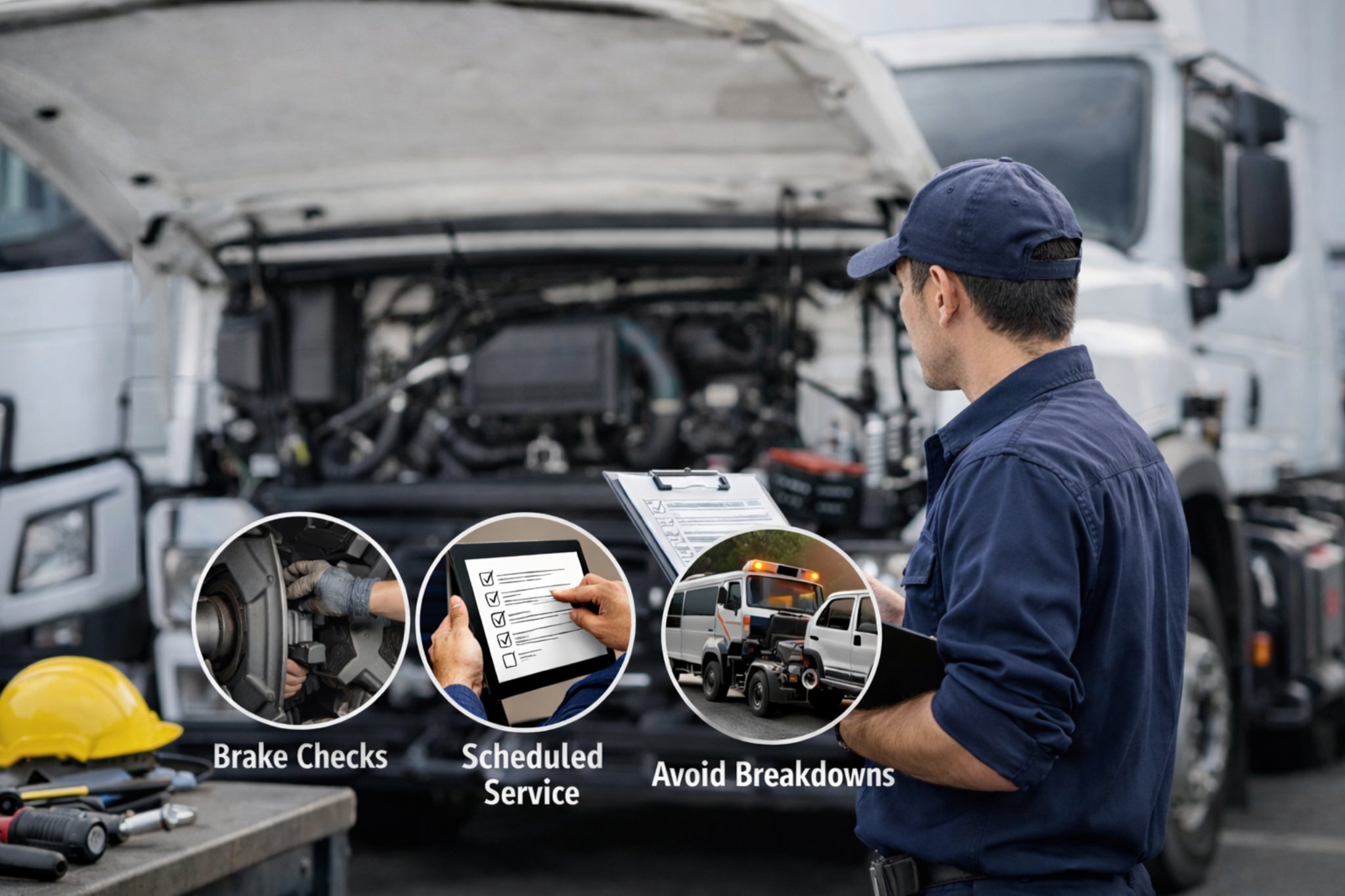
Key Takeaways: Building a Preventive Inspection Program That Works
-
Preventive inspections reduce total cost of ownership:
Catching small issues early prevents expensive breakdowns, downtime, and premature vehicle replacement. -
Layer inspections for maximum coverage:
Combine driver checks, scheduled shop inspections, and regulatory reviews to close gaps in visibility. -
Standardize what you inspect:
Consistent checklist categories improve data quality and make trends easier to identify. -
Use scheduling tools, not memory:
Automated preventive maintenance schedules ensure inspections happen on time, even as fleets grow. -
Turn inspection data into action:
Review trends regularly to adjust maintenance plans, reduce repeat failures, and improve safety outcomes. -
Digitize for visibility and compliance:
Digital inspection systems make inspections faster, more accurate, and far more useful for decision-making.
What Are Preventive Maintenance Inspections?
Preventive maintenance inspections are scheduled, systematic checks designed to identify issues before they turn into breakdowns or safety incidents. Instead of waiting for a vehicle to fail on the road, fleet teams inspect critical systems at defined intervals and fix small problems early. This approach contrasts sharply with reactive repairs, where maintenance only happens after something breaks, often at the worst possible time. For fleet managers, the difference is not theoretical—it directly affects uptime, budgets, and driver safety.
At a practical level, preventive inspections rely on consistency. Vehicles are checked based on mileage, engine hours, calendar time, or duty cycle, not gut instinct. Drivers, technicians, and fleet managers each play a role, creating multiple checkpoints where problems can surface early. When done correctly, inspections shift maintenance from emergency response to planned work.
Most fleets already understand the concept, but execution often falls short. Missed inspections, inconsistent documentation, or paper forms that never get reviewed undermine the entire process. That’s why successful fleets treat inspections as an operational system, not an administrative task.
The True Cost of Skipping Preventive Inspections
Skipping preventive inspections might feel like saving time or money in the short term, but the long-term costs add up quickly. A missed brake issue that could have been addressed during a routine inspection can turn into a roadside breakdown, towing bill, and missed delivery. More importantly, it can escalate into a safety incident that affects drivers, the public, and your company’s reputation.
Consider a common scenario: a delivery truck suffers a breakdown due to a worn belt that went unnoticed. The direct repair might cost $400, but the indirect costs often dwarf that number. Lost revenue from delayed deliveries, overtime wages, and customer dissatisfaction quickly push the total impact well past $1,500 for a single event. Multiply that across a fleet, and the financial exposure becomes obvious.
Beyond immediate expenses, skipped inspections shorten vehicle lifespan. Engines running low on fluids or tires operating underinflated experience accelerated wear. Over time, fleets that rely on reactive maintenance replace vehicles sooner, driving up capital costs and disrupting replacement planning.
Direct vs. Indirect Costs
Fleet managers often focus on visible repair invoices, but those are only part of the picture. Preventive inspections help control both direct and indirect costs, which together determine true fleet operating expense.
The most common cost categories include:
- Direct repair costs: Parts, labor, emergency repairs, and towing expenses that spike during breakdowns.
- Downtime expenses: Idle vehicles, missed routes, rental replacements, and overtime to recover schedules.
- Labor inefficiency: Drivers paid while waiting for repairs and technicians pulled off planned work.
- Customer impact: Missed service windows, contract penalties, and long-term damage to reliability metrics.
- Risk and insurance exposure: Higher claims, increased premiums, and liability tied to preventable failures.
When inspections are skipped, these costs compound quietly until they show up as budget overruns or safety incidents. Preventive programs exist to stop that chain reaction early.
Key Components of a Comprehensive Inspection Program
A strong preventive maintenance inspection program includes multiple layers, each designed to catch issues at different points in vehicle operation. Relying on a single annual inspection or occasional shop visit leaves too many gaps. Effective fleets build redundancy into their inspection process.
Each layer serves a specific purpose. Daily driver inspections catch obvious safety issues, while scheduled shop inspections address wear and system health. Regulatory inspections ensure compliance and documentation. Together, they form a complete safety and maintenance net rather than isolated tasks.
Pre-Trip and Post-Trip Inspections
Pre-trip and post-trip inspections are the frontline of preventive maintenance. Drivers see and hear their vehicles every day, making them uniquely positioned to notice early warning signs. These inspections focus on safety-critical items and obvious defects that could cause immediate problems.
A consistent driver inspection process typically covers:
- Tires and wheels: Inflation, tread depth, visible damage, and loose lug nuts.
- Lights and signals: Headlights, brake lights, turn signals, and reflectors.
- Brakes and steering feel: Unusual noises, pulling, or warning lights.
- Leaks and fluid levels: Oil, coolant, fuel, or hydraulic leaks under the vehicle.
- Mirrors and visibility: Proper adjustment and unobstructed glass.
Digital inspection tools, such as a digital vehicle inspection app, make these checks faster and more consistent. Drivers can complete inspections on a mobile device, attach photos, and submit reports that maintenance teams actually review instead of filing away.
Scheduled Preventive Maintenance Inspections
Scheduled preventive maintenance inspections go deeper than daily driver checks. These inspections occur at defined intervals based on mileage, engine hours, or time, and they focus on component condition and system performance. Technicians use these inspections to identify wear patterns and plan repairs before failures occur.
During scheduled inspections, mechanics typically evaluate:
- Brake systems: Pad thickness, rotors, air lines, and hydraulic components.
- Engine health: Fluids, filters, belts, hoses, and visible leaks.
- Suspension and steering: Bushings, shocks, joints, and alignment indicators.
- Electrical systems: Battery health, charging systems, and wiring condition.
- Exhaust and emissions: Leaks, mounts, and compliance-related components.
Using tools like fleet preventive maintenance schedules and reminders ensures these inspections happen on time. Automated reminders remove guesswork and prevent vehicles from quietly exceeding service intervals.
DOT and Regulatory Inspections
For commercial fleets, regulatory inspections are non-negotiable. Annual DOT inspections and state-specific requirements exist to ensure vehicles meet minimum safety standards. Failing to comply can result in fines, out-of-service orders, and increased scrutiny during roadside inspections.
Preventive inspection programs support compliance by keeping vehicles inspection-ready year-round. Instead of scrambling before an annual inspection, fleets address issues continuously. Digital records also simplify audits by providing clear documentation of inspections, repairs, and corrective actions.
Tools that centralize inspection history and compliance documents, such as a vehicle service history system, make it easier to prove due diligence when regulators or insurers ask questions.
Creating an Effective Inspection Schedule
Inspection frequency should never be one-size-fits-all. Vehicle type, usage patterns, and operating conditions all influence how often inspections should occur. A lightly used administrative vehicle requires a different schedule than a heavily loaded construction truck operating in harsh conditions.
Fleet managers should start with manufacturer recommendations and adjust based on real-world data. High-mileage routes, stop-and-go driving, extreme temperatures, and off-road use all justify more frequent inspections. The goal is to balance cost control with risk reduction, not to inspect for the sake of inspecting.
Practical scheduling strategies include:
- Mileage-based intervals: Ideal for vehicles with predictable usage patterns.
- Engine-hour intervals: Better for equipment and vehicles with idle time.
- Time-based inspections: Useful for low-mileage vehicles still subject to aging.
- Condition-based adjustments: Increase frequency for vehicles showing repeated issues.
- Staggered scheduling: Spread inspections to avoid shop bottlenecks.
Digital scheduling tools help fleets manage this complexity without spreadsheets or manual tracking. Automated reminders and dashboards ensure no vehicle slips through the cracks, even as the fleet grows.
What to Inspect: The Essential Checklist Categories
Preventive inspections work best when they follow consistent categories. Instead of random checks, fleets should standardize what gets inspected every time. This consistency improves data quality and makes trends easier to spot.
Safety-Critical Systems
Safety-related components deserve the highest priority during inspections. Failures in these systems put drivers and the public at immediate risk, and they often carry regulatory consequences.
Key safety systems include:
- Brakes: Pads, rotors, air systems, and warning indicators.
- Steering and suspension: Tie rods, ball joints, shocks, and alignment.
- Tires: Tread depth, inflation, sidewall condition, and matching sets.
- Lighting and signals: All exterior lights and reflectors.
- Visibility components: Mirrors, windshields, and wipers.
Consistent documentation of these items supports both safety and compliance goals.
Engine and Powertrain
Engine and powertrain components determine whether a vehicle stays on the road or ends up on a tow truck. Preventive inspections focus on early signs of wear rather than waiting for warning lights or failures.
Common inspection items include:
- Fluids and filters: Oil, coolant, transmission fluid, and filter condition.
- Belts and hoses: Cracks, glazing, leaks, and tension.
- Battery and charging system: Voltage, corrosion, and mounting.
- Drivetrain components: U-joints, axles, and mounts.
Tracking these items over time helps fleets predict failures instead of reacting to them.
Body and Compliance Items
Body and compliance-related items often get overlooked, but they matter for safety, inspections, and professional appearance. Missing documentation or inoperative safety equipment can take vehicles out of service just as quickly as mechanical failures.
These inspections typically cover:
- Mirrors, horns, and wipers: Required safety equipment functionality.
- Fire extinguishers and emergency kits: Presence and condition.
- Documentation: Registration, insurance, and inspection records.
- Body condition: Damage that could affect safety or compliance.
Digital vs. Paper Inspection Systems
Paper inspection forms have been around forever, but they create real limitations for modern fleets. Forms get lost, handwriting is unclear, and data rarely gets analyzed. As a result, inspections become a checkbox exercise rather than a decision-making tool.
Digital inspection systems change that dynamic. Drivers and technicians submit inspections electronically, creating immediate visibility for maintenance teams. Issues trigger alerts instead of sitting in a filing cabinet. Over time, inspection data reveals patterns that help fleets prevent repeat failures.
Key advantages of digital systems include:
- Real-time issue reporting: Faster response to safety and maintenance concerns.
- Centralized records: Easy access during audits or roadside inspections.
- Trend analysis: Identify recurring problems across vehicles or routes.
- Automated scheduling: Tie inspection results directly to maintenance actions.
Solutions like AUTOsist combine inspections with maintenance tracking, work orders, and reporting, allowing fleets to manage the entire preventive process in one place.
Turning Inspection Data Into Preventive Action
Collecting inspection data only matters if fleets act on it. The real value comes from using inspection results to guide maintenance decisions and resource allocation. When fleets review data consistently, they start to see patterns that individual inspections can’t reveal.
For example, repeated brake issues on a specific vehicle model might indicate a design limitation or usage mismatch. Frequent tire wear on certain routes could point to alignment issues or road conditions. Armed with this information, fleet managers can adjust schedules, training, or specifications proactively.
Fleet maintenance software supports this process by turning raw inspection data into dashboards and reports. Tools like fleet reports and dashboards help managers identify high-risk vehicles, prioritize repairs, and justify maintenance budgets with real data. Over time, this approach shifts maintenance from reactive firefighting to strategic planning.