 Miya Bholat
Mar 03, 2026
How to Reduce Fleet Fuel Costs: Practical Fleet Fuel Management Strategies That Actually Work
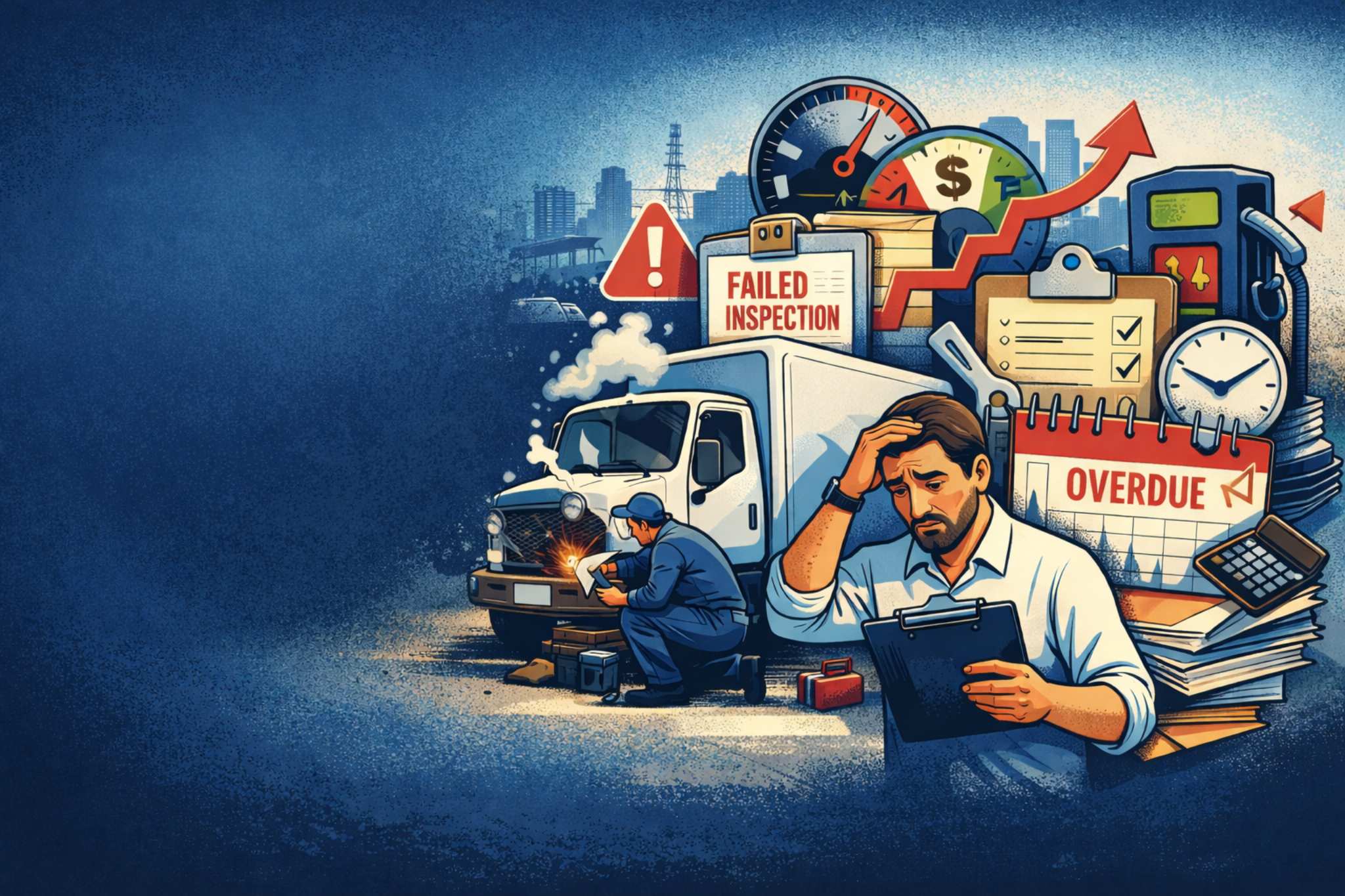
Fleet fuel costs usually increase because managers lack visibility into driver behavior, route efficiency, idle time, maintenance delays, and fuel purchasing activity. Fuel waste rarely comes from one major failure. It usually builds from small operational problems that continue unnoticed across dozens or hundreds of vehicles. Fleets that successfully reduce fuel spend focus on fuel tracking, driver accountability, maintenance timing, route planning, and purchasing controls at the same time.
A structured fleet fuel management strategy helps fleets monitor fuel usage by vehicle, identify abnormal consumption patterns, reduce unnecessary idle time, and improve cost per mile across the operation. When fuel reporting connects with maintenance records, GPS tracking, and dispatch workflows, fleet managers can reduce fuel waste faster and make operational decisions using measurable data instead of assumptions.
Key Takeaways: Your Fuel Cost Reduction Checklist
- Start with a fleet fuel audit. Establish your baseline MPG, cost per mile, and fuel outliers before implementing changes.
- Improve driver behavior first. Speed control, idle reduction, and smoother driving habits can cut fuel consumption by 10–30%.
- Optimize routes and dispatch decisions. Reducing unnecessary miles directly lowers fuel spend at scale.
- Maintain vehicles proactively. Tire pressure, air filters, and preventive maintenance schedules directly influence MPG.
- Strengthen fuel card controls. Set limits, monitor transactions, and reconcile fuel purchases against mileage.
- Right-size your fleet. Ensure the correct vehicles handle the correct jobs to avoid long-term fuel inefficiencies.
What Actually Causes High Fuel Costs in Fleet Operations
Fuel costs increase when fleets lose operational control over mileage, idle time, vehicle condition, and purchasing activity. Many fleets track total fuel spend but fail to monitor the operational behaviors creating the expense. Without vehicle level reporting, fuel waste becomes difficult to isolate and correct.
Several operational patterns quietly increase fuel consumption across fleets:
- Excessive idle time during stops or dispatch delays
- Aggressive acceleration and speeding
- Poor route coordination
- Vehicles operating outside ideal load conditions
- Delayed preventive maintenance
- Unauthorized fuel purchases
- Fueling inconsistencies across locations
These problems compound quickly at scale. A fleet with 75 vehicles losing just two gallons per vehicle each week wastes nearly 7,800 gallons annually. That type of loss usually develops gradually through operational inefficiencies rather than fuel pricing alone.
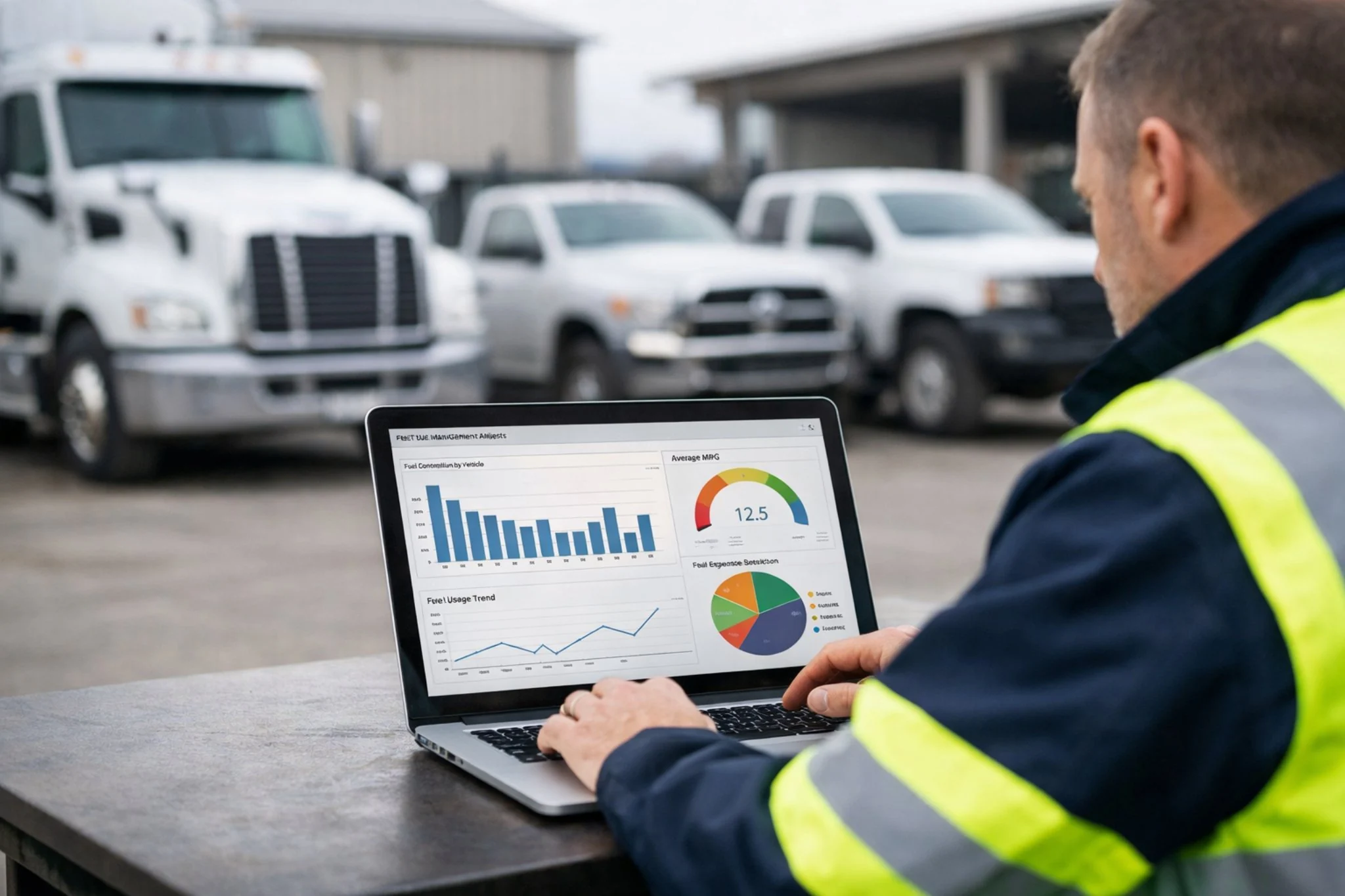
Fuel visibility becomes significantly stronger when managers combine fleet reports and dashboard tools with mileage tracking and telematics data. This allows managers to compare fuel spend against utilization, identify outlier vehicles, and investigate abnormal fuel trends before they become long term cost problems.
Construction and logistics fleets often experience higher fuel variability because of route unpredictability, equipment load differences, and long idle periods. Operational controls become even more important in those environments.
How to Run a Fleet Fuel Audit That Identifies Fuel Waste Faster
A fleet fuel audit should identify where fuel waste occurs, which vehicles create abnormal consumption patterns, and which operational processes need correction first. Many fleets only review monthly fuel totals, which hides inefficiencies that occur daily.
An effective fuel audit should track:
- Cost per mile by vehicle
- MPG trends by asset class
- Idle time by driver
- Fuel spend by department or route
- Unauthorized fueling activity
- Fuel purchases outside approved regions
- Declining MPG tied to maintenance issues
Fuel audits become more valuable when fuel data connects directly with maintenance records and trip mileage. A vehicle showing declining MPG may indicate excessive idling, tire pressure problems, overdue maintenance, or route inefficiencies. Without integrated reporting, managers often misdiagnose the root cause.
Using fleet fuel management software alongside trip mileage tracking tools improves fuel accountability because managers can compare fuel purchases against actual mileage activity. This helps identify fuel waste, unauthorized purchases, and inaccurate reporting much faster.
Many fleets also benefit from reviewing historical repair records during fuel audits. Declining fuel economy often appears before larger mechanical failures become visible.
Which Fleet Fuel KPIs Matter Most for Long Term Cost Control
Many fleets monitor total fuel spend but fail to track the operational KPIs that actually explain why costs are rising. Without measurable fuel benchmarks, managers struggle to identify which vehicles, drivers, or routes are creating inefficiencies.
The most useful fleet fuel KPIs include:
- Cost per mile
- MPG by vehicle class
- Idle time percentage
- Fuel spend per route
- Fuel spend per driver
- Fuel variance by department
- Fuel cost trend by month
- Fuel transaction anomalies
These metrics help managers identify operational patterns before fuel waste spreads across the fleet. A declining MPG trend, for example, may indicate maintenance problems, routing inefficiencies, or driver behavior changes that require investigation.
Using fleet reports dashboard tools allows managers to centralize these metrics and monitor fuel trends continuously instead of reacting only after monthly expenses increase.
Which Driver Behaviors Increase Fleet Fuel Consumption Most
Driver behavior directly affects fuel efficiency more than many fleets realize. Even well maintained vehicles lose efficiency when operators speed aggressively, accelerate harshly, or idle excessively throughout the day.
The largest driver related fuel issues usually include:
- Long idle periods
- Rapid acceleration
- Hard braking
- Excessive highway speeds
- Route deviation
- Poor stop planning
- Inconsistent loading habits
Fuel waste caused by driver behavior tends to spread across the fleet unless managers actively monitor performance metrics. Fleets that rely only on verbal coaching rarely maintain long term improvements because drivers never see measurable performance data.
Using GPS tracking and telematics systems allows fleet managers to monitor idle time, speeding patterns, harsh events, and route efficiency in real time. When these metrics connect with fleet user and driver management tools, managers can build driver scorecards that support accountability and coaching conversations using operational data instead of assumptions.
Fuel efficiency programs become especially important for construction fleet operations where vehicles spend extended periods operating at job sites or in stop and go environments.
How Better Dispatch and Routing Decisions Reduce Fuel Waste
Fuel waste often starts before a vehicle even leaves the yard. Dispatch inefficiencies create unnecessary mileage, duplicate trips, idle time, and poor route sequencing that increase fuel consumption across the fleet.
The most common routing problems include:
- Poorly grouped service calls
- Repeated backtracking
- Vehicles assigned outside ideal territories
- Congestion heavy routing
- Empty return trips
- Incorrect vehicle assignment
Reducing unnecessary miles has a direct impact on fuel cost per mile. Even small route improvements create measurable savings when applied consistently across daily operations.
Fleets using fleet GPS tracking software can compare planned routes against actual vehicle movement to identify routing inefficiencies. Combining route visibility with fleet reports dashboard systems helps managers analyze fuel usage trends by route, department, and driver group instead of relying on monthly averages alone.
Dispatch optimization becomes especially important for last mile delivery fleets and service fleets managing high daily stop counts.
Keep Vehicles Well-Maintained to Maximize Fuel Efficiency
Maintenance and fuel efficiency are tightly linked.
Mechanical degradation increases fuel consumption gradually. Worn spark plugs reduce combustion efficiency. Dirty air filters restrict airflow. Old oil increases friction. Underinflated tires increase rolling resistance.
For example:
- Proper tire inflation can improve fuel economy by up to 3%
- Replacing clogged air filters can improve MPG by 2–6%
- Regular oil changes reduce engine drag
These improvements seem small individually. Combined across a fleet, they create measurable savings.
Setting Up Preventive Maintenance Schedules
Reactive maintenance wastes fuel long before breakdown occurs. Preventive maintenance keeps vehicles operating within optimal efficiency ranges.
A structured preventive maintenance program should:
- Follow OEM-recommended service intervals
- Include regular tire pressure inspections
- Track fuel efficiency trends as a maintenance KPI
- Flag declining MPG as a potential mechanical issue
Fleet maintenance software makes this systematic instead of manual. Using tools like fleet preventive maintenance schedules ensures services are completed on time and recorded centrally.
When fuel data integrates with maintenance records, managers can quickly identify whether declining MPG stems from driver behavior or mechanical issues — eliminating guesswork.
Fuel Card Programs and Purchasing Strategies
Fuel cards are more than payment tools. They are control mechanisms.
Without structured policies, fuel cards become risk points for misuse, fraud, and over-purchasing. A disciplined fuel card strategy includes clear restrictions and monitoring.
Key best practices include:
- Setting transaction limits per day
- Restricting fuel types by vehicle
- Enforcing PIN-based authorization
- Monitoring for purchases outside approved geography
- Reconciling fuel purchased against mileage driven
Bulk fuel contracts or regional discounts can also reduce per-gallon cost. However, the biggest gains often come from preventing unauthorized transactions and identifying outliers early.
Integrated reporting dashboards that centralize fuel transactions with vehicle mileage simplify oversight and reduce administrative workload.
Evaluating Fleet Composition and Right-Sizing Vehicles
Long-term fuel cost reduction sometimes requires strategic fleet decisions.
Oversized vehicles burn more fuel than necessary. A heavy-duty truck assigned to light-duty urban routes wastes fuel every mile it operates. Similarly, older vehicles may operate at lower efficiency than newer alternatives.
Periodic fleet composition reviews should examine:
- Vehicle utilization rates
- Fuel cost per mile by vehicle class
- Average age and maintenance cost trends
- Route suitability for hybrid or electric vehicles
For certain short, predictable routes, hybrids or EVs may significantly reduce fuel spend over time. For other applications, downsizing engine specs may deliver savings without compromising capability.
These decisions affect fuel costs for years — not just months — so they deserve structured analysis.
Reducing fleet fuel costs isn’t about one single tactic. It’s about tightening control across behavior, routing, maintenance, purchasing, and vehicle strategy. When you address each lever systematically, fuel stops being a volatile expense and becomes a manageable operational metric.
Frequently Asked Questions
-
How do fleets reduce fuel costs quickly?
Fleets usually reduce fuel costs fastest by improving driver behavior, reducing idle time, optimizing routes, enforcing fuel card controls, and tracking fuel usage by vehicle and driver. -
What causes excessive fuel waste in fleet operations?
The most common causes include excessive idling, aggressive driving, poor route planning, delayed maintenance, unauthorized fuel purchases, and lack of fuel reporting visibility. -
How can fleet managers track fuel efficiency better?
Fleet managers improve fuel tracking by monitoring MPG, cost per mile, idle time, fuel purchases, and route efficiency using centralized reporting and telematics systems. -
Does preventive maintenance improve fuel economy?
Yes. Preventive maintenance improves fuel efficiency by reducing engine strain, maintaining tire pressure, improving airflow, and preventing mechanical issues that increase fuel consumption. -
What is the best way to monitor fleet fuel usage?
The most effective approach combines fuel transaction data, mileage tracking, telematics reporting, maintenance records, and fuel dashboards into a centralized monitoring system.