 Miya Bholat
Apr 28, 2026
The Risk of Cutting Costs in Fleet Operations

Key Takeaways
- Cutting the wrong costs increases total spend
Short term savings often lead to higher repair, downtime, and replacement expenses. - Preventive maintenance is far cheaper than reactive repairs
Skipping routine service often turns small fixes into major failures. - Downtime is one of the most expensive hidden costs
Every out of service vehicle impacts revenue, labor, and customer commitments. - Lack of visibility leads to overspending
Without tracking systems, fleets lose control over fuel, maintenance, and compliance. - Smart cost reduction focuses on efficiency
Optimizing operations saves more than cutting essential processes. - Data driven decisions outperform budget driven cuts
Fleets that rely on real data consistently reduce costs without increasing risk.
Why Fleet Managers Feel Pressure to Cut Costs
Fleet managers rarely cut costs because they want to. They do it because they have to.
Fuel prices rise unpredictably. Labor becomes harder to manage. Vehicles require more advanced maintenance. At the same time, budgets tighten and expectations increase.
This is where many teams begin reviewing expenses and trying to reduce spend quickly. But without understanding how costs connect across the operation, those decisions often backfire.
A better starting point is understanding how every expense contributes to long term performance. That is exactly what fleet cost management focuses on. Instead of cutting blindly, it helps fleets see where money actually goes and how decisions impact total ownership cost.
Because cutting costs feels like control. But without context, it creates more risk than savings.
Where Fleet Managers Typically Cut and Why It Backfires
When budgets shrink, most fleets look at the same categories. These cuts are easy to justify in the moment, but they create long term problems.
Common areas where spending gets reduced include:
- Delaying maintenance to reduce immediate expenses
- Cutting driver training programs
- Removing software or operational tools
- Extending vehicle replacement cycles
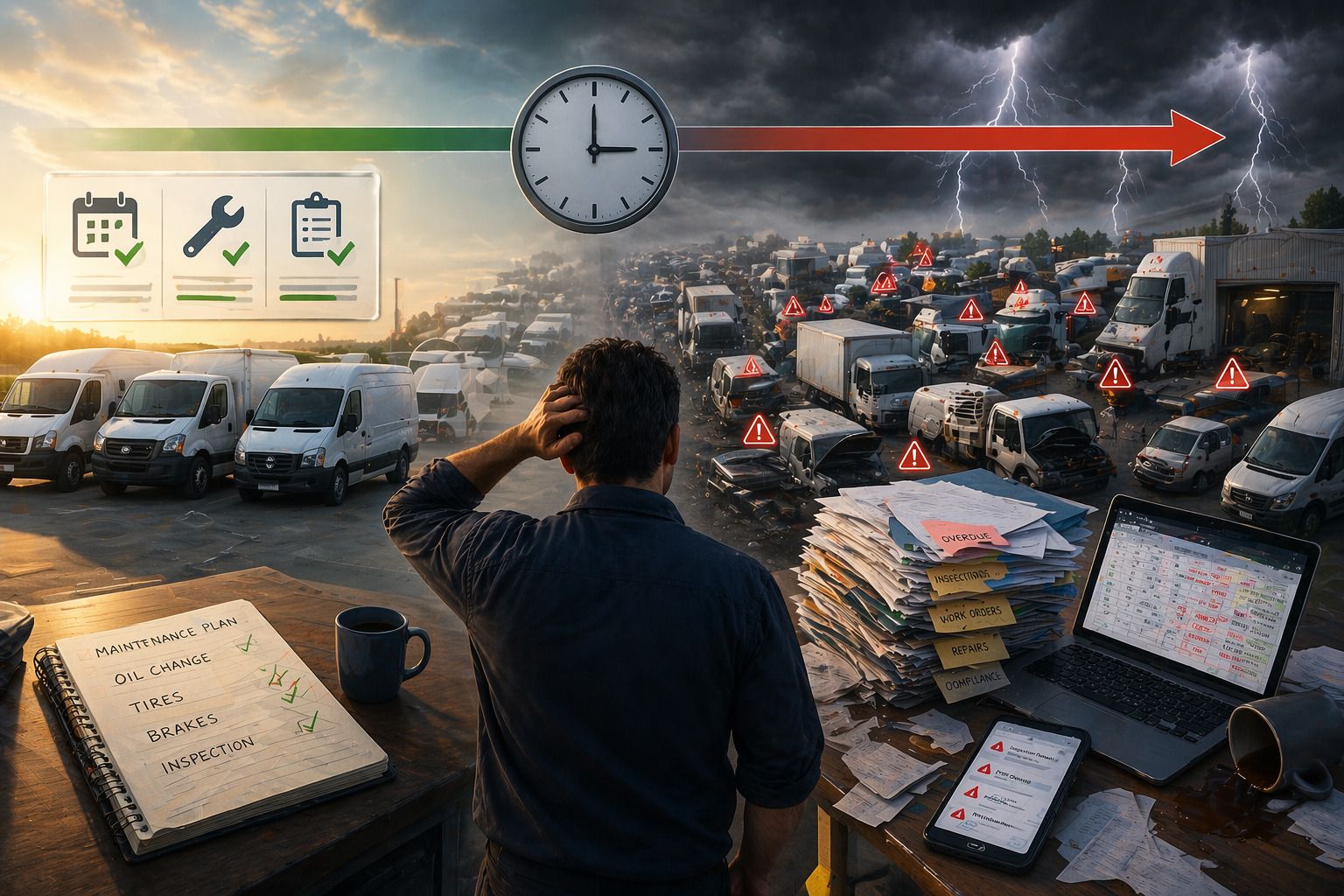
Each one seems reasonable. Together, they create a cycle of rising costs.
Skipping or Delaying Preventive Maintenance
Preventive maintenance is often treated as flexible. It is not.
Skipping one service might save 150 dollars today. But that same decision can lead to a 4000 dollar repair later when a major component fails.
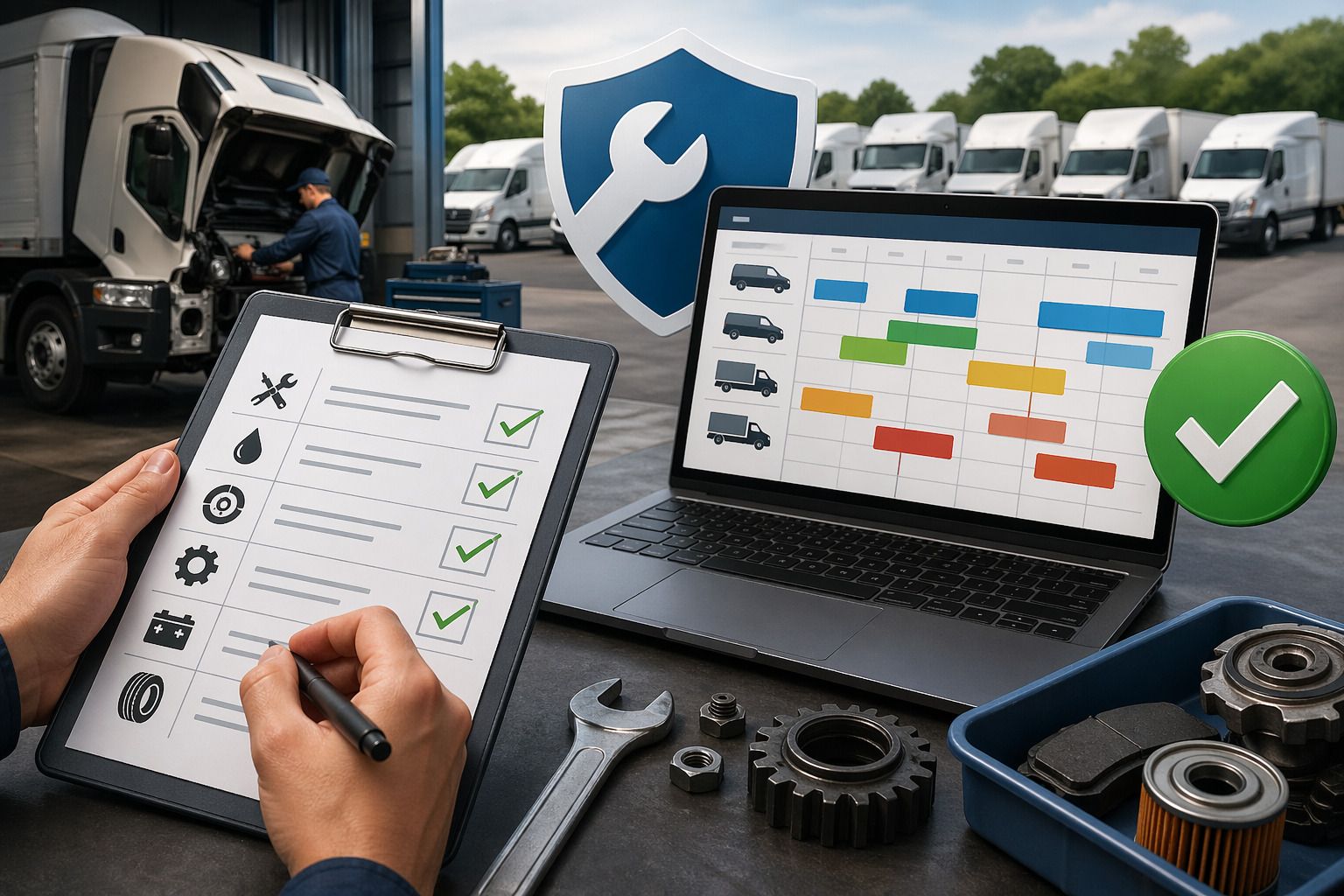
This is exactly why structured programs like fleet preventive maintenance schedules exist. They ensure vehicles are serviced at the right intervals before problems escalate.
Fleets that ignore this often end up dealing with the same issues highlighted in rising fleet maintenance costs and smart strategies, where reactive fixes quickly dominate the budget.
Reducing Driver Training and Safety Programs
Training is easy to cut because the impact is not immediate. But the risks show up quickly.
Without consistent driver education and oversight, fleets see:
- Higher accident frequency
- Increased insurance premiums
- More frequent repairs
- Greater liability exposure
Even small improvements in driving behavior can reduce fuel usage and wear on vehicles. Removing training removes those gains.
Systems that support driver accountability, like fleet user and driver management tools, help maintain performance without increasing overhead.
Cutting Fleet Management Software or Technology
Software is often viewed as an expense instead of a control system. Removing it might save a subscription fee, but it eliminates visibility.
Without tracking tools, fleets lose control over:
- Maintenance timing
- Fuel consumption trends
- Inspection compliance
- Cost tracking across vehicles
The result is not savings. It is guesswork.
That is why many fleets run into the same issues described in hidden costs of managing a fleet without software, where lack of visibility leads directly to higher spending.
The Hidden Costs That Do Not Show Up in the Budget Line
Some of the most expensive problems in fleet operations never appear as line items. They build slowly and surface when it is too late to prevent them.
Unplanned Downtime and Lost Productivity
When a vehicle breaks down unexpectedly, the repair bill is only part of the cost.
Downtime also includes:
- Missed deliveries or service calls
- Idle driver wages
- Emergency rental vehicles
- Disrupted schedules
A single vehicle out of service can easily cost between 300 and 800 dollars per day.
Understanding the real impact requires looking beyond repair invoices. This is where calculating downtime becomes critical, especially when using models like those outlined in how to calculate fleet downtime cost.
Preventing these issues starts earlier in the process. Regular inspections using a digital vehicle inspection app help catch problems before they become failures.
Compliance Violations and Regulatory Fines
Compliance is often overlooked until something goes wrong.
Skipping inspections or delaying documentation can lead to:
- Fines for missing records
- Failed audits
- Operational disruptions
- Increased scrutiny from regulators
These are not small risks. A single violation can cost thousands.
Maintaining accurate records through systems like a vehicle document management system ensures fleets stay compliant without adding manual workload.
Accelerated Vehicle Depreciation
Neglected vehicles lose value faster. This affects resale, replacement timing, and overall fleet cost.
Poor maintenance leads to:
- Faster wear on key components
- Reduced performance
- Lower resale value
- Increased replacement frequency
When fleets begin tracking total ownership cost, they quickly see how maintenance decisions affect long term value. Concepts like fleet vehicles total cost of ownership make this connection clear.
How to Cut Fleet Costs Without Cutting Corners
Cost reduction does not mean removing essential processes. It means improving how the fleet operates.
The most effective strategies focus on efficiency:
- Maintain vehicles at the right intervals
- Reduce underutilized assets
- Track real time operational data
- Identify inefficiencies early
Prioritize Maintenance Intervals Based on Data Not Guesswork
Maintenance should never be based on assumptions.
Using real data such as mileage, usage patterns, and service history ensures vehicles are maintained exactly when needed.
Tools that follow OEM factory maintenance schedules help align service timing with manufacturer recommendations.
Maintaining accurate records through vehicle service history tracking also helps predict issues before they occur.
Identify Underperforming or Underutilized Vehicles
Not every vehicle contributes equally to operations.
Some units generate cost without delivering value. Removing or reallocating these assets improves overall efficiency.
Fleet managers often use insights similar to those in five signs you should replace your delivery fleet to make better replacement decisions.
Use Fleet Software to Find Waste Before It Finds You
The biggest cost savings often come from visibility.
When fleets track performance in real time, they can identify issues before they become expensive problems.
Using systems like fleet reports and dashboard analytics allows managers to monitor trends, compare costs, and act early.
This is also where solutions discussed in how fleet management software reduces costs become practical, not theoretical.
Building a Cost Reduction Strategy That Does Not Increase Risk
Cutting costs should be strategic, not reactive.
A strong approach focuses on balancing short term savings with long term performance.
Effective strategies include:
- Tracking cost per vehicle and per mile
- Running regular fleet audits
- Monitoring total cost of ownership
- Setting performance benchmarks for uptime
Budgeting also plays a key role. Structured planning methods like those outlined in six essential steps to create your fleet budget help align spending with operational goals.
The goal is not to spend less. It is to spend with purpose.
The Bottom Line on Fleet Cost Cutting
Cutting costs is part of fleet management. But cutting the wrong costs creates a much bigger problem.
Every delayed repair, skipped inspection, or removed system adds risk. And that risk eventually turns into higher expenses.
The fleets that succeed are not the ones that spend the least. They are the ones that understand where to spend and why.
If you want to reduce costs without increasing risk, start by improving visibility across your operation. With the right systems in place, you can prevent problems before they escalate and make decisions based on real data, not assumptions.
That is where real savings come from.
Frequently Asked Questions
-
What happens if you cut preventive maintenance in a fleet?
Cutting preventive maintenance increases the risk of breakdowns, expensive repairs, and extended downtime. Small issues go unnoticed and often turn into major failures that cost significantly more to fix. -
What are the biggest hidden costs in fleet operations?
The biggest hidden costs include unplanned downtime, lost productivity, compliance fines, and accelerated vehicle depreciation. These costs often do not appear in budgets but have a major impact on profitability. -
How much does fleet downtime actually cost per day?
Fleet downtime can cost anywhere from 300 to 800 dollars per vehicle per day depending on lost revenue, driver wages, and replacement needs. In high utilization fleets, the cost can be even higher. -
What is the safest way to reduce fleet costs without increasing risk?
The safest approach is to focus on efficiency, not cuts. This includes optimizing maintenance schedules, removing underutilized vehicles, and using data to identify waste before it becomes expensive. -
Why does cutting fleet software or tracking tools increase costs?
Without tracking tools, fleets lose visibility into maintenance, fuel usage, and compliance. This leads to missed service intervals, higher fuel consumption, and unexpected expenses that outweigh the savings from removing the software.