 Miya Bholat
July 13, 2021
6 Fleet Truck Maintenance Tips to Improve Efficiency and Costs
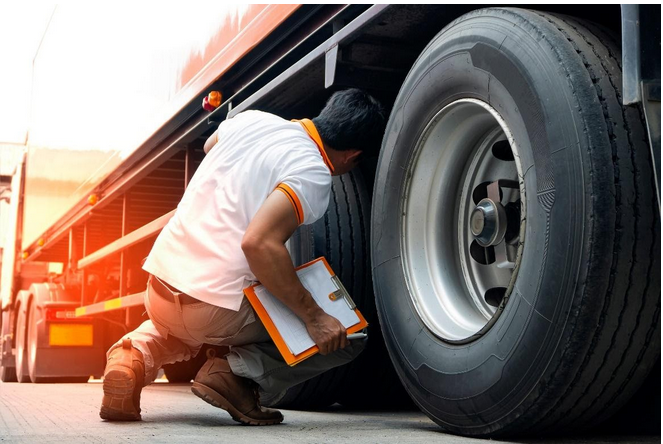
Keeping your drivers safe and your trucks on the road isn't just good practice it's what separates efficient fleets from costly, unpredictable operations. The difference often comes down to one thing: how well your fleet is maintained.
Without a clear system, maintenance and parts costs quickly spiral. Small issues get missed, repairs become reactive, and expenses stack up in ways that are hard to control. What should be routine upkeep turns into unexpected downtime, delayed jobs, and rising operational costs.
This is where fleet maintenance comes in & changes everything. Instead of waiting for something to break, you stay ahead of problems before they impact your fleet. Routine servicing helps avoid major failures, keeps vehicles in service longer, and prevents expensive surprises like engine replacements or emergency downtime.
Well-maintained trucks also deliver measurable gains. They run more efficiently, burn less fuel, wear out fewer tires, and break down far less often. The result is a fleet that performs better, costs less to operate, and stays productive day after day.
If you want fewer breakdowns, lower costs, and more reliable operations, these six fleet truck maintenance tips will help you get there.
6 Tips for Fleet Truck Maintenance
1. Turn to fleet maintenance software
One of the best things you can do for your fleet is investing in an easy-to-use, reliable truck maintenance software. Investing in truck maintenance software is going to make daily tasks much easier, and it’s going to make the data of your business much more accurate and up to date.
In the past, the only way to know if a vehicle was due for maintenance was to maintain a calendar for each vehicle and use paper inspection forms where drivers could confirm if there was an issue or repair needed that day. Yes, this system might work if you have two or three vehicles, but if you have 10 or more trucks in your fleet, the risks of your team forgetting or an error to occur are magnified.
Having your employees fill out long, handwritten paperwork daily is a tall order and often gets overlooked. But, investing in a truck maintenance software like AUTOsist, gives your team a system to input their data and a place for you to have automated maintenance schedules and repair reminders that create work orders for you to give to your maintenance staff. Going digital means you have a flow of communication and immediate updates from identifying a repair to the length of time and parts used to complete the service.
2. Create custom vehicle inspections
Another thing you should be doing regularly to maintain your fleet of trucks is regular inspections. Whether you are a commercial vehicle that requires daily inspections to be compliant or not, this is something you should incorporate into your routine to ensure the longevity of your fleet of vehicles.
Not only should you enforce drivers complete routine truck inspection prior to each trip, but you should also customize each inspection form for each type of truck or piece of equipment – after all, a class-8 truck does not have the same components as your medium-duty truck or trailer.
Using a mobile vehicle inspection app, you can simply create a unique set of inspection requirements for each type of truck or piece of equipment, so drivers can quickly and thoroughly submit inspections. Another great feature of an inspection app is that drivers can submit pictures of issues, which informs maintenance staff far greater than a brief summary could. Plus, it saves big on time to complete so your drivers can hit the road faster.
3. Cost savings analysis and your budget
Yes, we must address the dreaded budgeting talks everyone hates discussing. Preparing a budget and doing cost savings analysis is one of the most important aspects of fleet maintenance management. If you don’t review your maintenance work orders, parts inventory, and amount spent, you have no idea how much your fleet could be weighing down the business.
Let say you have a fleet of 12 class-8, six of brand A and six of brand B trucks. After some research and comparing your two brands of trucks, you found B to be the most reliable truck in terms of having less breakdowns and cost to repair. This information leads you to then purchase or lease all of brand B trucks when the time comes to replace your aging fleet.
In another scenario, imagine not track of which tire brand was used in a work order and then comparing it against two other brands you used on similar trucks. You might find that one brand lasts longer than the others, which allows you to buy in bulk and save on replacing all your truck’s tires.
4. Create a line of communication amongst your fleet
Depending on the size of your fleet, you may have multiple different drivers using the same truck. One of your trucks may have had some sort of engine issue one day, but it may have not been recorded because they forgot to fill out the paperwork and they didn’t communicate it to anyone in the company.
Then, your next driver comes in and takes that same truck for the day and blows the engine! The driver wasn’t sure why it happened, then come to find out it was having issues before and no one reported it. The key to truck maintenance is communication between drivers and fleet managers so you can avoid instances like this. With AUTOsist, we make communication between team members easy and convenient, so you are always informed.
5. Create fleet reports
Another thing many dread but is absolutely necessary is reporting. No matter what you have going on, keeping and updating reports for your fleet is extremely important to keep a pulse on the health of your trucks. Some of the necessary fleet reports re fuel costs, parts expenses for repair work orders, and daily reports from your vehicle inspections, which you will want to have a historic log of in case of an inspection blitz or audit.
These are all very important things that you and your team need to stay on top of to properly maintain your vehicles, AUTOsist allows you to upload, update, and download all your daily, weekly, or monthly fleet reports all in one place.
6. Plan ahead
When it comes to proper fleet truck maintenance, you want to ensure you have proper truck maintenance solutions in place before you add on any vehicles or drivers. You want to avoid a situation where you have to hire five or six new drivers, purchase new trucks and have no system in place for them to follow. Having a system and routine in place before an expansion is much easier to manage than trying to enforce it after the fact. Plus, having a system to maintain vehicles will make certain you address issues immediately and your trucks will last longer and be safer to operate.
How to Structure a Preventive Maintenance Program That Actually Scales?
Most fleets don't struggle because they lack maintenance they struggle because their preventive maintenance program isn't structured to scale.
As fleets grow, relying on memory, spreadsheets, or inconsistent intervals leads to missed services and reactive fixes. A structured preventive maintenance program ensures every vehicle follows a consistent maintenance schedule based on usage, not guesswork.
Start by defining service intervals using a mix of mileage, engine hours, and real-world operating conditions. Then standardize inspections and service tasks across all vehicles to eliminate variability. The goal is not just consistency it's predictability.
A strong preventive maintenance program also requires visibility. Without centralized records, teams lose track of vehicle service history, repeat repairs, and failure patterns.
When schedules are clearly defined and consistently followed, fleets reduce missed services, improve reliability, and create a system that scales with growth instead of breaking under it.
Why Fleet Downtime Is a Data Problem, Not Just a Maintenance Problem
Many fleets assume breakdowns are purely mechanical failures. In reality, most fleet downtime issues come from lack of visibility, not lack of maintenance.
When service history is incomplete or scattered, patterns go unnoticed. Vehicles that repeatedly fail the same components, delays in servicing, and missed inspections all compound into larger failures.
Tracking service history in a centralized system allows fleet managers to identify trends early. For example, if multiple trucks show early brake wear under similar routes, that's not random it's actionable data.
This is also where reducing reactive maintenance becomes possible. Instead of waiting for failures, fleets can shift toward predictive decisions based on past performance and usage data.
When maintenance decisions are driven by data instead of assumptions, downtime becomes manageable, predictable, and significantly less disruptive.
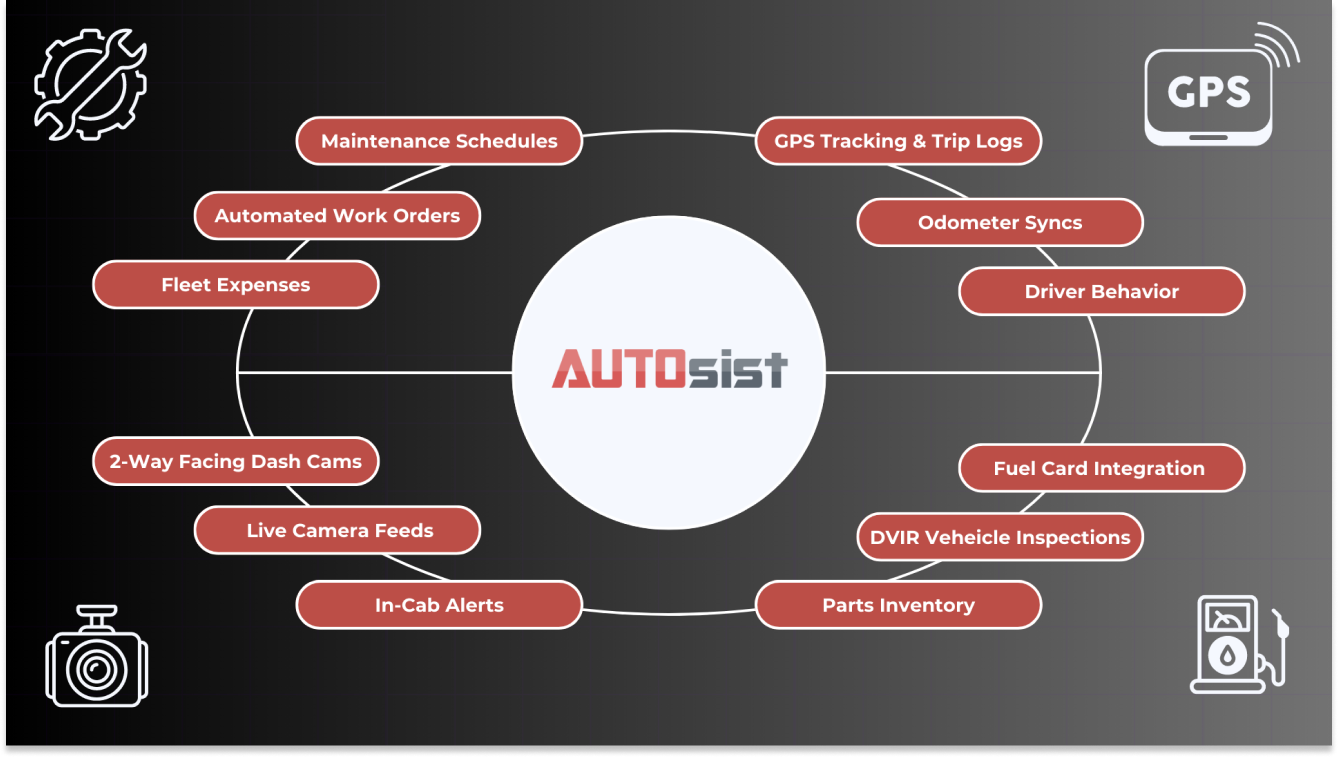
To learn more about AUTOsist and learn how it can help you manage your truck fleet request a demo today!
Frequently Asked Questions
-
What are the most important fleet truck maintenance practices?
The most important practices include using fleet maintenance software, performing regular inspections, tracking costs, maintaining communication, analyzing reports, and planning maintenance ahead of time. -
How does fleet maintenance software improve truck maintenance?
Fleet maintenance software helps automate maintenance schedules, track service history, manage work orders, and provide real-time visibility into fleet health. -
Why are custom vehicle inspections important for fleets?
Custom vehicle inspections ensure that each type of vehicle is checked based on its specific usage, helping identify issues early and maintain safety and compliance. -
How can fleet managers reduce maintenance costs?
Fleet managers can reduce costs by tracking maintenance expenses, analyzing trends, preventing major breakdowns, and shifting from reactive maintenance to planned servicing. -
Why is planning ahead important in fleet maintenance?
Planning ahead ensures maintenance is scheduled on time, reduces unexpected downtime, improves vehicle lifespan, and keeps fleet operations running smoothly.