 Miya Bholat
Jan 27, 2026
Top Features of a Fleet Fuel Management System That Cut Costs and Improve Control
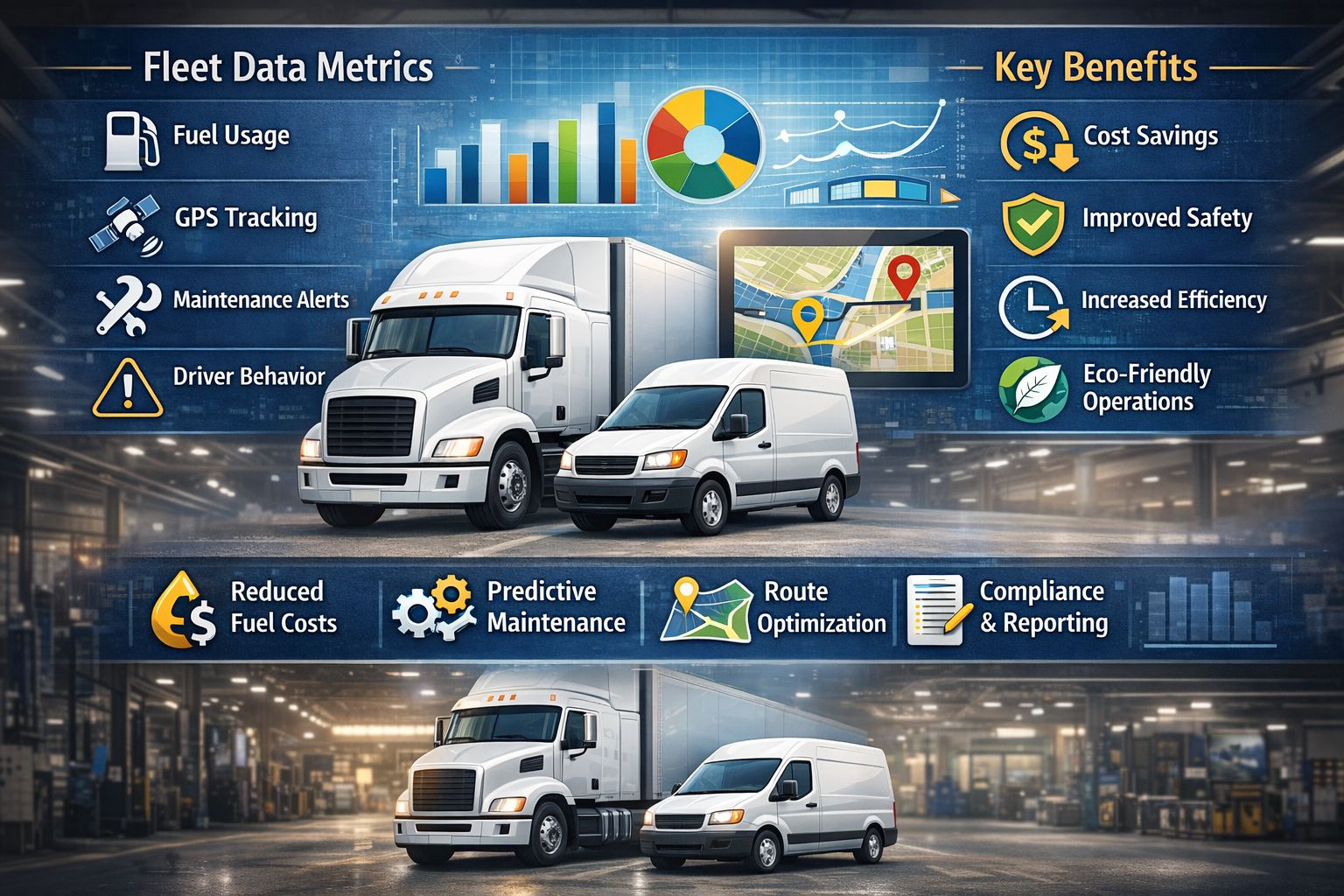
Fuel is one of the largest and least predictable operating expenses for fleet-based businesses. For many fleets, fuel alone can account for 20–30% of total operating costs, and even small inefficiencies can quietly drain thousands of dollars each year. Rising fuel prices, tighter margins, and growing pressure to improve efficiency make fuel management a top priority for fleet managers.
A modern fleet fuel management system goes far beyond tracking fuel receipts. It provides real-time visibility, automated controls, analytics, and integrations that help fleets actively manage consumption instead of reacting to monthly reports. When implemented correctly, these systems help identify waste, prevent fraud, improve driver behavior, and connect fuel data with broader fleet operations.
This article breaks down the most important features to look for in a fleet fuel management system and explains how each one contributes to measurable cost savings and operational control.
Key Takeaways: Choosing the Right Fuel Management System
-
Real-time visibility drives faster decisions:
Systems that provide live fuel data help fleets catch inefficiencies and losses before they escalate. -
Automation reduces administrative burden:
Fuel card integration and automated reconciliation save time while improving accuracy. -
Analytics turn data into savings:
MPG tracking, trend analysis, and benchmarking reveal where fuel dollars are being wasted. -
Driver behavior matters:
Linking fuel usage to driving habits enables targeted coaching and measurable improvements. -
Integration creates a complete picture:
Connecting fuel data with maintenance and telematics delivers deeper operational insight. -
Prevention is more effective than recovery:
Fuel theft detection and policy controls stop losses before they become recurring problems.
Real-Time Fuel Tracking and Monitoring
Real-time fuel tracking is the foundation of any effective fuel management system. Instead of waiting for end-of-month fuel statements, fleet managers can see fuel usage as it happens across vehicles, drivers, and locations. This immediate visibility allows issues to be addressed before they turn into expensive problems.
With real-time monitoring, fleets can track fuel consumption by vehicle, monitor refueling activity, and compare expected versus actual usage throughout the day. This is especially valuable for large or distributed fleets where abnormal consumption might otherwise go unnoticed for weeks.
Common real-time data points fleet managers monitor include:
- Fuel consumption by vehicle and driver
- Refueling location, time, and volume
- Sudden drops in fuel levels
- Fuel usage during idle time
When paired with a centralized dashboard like AUTOsist’s Fleet Fuel Management and Tracking Software, this data becomes immediately actionable instead of sitting unused in spreadsheets.
Fuel Level Sensors and Telematics Integration
Fuel level sensors and telematics integrations bring accuracy and automation to fuel tracking. By connecting directly to vehicle sensors and GPS devices, the system can capture precise fuel-level changes and consumption patterns without manual input.
Telematics data allows fleets to correlate fuel usage with vehicle movement, engine hours, and driving behavior. For example, if fuel levels drop without corresponding vehicle movement, the system can flag potential fuel theft. If consumption spikes during certain routes or drivers, managers can investigate operational causes rather than guessing.
Integrations with GPS and telematics platforms—such as those supported through AUTOsist’s GPS Fleet Tracking and Telematics ecosystem—help create a single, reliable source of truth for fuel data.
Fuel Card Integration and Transaction Controls
Fuel card integration is another core feature that simplifies fuel management while reducing fraud risk. Instead of managing separate fuel card portals, a fleet fuel management system consolidates transaction data directly into the fleet platform.
Transaction controls allow fleets to set rules around how fuel cards can be used. These controls help ensure fuel purchases align with company policies and vehicle requirements.
Common transaction controls include:
- Purchase type restrictions (fuel-only, no convenience items)
- Time-of-day or day-of-week limits
- Per-transaction or daily spend limits
- Vehicle or driver-specific card assignments
By enforcing these rules automatically, fleets reduce unauthorized purchases without relying on manual oversight.
Automated Reconciliation
Automated reconciliation eliminates one of the most time-consuming aspects of fuel management: matching fuel card transactions with vehicle usage. The system automatically compares fuel purchases against odometer readings, GPS data, and expected consumption.
This process quickly identifies discrepancies such as overfilled tanks, purchases made for the wrong vehicle, or transactions that don’t align with recorded mileage. Instead of spending hours reviewing receipts, fleet managers receive clear exceptions that require attention.
Automated reconciliation not only saves administrative time but also strengthens accountability across drivers and vehicles.
Fuel Efficiency Analytics and Reporting
Data alone doesn’t reduce fuel costs—insight does. Fuel efficiency analytics transform raw consumption data into trends, benchmarks, and performance indicators that fleet managers can act on.
A strong fuel management system provides reporting at multiple levels, including vehicle, driver, route, and fleet-wide performance. Managers can track MPG trends over time, compare similar vehicles, and identify underperforming assets.
These insights are especially powerful when fuel data is paired with broader operational reporting tools like AUTOsist’s Fleet Reports and Dashboard, allowing fuel metrics to be analyzed alongside maintenance, utilization, and cost data.
Driver Performance Metrics
Driver behavior has a significant impact on fuel consumption. Modern fuel management systems track behaviors such as idling, speeding, harsh acceleration, and braking, then correlate them with fuel usage.
This data enables targeted driver coaching instead of blanket policies. For example, a fleet might discover that excessive idling during job-site stops is driving up fuel costs more than route inefficiencies.
Key driver-related fuel metrics often include:
- Idle time per shift or route
- Fuel consumption per mile driven
- Speeding frequency and duration
- Fuel efficiency comparisons between drivers
By focusing on data-backed coaching, fleets can improve fuel efficiency without compromising productivity.
Fuel Theft Detection and Prevention
Fuel theft remains a costly and often underestimated problem for fleets. Without proper monitoring, small, repeated losses can accumulate into significant financial impact over time.
Fuel management systems detect theft through a combination of sensor data, transaction monitoring, and behavioral analysis. Alerts can be triggered when fuel levels drop unexpectedly, when purchases exceed tank capacity, or when fuel is bought without corresponding vehicle movement.
Early detection is critical. Identifying theft patterns quickly prevents ongoing losses and helps reinforce accountability across the organization.
Route Optimization for Fuel Savings
Route planning has a direct influence on fuel consumption. Advanced fuel management systems integrate with routing and GPS data to suggest more fuel-efficient routes based on distance, traffic patterns, and historical performance.
Optimized routing reduces unnecessary mileage, minimizes idling in traffic, and improves overall fleet efficiency. Over time, even modest improvements in route efficiency can result in substantial fuel savings across a large fleet.
This feature is particularly valuable for service fleets, delivery operations, and construction companies where routes change frequently and fuel costs fluctuate with traffic conditions.
Tax Reporting and Compliance Features
Fuel tax reporting adds another layer of complexity to fleet operations, especially for fleets operating across state or provincial lines. Manual fuel tax reporting is time-consuming and prone to errors that can lead to penalties.
Fuel management systems streamline compliance by automatically tracking fuel purchases, mileage, and jurisdictional usage. Features such as IFTA reporting and automated log generation reduce administrative burden while improving accuracy.
By maintaining organized, auditable fuel records, fleets spend less time on paperwork and more time on operational improvement.
Mobile Access and Driver Communication
Mobile access ensures fuel data stays accurate and timely, even in the field. Driver-facing mobile apps allow drivers to log fuel purchases, capture receipts, and report issues directly from their devices.
Mobile communication also improves accountability. Drivers receive alerts for policy violations, fueling reminders, or unusual activity, creating a feedback loop that reinforces best practices without constant manual oversight.
AUTOsist’s Mobile App supports this two-way communication by keeping drivers and managers aligned in real time.
Integration with Fleet Maintenance Systems
Fuel data becomes even more valuable when connected to fleet maintenance systems. Abnormal fuel consumption often signals mechanical issues such as underinflated tires, engine problems, or overdue maintenance.
When fuel management integrates with maintenance tracking, fleets can:
- Identify vehicles with declining fuel efficiency
- Schedule proactive inspections based on fuel trends
- Correlate maintenance events with fuel performance
- Build a complete cost-per-mile picture
This integrated approach aligns fuel management with preventive maintenance strategies supported by tools like AUTOsist’s Fleet Maintenance Work Order Software, helping fleets reduce both fuel and repair costs.
A fleet fuel management system isn’t just about tracking expenses—it’s about gaining control. By choosing a solution with the right combination of visibility, automation, analytics, and integration, fleets can protect margins, improve accountability, and operate more efficiently every day.